College towns offer far more than football Saturdays and lecture halls. They’re often packed with independent bookstores, award-winning restaurants, lively music venues, scenic parks, historic architecture, and energetic downtown districts that welcome visitors year-round.
Whether you’re planning a weekend getaway or a cross-country road trip, these campus communities are among America’s most enjoyable places to explore. Grab your map and get ready to be surprised.
Ann Arbor, Michigan
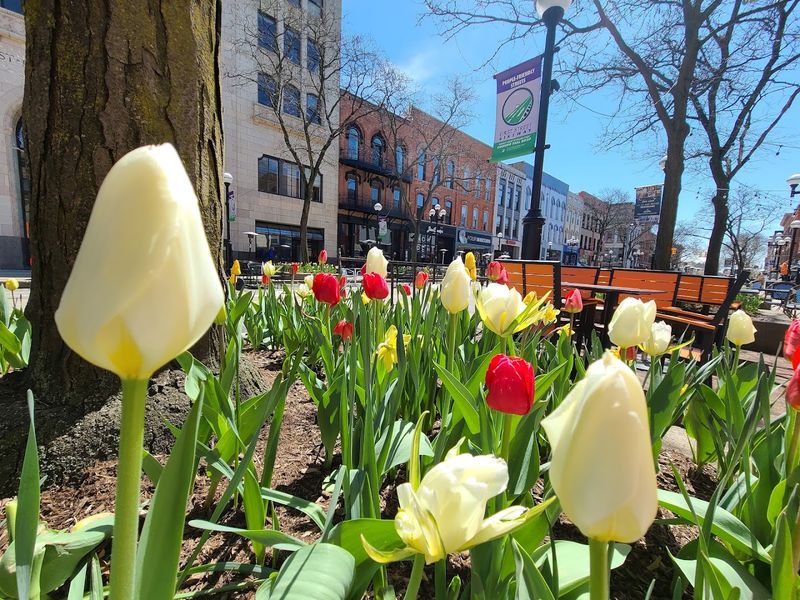
Few cities wear their brains and their fun on the same sleeve quite like Ann Arbor. Home to the University of Michigan, this mid-sized city punches way above its weight with an incredible food scene, legendary live music, and bookstores that could keep you busy for days.
The Kerrytown district alone is worth the trip for its artisan shops and weekend farmers market.
Beyond the campus buzz, Ann Arbor has a rich museum culture. The University of Michigan Museum of Art offers free admission and genuinely impressive collections.
Nature lovers can paddle the Huron River or explore the Nichols Arboretum, a stunning green space that turns golden every fall.
Locals take their coffee seriously here, and the independent cafe scene reflects that passion beautifully. Restaurants range from casual ramen spots to nationally recognized fine dining.
The city also hosts the massive Ann Arbor Art Fair each summer, drawing hundreds of thousands of visitors. Ann Arbor is proof that a college town can feel like a full-blown cultural destination without losing its welcoming, neighborhood feel.
Madison, Wisconsin
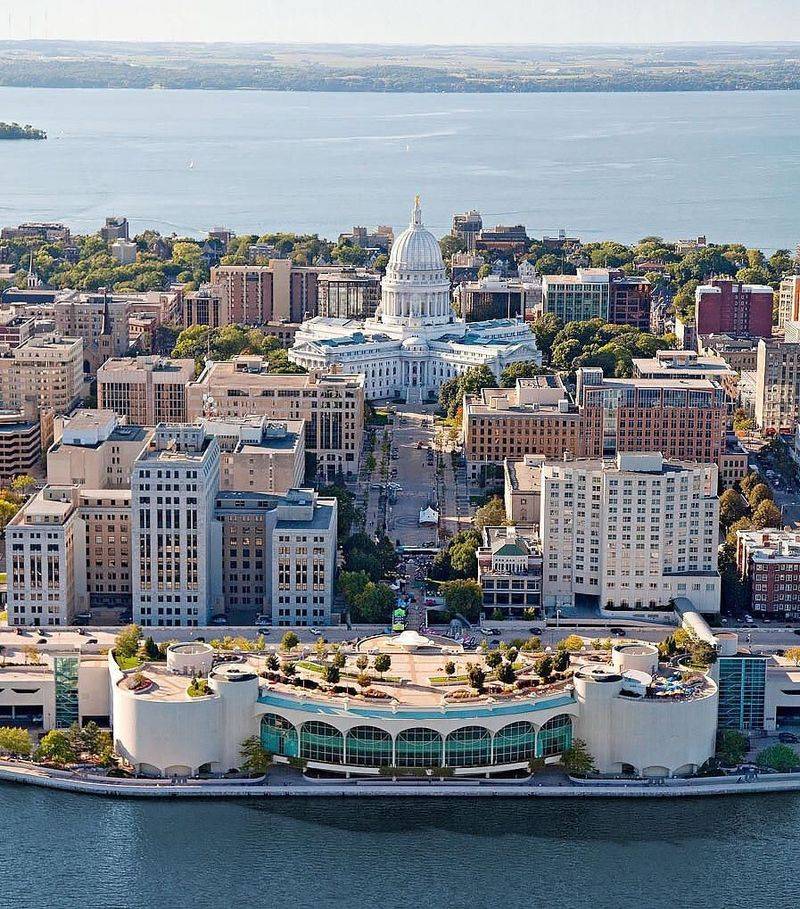
Squeezed between two sparkling lakes, Madison is the kind of place that makes you wonder why you ever live anywhere else. The University of Wisconsin anchors a city that buzzes with farmers markets, craft breweries, live music, and outdoor recreation in every direction.
On Saturday mornings, the Dane County Farmers Market circles the State Capitol building in a glorious loop of cheese, produce, and fresh bread.
Lake Mendota and Lake Monona offer kayaking, paddleboarding, and sailing within minutes of downtown. In winter, locals ice fish and skate without missing a beat.
The food scene leans heavily local, with restaurants showcasing Wisconsin dairy and seasonal ingredients in creative ways that would impress any food critic.
State Street, the pedestrian corridor connecting campus to the Capitol, is lined with independent shops, bars, and eateries that give Madison its unmistakable character. Terrace chairs at the Memorial Union are basically sacred seating, especially during a summer sunset over the lake.
Madison consistently ranks among the happiest and healthiest cities in the country, and spending even one weekend here makes that ranking feel completely earned.
Athens, Georgia
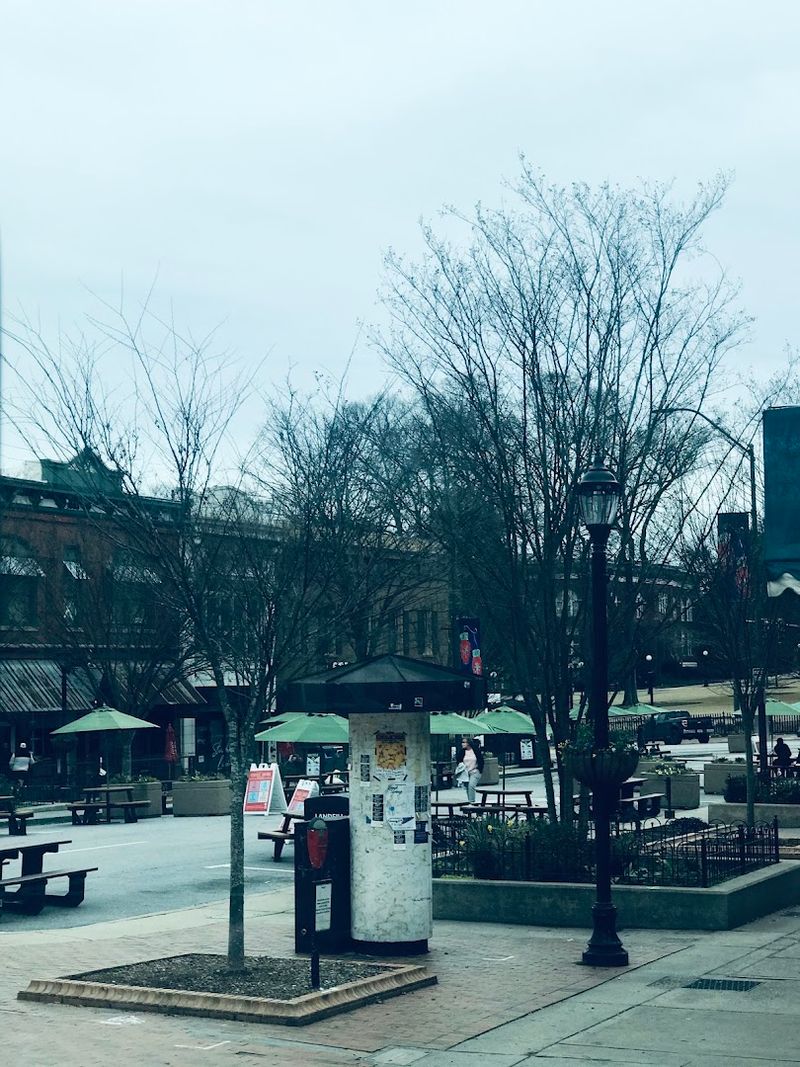
Athens launched R.E.M. and the B-52s into the world, and its music scene has never stopped delivering. The University of Georgia gives this Southern city its heartbeat, but Athens runs on a creative energy that feels entirely its own.
Venues like the 40 Watt Club have hosted iconic acts for decades and remain essential stops on any music lover’s road trip.
The food scene is just as impressive as the soundtrack. From low-key taco spots to acclaimed Southern restaurants drawing national attention, Athens eats extremely well for a city its size.
The downtown area around College Avenue is walkable, charming, and full of independent shops and bars with genuine character.
Historic neighborhoods like Normaltown and Five Points offer tree-shaded streets, Victorian homes, and locally owned coffee shops that feel nothing like a chain. Outdoor options include the Sandy Creek Nature Center and the North Oconee River Greenway for hiking and birdwatching.
Athens also celebrates art through the Lyndon House Arts Center and numerous galleries scattered throughout the city. Honestly, Athens is one of those towns that visitors plan to spend a weekend in and somehow end up staying much longer.
Boulder, Colorado
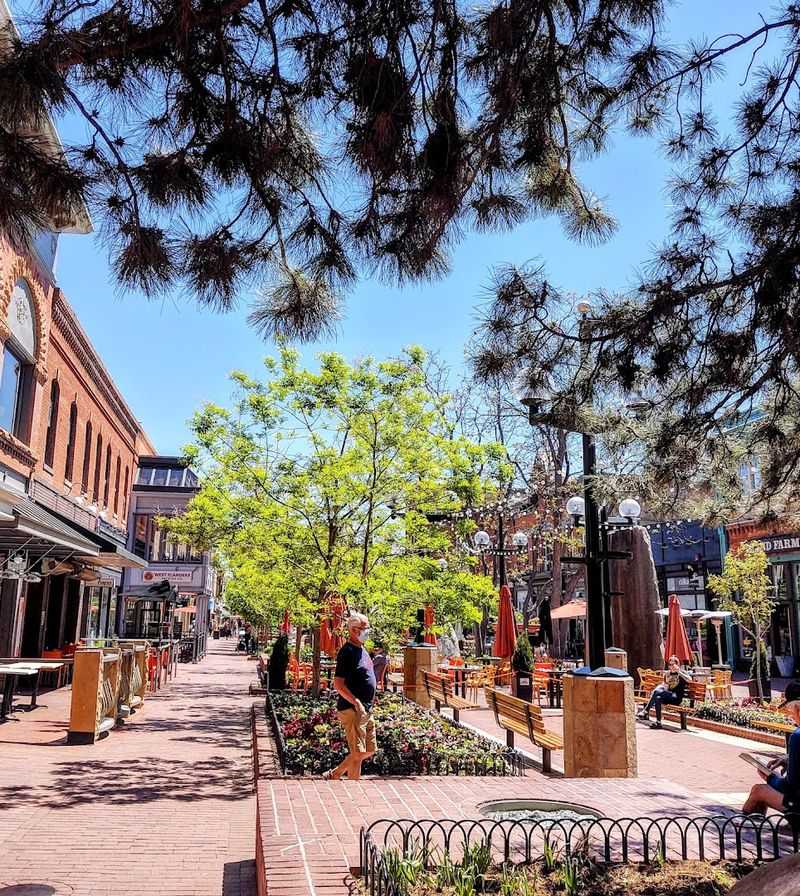
The Flatirons rising behind Pearl Street Mall might be the most dramatic college town backdrop in the entire country. Boulder pairs the University of Colorado with an outdoor lifestyle so active and varied that it practically shames the rest of us into exercising.
Hiking, rock climbing, mountain biking, and trail running are not weekend hobbies here but daily routines for many residents.
Pearl Street Mall is a pedestrian paradise lined with restaurants, boutiques, street performers, and independent bookstores. The food and brewery scene is genuinely world-class, with craft beer culture woven deeply into the city’s identity.
Avery Brewing and Fate Brewing are local favorites worth seeking out after a long hike.
Chautauqua Park offers a storybook setting for picnics and trail access right at the base of the mountains. The Boulder Farmers Market runs from spring through fall and showcases Colorado’s agricultural bounty with impressive variety.
Boulder also has a thriving arts scene with galleries, live music venues, and the Colorado Shakespeare Festival held on the CU campus each summer. Yes, it is famously expensive, but a day spent here makes the price of admission feel completely reasonable.
Bozeman, Montana
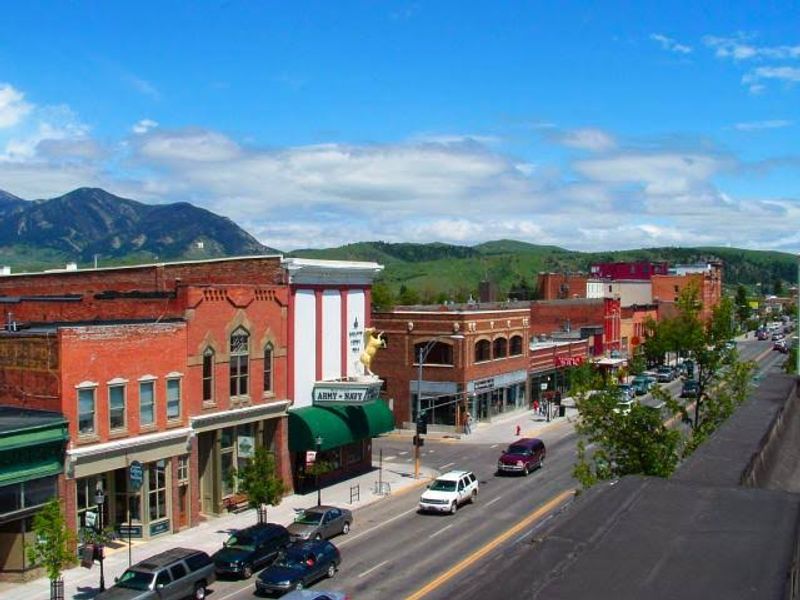
Sitting just 90 miles from Yellowstone National Park, Bozeman is where adventure actually begins. Montana State University gives this mountain town its youthful energy, but the surrounding landscape is what makes people move here and never leave.
The Bridger Mountains loom dramatically to the north, offering skiing in winter and hiking in summer that rivals anything in the Rockies.
Main Street Bozeman is a genuinely lovely place to spend a slow afternoon. Independent restaurants, fly-fishing shops, outdoor gear stores, and coffee houses line the historic downtown in a way that feels authentic rather than curated.
The food scene has grown impressively in recent years, with chefs bringing serious culinary talent to this once-overlooked corner of Montana.
Gallatin River runs right through the area and is considered one of the best fly-fishing rivers in the country. Whitewater rafting trips are popular through summer, and the nearby ski resort at Bridger Bowl keeps winters lively.
The Museum of the Rockies on the MSU campus houses one of the world’s best dinosaur fossil collections, which is an unexpected delight for curious visitors of all ages. Bozeman consistently earns its reputation as one of America’s most exciting small cities.
Charlottesville, Virginia
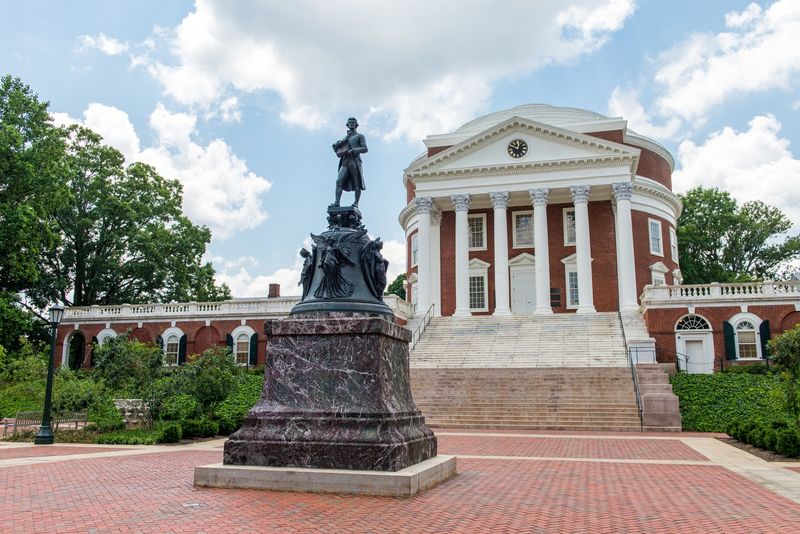
Thomas Jefferson designed the University of Virginia and called it his greatest achievement, which tells you something about how seriously Charlottesville takes its history. The Lawn, UVA’s iconic central grounds, is one of the most architecturally stunning college spaces in America and is open to the public year-round.
Monticello, Jefferson’s famous hilltop home, sits just minutes from downtown and draws visitors from around the world.
The Downtown Mall is a beautifully preserved pedestrian corridor with restaurants, music venues, independent shops, and a genuine small-city energy that feels warm rather than touristy. Charlottesville’s wine country is another major draw, with over 40 wineries scattered through the surrounding foothills producing wines that have earned serious national attention.
The Blue Ridge Mountains provide a stunning backdrop for hiking, cycling, and scenic drives along Skyline Drive in nearby Shenandoah National Park. Local restaurants celebrate Virginia’s farm-to-table traditions with seasonal menus that change alongside the landscape.
The music scene punches above its weight too, with the Jefferson Theater and other venues hosting acts that draw crowds from across the mid-Atlantic region. Charlottesville is the rare college town where history, nature, food, and culture all arrive at the table together.
Iowa City, Iowa
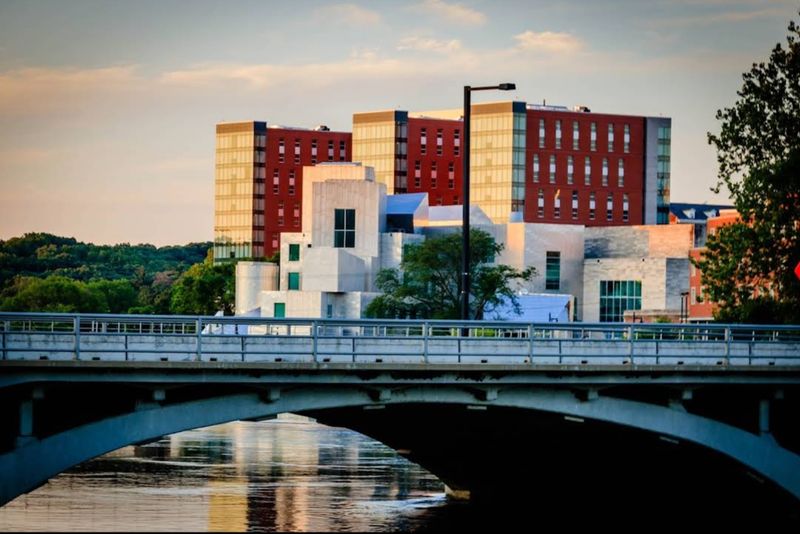
UNESCO named Iowa City a City of Literature, making it one of only a handful of American cities to earn that designation. The honor fits perfectly for a place built around the University of Iowa and its world-famous Writers Workshop, which has produced more acclaimed authors than almost any other program in history.
Independent bookstores here are treated like community treasures, not afterthoughts.
The Ped Mall, Iowa City’s pedestrian zone, is a lively gathering spot with restaurants, bars, live music, and regular community events that keep the downtown humming throughout the year. Prairie Lights Bookstore is a legendary stop that hosts author readings and events drawing literary figures from across the country.
The Iowa River runs through campus and offers scenic walking and cycling paths that connect neighborhoods in a relaxed, accessible way. Local restaurants reflect a surprising range of culinary influences for a Midwestern city, from Vietnamese and Ethiopian cuisine to creative farm-to-table spots celebrating Iowa’s agricultural roots.
Summer festivals and the Iowa Arts Festival bring additional energy to an already active cultural calendar. Iowa City proves that a smaller college town can carry enormous intellectual and creative weight without losing its friendly, unpretentious charm.
Eugene, Oregon
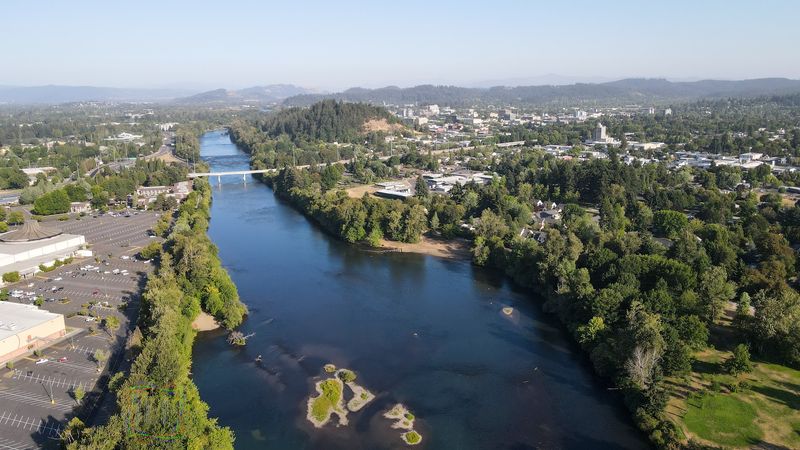
Running is practically a religion in Eugene, and the University of Oregon’s legendary track program explains a lot about that devotion. Known as TrackTown USA, Eugene hosted the World Athletics Championships in 2022, cementing its status as the spiritual home of American distance running.
But even non-runners find plenty to love in this Pacific Northwest city tucked between rivers and forests.
The Saturday Market runs from spring through fall and fills downtown with local artisans, food vendors, and live music in a festive weekly celebration that feels genuinely community-driven. Eugene’s craft brewery scene is exceptional, with spots like Ninkasi Brewing earning national recognition for quality and innovation.
Food cart culture adds another casual, affordable dining dimension that visitors appreciate.
Hendricks Park and the Spencer Butte trail system offer forested hiking just minutes from downtown. The McKenzie and Willamette Rivers provide kayaking, fishing, and swimming opportunities that make summer in Eugene feel like a continuous outdoor adventure.
The Jordan Schnitzer Museum of Art on the UO campus is free and houses a surprisingly rich collection of Pacific Rim art. Eugene blends athletic culture, creative energy, and natural beauty into a combination that is quietly irresistible for anyone who visits.
Bloomington, Indiana
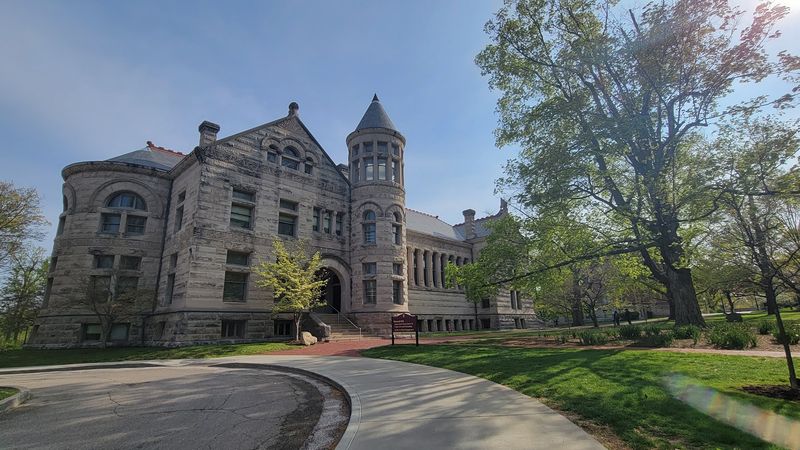
Limestone is everywhere in Bloomington, and not by accident. The local Bedford limestone quarried nearby built much of Indiana University’s stunning campus, giving the city a distinctive architectural character that sets it apart from almost every other college town in the Midwest.
Walking through IU’s campus feels like wandering through a very elegant open-air museum.
The food scene in Bloomington is remarkably diverse and adventurous for a city its size. Ethiopian, Japanese, Mexican, and farm-to-table American restaurants compete for attention downtown in a way that keeps locals and visitors perpetually happy.
The B-Line Trail, a paved greenway looping through the city, connects neighborhoods and parks in a way that makes getting around by bike both practical and enjoyable.
Lake Monroe, the largest lake in Indiana, sits just south of the city and offers boating, fishing, and lakeside camping within a short drive. Monroe County Courthouse Square anchors a lively downtown filled with independent shops, live music venues, and galleries.
The Indiana University Art Museum houses a world-class collection that includes works by Picasso, Rodin, and Warhol. Bloomington is the kind of town that rewards slow exploration, revealing new favorites around every limestone corner.
Chapel Hill, North Carolina
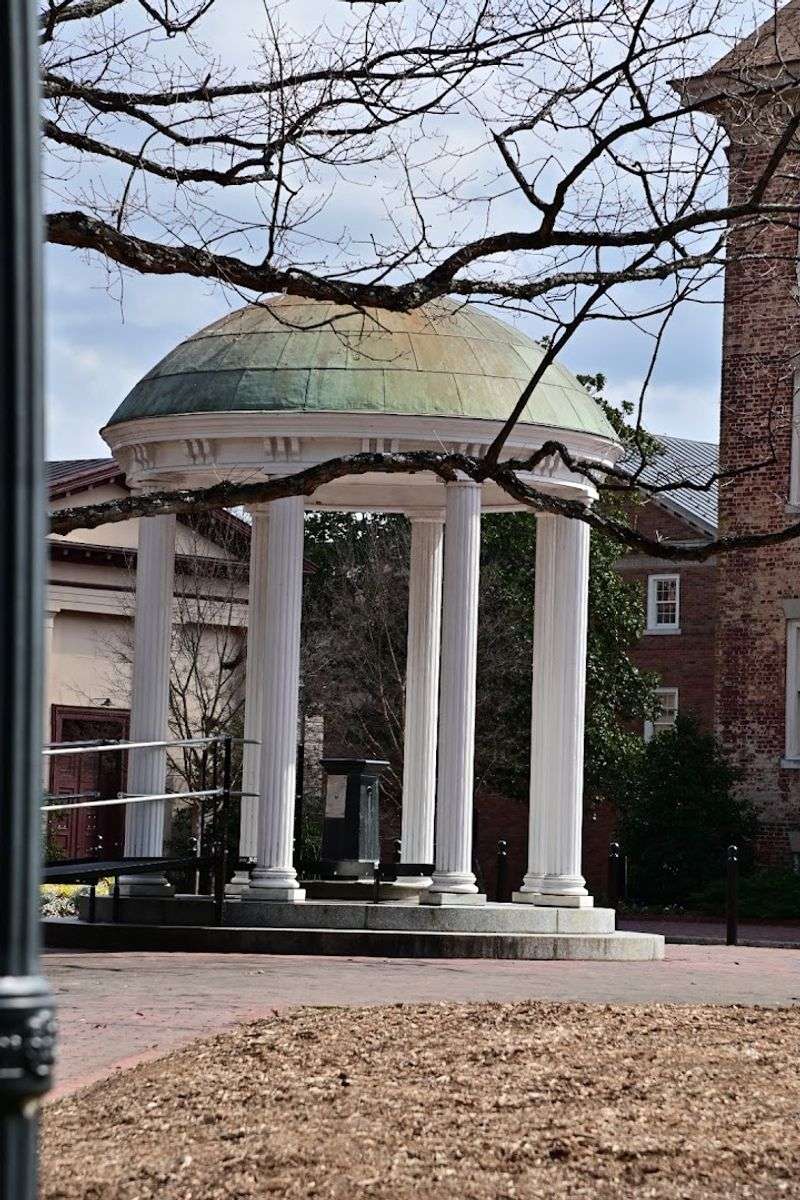
Franklin Street has been the social spine of Chapel Hill for well over a century, lined with restaurants, coffee shops, bars, and bookstores that have served generations of UNC students and visitors alike. The University of North Carolina, founded in 1789, is the oldest public university in the United States, and its campus drips with history at every turn.
Walking beneath the ancient oaks lining the main quad feels genuinely timeless.
Southern food culture shines in Chapel Hill with restaurants earning serious regional and national recognition. From classic barbecue joints to creative farm-to-table menus celebrating North Carolina’s agricultural richness, eating well here requires very little effort.
The culinary reputation of the Research Triangle area as a whole elevates Chapel Hill’s dining scene even further.
Eno River State Park and Umstead State Park offer excellent hiking within a short drive, giving outdoor lovers plenty of options beyond the campus green spaces. The Morehead Planetarium on campus has been open to the public since 1949 and remains a beloved community attraction.
Chapel Hill also sits in the heart of a broader Triangle region that includes Durham and Raleigh, making it an ideal base for exploring one of the South’s most dynamic and rapidly evolving cultural corridors.
Corvallis, Oregon
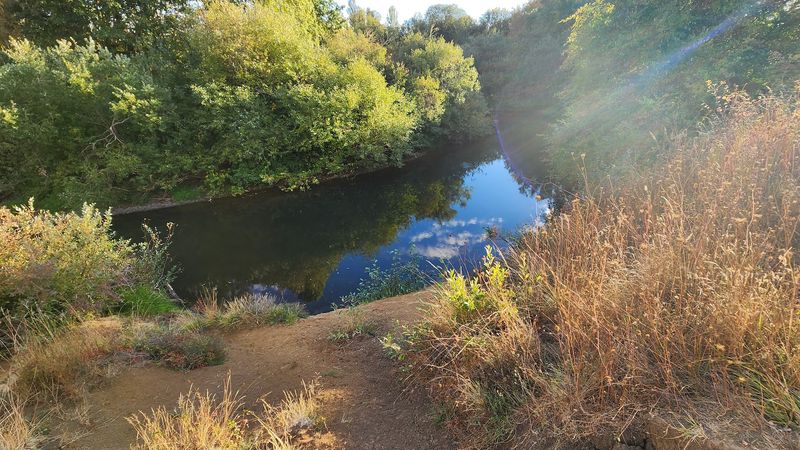
Sandwiched between the Cascade Mountains and the Oregon Coast, Corvallis sits in one of the most geographically enviable positions of any college town in the country. Oregon State University brings academic energy and a thriving research culture to a city that also manages to feel genuinely relaxed and community-oriented.
The combination makes for an unusually pleasant place to spend time.
The downtown Corvallis farmers market is one of the best in Oregon, running weekly from spring through fall with local produce, artisan goods, and food vendors that reflect the region’s agricultural abundance. Independent restaurants downtown celebrate the proximity to both coast and mountains, with fresh seafood and Pacific Northwest ingredients appearing regularly on seasonal menus.
The Willamette River runs along the western edge of downtown and offers kayaking, fishing, and scenic waterfront trails that locals use constantly. Avery Park and Natural Area provides a beautiful green space with rose gardens, picnic areas, and natural habitat close to the city center.
The Cascade Mountain foothills are accessible within an hour for skiing, hiking, and camping, while the Oregon Coast beaches sit roughly an hour in the other direction. Corvallis is the kind of understated gem that rewards visitors who take the time to look past the obvious destinations.
Burlington, Vermont
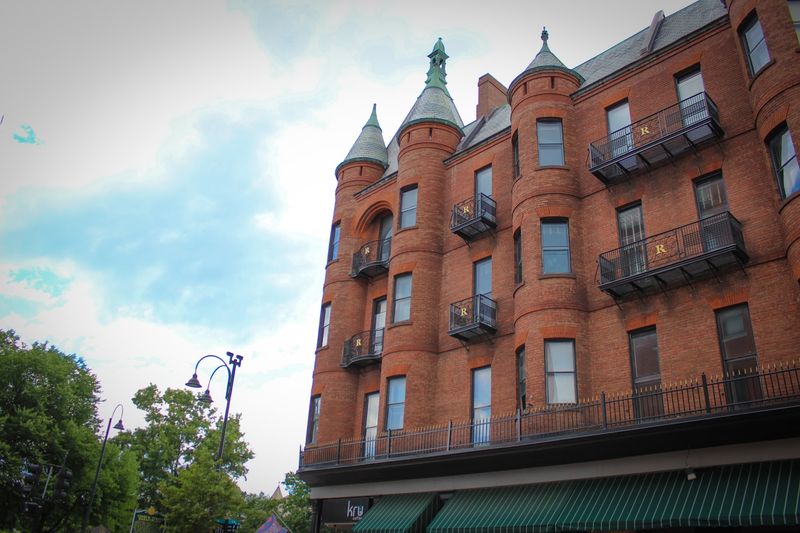
Church Street Marketplace in Burlington might be the most charming pedestrian shopping district in all of New England, and that is a very competitive category. The University of Vermont anchors a city that sits right on the eastern shore of Lake Champlain, giving Burlington waterfront access, mountain views, and a year-round outdoor lifestyle that visitors find genuinely addictive.
The Adirondacks rise dramatically across the lake on the New York side.
Vermont’s craft beer culture arguably starts here, with Burlington being home to some of the most celebrated breweries in the country. Foam Brewers and Zero Gravity Craft Brewery are local favorites with views and atmosphere to match their excellent beer.
The food scene reflects Vermont’s farm-to-table philosophy with restaurants sourcing ingredients from surrounding farms with impressive dedication.
The Burlington Bike Path runs along the lakefront for miles, connecting parks, beaches, and neighborhoods in a way that makes cycling the most pleasant way to explore the city. ECHO Leahy Center for Lake Champlain offers interactive science exhibits that are great for families.
The Flynn Center for the Performing Arts hosts music, theater, and dance productions year-round. Burlington is small enough to feel intimate but culturally rich enough to satisfy visitors who expect a full experience from every destination they choose.
Gainesville, Florida
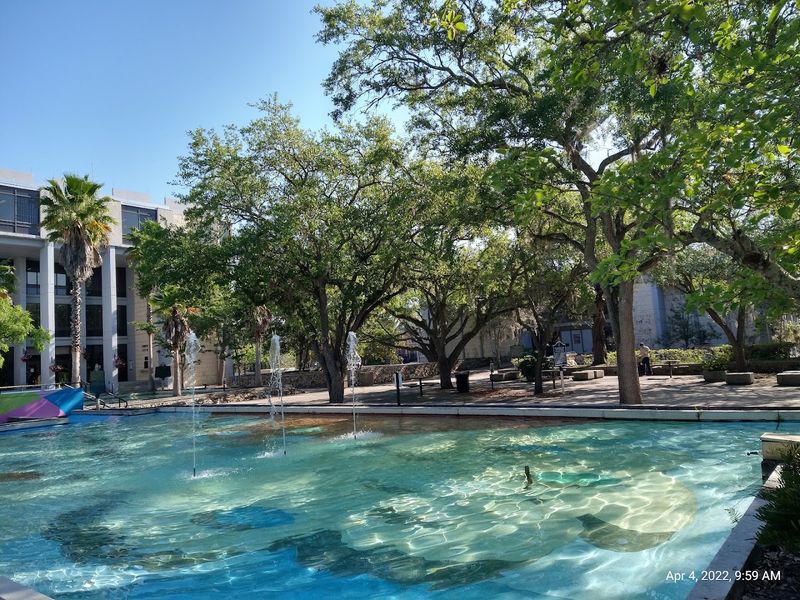
Most people think Florida means beaches, but Gainesville keeps a completely different kind of natural wonder close at hand. The University of Florida anchors this inland city where crystal-clear natural springs, subtropical forests, and freshwater rivers create an outdoor playground unlike anything else in the Sunshine State.
Ichetucknee Springs State Park, just an hour away, offers tubing through spring-fed waters that stay a perfect 72 degrees year-round.
Downtown Gainesville has evolved into a genuinely exciting food and arts destination, with locally owned restaurants, craft breweries, and music venues giving the city a personality that extends well beyond game days. The Hippodrome Theatre has been producing acclaimed performances for decades and remains a cultural anchor for the community.
The Florida Museum of Natural History on campus is the largest natural history museum in the Southeast and is completely free to visit, making it one of the best deals in Florida tourism. The Butterfly Rainforest exhibit inside the museum is a particular highlight that surprises visitors of all ages.
Paynes Prairie Preserve State Park on the southern edge of the city offers bison herds, wild horses, and incredible birdwatching along scenic trails. Gainesville rewards visitors who look past its university identity and embrace everything unexpected that surrounds it.
Oxford, Mississippi
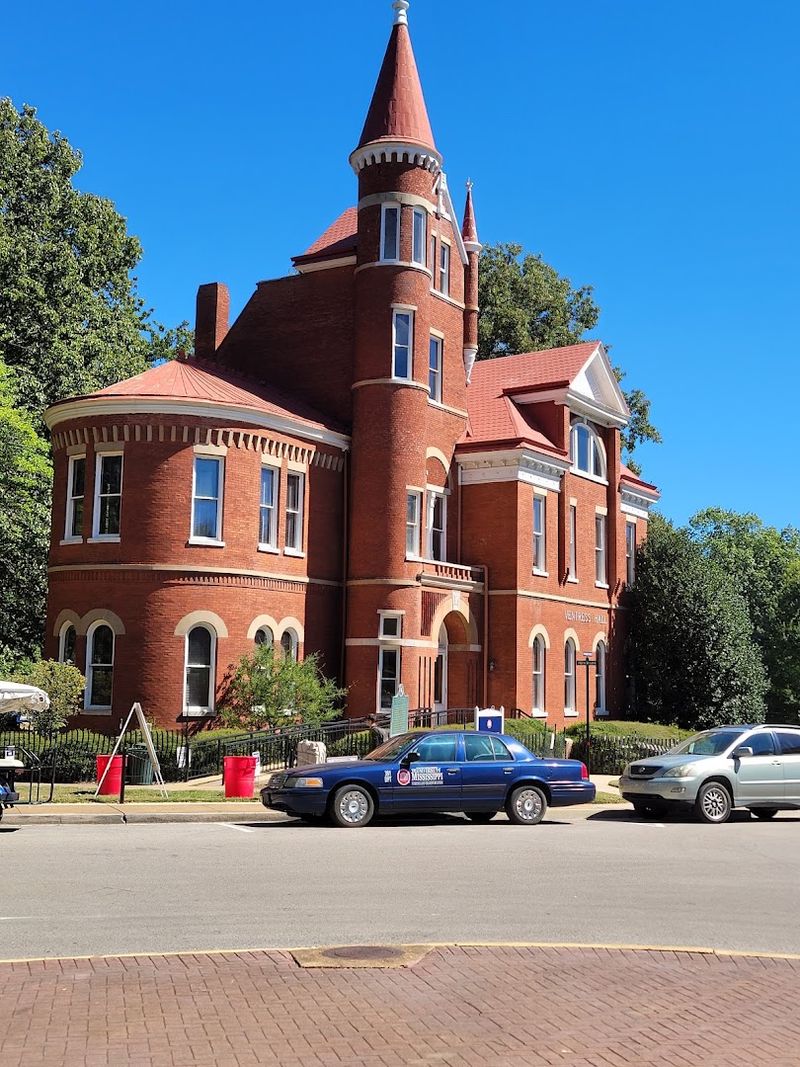
William Faulkner lived here, and Oxford has been trading on that literary legacy ever since, but in the best possible way. Square Books, perched on the historic Courthouse Square, is one of the most beloved independent bookstores in the South and hosts author events that draw readers from across the region.
The Square itself is the social heart of Oxford, ringed with acclaimed restaurants, bars, and shops that feel authentically Southern without being kitschy.
The University of Mississippi, known as Ole Miss, gives Oxford its energy but also its contradictions, making it a town with genuine depth and ongoing conversations about history, identity, and change. The food scene here is outstanding by any measure.
Chef John Currence’s City Grocery helped put Oxford on the national culinary map, and the restaurants that have followed continue to raise the bar.
The University of Mississippi Museum houses an impressive collection of folk art and Greek and Roman antiquities that surprises visitors expecting something much smaller. Grove, the iconic tailgating area on the Ole Miss campus, transforms on football Saturdays into one of the most elaborate outdoor parties in American sports culture.
Oxford is a small town with an enormous literary and culinary soul that keeps drawing visitors back season after season.
State College, Pennsylvania
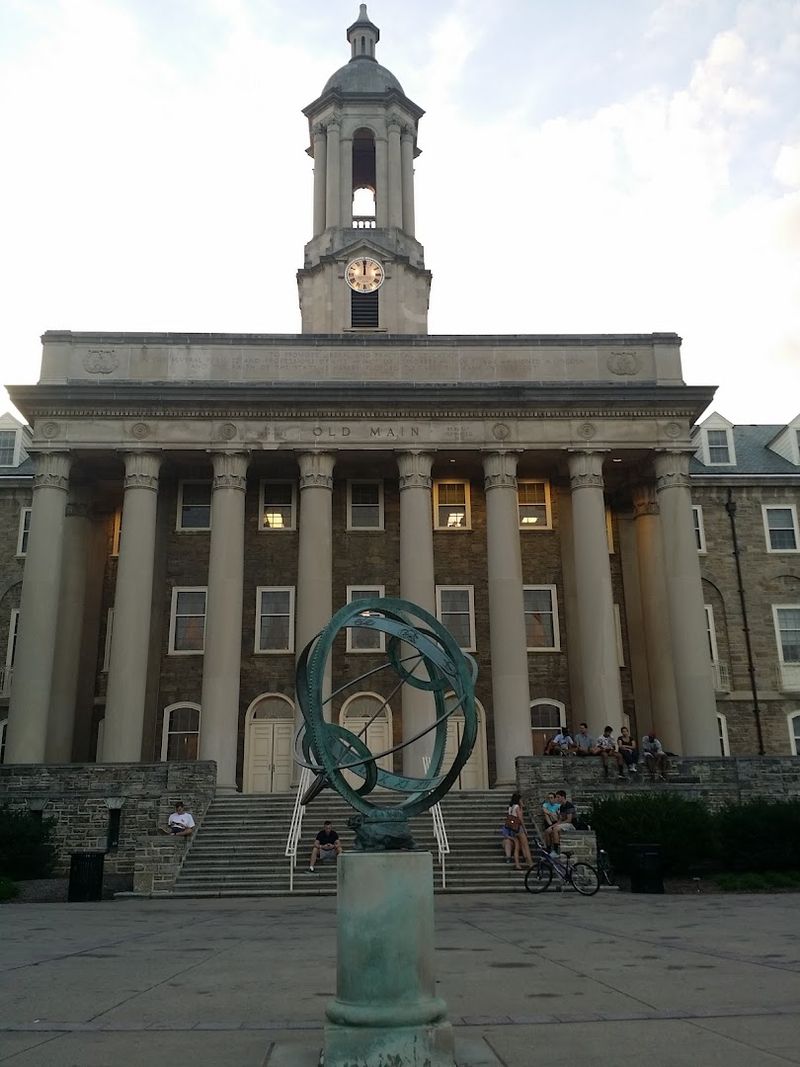
Happy Valley earns its nickname honestly, because State College is one of those places where the mood seems permanently set to cheerful. Penn State’s massive and beautiful campus anchors a town that pulses with energy on football weekends and maintains a genuine small-city charm throughout the rest of the year.
Beaver Stadium, one of the largest stadiums in the world, transforms the surrounding neighborhoods into a sea of blue and white every home game Saturday.
Allen Street and College Avenue form the commercial heart of downtown State College, lined with restaurants, coffee shops, and independent stores that cater to a mix of students, faculty, families, and visitors. The dining scene has grown considerably in recent years, with new restaurants bringing global flavors to a town that once leaned heavily on pizza and wings.
Rothrock State Forest surrounds the area with thousands of acres of hiking, mountain biking, and cross-country skiing trails accessible within minutes of downtown. The Nittany Valley and surrounding ridgelines offer some of the most scenic drives in central Pennsylvania, especially during fall foliage season.
The Palmer Museum of Art on campus is free and houses a respected collection spanning centuries of American and European art. State College is a town that rewards visitors who show up expecting a football town and discover something much richer.
Berkeley, California
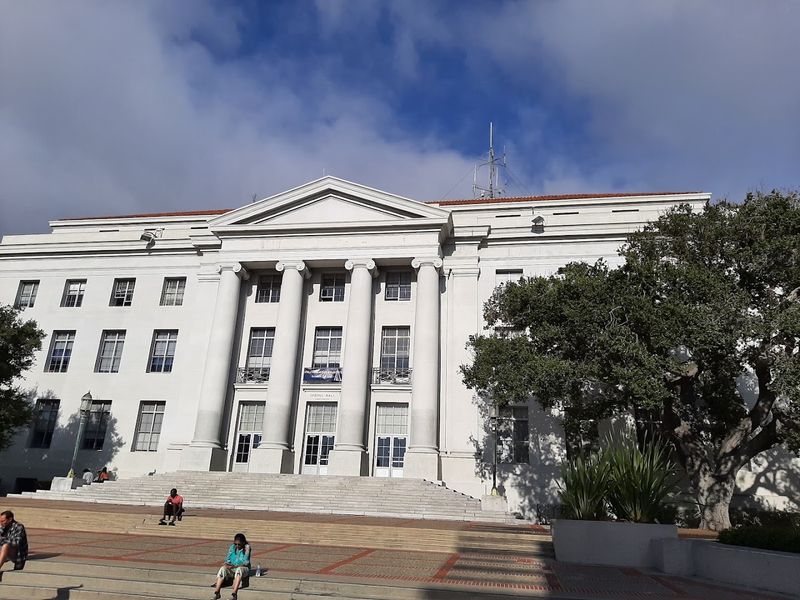
Berkeley has been the intellectual and countercultural capital of California since the 1960s, and it shows absolutely no signs of slowing down. The University of California, Berkeley sits at the top of one of America’s most dynamic and diverse urban communities, where Nobel laureates shop at the same farmers markets as street artists and longtime neighborhood activists.
The energy here is electric and completely unscripted.
The Gourmet Ghetto neighborhood along Shattuck Avenue is where the farm-to-table revolution in American dining arguably began, thanks to Alice Waters and Chez Panisse. That culinary legacy lives on in dozens of outstanding restaurants, bakeries, and specialty food shops that crowd the neighborhood.
Fourth Street offers a more curated shopping and dining experience with local boutiques and excellent brunch spots.
Tilden Regional Park rises immediately behind the UC Berkeley campus and offers hiking, a botanical garden, a lake, and panoramic views of San Francisco Bay that justify the climb every single time. The UC Berkeley Art Museum and Pacific Film Archive hosts world-class exhibitions and screenings that draw serious art and film enthusiasts from across the Bay Area.
Berkeley is a place where big ideas, bold flavors, and stunning scenery collide daily in ways that feel genuinely thrilling for anyone curious enough to explore it properly.
Amherst, Massachusetts
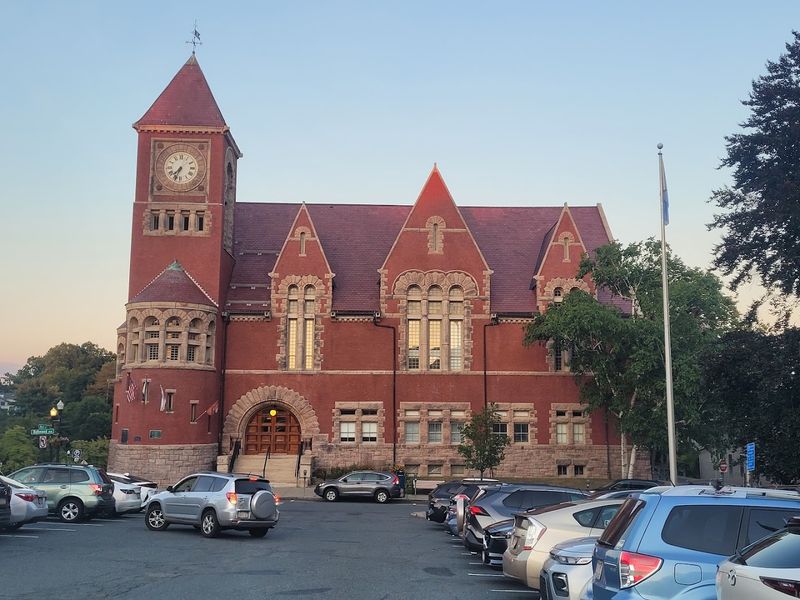
Amherst sits in the Pioneer Valley of western Massachusetts, a stretch of Connecticut River farmland and small cities that quietly supports one of the densest concentrations of colleges in the country. Amherst College and UMass Amherst anchor the town, while Smith, Mount Holyoke, and Hampshire College sit nearby in the Five College Consortium, creating a regional academic energy that is truly remarkable.
The result is a community that feels intellectually alive in every coffee shop and bookstore you enter.
Emily Dickinson was born and spent most of her life in Amherst, and the Emily Dickinson Museum preserves her home as a genuinely moving tribute to one of America’s greatest poets. The town common is quintessential New England, surrounded by historic buildings, independent restaurants, and shops that reflect the community’s literary and artistic identity.
The surrounding Pioneer Valley offers apple orchards, farm stands, covered bridges, and cycling routes that make fall visits particularly spectacular. The Eric Carle Museum of Picture Book Art near the UMass campus is a whimsical and wonderful destination celebrating children’s book illustration.
Local restaurants benefit from the valley’s agricultural richness, with seasonal menus that change as dramatically as the New England landscape around them. Amherst is a town that rewards slow, curious exploration at every season of the year.
Clemson, South Carolina
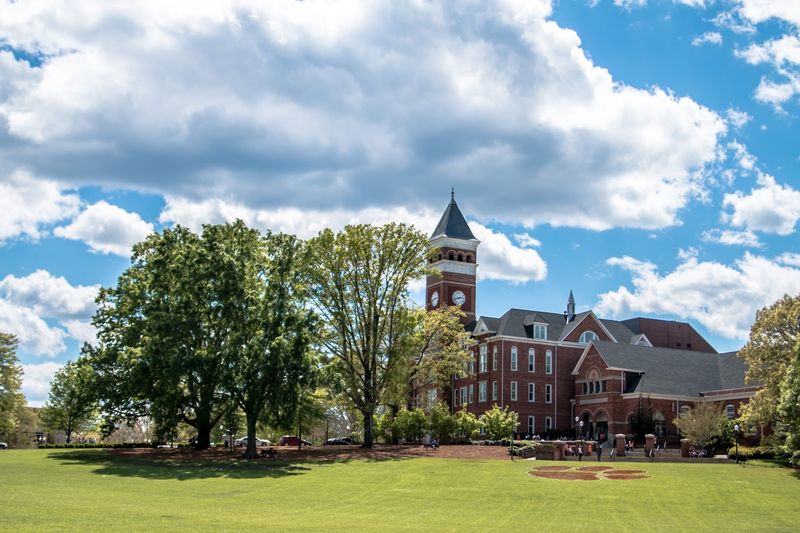
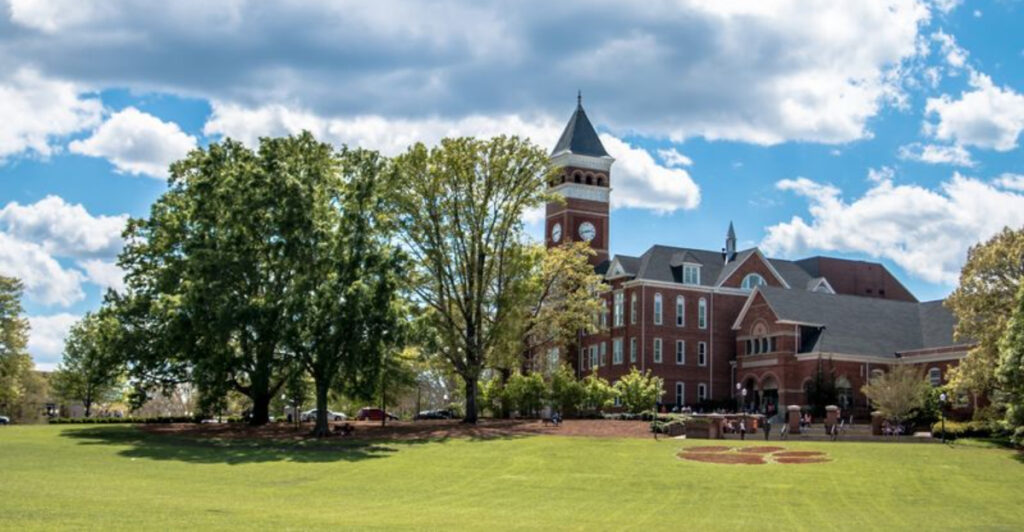
Lake Hartwell wraps around the edges of Clemson like a natural moat, giving this small South Carolina city a water-access lifestyle that most college towns can only dream about. Clemson University dominates the town’s identity with a fierce pride that reaches its peak on football Saturdays, when Death Valley stadium fills with over 80,000 orange-clad fans creating one of college football’s most intimidating atmospheres.
But Clemson is far more than a football story.
The South Carolina Botanical Garden on campus is a 295-acre treasure with themed gardens, nature trails, and an outdoor sculpture collection that draws visitors well outside of football season. Downtown Clemson has grown into a walkable collection of restaurants, breweries, and shops that serve both the university community and the steady stream of visitors arriving from across the region.
Outdoor recreation options are genuinely impressive here. Lake Hartwell offers boating, fishing, kayaking, and swimming, while the nearby Blue Ridge Mountains provide hiking and waterfall chasing within an easy drive.
Issaqueena Falls and Yellow Branch Falls are local favorites accessible on scenic forest trails. The Clemson area also benefits from its proximity to Greenville, one of the South’s most celebrated mid-sized cities, sitting just 30 minutes away and adding a major cultural and culinary dimension to any visit to this corner of South Carolina.
San Luis Obispo, California
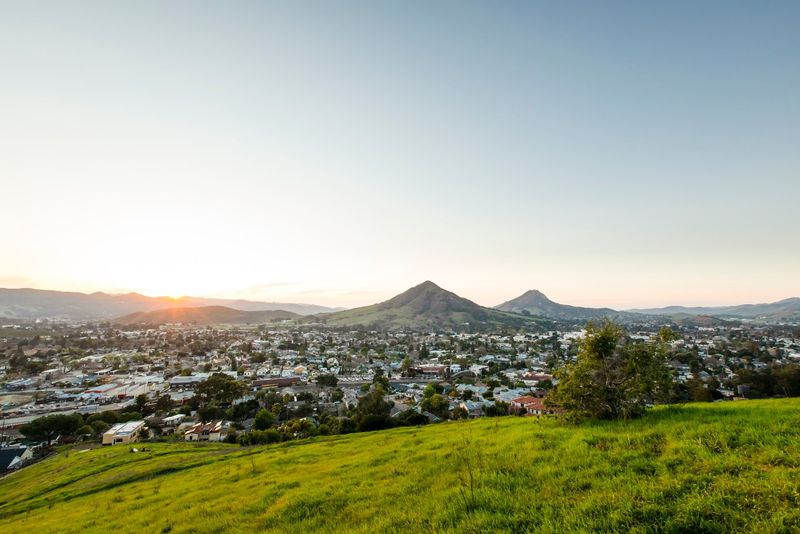
Consistently ranked among the happiest cities in America, San Luis Obispo makes that claim feel completely believable the moment you step onto Higuera Street. Cal Poly San Luis Obispo gives this Central Coast city its youthful energy, while its location between Los Angeles and San Francisco adds a geographic bonus that keeps the visitor traffic flowing year-round.
Beaches, wineries, and mountains all sit within a short drive in every direction.
The Thursday Night Farmers Market on Higuera Street is a beloved weekly event that shuts down traffic and fills the street with food vendors, live music, and community spirit in a way that feels like a celebration rather than a chore. Local restaurants take full advantage of Central Coast wine country and fresh coastal seafood to create menus that feel genuinely special.
Edna Valley and Paso Robles wine country lie just south and north of the city respectively, offering world-class wine tasting along scenic rural roads lined with oak trees and vineyards. Montaña de Oro State Park and Morro Bay provide dramatic coastal scenery within 20 minutes.
The historic Mission San Luis Obispo de Tolosa sits right in the downtown area and anchors the city’s Spanish colonial history. San Luis Obispo is the rare California city where everything seems to work together effortlessly, making every visit feel like a small vacation from ordinary life.
Cambridge, Massachusetts
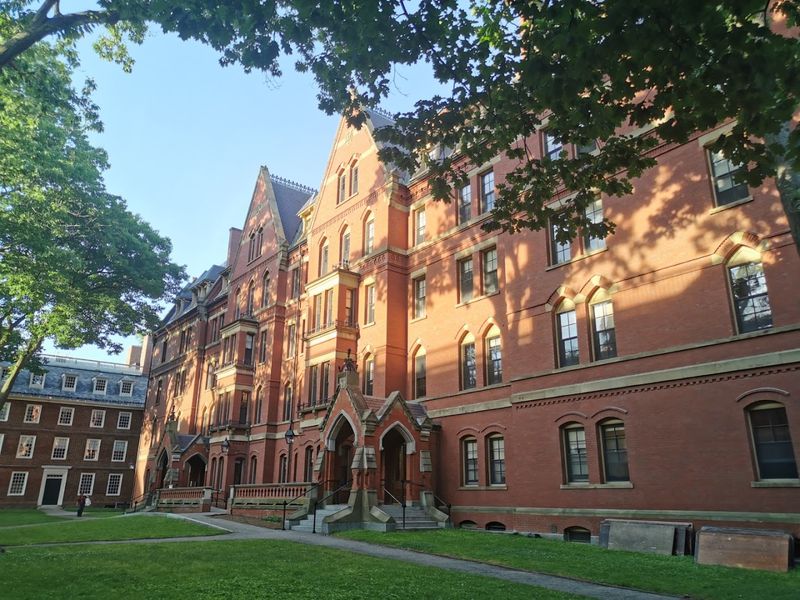
Sharing a city with both Harvard University and MIT gives Cambridge an intellectual firepower that is almost unfair to the rest of the country’s college towns. Harvard Square has been a gathering place for thinkers, artists, activists, and curious visitors for centuries, and its bookstores, cafes, and street performers still make it one of the most stimulating urban squares in America.
The energy here is genuinely contagious.
The Charles River Esplanade separates Cambridge from Boston and offers beautiful waterfront paths for running, cycling, and rowing, with views of the Boston skyline that are especially gorgeous at sunset. Cambridge’s restaurant scene reflects the extraordinary diversity of its student and resident population, with exceptional options spanning virtually every global cuisine in a relatively compact area.
The Harvard Art Museums house one of the finest university art collections in the world, with works spanning ancient to contemporary across three connected museum buildings. MIT’s campus offers its own architectural surprises, including the Stata Center designed by Frank Gehry, which looks like a building that forgot to stop falling.
The Cambridge Public Library and numerous independent bookstores reflect a community that takes reading seriously as both pleasure and purpose. Cambridge proves that the best college towns are not just about the universities they contain but about the extraordinary communities those universities help create.
Share this story