Europe is filled with world-famous villages, but some of its most rewarding destinations remain quietly tucked away in mountain valleys, along rugged coastlines, or atop medieval hilltops. These villages offer centuries of history, spectacular scenery, and authentic local life without the crowds that flock to better-known hotspots.
Many have been recognized by travel experts for preserving their heritage while remaining refreshingly under the radar. If you are ready to explore somewhere truly special, these 15 hidden gems are waiting to be discovered.
Albarracín – Aragon, Spain
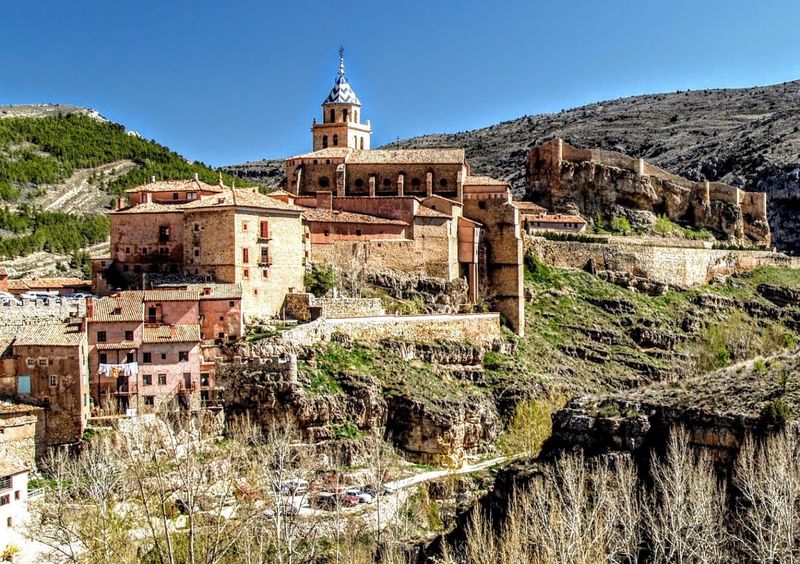
Imagine stumbling upon a village so perfectly preserved that your first thought is someone forgot to tell it the Middle Ages ended. Albarracín sits in a dramatic gorge carved by the Guadalaviar River, its rosy pink buildings stacked against towering red cliffs like a painting that decided to become real.
The entire old town is a national monument, and walking its cobbled lanes genuinely feels like time travel.
The medieval walls that ring the village are among the best-preserved in all of Spain, stretching over a kilometer along the hilltops. Visitors who make the climb are rewarded with panoramic views over terracotta rooftops and pine-covered hills that stretch endlessly into the distance.
The village is tiny, so wear comfortable shoes and plan to wander slowly.
Albarracín sits about three hours from both Madrid and Valencia, making it a manageable road trip from either city. The local cuisine is hearty Aragonese fare, with lamb dishes and jamón being local favorites.
Staying overnight is highly recommended, as the village transforms into something almost otherworldly once the day-trippers head home and the golden evening light settles over the ancient stone streets.
Motovun – Istria, Croatia
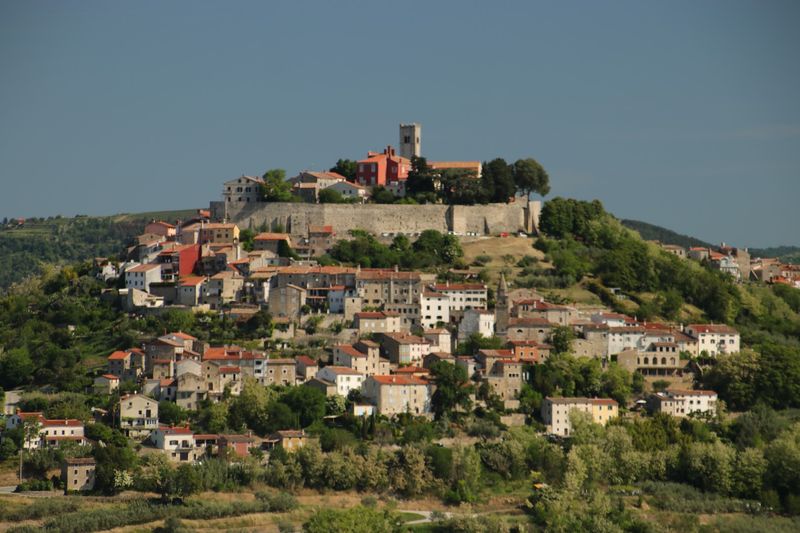
Truffle hunters, wine lovers, and history enthusiasts all find something to celebrate in Motovun, a tiny hilltop town that has been quietly perfecting the art of being extraordinary for over a thousand years. Perched on a steep hill above the Mirna River valley in Istria, it offers sweeping views over vineyards and oak forests where some of the world’s most prized truffles are found hiding underground.
The town itself is encircled by thick stone ramparts that visitors can actually walk along.
Getting to Motovun requires a bit of effort since the road up is steep and narrow, but that slight inconvenience is exactly what keeps the crowds manageable. Once you arrive, the reward is a beautifully quiet medieval town with stone-paved streets, a Romanesque church, and café terraces where locals sip coffee with no particular urgency.
The annual Motovun Film Festival brings a burst of cinematic energy each summer without overwhelming the town’s peaceful character.
Istrian wine, especially Malvazija and Teran, pairs perfectly with local truffle pasta served at the small family restaurants tucked into the hillside. Plan to spend at least a full afternoon here, and if you can stay the night, the morning mist rolling over the valley below is genuinely unforgettable.
Monsanto – Castelo Branco District, Portugal
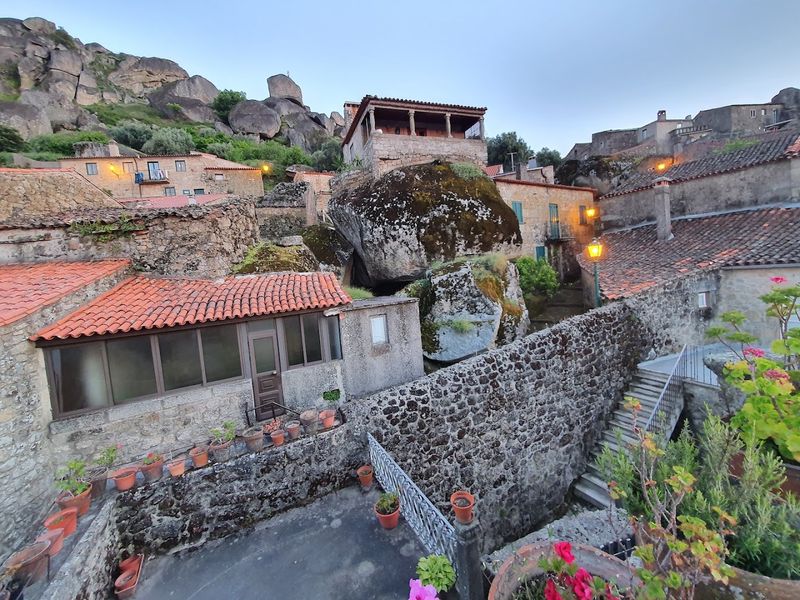
Nowhere else in Europe will you find a village where the boulders are bigger than the buildings. Monsanto, perched high in the Castelo Branco district of central Portugal, is built directly among and beneath colossal granite rocks that have been there since before anyone thought to write history down.
Houses are wedged between boulders, and in some cases the rocks serve as the actual walls and rooftops of people’s homes.
In 1938, Monsanto was voted the most Portuguese village in Portugal, a title the locals still wear with considerable pride. The ruined castle at the very top of the hill is worth the steep climb, offering views over olive groves and rolling plains that seem to go on forever.
The village is small enough to explore fully in a couple of hours, but most visitors find themselves lingering much longer than planned.
The surrounding region is part of the Beira Baixa, known for its olive oil, local cheeses, and a fiery regional brandy called aguardente. Monsanto is best visited in spring when wildflowers bloom between the rocks and the light turns everything golden in the late afternoon.
The nearest larger town is Idanha-a-Nova, about 20 kilometers away, making an overnight stay in the village a very worthwhile experience.
Rupit – Catalonia, Spain
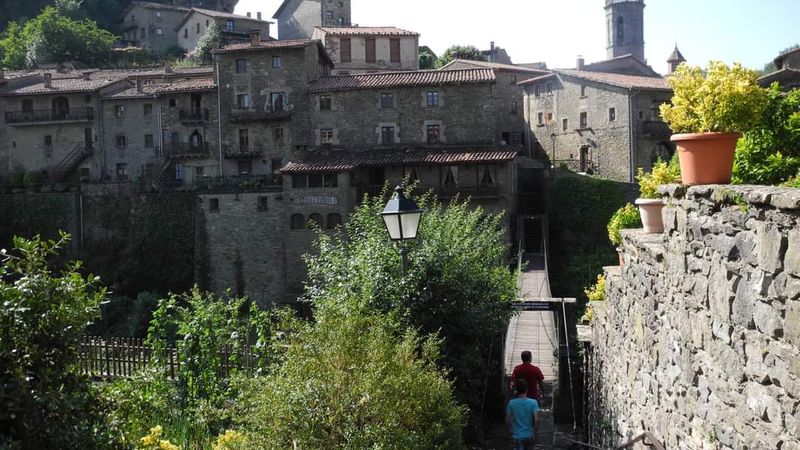
You know a village means business when the only way to reach it is by crossing a wooden suspension bridge swaying over a rocky gorge. Rupit, in the volcanic landscape of Catalonia’s Collsacabra region, earns its drama before you even set foot inside its ancient stone walls.
The bridge itself has become one of the most photographed spots in all of Catalonia, and it absolutely deserves the attention.
Once across, the village reveals itself as a beautifully intact medieval settlement where little has changed since the 16th century. Cobbled streets climb steeply between stone houses draped in ivy, and a handsome Baroque church anchors the upper part of the village with quiet authority.
The surrounding cliffs and beech forests make Rupit a popular starting point for hiking trails that wind through the volcanic terrain of the Guilleries-Savassona Natural Park.
The village is only about 90 minutes from Barcelona, making it a genuinely accessible escape from city life without feeling like a tourist trap. Local restaurants serve traditional Catalan dishes including botifarra sausage, wild mushroom stews, and hearty bean soups that are perfect after a morning of hiking.
Rupit is at its most magical on weekday mornings before the weekend visitors arrive, so an early start pays off handsomely.
Erice – Sicily, Italy
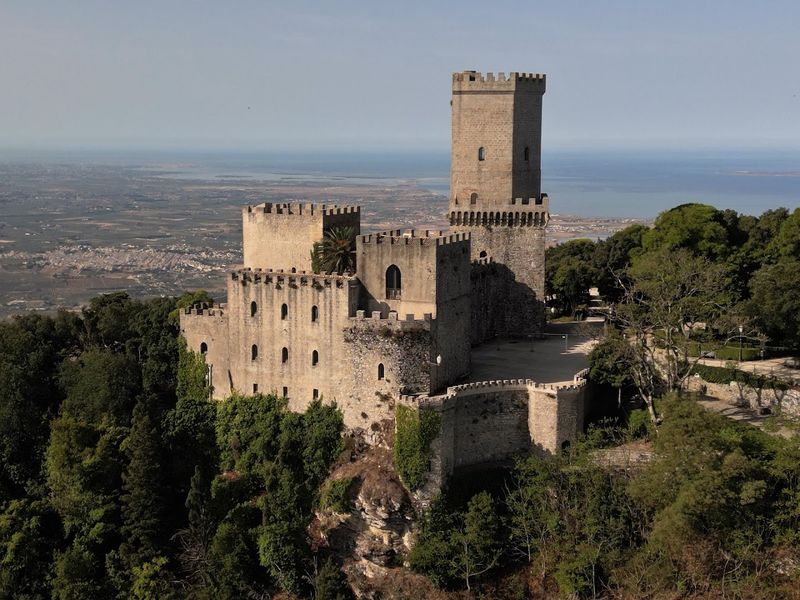
Clouds roll through the streets of Erice like they own the place, and honestly, they kind of do. Sitting nearly 750 meters above the Sicilian coast near Trapani, this ancient hilltop village is wrapped in mist for a good portion of the year, giving it an atmosphere that feels genuinely mythical.
According to legend, the goddess Venus herself had a temple here, and even without divine company, Erice has a magnetic pull that is hard to explain and harder to leave.
The village is a labyrinth of narrow stone lanes, medieval churches, and Norman towers that reward slow, purposeful wandering. The Castle of Venus, built by the Normans on the foundations of the ancient temple, offers jaw-dropping views over the salt pans and coastline below when the mist clears enough to cooperate.
Erice has almost no cars within its walls, which adds to the feeling that you have stepped into a completely different century.
Pastry lovers will want to seek out the famous almond sweets called genovesi, sold by local pastry shops that have been perfecting the recipe for generations. The town is small enough to explore in a day but charming enough that many visitors wish they had booked a room and stayed longer.
Arriving by cable car from Trapani makes the whole experience feel even more theatrical.
Viscri – Brașov County, Romania
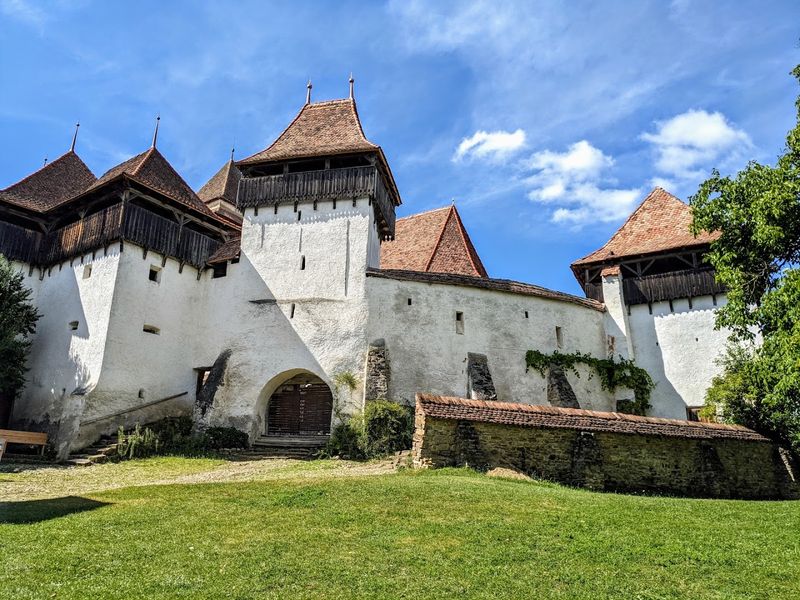
King Charles III of Britain loves Viscri so much that he bought a house there, which tells you something important about how special this Romanian Saxon village really is. Tucked into rolling hills in Transylvania, Viscri looks like a fairy tale illustration brought to life, with brightly painted farmhouses lining an unpaved main lane and a magnificent fortified church rising above it all.
The whole village has been a UNESCO World Heritage Site since 1993.
The church fortress dates back to the 12th century when Saxon settlers built it as a place of refuge during times of conflict. Today it houses a small museum and offers visitors the chance to climb its towers for views over one of Europe’s most unspoiled rural landscapes.
Horse-drawn carts still trundle along the lane, and the pace of life here is so unhurried that even the chickens seem relaxed.
Local guesthouses offer home-cooked meals featuring traditional Transylvanian dishes like sarmale, which are cabbage rolls stuffed with pork and rice, served with sour cream. The area around Viscri is perfect for cycling and hiking through meadows filled with wildflowers that have largely disappeared from the rest of Europe.
Visiting in summer means experiencing one of the continent’s last truly traditional rural communities still very much alive and functioning.
Giethoorn – Overijssel, Netherlands
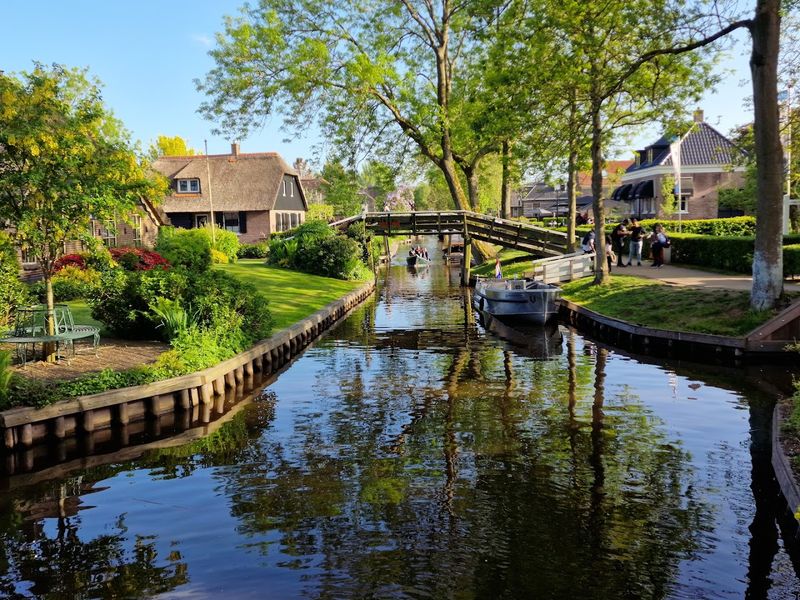
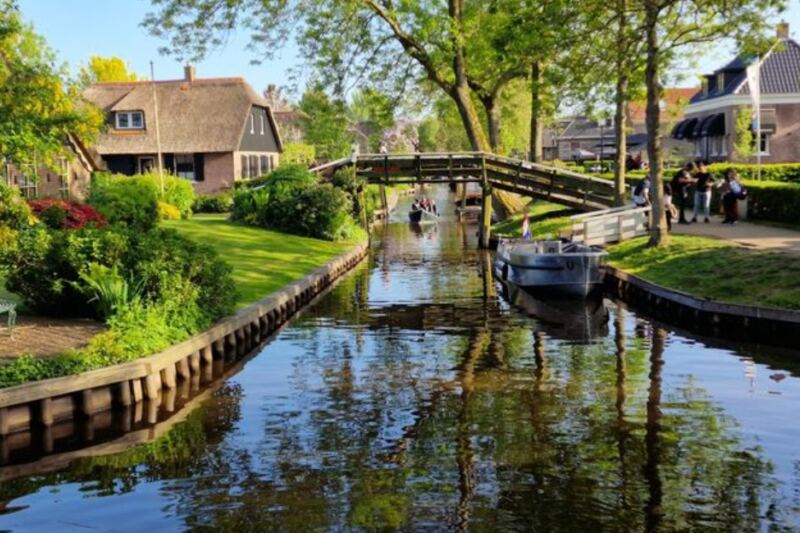
There is not a single road running through the oldest part of Giethoorn, and the locals seem perfectly fine with that arrangement. This extraordinary village in the Dutch province of Overijssel is connected entirely by canals, narrow footpaths, and over 150 wooden bridges, earning it the affectionate nickname the Venice of the Netherlands.
The difference is that Giethoorn is quieter, greener, and considerably less crowded than its Italian counterpart.
Visitors explore by renting a whisper boat, a small electric vessel that glides silently through the narrow canals past thatched farmhouses, flower-filled gardens, and weeping willows trailing their fingers in the water. The whole scene is so postcard-perfect that it has been used as a film location multiple times, most famously for a Dutch comedy called Fanfare back in 1958.
Despite growing popularity, the village retains a genuinely tranquil character that rewards those who visit outside peak summer weekends.
The Weerribben-Wieden National Park surrounds Giethoorn and offers excellent birdwatching, kayaking, and cycling through reed marshes and open polder landscapes. The village has a handful of good restaurants and cafés where you can enjoy Dutch pancakes, smoked eel, or a slice of apple pie beside the water.
Arriving on a weekday morning in spring or autumn gives you the best chance of experiencing Giethoorn at its most peaceful and photogenic.
Monemvasia – Peloponnese, Greece
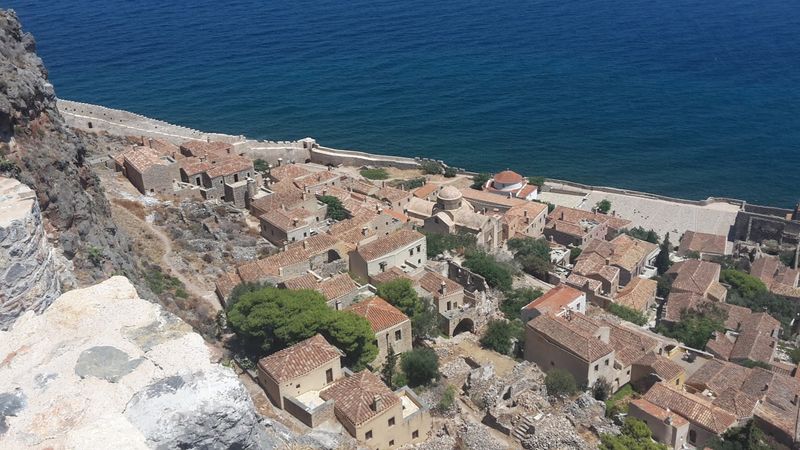
Hidden behind a massive rock rising straight out of the Aegean Sea, Monemvasia keeps its secrets well. From the mainland, the rock looks completely uninhabited, but cross the single narrow causeway and pass through the ancient gateway in the wall, and an entire medieval world reveals itself on the other side.
This is one of Greece’s most astonishing villages, and remarkably few people outside the country seem to know it exists.
The lower town is a beautifully preserved maze of Byzantine and Venetian stone buildings, flowering bougainvillea, and cobblestoned lanes so narrow that only foot traffic can pass. Byzantine churches, some still active, are tucked into unexpected corners, and the views from the upper town fortress over the sea are among the most dramatic in all of the Mediterranean.
The name Monemvasia literally means single entrance, referring to the one road that links the rock to the mainland.
The village has a small but excellent selection of boutique hotels and tavernas where fresh seafood and local Malmsey wine are the highlights of any meal. Monemvasia is famous historically as the birthplace of Malmsey, a sweet wine that was once exported across medieval Europe and even mentioned by Shakespeare.
Visiting outside July and August means quieter streets and cooler temperatures that make exploring the steep upper town far more enjoyable.
Piodão – Coimbra District, Portugal
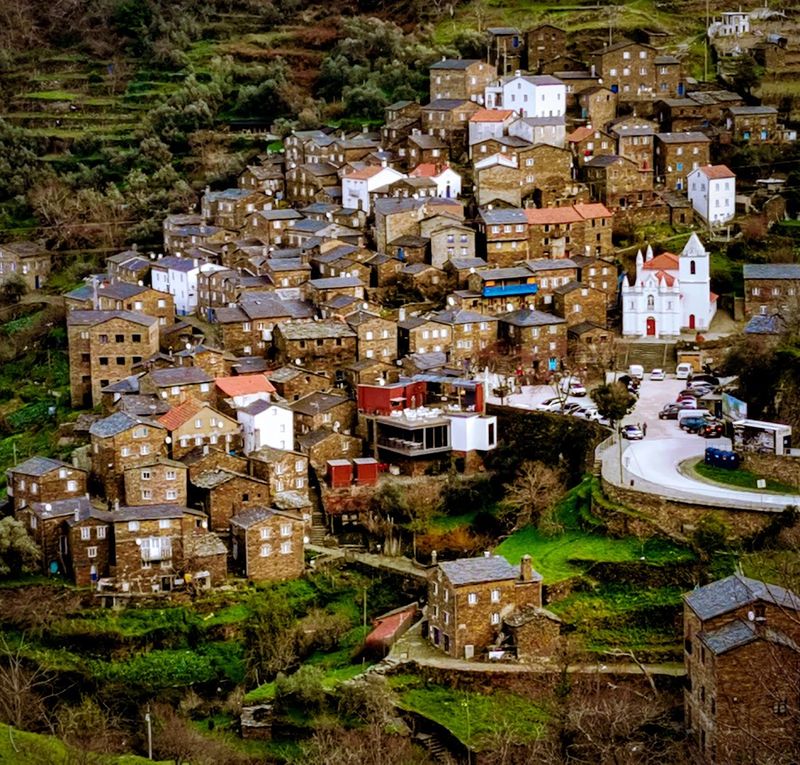
At first glance, Piodão looks like a village assembled from the mountain itself. Every building is constructed from dark schist stone, a local slate-like rock that blends so seamlessly with the surrounding Serra do Açor mountains that the village seems to grow organically from the hillside.
The only contrast comes from the vivid blue paint on every door and window frame, a color choice that has become the village’s most recognizable trademark.
Getting to Piodão requires navigating winding mountain roads through some of central Portugal’s most dramatic scenery, and that journey is very much part of the experience. The village sits in a steep amphitheater-shaped valley at around 750 meters elevation, and the views from the top of the village looking down over the rooftops and valley below are genuinely breathtaking.
A small church at the center of the village has been watching over the community since the 18th century.
Piodão is part of Portugal’s Aldeias Históricas network, a collection of twelve historic villages recognized for their exceptional heritage. The surrounding area offers excellent hiking trails through chestnut and oak forests where the air smells of pine resin and wildflowers.
The village has a couple of simple restaurants and guesthouses, and the local honey and smoked sausages are worth bringing home as edible souvenirs.
Setenil de las Bodegas – Andalusia, Spain
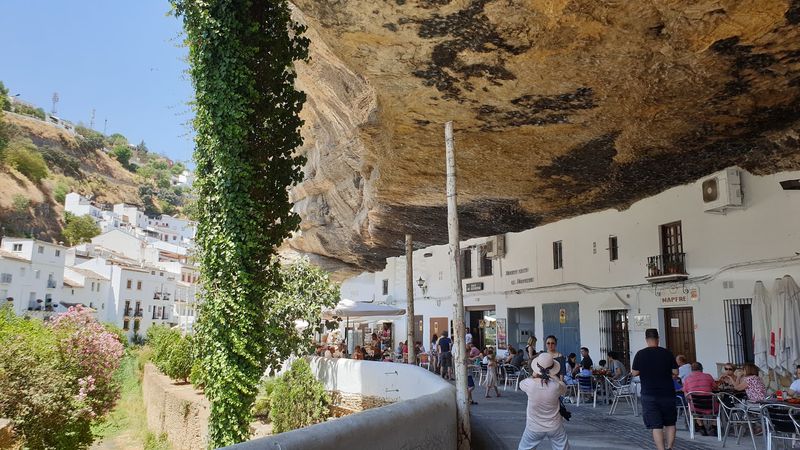
Some villages are built near rocks. Setenil de las Bodegas decided to be built inside them.
This jaw-dropping Andalusian village in the Cadiz province has homes, restaurants, and shops literally constructed beneath enormous rock overhangs, with the cliff face serving as both ceiling and back wall for entire streets of buildings. It is one of the most visually surreal places in all of Europe, and photographs never quite capture how extraordinary it looks in person.
The village has been inhabited in one form or another for thousands of years, with cave dwellings in the area dating back to prehistoric times. The Moors held the town for centuries before it was finally taken by Ferdinand and Isabella in 1484 during the Reconquista.
Walking along the two main overhanging streets, called Calle Cuevas del Sol and Calle Cuevas de la Sombra, meaning streets of sun and shade, is an experience that stays with you long after you leave.
Setenil is located in the Ruta de los Pueblos Blancos, Andalusia’s famous White Villages Route, and makes an excellent stop between Ronda and Olvera. The local tapas bars serve outstanding jamón, local cheeses, and orange wine that pairs beautifully with the village’s theatrical setting.
Arriving early in the morning when the light catches the white walls beneath the dark rock overhangs is when Setenil looks its most spectacular.
Lefkes – Paros, Greece
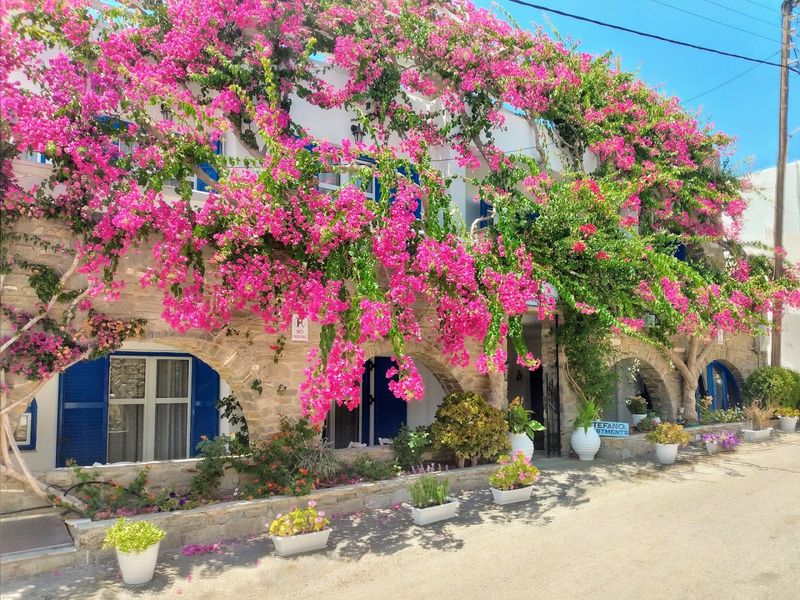
While most visitors to Paros head straight for the beaches, the island’s best-kept secret sits quietly in the hills above the coast, completely unbothered by the sunbathers below. Lefkes is the highest village on Paros and was once the island’s capital during the Ottoman period, a fact that explains why it has a surprisingly grand church and a network of well-built marble lanes that wind through the hillside.
The village gets a fraction of the visitors that Parikia and Naoussa attract, which makes it feel wonderfully authentic.
The streets of Lefkes are too narrow for cars, so the village moves at a pace dictated entirely by foot traffic, which suits it perfectly. Whitewashed houses spill down the hillside, their walls draped with bougainvillea in shades of deep pink and purple, and small squares offer shaded spots to sit with a Greek coffee and watch village life unfold at its own unhurried rhythm.
The Church of Agia Triada, built from white Parian marble, dominates the skyline and is genuinely stunning up close.
A well-marked Byzantine path connects Lefkes to the nearby village of Prodromos, offering a scenic 30-minute walk through olive groves and terraced hillsides. The village has a small selection of tavernas serving grilled octopus, fresh salads, and local wine that tastes significantly better when enjoyed with a view.
Lefkes is at its finest in spring and early autumn when the light is golden and the summer crowds have stayed home.
Lofou – Troodos Mountains, Cyprus
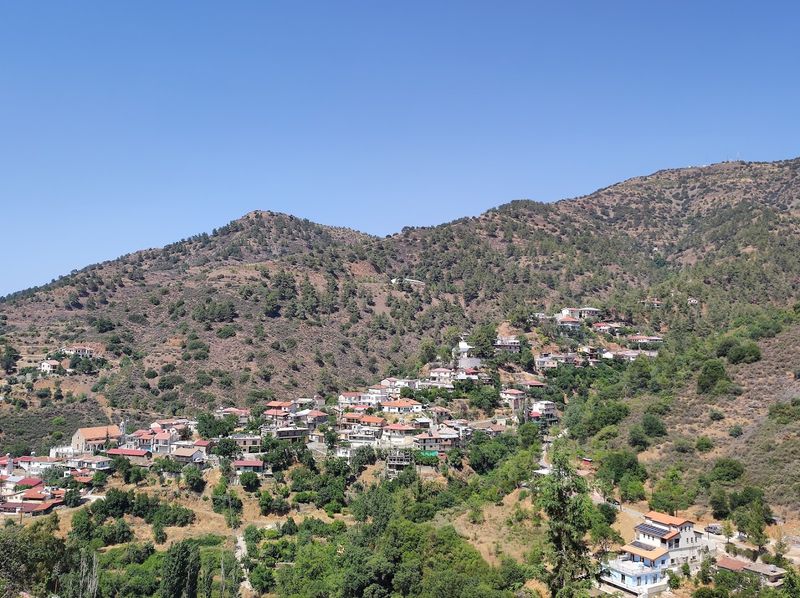
Tucked into the southern slopes of the Troodos Mountains, Lofou is the kind of village that makes you wonder why you ever spent a holiday sitting on a beach. The name means hilltop in Greek, which is accurate, but it undersells the experience considerably.
Lofou is a masterclass in traditional Cypriot village architecture, with honey-colored stone houses, arched doorways, and carved wooden balconies that have been lovingly maintained for centuries.
The village has received awards for its preservation efforts and is considered one of the finest examples of traditional rural architecture in Cyprus. Winding lanes connect small squares shaded by ancient plane trees, and the whole village is surrounded by vineyards that produce grapes for the region’s well-regarded local wines.
The area falls within the Krasochoria wine villages, and several wineries nearby offer tastings of commandaria, one of the world’s oldest named wines still in production.
A handful of excellent tavernas in Lofou serve traditional meze featuring halloumi, loukaniko sausage, slow-cooked lamb, and seasonal vegetables prepared with obvious care and generous portions. The village is about an hour from Limassol, making it a very manageable half-day excursion or a peaceful overnight stay in one of the restored village guesthouses.
Visiting in autumn during the grape harvest adds an extra layer of activity and color to an already beautiful setting.
Rocamadour – Occitanie, France
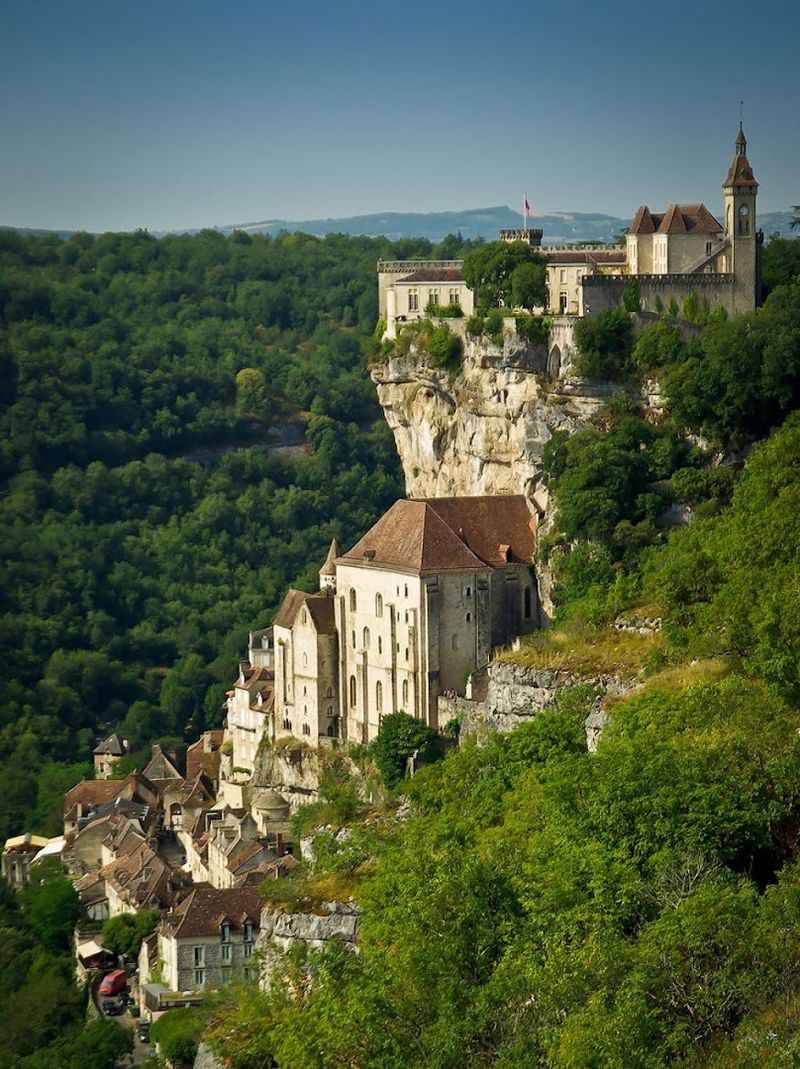
Rocamadour does not sit beside a cliff. It grows out of one.
This medieval pilgrimage village in the Lot department of southwestern France is built vertically into a sheer limestone cliff face above a river gorge, with sanctuaries, chapels, and medieval buildings stacked one above the other in a way that defies reasonable expectations of what a village can look like. It has been drawing pilgrims and curious visitors for over a thousand years, and the dramatic setting has lost none of its power.
The village is divided into three distinct levels connected by steep staircases and an elevator for those whose knees have strong opinions about stairs. At the top sits the Chateau, offering extraordinary views down the canyon.
The middle level holds the famous sanctuaries including the Chapel of Notre-Dame, where a small Black Madonna has been venerated since at least the 12th century and reportedly performed numerous miracles.
Rocamadour sits in the Parc Naturel Regional des Causses du Quercy, a landscape of limestone plateaus and river valleys that is excellent for cycling and walking. The local specialty is cabecou, a small round goat cheese that is creamy, tangy, and absolutely worth seeking out in the village shops.
Visiting in the early morning before tour groups arrive lets you experience the sanctuaries in something approaching the contemplative quiet they were originally designed for.
Altea – Valencian Community, Spain
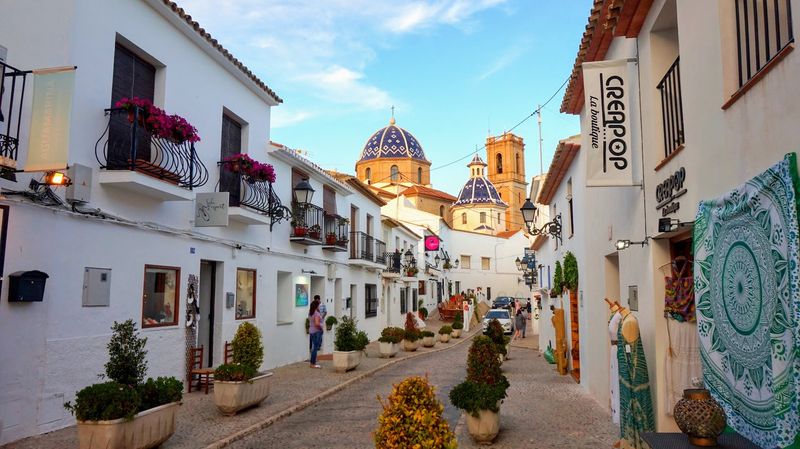
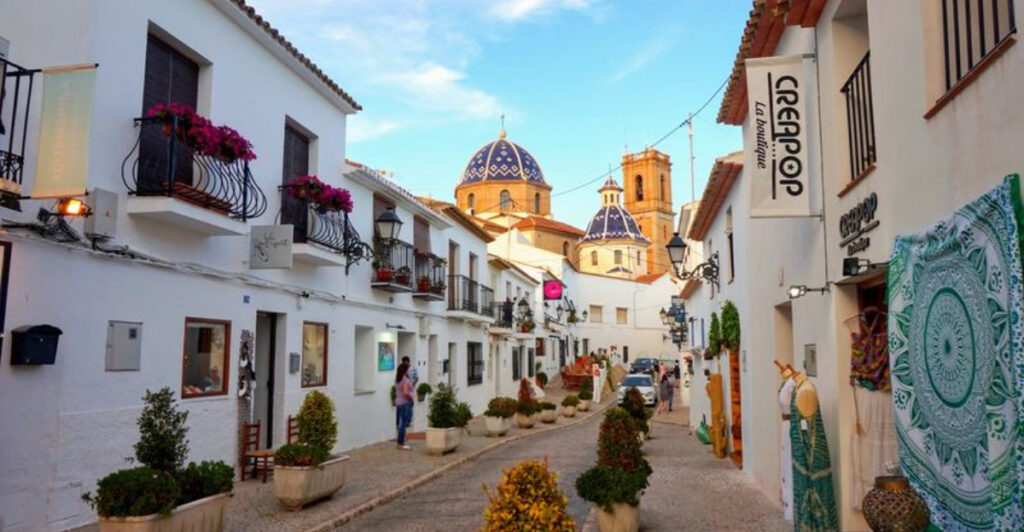
Artists discovered Altea before the tourists did, and the village has never quite lost the creative, unhurried energy they brought with them. Perched on a hill above the Costa Blanca coastline in the Valencian Community, Altea’s old town is a dazzling collection of whitewashed buildings, flower-draped balconies, and cobbled lanes that wind upward to a magnificent blue-domed church at the very top.
The contrast of white walls and vivid blue ceramic domes against the glittering Mediterranean below is genuinely breathtaking.
The old town, known as the Casco Antiguo, is packed with independent art galleries, ceramics studios, and small cafés run by local families who have been here for generations. Unlike many Spanish coastal towns that have been heavily developed, Altea’s hilltop old quarter has retained its historic character with impressive determination.
The newer lower town and marina area offer seafood restaurants, a pebble beach, and a lively evening promenade that fills up beautifully as the sun goes down.
Altea sits between Benidorm and Calpe on the Costa Blanca, but its atmosphere could not be more different from its famously lively neighbor. The local rice dishes, particularly arroz a banda cooked in fish stock, are among the best on the entire coastline.
Visiting on a Sunday morning when the old town market is running and the church bells are ringing is one of those simple pleasures that stays in the memory for years.
Mürren – Bernese Oberland, Switzerland
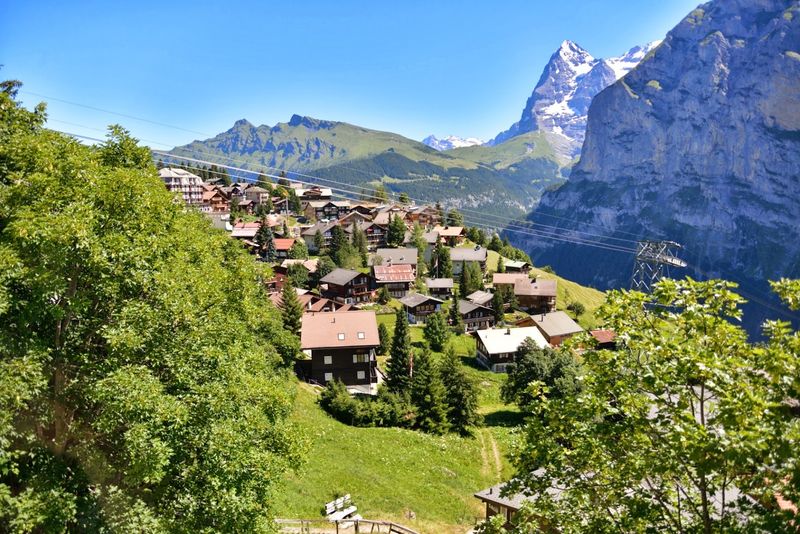
The only way into Mürren is by cable car or mountain railway, and that deliberate inconvenience is the best thing that ever happened to it. Sitting at 1,650 meters above sea level on a terrace high above the Lauterbrunnen Valley, this small Swiss Alpine village is completely car-free and faces one of the most spectacular mountain panoramas on the planet.
The Eiger, Mönch, and Jungfrau fill the horizon so completely and so dramatically that first-time visitors tend to stop walking and simply stare.
Mürren is tiny, with fewer than 500 permanent residents, but it punches far above its weight in terms of what it offers. In winter it is a skier’s paradise with access to the Schilthorn ski area, made famous by the 1969 James Bond film On Her Majesty’s Secret Service.
In summer the meadows around the village burst into wildflower color and the hiking trails that connect Mürren to neighboring villages offer some of the finest mountain walking in Europe.
The village has a lovely collection of traditional wooden chalets, a small sports center with an outdoor pool that has possibly the most dramatic backdrop of any swimming pool in existence, and several excellent restaurants serving Swiss rösti, raclette, and fondue with appropriate Alpine enthusiasm. Staying overnight means experiencing the mountains in the early morning light before day visitors arrive by cable car, which is when Mürren feels most like a place the rest of the world forgot to find.
Share this story