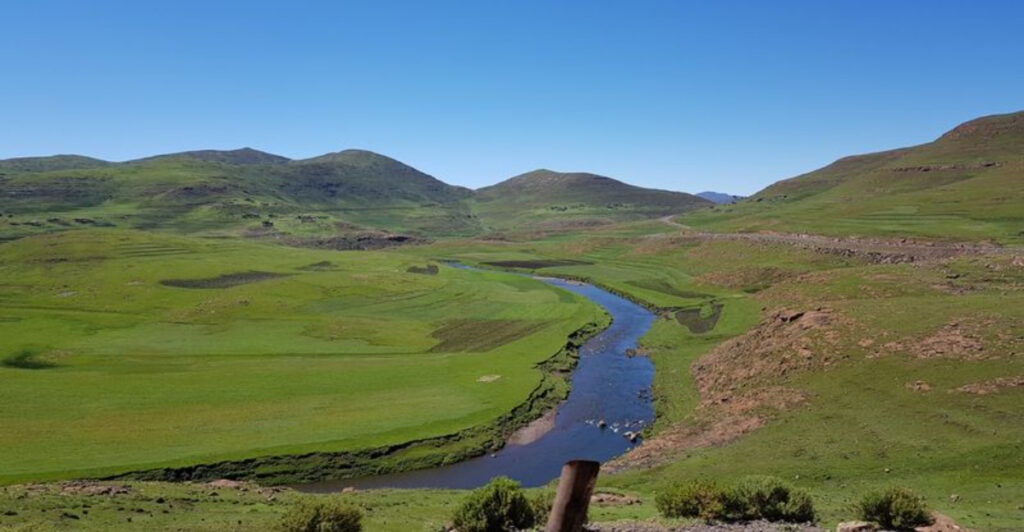
While much of the world is rapidly urbanizing, there are still many countries where the majority of people call the countryside home. From small farming villages in Africa to rice paddies in Asia, rural life remains the norm for hundreds of millions of people.
Understanding where and why so many people still live outside of cities can teach us a lot about culture, economy, and the way communities are built. These 15 countries have some of the highest rural populations on Earth.
1. Burundi
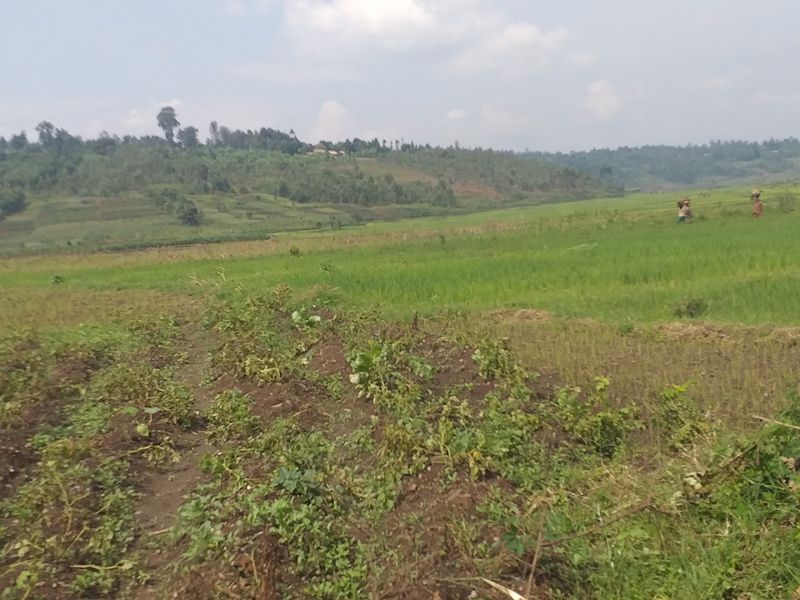
Tucked into the heart of East Africa, Burundi is one of the most rural countries on the planet, with roughly 86% of its people living outside of cities. The land is hilly and green, earning Burundi the nickname “the Heart of Africa.” Most families here depend on small-scale farming to survive.
Crops like cassava, beans, and bananas are staples that feed both households and local markets. The country has a very high population density for a rural nation, which means farmland is often divided into tiny plots shared among large families.
Access to electricity and clean water can be limited in remote areas.
Despite facing economic challenges, Burundian communities are known for their strong social bonds and vibrant traditions. Music and dance play a central role in village life, keeping culture alive across generations.
2. Papua New Guinea
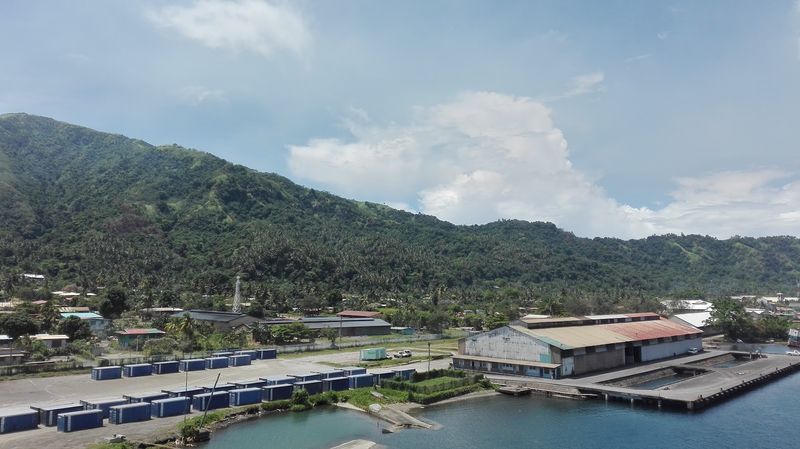
Papua New Guinea is a place where ancient traditions and breathtaking rainforests go hand in hand. About 86% of its population lives in rural areas, making it one of the least urbanized countries in the Asia-Pacific region.
Many communities are so remote that they can only be reached by small aircraft or boat.
The country is incredibly diverse, with over 800 languages spoken across its villages and highlands. Most rural families grow food through subsistence farming, fishing, or hunting, relying on the land much like their ancestors did for thousands of years.
Sweet potatoes, taro, and sago palm are key food sources.
Village life here revolves around clan structures and customary law, which guide everything from land ownership to conflict resolution. This deep connection to tradition makes Papua New Guinea one of the most culturally rich rural nations in the world.
3. Niger
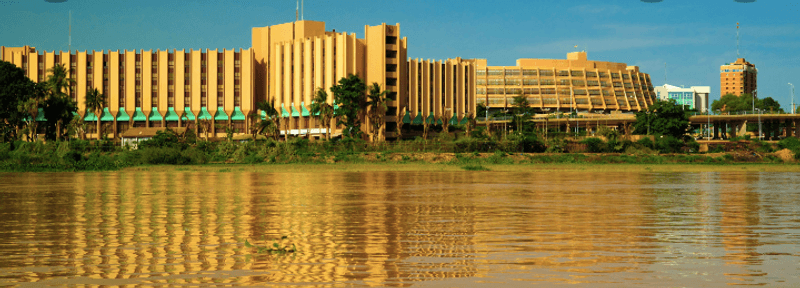
Niger sits in the heart of the Sahel, a semi-arid region that stretches across West Africa, and around 82% of its people live in rural areas. The country is one of the largest in Africa by land area, yet most of its population is clustered in the southern regions where rainfall supports farming.
Life here is shaped by the rhythm of the seasons.
Millet and sorghum are the backbone of the local diet, grown by smallholder farmers who rely on seasonal rains. Nomadic and semi-nomadic herding communities also roam the landscape, moving livestock in search of water and pasture.
These traditions have been practiced for centuries and remain central to rural identity.
Niger faces real challenges with food security and climate change, but its rural communities continue to show remarkable resilience. Extended family networks provide a safety net that urban systems often cannot replicate.
4. Malawi
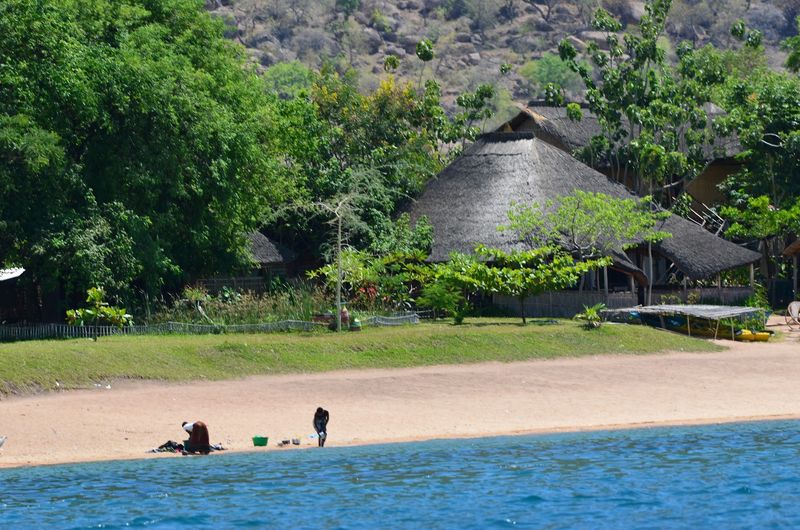
Known as “the Warm Heart of Africa,” Malawi lives up to that name not just in the friendliness of its people, but in the close-knit nature of its rural villages. Around 81% of Malawians live outside of cities, mostly in farming communities spread across a country roughly the size of Pennsylvania.
Lake Malawi dominates the eastern edge of the country and is a lifeline for millions.
Maize is the staple crop, and most families grow it for both eating and selling. Fishing along the lakeshore provides another important source of income and protein for rural households.
Women often play a leading role in managing household food production and community affairs.
Education access is improving in rural Malawi, but many children still walk long distances to reach school. Community health workers and local volunteers help fill gaps in healthcare, showing how rural Malawians support one another in practical, everyday ways.
5. Uganda
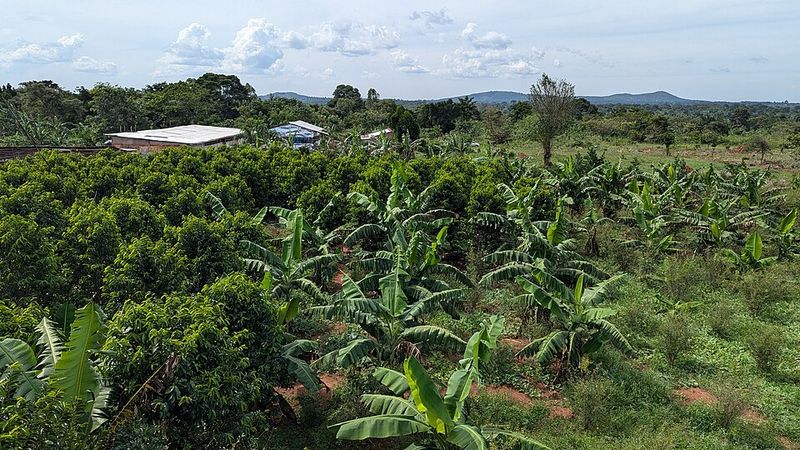
Uganda is a country of remarkable natural beauty, from the misty Rwenzori Mountains to the shores of Lake Victoria, and about 74% of its population lives in rural areas. Agriculture is the backbone of the economy here, employing the vast majority of working adults.
Bananas, coffee, and tea are among the most important crops grown across the countryside.
Rural Uganda is a patchwork of different ethnic groups and languages, each with its own customs, foods, and ways of organizing community life. Village councils, known locally as Local Councils, help manage local affairs and connect rural residents to government services.
This system gives communities a real voice in their day-to-day governance.
Young people in rural Uganda are increasingly using mobile phones to access information, banking, and markets, blending traditional lifestyles with modern technology in creative ways. The countryside here is very much alive and evolving.
6. Nepal
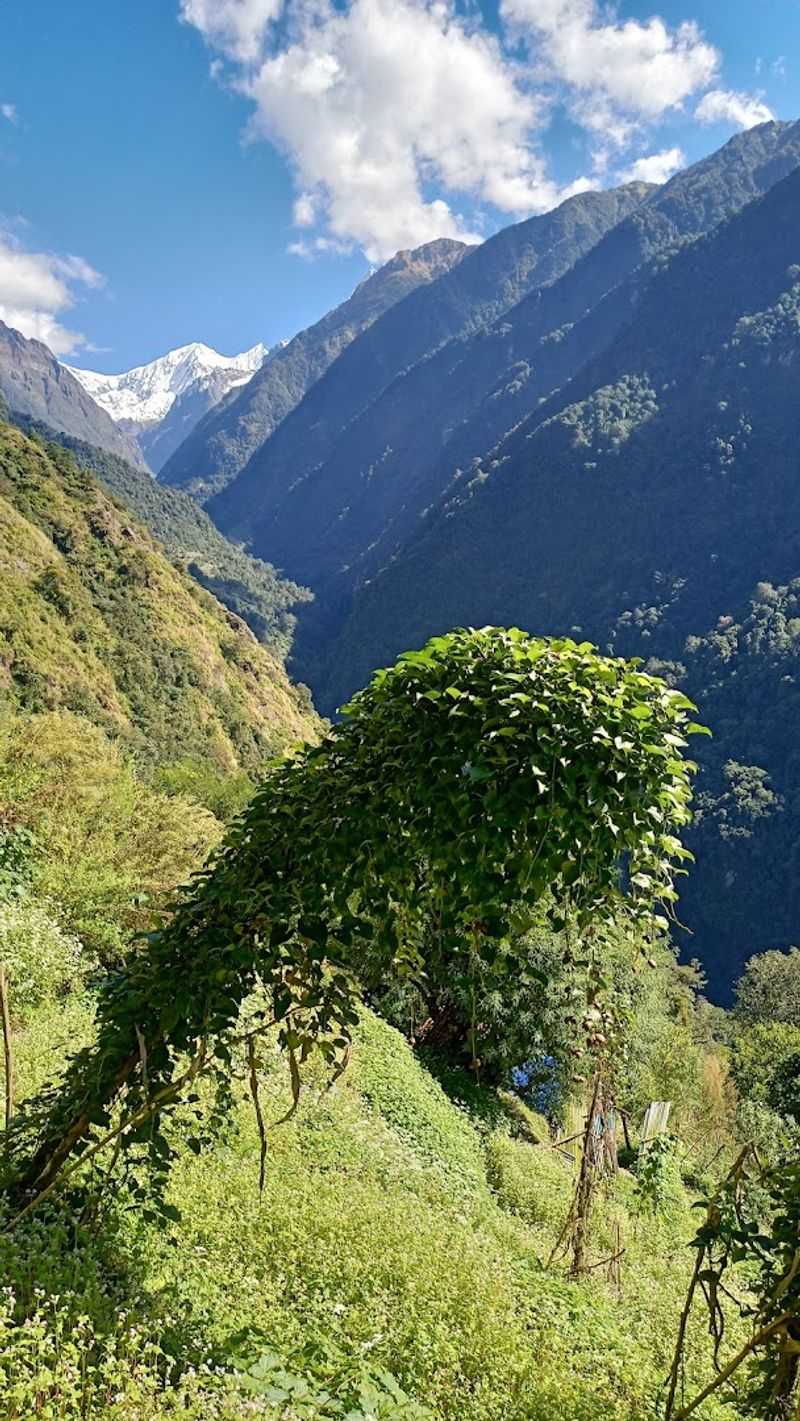
Nepal is a country where the mountains are not just a backdrop but a way of life. About 79% of Nepalis live in rural areas, many in villages perched high in the Himalayas or spread across the fertile Terai plains in the south.
Geography plays a huge role in shaping how people live and what they eat.
Rice, wheat, and lentils form the core of the Nepali diet, and most rural families grow at least some of their own food. In mountain communities, yak herding and potato farming are common, while lowland villages focus on rice cultivation.
Many rural households also earn income from family members who work in cities or abroad and send money back home.
Tourism has brought some economic opportunity to rural Nepal, especially near trekking routes. Still, access to healthcare and education remains a challenge in the most isolated mountain communities, where a doctor can be a days walk away.
7. Ethiopia
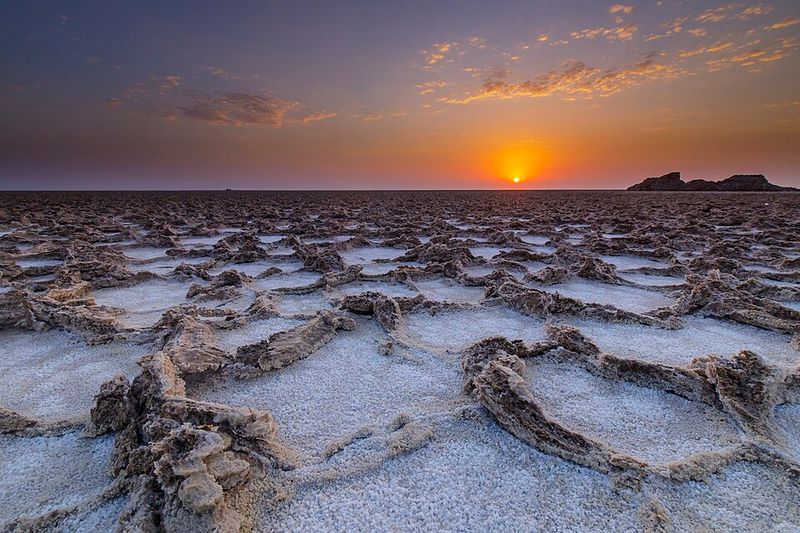
Ethiopia is the most populous landlocked country in the world, and around 77% of its people live in rural areas. The Ethiopian highlands are home to some of the most productive farmland in Africa, where coffee, teff, and barley have been cultivated for thousands of years.
In fact, Ethiopia is the birthplace of coffee, a fact that makes the country famous far beyond its borders.
Rural communities here are often organized around the Orthodox Christian church or local mosque, which serves as a center for social life, celebration, and support. Seasonal festivals bring villages together with music, food, and ceremony.
Farming calendars are closely tied to religious observances.
Ethiopia has made notable progress in expanding rural schools and health clinics in recent decades. However, drought and climate variability continue to pose serious risks to food security for farming families who depend on reliable rains to grow their crops each year.
8. Rwanda
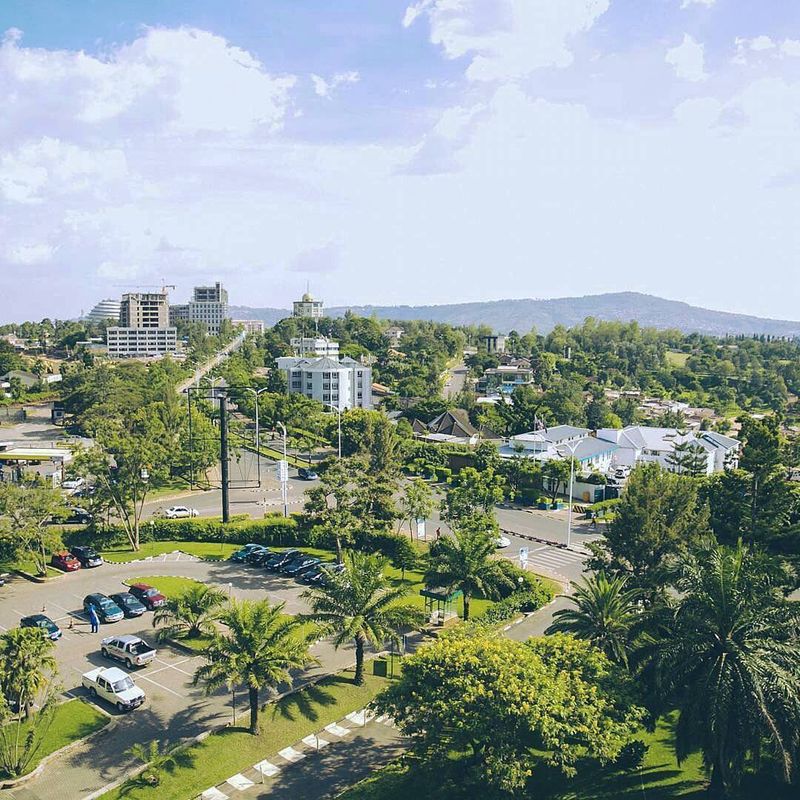
Rwanda is often called “the Land of a Thousand Hills,” and those hills are home to about 82% of its population. Despite being one of the most densely populated countries in Africa, Rwanda is overwhelmingly rural.
Every hillside seems to be farmed, with crops growing right up to the edges of roads and footpaths.
After the devastating genocide of 1994, Rwanda has made extraordinary strides in rebuilding its communities and economy. The government has invested heavily in rural infrastructure, including roads, electricity, and mobile internet access.
Village cooperatives allow farmers to pool resources and sell crops at better prices.
Coffee and tea are major export crops grown in rural Rwanda, and they provide steady income for thousands of farming families. Community savings groups, known as tontines, help rural residents manage money and invest in small businesses, showing how local financial systems can thrive even without formal banking access.
9. South Sudan
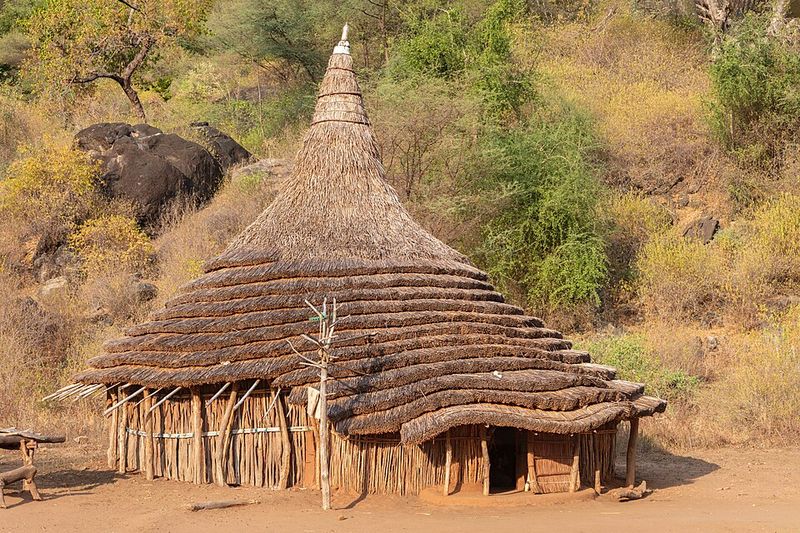
South Sudan is the world’s youngest country, having gained independence in 2011, and roughly 81% of its people live in rural areas. The landscape shifts from tropical forests in the south to the vast Sudd wetlands in the center, one of the largest swamps on Earth.
Many communities live close to rivers and rely on them for water, fishing, and transportation.
Cattle herding is deeply woven into the culture of many South Sudanese ethnic groups, particularly the Dinka and Nuer peoples. Cattle are not just a food source but a symbol of wealth and social status, used in marriage ceremonies and community negotiations.
This pastoral lifestyle shapes how entire communities move and organize themselves.
Years of conflict have made daily life difficult for many rural South Sudanese, disrupting farming and displacing communities. Yet rural villages remain resilient, with people rebuilding homes and replanting fields whenever stability allows them to return to the land they call home.
10. Chad
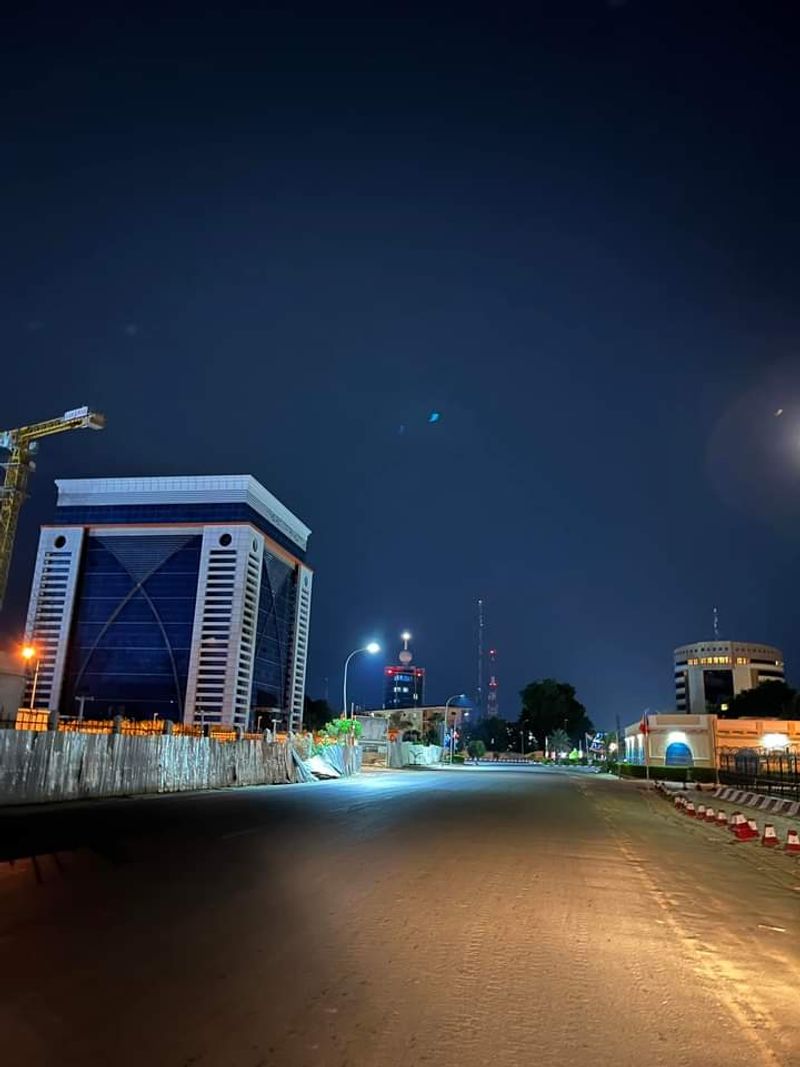
Chad is a massive, landlocked country in Central Africa, stretching from the Sahara Desert in the north to tropical savannas in the south. About 76% of its population lives in rural areas, where livelihoods depend heavily on farming and herding.
The country has one of the lowest rates of urbanization in the world, partly because cities are few and far between.
In the south, rural Chadians grow crops like cotton, millet, and peanuts, while in the north, nomadic herders move camels, goats, and cattle across vast desert and semi-arid terrain. Water scarcity is a constant challenge, especially as Lake Chad, once one of Africa’s largest lakes, has shrunk dramatically over the past 50 years due to climate change and overuse.
Despite these hardships, rural communities in Chad maintain strong oral traditions, with storytelling, poetry, and music serving as important ways to pass knowledge and history from one generation to the next.
11. Madagascar
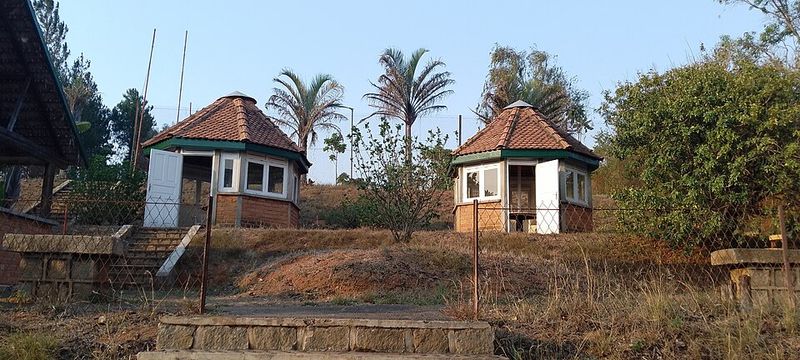
Madagascar is an island nation off the southeastern coast of Africa, and it is unlike anywhere else on Earth. About 60% of its people live in rural areas, many in highland villages where rice paddies cascade down hillsides like giant staircases.
Rice is not just food here; it is deeply embedded in Malagasy culture, ceremony, and identity.
The island is famous for its extraordinary biodiversity, including lemurs and baobab trees found nowhere else in the world. Rural communities often live near these natural treasures, though deforestation for farming and charcoal production threatens many ecosystems.
Balancing conservation with the needs of rural families is one of the biggest challenges the country faces.
Zebu cattle, a type of humped cow, are a sign of wealth in rural Madagascar and are central to many traditional ceremonies. Villages often come together for events like famadihana, a ritual of reburying ancestors that celebrates family bonds across generations.
12. Cambodia
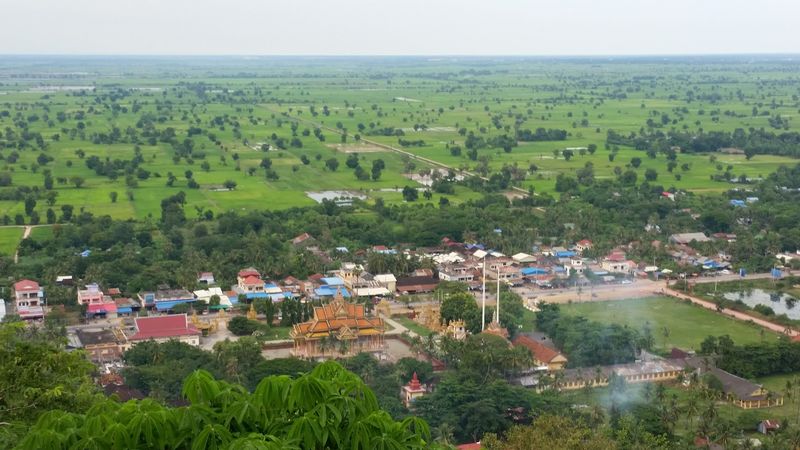
Cambodia has a long history tied to the land, and today about 74% of its population still lives in rural areas. The country’s flat central plains are dominated by rice paddies that flood and drain with the seasonal rise and fall of the Tonle Sap Lake, one of the most productive freshwater fisheries in the world.
This natural cycle has shaped Cambodian rural life for centuries.
Fishing and rice farming are the twin pillars of the rural economy, and most village families take part in at least one of them. Buddhist temples, called wats, sit at the heart of nearly every village and serve as schools, community centers, and places of worship all at once.
Cambodia has seen rapid economic growth in recent years, but many rural areas still lack reliable electricity and clean water. Young people increasingly move to cities for work, leaving older generations to maintain traditional farming practices in the countryside.
13. Lesotho
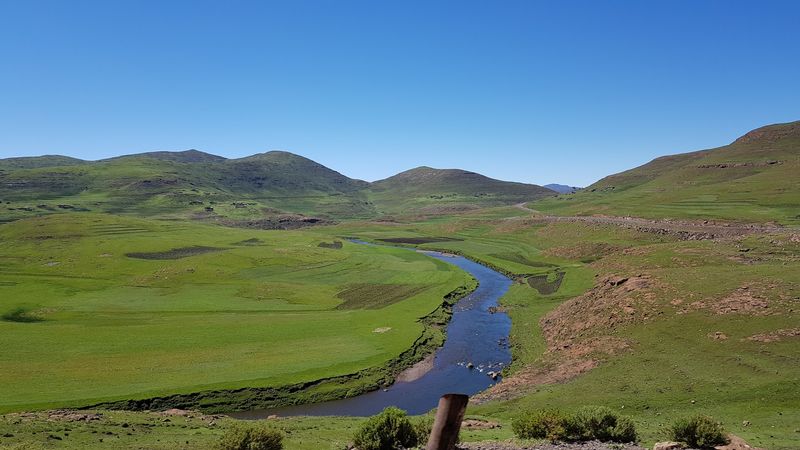
Lesotho is a small, mountainous kingdom completely surrounded by South Africa, and about 69% of its people live in rural areas. Often called “the Kingdom in the Sky,” Lesotho sits at high elevation, with much of the country above 1,800 meters.
The cool climate and rugged terrain make farming challenging but not impossible.
Sorghum, maize, and wheat are grown in the lowland valleys, while the high mountain areas are used mainly for grazing sheep, goats, and cattle. Basotho shepherds, often young men and boys, are a familiar sight on the highlands, wrapped in colorful woolen blankets that are a proud symbol of national identity.
Lesotho has one of the highest rates of HIV in the world, which has had a significant impact on rural households and workforce capacity. Despite this, communities here are deeply resilient, and the traditional practice of letsema, collective community labor, continues to bind villages together through shared work and solidarity.
14. Sri Lanka
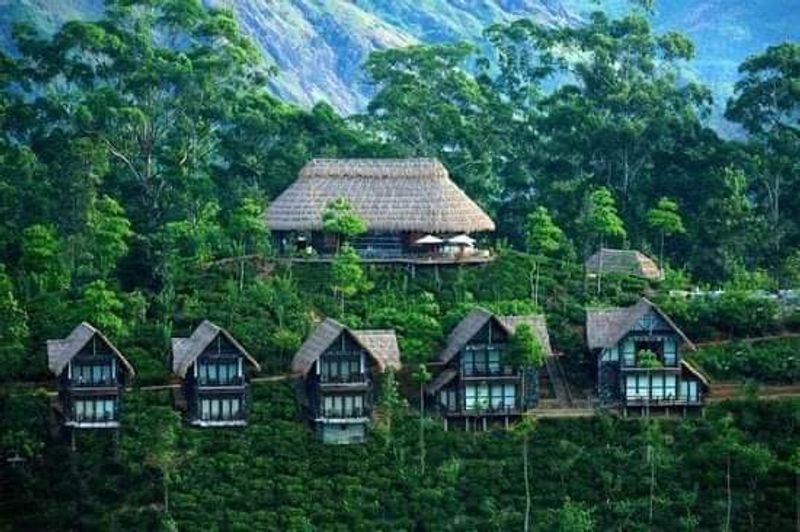
Sri Lanka is a tropical island nation south of India, and its official urban definition is quite narrow, which means about 81% of its population is counted as rural. In reality, many Sri Lankan villages are densely settled and have good roads and services, but they remain classified as rural under national statistics.
Rice paddies and coconut groves define the visual character of the countryside.
Tea plantations, especially in the central highlands around Kandy and Nuwara Eliya, are a major source of rural employment. Sri Lanka is one of the world’s top tea exporters, and the industry supports hundreds of thousands of estate workers and their families.
The rhythms of planting and harvest shape life in these highland communities.
Rural Sri Lanka also has a rich religious landscape, with Buddhist temples, Hindu kovils, mosques, and churches often found within short distances of each other. This religious diversity is a reflection of the island’s layered history and cultural depth.
15. Timor-Leste
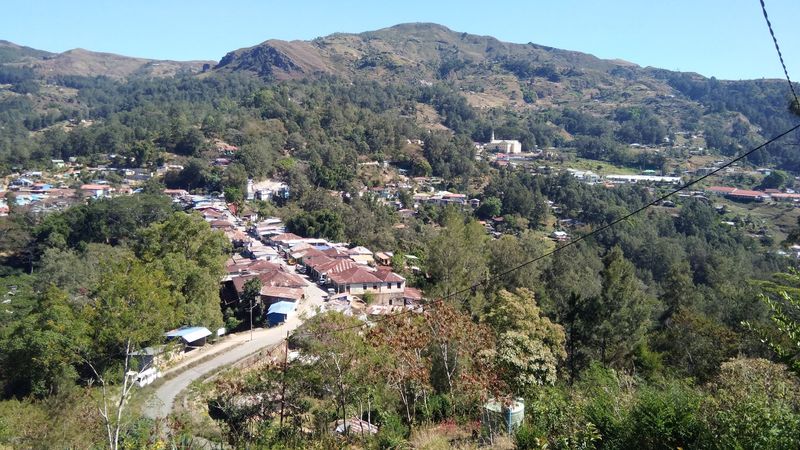
Timor-Leste, also known as East Timor, is one of the youngest and smallest nations in Southeast Asia, having gained full independence in 2002. About 66% of its population lives in rural areas, scattered across mountainous terrain and coastal lowlands.
The country is still developing its infrastructure, which means rural life here can be quite isolated.
Corn and rice are the main food crops, and most rural families farm small plots using traditional hand tools and methods passed down through generations. Coffee is the country’s most valuable export and provides a cash income for thousands of rural households, particularly in the cool highland regions.
Fair trade coffee from Timor-Leste has found markets around the world.
The people of Timor-Leste have a deep connection to their ancestral land, expressed through a spiritual tradition centered on the uma lulik, or sacred house, which anchors each family to its history, identity, and place in the world.
Share this story