Humans have been reshaping coastlines for centuries, but today’s artificial islands are on a whole new level. Built by dumping millions of tons of sand, rock, and concrete into the sea, these engineering marvels serve as homes, airports, resorts, and even entire cities.
Some were created out of necessity, while others were born from bold ambition and creative vision. From the Netherlands to Dubai to Japan, here are the 15 largest artificial islands ever constructed.
1. Flevopolder, Netherlands
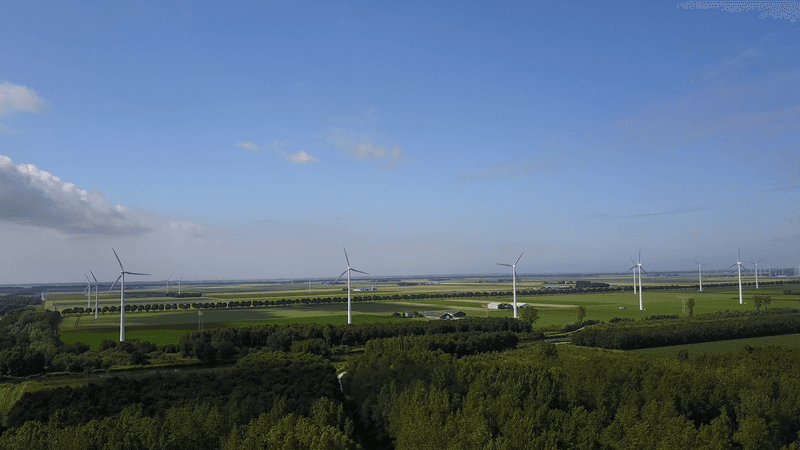
Long before Dubai started stacking sand into palm-shaped islands, the Netherlands was already rewriting the rules of land and water. Flevopolder, completed in 1968, is the largest artificial island in the world, covering about 970 square kilometers.
That is roughly the size of a small country.
The island was created by pumping water out of a section of the IJsselmeer lake, a process called poldering. Once the land dried out, it became home to farms, forests, and a city called Almere, which now has over 200,000 residents.
What makes Flevopolder truly remarkable is that it was built for practical reasons, not luxury. The Dutch needed more farmland and living space, so they literally made more land.
Today, it stands as one of the greatest feats of water management in human history, proving that engineering and determination can reshape geography itself.
2. Palm Jumeirah, Dubai, UAE
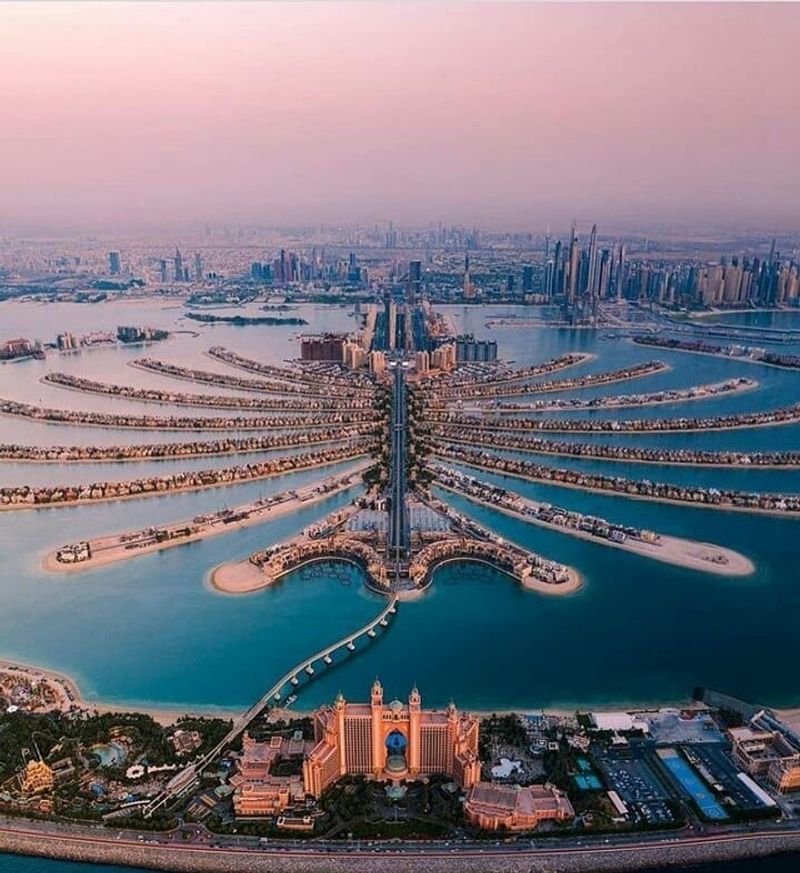
Few structures on Earth are recognizable from space, but Palm Jumeirah is one of them. Shaped like a giant palm tree jutting into the Persian Gulf, this man-made island in Dubai became one of the most photographed places in the world almost immediately after it was built.
Construction began in 2001 and required over 94 million cubic meters of sand. The island hosts luxury hotels, including the famous Atlantis The Palm, as well as thousands of private villas and apartments.
Over 10,000 people call it home.
Palm Jumeirah was Dubai’s bold way of telling the world it meant business as a global destination. It added 56 kilometers of new beach to the city’s coastline.
The island also features a monorail connecting it to the mainland. For Dubai, this was just the beginning of a much bigger dream to build beyond the shoreline.
3. Palm Jebel Ali, Dubai, UAE
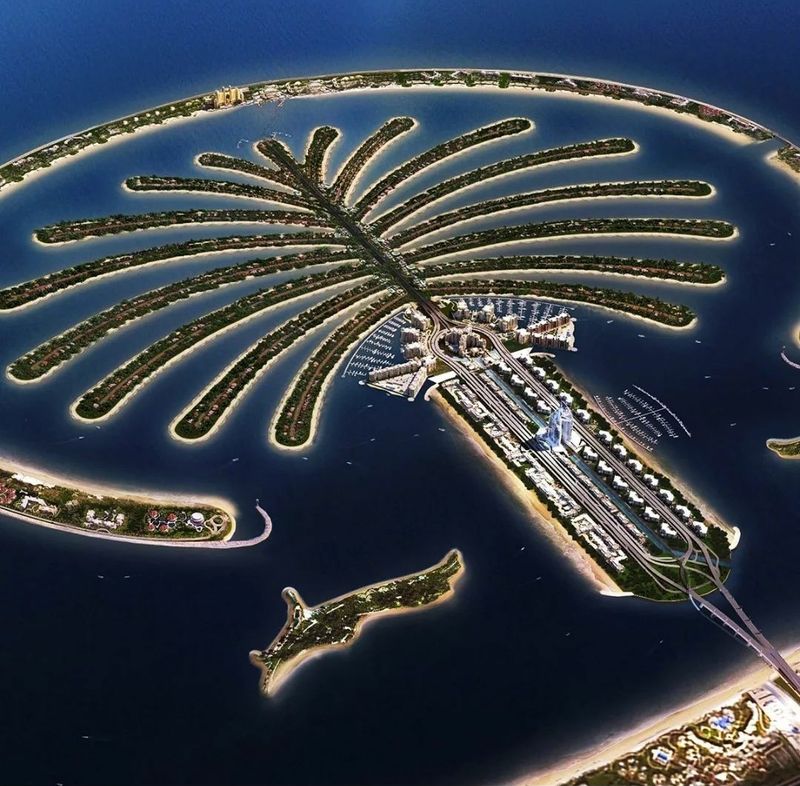
Bigger than its famous sibling, Palm Jebel Ali has had a longer and more complicated story. Originally planned in the early 2000s, construction slowed significantly after the 2008 global financial crisis, leaving the island largely undeveloped for years.
Dubai’s government relaunched the project in 2023 with a fresh vision. The new plan calls for 35 fronds instead of the original 17, along with thousands of waterfront villas, hotels, and entertainment zones.
When complete, it is expected to house around 35,000 families.
The island sits about 30 kilometers southwest of Palm Jumeirah and is designed to be twice the size of its predecessor. Palm Jebel Ali represents Dubai’s continued belief that the future of luxury living is built on water.
Whether you see it as extravagant or visionary, there is no denying the sheer scale of what is being attempted here.
4. The Pearl-Qatar, Doha, Qatar
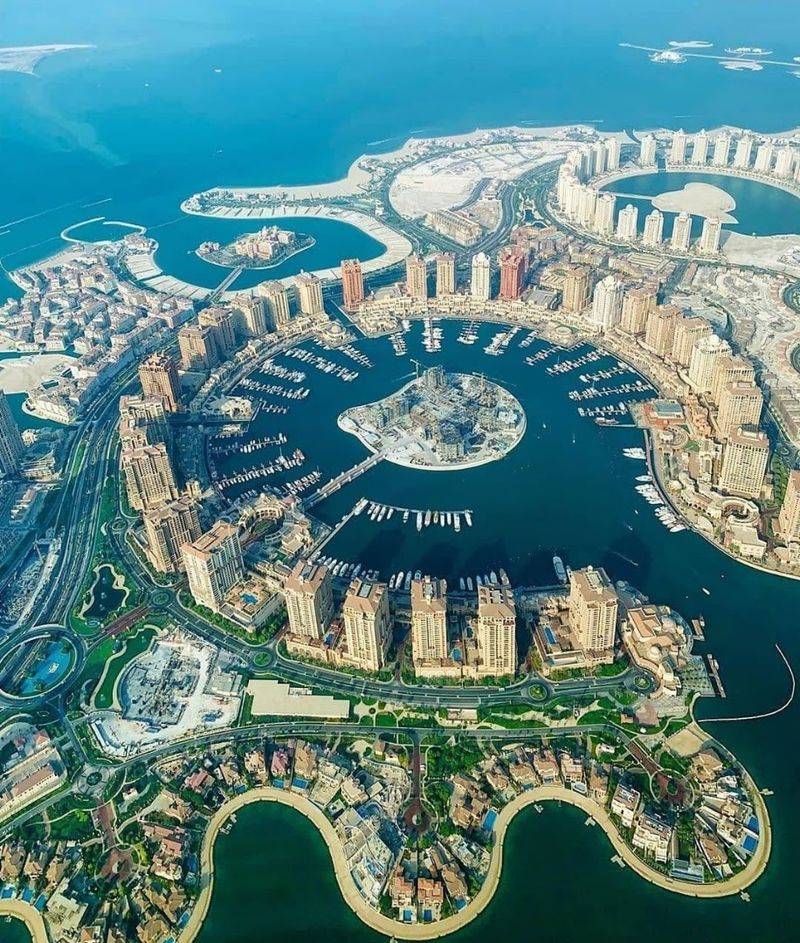
Named after the pearl diving industry that once defined Qatar’s economy, The Pearl-Qatar is a stunning tribute to the country’s heritage wrapped in modern luxury. Built on reclaimed land off the coast of Doha, it covers about 4 square kilometers and was designed to feel like a Mediterranean coastal town.
The island features marinas, high-end boutiques, restaurants, and thousands of residential units. It opened in phases starting around 2012 and continues to grow.
At full capacity, it is expected to house around 45,000 residents from all over the world.
What sets The Pearl apart from other artificial islands is its walkable, human-scale design. Streets are lined with cafes and promenades, giving it the feel of a real neighborhood rather than a resort.
For Qatar, The Pearl is both a real estate achievement and a symbol of the country’s transformation into a modern, globally connected nation.
5. Hong Kong International Airport Island (Chek Lap Kok), Hong Kong
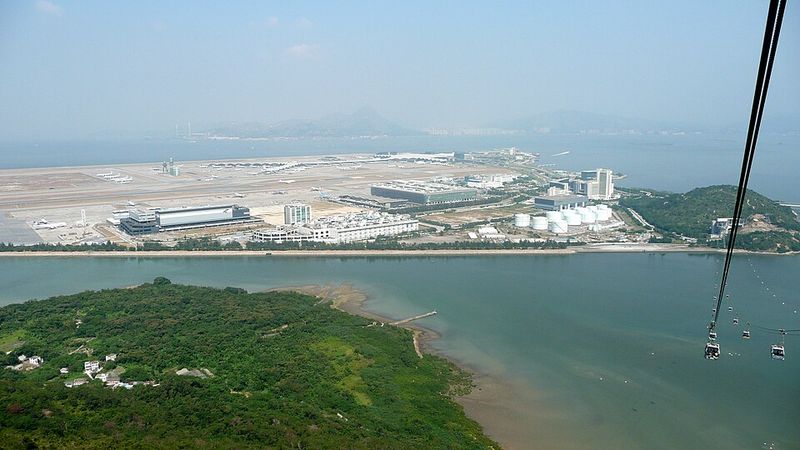
Building an airport is hard enough. Building one on an entirely man-made island is a different challenge altogether.
Chek Lap Kok, home to Hong Kong International Airport, was created by flattening two small natural islands and filling in the surrounding sea with sand and rock.
Construction began in 1992 and the airport opened in 1998. The island covers about 12.5 square kilometers, making it one of the largest airport islands ever built.
Over 70 million passengers pass through it each year during normal travel periods.
The project required moving mountains, literally. Two existing islands, Chek Lap Kok and Lam Chau, were leveled and used as the foundation.
The engineering challenge was enormous, but Hong Kong pulled it off on time and on budget. Today, the airport consistently ranks among the best in the world, a fitting reward for such an ambitious construction effort.
6. Kansai International Airport Island, Osaka Bay, Japan
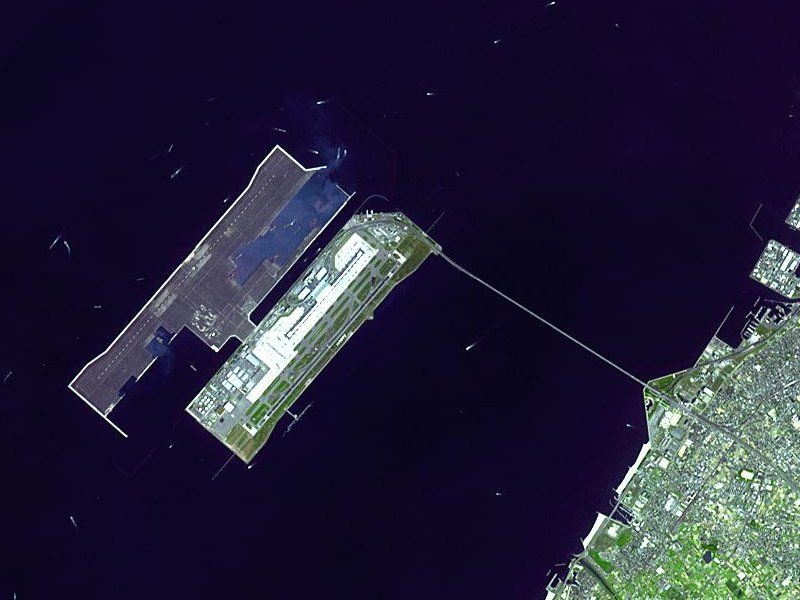
Japan needed a new airport for the Osaka region, but there was no land to build one on. The solution was audacious: build the land itself.
Kansai International Airport sits on a man-made island in Osaka Bay, about 5 kilometers offshore, and opened in 1994 after five years of construction.
The island covers roughly 10.5 square kilometers. One of its most famous features is the terminal building designed by Italian architect Renzo Piano, a sleek, aerodynamic structure that stretches over a mile long.
The airport handles tens of millions of passengers annually.
There is a catch to this engineering triumph. The island has been slowly sinking since it was built, a known engineering challenge called settlement.
Engineers have had to continuously adjust the structure to compensate. Despite this, Kansai remains fully operational and is considered one of the boldest airport projects ever completed, anywhere in the world.
7. Port Island, Kobe, Japan
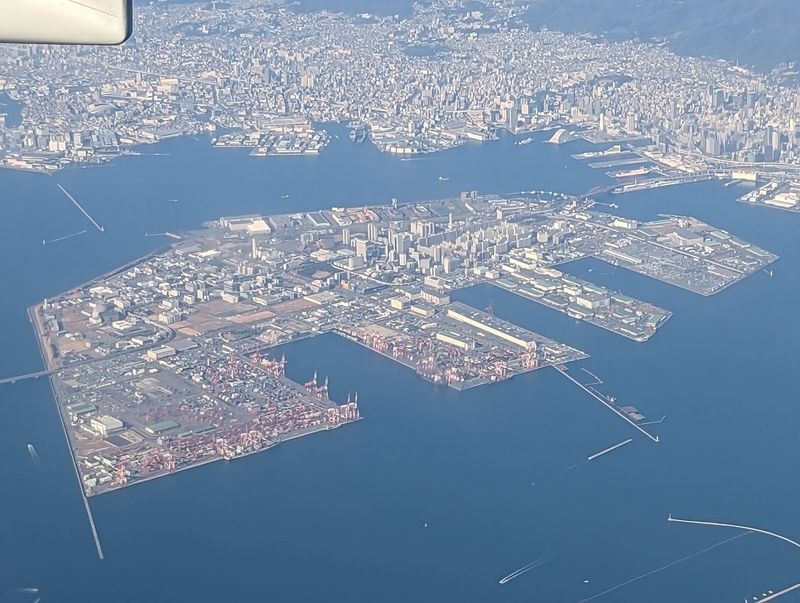
Port Island was Japan’s early proof that cities could grow outward into the sea. Located in Osaka Bay just off the coast of Kobe, it was built using soil excavated from nearby mountains, a clever solution that solved two problems at once: where to put the extra dirt, and where to find new urban land.
Construction was completed in 1981, and the island covers about 8.4 square kilometers. It houses hospitals, universities, a convention center, hotels, and thousands of residents.
A dedicated monorail called the Portliner connects the island to downtown Kobe.
Port Island also became a testing ground for urban planning ideas, showing how artificial land could function as a real, self-sufficient community. After the devastating 1995 Kobe earthquake, parts of the island experienced liquefaction, a soil instability issue.
Engineers used the lessons learned to improve future construction standards for man-made land in earthquake-prone regions.
8. Rokko Island, Kobe, Japan
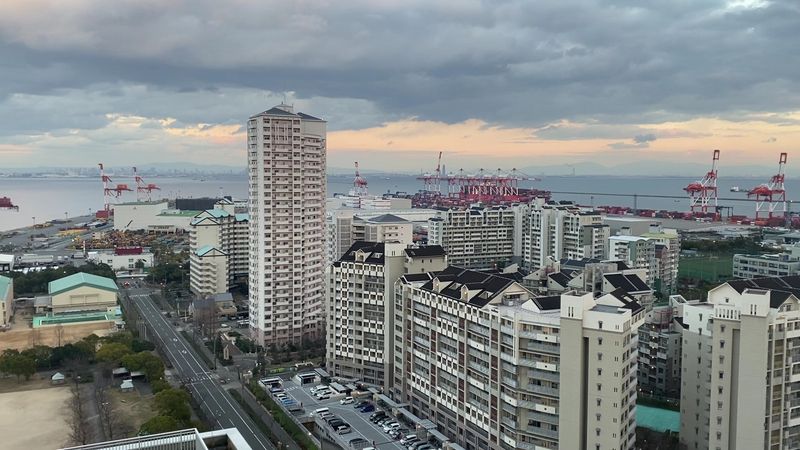
Built as an extension of Kobe’s urban expansion into the sea, Rokko Island came after Port Island and benefited from all the lessons that earlier project taught. Completed in 1992, it covers approximately 5.8 square kilometers and sits just east of Port Island in Osaka Bay.
Unlike Port Island’s more commercial focus, Rokko Island was designed with a stronger residential character. It features housing complexes, international schools, parks, and the Kobe Fashion Museum, one of Japan’s most unique cultural attractions.
A bridge and a dedicated rail line connect it to the mainland.
Rokko Island was built to house workers and families connected to Kobe’s busy port industry. It remains a stable, functioning community today.
The island also suffered some damage during the 1995 earthquake but recovered well. Its story is a reminder that man-made islands are not just showpieces; they can become genuine, lasting neighborhoods where real life unfolds every day.
9. Odaiba, Tokyo, Japan
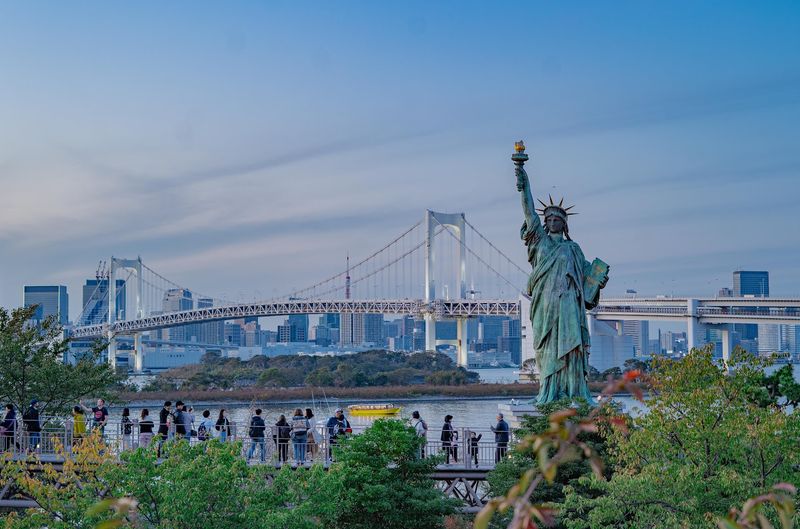
Odaiba has one of the most dramatic backstories of any artificial island on this list. It was originally built in the 1850s as a series of defensive gun platforms in Tokyo Bay to protect Japan from foreign naval threats.
Centuries later, it became one of Tokyo’s most popular entertainment and shopping destinations.
Modern Odaiba was developed in the 1990s as a futuristic waterfront city. It covers about 4.4 square kilometers and is home to shopping malls, a giant Ferris wheel, technology museums, TV studios, and even a life-size Gundam robot statue.
The Rainbow Bridge connects it dramatically to the city skyline.
On weekends, Odaiba draws massive crowds looking for fun, food, and views of Tokyo Bay. It blends urban history with pop culture in a way that feels uniquely Japanese.
Few places in the world manage to be both historically significant and this entertaining at the same time.
10. Yumeshima, Osaka, Japan
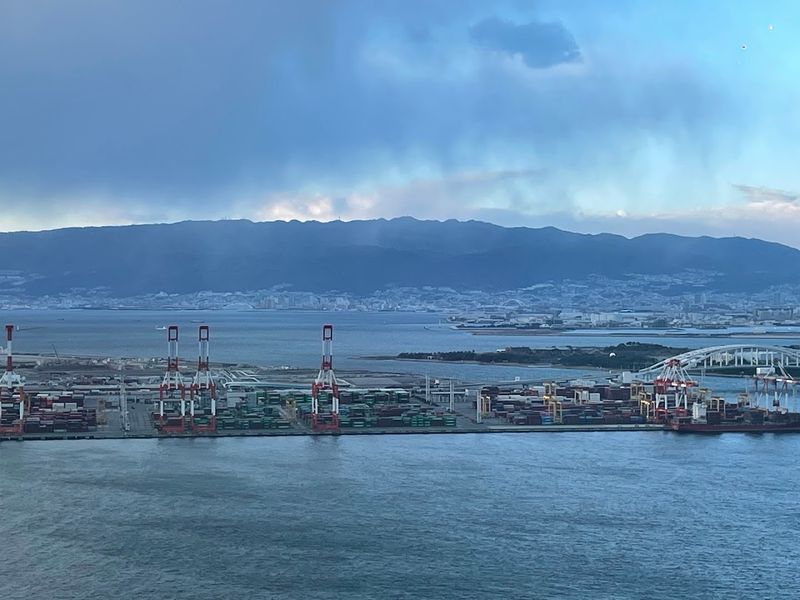
Yumeshima translates to Dream Island, and right now it is living up to that name in a big way. Located in Osaka Bay, this 390-hectare artificial island was originally used for waste disposal before being selected as the site for Expo 2025, the world’s fair that attracted global attention.
The Expo opened in April 2025 and runs through October, drawing millions of visitors from around the world to its futuristic pavilions and international exhibits. After the event, Yumeshima is planned to become home to Japan’s first integrated casino resort, a massive project that has sparked both excitement and debate.
The island’s transformation from a garbage dump to a world-stage venue is one of the more surprising stories in recent urban development. It shows that with enough investment and political will, even the most overlooked pieces of reclaimed land can be reimagined into something truly extraordinary and globally significant.
11. Jurong Island, Singapore
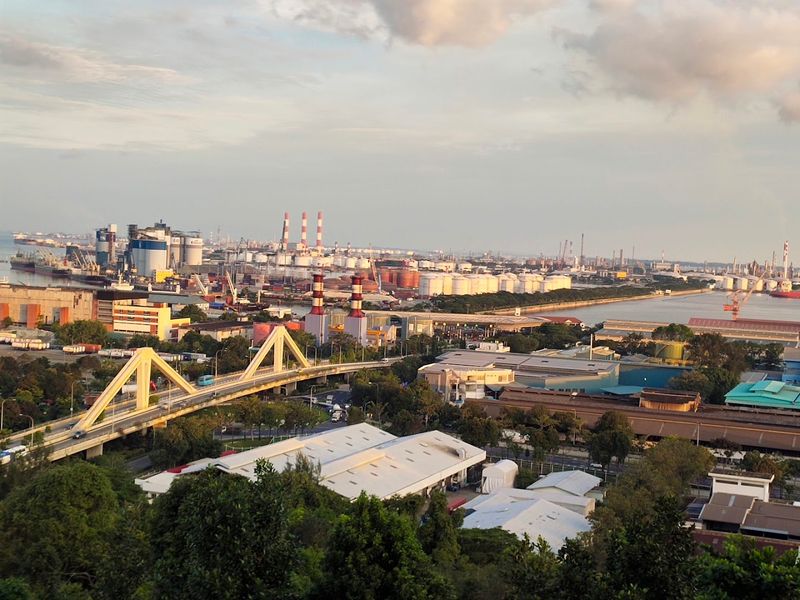
Not every artificial island is built for tourists or residents. Jurong Island in Singapore was built for business, specifically the petrochemical and energy industry.
It was created by merging seven smaller natural islands through land reclamation, a process that took place over roughly two decades starting in the 1990s.
Today, Jurong Island covers about 32 square kilometers and is home to over 100 international energy and chemical companies. It contributes significantly to Singapore’s economy and is considered one of the world’s top petrochemical hubs.
Access is tightly controlled; only authorized workers and visitors can enter.
Singapore had limited land and even more limited natural resources, so creating a dedicated industrial zone offshore was a smart strategic move. Jurong Island is a clear example of how land reclamation can serve economic goals rather than aesthetic ones.
It may not be glamorous, but it is arguably the most economically productive artificial island anywhere in the world.
12. Hulhumale, Maldives
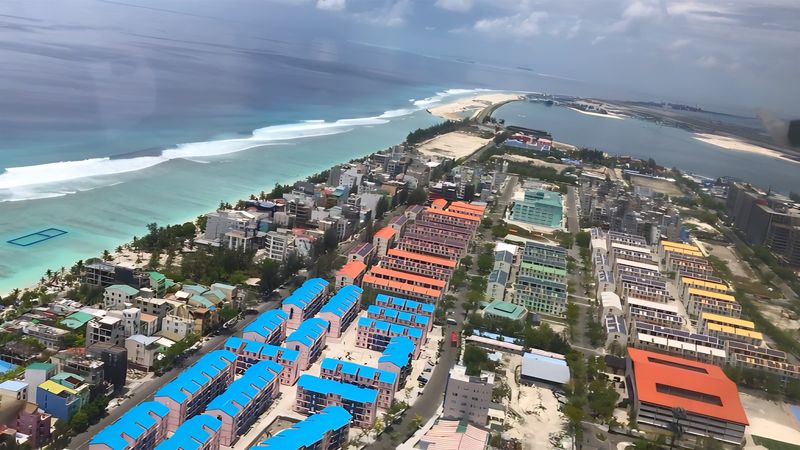
For the Maldives, building Hulhumale was not just about growth. It was about survival.
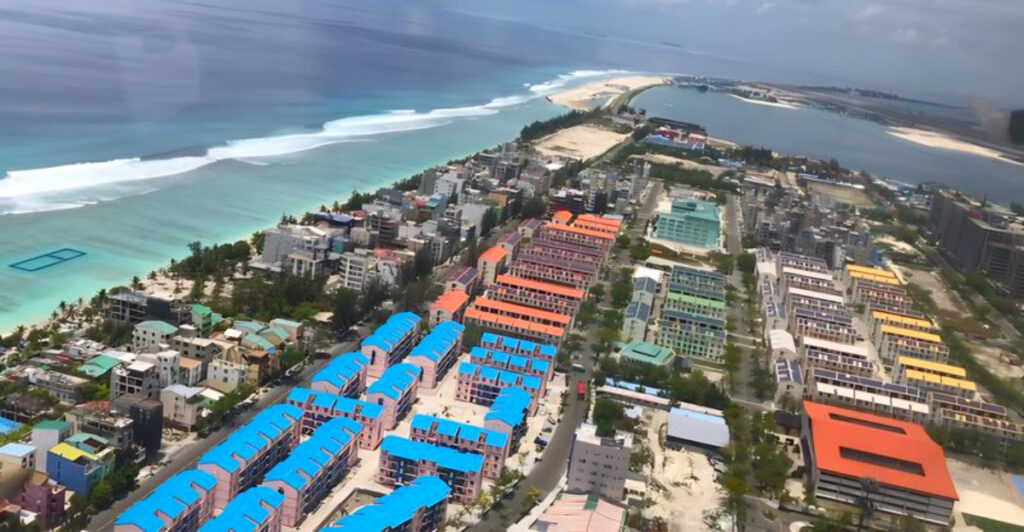
As one of the lowest-lying nations on Earth, the Maldives faces a very real threat from rising sea levels. Hulhumale was constructed at a higher elevation than most natural islands in the country, giving its residents a buffer against future flooding.
Located near the capital Male, Hulhumale covers about 4 square kilometers and is home to over 50,000 people, with plans to eventually house 185,000. It features hospitals, schools, mosques, and apartment blocks, functioning as a genuine urban extension of the capital.
The island was developed starting in the late 1990s and has grown steadily since. For Maldivian families priced out of the crowded capital, Hulhumale offers affordable housing with modern infrastructure.
It is both a practical response to urban overcrowding and a long-term climate adaptation strategy, making it one of the most purposeful artificial islands ever created.
13. Amwaj Islands, Bahrain
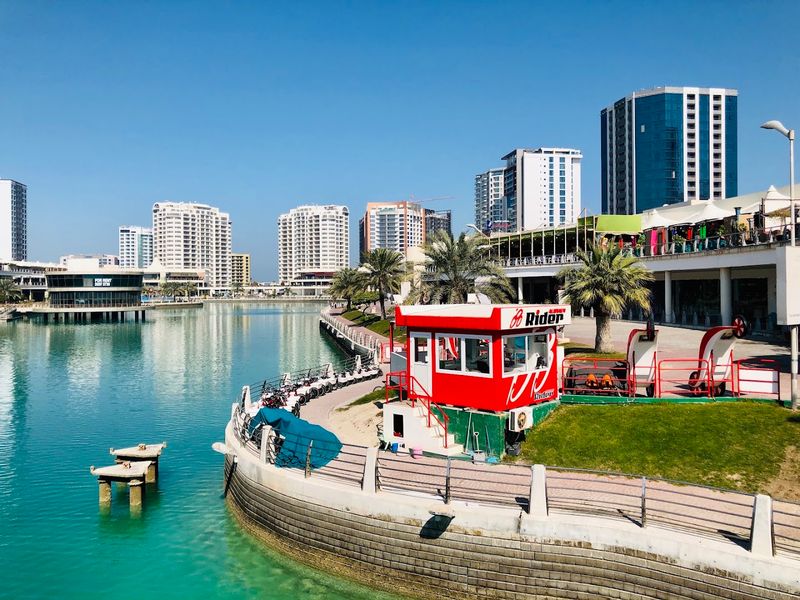
Amwaj Islands brought a new lifestyle concept to Bahrain when it launched in the early 2000s. Spread across a cluster of small artificial islands off the northeastern coast of Bahrain, the development was one of the first in the Gulf region to allow foreign nationals to own freehold property.
The project covers about 2.8 square kilometers and features waterfront apartments, villas, hotels, restaurants, and a marina. Its relaxed, community-focused atmosphere sets it apart from some of the more glamorous developments in neighboring countries.
Residents enjoy a quieter waterfront lifestyle while remaining close to Bahrain’s capital, Manama.
Amwaj quickly became popular with expatriates and Bahraini families alike. The development sparked a wave of similar projects across the Gulf.
It remains one of Bahrain’s most successful real estate ventures, valued not just for its location but for the genuine sense of neighborhood that its planners worked hard to create from the very beginning.
14. Durrat Al Bahrain, Bahrain
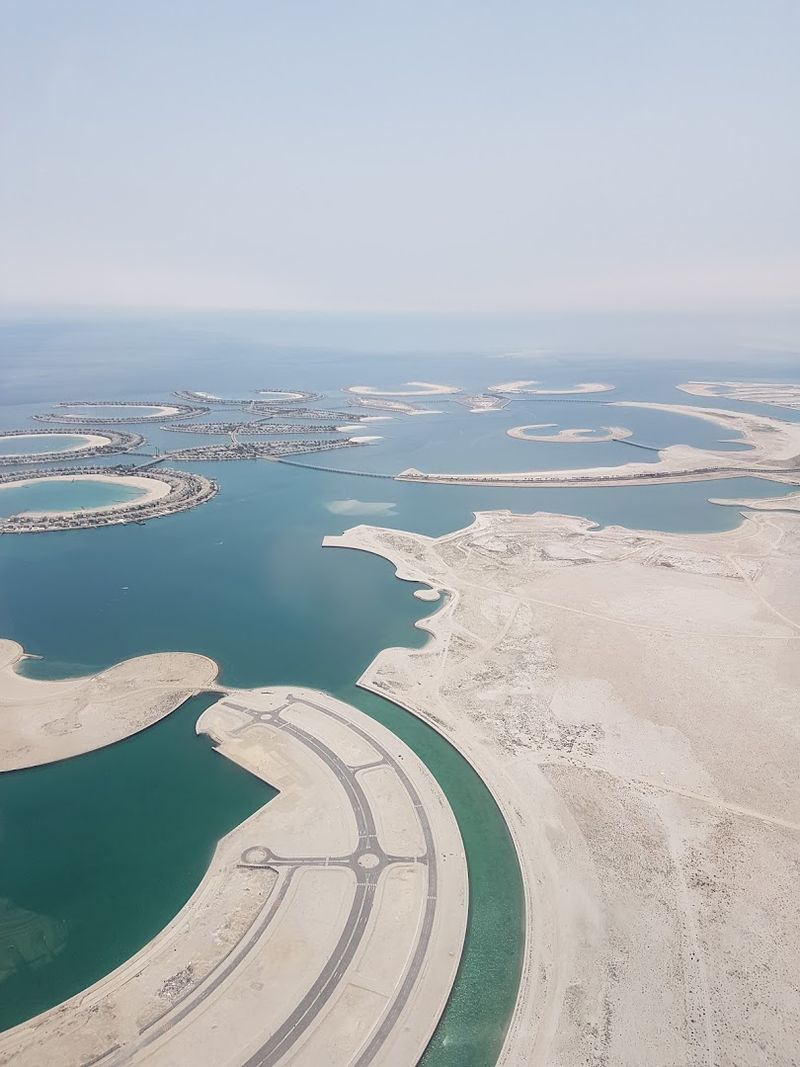
From above, Durrat Al Bahrain looks like a piece of abstract art floating in the Arabian Gulf. The development consists of 15 artificial islands arranged in unique shapes, including fish and crescent forms, off the southern tip of Bahrain.
It is one of the most visually distinctive island projects anywhere on the planet.
Covering about 20 square kilometers in total, Durrat Al Bahrain was designed as an upscale residential and resort community. It includes villas, hotels, a golf course, and marinas.
Construction began in the mid-2000s, and the project has been developed in phases over the years.
The development was intended to cater to Bahrain’s growing demand for luxury waterfront living. While some phases took longer than expected to complete, the overall vision has remained consistent.
Durrat Al Bahrain stands as an example of how bold design and careful planning can turn open water into a thriving, aesthetically striking residential community.
15. Ocean Reef Islands, Panama City, Panama
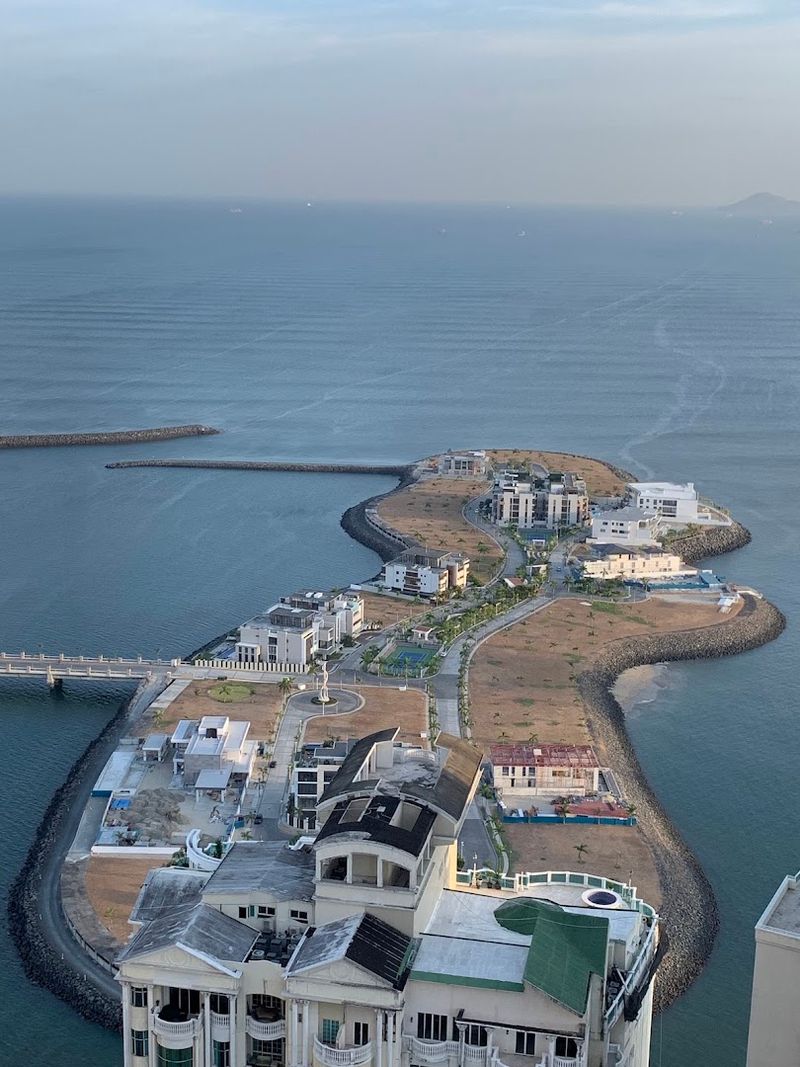
Tucked along the Pacific coast of Panama City, Ocean Reef Islands is Central America’s most ambitious land reclamation project. The development consists of a group of small artificial islands designed in the shape of fish, visible clearly from above and meant to evoke the marine life of the surrounding Pacific waters.
The project covers several square kilometers and is designed to offer luxury waterfront living in a region that has seen rapid economic growth. It features private residences, yacht facilities, and open green spaces, all just minutes from Panama City’s financial district.
Ocean Reef Islands signals Panama’s growing confidence as a destination for international real estate investment. The country’s strategic location between two oceans and its booming economy have made it attractive to buyers from North America, Europe, and South America.
For Panama City, this project is a statement of ambition, showing that the spirit of bold, large-scale construction that built the Panama Canal is still very much alive.
Share this story