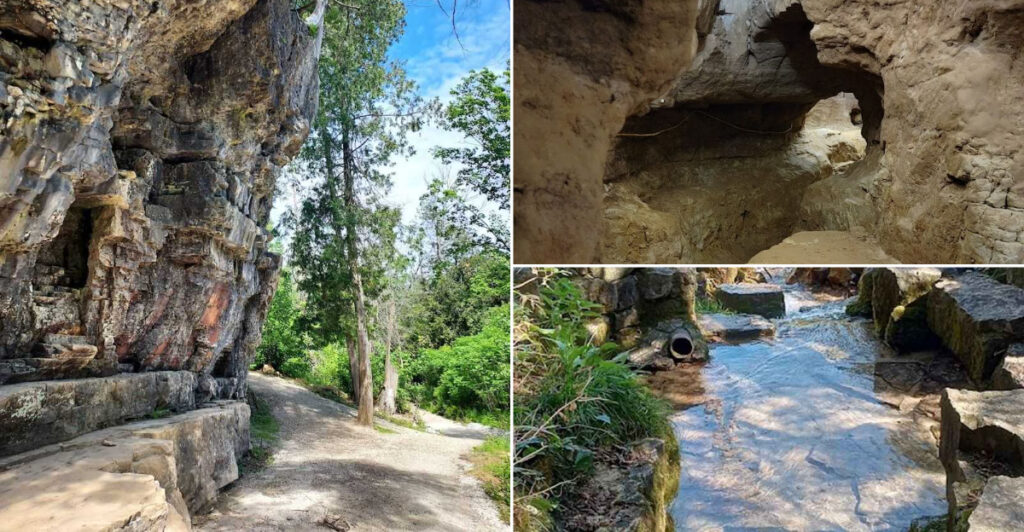
There is a corner of Wisconsin where the ground opens up into caves, limestone bluffs rise above a winding river, and a trail system weaves through cedar groves and woodland paths that could keep you busy for a full day. Located in Maribel, this outdoor destination has been quietly drawing hikers, families, and curious explorers who want more than just a flat walk through the woods.
The trail network here covers enough ground to clock 20,000 steps without seeing everything, and the caves add a layer of discovery that most Wisconsin trails simply cannot match. Toss in the ruins of a century-old hotel, a river view that rewards the climb, and free admission, and you have a day trip that delivers far more than expected.
The Trail System That Keeps Going
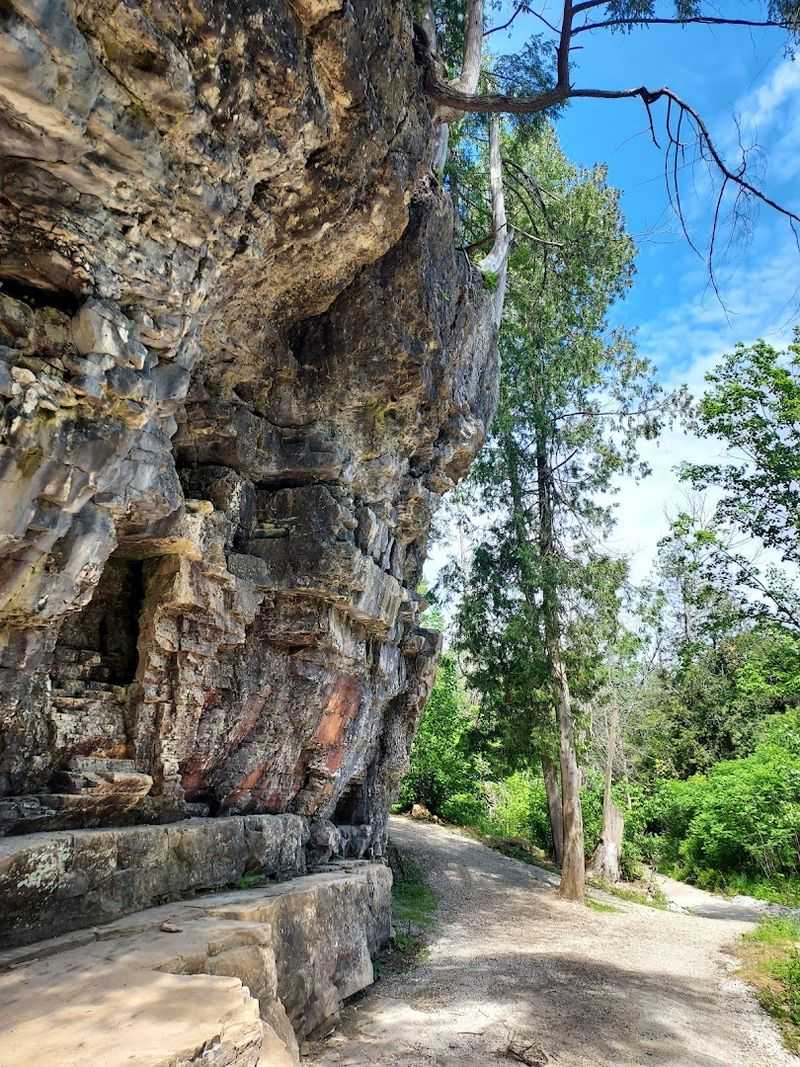
The trail network at Maribel Caves is the kind that rewards people who show up with a full water bottle and no particular rush. Hikers have logged 20,000 steps and still not covered the entire system, which gives a real sense of just how much ground there is to explore across this property.
Most of the trails are smooth and well-maintained, making them accessible for a wide range of fitness levels. The park trail system is easy to follow, with clear markers that connect the upper and lower routes.
Those who prefer to skip the stairs can take the upper trail, which links back down to the river-level path without requiring a steep descent.
A dedicated bike trail runs through part of the property as well, so this is not strictly a hiking-only destination. Whether the plan is a quick loop or a long full-day outing, the trail variety here gives every type of outdoor visitor something worth returning for.
Caves That Demand Some Curiosity
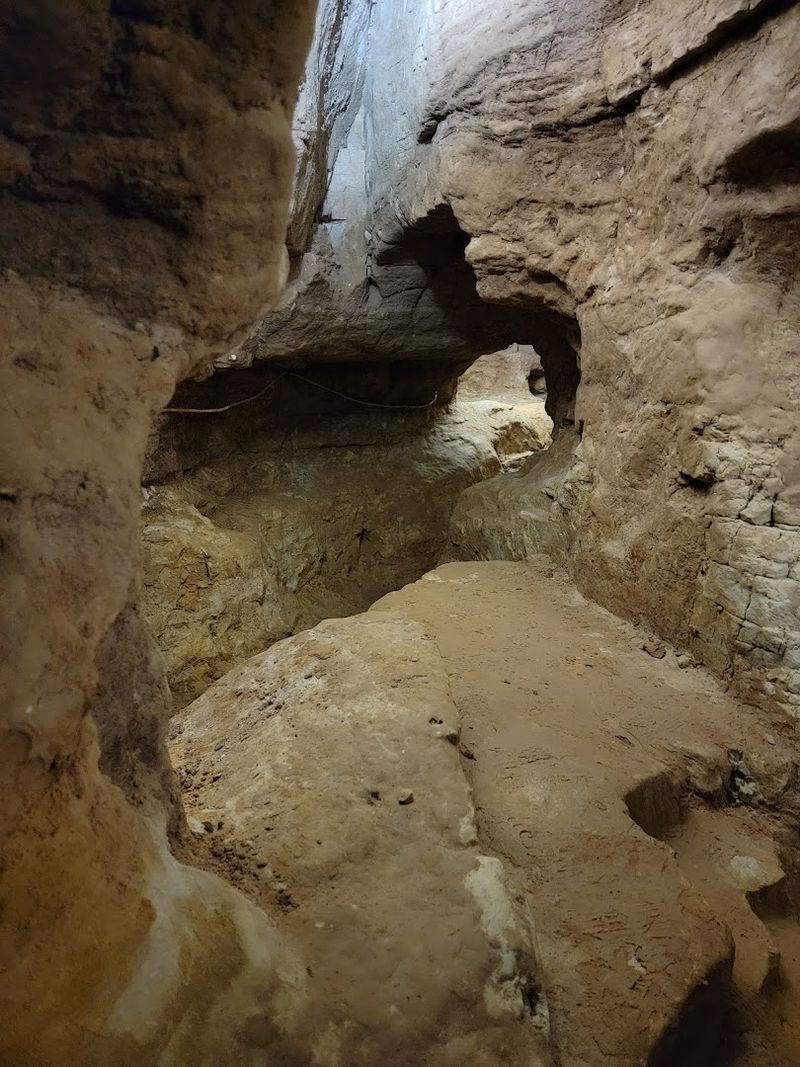
Pancake Cave is the one that tends to stay with people longest. Getting there requires climbing over and around large boulders, and the entrance is narrow enough to require real effort.
Inside, the cave walls hold veins of gold and silver mineral deposits that catch a flashlight beam in a way that genuinely surprises first-time visitors.
The Tartarus Caves are another highlight accessible via a loop from the New Hope Trailhead. Visitors have reported going into around seven caves in a single outing, finding spring water streams and mossy rocks tucked inside and around the formations.
A big staircase leads back up to the parking lot after completing the loop.
A few important notes before heading in: bring a flashlight, wear clothes that can get dirty, protect your hands and knees for cave floors, and tuck your head on the way into the larger openings. Cave spiders are present and worth knowing about ahead of time.
Which Caves Are Open and Which Are Not
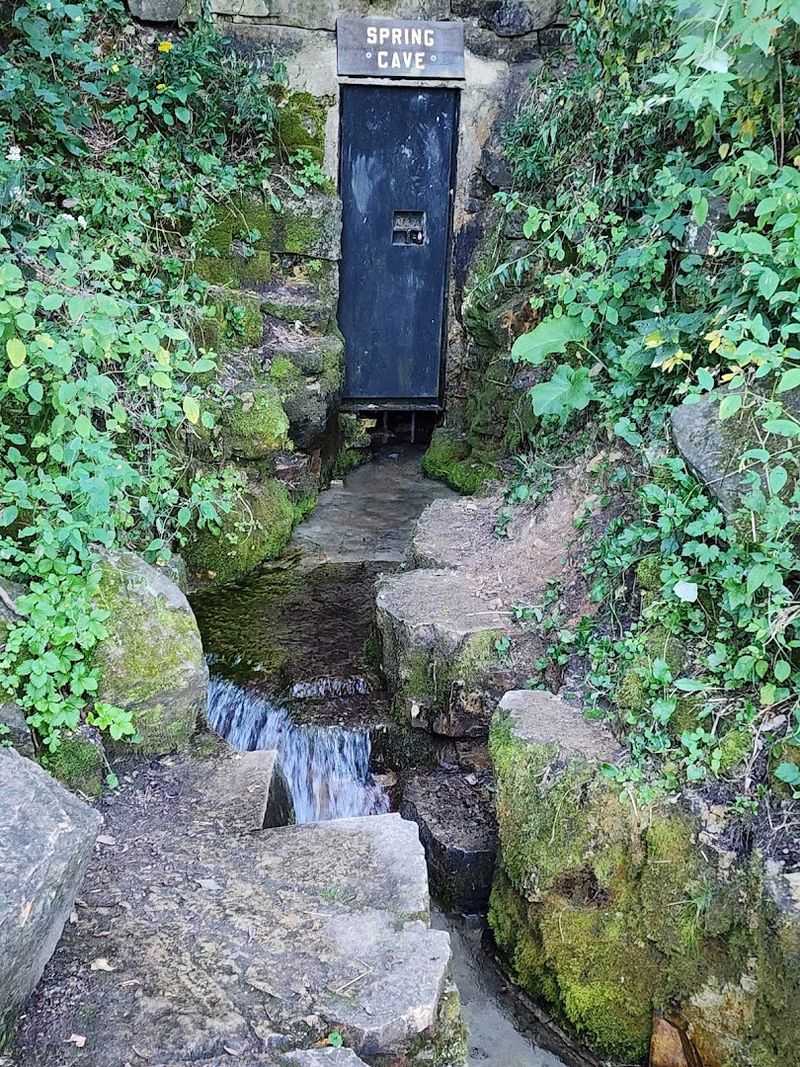
Not every cave at Maribel is open for free exploration, and knowing this before arriving saves a lot of frustration. Several caves are restricted for safety reasons, and others require a permit or a guided tour to enter.
The caves that are open to the public without a guide tend to be smaller, but they still offer a genuine underground experience.
Guided cave tours run once a month, typically on the third Sunday. These tours are first-come, first-served, and each tour can only accommodate a limited number of people.
Tour dates are listed on the park calendar on their official website, and reaching out in advance is the best way to confirm availability.
Volunteers are also welcome to help with cave restoration efforts, which is an unusual and hands-on way to engage with the site beyond just visiting. The main cave has an active restoration program, and the park actively seeks people willing to contribute time and effort to preserving it.
The River Trail and What It Offers
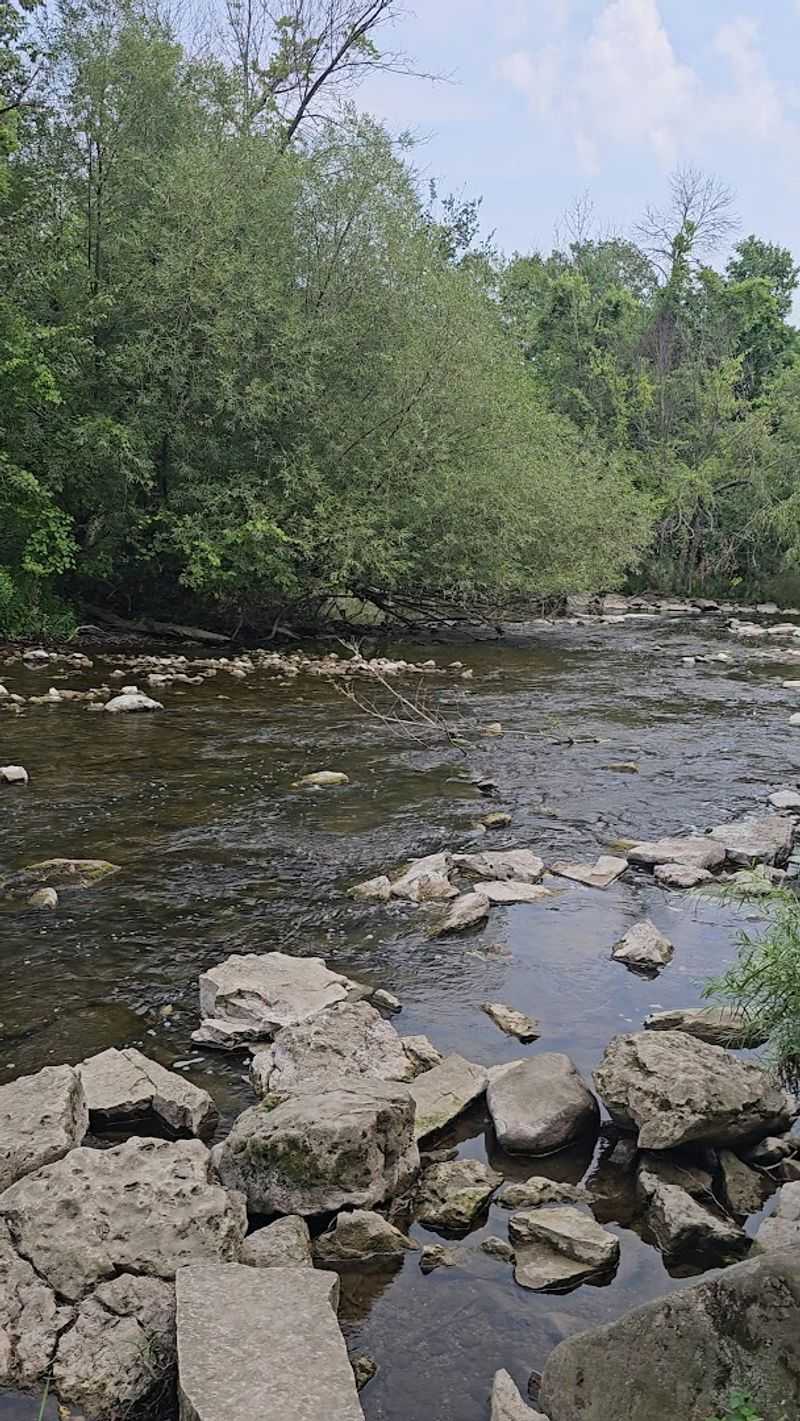
The river trail at Maribel Caves runs close to the water and delivers a completely different experience from the wooded upper paths. The route passes through sections with beautiful mossy rocks, ferns lining the ground, and trees that arch overhead to create a quiet, shaded corridor along the riverbank.
A Bald Eagle has been spotted flying low over the water along this stretch, close enough to the trail edge to create a memorable wildlife moment without any special effort. Bird watching is a well-established activity here, with reports of around ten different species heard in a single visit during the right season.
One practical heads-up: after significant rainfall, the river can turn brown and the trails pick up mud. Timing a visit for dry weather makes the river trail significantly more enjoyable.
That said, even on a slightly damp day, the combination of water, rock, and green canopy along this route makes it worth the walk.
The Ruins of the Maribel Hotel
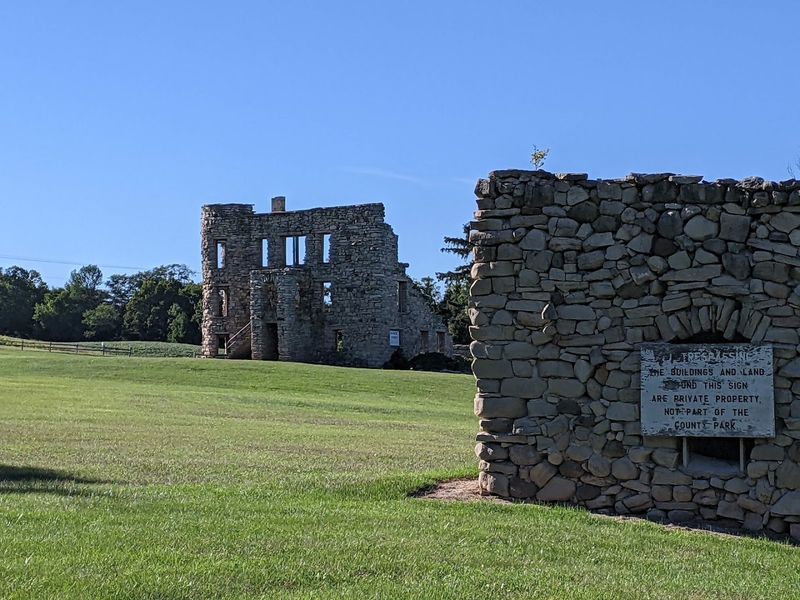
Right next to the trail area, separated by a fence, stands one of the more historically layered structures in this part of Wisconsin. The Maribel Hotel was built in 1900 using irregular stones and was designed to attract guests traveling up from Chicago and other surrounding cities looking for a retreat in the countryside.
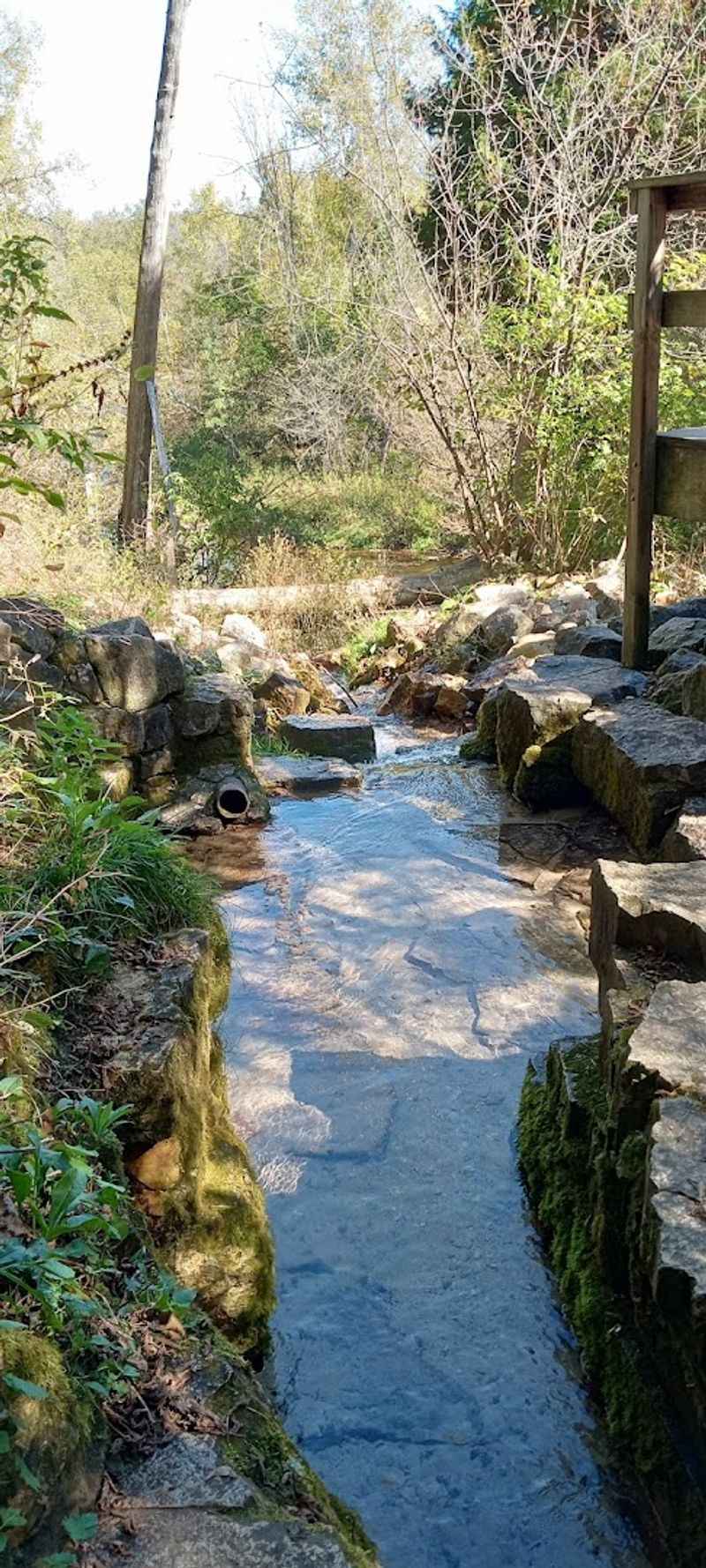
The hotel became known for its natural spring water, which was bottled and sold to guests on-site. That water was said to contain high levels of magnesium, promoted at the time for its supposed cleansing properties.
The springs that supplied it are still present on the grounds today.
The building operated through various chapters of its history, including a period when it reportedly attracted gangsters as regular guests, adding a layer of local legend to the already interesting backstory. The ruins are visible from the trail but not accessible up close, which makes them feel appropriately mysterious.
Searching “Maribel Caves and Hotel” online pulls up a solid collection of historical records for those who want more detail.
Bluffs, Cliffs, and Elevated Views
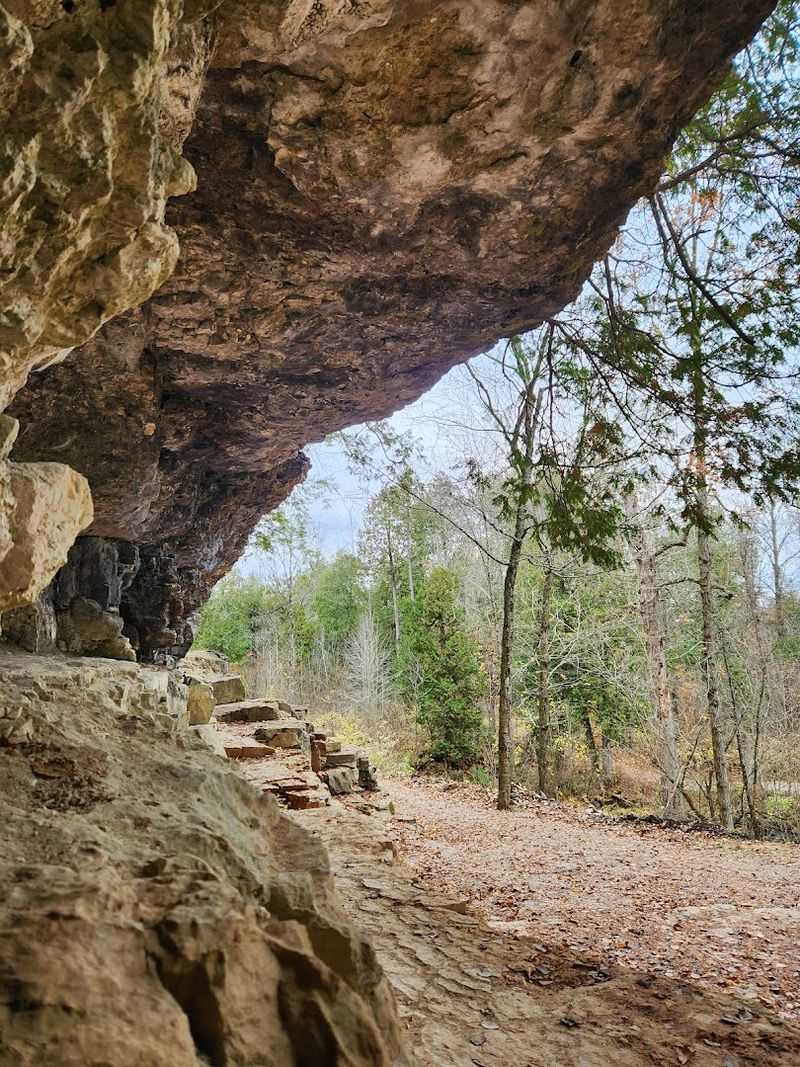
The limestone bluffs that rise above the trail system give Maribel Caves a vertical dimension that flat woodland hikes simply cannot replicate. These formations are part of what makes the landscape here feel distinct from other county parks in the region, and they frame the river views from above in a way that rewards the climb.
The bluff areas connect to the cave formations throughout the trail system, so moving from wooded path to rocky outcrop to cave entrance happens naturally as part of the hike rather than requiring a separate detour. Rock formations throughout the park show interesting geological variety, with textures and shapes that have drawn comment from hikers with a casual interest in natural history.
The upper trail runs near some of these elevated sections and connects back to the lower river trail, giving hikers the option to take in both the high views and the water-level perspective on the same outing. Few county parks in Wisconsin pack this much terrain variety into a single visit.
A Cedar Grove Worth Finding
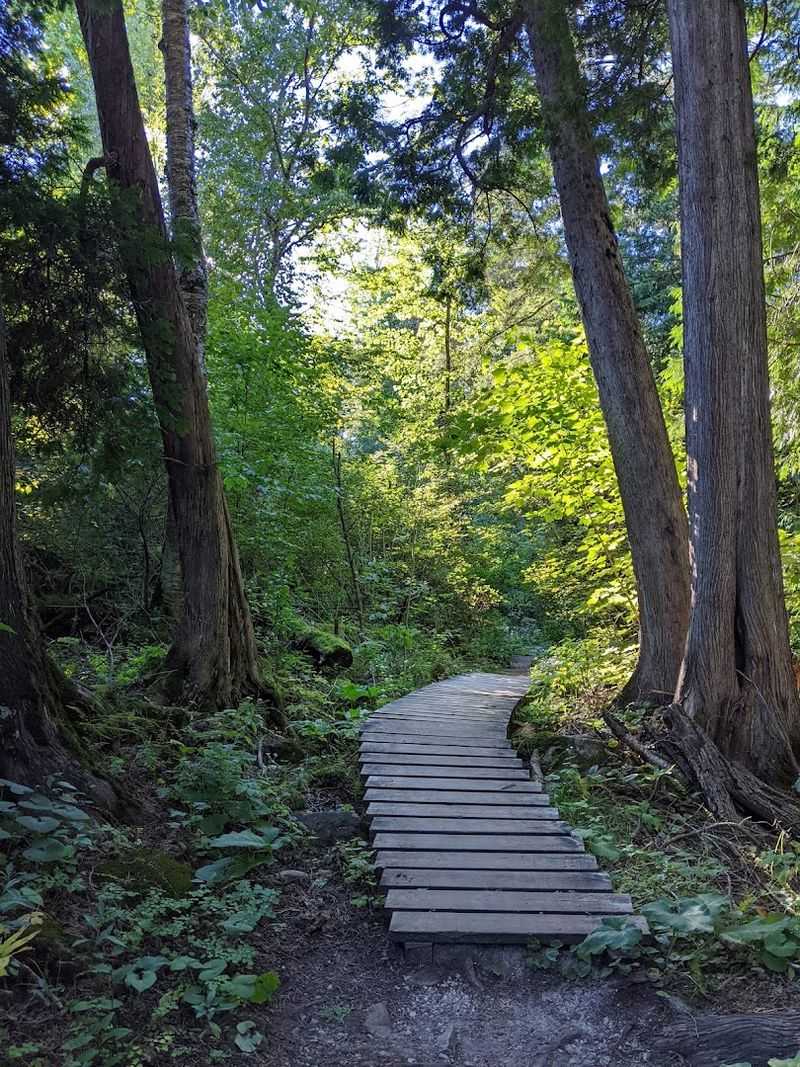
At one end of the trail system, a cedar grove adds a quieter, more enclosed character to the hike. The trees here are dense enough to shift the atmosphere noticeably, with the path narrowing slightly and the canopy pulling closer overhead as the trail moves through this section.
Cedar groves in Wisconsin are not uncommon, but finding one tucked into a trail system that also includes caves, river views, and historical ruins makes this particular grove feel like a bonus rather than the main attraction. It rounds out the variety of terrain in a way that keeps the hike interesting from start to finish.
The grove sits at the opposite end of the trail from the hotel ruins, which means working through it naturally builds toward the other highlights of the loop. Hikers who take their time through this section tend to notice more of the ground-level details, including fern clusters and the softer, more sheltered quality of the forest floor in this part of the park.
What to Bring and How to Prepare
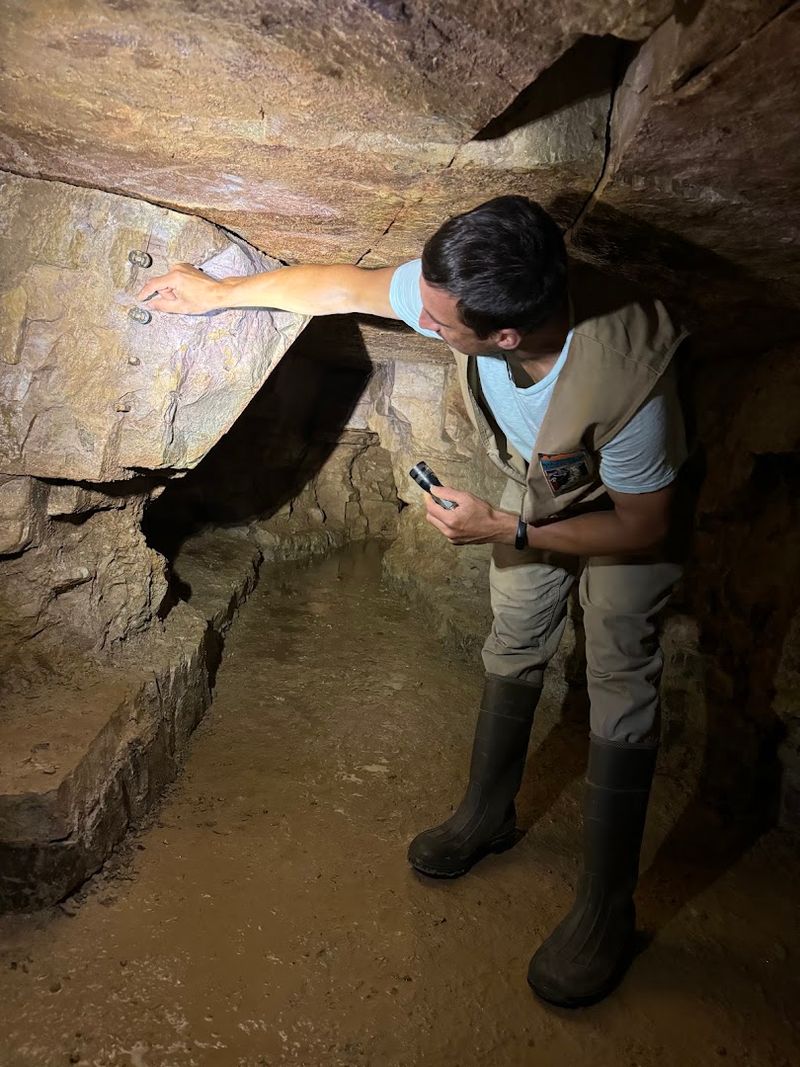
A flashlight is not optional here, it is the difference between seeing the inside of a cave and just peering into darkness. Small handheld lights work well for most of the accessible caves, and headlamps free up both hands for the boulder scrambling sections around Pancake Cave and similar spots.
Gloves are worth packing if cave exploration is on the agenda. The cave floors are hard on bare hands and knees, and having protection makes it easier to move through tighter passages without hesitation.
Old clothes that can handle dirt and mud are the right call for the same reason.
Bug spray earns a strong recommendation, particularly during warmer months when the wooded and riverbank sections of the trail can get active. Water is essential given the distance the trail system covers.
The bathrooms at the pavilion are accessible but do not have running water or sinks, so hand sanitizer is a practical addition to any day pack brought along for the hike.
Family-Friendly From the First Step
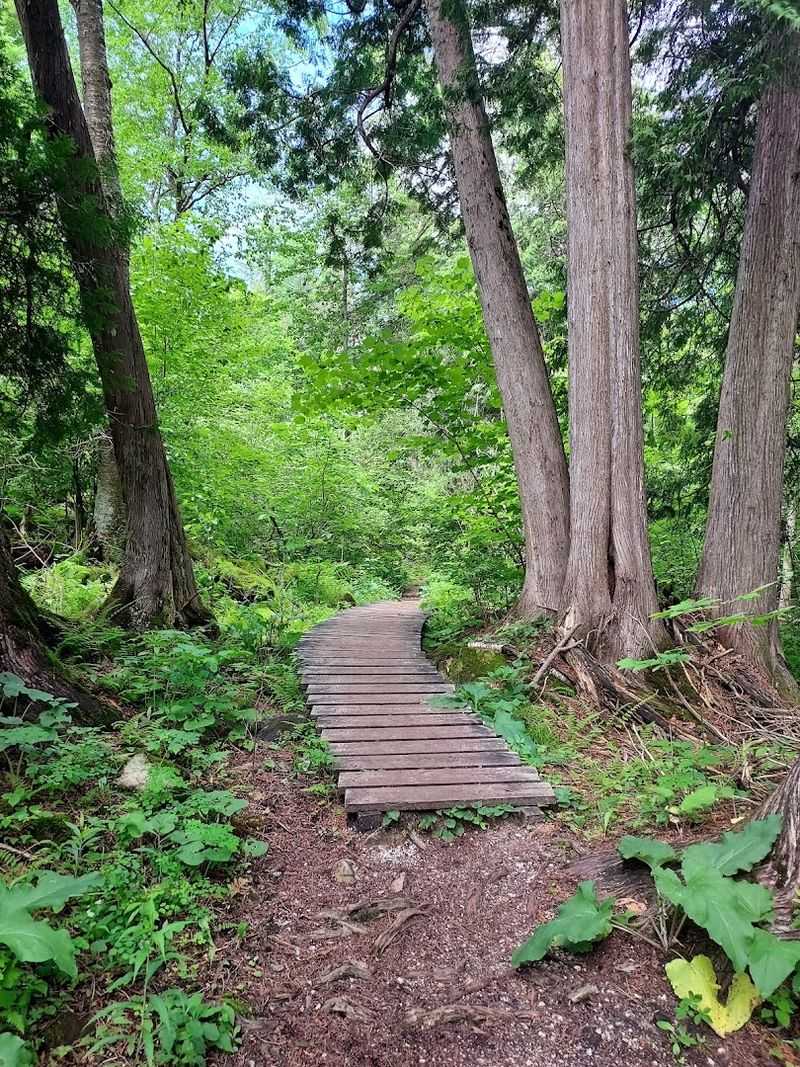
The trail system at Maribel Caves works well for families across a wide age range. The main loop from the New Hope Trailhead to the Tartarus Caves takes roughly an hour to complete, which is a manageable length for kids who are comfortable on their feet but not ready for a full-day endurance hike.
Children in the 8 to 12 age range tend to take particularly well to the cave exploration aspect, where the combination of flashlights, tight passages, and rocky terrain turns a regular hike into something closer to an adventure. The accessible bathrooms, picnic tables, and play area near the pavilion also mean that families with very young children have a comfortable base to work from between trail segments.
The trails are easy enough that adults in their 60s have completed them without difficulty, and the park is handicap accessible in its main areas. That broad accessibility, combined with the free admission, makes this a genuinely low-barrier family outing.
Why This Place Keeps Drawing People Back
Maribel Caves holds a 4.7-star rating across more than 180 reviews, which for a free county park in a small Wisconsin town is a number that reflects genuine enthusiasm rather than inflated expectations. The combination of elements here is genuinely hard to replicate in a single location: caves, river views, bluffs, a cedar grove, a historic ruin, wildlife sightings, and a well-maintained trail system.
Ongoing improvements to the trails and facilities signal that the park is actively invested in its own future. Gravel work and trail updates are being done to improve an already strong attraction, and the volunteer cave restoration program keeps the community connected to the site in a hands-on way.
Returning visitors consistently note that one trip is rarely enough to see everything the trail system offers. The park rewards multiple visits across different seasons, with foliage, bird activity, and water levels all shifting the experience in ways that keep the place feeling fresh.
It is the kind of destination that earns a permanent spot on the regular rotation.
Where Exactly This Trail Begins
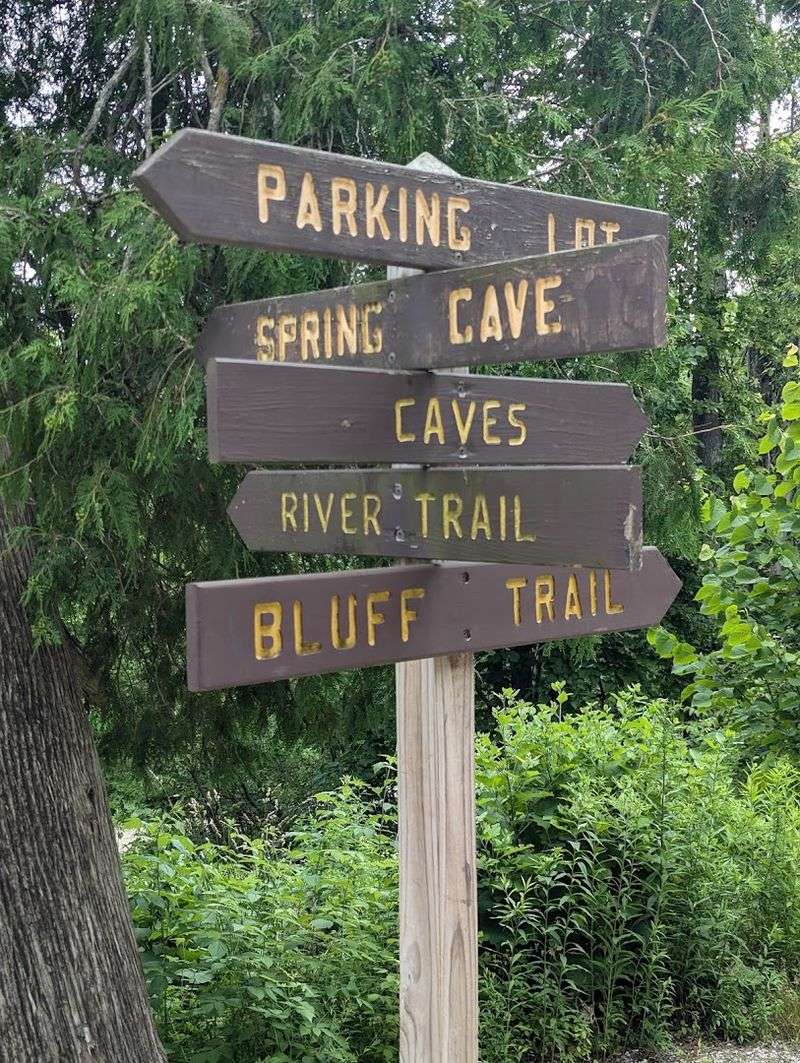
The Maribel Caves Trailhead sits at 15401 County Rd R, Maribel, WI 54227, a straightforward address that drops you right into one of the more underrated outdoor spots in eastern Wisconsin. The parking lot here is genuinely large, which matters on busy weekends when word has gotten out about how good this place actually is.
Entry is free, which already puts this destination ahead of many comparable hiking areas in the state. Right at the entrance, a covered pavilion greets visitors with picnic tables, a grill, and accessible restrooms.
The facilities look well-maintained and relatively new, giving the whole trailhead a welcoming, organized feel from the moment you arrive.
A kids play area is also part of the setup near the main pavilion, making this a practical choice for families with younger children who need a break from the trail. The trailhead is dog-friendly and handicap accessible, covering a wide range of visitors right from the start.
Share this story