Some songs are more than just music – they are money machines that keep earning long after the last note fades. From holiday classics to rock anthems, certain songs have generated tens of millions of dollars through radio play, streaming, licensing, and cover versions.
The music industry rewards timeless melodies in ways that most artists can only dream of. Here is a look at the songs that turned musical genius into serious financial success.
1. ‘Happy Birthday to You’ – Patty Hill and Mildred J. Hill (1893)
No song on Earth gets sung more often than this one. Written by two sisters in the late 1800s, “Happy Birthday to You” became the most recognized song in the English language, according to the Guinness World Records.
For most of the 20th century, a company called Warner/Chappell Music claimed copyright over it and charged licensing fees whenever it appeared in movies or TV shows.
Those royalties added up to an estimated $2 million per year at the song’s peak. By the time a court ruled it had entered the public domain in 2016, the song had earned more than $50 million.
It remains the ultimate proof that simplicity, when paired with the right moment, creates lasting financial power.
2. ‘White Christmas’ – Irving Berlin (1942)
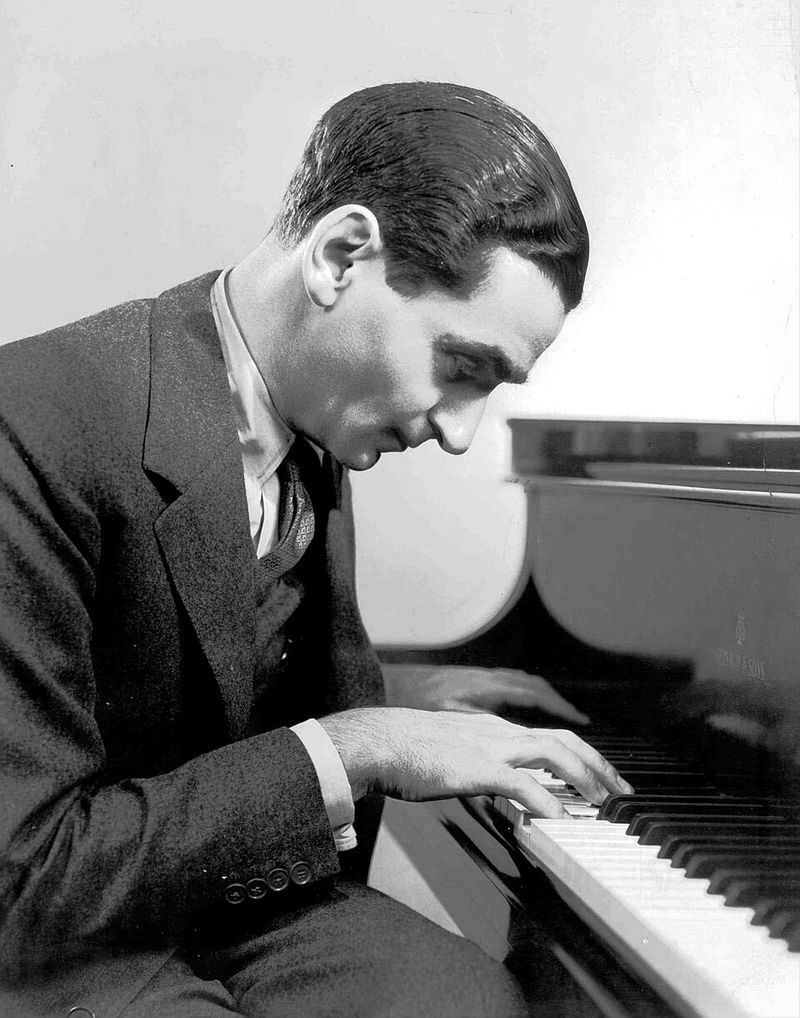
Bing Crosby recorded “White Christmas” in just 18 minutes during a 1942 session, and that short recording session turned into one of the most profitable moments in music history. The song sold over 50 million physical copies worldwide, making it the best-selling single of all time for decades.
Irving Berlin wrote it, and his estate continued collecting royalties long after his death in 1989.
Every holiday season, the song returns to radio stations, shopping centers, and holiday films, generating fresh licensing income. Estimated total earnings sit around $36 million, though some analysts believe the real figure is higher.
The song also helped cement the idea that holiday music could be an industry of its own, influencing generations of seasonal recording strategies that artists still follow today.
3. ‘You’ve Lost That Lovin’ Feelin” – The Righteous Brothers (1964)
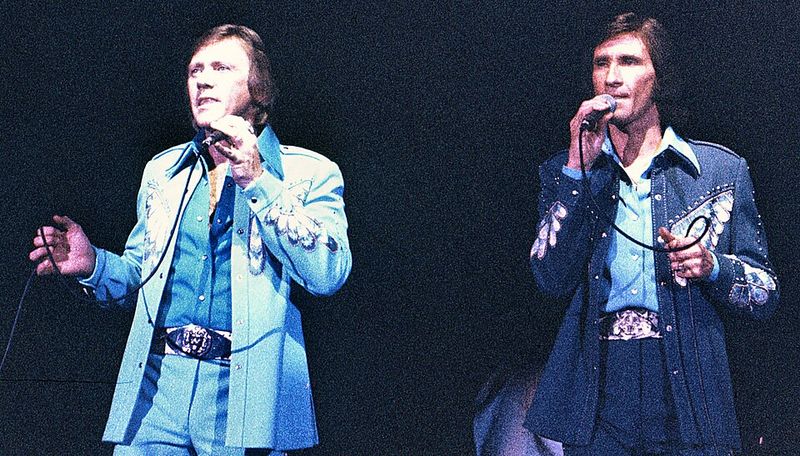
BMI once named this the most-played song in American radio history, with over 8 million spins logged by the late 1990s. That is a staggering number, and every single play came with a performance royalty attached.
The Righteous Brothers recorded this blue-eyed soul masterpiece in 1964 under producer Phil Spector, who used his famous “Wall of Sound” recording technique to give it an epic, larger-than-life feel.
The song’s emotional pull kept it on radio playlists for decades, and its use in the 1986 film “Top Gun” introduced it to a whole new generation of fans. Estimated earnings exceed $30 million.
Few songs can claim that kind of radio staying power, and fewer still manage to remain culturally relevant across six decades of constantly changing musical tastes.
4. ‘Yesterday’ – The Beatles (1965)
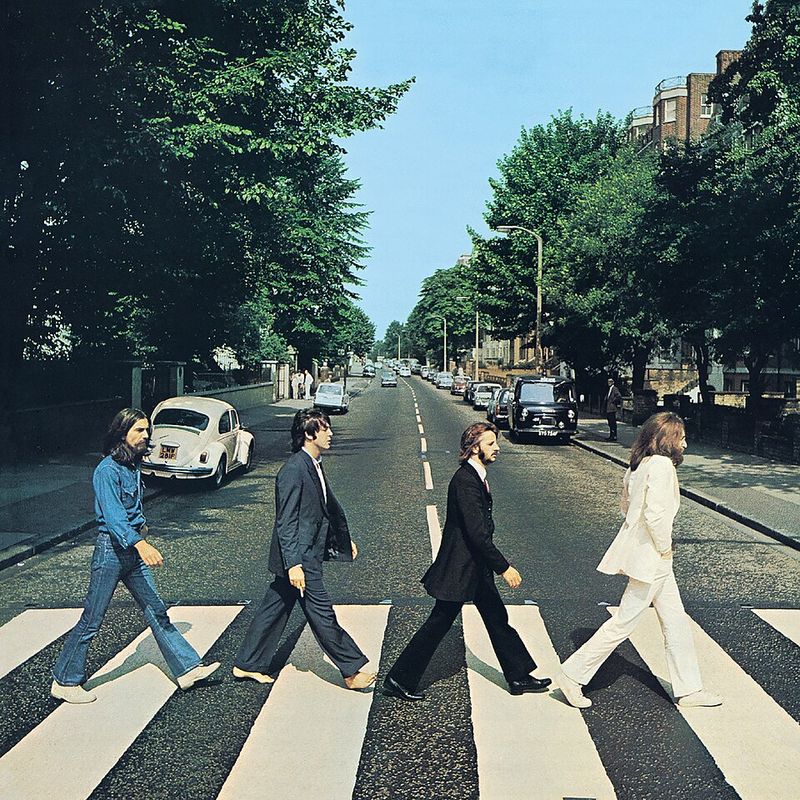
Paul McCartney reportedly woke up one morning with the melody already in his head, initially using the placeholder lyrics “scrambled eggs” before the real words came to him. “Yesterday” went on to become one of the most covered songs in recorded history, with over 2,200 known versions logged by Guinness World Records. Each cover version generates songwriting royalties that flow back to McCartney’s publishing estate.
Constant radio airplay around the world adds another steady stream of performance income on top of that. Streaming platforms have given the song yet another revenue channel in recent years.
Estimated earnings reach around $30 million, though some music economists believe the true lifetime figure is considerably higher given the song’s unmatched global footprint across more than half a century of continuous use.
5. ‘Unchained Melody’ – The Righteous Brothers (1965)
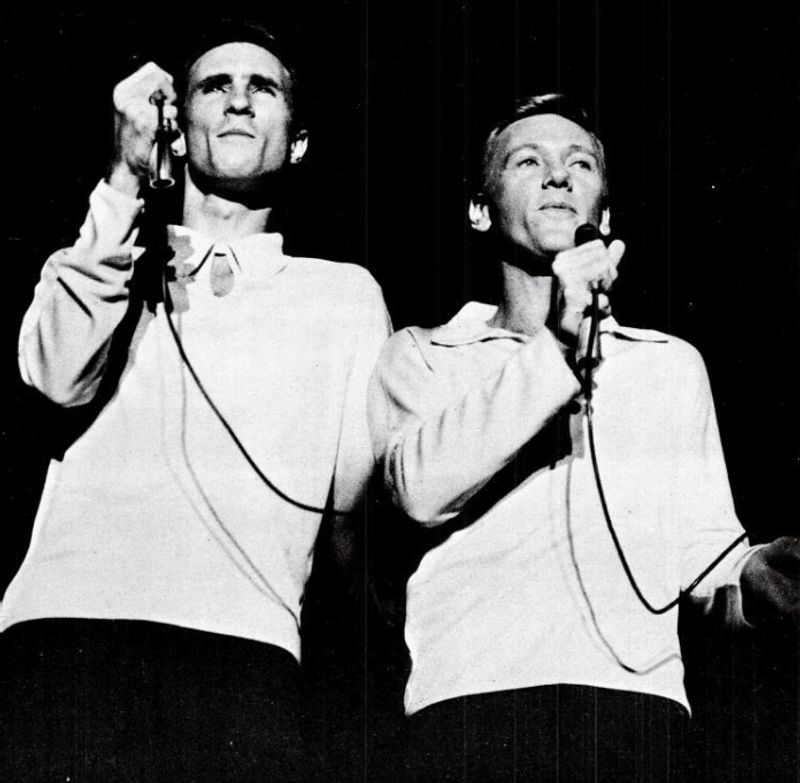
Originally recorded in 1955, “Unchained Melody” found its biggest commercial moment three decades later when it appeared in the 1990 film “Ghost.” The pottery scene featuring Patrick Swayze and Demi Moore became one of cinema’s most iconic romantic moments, and the Righteous Brothers version of the song shot back to the top of the charts almost overnight. That kind of unexpected revival is rare in the music business.
The renewed popularity sent record sales soaring and introduced the song to millions of younger listeners who had never heard it before. Licensing fees from the film and subsequent uses in commercials, TV shows, and other movies added significantly to its total earnings.
Estimated lifetime revenue exceeds $25 million, making it one of the most financially rewarding second acts any song has ever managed to pull off.
6. ‘Stand by Me’ – Ben E. King (1961)
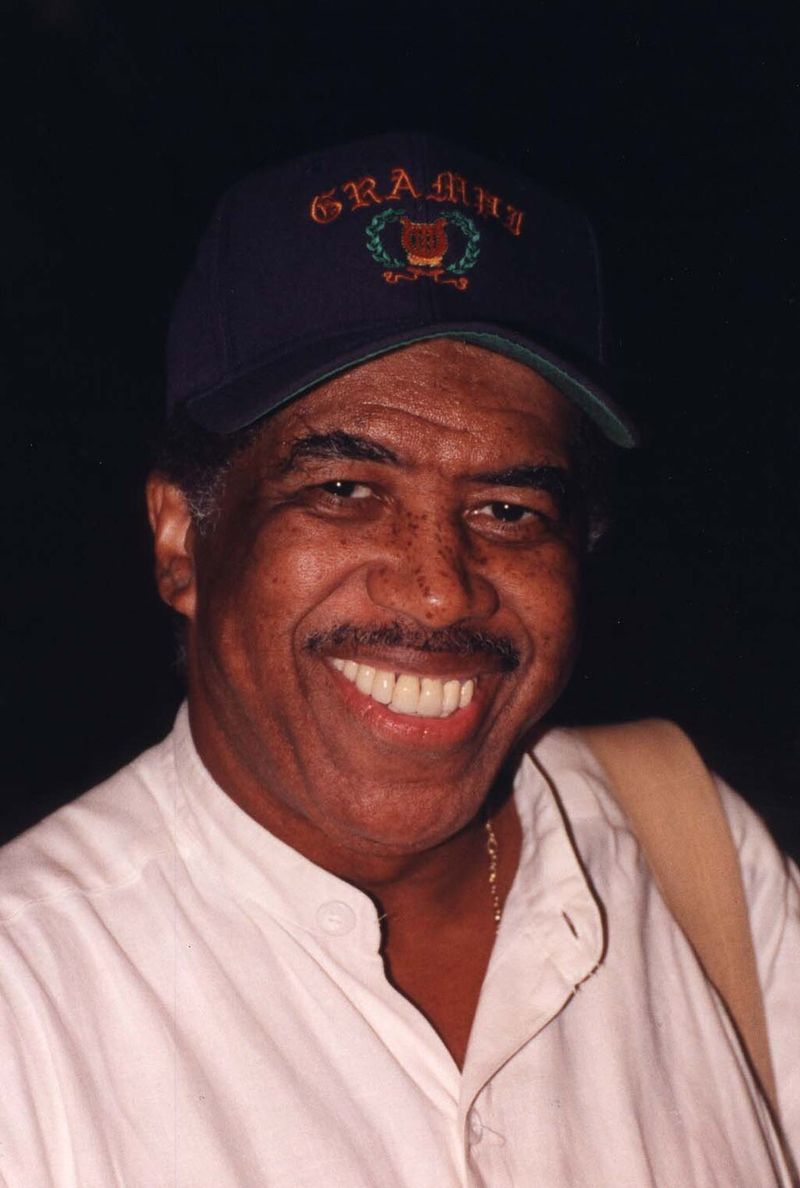
Ben E. King wrote “Stand by Me” in about 15 minutes, drawing inspiration from a gospel song he remembered from childhood.
What came out of that brief creative session became one of the most enduring pop songs ever recorded. The song has been covered by hundreds of artists across every genre imaginable, from reggae to country to classical, each version generating fresh royalty income for its creators.
Its use in the beloved 1986 coming-of-age film of the same name brought it roaring back into public consciousness and boosted sales significantly. Coca-Cola and other major brands have also licensed it for advertising campaigns over the years.
Estimated lifetime earnings exceed $20 million. The song’s universal message of friendship and loyalty has made it equally at home at sporting events, school concerts, and award ceremonies worldwide.
7. ‘Every Breath You Take’ – The Police (1983)

Sting wrote “Every Breath You Take” during a single sleepless night while staying at Ian Fleming’s former home in Jamaica. The song became The Police’s biggest hit and one of the most misunderstood songs in pop history – many fans treat it as a love song, though Sting has said it is actually about obsession and control.
That ambiguity has not slowed its earning power one bit.
In 1997, rapper Puff Daddy sampled the melody for “I’ll Be Missing You,” a tribute to the late Notorious B.I.G. That sample alone reportedly earned Sting tens of millions in additional royalties since he retained full songwriting credit.
Combined with decades of radio airplay and streaming, total earnings for the song exceed $20 million. It stands as a textbook example of how one well-placed sample can supercharge a song’s financial legacy.
8. ‘All I Want for Christmas Is You’ – Mariah Carey (1994)
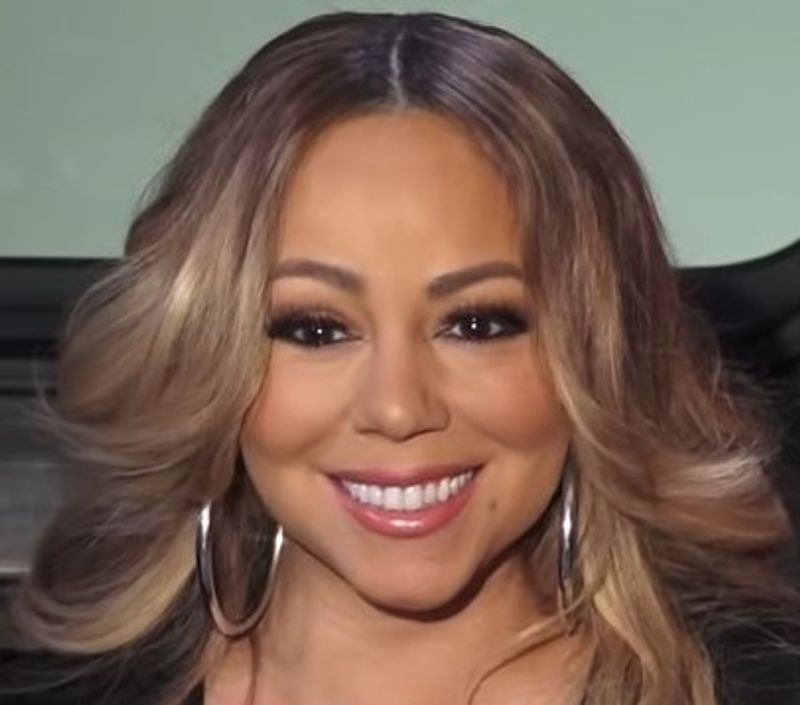
Every October, music fans joke that Mariah Carey “defrost” herself as the holiday season approaches – and the joke exists because her 1994 holiday anthem genuinely returns to the top of streaming charts every single year without fail. The song reportedly earns Carey somewhere between $2.5 million and $3 million annually from streaming, radio play, licensing deals, and sync placements in films and commercials.
It took 25 years, but “All I Want for Christmas Is You” finally reached number one on the Billboard Hot 100 in 2019, a record-breaking achievement no other holiday song has matched. Total lifetime earnings are estimated in the tens of millions of dollars, and the number keeps growing every December.
Few songs in any genre have demonstrated this level of consistent commercial performance across three full decades of changing music formats.
9. ‘I Will Always Love You’ – Dolly Parton / Whitney Houston (1992)
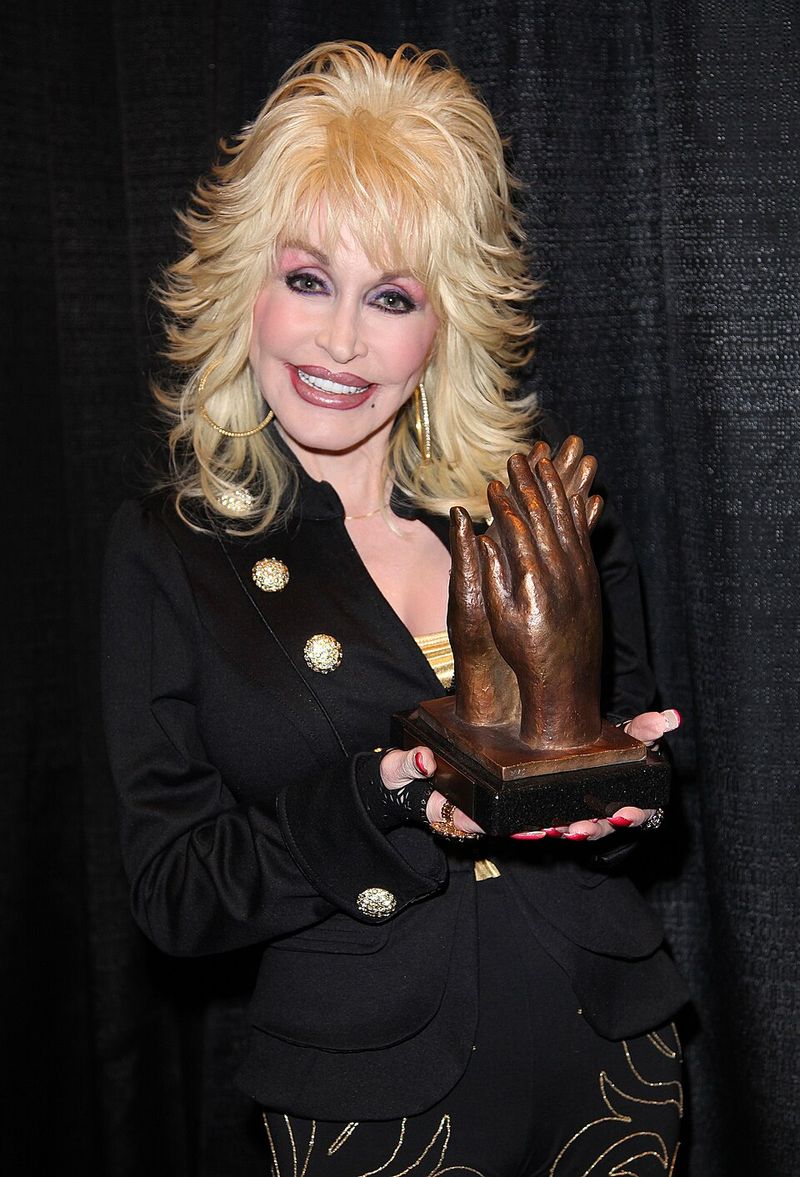
Dolly Parton wrote and originally recorded this song in 1973 as a heartfelt goodbye to her mentor Porter Wagoner. It hit number one on the country charts twice for Parton.
Then Whitney Houston recorded it for the 1992 film “The Bodyguard,” and everything changed. Houston’s version became one of the best-selling singles in history, and Parton – who wisely held onto her songwriting rights – began earning massive royalties from a completely different audience.
The story goes that Elvis Presley once wanted to record the song, but his manager demanded half the publishing rights. Parton declined, and that decision turned out to be worth millions.
Houston’s version alone generated tens of millions in sales and licensing revenue. Parton has said the royalty checks from Houston’s recording helped her build Dollywood, her beloved theme park in Tennessee.
10. ‘Bohemian Rhapsody’ – Queen (1975)
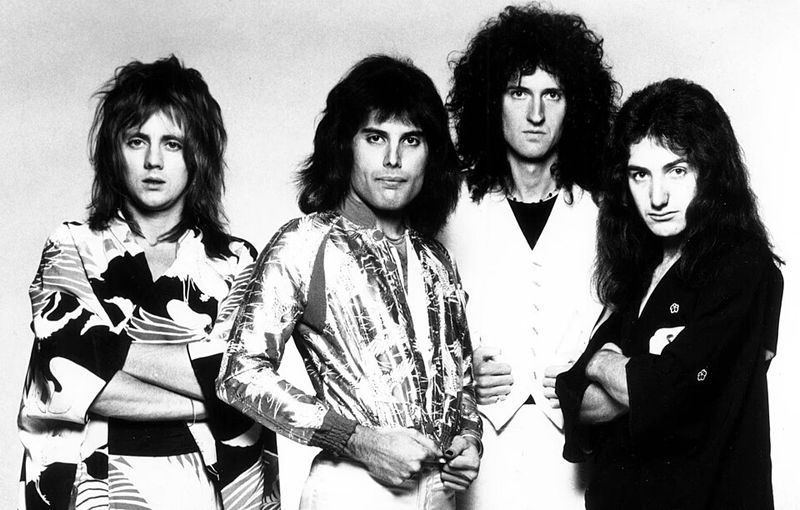
At nearly six minutes long and blending opera, rock, and ballad into one impossible-to-categorize track, “Bohemian Rhapsody” broke every rule of commercial radio in 1975. Radio programmers thought it was too long and too weird to succeed.
They were spectacularly wrong. The song reached number one in multiple countries and has never really stopped selling since the day it was released.
The 2018 biographical film of the same name introduced Queen’s music to an entirely new generation and sent streams of the song skyrocketing. Spotify reported it became the first pre-1980s song to surpass one billion streams on the platform.
Between physical sales, digital downloads, streaming, and the film’s massive global success, total earnings are estimated in the tens of millions. It remains one of the most commercially resilient songs in the entire history of recorded music.
11. ‘Oh, Pretty Woman’ – Roy Orbison (1964)
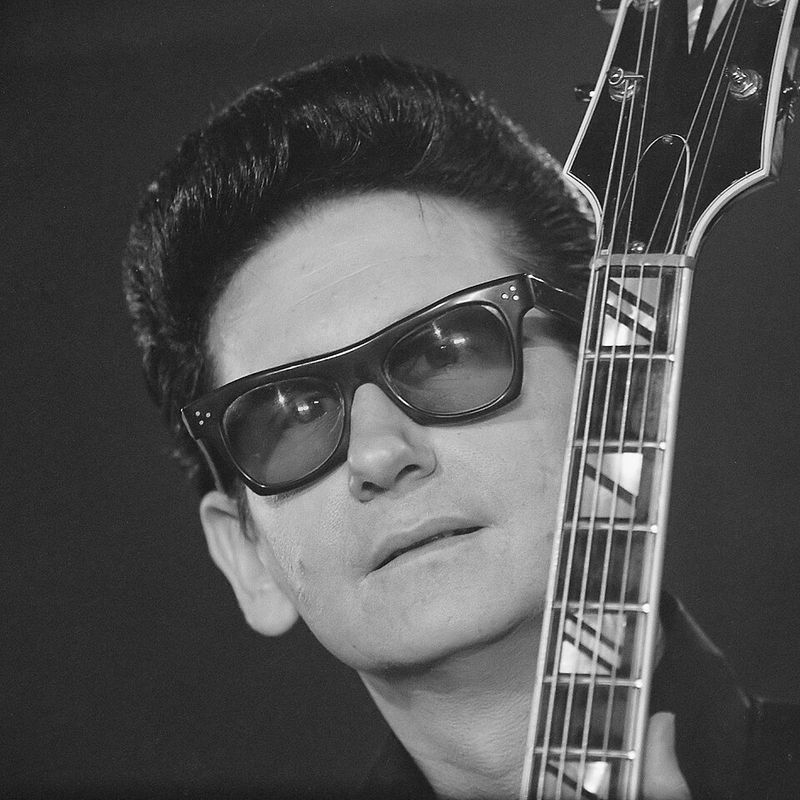
Roy Orbison reportedly wrote “Oh, Pretty Woman” in about 20 minutes after his wife Claudette walked out the door to run errands. He called out asking if she needed money, she said no, and that small moment sparked one of the most recognizable guitar riffs in pop history.
The song shot to number one in multiple countries and defined Orbison’s career as a solo artist.
Decades later, the 1990 romantic comedy “Pretty Woman” starring Julia Roberts and Richard Gere used the song prominently, reintroducing it to a massive new audience and triggering a fresh wave of licensing income. The film’s enormous success gave the song a second commercial life that most artists never get.
Combined with decades of radio airplay and cover versions, total earnings have reached millions of dollars and continue climbing through streaming platforms.
12. ‘Hotel California’ – Eagles (1976)
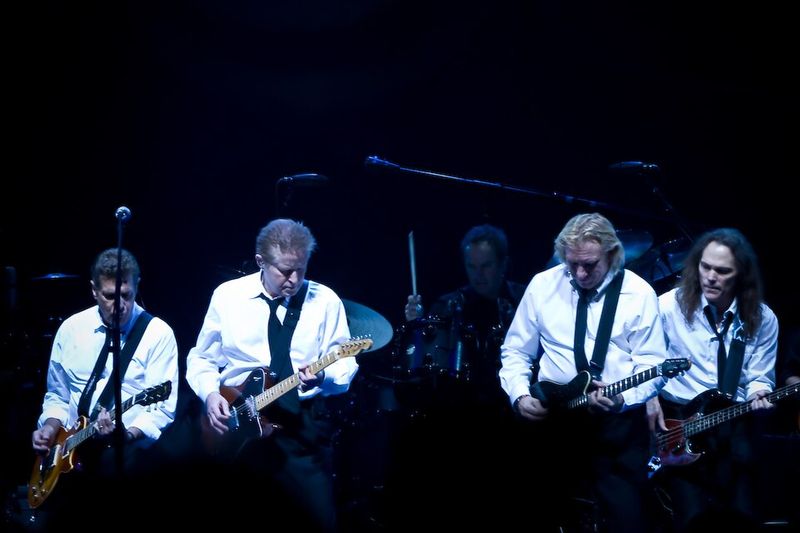
The Eagles spent months crafting “Hotel California,” layering its mysterious lyrics and interlocking guitar harmonies into something that felt unlike anything else on rock radio in 1976. The song’s famous outro guitar duel between Don Felder and Joe Walsh remains one of the most studied passages in rock music history.
Critics and fans alike treated the album and its lead single as a defining statement about American excess and disillusionment.
Decades of album sales, radio airplay, and licensing deals have made it one of the most financially valuable songs in classic rock. The Eagles have historically been protective of their catalog, which has helped maintain strong royalty rates.
Total earnings run into millions of dollars, with streaming adding a growing new income stream in recent years. It consistently ranks among the top-streamed classic rock tracks on every major platform.
13. ‘Imagine’ – John Lennon (1971)
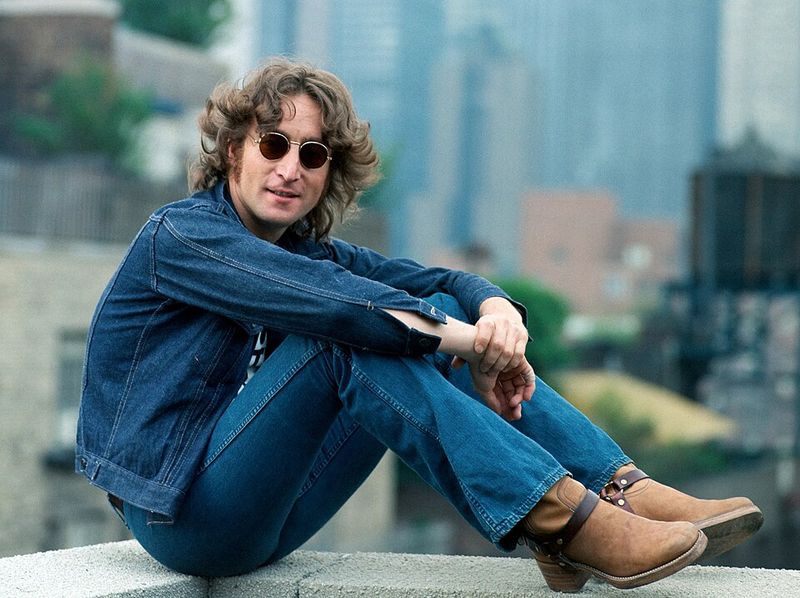
John Lennon recorded “Imagine” at his home studio in Tittenhurst Park, England, and the song became the defining anthem of his solo career almost immediately upon release. Its simple piano melody and hopeful message about a world without division resonated across cultures, languages, and generations in a way that few songs have ever managed.
Lennon originally credited his wife Yoko Ono as co-writer, though she did not receive official credit until decades later.
The song is performed at major global events, political gatherings, disaster relief concerts, and Olympic ceremonies on a regular basis. Each public performance generates royalty income for the Lennon estate.
Films, documentaries, and advertising campaigns have also licensed it repeatedly over the years. Total earnings reach millions of dollars, and the song’s symbolic weight means demand for it rarely drops.
Yoko Ono still manages its licensing carefully to protect its meaning.
14. ‘The Christmas Song (Chestnuts Roasting on an Open Fire)’ – Mel Torme and Bob Wells (1945)
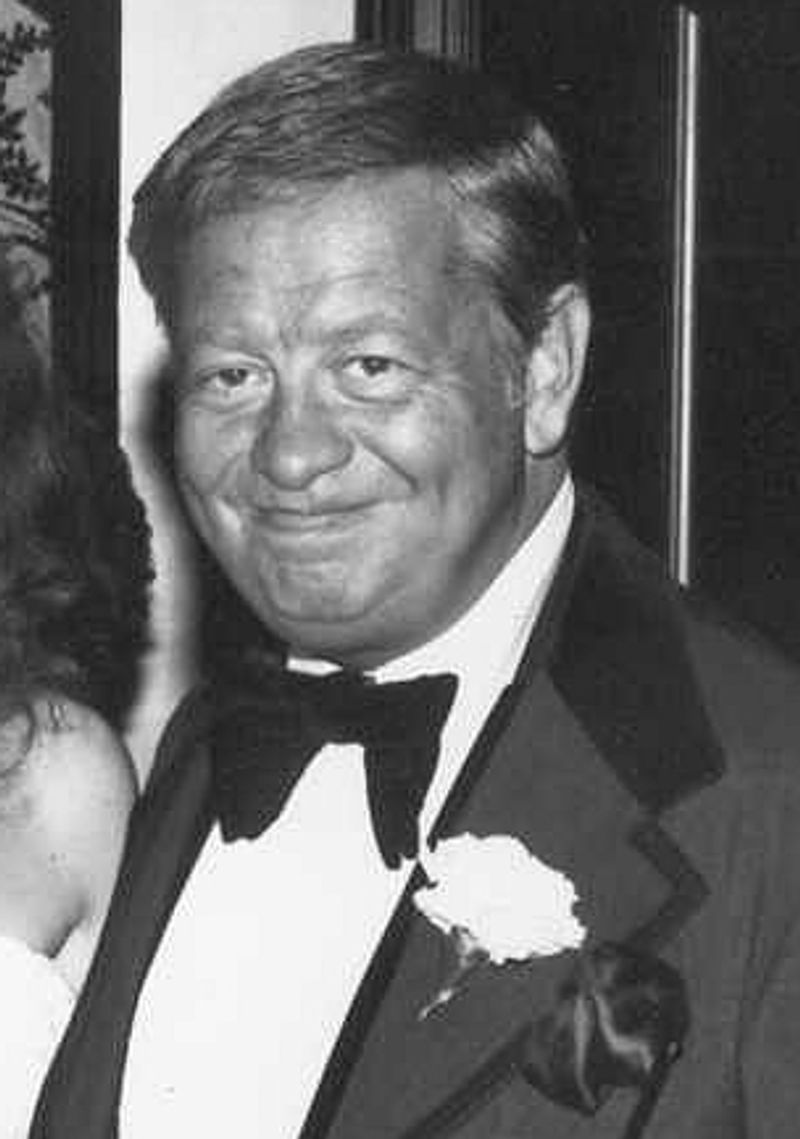
Mel Torme wrote “The Christmas Song” on a sweltering summer day in 1945, jotting down wintry images to mentally cool himself off. The result was one of the coziest, most beloved holiday songs ever written.
Nat King Cole recorded the most famous version, and his warm baritone voice made it the definitive take that most listeners still think of first when they hear the title.
Since then, hundreds of artists have recorded their own versions, from Frank Sinatra to Michael Buble, each one generating fresh mechanical royalties for the songwriters’ estates. Every December, the song appears in holiday commercials, shopping mall playlists, and television specials without fail.
Total earnings run into millions of dollars, and the royalty stream has never shown any sign of slowing down. It is the rare holiday song that feels equally at home in any era.
15. ‘Sweet Caroline’ – Neil Diamond (1969)
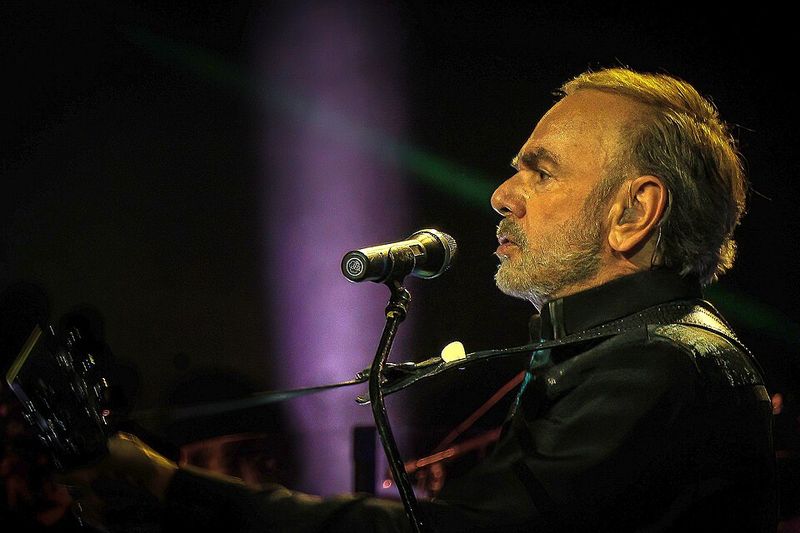
Neil Diamond has said he wrote “Sweet Caroline” after being inspired by a photograph of a young Caroline Kennedy on horseback. Whether or not that story is entirely accurate, the song took on a life far beyond its original pop radio success.
Its sing-along chorus became a crowd participation ritual at sporting events, most famously at Boston Red Sox games at Fenway Park, where fans belt out the “bah bah bah” section with enormous enthusiasm.
That kind of repeated public performance at ticketed events generates ongoing licensing income in ways that typical radio play cannot fully replicate. Advertising campaigns and TV placements have added further revenue over the decades.
Diamond sold his music catalog to Universal Music Publishing Group in 2023 for a reported $50 million, with “Sweet Caroline” widely considered one of the most valuable assets in that deal. Its commercial appeal shows absolutely no sign of fading.
Share this story