Music in 1970 had a lot going on. The Beatles were splitting up, Motown was launching new stars, and soft rock was quietly taking over the radio dial.
AM radio was still the main way most people heard new songs, and the Billboard Hot 100 decided which records ruled the week. Teenagers saved allowance money for 45 rpm singles, and families listened to the same stations in the car.
That shared listening meant a single song could become part of almost everyone’s life at the same time. The chart that year was surprisingly mixed.
A gentle movie tune could sit near a funk jam, a Dutch rock band, and a protest anthem. A kid singer only 11 years old went head to head with the most famous band on Earth.
Some of these records still play on classic radio every day. Others have slipped into the back corners of memory, waiting for someone to bring them up again.
In the list ahead, you will find the stories behind the songs, the people who made them, and the odd details that helped each one reach the top. Keep count as you read and see how many you can still hum.
1. Raindrops Keep Fallin’ on My Head by B.J. Thomas
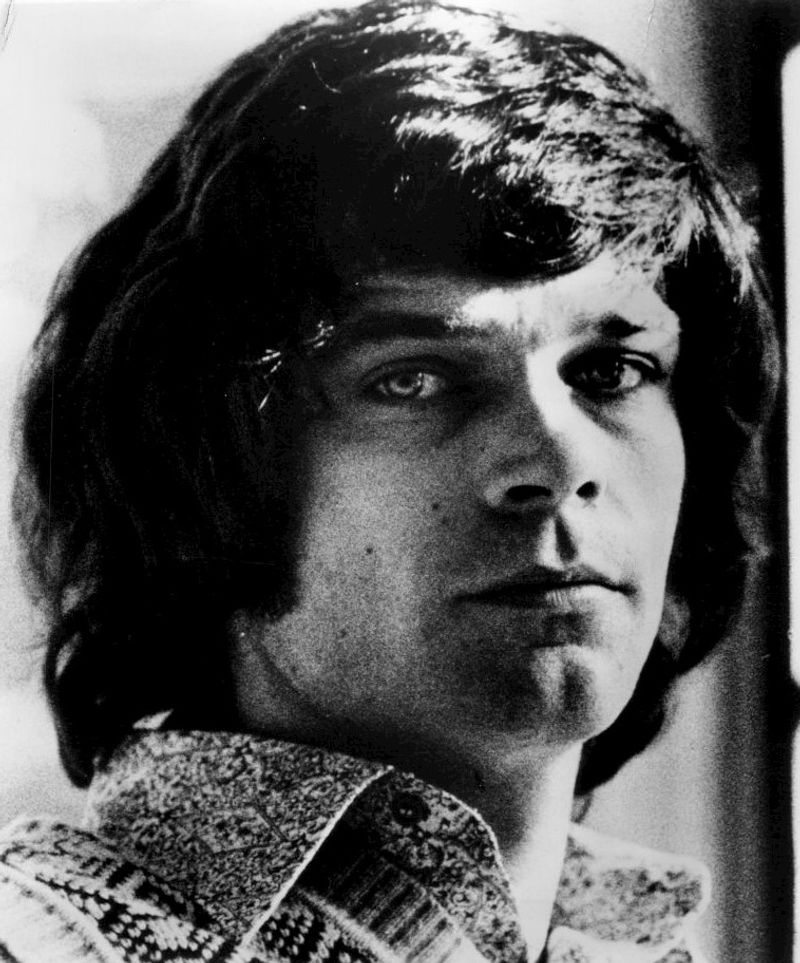
A singer with a sore throat ended up starting the decade on top. B.J.
Thomas was getting over laryngitis when he recorded this tune, which gave his voice a slightly raspy edge.
Burt Bacharach and Hal David wrote it for the 1969 film Butch Cassidy and the Sundance Kid. It plays during a famous bicycle scene starring Paul Newman.
The song was reportedly offered to Ray Stevens and Bob Dylan first. Both passed, which turned out to be good news for Thomas.
Bacharach added a ukulele and a tack piano, a piano with thumbtacks on its hammers. That trick gave the track its bouncy, plinking feel.
The single spent four weeks at No. 1, with three of them in January 1970. It also won the Academy Award for Best Original Song.
Thomas later called it a career changer, and he was right.
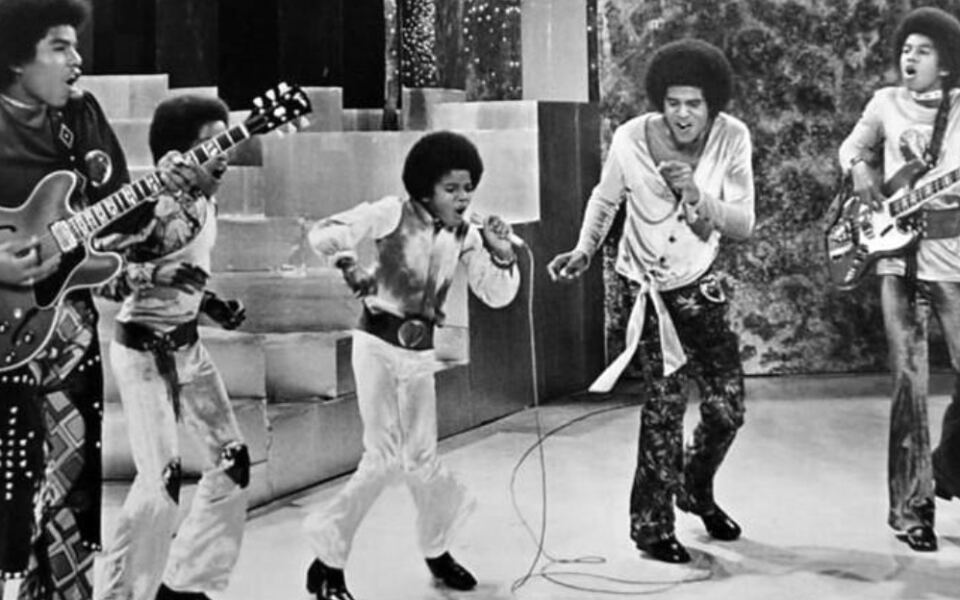
2. I Want You Back by The Jackson 5
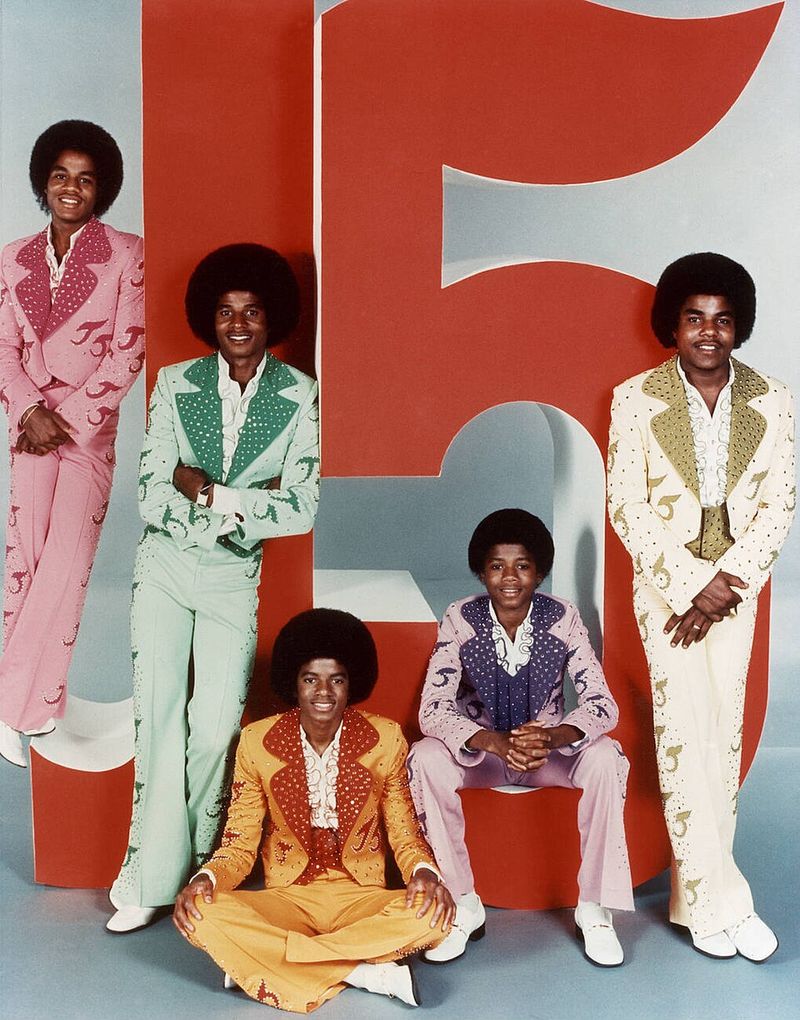
Eleven years old. That was Michael Jackson’s age when this song reached No. 1 in January 1970.
Most kids that age were worried about homework. Michael was singing lead on a Motown record that outsold almost everything on the radio.
The group came to Motown after Bobby Taylor of the Vancouvers spotted them. Berry Gordy signed the brothers and made them a top priority.
A production team called The Corporation built the song. Its members were Gordy, Freddie Perren, Alphonzo Mizell, and Deke Richards.
Their style later got the nickname bubblegum soul. It mixed catchy pop hooks with real soul power, so both kids and parents could enjoy it.
Here is the fun part. This was only the start.
The next three Jackson 5 singles also hit No. 1, a streak few acts in history have ever matched.
3. Venus by Shocking Blue
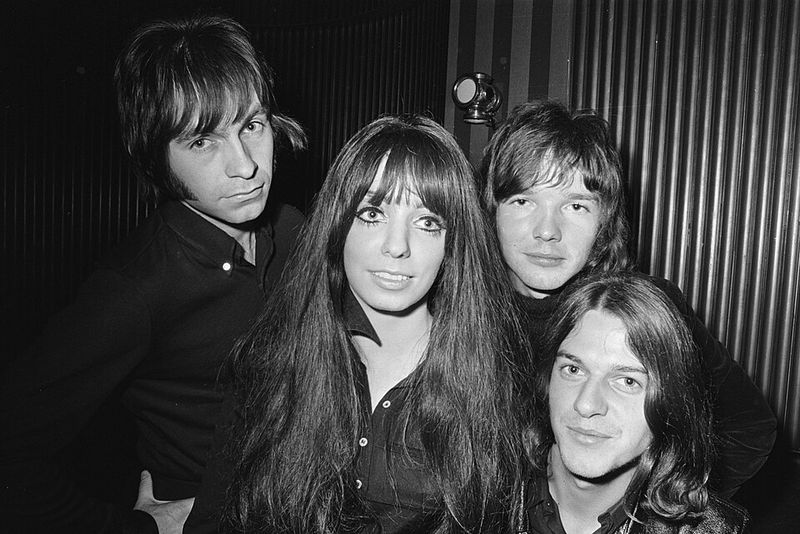
The Netherlands is not famous for exporting chart-topping rock songs to America. In February 1970, Shocking Blue proved it could happen anyway.
The band formed in The Hague in 1967. Venus became a European hit in 1969 before American listeners caught on the next year.
Lead singer Mariska Veres had a cool, confident vocal style. Her delivery and her striking look helped the band stand out on television and in magazines.
The opening guitar riff is the hook most people remember. It cut through the softer ballads that were filling the airwaves that winter.
Venus spent one week at No. 1 on the Billboard Hot 100. It also topped charts in France, Italy, Belgium, and Spain.
The song got a second life in 1986. Bananarama’s dance version also reached No. 1, introducing the tune to a whole new generation.
4. Thank You (Falettinme Be Mice Elf Agin) by Sly and the Family Stone
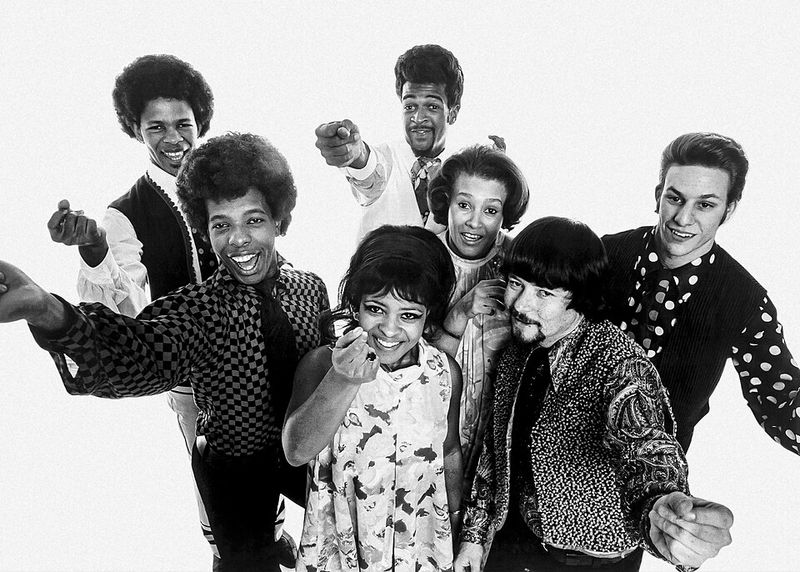
Spelling teachers probably did not love this title. Say it out loud, though, and it becomes Thank You for Letting Me Be Myself Again.
Sly and the Family Stone reached No. 1 with it in February 1970. The song stayed on top for two weeks.
Bassist Larry Graham is the secret weapon here. He thumped the strings with his thumb and popped them with his fingers, a style now called slap bass.
That technique spread quickly. Funk, rock, and even later pop bassists copied it for decades.
The band also made a statement just by existing. It included men and women of different racial backgrounds, which was rare for a major group in 1970.
Their earlier hit Everyday People had already reached No. 1 in 1969. Thank You showed that a bold funk groove could win over the biggest audience in the country.
5. Bridge Over Troubled Water by Simon & Garfunkel
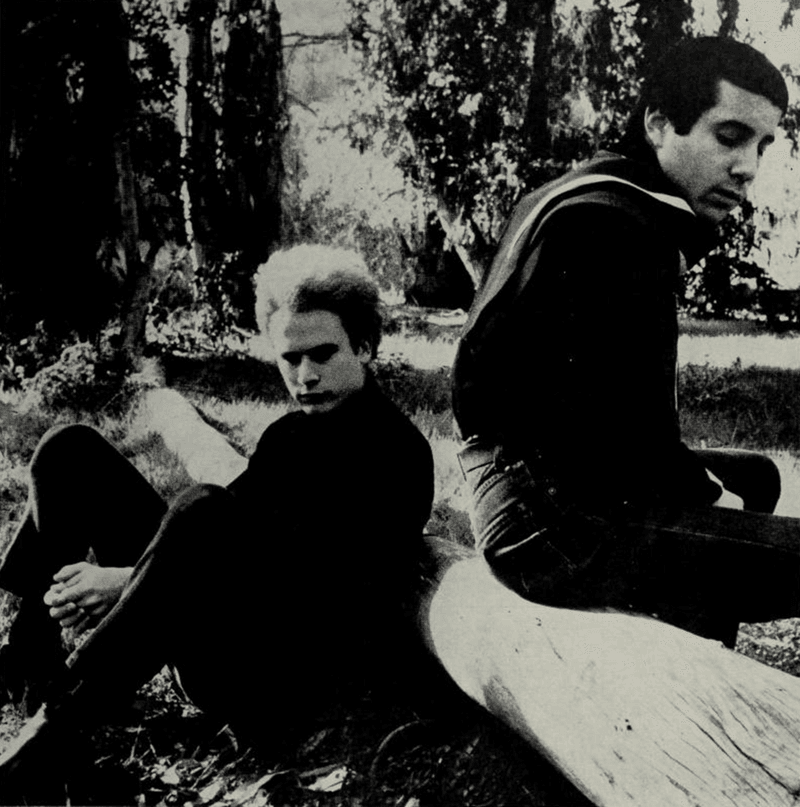
Paul Simon wrote it, but he did not sing the lead. That job went to Art Garfunkel, whose high tenor carried the song to the top.
Simon was inspired by gospel music when he wrote the melody. At first he pictured a quieter song with only two verses.
The final version grew much bigger. It starts with Larry Knechtel’s piano and builds up with strings and drums by Hal Blaine.
The album sessions reportedly took more than 800 hours. That is a lot of studio time, even for a famous duo.
Released in January 1970, the single hit No. 1 in February and stayed there for six weeks. It later won Grammys for Record of the Year and Song of the Year.
The duo went separate ways soon after. Their final studio album together also became one of the best sellers of its time.
6. Let It Be by The Beatles
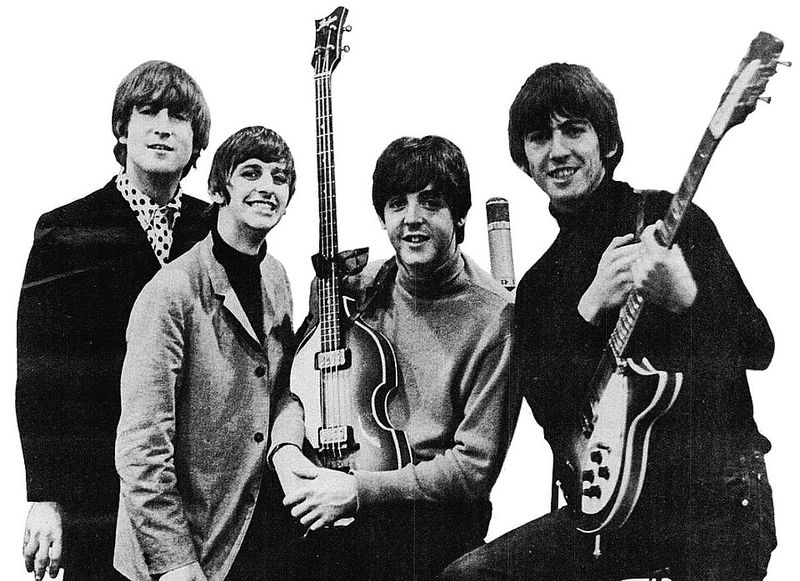
Some songs come from long writing sessions. This one came from a dream.
Paul McCartney dreamed that his mother, Mary, spoke calm words of comfort to him. He turned that moment into the lyrics of Let It Be.
He wrote it during the Get Back sessions of early 1969. The band was not getting along very well at the time.
McCartney played the famous piano opening himself. George Harrison added a guitar solo that many fans can still hum note for note.
The single came out in March 1970 and reached No. 1 in April. That same month, news of the Beatles’ breakup became public.
The timing changed how people heard the song. A message about accepting things suddenly felt very personal for millions of fans.
It also became the band’s final No. 1 single in the United Kingdom.
7. ABC by The Jackson 5
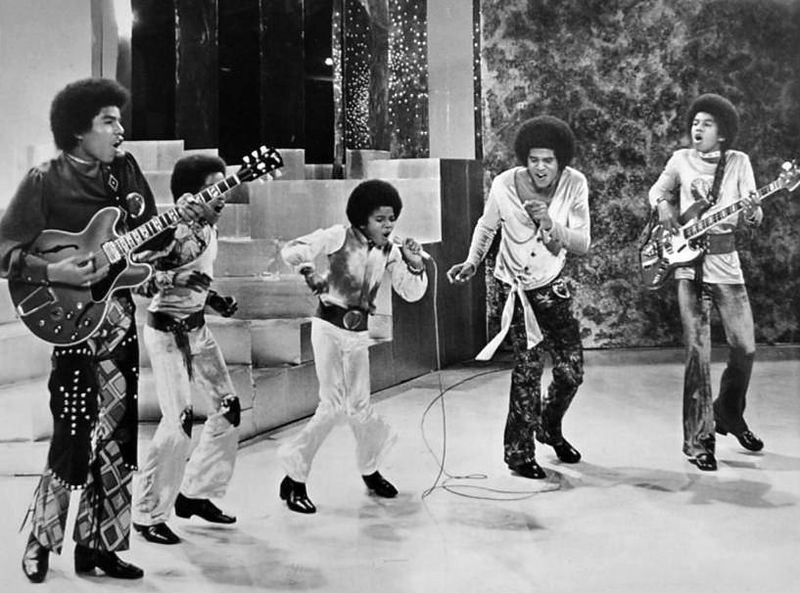
Spelling lessons rarely top the pop chart. The Jackson 5 managed it in April 1970.
ABC compares learning about love to learning the alphabet and simple math. The lyrics are easy enough for a first grader, which was part of the charm.
The Corporation, the same Motown team behind I Want You Back, wrote and produced it. They kept the energy high and the hooks tight.
Michael sang lead with confidence far beyond his age. Jackie, Tito, Jermaine, and Marlon backed him with sharp harmonies and matching dance steps.
The chart history here is worth knowing. ABC knocked the Beatles’ Let It Be out of the No. 1 spot.
Many fans saw that as a changing of the guard. One famous group was ending, and a new one was just getting started.
ABC held the top position for two weeks.
8. American Woman by The Guess Who
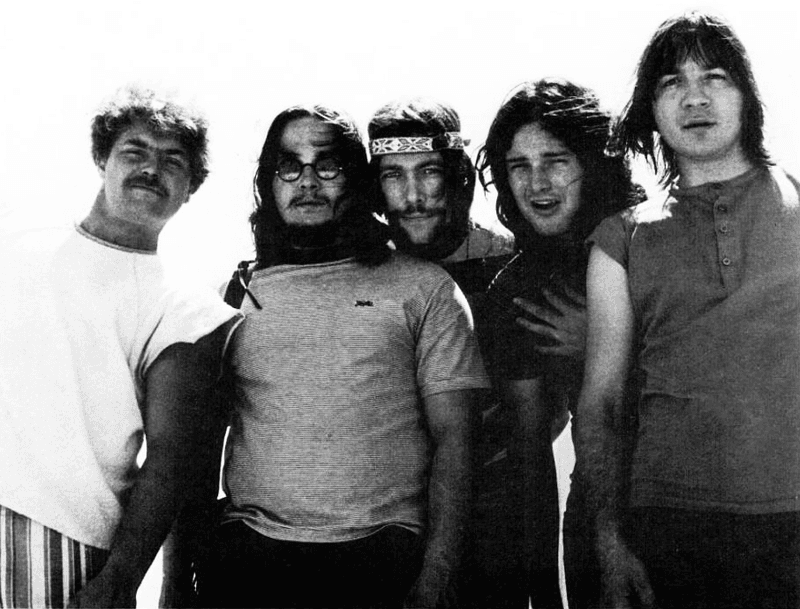
A broken guitar string started one of the biggest rock hits of 1970. It happened at a concert in a curling rink in Ontario, Canada.
Guitarist Randy Bachman stopped to fix the string. When he started playing again, a heavy riff came out, and the band jumped in.
Singer Burton Cummings made up lyrics on the spot. The phrase American woman was part of that first jam.
The band later polished the idea into a full song. It reached No. 1 on the Billboard Hot 100 in May 1970 and stayed for three weeks.
People still debate what the lyrics mean. Band members have given different answers, from politics of the era to the plain fact that they missed home.
It became the Guess Who’s biggest American hit. Classic rock stations still play that riff today.
9. Everything Is Beautiful by Ray Stevens
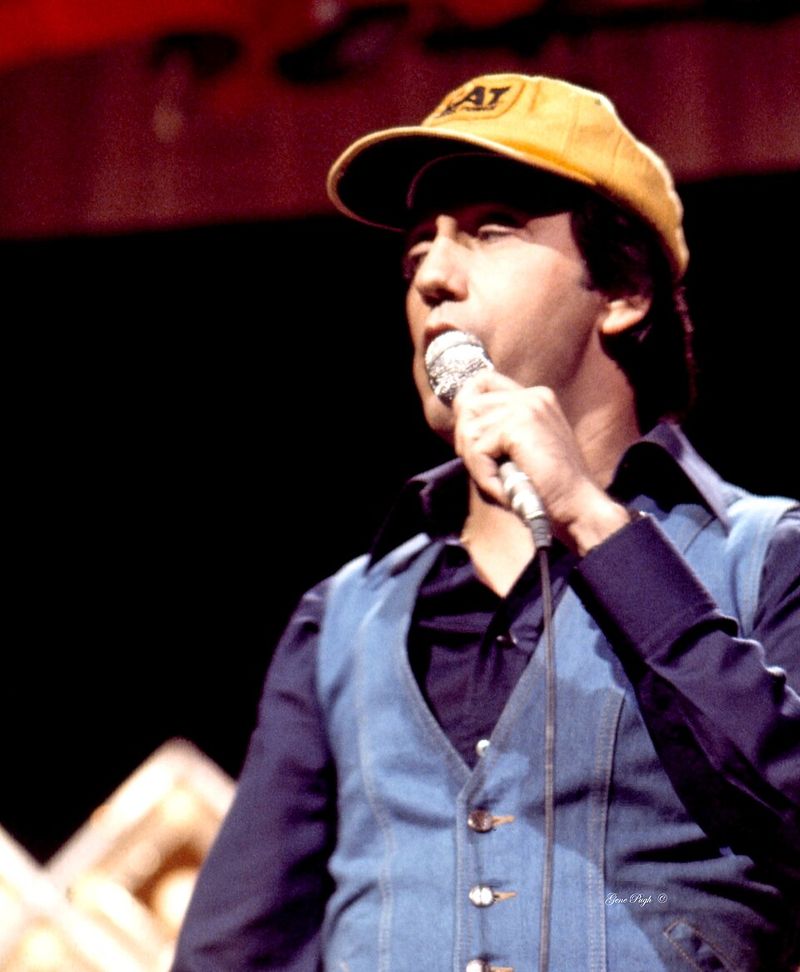
Ray Stevens built his name on silly songs like Gitarzan. Then he surprised everyone with a sincere message about kindness.
Everything Is Beautiful opens with a children’s choir singing Jesus Loves the Little Children. The kids came from Oak Hill Elementary School in Nashville, Tennessee.
Stevens wrote the song to push back against the negative news of the day. The country was dealing with deep disagreements, and he wanted to focus on what people shared.
The lyrics celebrate differences among people. It was a simple idea, and listeners responded to it.
The single reached No. 1 in May 1970 and held the spot for two weeks. It also won Stevens a Grammy for Best Contemporary Male Vocal Performance.
He went back to comedy songs later. This record proved his talent stretched far beyond jokes.
10. The Long and Winding Road by The Beatles
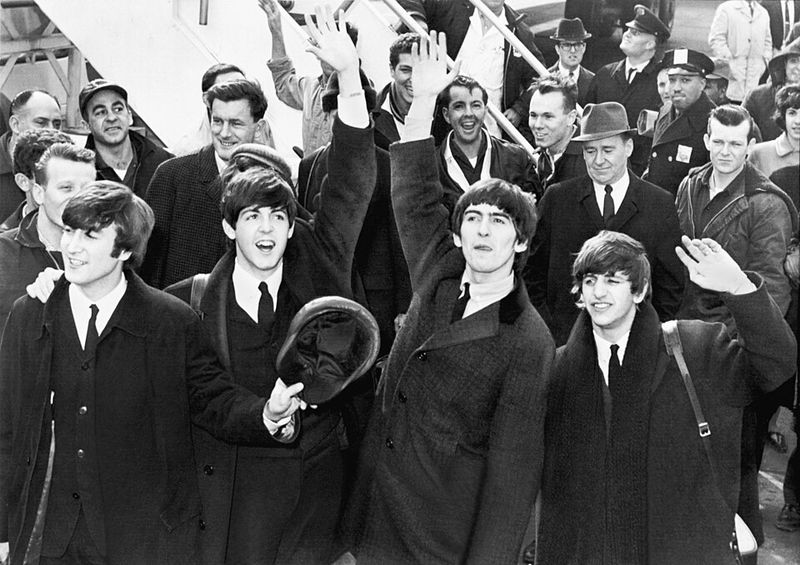
Twenty. That is how many American No. 1 hits the Beatles collected, and The Long and Winding Road was the last one.
Paul McCartney wrote it in Scotland while tension inside the band was rising. The band first recorded it as a simple piano ballad during the Get Back sessions in January 1969.
Then producer Phil Spector stepped in. He added a large orchestra and a choir to the recording.
McCartney did not approve those changes and was unhappy with the result. He wanted the plain version the band had planned.
Fans did not seem to mind. The single reached No. 1 in June 1970, after the breakup was already public.
That made it a farewell of sorts. The band’s chart run ended on a song about a long journey, which feels almost too fitting.
A stripped-down version later appeared on Let It Be… Naked in 2003.
11. Mama Told Me (Not to Come) by Three Dog Night
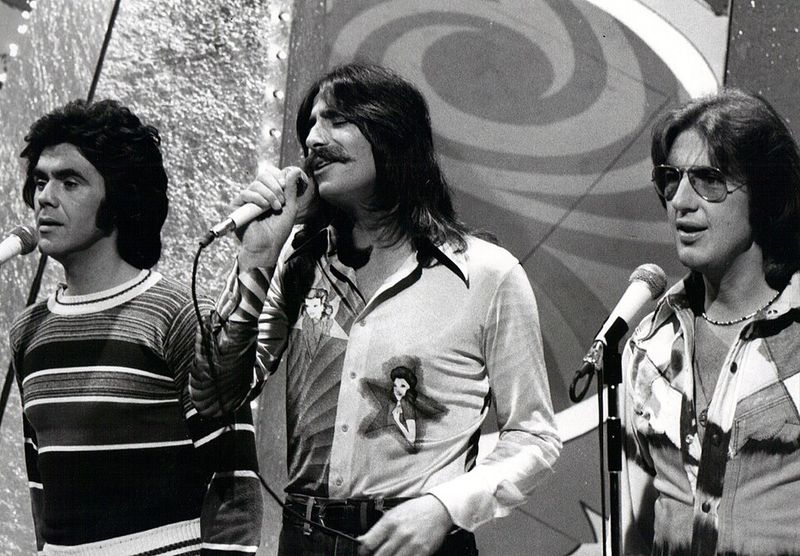
Everyone has been to a party where they felt totally out of place. Three Dog Night turned that feeling into a summer smash.
Randy Newman wrote the song, and Eric Burdon recorded it in 1966. Three Dog Night’s version, sung by Cory Wells, was louder and funnier.
The lyrics describe a guest who sees strange things at a wild party. One detail even mentions a woman with a lampshade on her head.
Wells sang it with a nervous, frantic energy. It sounds like he really wants to go home.
The single reached No. 1 in July 1970 and stayed for two weeks. The band was skilled at picking songs from outside writers and making them their own.
That strategy paid off again later. Joy to the World became an even bigger hit in 1971.
12. (They Long to Be) Close to You by The Carpenters
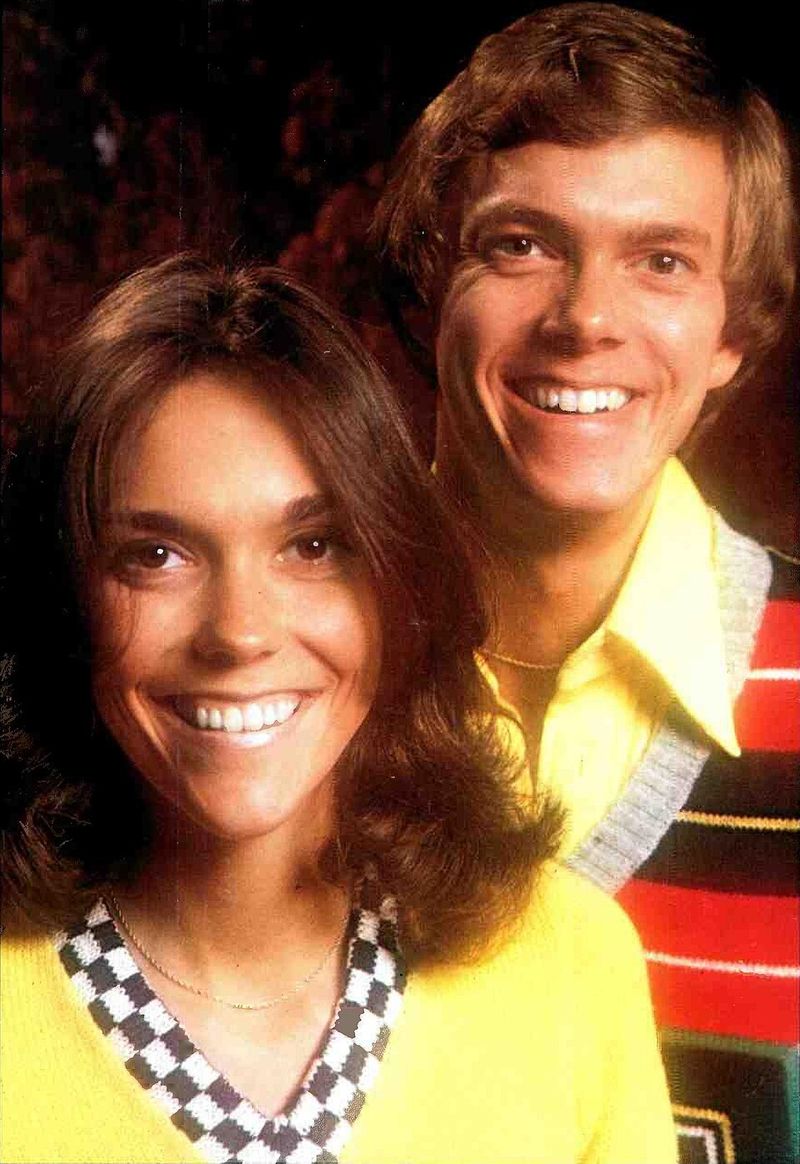
Richard Carpenter found this song in a pile of demos. He thought it could showcase his sister’s voice, and he was right.
Burt Bacharach and Hal David wrote it years earlier. Dionne Warwick and Richard Chamberlain had both recorded it, but neither version became a big hit.
Karen Carpenter’s singing changed that. Her low, clear tone made every line feel personal.
Richard built the arrangement with stacked harmonies, piano, and a soft horn part. The sound was polished and careful.
The single reached No. 1 in July 1970 and held on for four weeks. The Carpenters also won Grammy awards for Best New Artist and Best Contemporary Vocal Performance by a Duo, Group or Chorus.
It launched a long run of hits. For many listeners, the brother and sister team became the face of soft pop in the 1970s.
13. Make It with You by Bread
No big drums. No wild guitar solos.
Bread reached the top of the chart by keeping things simple.
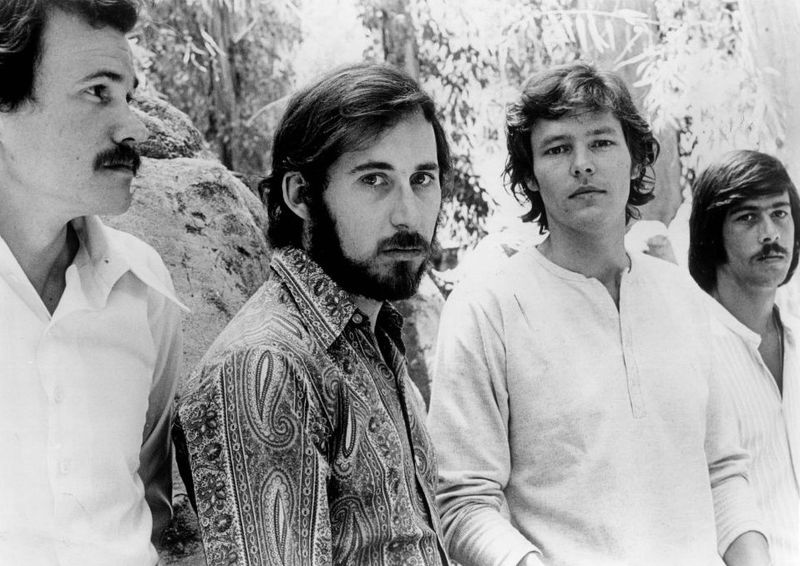
David Gates wrote and sang Make It with You. The arrangement leans on acoustic guitar, light piano, and a quiet rhythm section.
That calm sound helped define a new style called soft rock. Radio stations were looking for songs adults could enjoy, and Bread delivered.
The band included Gates, James Griffin, and Robb Royer. Larry Knechtel, the pianist from Bridge Over Troubled Water, joined later.
The single reached No. 1 in August 1970. It stayed on the Hot 100 for about 15 weeks.
Here is a surprising fact. Bread had many more hits, including If, Baby I’m-a Want You, and Everything I Own, yet this was their only American No. 1.
Not bad for a song that never raised its voice.
14. War by Edwin Starr
Love songs filled most of the 1970 chart. Then came a record that asked one blunt question about conflict.
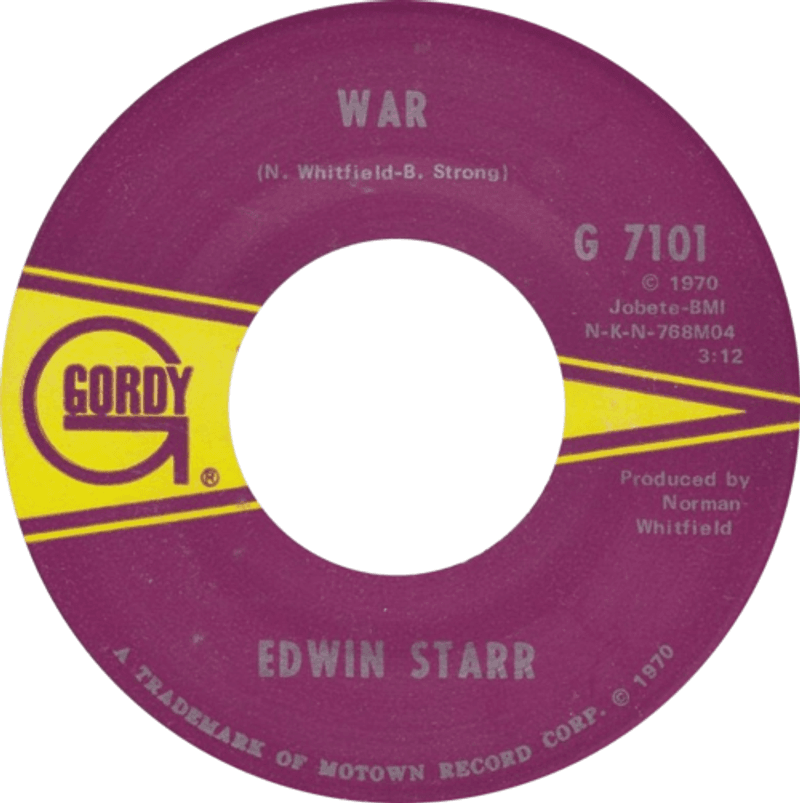
Norman Whitfield and Barrett Strong wrote War, and the Temptations recorded it first. Motown worried that releasing it as their single might upset fans of their romantic songs.
So the label gave it to Edwin Starr. His bold, shouting style fit the message perfectly.
Whitfield produced the new version with pounding drums and loud horns. The result sounded urgent from the first second.
It came out while the Vietnam War divided Americans. The single reached No. 1 in August 1970 and stayed there for three weeks.
That success mattered. It showed a protest song could reach the top of the mainstream pop chart.
The famous chorus is still quoted today, often by people who were not even born in 1970.
15. Ain’t No Mountain High Enough by Diana Ross
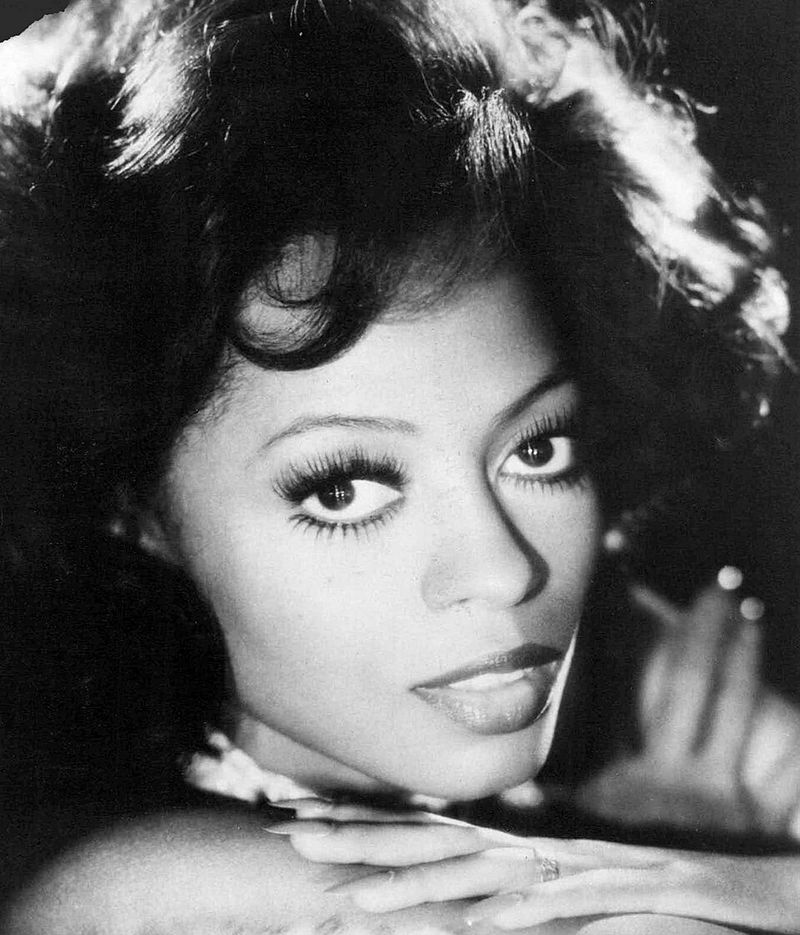
Covering a famous hit is risky. Diana Ross did it anyway, just months after leaving the Supremes.
Marvin Gaye and Tammi Terrell had already made Ain’t No Mountain High Enough a hit in 1967. Their version was a quick, happy duet.
Nickolas Ashford and Valerie Simpson, who wrote the song, produced a brand new take for Ross. They stretched it into a six-minute album track.
Their version opens with Ross speaking instead of singing. Strings and backing vocals slowly build until the final chorus bursts open.
Radio stations played a shorter edit. It reached No. 1 on the Billboard Hot 100 in September 1970 and stayed for three weeks.
It also topped the R&B chart. More importantly, it proved Ross could succeed on her own.
Her solo career went on to include many more hits, films, and sold-out concerts.
Share this story