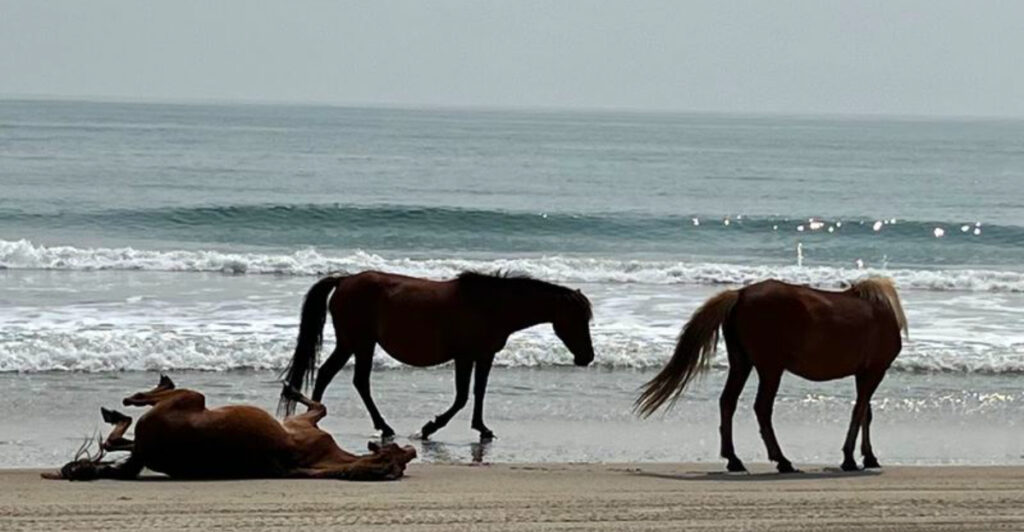
There’s something almost magical about watching wild horses stroll along the shoreline with waves crashing behind them. While these free-roaming horses are relatively rare, a handful of beaches around the world offer visitors the chance to witness this unforgettable scene.
Some herds have roamed coastal islands for centuries, while others have become iconic symbols of their regions. Here are 10 beaches where wild or free-roaming horses make the landscape even more extraordinary.
Assateague Island National Seashore – Maryland & Virginia
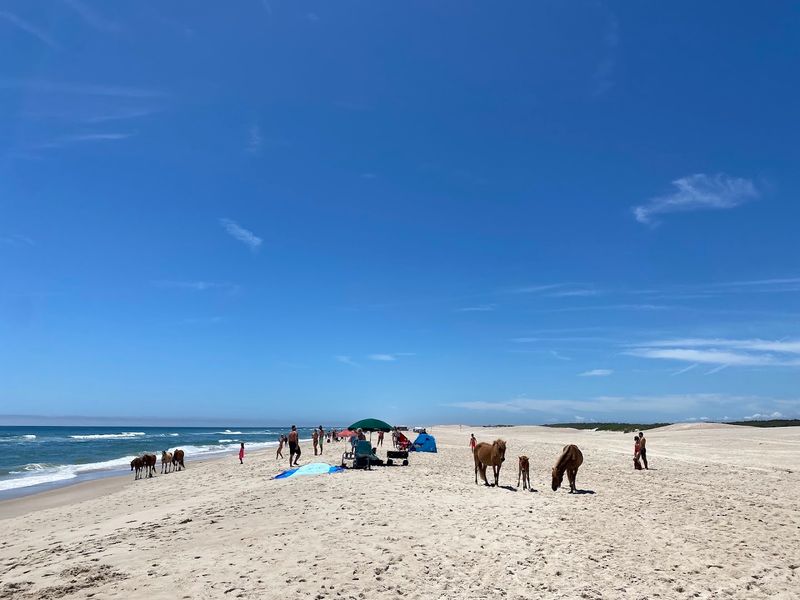
Hundreds of wild horses roaming freely across Atlantic shoreline dunes sounds like a dream, but at Assateague Island it’s just a regular Tuesday. This barrier island stretching between Maryland and Virginia is arguably the most famous wild horse destination on the planet.
The National Park Service manages the land, and the horses are entirely wild, not pets, not props.
Visitors can explore the island by foot, kayak, or bike, spotting horses grazing near the surf or napping in the dunes without a care in the world. The horses are surprisingly unbothered by human presence, but rangers remind everyone to stay at least 40 feet away.
Getting too close can earn you a fine and, occasionally, a memorable nip.
Camping is available right on the beach, meaning you might wake up to a horse peering into your tent. The island also offers excellent birdwatching, swimming, and hiking.
Whether you visit in summer or during the quieter fall months, the sight of these stocky, salt-sprayed horses trotting past the waves never gets old. Assateague is the kind of place that makes you put your phone down and simply stare in disbelief.
Corolla Beach – North Carolina
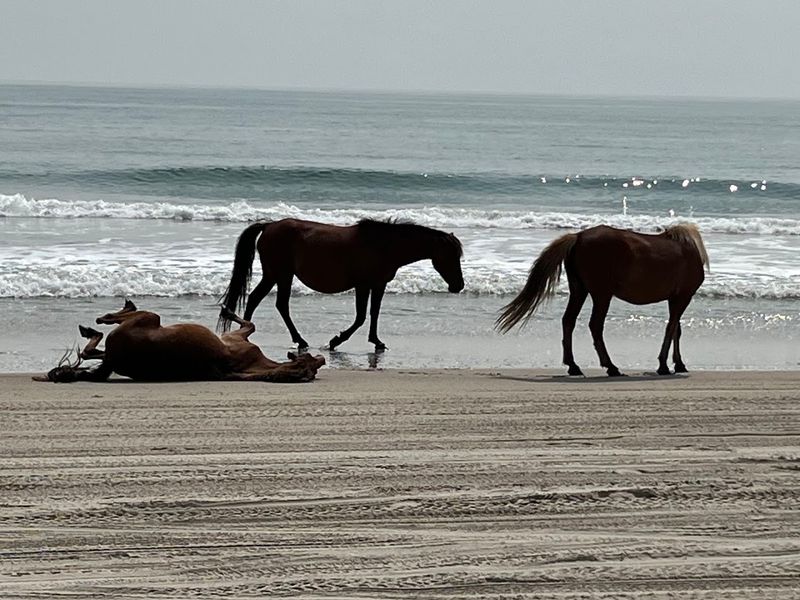
More than 400 years ago, Spanish Mustangs arrived on the northern Outer Banks, and their descendants are still strutting along Corolla Beach like they own the place. These horses trace their lineage back to Colonial-era Spanish explorers, making them living links to American history.
Genetic testing has confirmed their Spanish ancestry, which adds a whole extra layer of wow to any sighting.
The Corolla Wild Horse Fund works tirelessly to protect the herd, which now numbers around 100 horses. They roam freely across beaches, dunes, and maritime forests, often spotted near neighborhoods and even crossing roads.
The northern stretch of Corolla beach is only accessible by 4WD vehicle, which keeps crowds manageable and sightings feeling genuinely special.
Guided tours are available and highly recommended, since local guides know exactly where the horses tend to gather at different times of year. Morning visits often yield the best sightings, when horses graze near the water before the heat of the day sets in.
If you spot a foal trotting beside its mother through the surf, consider yourself one of the lucky ones. Corolla is proof that history can still roam wild and free.
Shackleford Banks – North Carolina
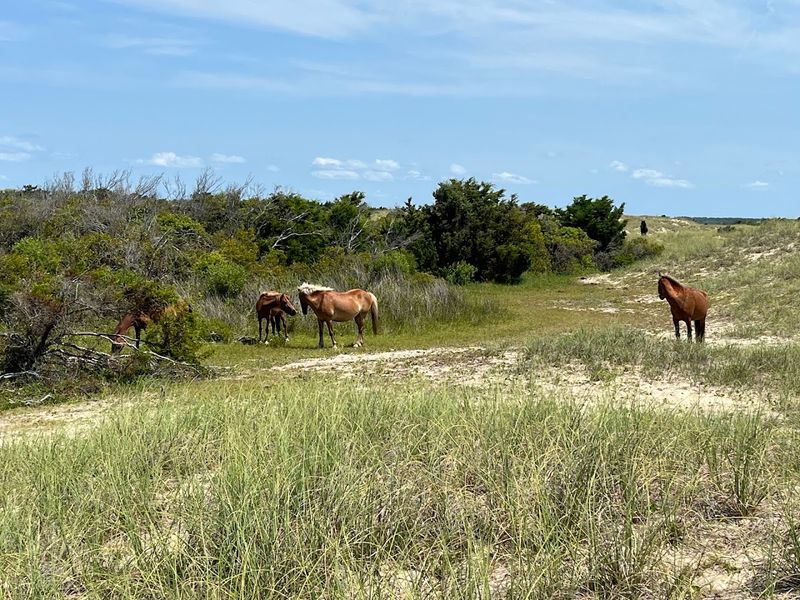
Getting to Shackleford Banks requires a boat ride, and honestly, that short ferry trip just adds to the adventure. This uninhabited barrier island near Beaufort, North Carolina, is home to over 100 wild Banker horses that have lived here entirely without human intervention for centuries.
No roads, no stores, no crowds, just horses, birds, and open sky.
The Banker horse breed is tough, compact, and built for island survival. They eat marsh grasses, drink from freshwater pools, and navigate the island’s shifting sands with impressive ease.
Watching them move in small family bands across the beach feels like stepping into a nature documentary, except you are actually there, sand between your toes and all.
Ferry services run regularly from Beaufort and Harkers Island, making day trips very manageable. Visitors can walk the beach freely, though keeping a respectful distance from the horses is strongly encouraged.
Shackleford is also a fantastic shelling beach, so you can hunt for treasures while the horses graze nearby. Sunrise visits are particularly breathtaking when the light turns golden and the horses cast long shadows across the sand.
This island rewards those willing to make the short journey across the water.
Cumberland Island National Seashore – Georgia
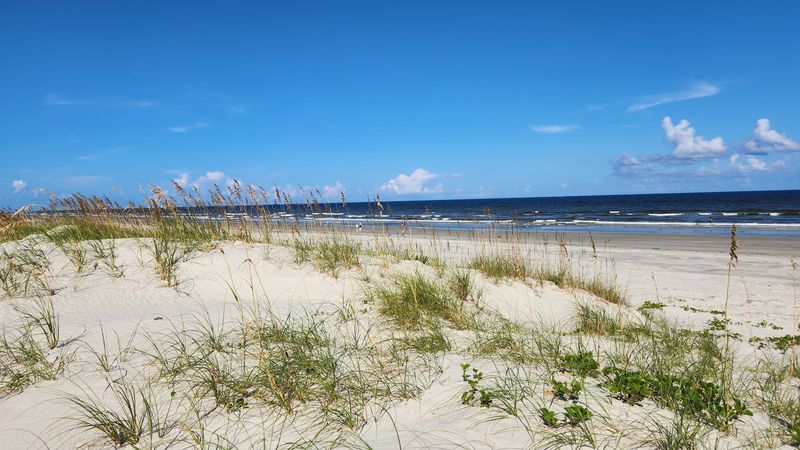
Cumberland Island feels like a place time forgot, and the horses roaming its beaches seem perfectly comfortable with that arrangement. Georgia’s largest barrier island is a stunning mix of pristine beaches, ancient maritime forests dripping with Spanish moss, and crumbling Gilded Age mansions.
Somewhere in the middle of all that beauty, roughly 150 to 200 feral horses wander as they please.
The horses on Cumberland are descendants of animals brought by European settlers and later by the Carnegie family, who once owned much of the island. They now roam freely through forests, marshes, and along the shoreline, often pausing near the famous Dungeness Ruins for a dramatic photo opportunity.
It’s hard to say what’s more impressive: the ruins or the horse standing in front of them.
Access to Cumberland Island is limited to ferry passengers, which keeps the atmosphere wonderfully peaceful. The National Park Service restricts daily visitor numbers, so booking in advance is essential.
Bikes are available for rent on the island, making it easy to cover ground and maximize your chances of spotting a herd. History lovers will appreciate the layers of stories embedded in every corner of this extraordinary island, all while wild horses roam freely nearby.
Sun Bay Beach – Vieques, Puerto Rico
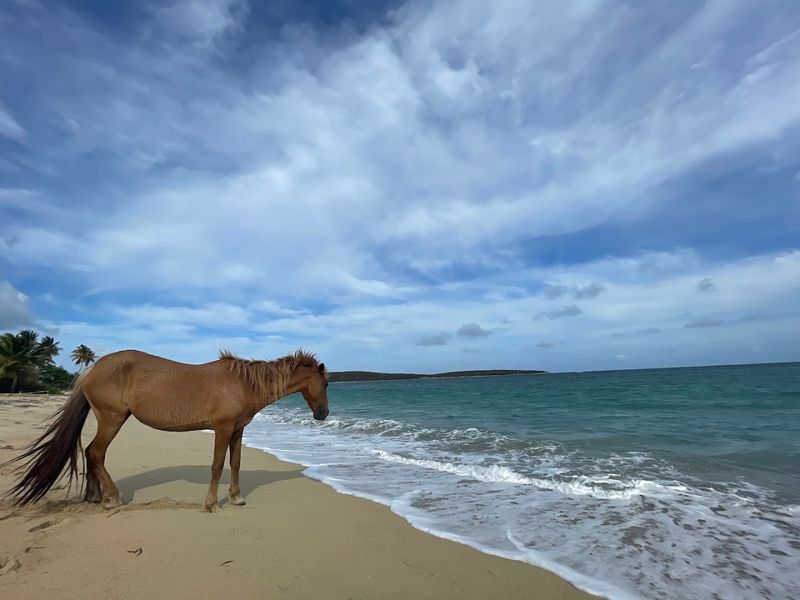
Sun Bay Beach in Vieques is already one of the Caribbean’s most beautiful stretches of sand, but the horses wandering across it turn the scene into something truly surreal. Vieques has a long history of free-roaming horses, many descended from animals left behind after the U.S.
Navy departed the island in 2003. Today they wander beaches, roadsides, and forests with complete confidence.
On a typical morning at Sun Bay, you might find a small group of horses grazing at the edge of the tree line before casually clip-clopping across the sand toward the water. The contrast of turquoise Caribbean waves, white sand, and wild horses is the kind of image that makes people question whether they’re actually awake.
Spoiler: you are awake, and it really looks like that.
Sun Bay is a public beach with basic facilities including restrooms and a small campground. Arriving early in the morning gives you the best chance of spotting horses before the beach fills with visitors.
The horses are generally calm but should never be fed or approached closely. Vieques itself is a gem of Puerto Rico, offering bioluminescent bays, excellent snorkeling, and a laid-back vibe that makes it easy to stay much longer than planned.
Chincoteague National Wildlife Refuge – Virginia
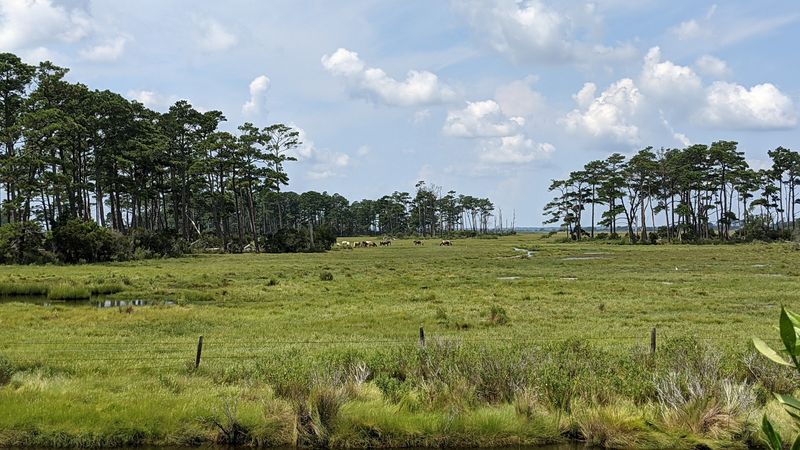
Every July, thousands of people gather on the shores of Chincoteague to watch the famous Pony Swim, when a herd of wild ponies crosses the Assateague Channel to Chincoteague Island. It’s one of the most iconic annual events in American wildlife tourism, and it has been happening since 1925.
The tradition was even immortalized in the beloved children’s novel Misty of Chincoteague.
Outside of Pony Swim week, the refuge offers year-round opportunities to observe the ponies grazing near beaches, marshes, and woodland trails. The Chincoteague ponies are technically owned and managed by the Chincoteague Volunteer Fire Company, which uses annual pony auctions to fund the department and control herd size.
It’s a quirky arrangement that somehow works beautifully.
The refuge itself is a spectacular place to visit regardless of horse sightings. Miles of trails wind through diverse habitats, and the beach is one of the cleanest and least commercialized on the mid-Atlantic coast.
Wildlife viewing is outstanding, with migratory birds, deer, and foxes sharing space with the famous ponies. Renting a bike and cycling the refuge roads at sunrise is an experience that genuinely sticks with you long after you’ve gone back home.
Ocracoke Island – North Carolina
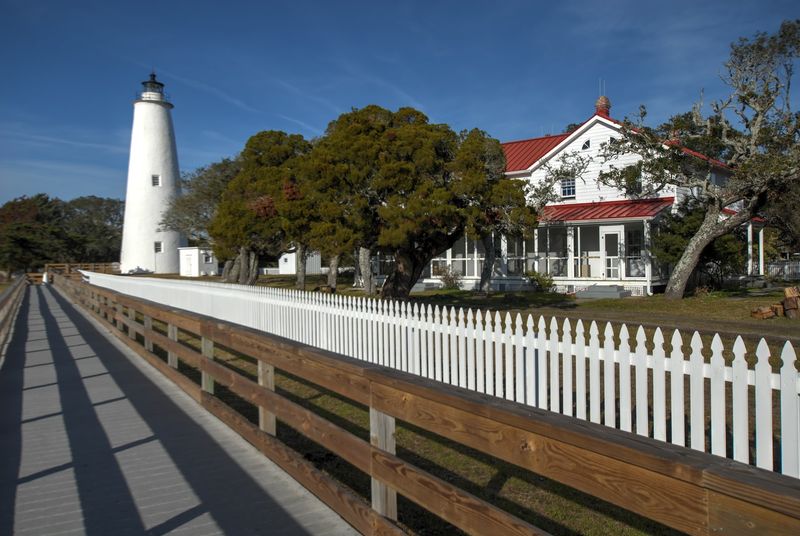
Ocracoke Island has a scrappy, salty charm that feels different from the rest of the Outer Banks, and its small herd of Banker horses fits right into that personality. The island is only accessible by ferry, which immediately filters out casual visitors and rewards the ones who make the effort.
Ocracoke Village is one of the few remaining truly authentic beach communities left on the East Coast.
The Ocracoke horses are managed by the National Park Service and kept in a specially designated pasture near the beach, rather than roaming completely free as they once did. This was done to protect both the horses and the island’s fragile ecosystem.
Visitors can view the herd from an observation area along a short trail, which makes sightings reliable and easy even for families with young children.
The interpretive signage along the viewing trail is genuinely interesting, explaining the history and genetics of the Banker horse breed in an accessible way. Ocracoke also offers excellent beaches, a charming downtown with local restaurants and shops, and a pirate history that would make Blackbeard proud.
Combining a horse visit with a full day of island exploration makes for a perfect Outer Banks adventure. The ferry ride alone, with pelicans skimming the water beside the boat, is worth the trip.
Carova Beach – North Carolina
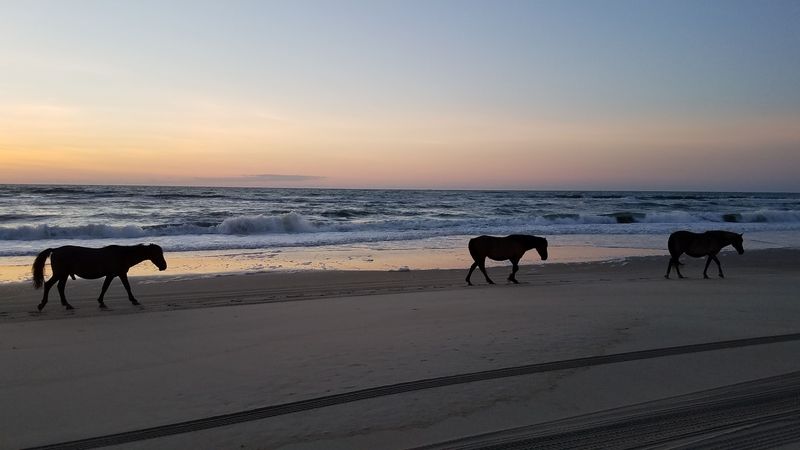
Carova Beach sits at the very northern tip of the Outer Banks, so remote that the only way to reach it is by driving a 4WD vehicle along the beach itself. There are no paved roads, no traffic lights, and no fast-food restaurants.
What you do get, in exchange for a bit of adventure, is a spectacular stretch of wild coastline shared with the famous Banker horses.
The horses in Carova are the same Colonial Spanish Mustang population that roams the Corolla area, but this northern section of beach sees far fewer visitors. That means sightings feel more private and the horses seem even less concerned about human observers.
Watching a stallion lead his band across an empty beach with the Atlantic stretching endlessly behind him is the kind of moment that rewires your brain a little.
To drive on the beach in this area, you’ll need to deflate your tires to around 20 PSI and know the basics of 4WD driving on sand. Several tour operators in Corolla offer guided beach excursions into Carova if you’d rather leave the driving to someone else.
Either way, the reward is a genuinely off-the-beaten-path experience that feels nothing like a typical beach vacation. Carova is wild in the best possible sense.
Sable Island – Nova Scotia, Canada
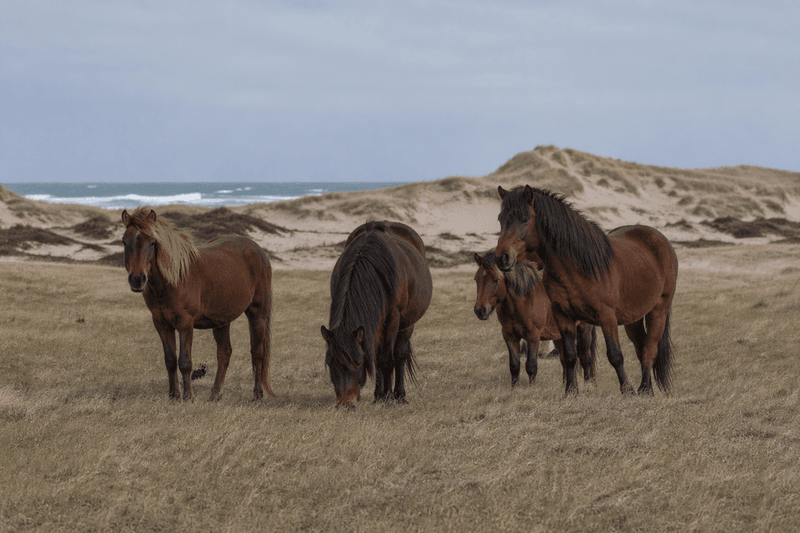
Sable Island is one of the most remote and dramatic places in North America, a thin crescent of sand sitting roughly 300 kilometers off the coast of Nova Scotia in the open Atlantic. It is also home to approximately 500 wild horses, one of the largest free-roaming horse populations anywhere in the world.
Getting there is the challenge; staying in awe once you arrive is effortless.
The island is a national park reserve with extremely limited access. Parks Canada controls visitor numbers tightly, and most people who make it there arrive by small charter plane or research vessel.
The horses arrived on the island in the 1700s and have survived entirely without human feeding or management ever since. They’ve adapted to a harsh environment of shifting dunes, sea grass, and brutal Atlantic storms, and they look every bit as tough as that sounds.
Photographers and wildlife researchers travel from around the world just for a chance to observe the Sable Island horses in their extraordinary setting. The island is also a seal colony and an important seabird nesting site, making it a bucket-list destination for nature lovers.
If you ever manage to secure a visit, prepare for a landscape so raw and wind-battered that it feels like standing at the edge of the world. Worth every bit of planning it takes.
Assateague State Park – Maryland
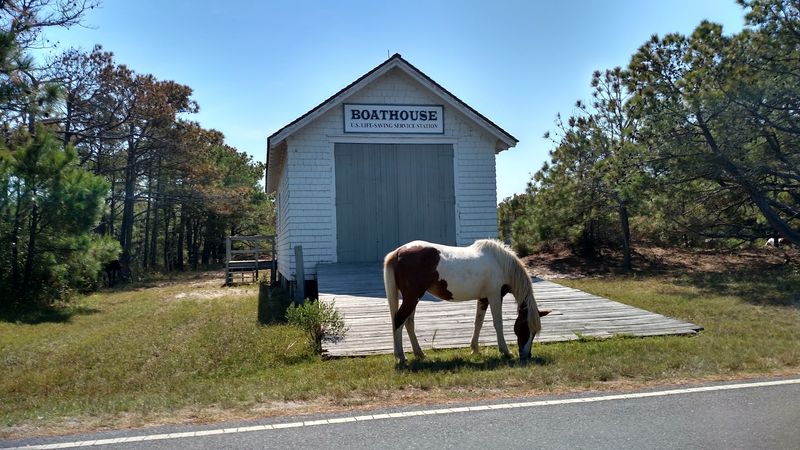
Sharing the same barrier island as the National Seashore, Assateague State Park occupies the northern Maryland section and offers its own outstanding opportunities to spot the island’s famous wild horses. State park campgrounds here book up fast, and once you’ve woken up to the sound of waves and the sight of a horse grazing ten feet from your tent, you’ll understand exactly why.
The state park section tends to be a bit busier than the more remote parts of the island, but the horse sightings are just as reliable and often even more frequent near the campground and beach access areas. These horses have absolutely no qualms about wandering through picnic areas, inspecting coolers, or photobombing your family portrait.
Rangers regularly remind visitors not to feed them, and for good reason: a horse that associates humans with snacks becomes a horse-shaped problem very quickly.
Beyond horses, the state park offers lifeguarded swimming beaches, kayak rentals, and a nature center with exhibits about the island’s ecology. Fall and spring visits are particularly lovely, with smaller crowds and cooler temperatures that make beach walks genuinely comfortable.
Assateague State Park is an ideal entry point for first-time visitors to the island, offering amenities alongside the wild experience that makes this place so unforgettable.
Share this story