Some of the most beautiful road trips in America happen where grapevines take over the hills. From the Pacific Coast to the Appalachian foothills, vineyard landscapes have a way of turning an ordinary drive into something worth remembering.
Whether you are looking for a quiet weekend getaway or a longer rural adventure, wine country offers rolling scenery, farm roads, small towns, and a pace of life that feels genuinely different from the city. These 13 destinations stretch across the country and each one shapes its surrounding countryside in a way that makes the journey itself as rewarding as the destination.
Napa Valley, California
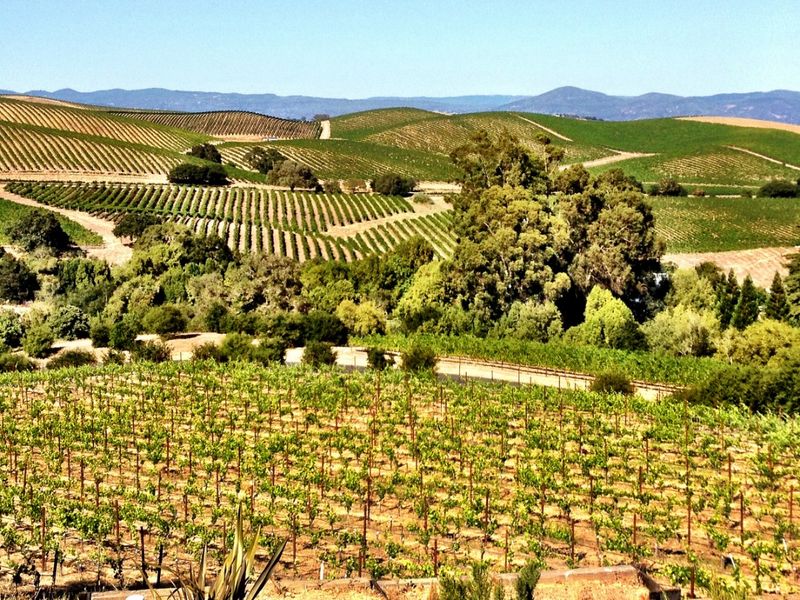
Few places in America are as closely tied to their landscape as Napa Valley, where the rhythm of the seasons shows up clearly in the rows of vines lining both sides of the road. Communities like Yountville, St. Helena, and Calistoga each have their own personality, making the valley feel like several small destinations stitched together by scenic country roads.
The Silverado Trail offers a quieter alternative to the main highway, running parallel through vineyards and estate properties with far less traffic. Mountain routes into Coombsville and northern Napa reveal a more rugged, less-visited side of the region that surprises many first-time visitors.
Napa’s official tourism organization keeps updated maps and winery listings, so planning a route is straightforward. The real reward comes from leaving the main corridor and following smaller roads into the countryside, where the landscape opens up and the valley shows its more peaceful character.
Sonoma County, California
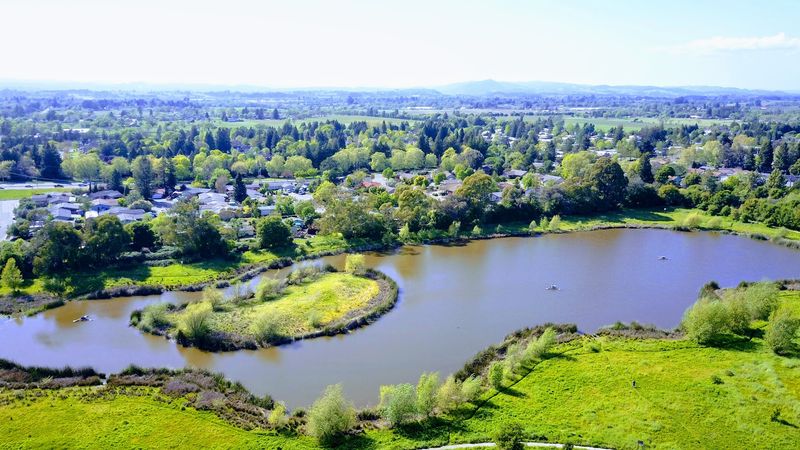
Sonoma County is bigger and more varied than most people expect before their first visit. Its wine-growing areas stretch from inland valleys all the way toward the Pacific coast, covering terrain that shifts from agricultural flatlands to forested ridges and river corridors.
Dry Creek Valley, Alexander Valley, the Russian River Valley, and Sonoma Valley each have a distinct feel, which means a multi-day road trip through the county rarely repeats itself. Farm-to-table restaurants, roadside fruit stands, and small towns like Healdsburg and Guerneville add context between winery stops.
Sonoma County Tourism maintains active listings for outdoor tastings, vineyard experiences, and itineraries built around the region’s scenic wine roads. For travelers who want more than a single afternoon of tasting rooms, the county rewards slower exploration.
The combination of rural roads, coastal proximity, and agricultural variety makes it one of the most layered wine-country destinations in the western United States.
Willamette Valley, Oregon
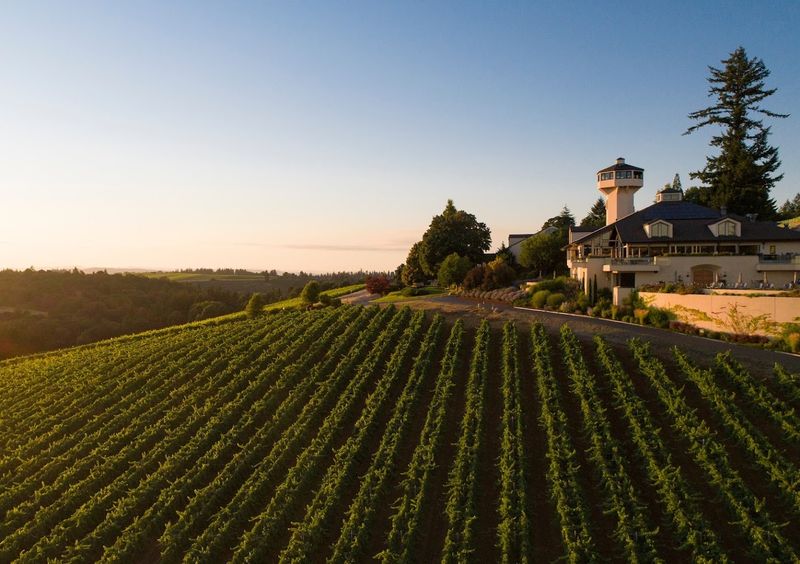
Oregon’s Willamette Valley earns its reputation through sheer variety of scenery. Vineyards climb across green hills near communities like Dundee, Carlton, Newberg, and McMinnville, creating a landscape that looks especially striking during spring growth and autumn harvest.
More than 500 wineries operate across the broader valley, ranging from small family-run operations to larger estates with hillside tasting rooms and panoramic views. Pinot noir is the variety most associated with the region, but visitors will encounter a wide range of other wines as they travel between stops.
The Willamette Valley Wineries Association provides detailed maps, travel guides, and trip-planning tools that make it easy to build a personalized route. Beyond the vineyards, the valley includes orchards, farms, and forested ridges that give the countryside an agricultural depth beyond wine alone.
Seasonal changes shape the experience noticeably, with each time of year offering a different version of the same beautiful landscape.
Walla Walla Valley, Washington
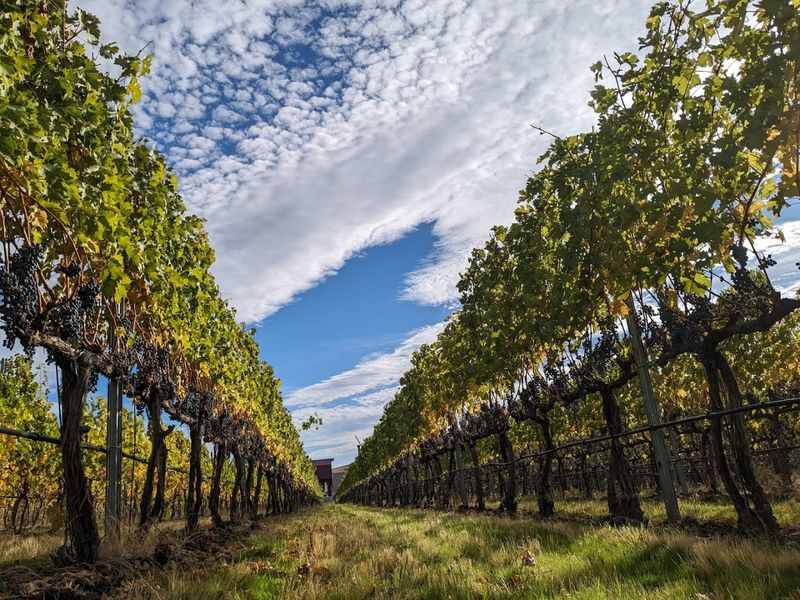
Walla Walla sits in a corner of Washington State that many travelers overlook, and that is genuinely their loss. The valley combines more than 130 wineries with wheat fields, broad skies, and long views toward the Blue Mountains, creating a wine-country landscape that feels nothing like California or Oregon.
Tasting destinations are spread across several distinct areas including the rural Southside, Westside, Eastside, and the airport district, which means the drive between stops becomes part of the experience rather than just a means of getting from place to place. Cabernet Sauvignon, Merlot, and Syrah are especially prominent in the region’s plantings, and the valley’s warm summers produce reliably bold fruit.
Downtown Walla Walla provides a practical base with restaurants and lodging, but the real character of the region lives out in the countryside. With approximately 2,900 acres of planted vineyards, the agricultural scale here is genuinely impressive for a valley this size.
Finger Lakes, New York
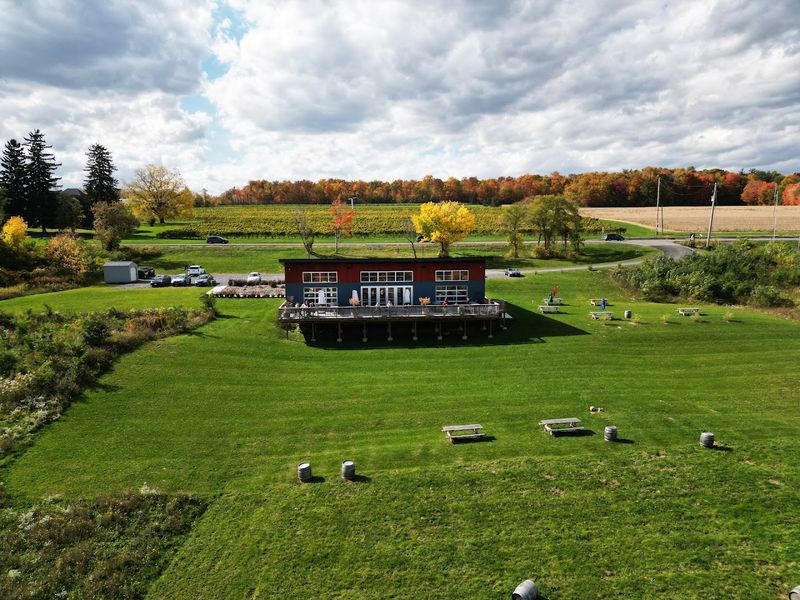
New York’s Finger Lakes region earns its place on any serious wine-country road trip through sheer geographic drama. Long, narrow glacial lakes cut through the landscape, and vineyard rows climb the slopes above them, creating an arrangement that looks almost too photogenic to be real.
More than 120 wineries and vineyards are active across the region, organized along four principal wine trails that circle the major lakes. Cayuga, Seneca, Keuka, and Canandaigua each have their own trail, their own character, and their own collection of tasting rooms ranging from small family operations to larger destination wineries.
Riesling is the variety most closely associated with the Finger Lakes, but the selection goes well beyond that. Between winery visits, travelers can explore waterfalls, historic villages, lakeside parks, and farm markets that fill out the itinerary naturally.
The combination of water views and vineyard scenery makes the Finger Lakes one of the most visually distinctive wine regions in the entire country.
Monticello Wine Trail, Virginia
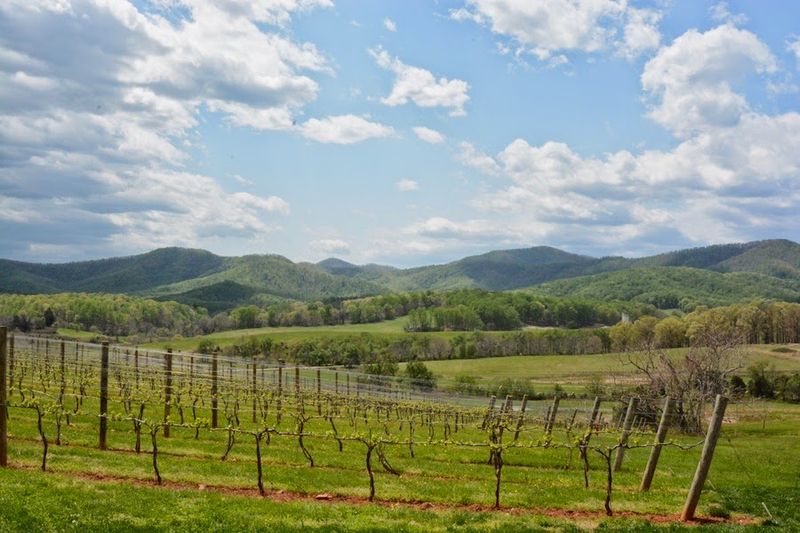
The countryside around Charlottesville has a quality that makes it hard to leave quickly. Wooded hills, winding two-lane roads, historic farm properties, and views toward the Blue Ridge Mountains create a setting that feels genuinely old and genuinely beautiful at the same time.
The Monticello Wine Trail connects more than 40 wineries within a short drive of Charlottesville, covering terrain that ranges from elegant hilltop estates to casual farm properties with picnic areas and outdoor tastings. Some wineries host concerts and vineyard tours that turn a simple tasting stop into a longer afternoon.
The area around Afton and western Albemarle County is especially scenic, where the mountains add real depth to the horizon. Charlottesville itself provides a solid base with restaurants, lodging, and historic sites that complement a rural winery itinerary.
For travelers who want wine country with genuine historical texture, this stretch of Virginia delivers on multiple levels without requiring a long drive between stops.
Texas Hill Country, Texas
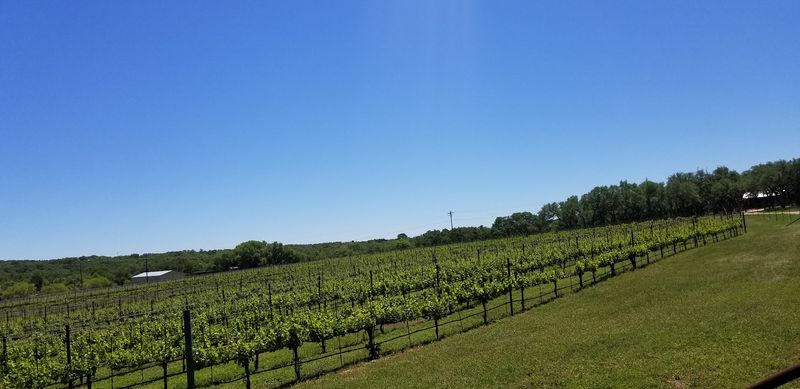
The Texas Hill Country wine region covers an enormous stretch of central Texas, and its scale alone makes it feel different from more compact wine destinations. Vineyards appear among limestone outcroppings, ranchland, scattered oak trees, and open roads that seem to stretch on without end.
Highway 290 near Fredericksburg is the most well-known corridor, with a strong concentration of tasting rooms and winery properties. Travelers willing to explore the wider countryside around Johnson City, Stonewall, Dripping Springs, and New Braunfels will find quieter settings and a more rural atmosphere that suits the region’s character.
The regional wine association maintains an active network of member wineries, and the list has grown significantly over the past decade. Beyond the vineyards, Hill Country offers barbecue, German heritage towns, Enchanted Rock State Natural Area, and ranch-style accommodations that make it easy to build a multi-day itinerary.
Bluebonnet season in spring adds another layer of color to the already scenic countryside roads.
Leelanau Peninsula, Michigan
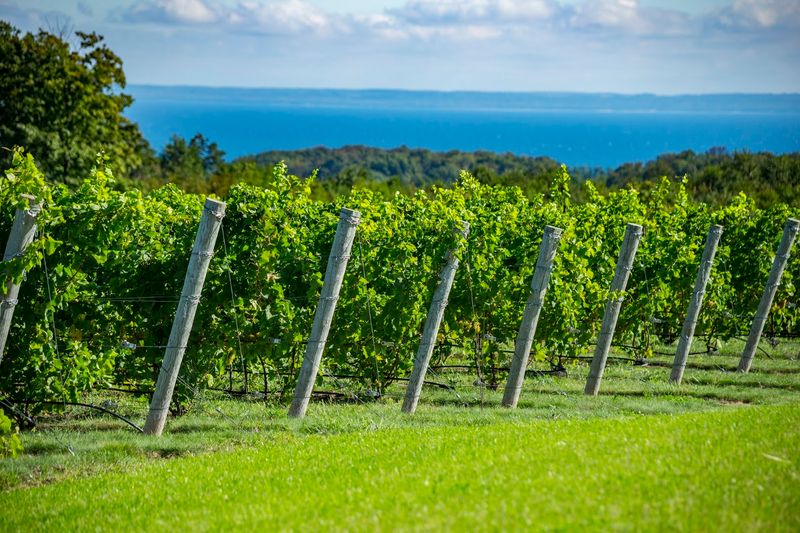
Northern Michigan has a way of combining landscapes that individually would each be worth a trip on their own. On the Leelanau Peninsula, vineyards sit between inland lakes, cherry orchards, forested roads, and the open water of Lake Michigan and Grand Traverse Bay, all within a compact and drivable area.
The Leelanau Peninsula Wine Trail includes more than 20 wineries spread across rolling terrain, with scenic roads connecting tasting rooms through communities like Suttons Bay, Leland, and Northport. Cool-climate growing conditions shape the style of wines produced here, and the region takes pride in varieties that thrive in its particular northern environment.
Sleeping Bear Dunes National Lakeshore is close enough to include on the same trip, adding dramatic sand dunes and Lake Michigan overlooks to a vineyard itinerary. The combination of waterfront scenery, agricultural land, and small-town character gives the Leelanau Peninsula a rounded quality that makes it easy to spend several days without running out of reasons to stay.
Loudoun County, Virginia
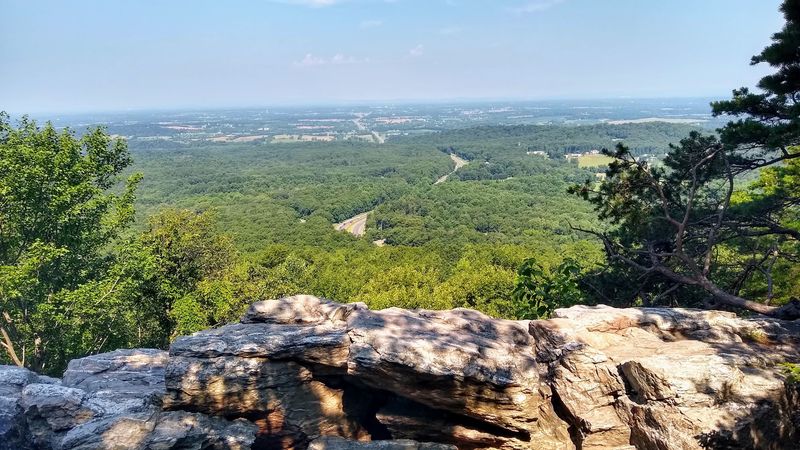
Just 25 miles from Washington, D.C., Loudoun County offers a countryside that genuinely surprises people making the drive for the first time. River valleys, historic villages, mountain slopes, equestrian farms, and vineyards replace the suburban landscape almost immediately once you clear the county line.
More than 50 wineries and tasting rooms operate across the county, spread around Leesburg, Middleburg, Purcellville, Hillsboro, and Bluemont. Some properties sit at elevated positions with clear sightlines toward the Blue Ridge Mountains, while others occupy working farms or historic road corridors that add a sense of place beyond the tasting room itself.
The proximity to the capital makes Loudoun a practical choice for a day trip, but its inns, restaurants, and slow-paced equestrian countryside support a full weekend without any difficulty. For D.C. residents who want wine country without a major travel commitment, Loudoun County consistently delivers a rural experience that feels much farther from the city than the mileage suggests.
Snake River Valley, Idaho
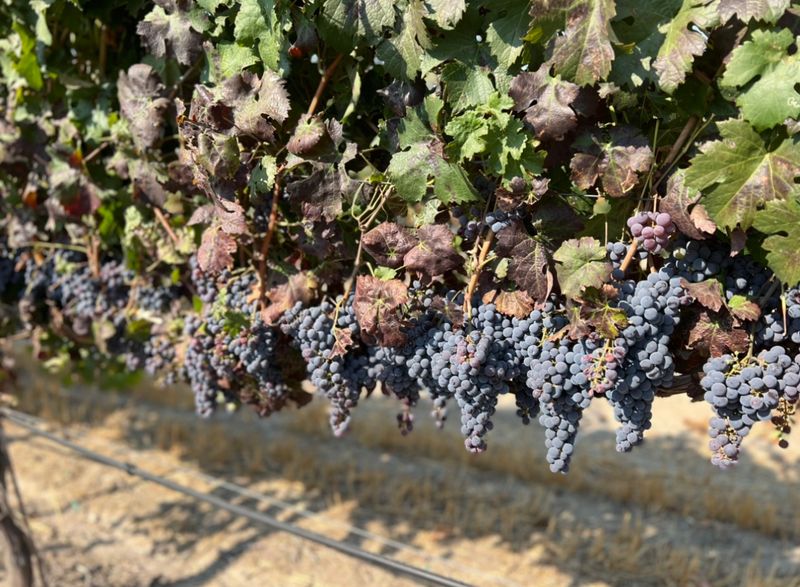
Idaho’s wine country is one of the better-kept secrets in the American West. The Snake River Valley stretches across southwestern Idaho with volcanic soils, high elevation, and dry summers that create growing conditions unlike anywhere else in the Pacific Northwest.
As the state’s largest American Viticultural Area, the region covers substantial ground, but many visitor experiences are organized along the Sunnyslope Wine Trail west of Boise. Vineyards and tasting rooms appear among agricultural fields, fruit orchards, and canyon landscapes that give the area a rugged, open-sky character.
The region remains far less crowded and commercialized than Napa or Willamette Valley, which is genuinely part of its appeal. Idaho’s official wine organization maintains current information on wineries, events, and visitor opportunities throughout the state.
For travelers who prefer discovering a wine region before it becomes a household name, the Snake River Valley offers a real and rewarding alternative to the more familiar western destinations.
Grand Valley, Colorado
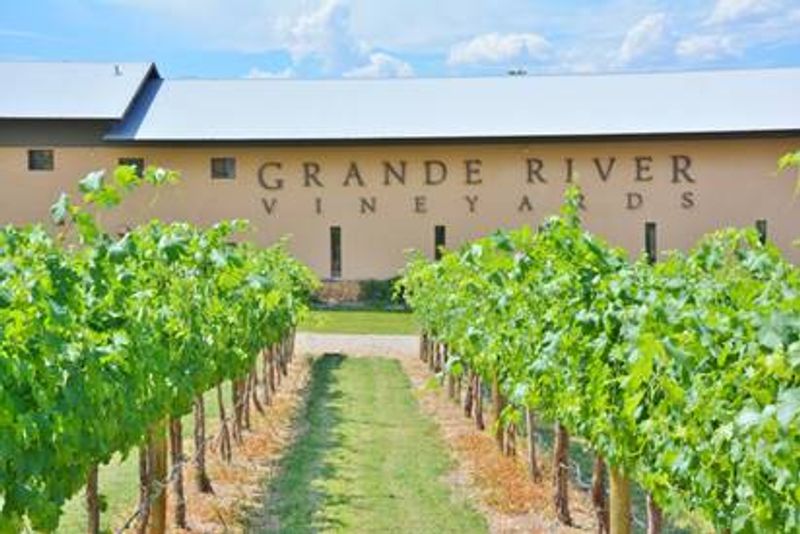
Grapevines growing beneath sandstone mesas and desert rock formations create one of the most visually unexpected wine-country landscapes in the United States. The Grand Valley near Palisade and Grand Junction sits in high-desert terrain where the Colorado River makes agriculture possible in an otherwise arid environment.
Visitors can follow the Palisade Fruit and Wine Byway, which is divided into several routes suitable for driving or cycling through the agricultural corridor. Along the way, wineries share the landscape with peach orchards, lavender farms, vegetable stands, and panoramic views of the surrounding mesas that change color as the light shifts through the day.
Current tourism listings from the Grand Junction area feature wineries, tasting rooms, tours, and seasonal events that run throughout the warmer months. The combination of dramatic western scenery and productive farmland gives the Grand Valley a character that wine regions in wetter climates simply cannot replicate.
It rewards visitors who arrive with no particular expectations and leave genuinely impressed.
Dahlonega, Georgia
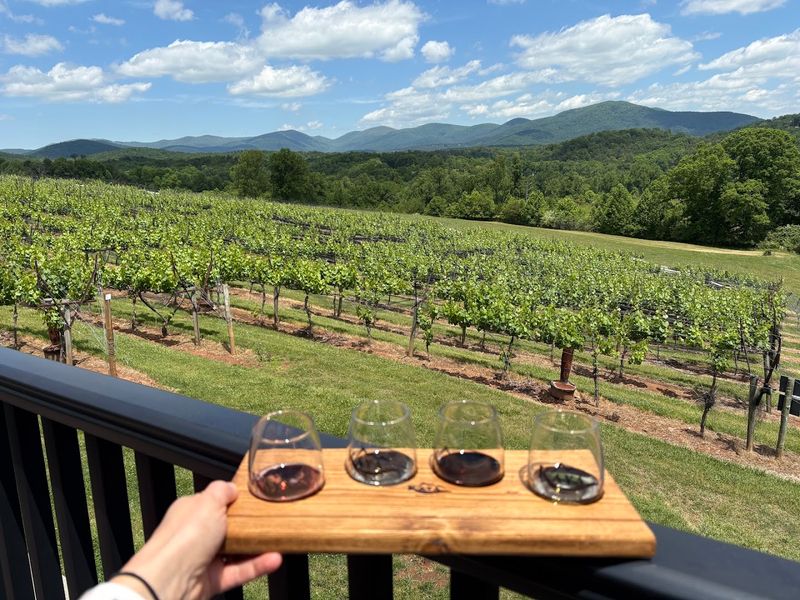
North Georgia is not the first place most people picture when they think about American wine country, and that gap between expectation and reality works entirely in Dahlonega’s favor. Vineyards spread across Appalachian foothills, with mountain ridges, streams, and sloping farmland giving the landscape a genuine southern Appalachian character.
The Dahlonega Wine Trail includes eight wineries offering tastings, tours, dining, and countryside views across the surrounding hills. The historic town square provides a natural base between visits, with its shops, restaurants, and gold-rush heritage offering enough to fill an afternoon without leaving the area.
Dahlonega sits about an hour north of Atlanta, but the Blue Ridge foothill setting feels entirely removed from city life. Waterfalls, hiking trails, and mountain drives are close enough to build into a full weekend itinerary alongside the winery stops.
For travelers who want wine country combined with southern mountain scenery, Dahlonega offers a combination that few other destinations in the Southeast can match.
Hermann, Missouri
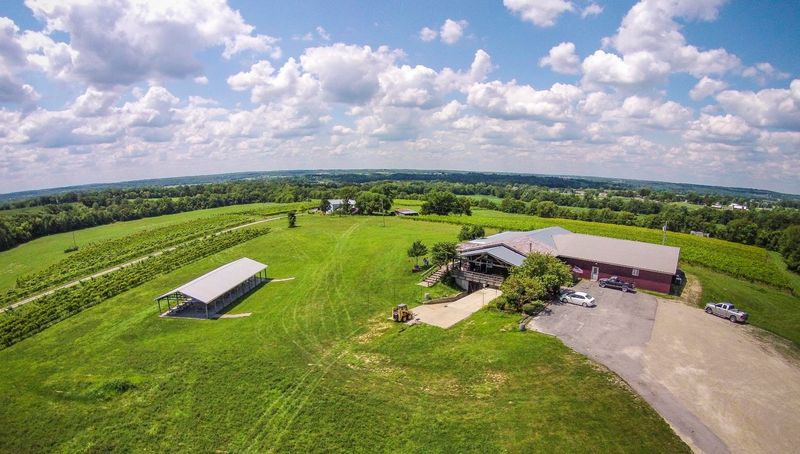
Hermann sits above the Missouri River in a setting that feels genuinely European in character, and that is not an accident. German immigrants who settled the town in the 19th century planted vineyards on the surrounding hillsides, establishing a winemaking tradition that has continued in various forms ever since.
The Hermann Wine Trail connects six family-owned wineries, ranging from country farm settings to historic wine cellars built into the hillside. The trail operates throughout the year with daily tastings and scheduled events that pair local wines with food, making it a viable destination across multiple seasons rather than just during harvest.
The town itself adds considerable depth to a winery visit. Brick buildings, German restaurants, museums, inns, and river views fill the gaps between tasting rooms with genuine local character.
Compared with larger American wine regions, Hermann feels compact and manageable, which makes it an especially good choice for travelers who want a complete countryside experience without the logistics of a sprawling multi-day wine region.
Share this story