America’s national parks are breathtaking, but they are also wild places where nature sets the rules. Rangers across the country consistently warn that most accidents happen when visitors underestimate conditions or ignore safety advice.
Every park has its own unique hazards, from scorching desert heat to raging rivers and glacier-covered peaks. Knowing what you are walking into before you go could genuinely save your life.
Grand Canyon National Park – Arizona
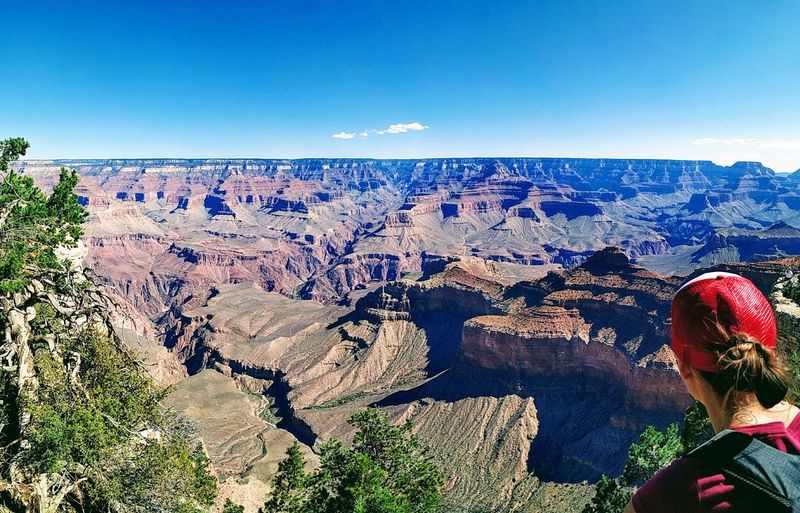
Every year, search-and-rescue teams at the Grand Canyon respond to hundreds of calls, and the majority involve one simple mistake: hikers who walked down without thinking about the walk back up. Going down feels easy.
Coming back up in triple-digit heat is a completely different story.
Rangers call it “the canyon’s trap.” The trails descend steeply, the temperature rises dramatically as you lose elevation, and shade is almost nonexistent. Dehydration and heat exhaustion can set in faster than most people expect, even on shorter trails like Bright Angel.
The park recommends carrying at least one liter of water per hour of hiking and eating salty snacks to replace electrolytes. Avoid hiking between 10 a.m. and 4 p.m. during summer months.
Drop-offs along the rim are unfenced in many areas, so staying on marked paths is critical. Rangers also remind visitors that cell service is unreliable deep in the canyon, making preparation before you descend absolutely essential for a safe trip.
Yellowstone National Park – Wyoming, Montana & Idaho
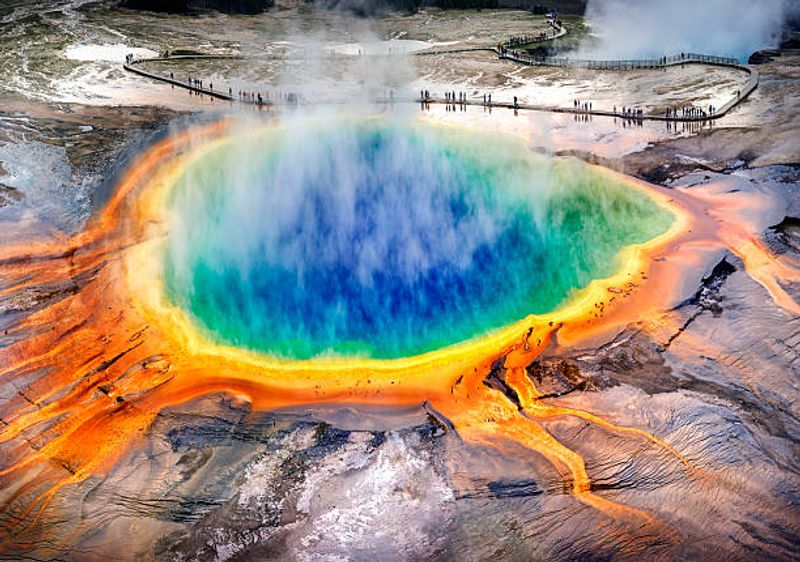
Yellowstone sits on top of one of the world’s largest volcanic systems, and the ground literally reflects that fact. The colorful hot springs and geysers look almost inviting, but the water inside can reach 250 degrees Fahrenheit or hotter.
People who have stepped off boardwalks have suffered catastrophic burns within seconds.
Rangers stress that the thin, brittle crust around thermal features can collapse without warning, even if the ground looks solid. Staying on designated boardwalks is not just a rule; it is survival advice.
More than 20 people have died in Yellowstone’s hydrothermal areas since the park opened.
Wildlife adds another layer of risk. Bison injure more visitors at Yellowstone than any other animal in the park system.
They may look slow and calm, but they can sprint at 35 miles per hour and weigh up to 2,000 pounds. Bears, wolves, and elk are also present throughout the park.
Always stay at least 25 yards from bison and 100 yards from bears. Yellowstone rewards careful, respectful visitors with some of the most spectacular scenery on the planet.
Death Valley National Park – California & Nevada
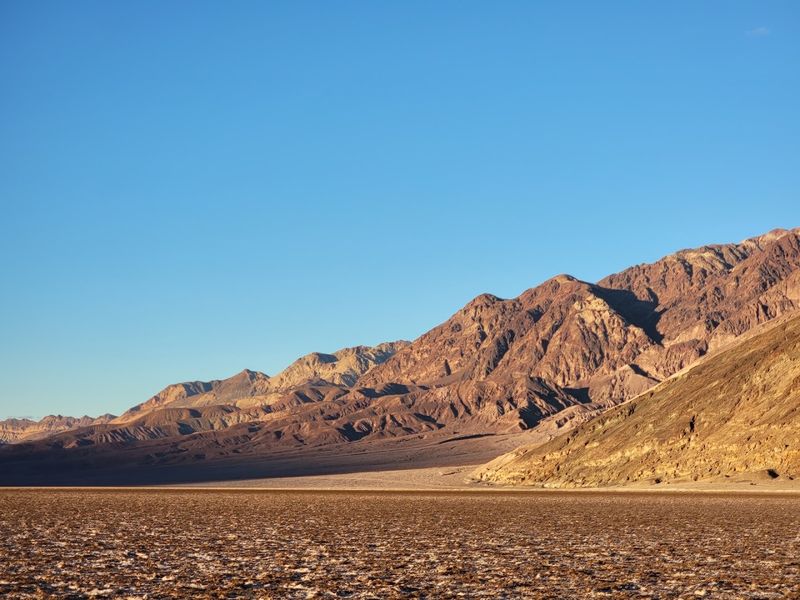
The hottest air temperature ever recorded on Earth, 134 degrees Fahrenheit, happened right here in Death Valley in 1913. That record still stands, and summer visits to this park remain genuinely life-threatening even for prepared adults.
The heat is not just uncomfortable; it is medically dangerous within minutes of exposure.
Rangers receive calls every summer from stranded visitors whose cars overheated on remote roads. Cell service is nearly nonexistent across most of the park, and the nearest hospital can be hours away.
Carrying extra water, a paper map, and emergency supplies in your vehicle is not optional here; it is the bare minimum.
Hiking during daylight hours in summer is strongly discouraged by park staff. If you visit between June and September, plan activities before 10 a.m. or after sunset.
Flash floods, though rare, can also occur suddenly in canyon areas even without visible clouds overhead, because storms form miles away. Death Valley is genuinely stunning in the cooler months, with wildflower blooms, dramatic dunes, and surreal salt flats.
Timing your visit wisely makes all the difference between an unforgettable adventure and a dangerous emergency.
Denali National Park – Alaska
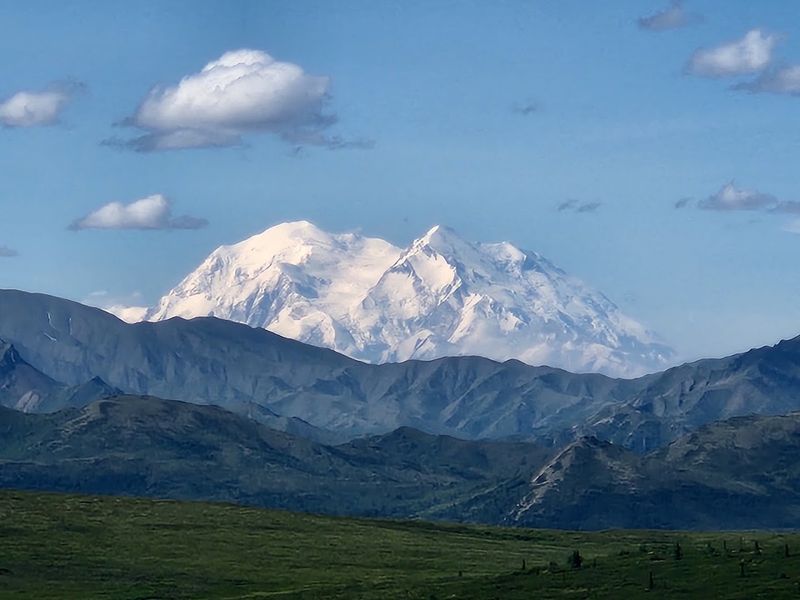
Standing at 20,310 feet, Denali is the tallest peak in North America, and the park surrounding it is one of the rawest, most unforgiving wilderness areas in the entire country. Only one road runs through the park, and beyond it lies millions of acres of terrain with no trails, no cell service, and no guarantee of rescue arriving quickly.
Weather here changes without warning. Conditions can shift from sunny and mild to whiteout blizzard in under an hour, even in summer.
Glacial rivers crisscross the backcountry, and crossing them requires experience, proper gear, and careful judgment about water levels, which can rise rapidly from afternoon snowmelt.
Grizzly bears, moose, and wolves all roam freely throughout the park. Rangers recommend bear canisters for all food storage and urge visitors to make noise while traveling to avoid surprise encounters.
Mountaineers attempting Denali’s summit must register with the park service and are strongly encouraged to have technical climbing experience beforehand. For day visitors sticking to the road corridor, the scenery is jaw-dropping and relatively accessible, but even casual hikes require solid footwear, warm layers, and bear spray at minimum.
Great Smoky Mountains National Park – Tennessee & North Carolina
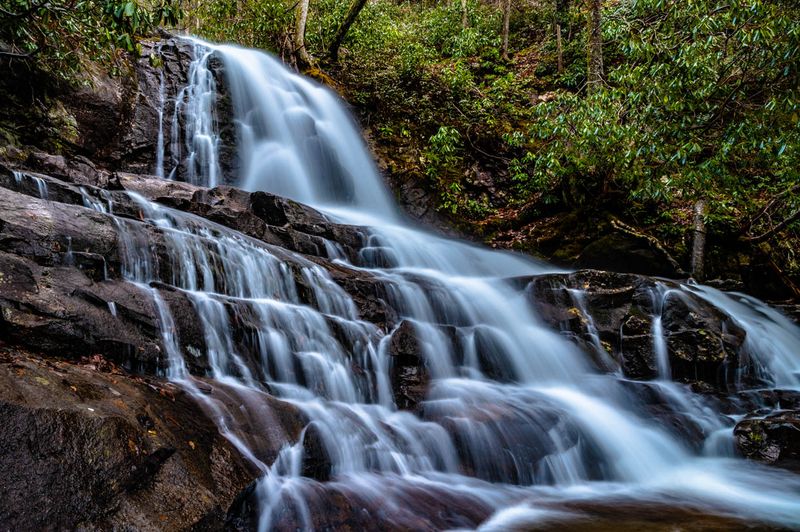
More people visit Great Smoky Mountains than any other national park in America, pulling in over 12 million visitors a year. With those numbers come a significant number of emergencies, many of which surprise visitors who assumed a heavily visited park would be a tame one.
The Smokies have real teeth.
Mountain weather shifts fast here. A sunny morning can become a cold, foggy, thunderstorm-soaked afternoon before hikers even reach a summit.
Waterfalls are a major draw, but slippery rocks around them cause falls every season, some fatal. Rangers urge visitors to stay behind safety barriers and off wet rocks near any waterfall.
Black bears are common throughout the park, with an estimated 1,500 living inside its boundaries. Bears here have learned that humans sometimes mean food, which makes them bolder than bears in more remote parks.
Store all food in bear-proof containers or hang it properly, and never feed wildlife under any circumstances. Stream crossings on backcountry trails can become dangerous after heavy rain, with water levels rising quickly.
Checking trail conditions before heading out and letting someone know your itinerary are habits every Smoky Mountains visitor should build.
Zion National Park – Utah
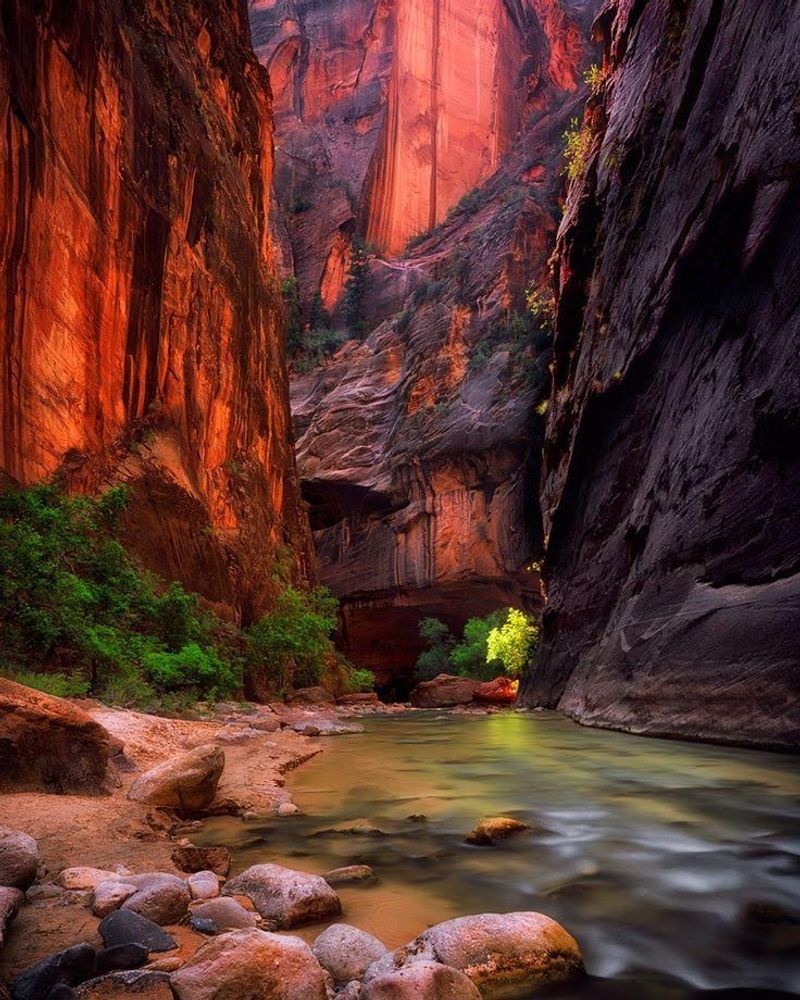
Zion is one of the most stunning parks in the American Southwest, and it is also one where rangers field a steady stream of rescues tied to two specific hazards: flash floods in The Narrows and falls on the Angels Landing chain route. Both attractions are wildly popular, and both demand real respect.
The Narrows involves hiking directly through the Virgin River inside a slot canyon. When storms hit, sometimes miles away and completely out of sight, floodwaters can surge through the canyon within minutes.
Rangers post flood warnings at the trailhead, and ignoring them has cost lives. Always check the forecast and heed any closure signs before entering.
Angels Landing’s final half-mile involves pulling yourself up steep, exposed rock using fixed chains bolted into the cliff face. The drop-offs on either side are dramatic and unforgiving.
Children and anyone uncomfortable with heights should think carefully before attempting this section. Wet or icy conditions make it significantly more dangerous.
Zion also sees rockfall events, particularly after rainstorms loosen debris on canyon walls. Wearing a helmet in the canyon is not required but is recommended by safety-conscious visitors.
Planning around weather and knowing your personal limits will keep your Zion experience memorable for all the right reasons.
Yosemite National Park – California
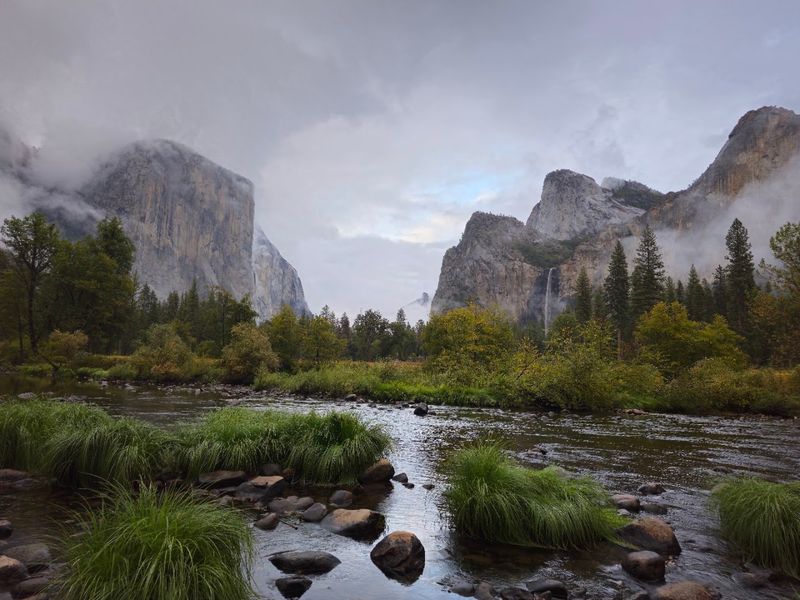
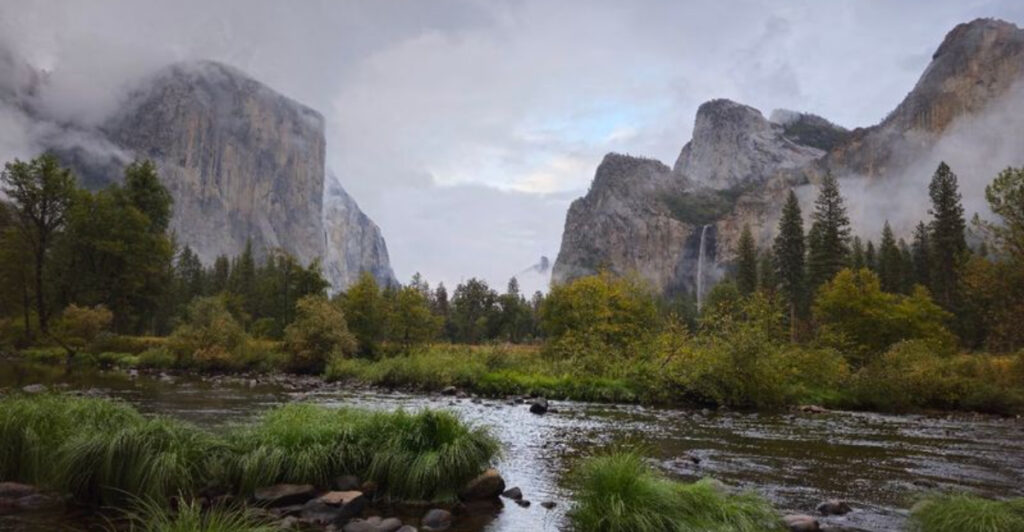
Yosemite Valley looks like a postcard, and that beauty is exactly what makes it tricky. Visitors arrive expecting a scenic stroll and sometimes wander toward waterfalls or river banks without realizing how fast conditions can turn dangerous.
The Merced River runs cold, fast, and strong, especially during spring snowmelt.
Drowning is one of the leading causes of death in Yosemite. Many incidents happen when visitors slip on wet rocks near the river or try to wade in spots that look shallow but have powerful currents underneath.
Rangers place warning signs near hazardous areas, but some visitors ignore them entirely, assuming the water looks calm enough to handle.
Rockfall is another serious and less predictable hazard. Yosemite’s granite cliffs naturally shed rocks throughout the year, with no warning and no pattern.
There is no way to predict when or where it will happen. Staying in designated camping and picnic areas rather than directly beneath cliff faces reduces risk somewhat.
Trails near iconic viewpoints like Half Dome’s cables route also require careful preparation, permits, and proper footwear. Rangers recommend trekking poles for steep granite sections and urge hikers to turn back if afternoon thunderstorms develop, as lightning strikes on exposed ridges are a real danger.
Glacier National Park – Montana
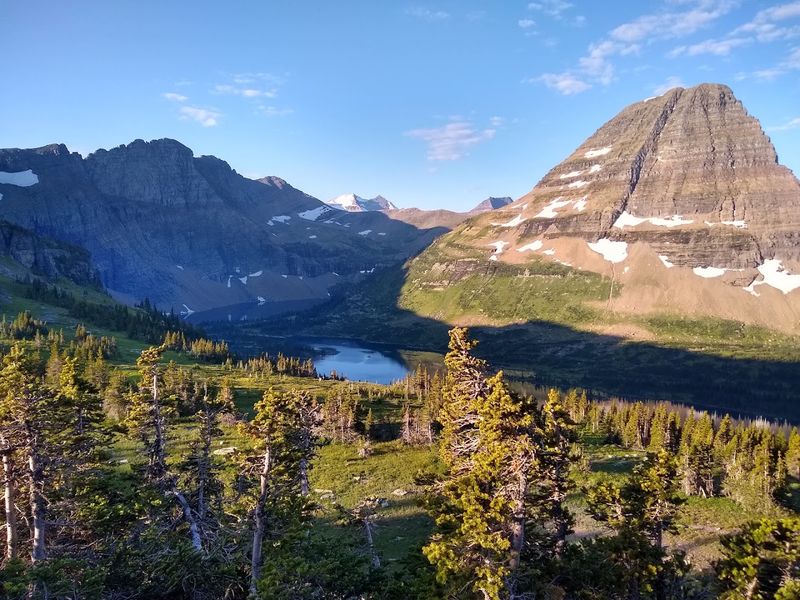
Glacier National Park earned its name honestly, and the landscape reflects it in every direction. Jagged peaks, snowfields that linger well into summer, and narrow mountain trails carved into cliffsides define the hiking experience here.
The scenery is spectacular, and so is the potential for things to go sideways quickly.
Grizzly bear density in Glacier is among the highest in the continental United States. Rangers consider bear spray essential, not optional, for anyone hiking in the backcountry.
Make noise on the trail, hike in groups when possible, and know how to use your bear spray before you need it. Surprise encounters are the most dangerous kind.
Trail conditions in early season can be deceptive. Snow-covered paths can hide sheer drop-offs, unstable edges, or icy surfaces that send hikers sliding.
Several trails require microspikes or ice axes well into June. Weather changes rapidly at elevation, and afternoon thunderstorms roll in faster than many visitors anticipate.
Hypothermia is a real risk even in summer if you are caught wet and underdressed. The Going-to-the-Sun Road offers incredible views but has narrow lanes and exposure to rockfall.
Checking trail and road conditions through the park’s official site before any outing is a habit that pays off every time.
Rocky Mountain National Park – Colorado
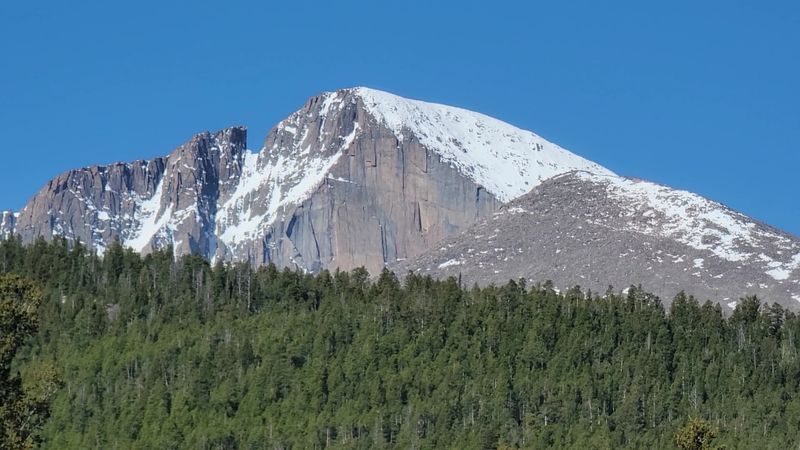
Rocky Mountain National Park sits almost entirely above 8,000 feet in elevation, and a good chunk of its trails push above 12,000 feet. That altitude is not just a number; it is a physical challenge that can affect even fit, healthy visitors who are not accustomed to thin air.
Altitude sickness does not care how athletic you are.
Symptoms of altitude sickness include headache, nausea, dizziness, and extreme fatigue. If you feel them, the best remedy is simple: go lower.
Ignoring symptoms and pushing higher is how mild altitude sickness becomes a medical emergency. Rangers recommend spending a night at lower elevation before attempting high-altitude hikes, and staying well hydrated throughout your visit.
Afternoon thunderstorms are almost a daily occurrence in summer, especially above treeline. Lightning strikes on exposed ridges are a serious danger, and storms can build with startling speed.
Experienced hikers aim to summit or reach high points before noon and descend well before storms arrive. Trails like Longs Peak attract ambitious climbers but require solid fitness, technical route knowledge, and early start times, often 3 a.m. or earlier.
Cold temperatures at elevation can surprise visitors dressed for the warm valley. Layers, rain gear, and a flexible schedule are the smartest things you can bring to this park.
Olympic National Park – Washington
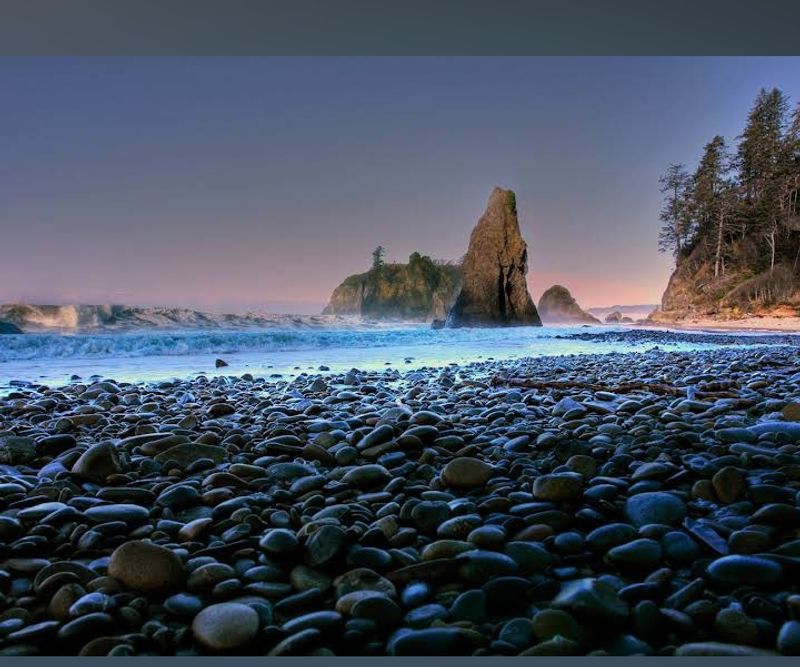
Olympic National Park might be the most ecologically diverse park in the country, packing rugged Pacific coastline, ancient rainforest, and glacier-capped mountains all into one visit. That variety is thrilling, but it also means visitors face a wider range of hazards than almost anywhere else in the national park system.
The coastal section is where rangers see some of the most unexpected emergencies. Sneaker waves, which are sudden, powerful surges of water that arrive without warning, have swept visitors off rocks and beaches along Olympic’s shoreline.
Turning your back on the ocean, even briefly, is something rangers specifically warn against. These waves can reach areas that look completely safe and dry.
The rainforest trails receive over 140 inches of rain annually, making roots, rocks, and wooden bridges perpetually slippery. Swift glacial rivers cross many backcountry routes, and water levels rise fast after rain.
The mountains in the park’s interior are remote and require serious navigation skills; getting lost here means a long wait for rescue. Coastal campers must also time their hikes around tide schedules, as some trail sections are only passable at low tide.
Carrying a printed tide chart alongside your map is one of the simplest and smartest safety moves you can make at Olympic.
Share this story