The East Coast is packed with small towns that punch way above their weight. Beyond the big cities, you’ll find charming harbor villages, historic streets, and island hideaways that feel like stepping into a different world.
These 15 towns offer something genuinely special, whether you’re chasing adventure, history, great food, or just a slower pace of life. Pack your bags, because these places are seriously worth the trip.
Kennebunkport, Maine
Few towns smell as good as Kennebunkport on a summer morning, when the salt air mixes with the aroma of fresh lobster rolls drifting out of waterfront shacks. This classic Maine fishing village has been charming visitors for well over a century, and it shows no signs of slowing down.
Dock Square sits at the heart of it all, lined with boutiques, galleries, and restaurants that manage to feel both upscale and genuinely welcoming.
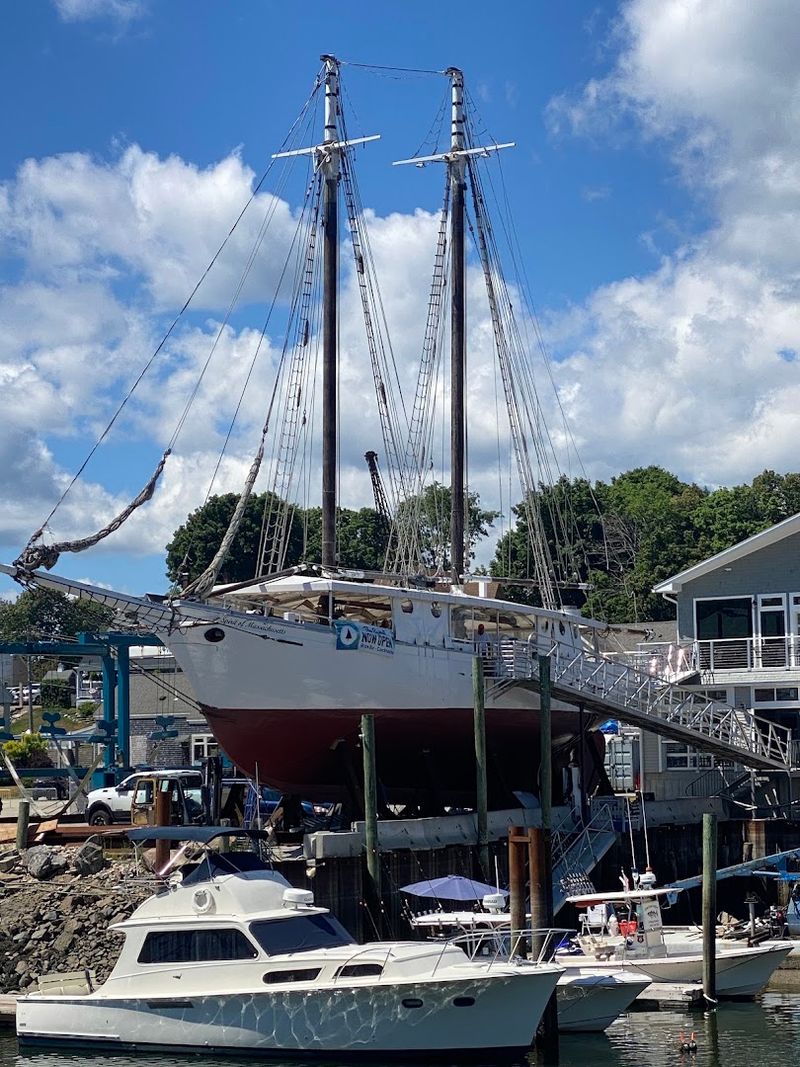
Beyond the shops, Kennebunkport’s harbor is a showstopper. Colorful lobster boats bob alongside sailboats while locals and tourists share the same wooden docks without a care in the world.
Sandy beaches stretch along the coast nearby, including Gooch’s Beach and Kennebunk Beach, both perfect for long afternoon walks.
History fans will want to spot Walker’s Point, the Bush family’s famous summer estate perched dramatically on a rocky peninsula. The town also hosts lively seasonal events, from Christmas prelit celebrations to summer art festivals.
Whether you’re cracking open a fresh lobster at a picnic table or browsing handmade jewelry, Kennebunkport delivers that perfect New England experience every single time.
Bar Harbor, Maine
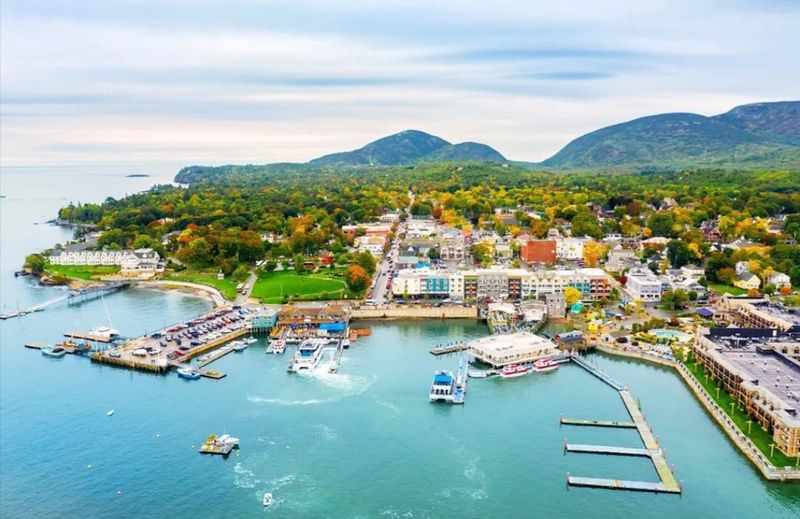
Standing at Bar Harbor’s Village Green and gazing out at Frenchman Bay, you instantly understand why people keep coming back here year after year. This lively coastal town sits right at the doorstep of Acadia National Park, giving it access to some of the most jaw-dropping scenery on the entire East Coast.
Cadillac Mountain looms in the background, and on clear days the views stretch endlessly over the Atlantic.
Whale-watching cruises leave Bar Harbor’s pier regularly throughout summer, offering chances to spot humpbacks and minkes up close. Back on land, the town’s restaurant scene is seriously impressive for its size.
Fresh-caught lobster, blueberry pie, and locally brewed craft beers make every meal feel like a celebration.
Hikers have dozens of trails to choose from inside Acadia, ranging from easy coastal paths to challenging granite summit climbs. The famous carriage roads, built by John D.
Rockefeller Jr., are ideal for cycling and walking. Bar Harbor’s Main Street fills with interesting shops, ice cream parlors, and art galleries that keep non-hikers happily entertained.
This town earns its reputation as one of Maine’s crown jewels without breaking a sweat.
Edgartown, Massachusetts
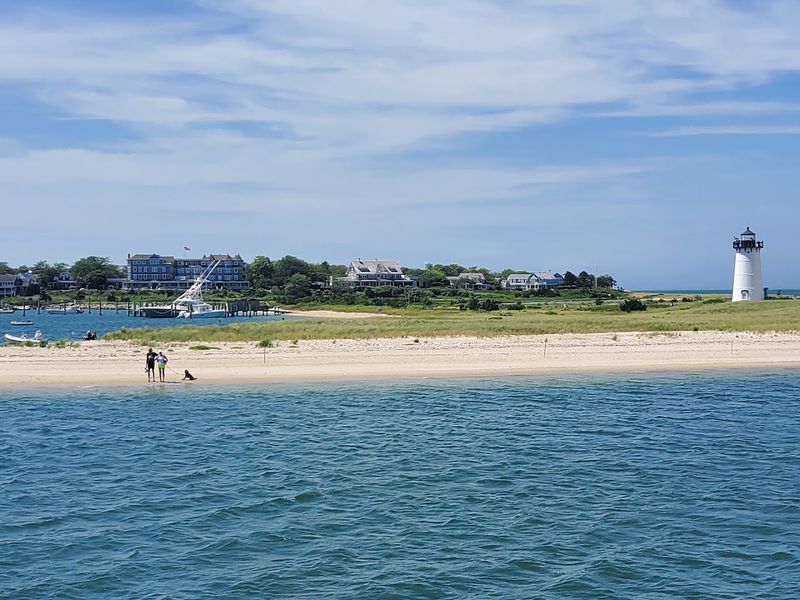
Edgartown carries itself with a quiet confidence that only comes from centuries of seafaring history. Tucked onto the eastern edge of Martha’s Vineyard, this town looks almost too perfect, with white-painted captain’s homes lining streets shaded by old oak trees.
It’s the kind of place where even a simple afternoon stroll feels like something worth writing home about.
The Edgartown Lighthouse is one of the island’s most photographed landmarks, sitting at the end of a sandy spit overlooking the harbor. Summer visitors can catch the On-Time Ferry, a tiny three-car ferry that crosses Edgartown Harbor to Chappaquiddick Island in about two minutes flat.
That short ride opens up miles of quiet beaches and wildlife refuges worth exploring.
Shopping in Edgartown leans upscale, with boutiques carrying everything from nautical prints to handcrafted jewelry. The restaurant scene matches that energy, offering fresh seafood, farm-to-table menus, and excellent local wines.
Oak Bluffs is just a short bike ride away for those wanting the famous gingerbread cottages and carnival atmosphere. Edgartown strikes a balance between relaxed island living and refined New England elegance that very few places manage to pull off so effortlessly.
Cape May, New Jersey
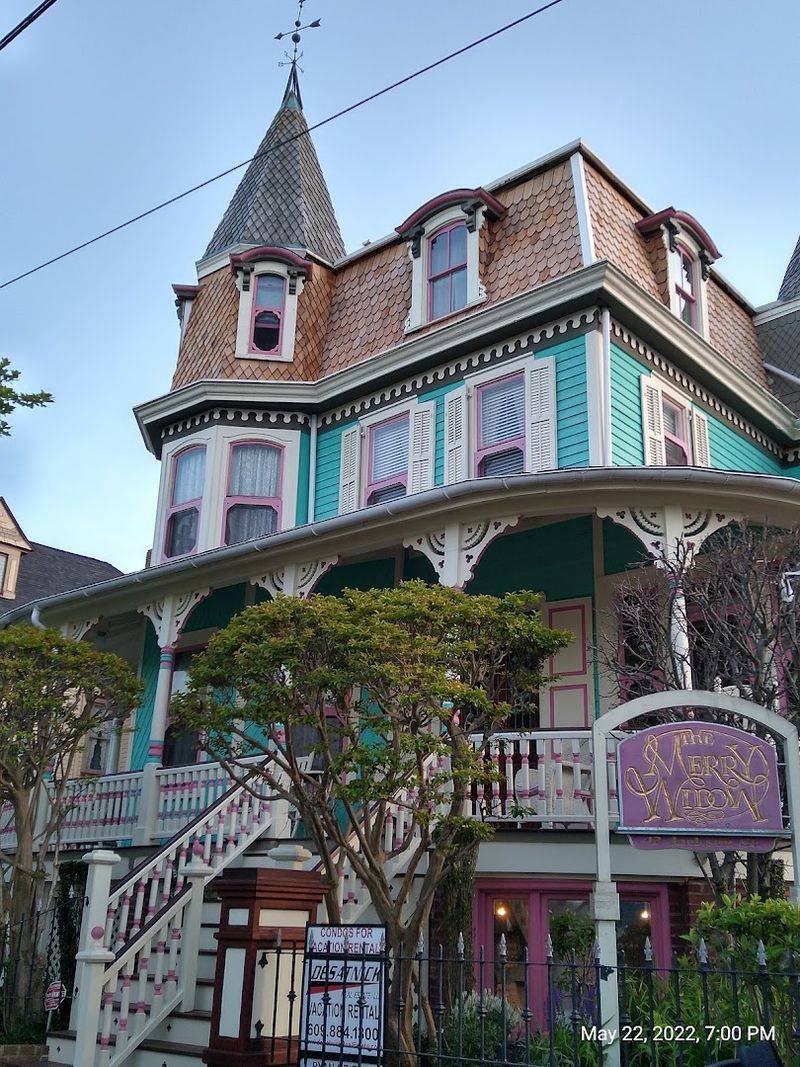
Nowhere on the Jersey Shore turns back the clock quite like Cape May. Recognized as a National Historic Landmark, this seaside resort town has been welcoming vacationers since before the Civil War, and its collection of Victorian architecture is genuinely unmatched anywhere in America.
Walking its streets feels like flipping through a beautifully illustrated history book, except the ice cream is real and it’s absolutely delicious.
The town’s broad, clean beaches stretch along a peninsula where the Atlantic Ocean meets Delaware Bay. Families spread out on the sand while birders set up spotting scopes nearby, because Cape May sits along one of the most important bird migration routes on the continent.
Spring and fall bring thousands of rare species through, making it a hotspot for wildlife enthusiasts.
Horse-drawn carriage rides through the gaslit streets at dusk are a Cape May tradition that never gets old. The iconic Cape May Lighthouse offers a sweeping panoramic view from its top platform, well worth the 199-step climb.
The Washington Street Mall provides a pedestrian shopping experience filled with local boutiques and cozy cafes. Cape May proves that some classics stay classic for very good reasons.
Mystic, Connecticut
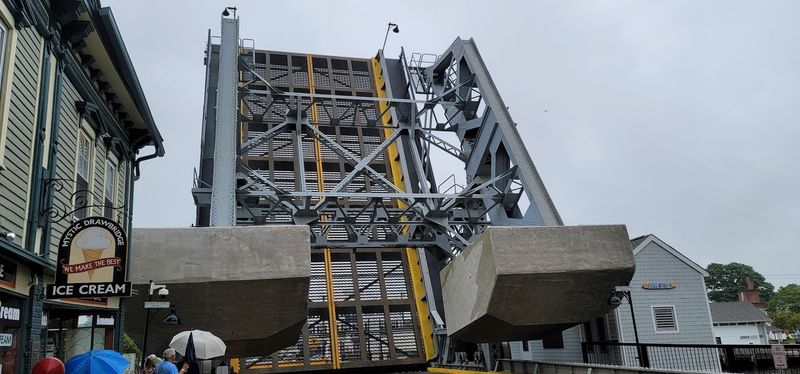
The old drawbridge in the center of Mystic has been opening and closing for ships since 1922, and watching it rise for a passing sailboat is still one of the most satisfying small-town moments you can find anywhere on the East Coast. Mystic built its reputation on maritime history, and that heritage runs deep through every cobblestone street and weathered dock.
The town feels genuinely alive with the spirit of the sea.
Mystic Seaport Museum is the crown jewel here, preserving an entire 19th-century seafaring village complete with historic vessels, working craftspeople, and interactive exhibits. It’s the kind of place where kids and adults both lose track of time completely.
The Charles W. Morgan, America’s last surviving wooden whaling ship, floats right there in the harbor and is open for visitors to explore.
Downtown Mystic lines both banks of the Mystic River with excellent restaurants, indie shops, and the famous Mystic Pizza, which inspired the 1988 Julia Roberts film of the same name. Sailing excursions depart regularly for those wanting to experience the water firsthand.
Mystic Aquarium adds another major attraction, making this small Connecticut town one of the most activity-packed destinations on the entire shoreline.
Aurora, New York
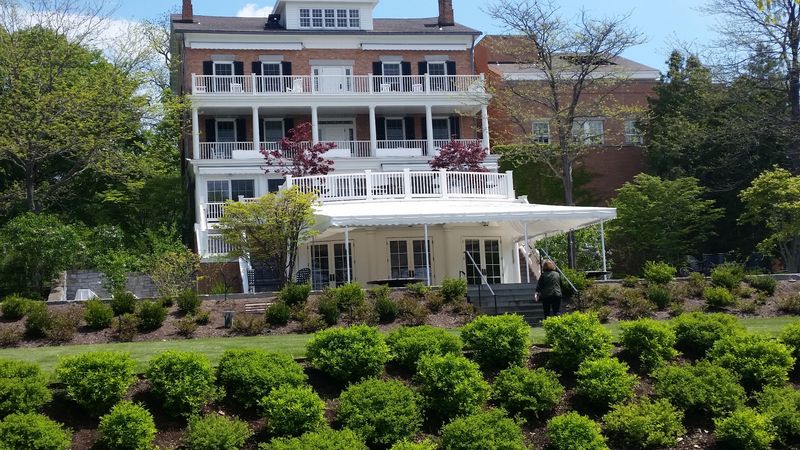
Blink and you might miss Aurora, but that would be a serious mistake. Sitting quietly on the eastern shore of Cayuga Lake in New York’s Finger Lakes region, this tiny village of fewer than 700 residents somehow manages to pack in a boutique inn, excellent wineries, stunning lake views, and one of the most peaceful atmospheres on the entire East Coast.
Small does not mean boring here.
The Aurora Inn, a beautifully restored Federal-style landmark dating to 1833, anchors the village with refined dining and lakeside rooms that feel genuinely luxurious without being stuffy. Guests often spend entire afternoons on the inn’s porch watching the light change across Cayuga Lake.
Kayaking and paddleboarding on the lake are popular warm-weather activities that let you appreciate the scenery from a completely different angle.
Nearby Finger Lakes wineries produce award-winning Rieslings and Cabernet Francs that rival anything coming out of more famous wine regions. The rolling hills surrounding Aurora burst into spectacular color every autumn, drawing leaf-peepers who quickly realize this is one of the region’s most underrated fall destinations.
Aurora rewards travelers who prefer depth over crowds, and that quiet confidence is exactly what makes it so special.
Meredith, New Hampshire
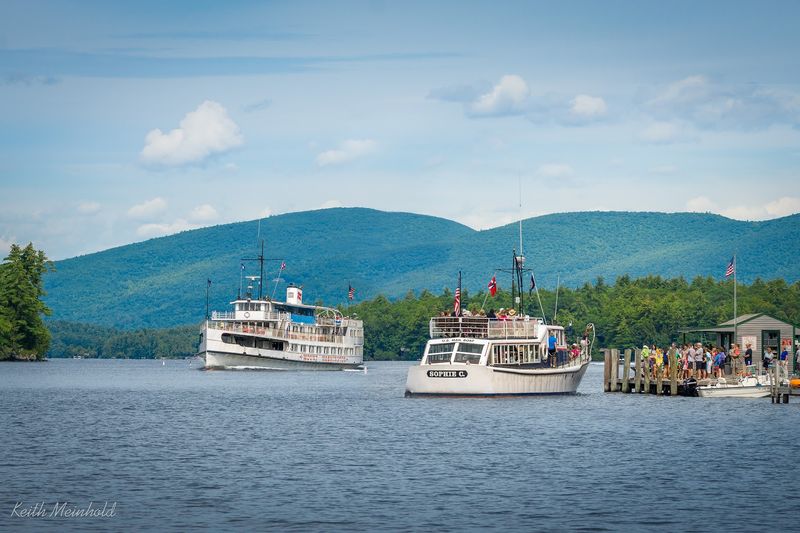
Lake Winnipesaukee has 274 islands and 283 miles of shoreline, and Meredith has the good fortune of sitting right along its western edge with front-row views of all that natural splendor. This welcoming New Hampshire town knows exactly what it has, and it makes the most of every season without ever feeling like it’s trying too hard.
Summer brings boaters and swimmers; fall brings foliage so vivid it almost seems digitally enhanced.
The MS Mount Washington, a classic lake cruise ship, departs from Meredith’s docks for scenic tours of Winnipesaukee that locals have been taking for generations. Kayaking and paddleboarding are equally popular for those preferring a more hands-on water experience.
The White Mountains loom impressively in the distance, adding dramatic backdrop to every lakeside photo.
Meredith’s compact downtown features galleries, craft shops, and restaurants that cater to visitors without losing their local character. The Annalee Doll Museum is a quirky regional treasure worth a visit.
Winter transforms the area into a snowmobile and ice-fishing destination, proving that Meredith’s appeal doesn’t hibernate when the temperature drops. With the mountains on one side and the lake on the other, this town enjoys a geographic sweet spot that few New England destinations can match.
St. Marys, Georgia
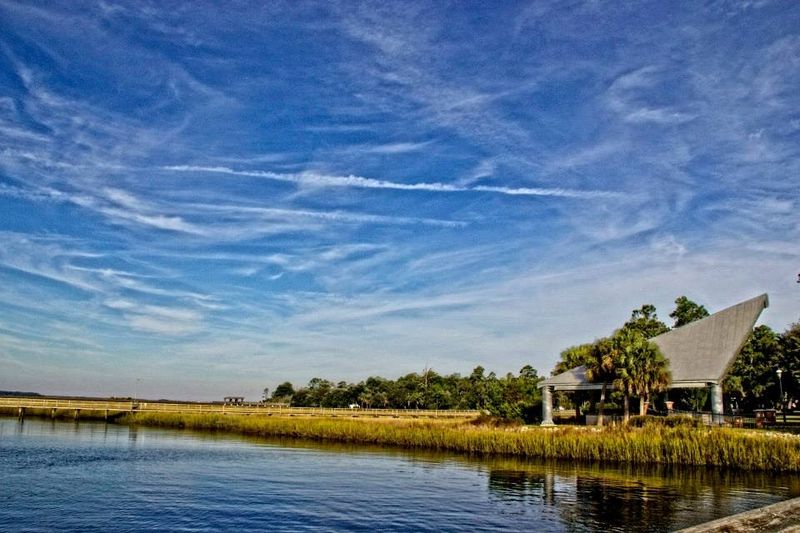
Wild horses roam freely on Cumberland Island, and the only way to reach them is by ferry from St. Marys, Georgia. That single fact alone makes this quiet riverfront town worth knowing about.
Sitting at the southernmost tip of the Georgia coast, St. Marys serves as the launching point for one of the most extraordinary natural experiences on the entire East Coast, yet it somehow remains off most tourists’ radar.
Cumberland Island National Seashore preserves 36,000 acres of maritime forest, wild beaches, and historic ruins, including the crumbling Dungeness mansion once owned by the Carnegie family. The island sees fewer than 300 visitors per day, keeping the experience genuinely wild and uncrowded.
Back in St. Marys, the charming historic district offers antebellum homes, waterfront parks, and friendly local restaurants serving fresh Georgia shrimp.
The town’s Oak Grove Cemetery dates to the 1780s and provides a fascinating glimpse into early American coastal life. St. Marys also sits adjacent to the Kings Bay Naval Submarine Base, giving it an interesting mix of military history and natural beauty.
For travelers who value authenticity over tourist traps, St. Marys delivers an experience that feels genuinely undiscovered, even though it absolutely deserves to be famous.
Beaufort, South Carolina
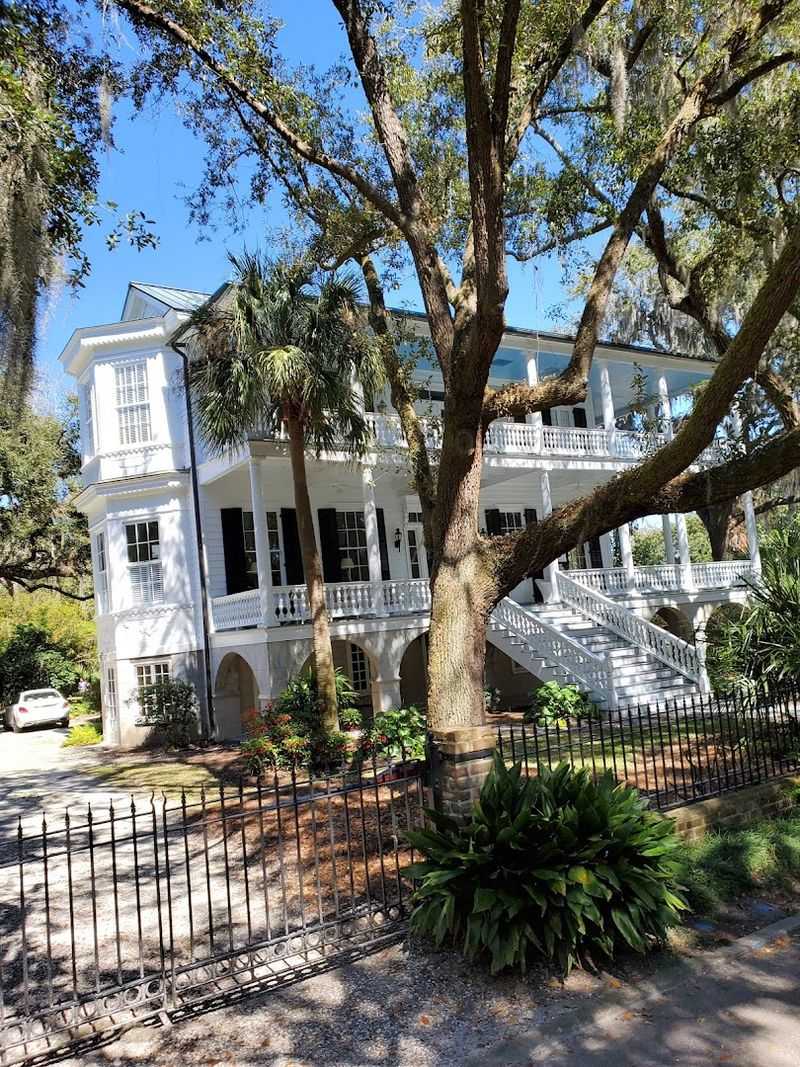
Spanish moss hangs from every live oak tree in Beaufort like nature’s own decoration, and the effect is nothing short of magical. This South Carolina Lowcountry gem sits on Port Royal Island, surrounded by tidal marshes and sea islands that give it a lush, almost dreamy quality.
Hollywood noticed long ago, using Beaufort as a filming location for movies including Forrest Gump, The Big Chill, and The Great Santini.
The Historic District contains some of the finest antebellum architecture in the American South, with grand plantation-style homes lining the Battery and Bay Street. Many of these homes survived the Civil War because Union troops used Beaufort as a headquarters, making it a fascinating case study in wartime preservation.
Walking tours cover this history in engaging detail without feeling like a lecture.
Beaufort’s waterfront park offers stunning views across the Beaufort River, with shrimp boats passing regularly and dolphins occasionally visible in the tidal currents. The local food scene centers on Lowcountry classics like shrimp and grits, she-crab soup, and pulled pork that has been slow-cooked to perfection.
Kayaking through the surrounding marshes reveals a side of the South that feels completely removed from the modern world. Beaufort earns its reputation as one of the region’s most beautiful small towns every single day.
Marathon, Florida
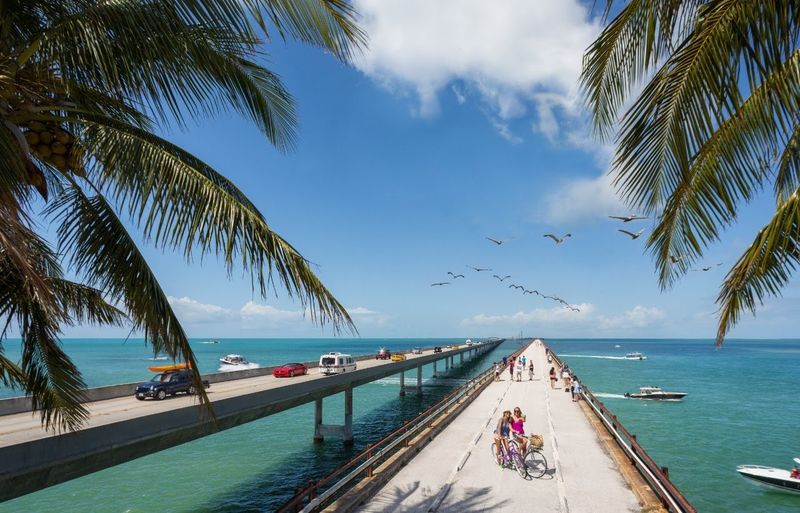
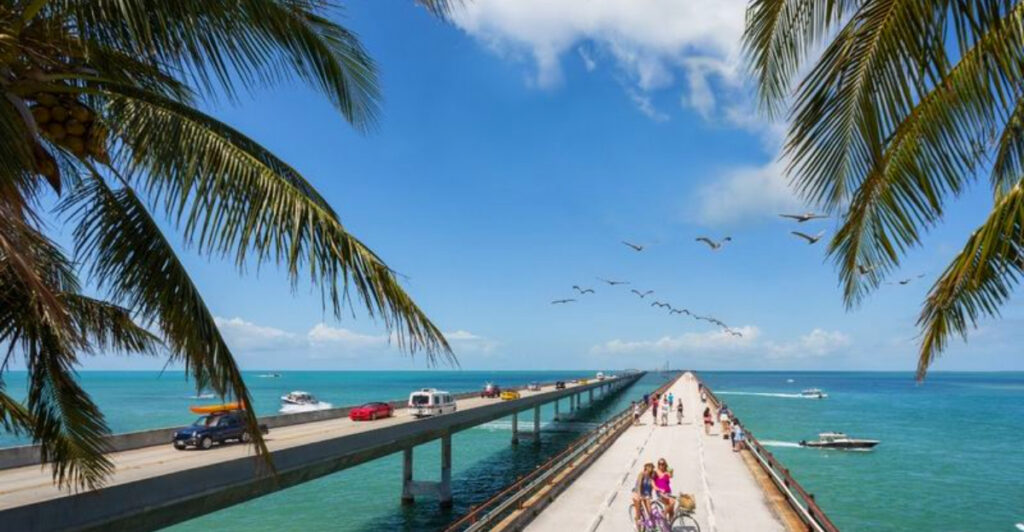
Stretched across 13 islands connected by the iconic Seven Mile Bridge, Marathon occupies one of the most spectacularly unique geographic positions of any town in America. Turquoise water surrounds it on all sides, and the horizon seems to go on forever in every direction.
This is the Florida Keys at their most accessible and most authentically local, without the crowds that overwhelm Key West just down the road.
The Florida Keys National Marine Sanctuary puts world-class coral reef snorkeling and diving within easy reach of Marathon’s shores. Crane Point Hammock preserves a rare tropical hardwood forest with nature trails, a natural history museum, and one of the Keys’ most peaceful green spaces.
Fishing here is legendary, with tarpon, bonefish, and mahi-mahi all within range of anglers of every skill level.
The Turtle Hospital, a working sea turtle rehabilitation center, offers behind-the-scenes tours that are genuinely moving and educational. Sombrero Beach provides a rare free public beach with calm, clear water perfect for swimming with kids.
Sunset celebrations happen nightly at local tiki bars where the atmosphere is effortlessly relaxed. Marathon proves that the Florida Keys experience doesn’t require fighting tourist crowds to be truly memorable and deeply enjoyable.
St. Augustine, Florida
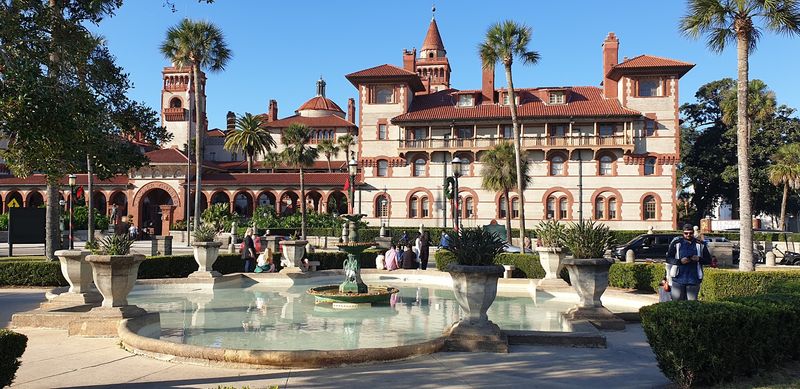
Founded in 1565 by Spanish explorer Pedro Menendez de Aviles, St. Augustine holds the title of America’s oldest continuously inhabited European-established city, and it wears that distinction like a badge of honor. Walking its narrow brick streets feels like moving through layers of history, from Spanish colonial rule to British occupation to American statehood.
Very few American towns carry that kind of layered story in such a compact, walkable space.
The Castillo de San Marcos, a massive coquina stone fortress completed in 1695, dominates the waterfront and remains one of the best-preserved colonial military structures in the country. Guided ghost tours run nightly through the old city, and St. Augustine’s reputation as one of America’s most haunted towns keeps those tours fully booked.
Whether or not you believe in ghosts, the atmospheric old streets after dark are genuinely spooky and entertaining.
Flagler College, housed in a stunning Gilded Age hotel built by Henry Flagler in 1888, anchors the historic district with breathtaking architecture. The Fountain of Youth Archaeological Park adds a legendary layer to the already rich historical experience.
St. George Street’s pedestrian zone fills with shops, bakeries, and restaurants that serve everything from traditional Spanish cuisine to creative modern Florida cooking. St. Augustine rewards curious visitors endlessly.
Jim Thorpe, Pennsylvania
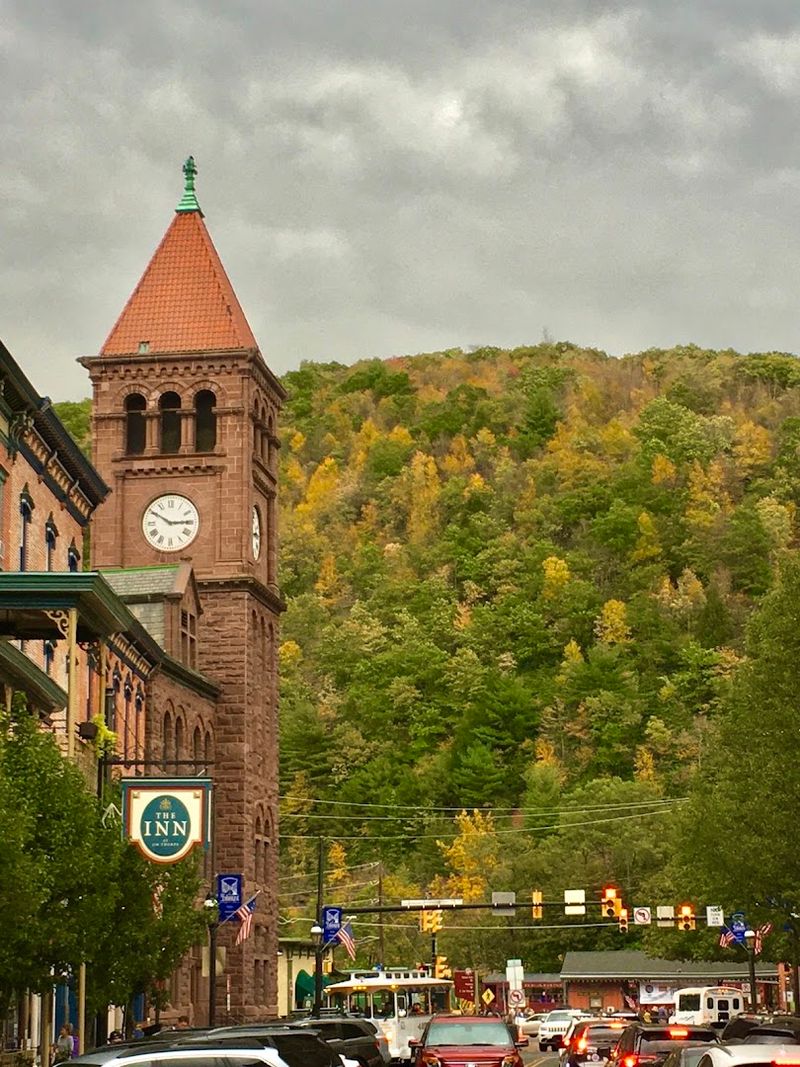
Nicknamed the Switzerland of America long before Instagram existed, Jim Thorpe earns that comparison through sheer visual drama. Perched in the Pocono Mountains of Carbon County, this Pennsylvania gem tumbles down steep hillsides in a cascade of Victorian architecture, church steeples, and leafy overlooks that genuinely stop visitors in their tracks.
It’s the kind of town that makes you reach for your camera before you’ve even parked the car.
The historic Lehigh Gorge State Park wraps around the town, offering white-water rafting, mountain biking, and hiking trails that draw outdoor adventurers from across the mid-Atlantic region. Every fall, the foliage along the Lehigh River gorge turns into a stunning natural spectacle that rivals anything New England has to offer.
The Switchback Railroad Trail follows the route of America’s first roller coaster, a converted coal mining railway, for a fascinating historical hike.
Jim Thorpe’s downtown brims with antique shops, art galleries, cozy bed-and-breakfasts, and restaurants that punch above their weight in quality and creativity. The Asa Packer Mansion, a beautifully preserved Italianate estate, offers tours that bring the town’s Gilded Age prosperity vividly to life.
The town was also renamed in 1954 to honor the legendary Native American Olympic athlete Jim Thorpe, adding a compelling human story to its already rich identity.
Harpers Ferry, West Virginia
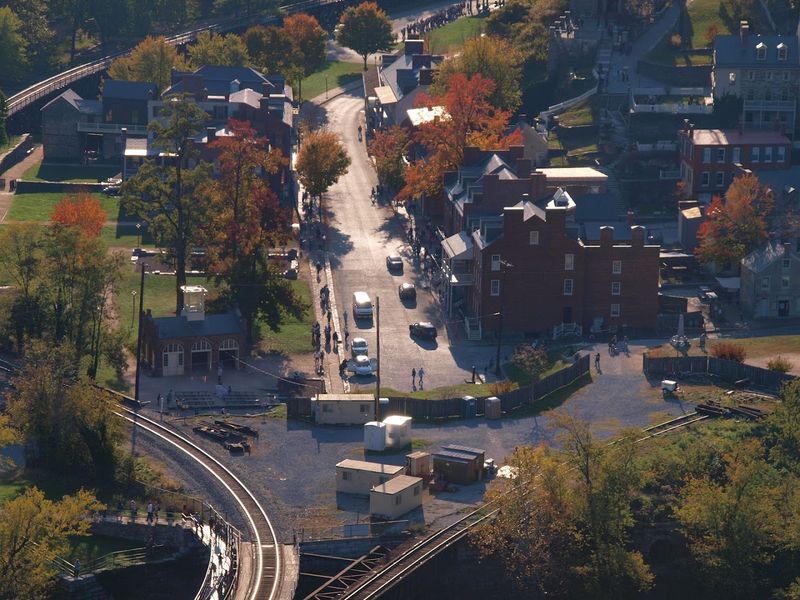
Two rivers collide at Harpers Ferry, the Potomac and the Shenandoah, and the resulting scenery is so dramatic that Thomas Jefferson once called the view worth a voyage across the Atlantic. That quote is over 200 years old, and the view still holds up.
This West Virginia town sits at one of the most geographically striking locations of any settlement on the entire East Coast, where three states meet at the water’s edge.
Harpers Ferry National Historical Park preserves the lower town almost exactly as it appeared in the 19th century, with stone buildings, original storefronts, and interpretive exhibits covering John Brown’s famous 1859 raid on the federal arsenal. That event helped push the nation toward the Civil War, giving this small town an outsized place in American history.
Rangers lead excellent walking tours that bring the complicated story to life with real nuance.
The Appalachian Trail passes directly through town, making Harpers Ferry a beloved waypoint for long-distance hikers completing the trail’s 2,190-mile journey. Whitewater kayaking and tubing on the Shenandoah River are wildly popular during summer months.
Rock climbing, mountain biking, and fishing round out an outdoor recreation menu that keeps active visitors coming back repeatedly. Harpers Ferry somehow manages to be both historically profound and genuinely fun at the same time.
Niantic, Connecticut
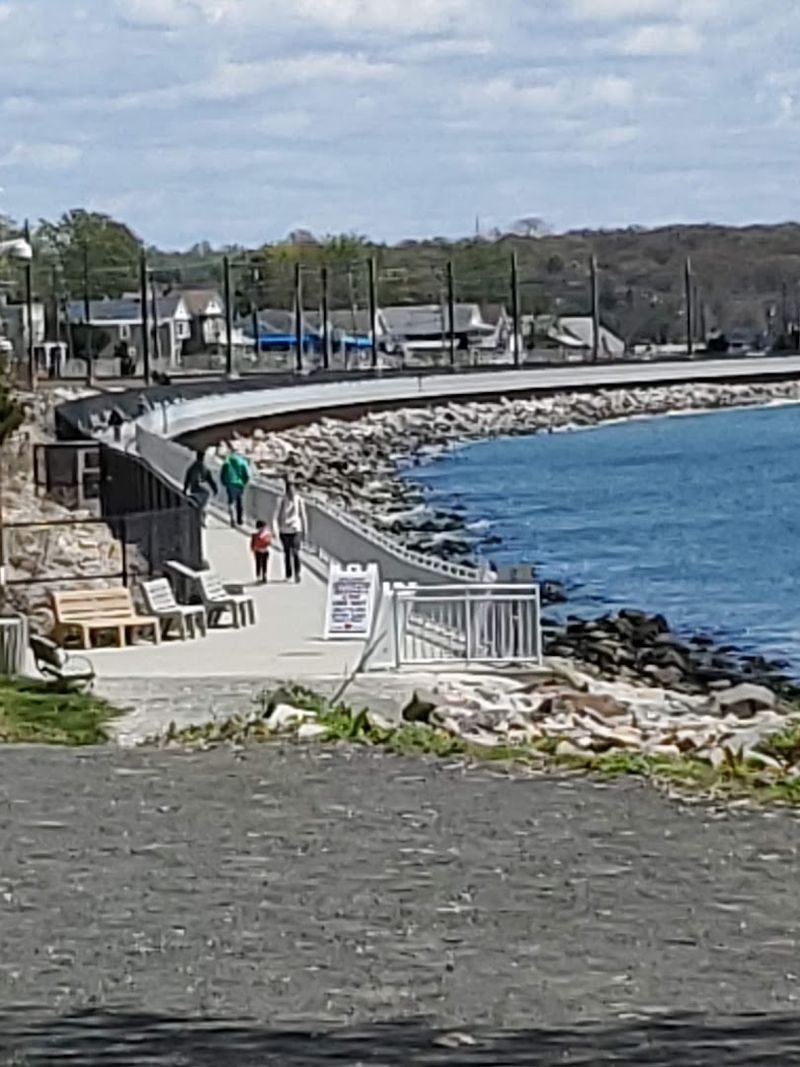
Book lovers have been making pilgrimages to Niantic for decades, drawn by the Book Barn, a sprawling used bookstore spread across multiple buildings and outdoor areas where cats wander freely between the shelves. That alone would be enough to earn this Connecticut shoreline village a devoted following.
Fortunately, Niantic has plenty more going for it beyond its literary reputation.
Niantic Bay Boardwalk stretches along the shoreline of Long Island Sound, offering a flat, scenic walking path with views across the water toward Long Island on clear days. Rocky Neck State Park sits just minutes away, featuring one of the finest public beaches in Connecticut with calm, swimmable water and shaded picnic areas.
The town’s Main Street has maintained a genuinely local character, with independent restaurants, coffee shops, and boutiques that feel nothing like a tourist trap.
The Niantic River estuary creates a rich wildlife habitat right in the town’s backyard, popular with kayakers and birdwatchers who appreciate the peaceful natural setting. The town hosts a popular farmer’s market during the warmer months that showcases Connecticut’s excellent local produce and artisan food makers.
Niantic sits at that sweet spot between charming and convenient, close enough to major highways to reach easily but far enough removed to feel like a genuine escape from everyday life.
Annapolis, Maryland
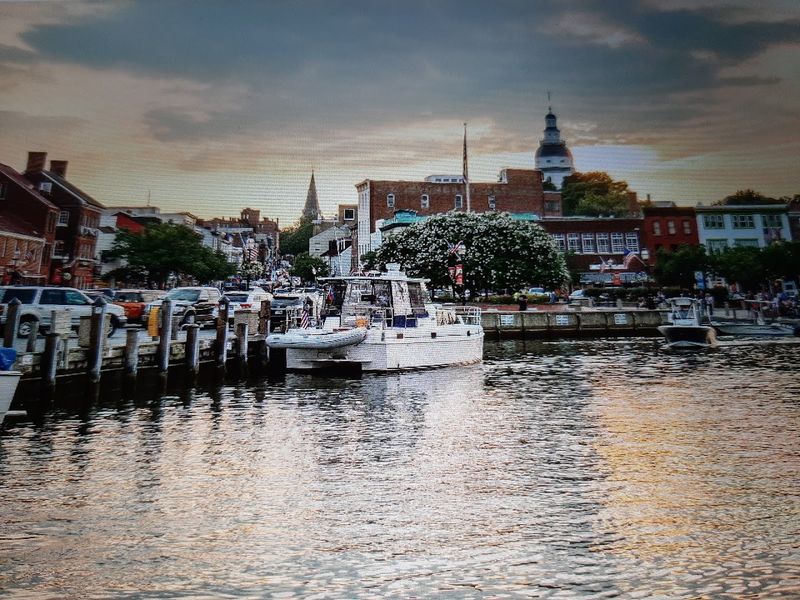
Annapolis calls itself the sailing capital of the United States, and with hundreds of sailboats filling its harbor on any given weekend, that claim is hard to argue against. Maryland’s state capital manages the impressive trick of being both a working government city and one of America’s most beautiful and enjoyable small waterfront towns simultaneously.
The historic district alone contains more 18th-century brick buildings than any other city in the country.
The United States Naval Academy occupies a stunning campus right on the Severn River, and its daily noon formation is open to the public, offering a memorable glimpse into military tradition and discipline. The Academy Museum traces the history of the U.S.
Navy through fascinating artifacts, including John Paul Jones’s crypt located beneath the Naval Academy Chapel. History here isn’t behind glass, it’s woven into the everyday fabric of the city.
City Dock, known locally as Ego Alley, is where sailors parade their boats past admiring onlookers in a beloved Annapolis tradition. Crab houses along the waterfront serve steamed blue crabs seasoned with Old Bay in an experience that feels quintessentially Maryland.
The Maryland State House, the oldest still-functioning state capitol in the country, rises above it all with quiet authority. Annapolis delivers history, sailing, and seafood in a combination that’s genuinely hard to beat anywhere on the East Coast.
Share this story