Long before high-speed trains and air travel, railways opened remote landscapes, connected communities, and transformed the way people explored the world. Today, many historic railways have been lovingly preserved, allowing travelers to ride vintage steam locomotives through breathtaking mountains, forests, and coastlines.
Some are even recognized as UNESCO World Heritage Sites for their engineering and cultural significance. Whether you are a train enthusiast or simply love a scenic adventure, these legendary railways are sure to capture your imagination.
Darjeeling Himalayan Railway – India
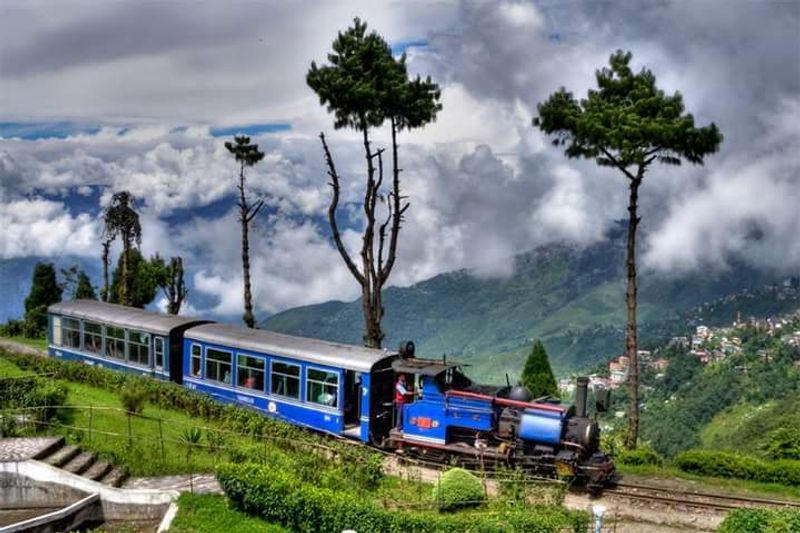
Nicknamed the “Toy Train” not because it is small in spirit, but because its narrow tracks and tiny locomotive look almost too charming to be real, the Darjeeling Himalayan Railway has been chugging through the Himalayan foothills since 1881. UNESCO awarded it World Heritage status in 1999, recognizing its outstanding engineering and cultural value.
The train winds through bustling hill towns, sprawling tea estates, and jaw-dropping mountain scenery on its way to Darjeeling. Passengers get front-row seats to some of the most spectacular views in all of Asia.
On clear days, the snow-capped peak of Kanchenjunga, the world’s third-highest mountain, dominates the horizon.
Locals often walk alongside the slow-moving train through town, giving the journey a wonderfully relaxed, community feel. The route covers about 88 kilometers and includes several famous loop sections where the track literally spirals around itself to gain elevation.
Riding this railway feels less like transportation and more like a living history lesson wrapped in mountain air and tea-scented breeze.
Jacobite Steam Train – Scotland
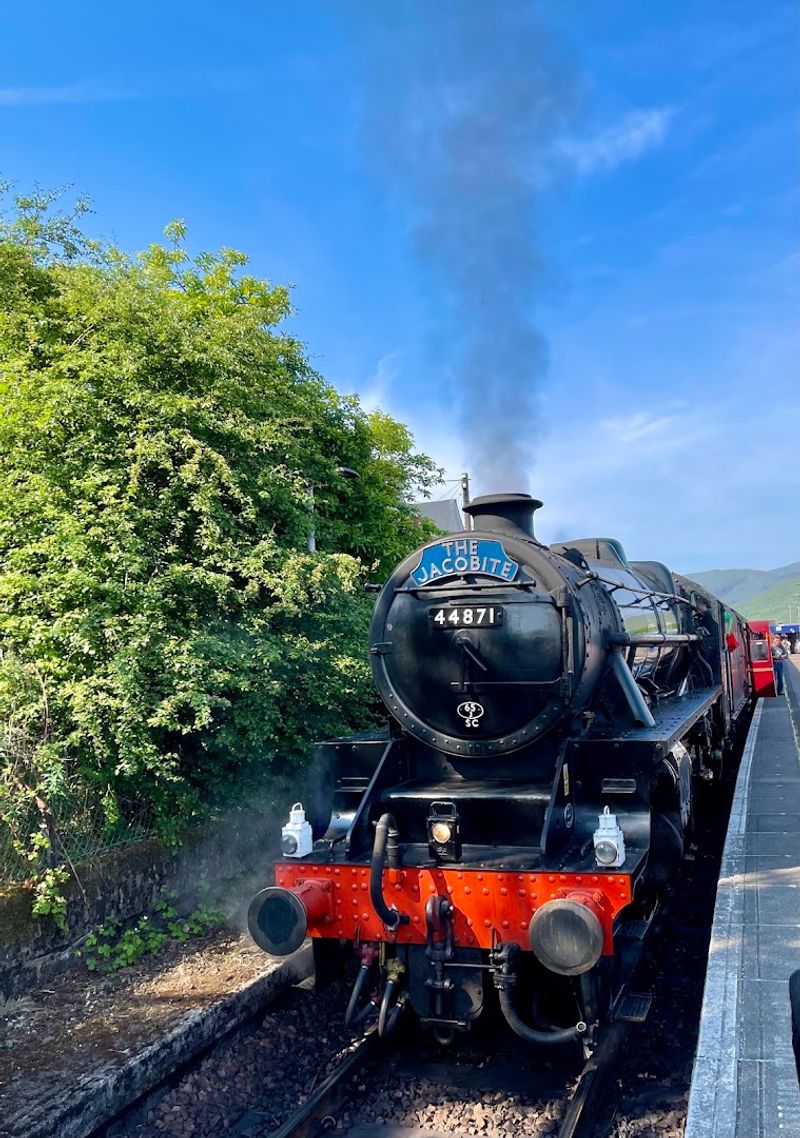
Harry Potter fans, rejoice. The Jacobite Steam Train is widely recognized as the real-life inspiration for the Hogwarts Express, and crossing the Glenfinnan Viaduct aboard it feels genuinely magical.
The 21-arch stone viaduct stretches across a Highland valley so cinematic it barely looks real.
Running between Fort William and Mallaig on Scotland’s rugged west coast, this 84-mile round trip showcases some of the most dramatic scenery in all of Europe. Passengers pass shimmering sea lochs, ancient forests, remote fishing villages, and towering Highland peaks along the way.
The journey takes about two hours each way, giving you plenty of time to soak it all in.
The Jacobite operates seasonally from May to October, so planning ahead is essential. Steam enthusiasts particularly love the moment when the locomotive releases great billowing clouds of white steam as it crosses the viaduct, creating a scene straight from a storybook.
Even travelers who have never once thought about trains find themselves completely captivated by this extraordinary Highland adventure. Bring a camera, because you will want to photograph absolutely everything.
Rhaetian Railway Bernina Express – Switzerland
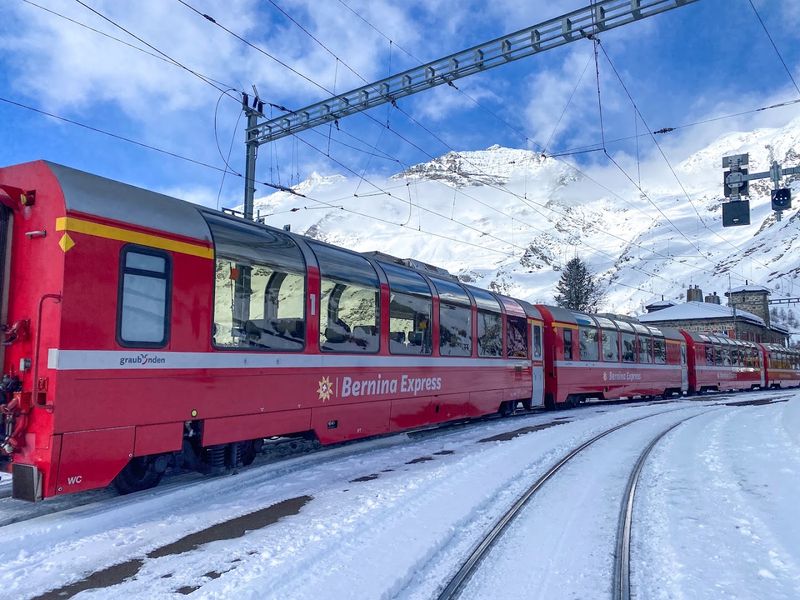
Imagine sitting in a panoramic glass-roofed carriage while a bright red train carries you across soaring stone viaducts and through spiral tunnels carved right into the heart of the Swiss Alps. That is exactly what riding the Bernina Express feels like, and it is every bit as extraordinary as it sounds.
The Rhaetian Railway, which includes the Bernina line, earned UNESCO World Heritage recognition in 2008 alongside the Albula route. Together they represent one of the greatest feats of mountain railway engineering ever achieved.
The Bernina Pass, at 2,253 meters above sea level, is the highest railway crossing in the Alps and one of the highest in the entire world.
The full journey between Chur in Switzerland and Tirano in Italy covers 122 kilometers and passes through four distinct climate zones. You start surrounded by glaciers and alpine snowfields, then gradually descend into sunny Italian palm groves and vineyards.
The contrast is almost unbelievable. Trains run year-round, making winter journeys through snow-blanketed mountains particularly breathtaking.
Booking a window seat in the panoramic car is absolutely the right call.
Durango & Silverton Narrow Gauge Railroad – Colorado, USA
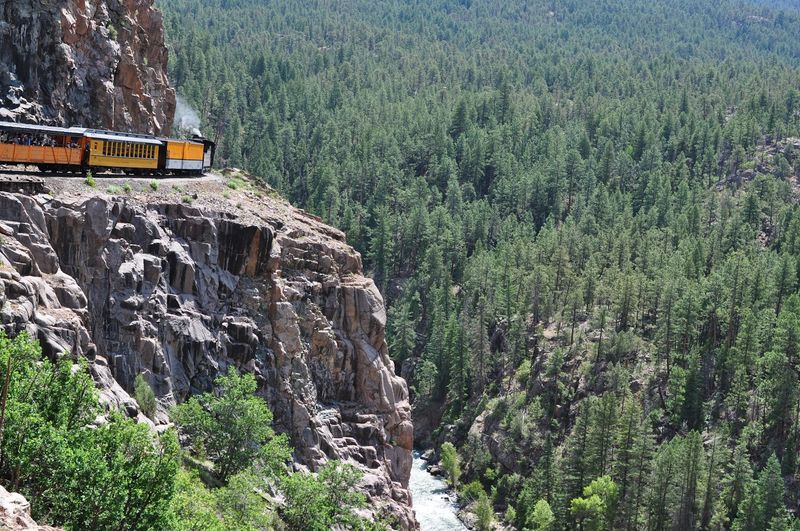
Coal smoke, canyon walls, and the thunderous rush of the Animas River below your window set the mood immediately aboard the Durango and Silverton Narrow Gauge Railroad. This legendary Colorado railway has been running continuously since 1882, making it one of the longest-operating heritage railroads in the entire United States.
The 45-mile journey from Durango to the old silver-mining town of Silverton climbs through some of the most rugged and remote terrain in the Rocky Mountains. Much of the route clings to narrow ledges carved directly into canyon walls, with the river churning hundreds of feet below.
There are no roads paralleling this section, meaning the train is the only way in or out for much of the journey.
Originally built to haul silver and gold ore from the mountains, the railroad today carries around 200,000 passengers each year. The vintage open-air gondola cars are especially popular with photographers eager to capture the raw canyon scenery without glass in the way.
A National Historic Landmark since 1968, this railroad is both a thrilling ride and a genuine slice of American frontier history. Pack layers, because the mountain air can be surprisingly chilly even in summer.
Flam Railway – Norway
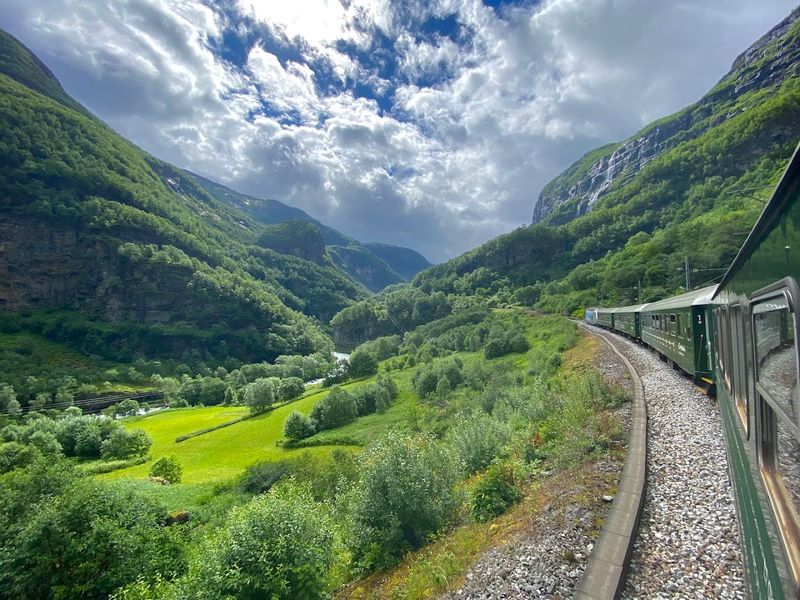
Dropping nearly 900 meters in elevation over just 20 kilometers, the Flam Railway is one of the steepest standard-gauge railways anywhere on the planet. The numbers alone are impressive, but nothing truly prepares you for the actual experience of watching Norway’s fjord landscape unfold outside your window as the train descends from snowy mountain heights toward the glittering waters below.
The journey from Myrdal down to Flam village passes thundering waterfalls, sheer rock faces, and valleys so steep they barely see sunlight in winter. The train actually stops midway so passengers can step outside and photograph the spectacular Kjosfossen waterfall up close.
On summer days, performers in traditional costumes sometimes appear near the falls, adding a theatrical touch to the already dramatic scenery.
The railway was completed in 1940 after 20 years of construction, a remarkable achievement given the extreme terrain involved. Today it is consistently ranked among the most beautiful train journeys in the world, attracting over a million visitors annually.
The entire round trip takes roughly two hours, making it a perfect day excursion from Bergen or the fjord villages nearby. Seats on the left side of the descending train offer the best waterfall views.
Ffestiniog Railway – Wales
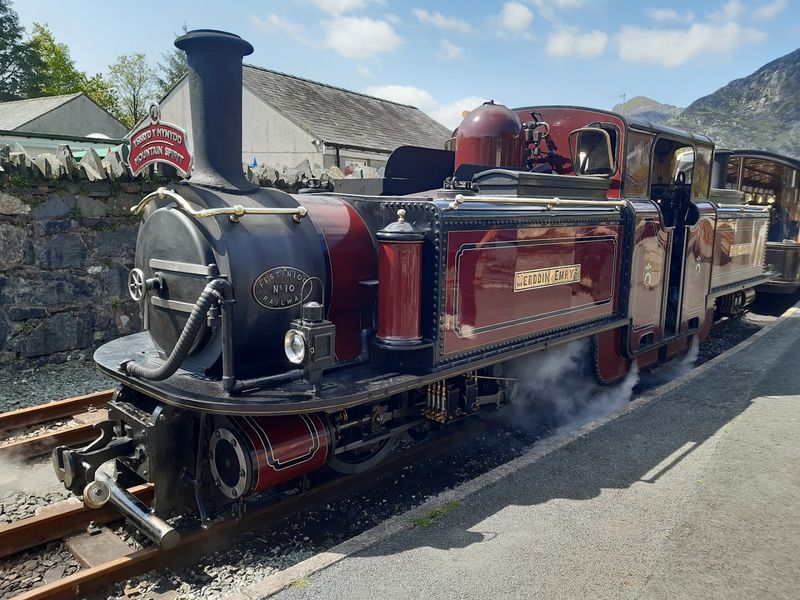
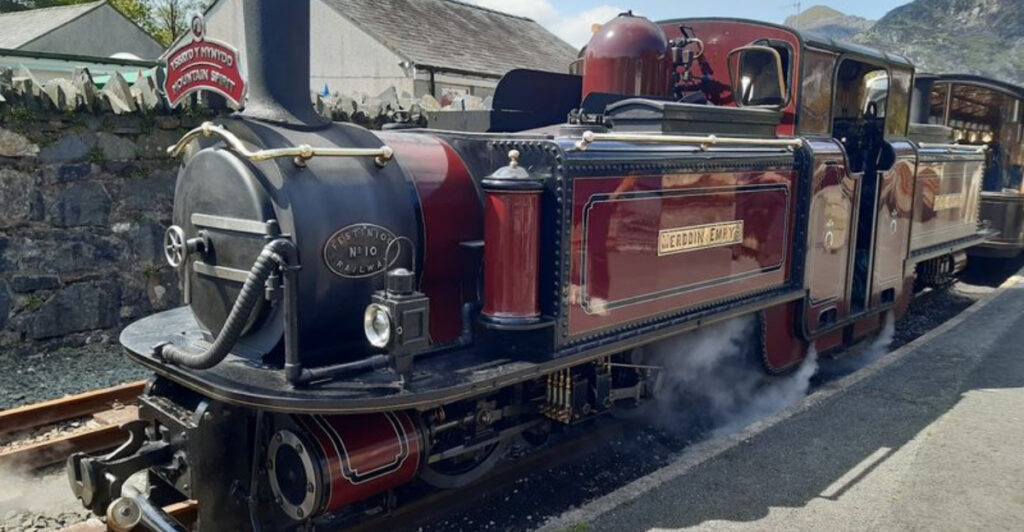
Hold on to this fact: the Ffestiniog Railway has been running since 1836, making it the oldest independent narrow-gauge railway still operating anywhere in the world. That is almost 190 years of continuous service through the rugged, slate-rich mountains of north Wales, and the railway still runs with tremendous pride and passion.
Originally built to carry slate from the quarries of Blaenau Ffestiniog down to the harbor at Porthmadog, the line was eventually converted to carry passengers through the stunning landscapes of Snowdonia National Park. The 13.5-mile journey winds through forests, past lakes, and along hillside ledges with sweeping views of the Welsh mountains.
Vintage double-ended locomotives and lovingly restored Victorian carriages add to the old-world atmosphere.
The railway is largely run by volunteers, which gives it a wonderfully warm, community-driven character. Annual steam galas and special events draw enthusiasts from across the world who share a deep love for heritage rail.
Kids absolutely love the open observation cars, while adults tend to appreciate the genuinely historic rolling stock. Combined tickets are available with the Welsh Highland Railway, allowing travelers to experience two legendary Welsh railways in a single trip.
That is quite a deal.
Nilgiri Mountain Railway – India
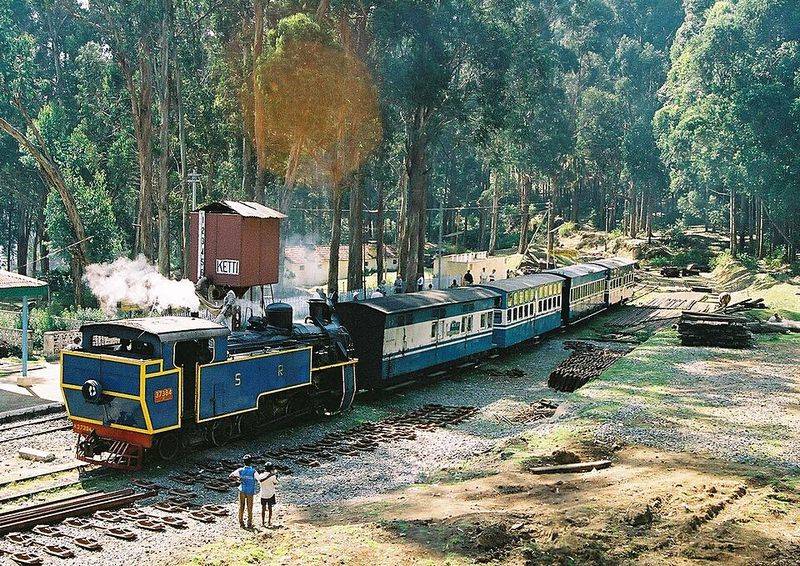
There is something wonderfully stubborn about a train that refuses to accept the laws of steep gradients. The Nilgiri Mountain Railway solves the problem of extreme slopes with a brilliant rack-and-pinion system, where a toothed rail runs between the standard tracks and a cog on the locomotive meshes into it, gripping the hill like a determined mountain climber.
Opened in 1908 and recognized as a UNESCO World Heritage Site in 2005, this southern Indian railway climbs from Mettupalayam at 326 meters all the way up to Ooty at 2,203 meters. The 46-kilometer journey passes through 16 tunnels, across 250 bridges, and through some of the most lush and biodiverse forests in all of India.
Waterfalls appear around nearly every bend.
The train moves at a gentle pace, rarely exceeding 12 kilometers per hour on the steepest sections, which gives passengers plenty of time to appreciate the changing scenery. Tea estates, eucalyptus forests, and tiny hill villages scroll past the windows like a slow-moving nature documentary.
The steam locomotive used on the lower rack section is one of the last of its kind still in regular passenger service anywhere in the world, making every journey genuinely historic.
White Pass & Yukon Route – Alaska & Canada
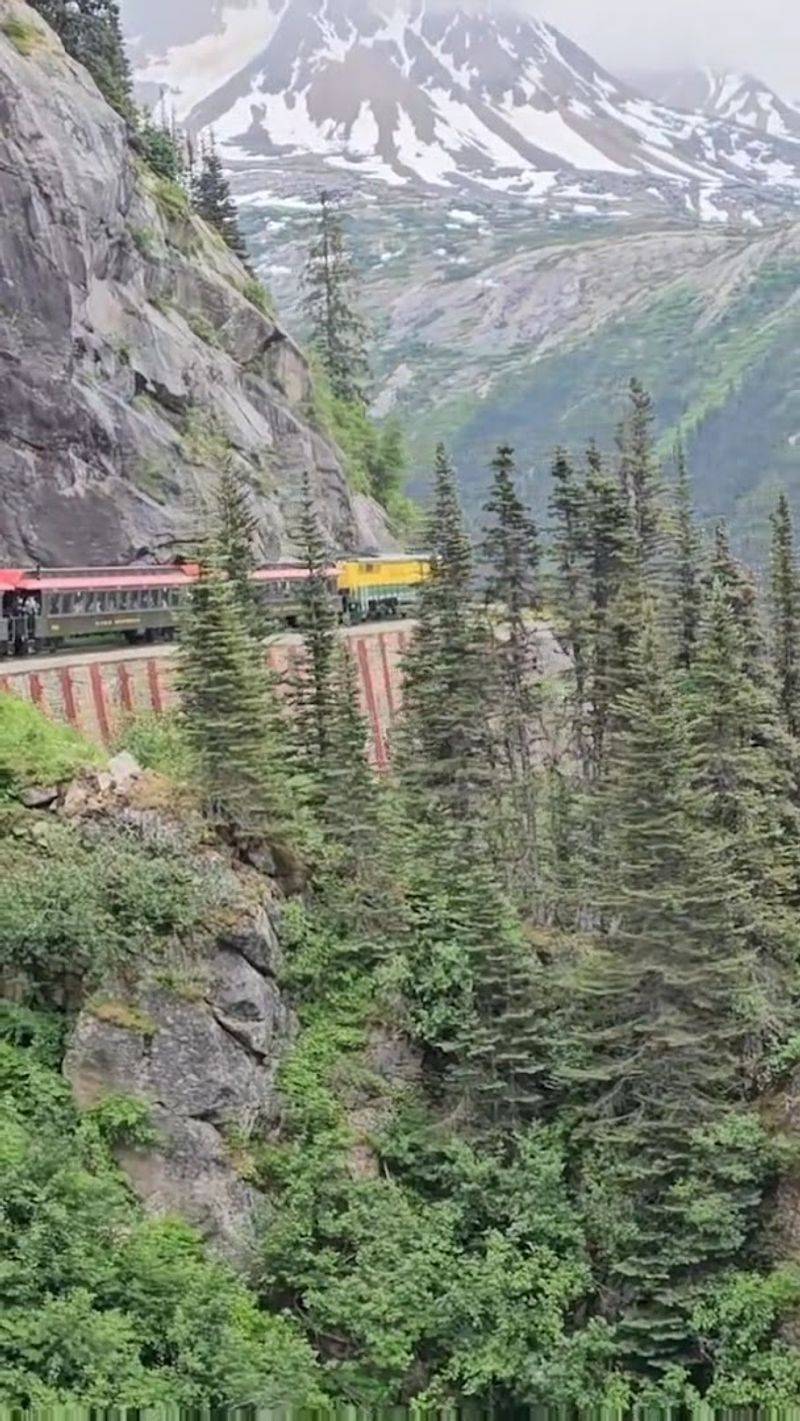
Built during one of history’s most frantic gold rushes, the White Pass and Yukon Route railroad was hammered into existence between 1898 and 1900 through some of the most unforgiving terrain in North America. Thousands of workers blasted and carved the route through solid granite cliffs above Skagway, Alaska, and the result is a railway that still looks almost impossibly dramatic today.
The narrow-gauge line climbs nearly 3,000 feet in just 20 miles, clinging to cliff edges above dizzying drops while passing glaciers, waterfalls, and the remains of the original gold rush trail. On clear days, the views stretch across vast Alaskan wilderness with no sign of civilization in any direction.
Vintage parlor cars and open observation platforms make the scenery even more accessible.
The railway earned National Historic Landmark status in 1978 and remains one of Alaska’s most popular tourist attractions. Many visitors arrive by cruise ship in Skagway and take the train as a shore excursion, often calling it the single best experience of their entire cruise.
The route crosses into British Columbia, Canada, adding an international dimension to what is already a pretty extraordinary journey. Gold rush history, mountain drama, and wilderness grandeur all in one ride.
Cumbres & Toltec Scenic Railroad – Colorado & New Mexico, USA
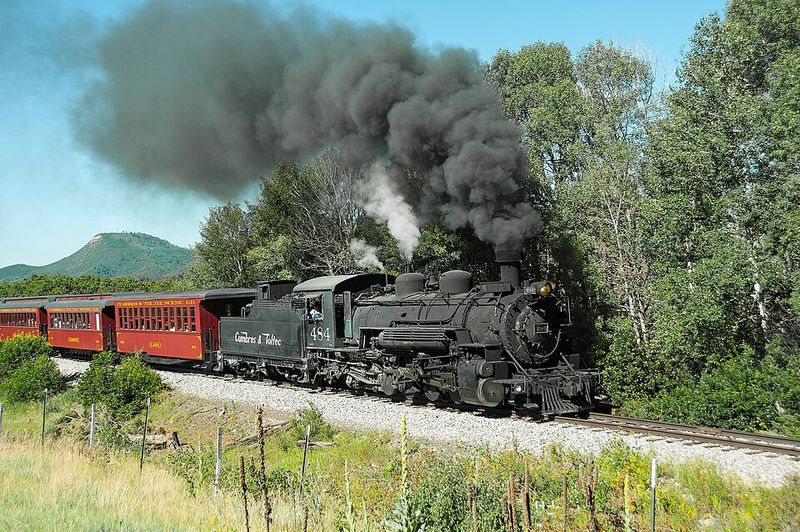
Straddling the border between Colorado and New Mexico at elevations above 10,000 feet, the Cumbres and Toltec Scenic Railroad holds the title of America’s highest and longest narrow-gauge steam railroad still in operation. At 64 miles of track, it is also one of the most authentic surviving examples of what western American mountain railroading actually looked like in the 1880s.
The route crosses the 10,015-foot Cumbres Pass, threads through the dramatic Toltec Gorge, and rolls through remote forests and meadows that have changed very little since the railroad was first built in 1880. There are no highways running alongside this section of track, giving the journey a genuine sense of wilderness isolation that is increasingly rare in modern travel.
Elk, deer, and eagles are regular sightings along the route.
Both the states of Colorado and New Mexico jointly own and operate the railroad as a living history museum, ensuring its preservation for future generations. The vintage equipment, including original wooden coaches and working steam locomotives, is meticulously maintained.
Photographers, history enthusiasts, and families with curious kids all find something to love here. The annual Cumbres and Toltec photo freight, where photographers ride open gondolas specifically for shooting, is a bucket-list event for railway fans worldwide.
Kalka-Shimla Railway – India
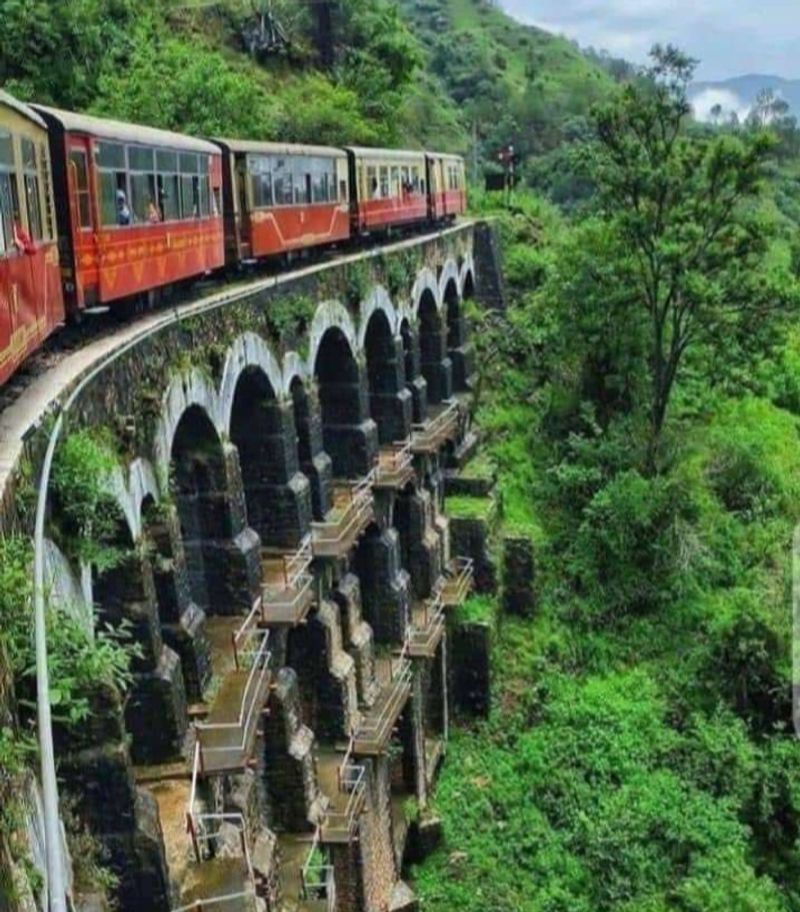
More than 100 tunnels, over 800 bridges, and nearly 1,000 curves packed into just 96 kilometers of track: the Kalka-Shimla Railway is an engineering adventure that makes your head spin in the best possible way. Completed in 1903 during the British colonial era, the line was built to connect the summer capital of British India, Shimla, with the plains below.
UNESCO recognized the railway as a World Heritage Site in 2008, grouping it with the Darjeeling and Nilgiri mountain railways as part of India’s remarkable mountain railway heritage. The train climbs from Kalka at 656 meters to Shimla at 2,076 meters, offering constantly changing views of forested ridges, deep valleys, and charming Himalayan villages clinging to steep hillsides.
The journey takes about five to six hours, which sounds long until you realize the scenery keeps changing so dramatically that boredom never gets a chance. Passengers frequently spot monkeys, colorful birds, and mountain flowers right from their carriage windows.
The tiny stations along the route are beautifully maintained, many with flower gardens and original colonial-era architecture still intact. Shimla itself, with its Victorian buildings and Himalayan views, makes the entire journey worthwhile even before you step off the train.
West Highland Line – Scotland
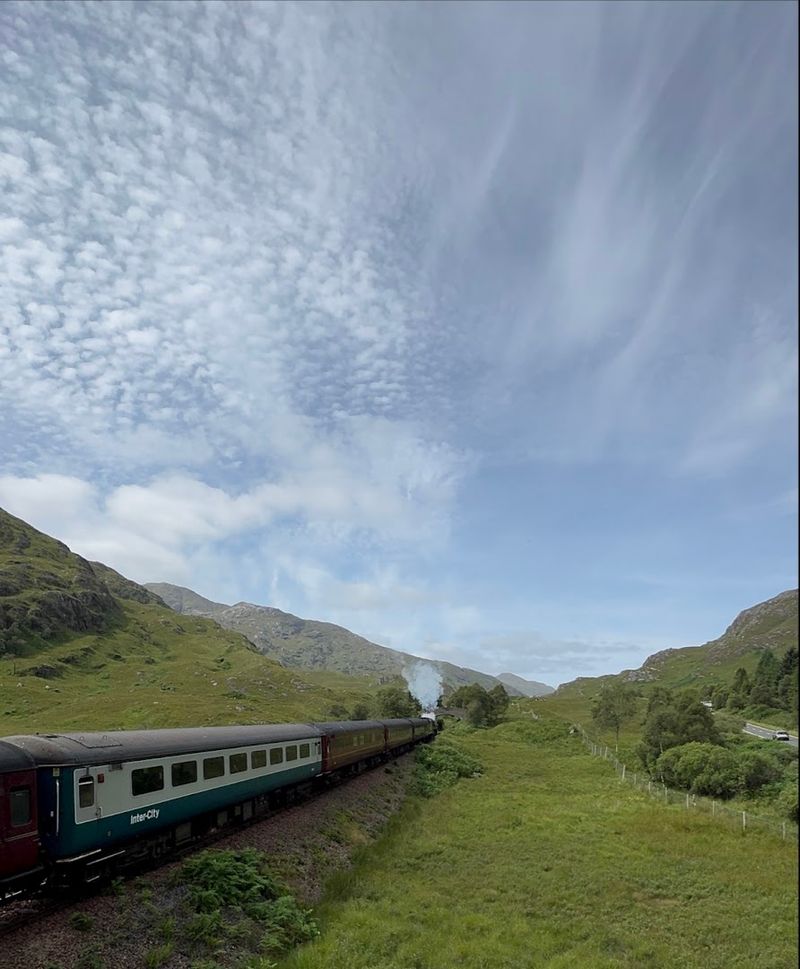
Rannoch Moor is one of the most desolate and hauntingly beautiful places in all of Britain, and the West Highland Line crosses right through the heart of it. The railway is consistently voted one of the greatest scenic rail journeys on earth, and once you have seen Rannoch Moor rolling past your window under a stormy Scottish sky, it is very hard to argue otherwise.
The full route runs from Glasgow to Mallaig via Fort William, covering 164 miles of lochs, moorlands, mountains, and remote coastal scenery. Key highlights include the Horseshoe Curve near Tyndrum, the lonely station at Corrour which is the highest mainline station in Britain, and the spectacular approach to the coast near Arisaig where white sand beaches and turquoise waters look more Caribbean than Scottish.
Regular ScotRail services run the full route, making it accessible without needing a special excursion booking. The Caledonian Sleeper also travels this line, allowing passengers to fall asleep in the city and wake up deep in the Highlands.
Autumn is particularly spectacular, when the moorland turns shades of amber, rust, and gold. Winter journeys through snow-covered mountains have a raw, almost otherworldly quality that dedicated travelers seek out specifically.
Puffing Billy Railway – Victoria, Australia
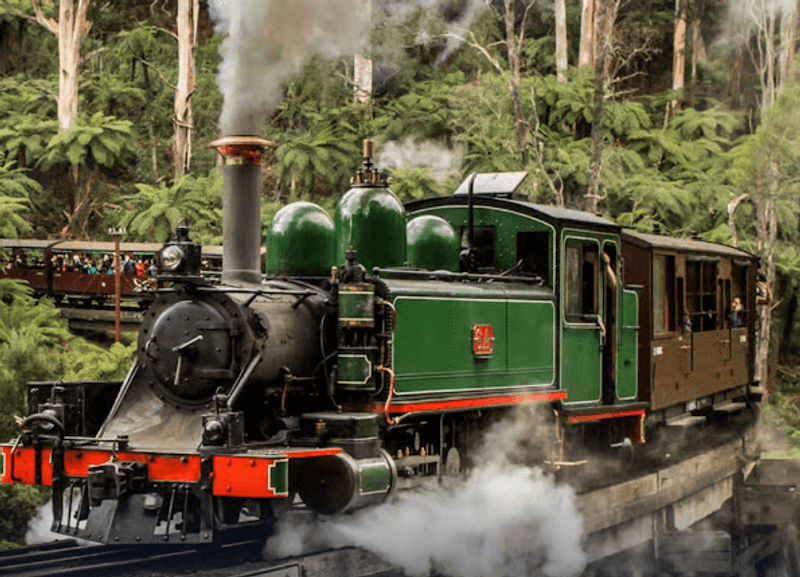
Dangling your legs out of a moving train window is not something most railways allow, but Puffing Billy is not most railways. The beloved open-sided carriages of this Victorian heritage line have invited passengers to sit on the wooden window ledges and let their feet hang freely for well over a century, creating one of the most joyfully unusual travel experiences in Australia.
Operating since 1900 through the Dandenong Ranges east of Melbourne, Puffing Billy runs 25 kilometers through some of the most beautiful eucalyptus forest in Victoria. The smell of wood smoke from the steam locomotive mingles with the scent of damp forest as the little green train trundles through fern gullies and past towering mountain ash trees.
It is a deeply sensory experience.
The railway is staffed almost entirely by volunteers, many of whom have dedicated decades to keeping this historic line alive. Special event trains run throughout the year, including Thomas the Tank Engine days for young children and evening dining trains for adults.
Puffing Billy attracts around 400,000 visitors annually, making it one of Victoria’s most popular tourist attractions. The Belgrave to Gembrook route is the longest stretch, offering the fullest experience of the forest scenery and the locomotive’s cheerful personality.
Welsh Highland Railway – Wales
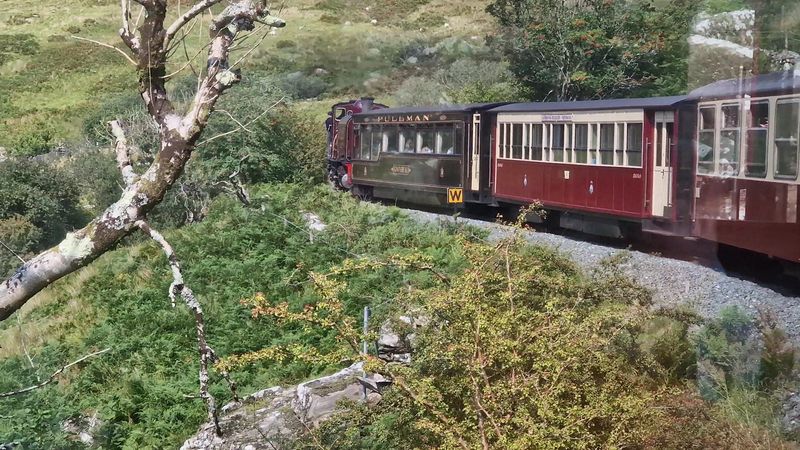
Britain’s longest heritage railway stretches 25 miles through the heart of Snowdonia, and every single mile earns its place on the list. The Welsh Highland Railway runs between Caernarfon on the north Wales coast and Porthmadog in the south, threading through landscapes so wild and varied that the journey feels like traveling through several different countries at once.
The route passes through the dramatic Aberglaslyn Pass, a narrow rocky gorge where the train squeezes between ancient stone walls with barely a meter to spare on either side. It crosses open mountain moorland, forested valleys, and the base of Snowdon itself, Wales’s highest peak.
The locomotives used are powerful Beyer-Garratt articulated engines, some of the largest narrow-gauge steam engines ever built, and their deep exhaust beats echo magnificently off the surrounding mountains.
Restoration of the railway was completed in 2011 after decades of painstaking volunteer work, and the result is widely celebrated as one of the greatest railway preservation achievements in British history. Combined tickets with the Ffestiniog Railway allow travelers to complete a grand circular tour of the Snowdonia peninsula by steam train.
Spring wildflowers and autumn colors both provide spectacular seasonal backdrops. The Aberglaslyn section alone is worth the entire trip.
Trans-Iranian Railway – Iran
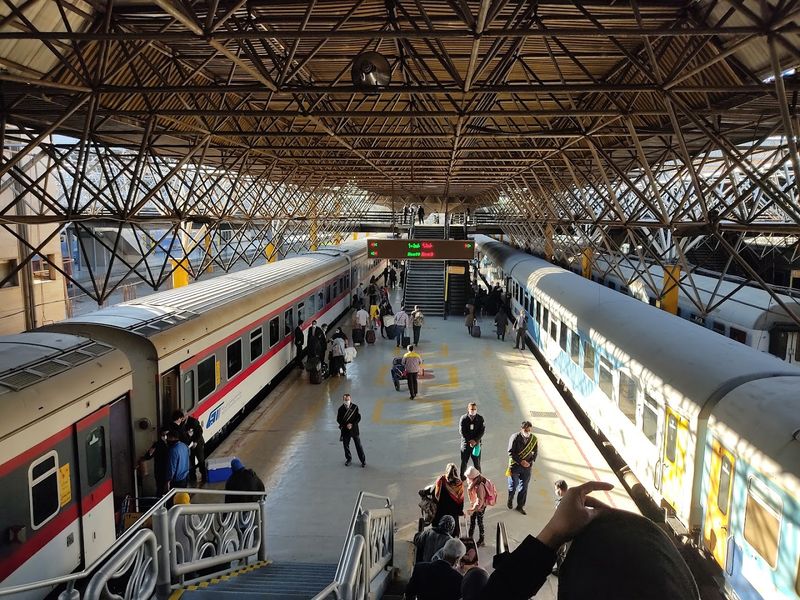
Completed in 1938 without a single foreign loan or engineer, the Trans-Iranian Railway stands as a remarkable symbol of national determination and engineering ambition. Iran built this 1,394-kilometer line entirely with domestic resources, crossing two major mountain ranges, bridging hundreds of gorges, and boring through more than 200 tunnels to connect the Caspian Sea in the north with the Persian Gulf in the south.
UNESCO inscribed the railway as a World Heritage Site in 2021, recognizing it as an outstanding technical achievement that adapted engineering solutions to some of the most challenging terrain on earth. The route climbs from near sea level to over 2,200 meters, passing through climate zones ranging from humid Caspian forests to baking desert plains.
The contrast between landscapes at either end of the journey is extraordinary.
The engineering statistics are genuinely staggering. The line includes 174 large bridges and 186 tunnels, some of which spiral inside mountains to gain elevation in a technique borrowed from Swiss alpine railway design.
Several viaducts soar over 100 meters above valley floors. While international tourism to Iran remains limited for many travelers, those who do make the journey consistently describe it as one of the most underrated and visually spectacular railway experiences in the entire world.
Strasburg Rail Road – Pennsylvania, USA
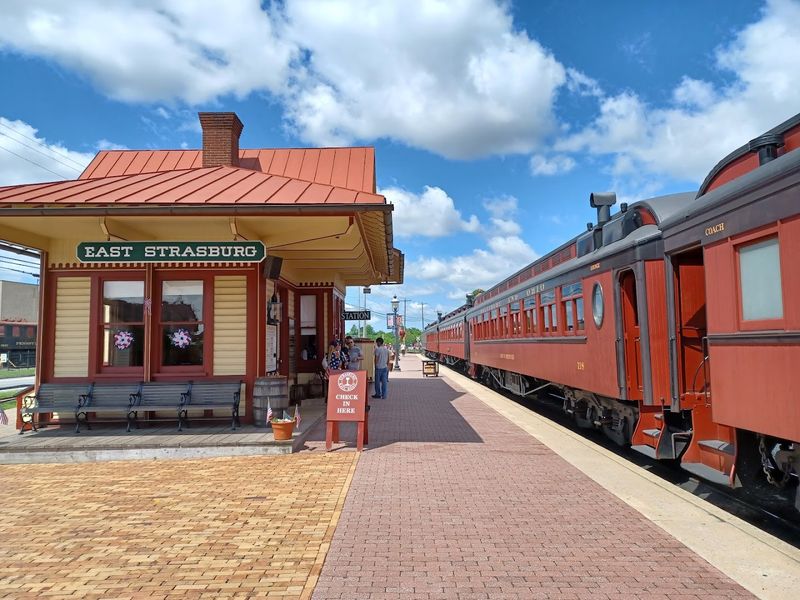
Founded in 1832, the Strasburg Rail Road holds the remarkable distinction of being the oldest continuously operating railroad in the entire Western Hemisphere. Nearly two centuries of uninterrupted service through the rolling farmlands of Lancaster County, Pennsylvania, is a record that no other railway in the Americas can match.
The 4.5-mile route through Amish country is short but deeply satisfying. Beautifully restored steam locomotives pull vintage wooden coaches past horse-drawn buggies, red barns, and hand-tilled fields that look almost unchanged from the 1800s.
The contrast between the steam-powered train and the horse-powered Amish community alongside it creates a uniquely American scene that visitors find genuinely moving.
The railroad also houses one of the finest railway museums in the country, the Railroad Museum of Pennsylvania, located directly across the street. Together they form a heritage rail destination that can easily fill an entire day.
Special seasonal trains include the wildly popular Santa Claus express in December, which sells out weeks in advance. The Strasburg Rail Road is particularly beloved by families with young children, as the gentle pace, friendly staff, and up-close views of working steam locomotives make for a wonderfully memorable first train experience.
History has rarely been this much fun.
Share this story