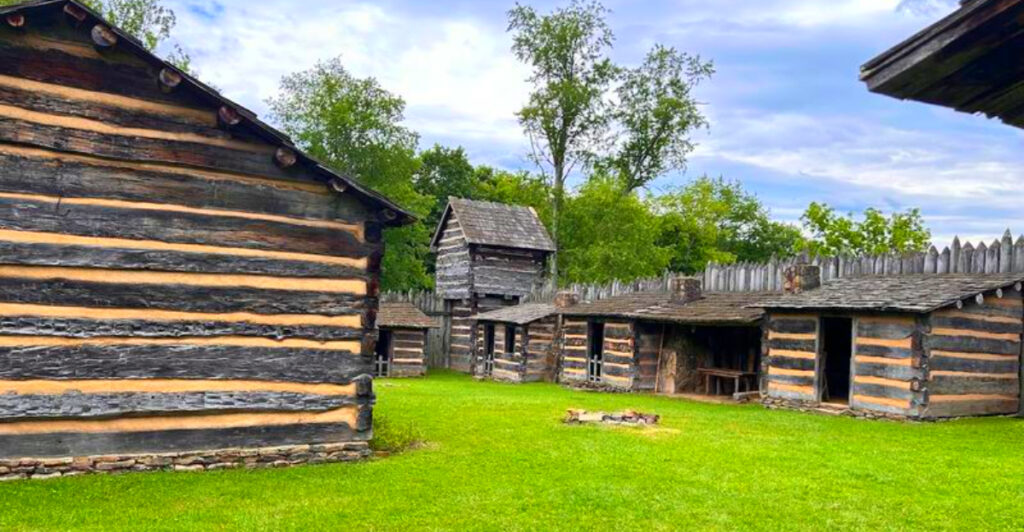
West Virginia is rich in history, with destinations that bring the state’s past to life through preserved landmarks, scenic railroads, frontier forts, Victorian towns, and Civil War sites. From mountain communities to historic downtowns, every stop offers a glimpse into a different chapter of Appalachian history.
Whether you’re planning a weekend road trip or exploring the state one landmark at a time, these 13 historic destinations are well worth a visit. Together, they showcase the people, places, and stories that have shaped West Virginia for generations.
1. Harpers Ferry National Historical Park, Harpers Ferry, West Virginia
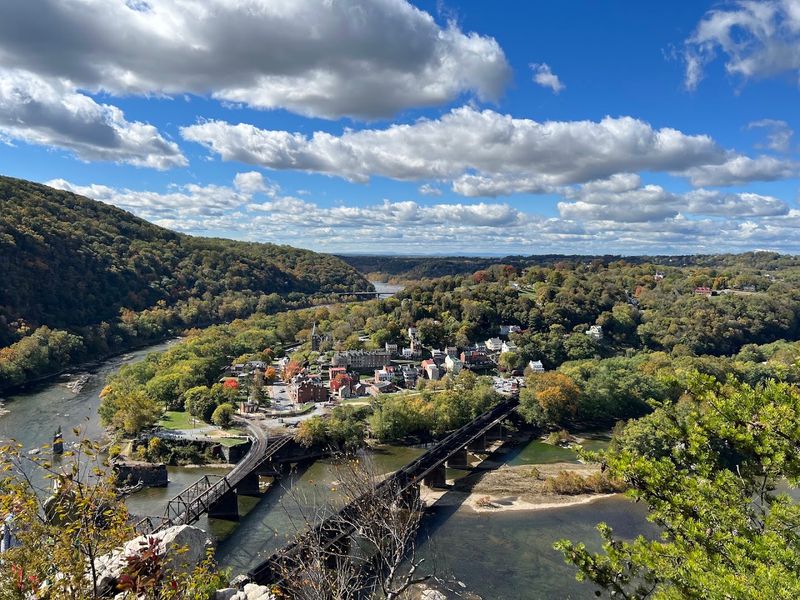
Three states meet at one point, two rivers converge below it, and American history collides with geography in a way that feels almost too dramatic to be real. Harpers Ferry National Historical Park sits at the confluence of the Potomac and Shenandoah Rivers, and its Lower Town district preserves a 19th-century village that includes John Brown’s Fort, the armory guardhouse where Brown made his famous last stand in 1859.
George Washington chose this site in 1795 for America’s second federal armory, and Meriwether Lewis picked up supplies here before heading west with his Corps of Discovery. The Baltimore and Ohio Railroad arrived in 1836, turning the town into a transportation hub. During the Civil War, the town changed hands eight times.
Today, more than 20 miles of hiking trails connect the historic district to sweeping river overlooks, and the Appalachian Trail passes directly through Lower Town.
2. Cass Scenic Railroad State Park, Cass, West Virginia
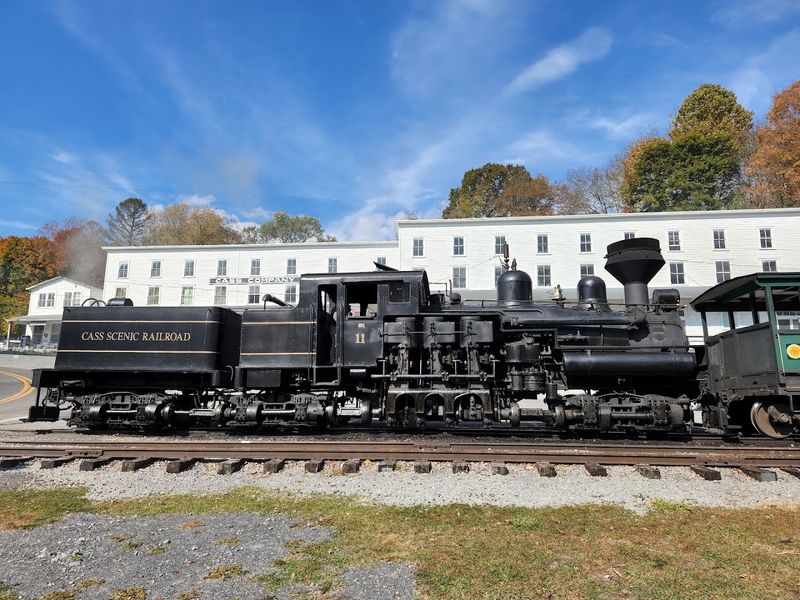
Not many places let you board a functioning piece of industrial history and ride it 11 miles up a mountain, but Cass Scenic Railroad State Park is not most places. The gear-driven Shay locomotives here were engineered specifically for the steep grades and sharp curves of Appalachian logging terrain, and they still perform that job today.
The main line climbs to Bald Knob, West Virginia’s second-highest peak at 4,700 feet, following tracks that once hauled raw timber to the mill below. Along the way, trains stop at Whittaker Station, a recreated logging camp complete with company houses and a general store.
The Cass Company Store, an original 1902 building, still sells goods to visitors just as it did to loggers over a century ago. Interpretive exhibits throughout the park explain the logging process and the remarkable machines that made it possible.
3. Thurmond Historic District, Thurmond, West Virginia
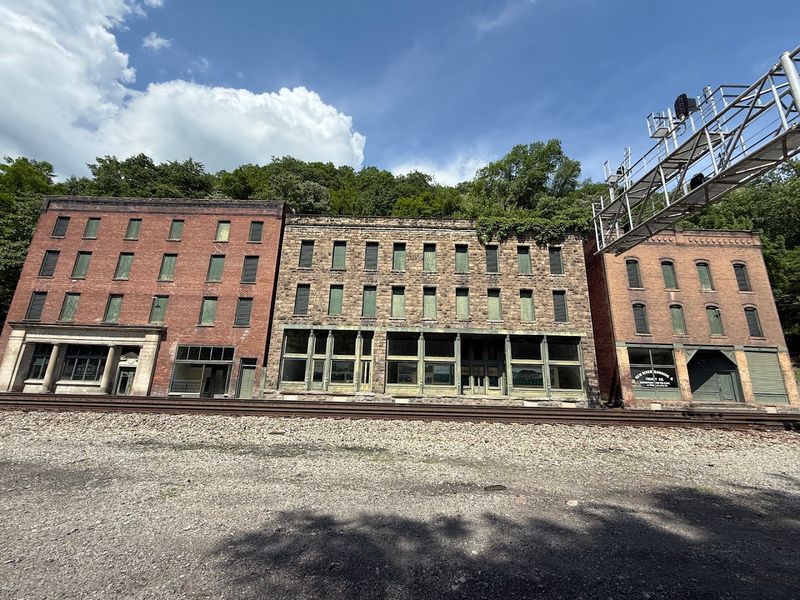
At its peak, this tiny town outshipped Cincinnati in freight volume, which is a remarkable fact for a place that today has fewer residents than most apartment buildings. Thurmond Historic District, tucked inside New River Gorge National Park, once served as a critical hub for the Chesapeake and Ohio Railway, and its original buildings still line the tracks as evidence of that extraordinary past.
The restored depot, which once processed 70,000 passengers annually, now operates as a visitor center. The National Bank of Thurmond, built in 1910, survived two fires and stayed open until 1935, and its brick facade still stands on what feels like a nearly empty main street.
Freight trains still roll through town regularly, which adds an unexpected sense of continuity. The Dunglen Hotel site, once home to a 100-room property, rounds out a streetscape that reads like a history lesson written in architecture.
4. Prickett’s Fort State Park, Fairmont, West Virginia
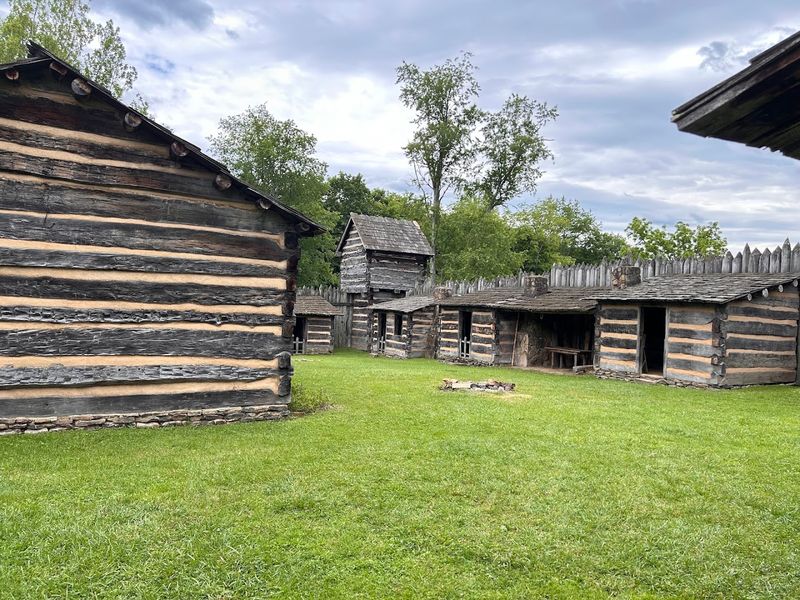
Built in 1774 as a refuge for settlers facing conflict on the western Virginia frontier, Prickett’s Fort was the kind of place people ran to when things got dangerous. The reconstruction at Prickett’s Fort State Park was built using historical surveys and archaeological evidence, making it one of the more accurate representations of frontier fortification in the region.
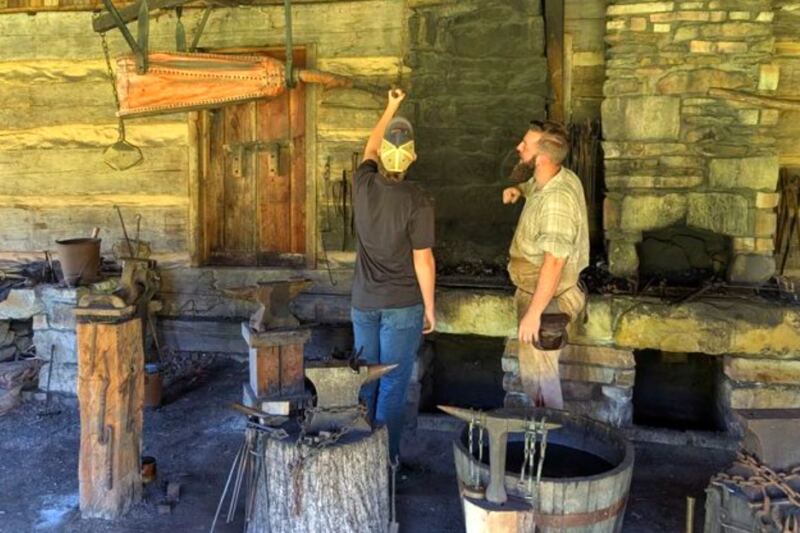
Inside the palisade walls, costumed interpreters demonstrate blacksmithing, weaving, and woodworking, showing visitors the specific skills required to survive in a pre-industrial wilderness. Every tool and technique on display reflects methods that predate the American Revolution.
The surrounding park includes the Prickett’s Creek Greenway Trail for those who want to stretch their legs after exploring the fort. An annual Fort Fest brings together reenactors and demonstrators who add even more depth to the historical experience, making this a well-rounded stop for families and history enthusiasts alike.
5. Trans-Allegheny Lunatic Asylum, Weston, West Virginia
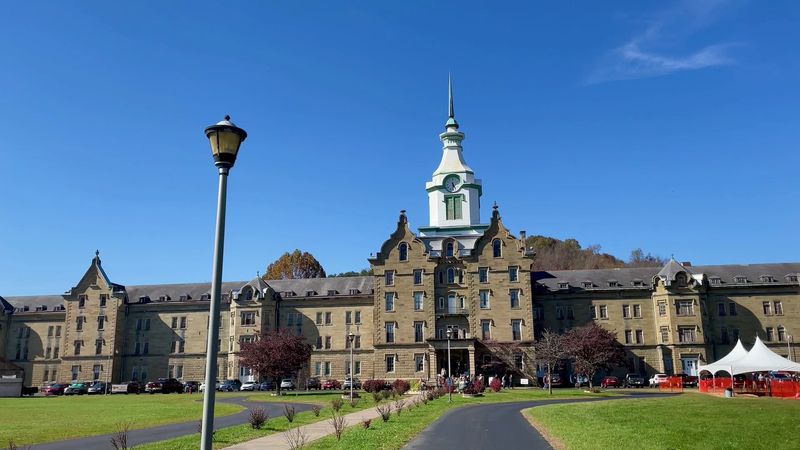
The sheer size of this building stops most visitors in their tracks before they even reach the entrance. The Trans-Allegheny Lunatic Asylum is one of the largest hand-cut stone structures in North America, constructed between 1858 and 1881 from locally quarried sandstone by skilled masons whose work has endured for well over a century.
The building was designed according to the Kirkbride Plan, an architectural model that emphasized structured environments and specific spatial arrangements as tools for patient rehabilitation. Originally known as the Weston State Hospital, the facility housed thousands of patients over 130 years of operation.
Guided tours walk visitors through patient wards, administrative offices, and architectural details that reflect both the ambitions and limitations of 19th-century institutional thinking. The masonry craftsmanship alone is worth the visit, and the building’s scale makes it one of the most visually striking historical landmarks in West Virginia.
6. Berkeley Springs State Park, Berkeley Springs, West Virginia
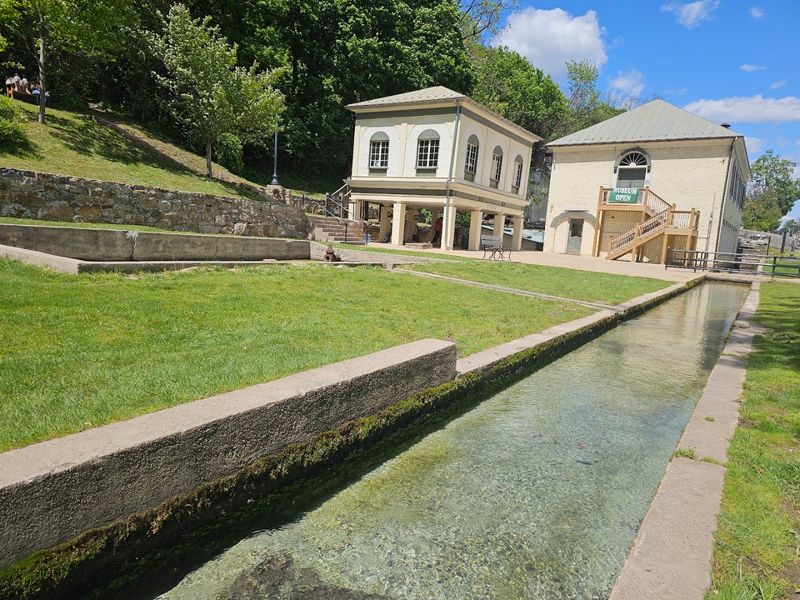
George Washington visited these springs so many times that he eventually bought property nearby, which is a fairly strong endorsement for any destination. Berkeley Springs State Park preserves the site of one of America’s oldest continuously used spa destinations, where warm mineral water has drawn visitors since colonial times under the earlier names Warm Springs and Bath.
The park’s Roman Bathhouse contains nine individual tubs filled with spring water that maintains a constant temperature of 74.3 degrees Fahrenheit year-round. A spring-fed outdoor swimming pool operates seasonally, and a monument to Washington stands within the park grounds.
The surrounding downtown of Berkeley Springs adds to the historical atmosphere, with independent shops, historic inns, and preserved commercial architecture that reflect decades of continuous use. The consistency of the core experience, soaking in the same water that attracted visitors 250 years ago, gives this destination a sense of unbroken continuity that few places can match.
7. Bramwell Historic District, Bramwell, West Virginia
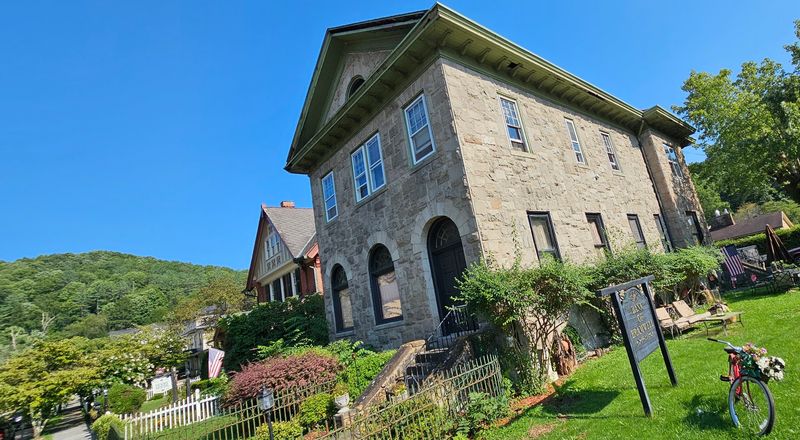
During the coal boom of the late 1800s and early 1900s, Bramwell reportedly had more millionaires per capita than nearly anywhere else in the United States, and the architecture left behind makes that claim easy to believe. The Bramwell Historic District is filled with Victorian and Edwardian mansions featuring turrets, stained glass windows, and elaborate woodwork that reflect the tastes of coal operators who had money to spend.
The Bank of Bramwell, established in 1889, anchors the commercial district and serves as a reminder of the serious financial activity that once moved through this small town. Architectural styles on display include Queen Anne, Romanesque Revival, and Neo-Classical designs, giving each block a slightly different visual personality.
Self-guided walking tours allow visitors to explore at their own pace, while the annual Christmas Home Tour opens the interiors of several mansions to the public. Brick streets and original storefronts complete the picture of preserved prosperity.
8. Shepherdstown Historic District, Shepherdstown, West Virginia
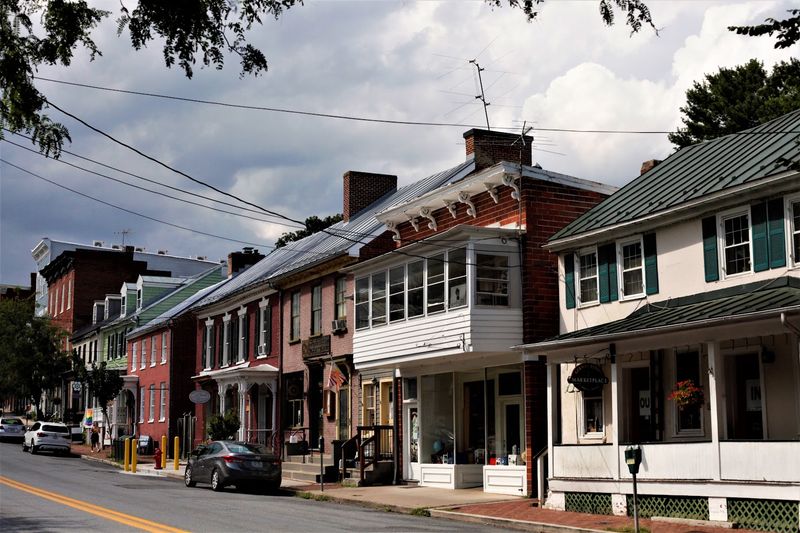
Founded in 1762, Shepherdstown holds the distinction of being West Virginia’s oldest town, and it wears that title with a relaxed confidence rather than a museum-like stiffness. German Street, the main commercial thoroughfare, is lined with buildings whose original facades have been preserved while the businesses inside have evolved through generations of use.
The Rumsey Monument commemorates James Rumsey’s 1787 steamboat demonstration on the Potomac River, a genuinely significant moment in early American technological development that took place right here in this small town. The Shepherdstown Opera House, built in 1909, still hosts live performances today.
During the Civil War, many of the town’s buildings served as hospitals following the nearby Battle of Antietam, adding another layer to an already deep historical record. A local historic landmarks commission actively oversees architectural preservation, and guided walking tours provide detailed narratives about the buildings and the people who shaped this community over three centuries.
9. Philippi Covered Bridge, Philippi, West Virginia
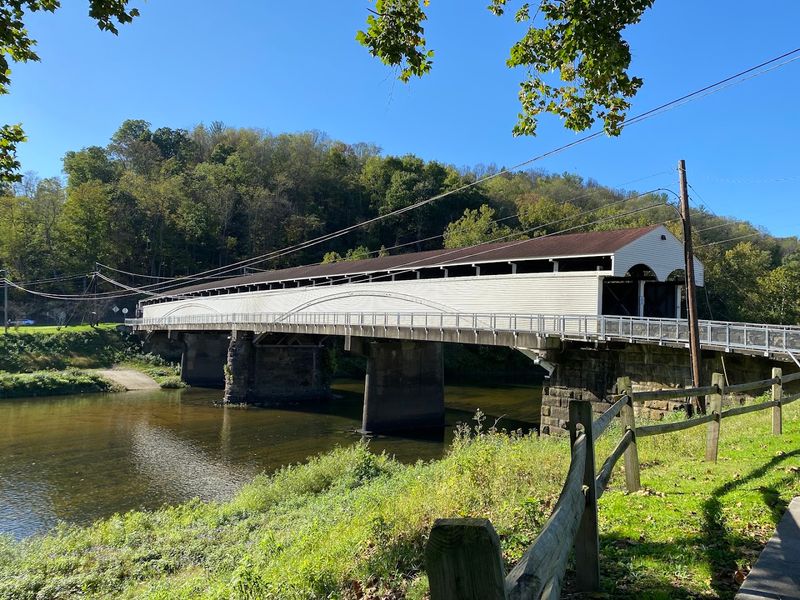
Most bridges from 1852 have long since been replaced, but the Philippi Covered Bridge is still carrying vehicle traffic across the Tygart Valley River more than 170 years after it was built. That is not a restoration project or a replica. That is the original structure, designed by self-taught engineer Lemuel Chenoweth, doing its intended job on a daily basis.
The bridge uses a Long truss design and spans 285 feet, making it the longest covered bridge in West Virginia. Its double-barreled configuration, meaning two lanes of travel within a single covered structure, was an engineering choice that contributed to its remarkable durability through floods, heavy use, and the pressures of the Civil War era.
The bridge played a direct role in the first land battle of the Civil War, the Battle of Philippi, in June 1861. The surrounding town adds additional historic character, with its own preserved architecture and downtown streets worth exploring.
10. Heritage Farm Museum & Village, Huntington, West Virginia
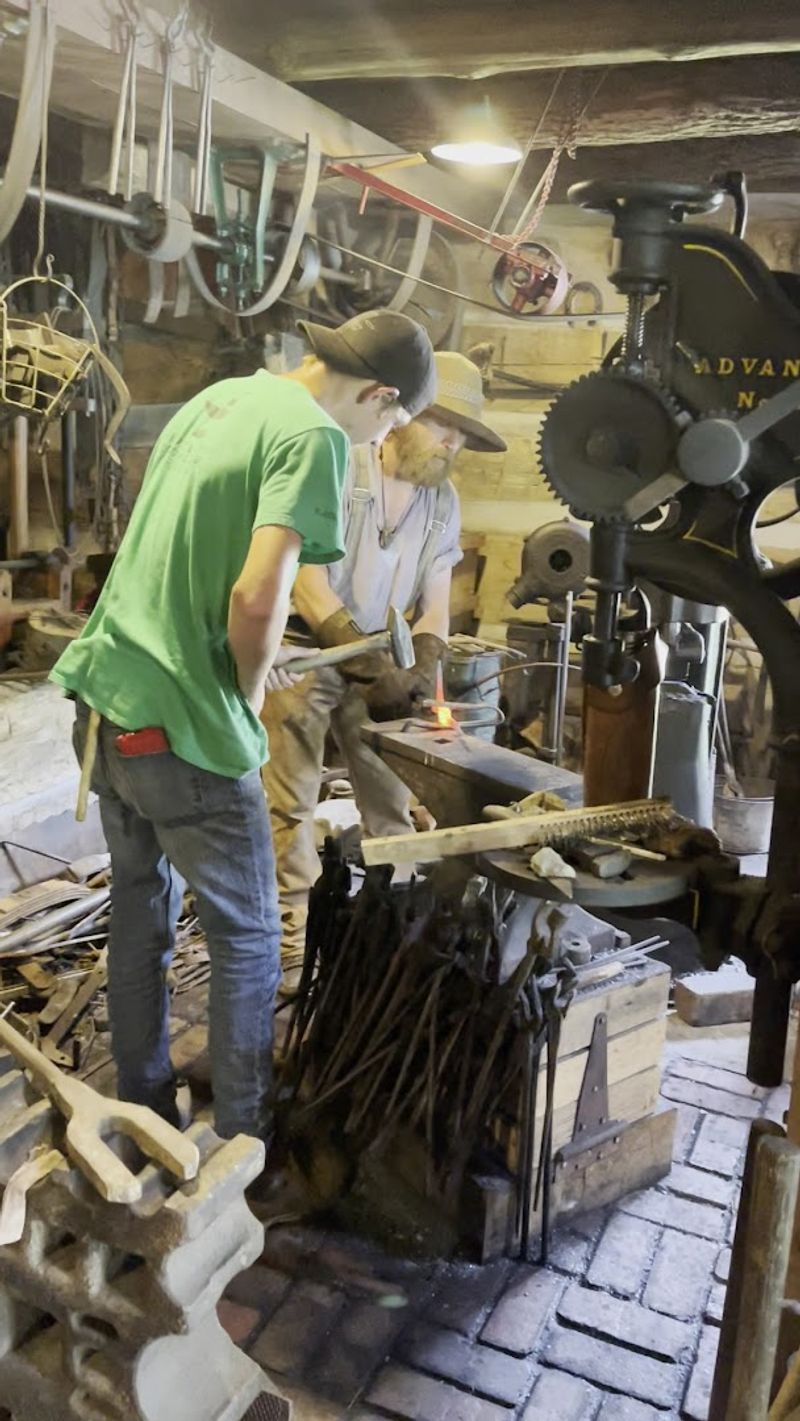
A Smithsonian Affiliate status is not handed out casually, and Heritage Farm Museum and Village in Huntington has earned it by assembling one of the most comprehensive living history experiences in the region. The village recreates Appalachian life through a collection of restored log cabins, a one-room schoolhouse, a working blacksmith shop, a general store, and dozens of structures furnished with authentic period objects.
Demonstrations of spinning, weaving, broom making, and traditional gardening give visitors a direct look at the specific skills that sustained mountain families across generations. Each building is set up to reflect a particular period and function rather than serving as a generic display of old things.
Seasonal festivals and events bring additional programming to the village throughout the year, deepening the engagement beyond a standard walkthrough. For anyone curious about the daily mechanics of Appalachian life, this museum provides observable, factual answers rather than romanticized generalizations.
11. The Greenbrier, White Sulphur Springs, West Virginia
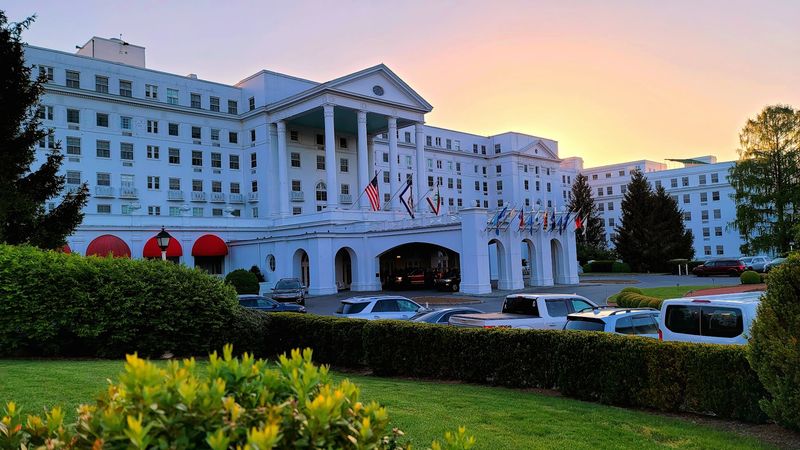
Hidden beneath this famous resort’s manicured grounds is a Cold War-era bunker built to shelter the entire United States Congress in the event of a nuclear emergency. That single fact, now declassified and open for guided tours as Project Greek Island, tells you everything you need to know about The Greenbrier’s unusual relationship with American history.
The resort’s origins trace back to 1778, when visitors first came to the area for the purported benefits of its natural springs. Over the following two centuries, it hosted presidents, foreign royalty, and dignitaries, and during World War II it operated as a U.S. Army hospital.
Interior designer Dorothy Draper overhauled the public spaces in the mid-20th century with bold colors and graphic patterns that remain a defining feature of the property today. Even a day visit, without an overnight stay, provides access to tours that cover both the resort’s architectural history and its remarkable political backstory.
12. Rich Mountain Battlefield, Beverly, West Virginia
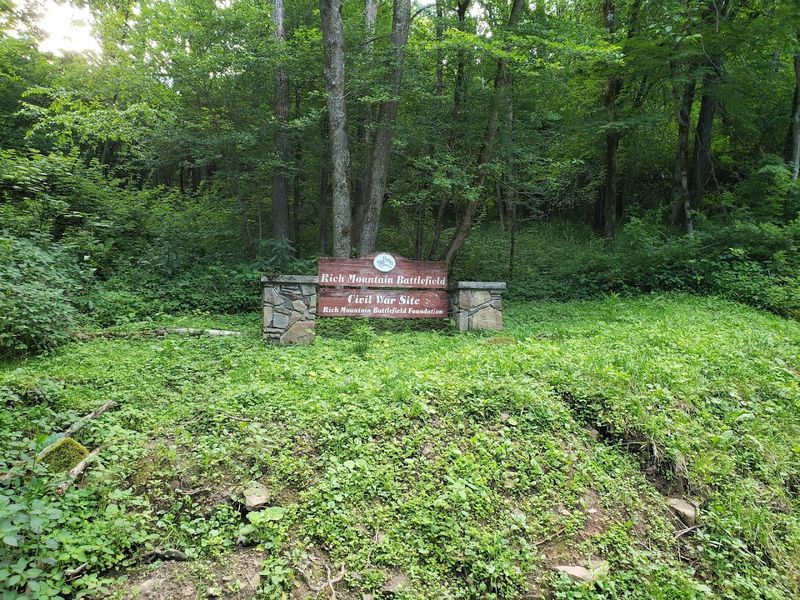
July 1861 was only months into the Civil War when a Union force under General George McClellan secured a significant victory here that helped pave the way for West Virginia’s eventual separation from Virginia. Rich Mountain Battlefield near Beverly preserves the site of that engagement, and the earthworks constructed by both sides are still visible along the walking trails today.
Interpretive markers placed throughout the battlefield provide detailed accounts of troop positions, tactical decisions, and the experience of soldiers on both sides. The historic Rich Mountain Road, a key route during the battle, remains part of the site and can be walked by visitors seeking a more immersive connection to the terrain.
The battlefield is maintained by the Rich Mountain Battlefield Foundation, which oversees preservation and public interpretation. Its location along the former Staunton-Parkersburg Turnpike, a vital east-west artery, explains clearly why this forested ridge was worth fighting over in the first place.
13. Carnifex Ferry Battlefield State Park, Summersville, West Virginia
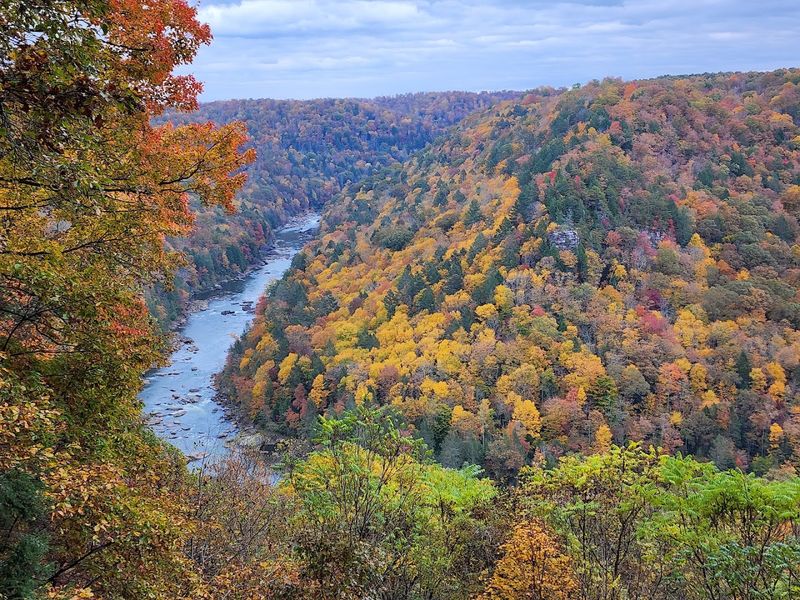
Perched high above the Gauley River, this state park holds a view that makes the strategic logic of the 1861 battle immediately clear. Carnifex Ferry Battlefield State Park marks the site of a Union victory in September 1861, an engagement that further consolidated Federal control over key transportation routes and contributed to the political momentum that created West Virginia as a separate state in 1863.
Walking trails pass through preserved earthworks, including original trenches and fortification remnants that are still clearly identifiable more than 160 years later. The Patterson House, which served as a headquarters during the battle, now operates as an on-site museum with artifacts and exhibits documenting the conflict.
Scenic overlooks above the Gauley River Canyon provide panoramic views that reward the short hike required to reach them. Annual battle reenactments bring additional programming to the park each year, offering a more dynamic way to engage with the history of this underappreciated site.
Share this story