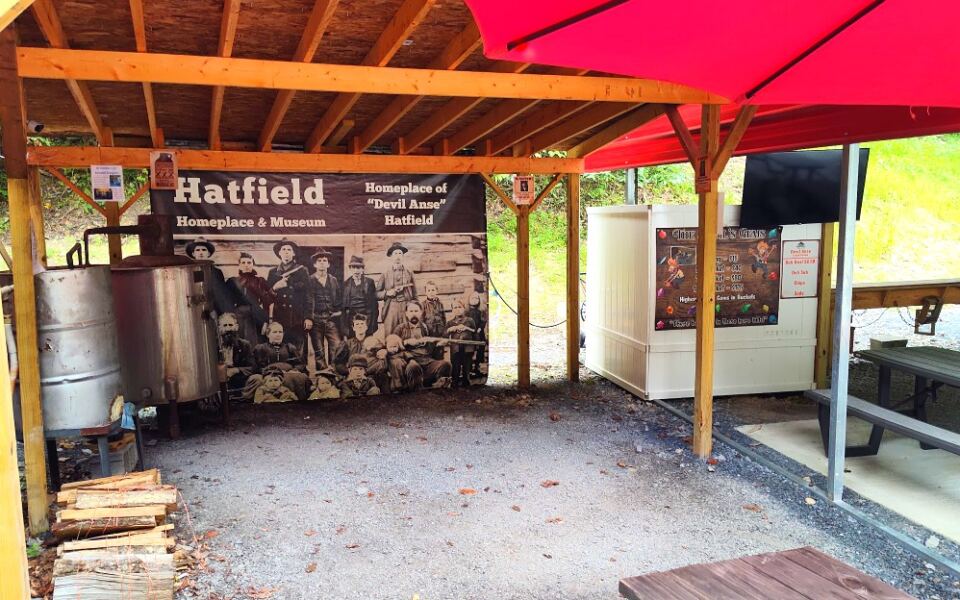
A disputed hog, a forbidden romance, and two stubborn families turned a quiet river valley into national news. During the late 1800s, the Hatfields of West Virginia and the McCoys of Kentucky clashed so often that governors from both states got pulled into the drama.
Newspapers across the country printed wild stories about the rivalry, and many of those tales grew taller with every telling. The real history is more complicated, and honestly, more interesting.
Today, you can still visit the hills, river crossings, and family plots where this famous conflict played out. Some stops hold original stonework and family artifacts.
Others share the story through museum displays, guided rides, and visitor centers built in surprising ways, including one made from tons of coal. A few even let you explore the rugged terrain on four wheels.
Keep reading to find out where the feud began, where its leader is honored, and how an old family quarrel became a modern adventure.
1. Hatfield Family Cemetery, Sarah Ann, West Virginia
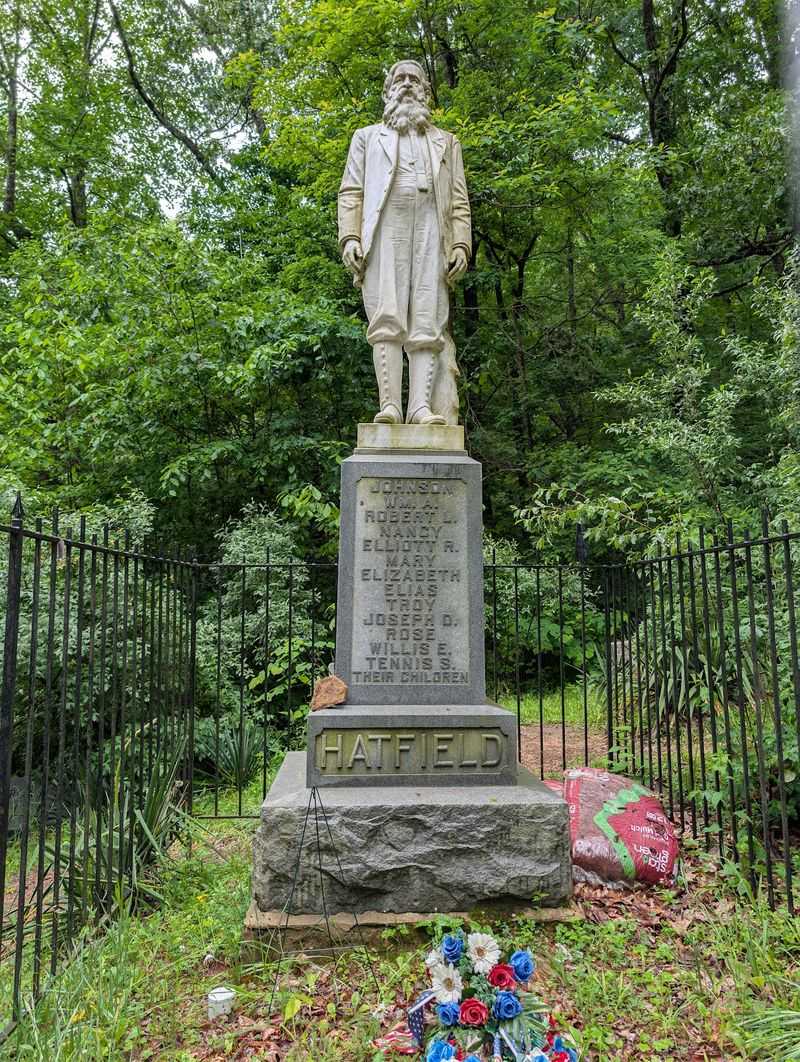
Pack sturdy shoes, because the path to this cemetery climbs a steep hillside. The reward at the top is one of the most recognizable monuments in Appalachia.
Devil Anse Hatfield rests beneath a life-sized statue carved from Italian marble. His children paid for it, and it was put in place in 1926.
Sculptors in Italy worked from photographs and written descriptions. The finished statue matches his actual height and weight, so you are seeing him at true scale.
His wife, Levicy, is buried here too, along with several of their children. One notable marker belongs to Johnson Hatfield, known as Jonse, whose grave features a draped urn on top of a column.
Keep an eye out for the Hatfield wash stand, carved from sandstone by a cousin named Robert Hatfield. It once sat near the family well, where workers and travelers could clean up.
The cemetery joined the National Register of Historic Places in 1980. After years of neglect, it has been restored.
Please be respectful during your visit. Stay on paths and leave everything as you found it.
2. Matewan Depot Replica Welcome Center and Museum, Matewan, West Virginia
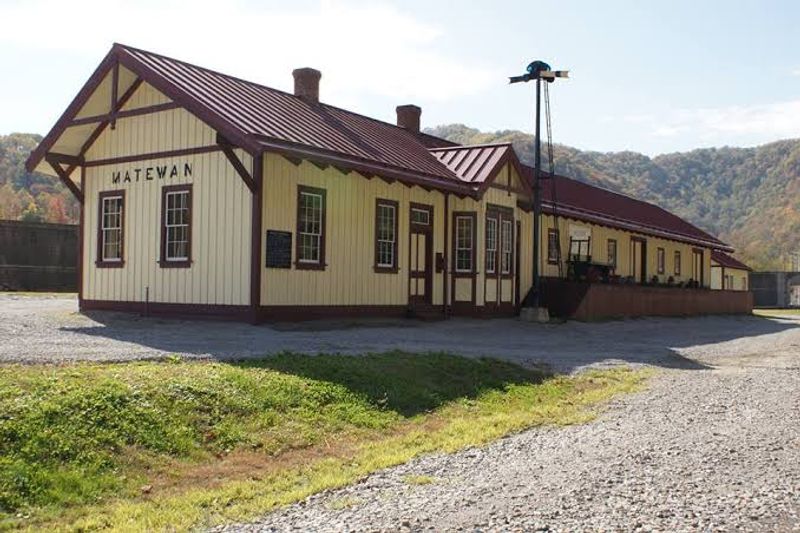
Trains changed everything in the Tug Valley, so it makes sense that a depot now tells the story. Matewan’s welcome center is a replica of an old railroad station, not the original building.
Do not let that detail scare you off. The exhibits inside are packed with useful history.
Displays connect three big chapters of local life. You will learn about the railroad, the coal industry, and the Hatfield and McCoy feud.
The museum also covers the later Mine Wars, including the Battle of Matewan in 1920. That event involved striking miners and hired detectives in the middle of town.
Seeing these stories side by side helps explain one thing clearly. This tiny mountain town ended up in history books more than once.
Staff can hand you maps and point you toward nearby feud sites. Many travelers use the depot as a launch pad for the whole region.
Give yourself time to stroll the streets afterward. Matewan is compact and easy to explore on foot.
History buffs and casual visitors alike tend to leave with a much clearer picture of the valley.
3. The Coal House, Williamson, West Virginia
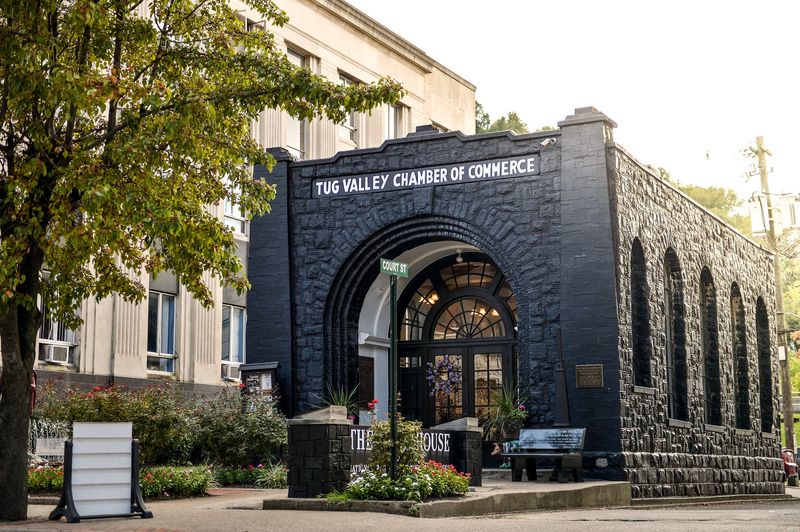
Sixty-five tons of coal walk into a town and become a visitor center. No, that is not the start of a joke, it is a real building in Williamson.
The Coal House was built in 1933 to show off the region’s most famous resource. Its walls are made from large blocks of bituminous coal, giving it a jet black exterior.
You will spot it easily. Nothing else on the street looks remotely like it.
Today, the building works as a visitor center for travelers heading into Hatfield and McCoy country. Inside, you can pick up brochures, maps, and suggested driving routes.
The staff know the area well and can help you plan your stops. Ask them about family burial grounds, historic homesteads, and markers along the Tug Fork.
The Coal House also makes a great photo stop. Few people back home will have a picture of themselves in front of a coal building.
Since Williamson sits right on the Kentucky border, it is a handy spot to begin a trip that covers both sides of the feud.
Check hours before visiting, as they can vary.
4. Devil Anse Hatfield Homeplace, Sarah Ann, West Virginia
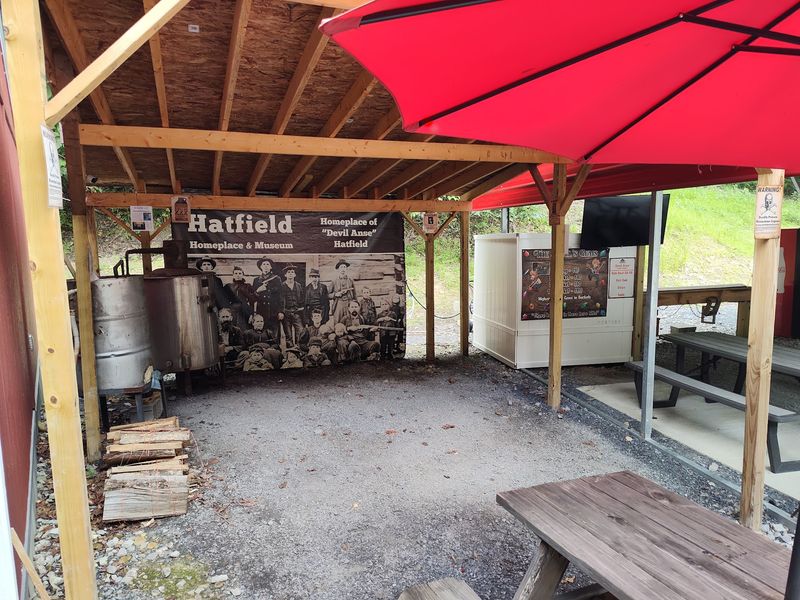
Every legend needs a home base, and the most famous Hatfield of all spent his later years right here in Logan County. William Anderson Hatfield, better known as Devil Anse, built a two-story house on this land in 1906.
Sadly, that house burned in the 1930s, years after he was gone. Still, several original pieces of the property survived.
Visitors can cross a bridge that is more than 100 years old and was built by Devil Anse himself. Remains of a stone retaining wall along the creek and an old family well are also on site.
The property now includes the Devil Anse Hatfield Homeplace and Museum, run by the Hatfield and McCoy Foundation. Exhibits show artifacts dug up on the grounds, plus memorabilia gathered over many years.
The goal is to share real history instead of tall tales. That makes it a smart first stop before reading any dramatic headlines.
Here is a fun bonus. Guests sometimes meet a direct descendant of Devil Anse, which is about as close to a primary source as you can get.
Call ahead to check hours, since small museums often keep seasonal schedules.
5. Hatfield McCoy Airboat Tours, Matewan, West Virginia
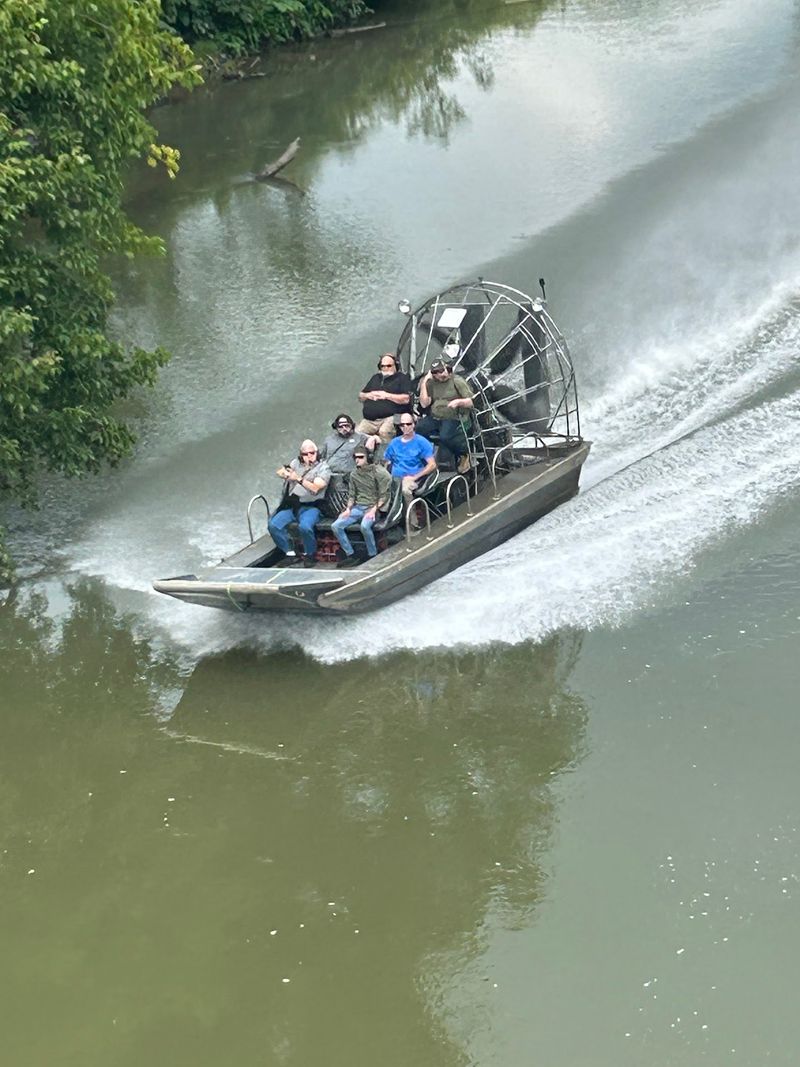
Here is a geography lesson with a motor attached. The Tug Fork River split the two families, with Hatfields mostly on the West Virginia side and McCoys in Kentucky.
Airboat tours leaving Matewan let you see that dividing line up close.
From the water, it becomes clear how narrow the valley really is. The two families lived surprisingly close to each other.
That closeness explains a lot. Crossing the river was easy, which made run-ins between relatives and rivals far more likely.
Guides share stories about the feud along with the area’s coal history. You will learn how the river shaped travel, trade, and daily routines in the 1800s.
The ride is also a fun change of pace after museums and cemeteries. Kids especially tend to enjoy seeing history from a boat seat.
Wear clothes that can handle a little splash, and bring sunglasses. Ear protection may be provided, since airboats are known for their powerful fans.
River levels affect schedules, so confirm your trip a day or two in advance.
It may be the only history class where nobody asks to leave early.
6. Buffalo Mountain Trailhead, Sprigg, West Virginia
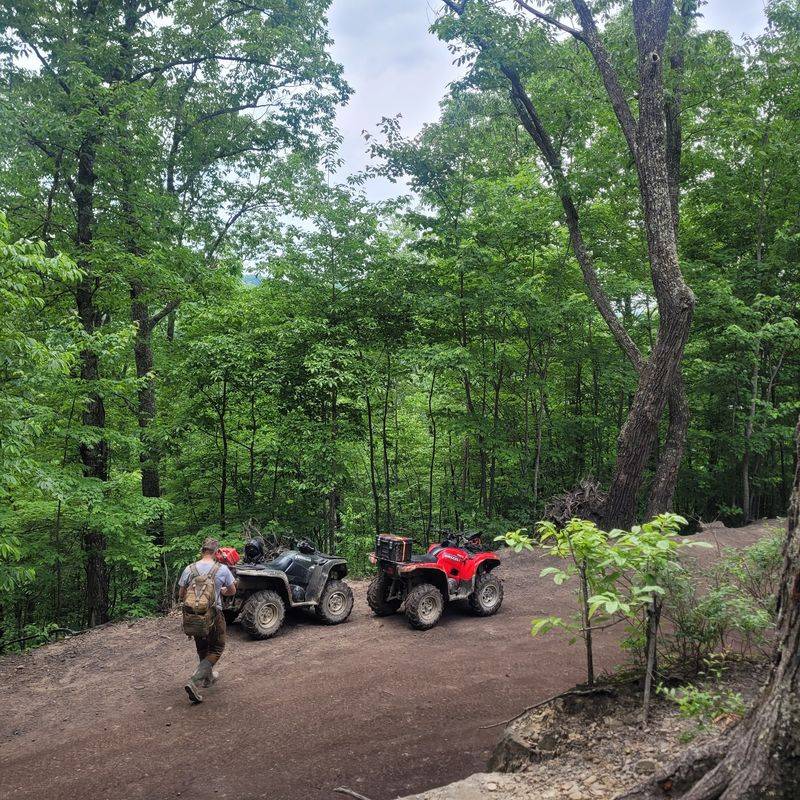
Off-road riders have found a new way to settle family arguments: racing up a mountain. Buffalo Mountain is one of the most popular stops on the Hatfield-McCoy Trails system.
The trailhead sits near Sprigg in Mingo County, right in the heart of feud country.
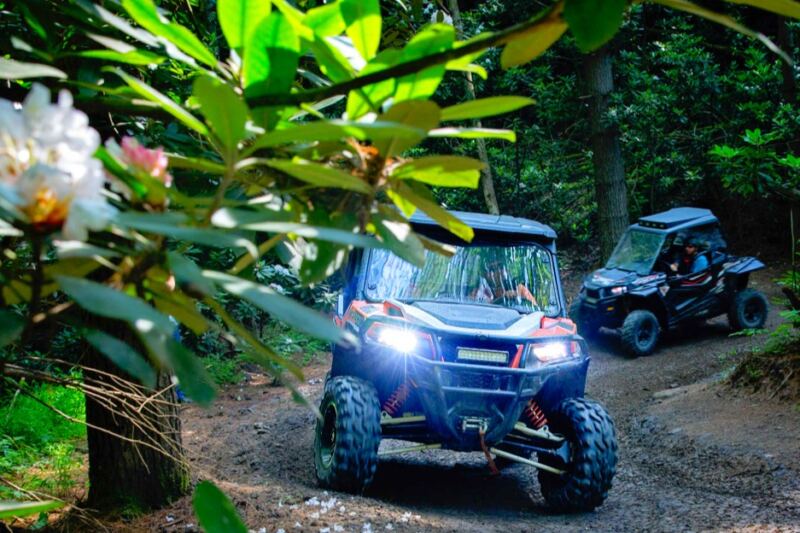
Routes wind through thick forests and up rocky climbs. Riders can choose easier paths or tougher technical sections, depending on skill level.
Some trails offer views across the Tug Valley. From up high, you can see just how rugged this region is.
That rough terrain matters to the history. In the 1880s, steep ridges made travel slow and helped people stay hidden when they wanted to avoid lawmen.
The trails were built long after the feud ended, so they are not original family paths. Still, they cover the same kind of ground the Hatfields and McCoys knew well.
You will need a trail permit, which can be purchased online or from local vendors. Helmets are required for riders.
Nearby towns offer rentals and lodging built for riders. Book early during peak riding season.
7. Hatfield & McCoy Convention and Visitors Bureau, Logan, West Virginia
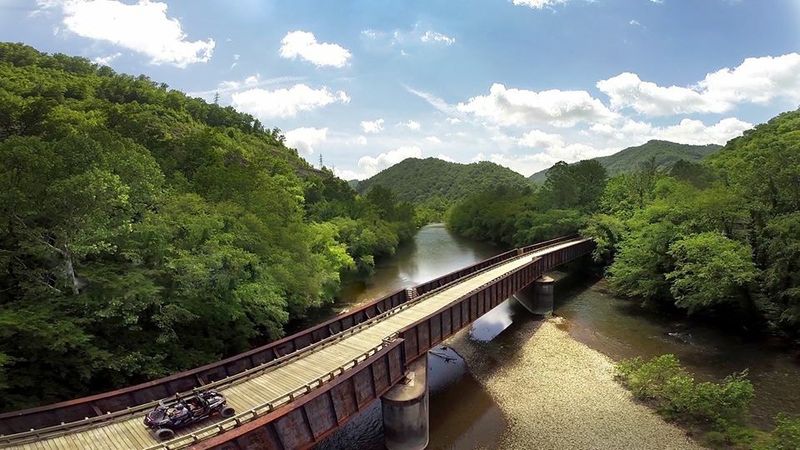
Planning a feud road trip without a map is a recipe for wrong turns. The visitors bureau in Logan exists to prevent exactly that.
Logan County has deep ties to the Hatfield family. Devil Anse’s homeplace and the family cemetery are both nearby, so this office makes a practical home base.
Staff members can help you build a route that hits the main historic stops. They also know which roads are narrow and which sites have limited parking.
Ask for brochures, area maps, and advice on timing. Some locations are easier to reach in daylight and dry weather.
The bureau also shares details about the Hatfield-McCoy Trails. That is helpful if your group includes both history fans and riders.
Local events, festivals, and seasonal programs are often listed here too. Visiting during a special event can add extra fun to your trip.
Restaurant and lodging suggestions are another perk. Small towns in the area may not show up well on travel apps.
A quick stop here can save hours of guessing later. Think of it as an investment in a smoother adventure.
8. Bearwallow Hatfield & McCoy Trailhead, Ethel, West Virginia
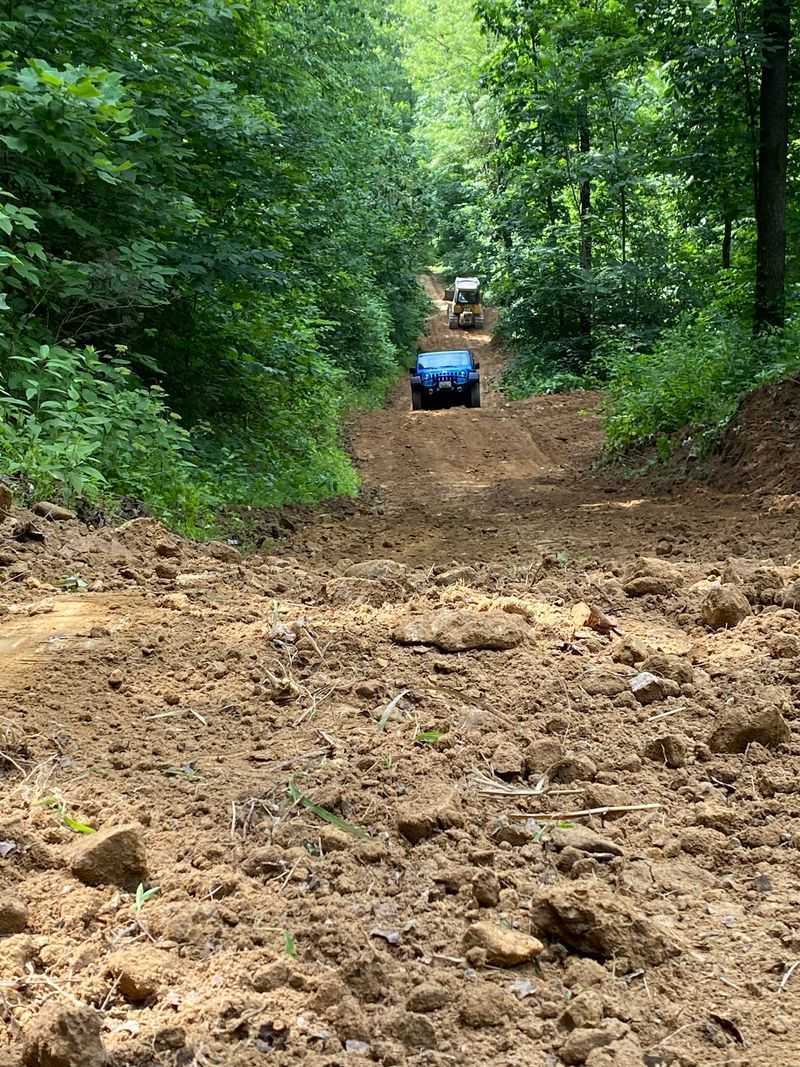
Generations of Hatfields called these Logan County hills home long before anyone dreamed of motorized trail riding. Now Bearwallow welcomes a very different kind of traveler.
The trailhead near Ethel opened as part of one of the original Hatfield-McCoy trail systems. It remains a favorite among experienced riders.
Expect wooded climbs, rocky stretches, and scenic overlooks of southern West Virginia coal country. Trails are color-coded by difficulty, so beginners can stick to friendlier routes.
To be clear, no famous feud confrontation happened at this exact spot. Its link to the story comes from the region itself and the trail network’s name.
That still counts for something. Riding here gives a real sense of the distance and steep terrain families dealt with in the late 1800s.
Back then, a short trip to a neighbor could take hours on foot or horseback. Today, it takes minutes on four wheels.
Bring water, snacks, and a fully charged phone. Cell service can be spotty in remote areas.
Always ride with a buddy and let someone know your planned route.
9. Rockhouse Trailhead, Man, West Virginia
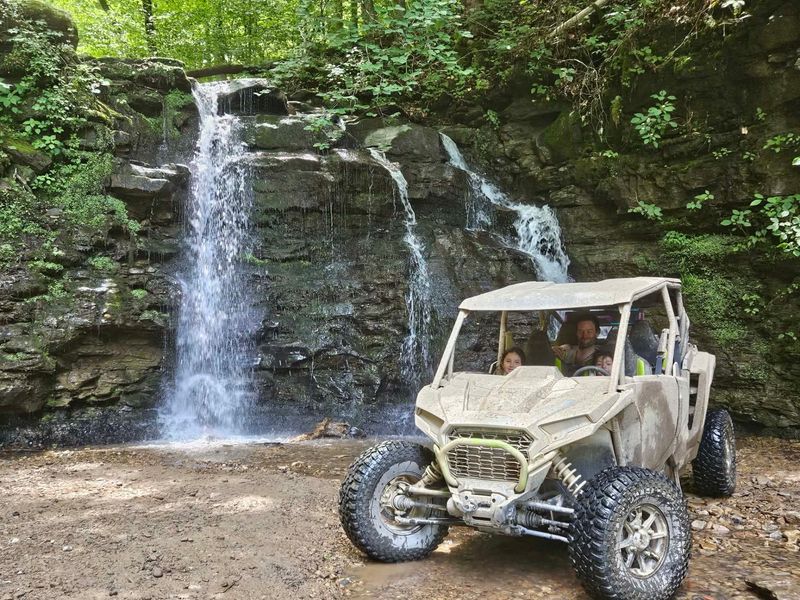
A trip that once took a full day on horseback can now happen before lunch. Rockhouse Trailhead in Man shows just how much travel in Hatfield country has changed.
This spot opens into a large off-road network. Riders can explore steep ridges, wooded hollows, and remote corners of Logan County.
Rockhouse is a modern recreation area, not a preserved historic site. You will not find feud artifacts or markers at the trailhead itself.
What you will find is the landscape. Seeing these hills firsthand helps explain why people in the 1880s lived so separately.
Deep valleys and thick forests made it easy to stay out of sight. They also made it hard for outside lawmen to track anyone down.
The trails here range from mild to very challenging. Many riders consider Rockhouse one of the more technical systems in the network.
Man is a small town with riding services, fuel, and a few places to eat. Some lodging options let you ride straight from your door to the trails.
Check trail conditions after heavy rain, since some sections can get muddy.
10. Hatfield-McCoy Trails, Man, West Virginia
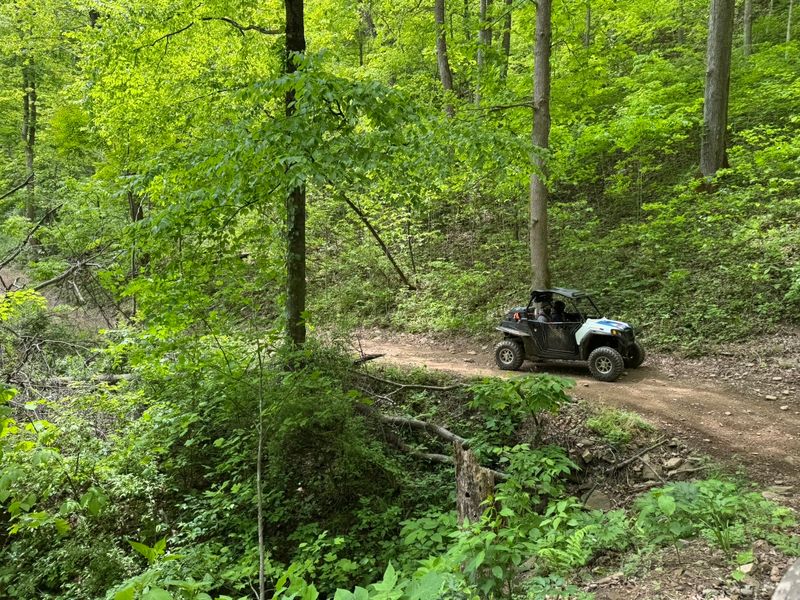
Who knew an old family quarrel would someday help power a tourism boom? The Hatfield-McCoy Trails turned a famous rivalry into one of southern West Virginia’s best-known brands.
The system connects multiple riding areas across several counties. Together, they offer hundreds of miles of trails for ATVs, UTVs, and dirt bikes.
Terrain ranges from easy forest paths to extreme rocky climbs. Riders of almost any skill level can find a good match.
The trails are not historic feud routes. Their name, though, keeps the story of both families in front of thousands of new visitors every year.
Many riders end up curious about the real history after seeing the signs. That curiosity often leads them to museums, cemeteries, and markers nearby.
Local communities benefit too. Riders spend money on lodging, food, fuel, and rentals, which supports small businesses in coal country.
Permits are required, and prices differ for residents and out-of-state visitors. Buy yours online before arriving to save time.
It is a fitting ending for the feud. Two families once divided by conflict now share a name that brings people together.
Share this story