Europe is famous for its big cities and popular tourist spots, but some of its most magical places are tucked away from the usual travel maps. From ancient villages frozen in time to dramatic canyons carved by nature, these hidden corners offer something truly special.
If you love exploring places that feel untouched and full of wonder, this list is for you. Get ready to discover 15 extraordinary spots across Europe that most travelers have never heard of.
1. Lukomir, Bosnia and Herzegovina
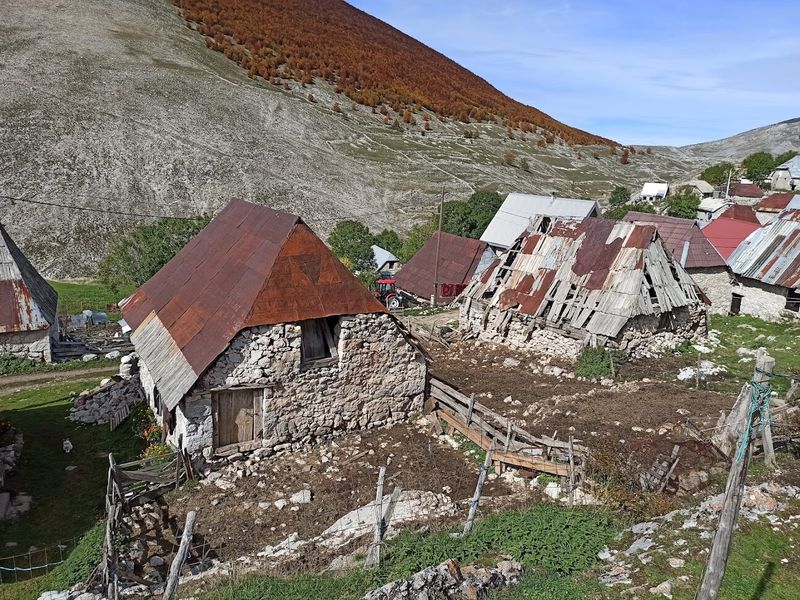
Perched more than 1,400 meters above sea level, Lukomir is Bosnia’s highest and most isolated village. Reaching it feels like stepping into a completely different century.
The stone houses with their wooden roofs have barely changed in hundreds of years, and the people here still follow traditional ways of life passed down through generations.
Because the village gets snowed in during winter, it’s only accessible from late spring to early autumn. Hiking trails around Lukomir offer breathtaking views of the Rakitnica Canyon below, one of the deepest gorges in the Balkans.
Wildflowers carpet the meadows in summer, making every photograph look like a painting.
There are no fancy hotels here, but a few local families offer homestay experiences. Staying overnight lets you enjoy the stars away from any city light pollution.
Lukomir is a rare, living piece of Bosnian heritage.
2. Uvac Canyon, Serbia
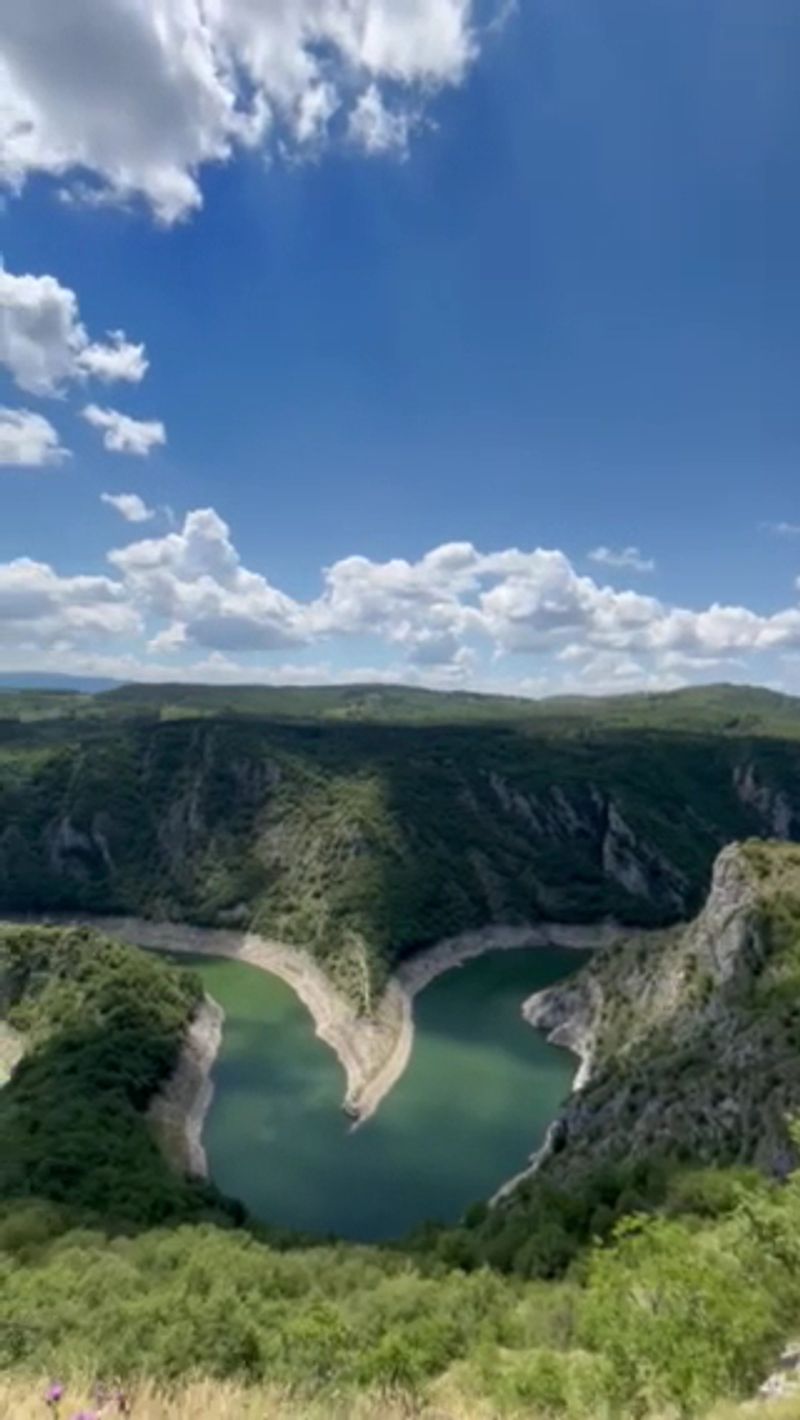
Few places in Europe can match the jaw-dropping beauty of Uvac Canyon. The Uvac River snakes through massive limestone cliffs, creating one of the most spectacular meanders on the continent.
From a viewpoint high above, the river looks like a giant ribbon of turquoise laid across the land.
Uvac is also a protected nature reserve and one of the last habitats of the Griffon vulture in Serbia. Boat tours along the canyon are available and take you through caves, past crystal-clear water, and beneath towering walls of stone.
The silence here is almost unreal.
The best time to visit is spring or early autumn when the light is soft and the crowds are minimal. Nearby fishing lodges offer simple but comfortable accommodation.
Uvac Canyon is the kind of place that makes you stop and breathe deeply, grateful just to be there.
3. Melnik, Bulgaria
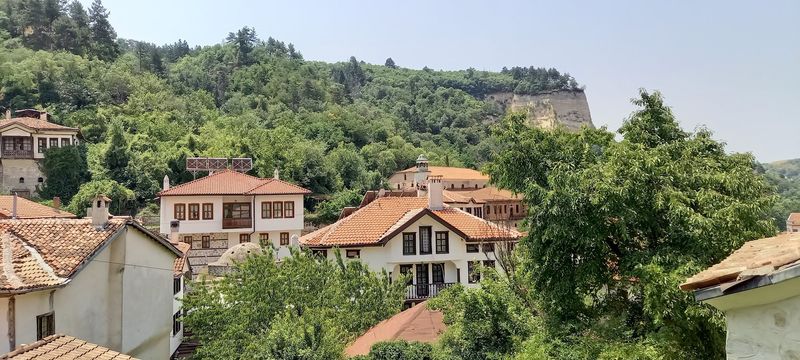
Bulgaria’s smallest town by population, Melnik punches well above its weight when it comes to charm and history. Nestled in a valley surrounded by extraordinary pyramid-shaped rock formations made of sand and clay, it looks like something out of a fantasy novel.
The formations, called the Melnik Pyramids, were created by millions of years of erosion.
Melnik has been famous for its wine since the Middle Ages. The local Melnik grape variety produces a rich, full-bodied red wine that even Napoleon reportedly admired.
Wine cellars are carved directly into the rock faces and are open for tastings throughout the year.
Walking the town’s cobbled streets past old Bulgarian Revival-style houses is a genuine pleasure. The area also connects to the Rozhen Monastery, one of Bulgaria’s most important religious sites.
Melnik rewards slow, curious travelers who take time to appreciate both its natural and cultural layers.
4. Bledow Desert, Poland
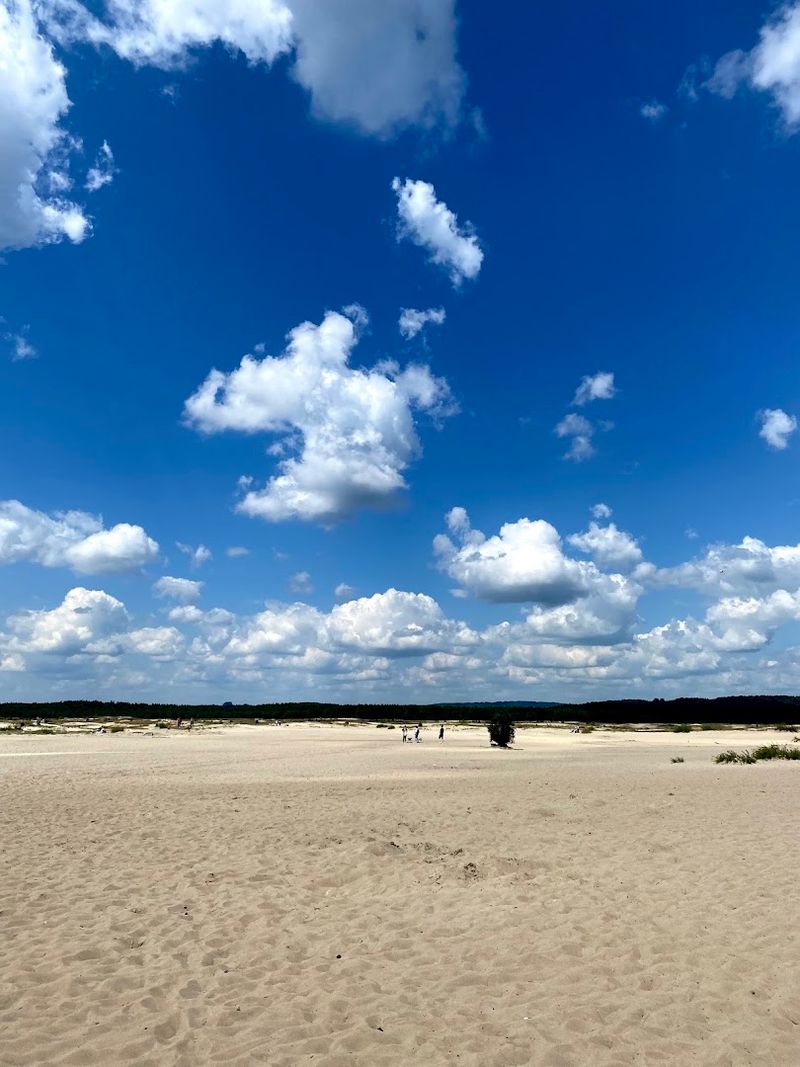
Poland is not the first country that comes to mind when you think of deserts, but the Bledow Desert near Krakow is a genuine surprise. Covering around 32 square kilometers, it is the largest accumulation of loose sand in Central Europe.
Locals sometimes call it the Polish Sahara, and standing in the middle of it, that nickname makes complete sense.
The desert formed naturally after forests were cleared during the Middle Ages for silver and lead mining. Over centuries, the exposed soil was shaped by wind into rolling dunes.
During World War II, the German military actually used it to train troops for North African desert warfare.
Today, the Bledow Desert is a protected nature area home to rare plants and insects. Visitors can walk its sandy trails, rent bikes, or simply enjoy the strange beauty of a landscape that seems totally out of place in Poland.
5. Bigar Waterfall Area, Romania
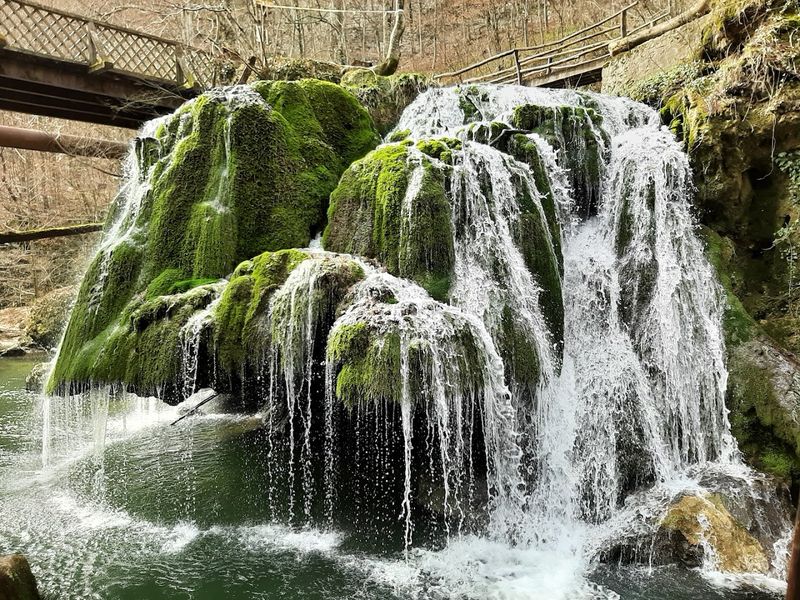
Romania has no shortage of beautiful landscapes, but Bigar Waterfall stands out even among the country’s most scenic spots. Water flows over a perfectly rounded, moss-covered dome of rock before spreading out in thin, delicate curtains.
The effect is so unusual that it has been featured in international travel publications as one of the most unique waterfalls in the world.
Located in the Anina Mountains in western Romania, the waterfall sits inside the Cheile Nerei-Beusnita National Park. The surrounding forest is dense and ancient, filled with the sounds of birds and running water.
Getting there involves a pleasant walk through woodland trails that are manageable for most fitness levels.
Spring and early summer are the best times to visit, when snowmelt boosts the water flow and the moss glows a vivid green. Nearby villages offer local food and simple guesthouses, making it easy to spend a full day exploring the area.
6. Matka Canyon, North Macedonia
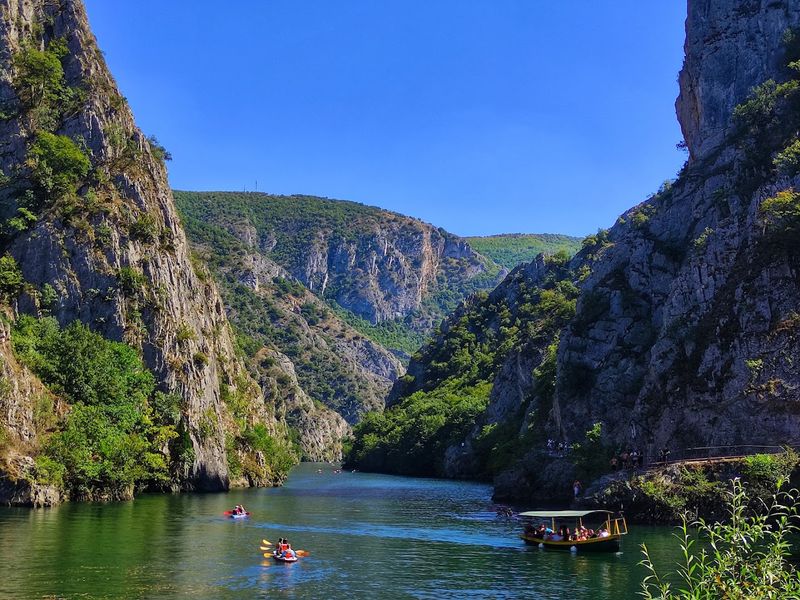
Just 15 kilometers from the capital Skopje, Matka Canyon feels like a completely different world. The Treska River has carved a dramatic gorge through the limestone mountains, creating sheer cliff walls that rise dramatically above the water.
The canyon is one of the oldest and largest artificial lakes in North Macedonia, formed by a dam built in the 1930s.
Matka is a biodiversity hotspot, home to over 200 species of butterflies, more than 50 species of birds, and numerous cave systems. One of its caves, Vrelo, is believed to be among the deepest underwater caves in the world, though it has not yet been fully explored.
Boat tours take visitors along the calm, emerald-colored water to reach the caves and medieval monasteries built into the cliffs.
Rock climbing, kayaking, and hiking are all popular activities here. For travelers passing through Skopje, Matka Canyon is an unmissable half-day trip that delivers stunning scenery without the long journey.
7. Davolja Varos (Devil’s Town), Serbia
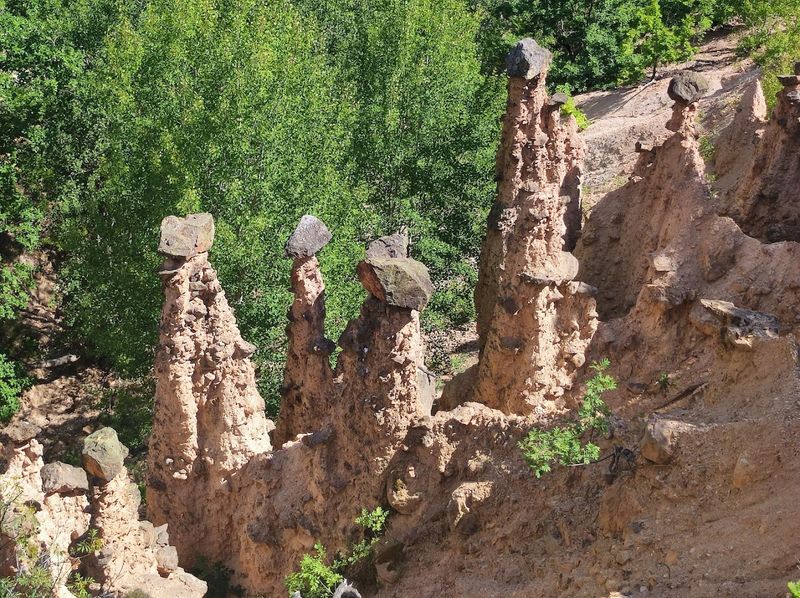
With a name like Devil’s Town, you know this place is going to be extraordinary. Located in southern Serbia near the town of Kursumlija, Davolja Varos is a collection of 202 naturally formed earth pyramids, each topped with a large stone cap that protects the softer clay beneath from rain erosion.
The result is a landscape that looks almost alien.
The pyramids range in height from 2 to 15 meters and are found in two groups along a hillside. According to local legend, the formations are the petrified bodies of wedding guests turned to stone for planning a forbidden marriage.
The legend adds a spooky charm that perfectly suits the setting.
Two natural springs in the area produce water so acidic it is considered undrinkable, which adds to the mysterious atmosphere. Davolja Varos was Serbia’s candidate for the New Seven Wonders of Nature competition, and it is easy to see why it made the shortlist.
8. Theth National Park, Albania
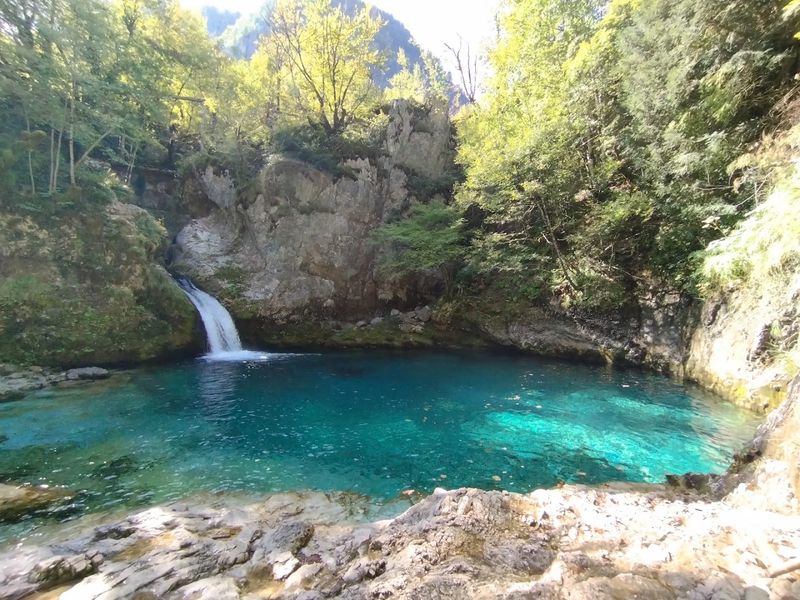
Hidden deep in the Albanian Alps, Theth is the kind of place adventurous travelers dream about. The village sits in a narrow valley flanked by towering peaks that reach over 2,500 meters.
Until fairly recently, the road to Theth was only accessible by off-road vehicles for a few months of the year, which helped keep it beautifully unspoiled.
One of the most striking landmarks here is the Kulla, a traditional stone lock-in tower where men involved in blood feuds would shelter for protection. It stands as a powerful reminder of Albania’s complex social history.
The Blue Eye of Theth, a stunning natural pool fed by a cold underground spring, is another highlight that draws visitors from across the country.
Hiking trails connect Theth to other mountain villages, including the famous route to Valbona Valley. Guesthouses run by local families provide warm meals and comfortable beds.
Theth rewards those willing to make the journey with scenery that is nothing short of spectacular.
9. Prokletije National Park, Montenegro
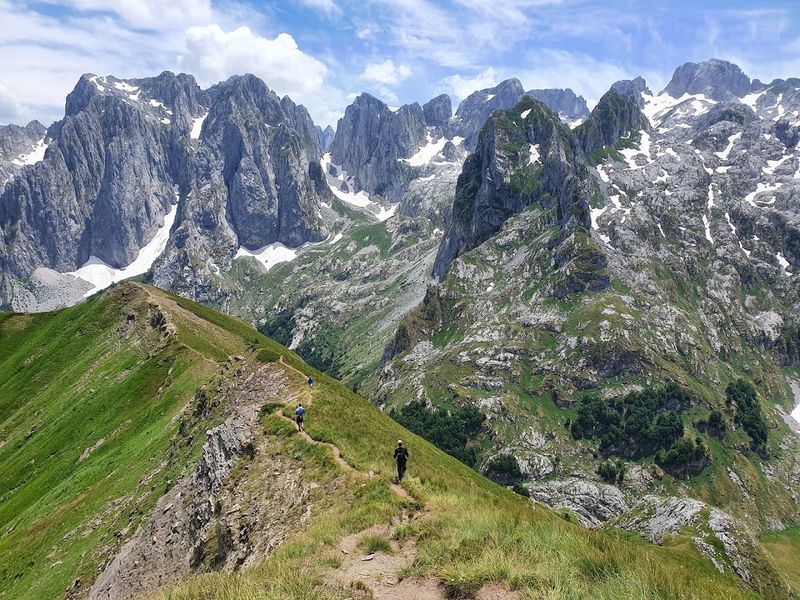
Prokletije, which translates roughly as the Accursed Mountains, might have an ominous name, but this national park in Montenegro is one of the most breathtaking places in the entire Balkans. The park covers part of the Dinaric Alps and shares borders with Albania and Kosovo, creating a vast wilderness area that few tourists have discovered.
Glacial lakes dot the landscape, carved out thousands of years ago during the last Ice Age. The peaks here are wild and dramatic, with some summits exceeding 2,600 meters.
Wildlife in the park includes brown bears, wolves, lynx, and golden eagles, all living in habitats that remain largely undisturbed.
The Via Dinarica trail passes through Prokletije, offering multi-day hiking routes for experienced trekkers. Camping under the stars in this remote setting is an unforgettable experience.
If you value solitude and raw natural beauty, Prokletije belongs at the top of your travel list.
10. Vlkolinec, Slovakia
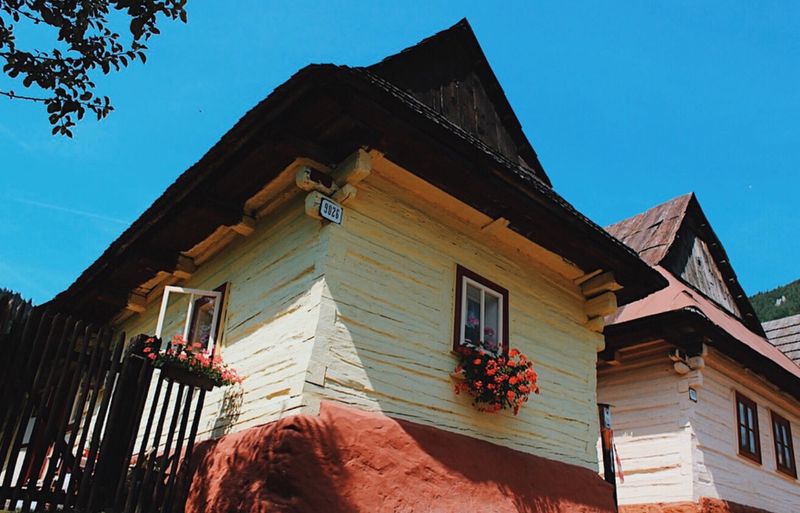
Tucked into the hills of central Slovakia, Vlkolinec is a UNESCO World Heritage Site that has managed to stay almost exactly as it was centuries ago. The village consists of around 45 traditional log houses painted in warm shades of red, orange, and yellow.
Walking its single main lane feels genuinely like stepping back into medieval rural life.
Unlike many preserved villages that have become outdoor museums with no real residents, Vlkolinec is still home to local families who live and work there. That lived-in quality makes it feel authentic in a way that polished tourist attractions rarely achieve.
A small church and a working fountain complete the picture of a community that time has gently passed by.
The village is located near the town of Ruzomberok, making it easy to visit as a day trip. Spring and autumn are particularly beautiful, when the surrounding forests change color and the village glows with warm natural light.
11. Sighisoara, Romania
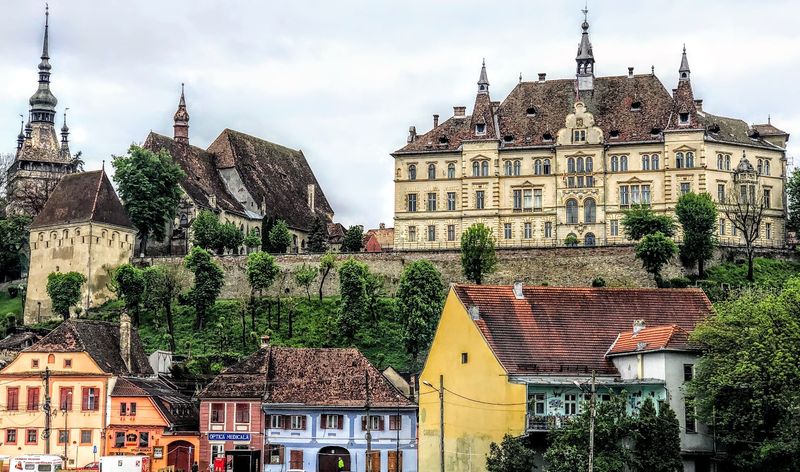
Sighisoara is one of the best-preserved medieval towns in all of Europe, yet it remains far less visited than better-known spots like Prague or Bruges. Perched on a hilltop in Transylvania, the citadel is ringed by original fortified walls and towers built by Saxon settlers in the 12th century.
The colorful houses and cobblestone streets look like they belong in a storybook.
The town is also the birthplace of Vlad the Impaler, the historical figure who inspired Bram Stoker’s Dracula. His childhood home still stands in the citadel and is now a restaurant.
History fans will appreciate how much authentic medieval architecture has survived here without heavy commercialization.
A covered wooden staircase called the Scholar’s Stairs leads up to the hilltop church and school, offering lovely views over the town. Sighisoara hosts a medieval festival each July that draws performers and visitors from across Europe.
It is a place where history feels alive and close.
12. Jajce, Bosnia and Herzegovina
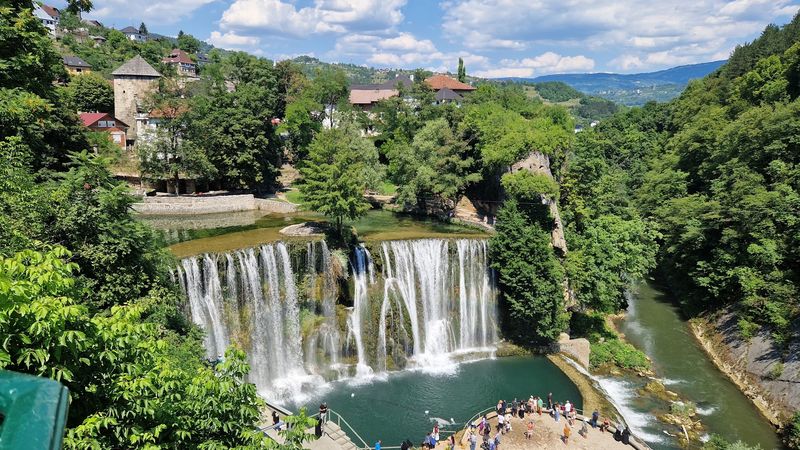
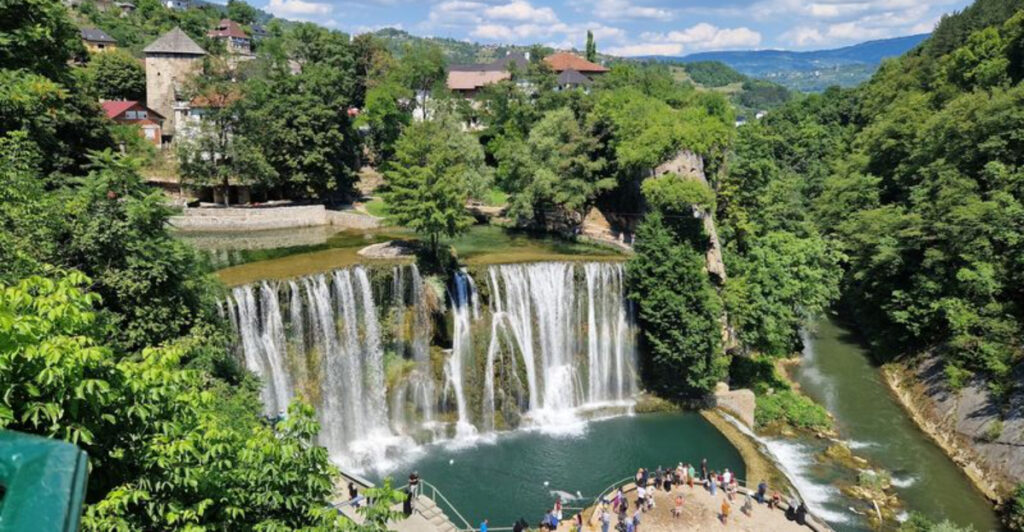
Jajce is one of those rare towns where a powerful waterfall flows right through the middle of the urban center. The Pliva River drops about 21 meters directly into the Vrbas River, creating a spectacular natural feature that surprises first-time visitors.
It is one of the only towns in Europe where you can stand on a bridge and look straight down at a major waterfall.
Beyond the waterfall, Jajce has deep historical significance. It served as the last royal capital of the medieval Kingdom of Bosnia before the Ottoman conquest in 1463.
The old fortress that crowns the hilltop above the town still stands, offering sweeping views of the surrounding valleys and rivers.
The nearby Pliva Lakes are known for their charming old wooden watermills, which are among the most photographed subjects in the country. Jajce is compact enough to explore comfortably in a single day, but interesting enough to make you want to stay longer.
13. Koprivshtitsa, Bulgaria
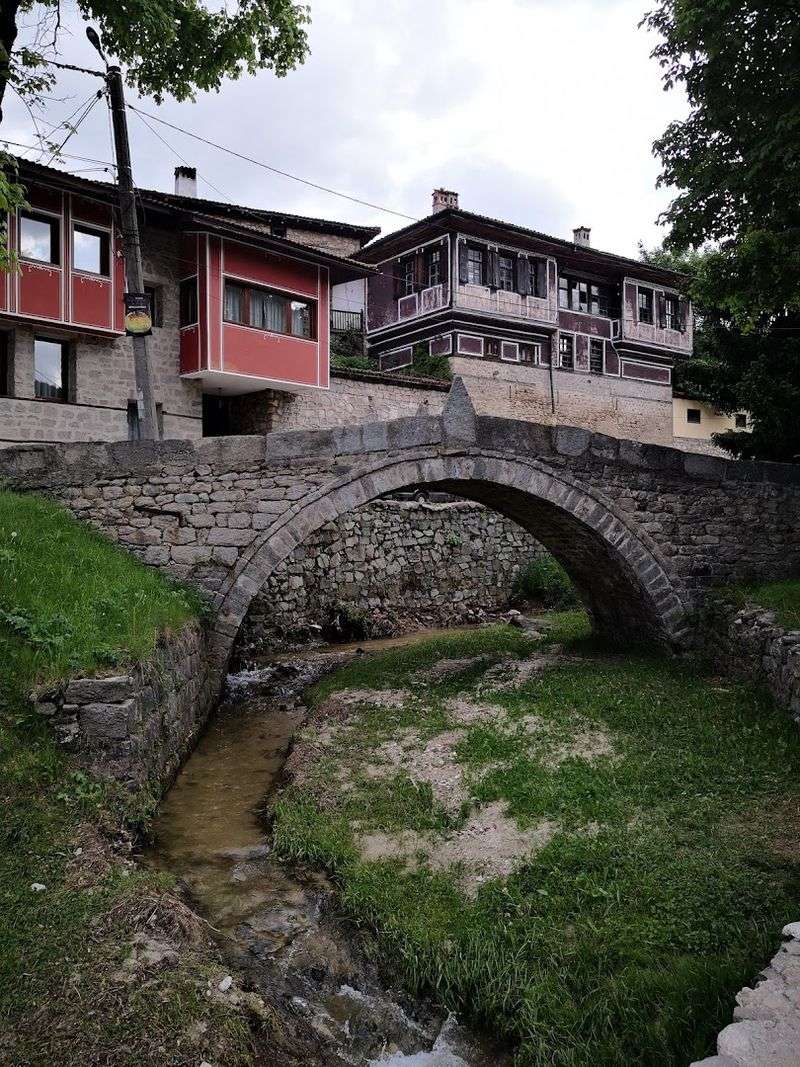
Frozen in the glory of the Bulgarian National Revival period, Koprivshtitsa is an open-air museum of 19th-century architecture and history. The town was a center of Bulgarian culture and learning during the centuries of Ottoman rule, producing poets, artists, and revolutionaries who shaped the country’s identity.
Its beautifully decorated houses, with their carved wooden ceilings and vibrant facades, reflect a confident artistic tradition.
Koprivshtitsa is also famous as the place where the April Uprising of 1876 began, a pivotal moment in Bulgaria’s struggle for independence. Six of the town’s historic houses have been converted into house museums, each telling a different story about life and resistance during that era.
The combination of architecture and history creates a remarkably rich experience.
Set in a quiet mountain valley about 110 kilometers from Sofia, the town is easy to reach by train. Every five years, Koprivshtitsa hosts a massive national folklore festival that draws performers from across Bulgaria.
14. Tarnow, Poland
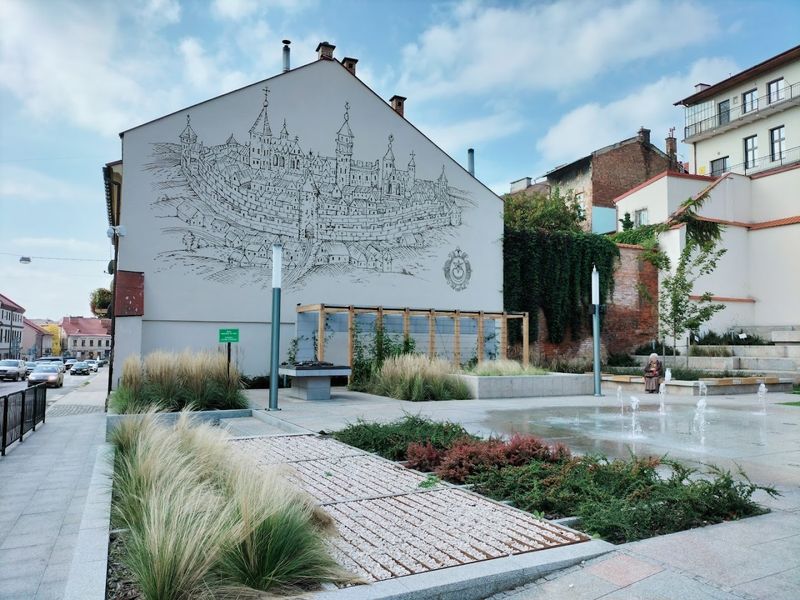
Often overshadowed by nearby Krakow, Tarnow is a Polish gem that deserves far more attention than it receives. The city’s Old Town contains one of the best-preserved Renaissance market squares in Poland, surrounded by colorful townhouses with elaborate facades that have stood for centuries.
The town hall at its center is a particularly fine example of Polish Renaissance architecture.
Tarnow also has a significant and moving history as an important center of Jewish culture before World War II. The city’s Jewish cemetery, established in 1831, is one of the oldest surviving Jewish cemeteries in Poland and contains beautifully carved tombstones that tell stories of a vanished community.
A small but thoughtful museum documents this history with care and respect.
The city is lively and lived-in, with good cafes, local markets, and friendly residents who are genuinely pleased to see visitors exploring their home. Tarnow is the kind of place that rewards slow wandering and genuine curiosity.
15. Mokra Gora, Serbia
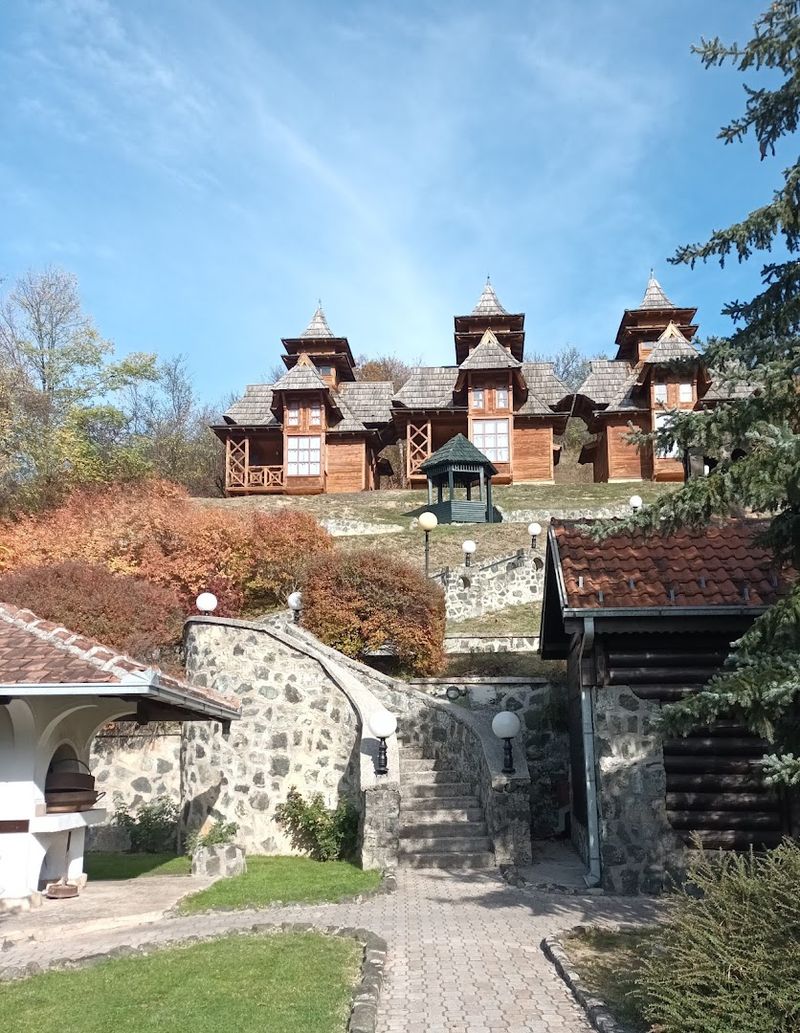
Mokra Gora sits in the mountains of western Serbia near the border with Bosnia, and it carries the unmistakable stamp of filmmaker Emir Kusturica. The director built an entire traditional Serbian village here called Drvengrad, or Kustendorf, constructed entirely from wood and stone in a style that echoes old mountain architecture.
It now functions as a real community with a cinema, library, and gallery.
The real highlight for many visitors is the Sargan Eight, a narrow-gauge railway that loops and spirals through the mountain landscape in a figure-eight shape. Built in the early 20th century, the train climbs steep gradients through tunnels and across bridges, offering extraordinary views of the surrounding valleys and forests.
Riding it feels like traveling through a living landscape painting.
Nearby Zlatibor mountain offers additional hiking, skiing, and wellness retreats. Mokra Gora blends culture, creativity, and natural beauty in a way that feels genuinely original.
It is a place that stays with you long after you leave.
Share this story