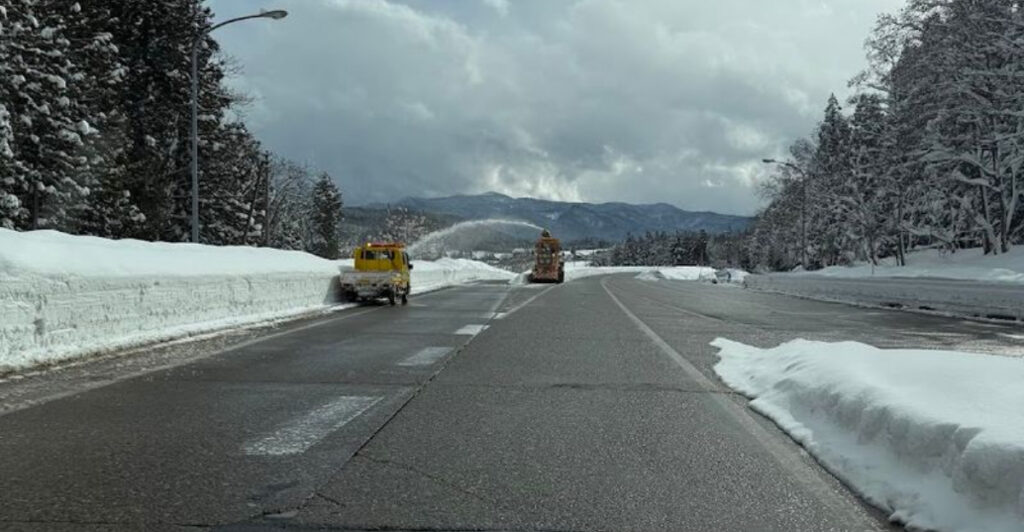
Some places on Earth get so much snow that it becomes a way of life, a tourist magnet, and sometimes a survival challenge all at once. From towering mountain resorts in Japan to remote Norwegian valleys, these destinations are famous for burying everything under meters of white powder every single winter.
Whether you love skiing, snowboarding, or just watching the world turn into a giant snowglobe, these spots deliver snowfall on a truly jaw-dropping scale. Get ready to discover the snowiest places on the planet.
Mount Baker, Washington, USA
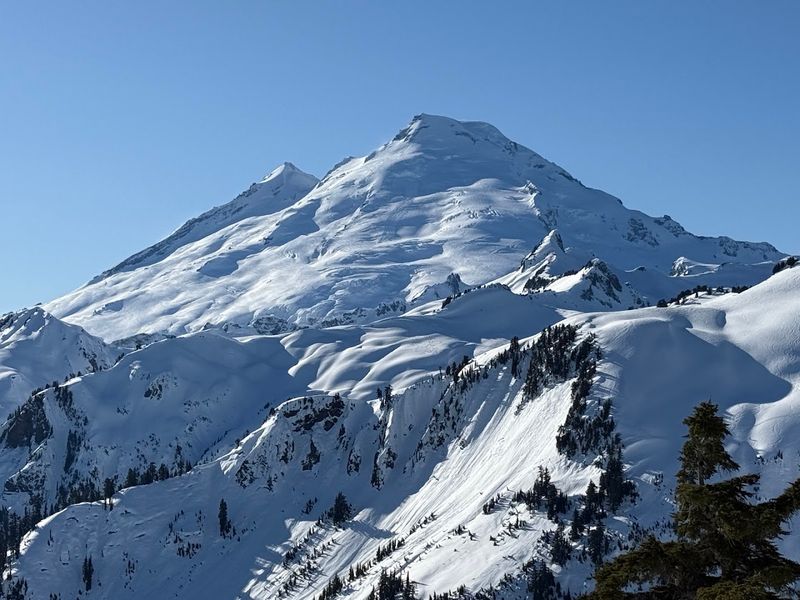
Hold on tight, because Mount Baker Ski Area once buried itself under nearly 29 meters of snow in a single season, smashing every world record in the books. That happened during the legendary 1998-99 winter, and snow scientists still talk about it with wide eyes.
On an average year, the mountain receives around 17.5 meters of snowfall, making it the snowiest ski resort on the planet.
Located in the North Cascades of Washington State, Mount Baker benefits from cold Pacific storms that roll in repeatedly throughout the winter. The snow here is deep, consistent, and absolutely relentless.
Skiers and snowboarders from across the world make pilgrimages here just to experience the extraordinary conditions.
The resort is not the flashiest or most glamorous on the list, but serious powder hounds rank it among the best on Earth. Lift tickets are relatively affordable compared to other world-class resorts.
If you want raw, unfiltered snowfall experience, Mount Baker is the undisputed heavyweight champion of snow.
Niseko, Hokkaido, Japan
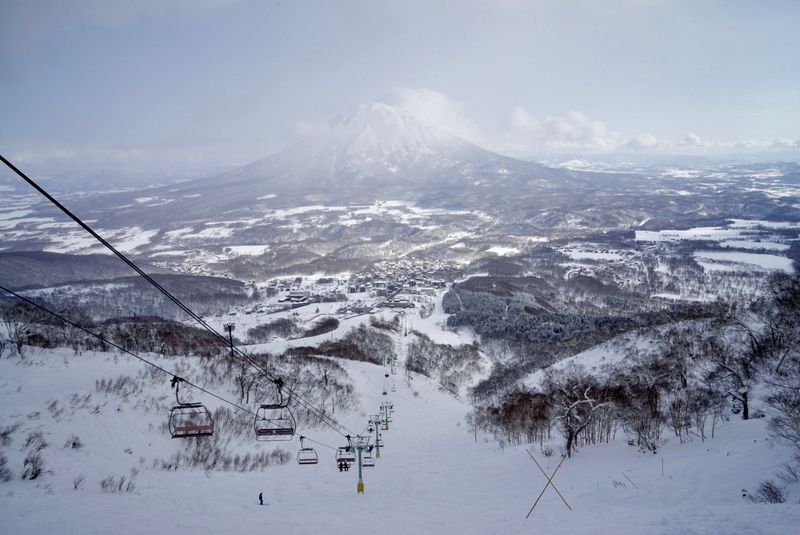
Powder junkies around the world whisper the name Niseko like it is a sacred word. This resort on Japan’s northern island of Hokkaido averages around 15 meters of snowfall each winter, and the quality of that snow is almost unfairly good.
Cold Siberian air crosses the Sea of Japan, picks up moisture, and dumps incredibly light, dry powder right on the mountain.
The snow crystals at Niseko are so fine and fluffy that locals call it “Japow,” a nickname that has spread across every ski magazine and travel blog imaginable. Visibility can drop to near zero during heavy snowfall events, which happen multiple times each week through peak winter.
Skiers often find themselves buried waist-deep just standing still.
Beyond the skiing, Niseko offers fantastic Japanese food, outdoor hot spring baths called onsen, and a lively international atmosphere. Australian, American, and European visitors flock here in huge numbers every year.
The combination of extreme snowfall and authentic Japanese culture makes Niseko unlike any other ski destination on Earth.
Alta, Utah, USA
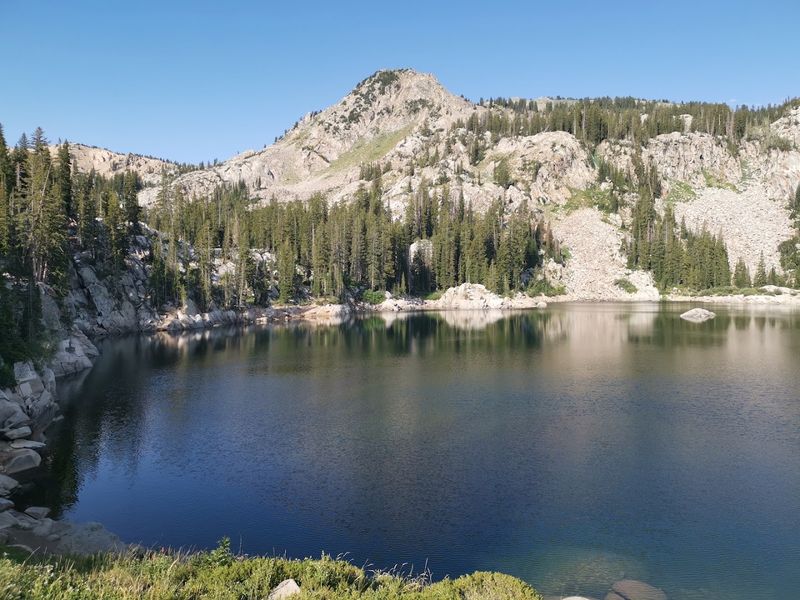
Utah actually trademarked the phrase “Greatest Snow on Earth,” and Alta is the resort that earns that slogan every single winter. Tucked into Little Cottonwood Canyon near Salt Lake City, Alta averages around 14 meters of snowfall annually.
The secret weapon is the unique geography that funnels Pacific storms directly into the canyon, piling up snow at an extraordinary rate.
Alta has been a ski destination since 1939, making it one of the oldest ski resorts in the United States. It famously remains one of the last resorts in America to ban snowboarders, keeping the mountain exclusively for skiers.
That old-school attitude matches the timeless, classic feel of the place perfectly.
The snow at Alta is famously light and cold, containing very little moisture compared to coastal resorts. Locals call it “cold smoke,” and once you ski through it, the nickname makes complete sense.
Many professional skiers name Alta as their favorite resort in the world simply because of how consistently extraordinary the snow conditions are each season.
Snowbird, Utah, USA
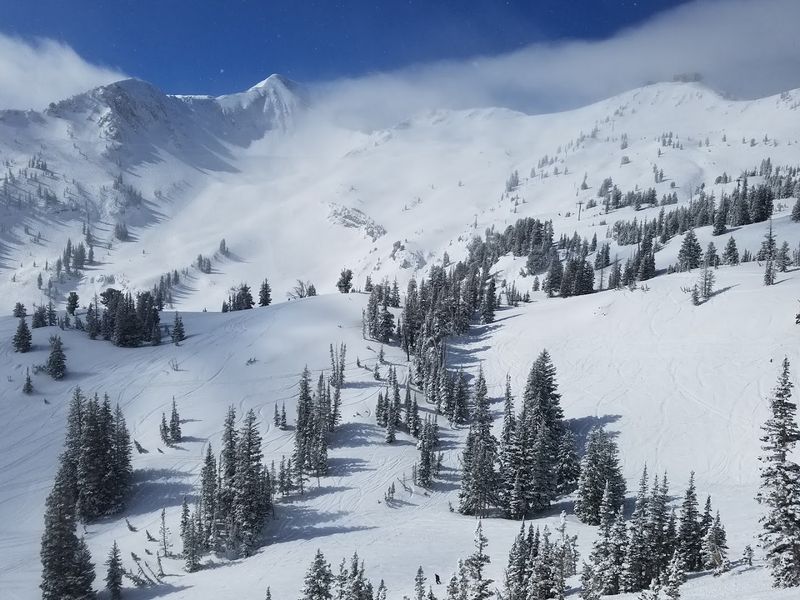
Right next door to Alta sits Snowbird, a resort so committed to snow that it sometimes keeps lifts spinning all the way into July. Snowbird regularly receives around 13 meters of snow annually and boasts one of the longest ski seasons anywhere in the United States.
The resort opened in 1971 and quickly built a reputation for steep terrain and legendary powder days.
The iconic Snowbird tram carries 125 passengers at a time up to Hidden Peak at 3,352 meters elevation. From up there, the views across the Wasatch Range are absolutely breathtaking, and the ski runs back down are equally dramatic.
Advanced skiers particularly love the resort’s challenging chutes and wide-open bowls.
Snowbird and Alta are connected by a lift pass called the Alta-Snowbird combo, letting skiers roam across two of the snowiest mountains in North America in one day. That combination covers over 4,700 acres of skiable terrain.
If you are chasing maximum snow quantity combined with maximum skiing variety, this Utah canyon delivers better than almost anywhere else on the planet.
Rusutsu, Hokkaido, Japan
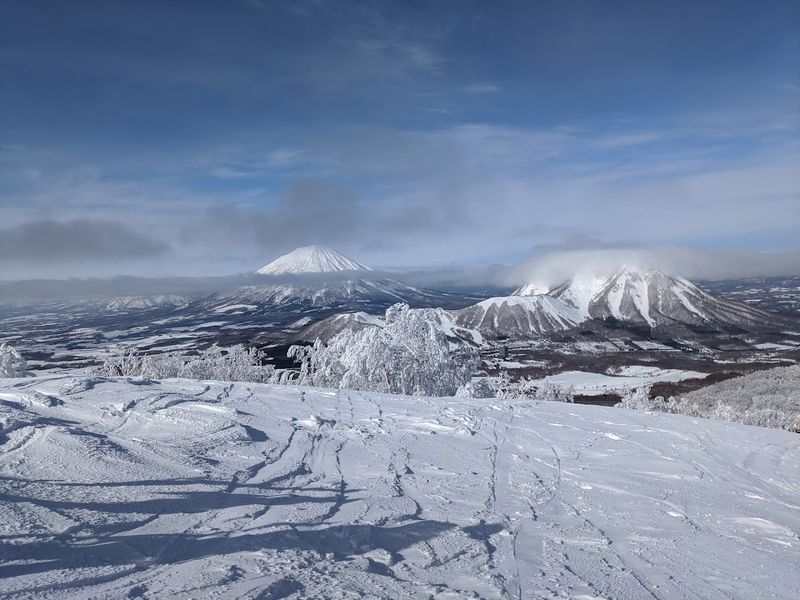
Tree skiing enthusiasts treat Rusutsu like a secret paradise that somehow keeps getting discovered. This resort on Hokkaido averages between 12 and 14 meters of snowfall each winter, and much of that snow falls so gently through the trees that the powder stays perfectly preserved for days.
The forest runs here are some of the most magical in all of Japan.
Rusutsu is less internationally famous than Niseko, which sits just 40 kilometers away, but many experienced skiers actually prefer it. The crowds are smaller, the lines are shorter, and the tree runs feel wilder and more adventurous.
Three interconnected mountain peaks offer a surprising variety of terrain for a resort of its size.
The resort also features one of Japan’s largest indoor amusement parks, which makes it an unexpectedly fun destination for families traveling with young kids who might not ski. Hot spring facilities and excellent Japanese dining round out the experience beautifully.
Rusutsu rewards visitors who look a little beyond the obvious choices and are willing to explore somewhere slightly off the beaten path.
Whistler Blackcomb, British Columbia, Canada
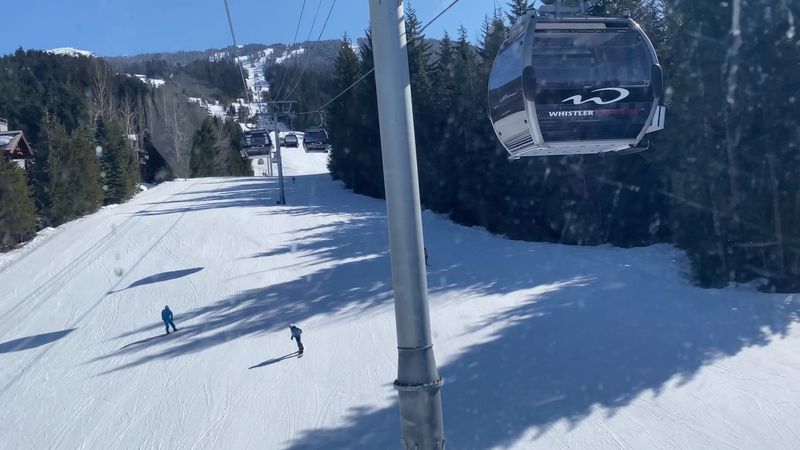
Whistler Blackcomb is North America’s largest ski resort by almost every measurement, and it backs up that title with serious snowfall numbers. The upper elevations receive close to 12 meters of snow annually, feeding an enormous ski area that covers over 8,100 acres of terrain.
Two massive mountains, Whistler and Blackcomb, sit side by side and are connected by the famous PEAK 2 PEAK gondola.
The PEAK 2 PEAK gondola stretches 4.4 kilometers between the two summits and was a world record holder when it opened in 2008. Riding it over the snowy valley below feels genuinely thrilling, even for people who have done it dozens of times.
The resort hosted events during the 2010 Vancouver Winter Olympics, cementing its global reputation.
Whistler Village at the base is a fully pedestrianized alpine town packed with restaurants, shops, and nightlife that keeps visitors entertained long after the lifts close. The combination of world-class skiing, massive snowfall, and a lively resort town atmosphere makes Whistler Blackcomb the most complete ski destination in North America.
Booking accommodation early is absolutely essential during peak winter weeks.
Jackson Hole, Wyoming, USA
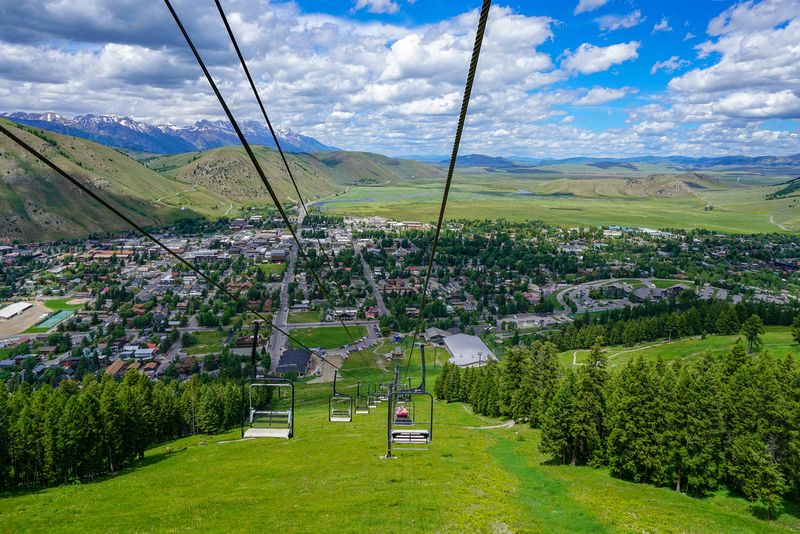
Few mountains in the world carry the same legendary reputation among expert skiers as Jackson Hole. Averaging over 11 meters of snowfall annually, the resort combines serious quantity with some of the most challenging terrain anywhere in North America.
The Teton Range creates a dramatic, almost theatrical backdrop that makes every run feel cinematic.
The famous Corbet’s Couloir, a narrow chute requiring skiers to jump in from above, has terrified and thrilled generations of advanced skiers. Jackson Hole attracts athletes and adventurers who want genuine challenge rather than easy groomed cruisers.
That said, beginner and intermediate areas do exist, giving families a workable option if they visit together.
Jackson Hole town itself sits in a stunning valley surrounded by national parks, including Grand Teton National Park and Yellowstone just to the north. Wildlife sightings of elk, bison, and even wolves are surprisingly common in winter.
The combination of jaw-dropping mountain scenery, heavy snowfall, and one of America’s most charming western towns makes Jackson Hole a bucket-list destination for outdoor lovers of every kind.
Hakuba Valley, Nagano, Japan
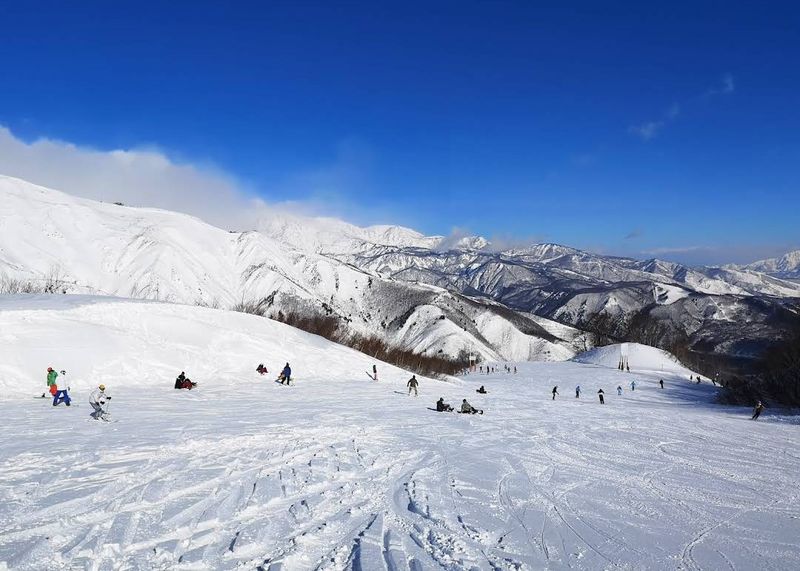
When the 1998 Winter Olympics came to Japan, organizers chose Hakuba Valley in Nagano Prefecture as the venue for alpine and ski jumping events, and the snowfall record made that choice obvious. Some ski areas within the valley average around 11 meters of snow each winter, providing the kind of reliable conditions that world-class competition demands.
The valley stretches across a wide area and contains ten separate ski resorts.
Happo-One is the most famous resort within the valley and hosted the Olympic downhill races on its steep, demanding slopes. The Olympic course is still skiable today, giving everyday visitors a chance to follow in the tracks of legendary athletes.
Standing at the top of that run and looking down is genuinely humbling.
Hakuba sits only about two hours from Tokyo by bullet train and regular train connections, making it remarkably accessible for international visitors staying in the capital. The valley also offers excellent Japanese cuisine, traditional ryokan inns, and stunning views of the Northern Alps.
Hakuba rewards visitors who appreciate history, culture, and extraordinary snowfall all wrapped into one beautiful mountain valley.
Revelstoke, British Columbia, Canada
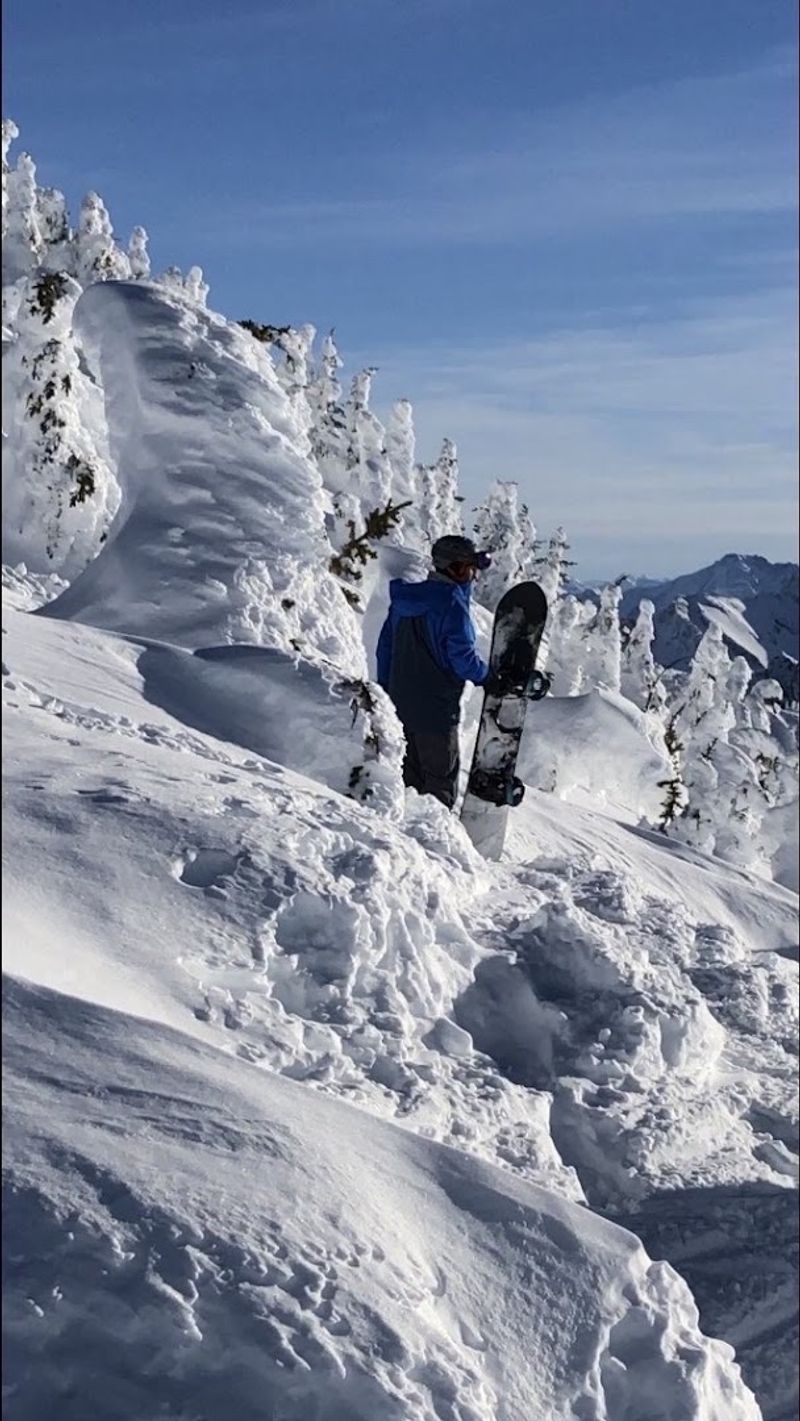
Revelstoke is the kind of mountain that serious skiers talk about in hushed, reverent tones. Receiving roughly 10.7 meters of snowfall annually, the resort pairs deep powder with the steepest lift-accessed vertical drop in North America at 1,713 meters.
That combination of quantity and pitch creates conditions that attract the most skilled skiers and snowboarders on the planet.
The resort only opened its lifts in 2007, making it one of North America’s youngest major ski destinations. Before that, the mountain was exclusively accessed by helicopter, and heli-skiing operations still run alongside the regular lifts today.
The backcountry terrain surrounding Revelstoke is considered among the finest on Earth by the heli-ski industry.
The town of Revelstoke sits in the Columbia River valley below the mountain and has an authentic, unpretentious character that feels refreshingly different from glitzier resort towns. Local restaurants and breweries reflect genuine small-town British Columbia culture rather than manufactured alpine charm.
For skiers who want maximum vertical, maximum powder, and minimum pretension, Revelstoke is arguably the most exciting ski destination in all of Canada.
Nozawa Onsen, Nagano, Japan
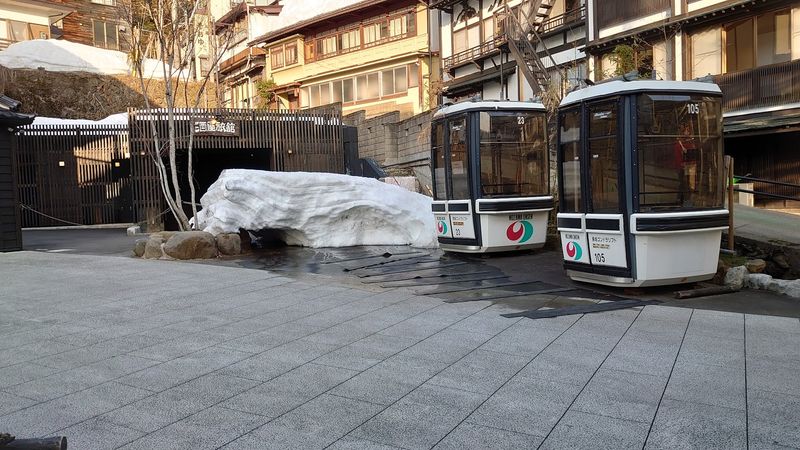
Steam rising from outdoor baths while snow falls silently on a medieval Japanese village is the exact image that Nozawa Onsen delivers every single winter. This historic hot spring town in Nagano Prefecture has been welcoming visitors for over a thousand years, and its ski resort averages around 10 meters of snowfall each season.
The combination of ancient culture and modern skiing is genuinely unlike anything else in the world.
The free public baths, called soto-yu, are scattered throughout the village and are maintained by local residents who have done so for generations. Sliding into a steaming outdoor bath after a full day of skiing through deep powder is one of the most satisfying experiences winter travel can offer.
Thirteen separate public baths are available, each with slightly different water temperatures and characters.
The village itself is beautifully preserved, with narrow winding streets, wooden buildings, and a relaxed pace of life that feels centuries removed from modern resort culture. Most accommodations are small family-run guesthouses called minshuku that serve home-cooked Japanese meals.
Nozawa Onsen is the rare place where the off-mountain experience is just as memorable as the skiing itself.
Aomori, Japan

Aomori City holds a distinction that most urban residents would find absolutely horrifying: it is one of the snowiest large cities on the entire planet. Every winter, massive storms roll in from the Sea of Japan and dump meters of snow directly onto this city of over 270,000 people.
Average annual snowfall regularly exceeds 7 to 8 meters, and some winters push even higher than that.
Unlike ski resorts that celebrate snow as a product, Aomori residents must actually live under all of it. Snow removal is a constant, expensive, and exhausting civic operation that runs around the clock during heavy snowfall periods.
Rooftop snow loads become a genuine safety concern, and special equipment for clearing buildings is a normal part of city life here.
Despite the challenges, Aomori has developed a rich winter culture that embraces the snow rather than fighting it. The Aomori Nebuta Festival in summer is world-famous, but winter brings its own quieter magic to the city.
Visitors who travel here in January or February experience what it genuinely means to coexist with extraordinary snowfall on a daily, unavoidable basis.
Sapporo, Hokkaido, Japan
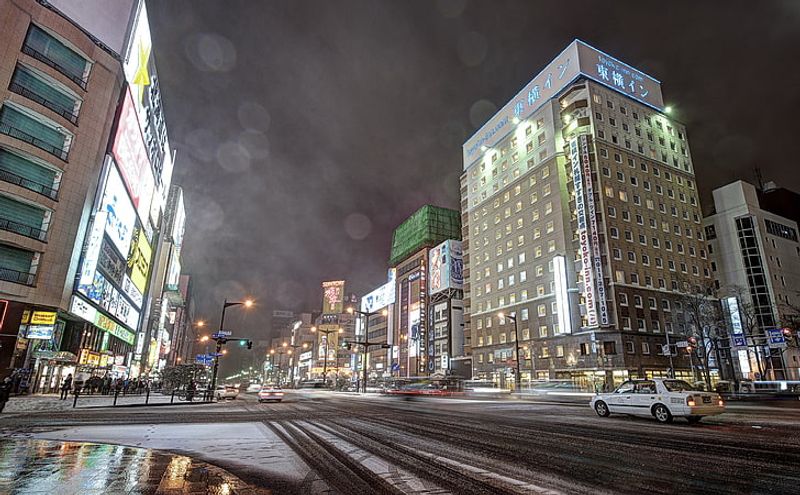
Every February, Sapporo transforms its public parks and streets into an open-air gallery of enormous ice and snow sculptures, drawing over two million visitors to the famous Sapporo Snow Festival. The event has been running since 1950, and the sculptures grow more ambitious and technically stunning every single year.
Some structures reach heights of 15 meters and require weeks of construction by military engineers and art students working together.
The city receives several meters of snow each winter, which provides the raw material for both the festival sculptures and the general winter atmosphere that blankets Hokkaido’s largest city. Sapporo sits at roughly the same latitude as Milan, Italy, but its climate is dramatically colder and snowier due to its position relative to Siberian air masses.
That geographic quirk is responsible for everything the city is famous for in winter.
Beyond the festival, Sapporo offers excellent ramen, world-class miso soup, fresh seafood from Hokkaido’s surrounding waters, and easy access to multiple ski resorts within an hour’s drive. Niseko and Rusutsu are both reachable by bus from the city center.
Sapporo is the perfect base for anyone wanting to experience Hokkaido’s legendary snowfall without committing to a full mountain resort stay.
Engelberg, Switzerland
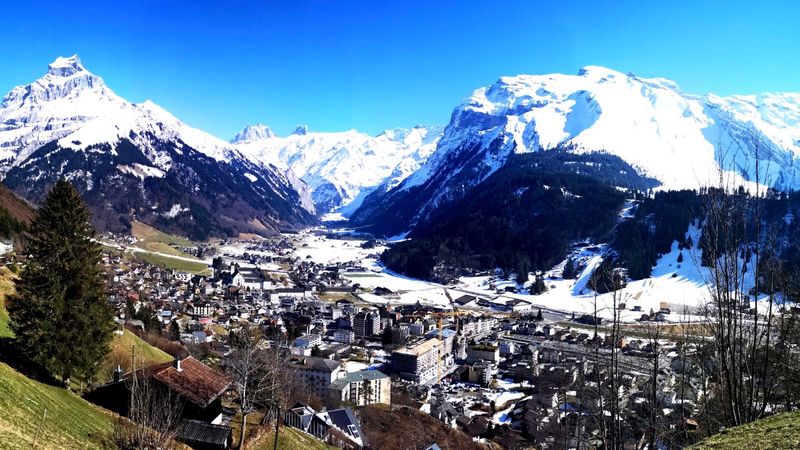
Perched beneath the eternal ice of Mount Titlis at 3,238 meters, Engelberg is Switzerland’s most reliably snow-covered resort and one of the snowiest ski destinations in all of Europe. The resort averages around 8.5 meters of snowfall annually, supplemented by glacier skiing that remains available virtually year-round.
That combination gives Engelberg one of the longest consistent ski seasons on the continent.
The Titlis Rotair gondola, which rotates 360 degrees during the ascent, delivers passengers to the glacier summit with views that stretch across four countries on a clear day. The glacier itself is ancient and massive, providing a surreal high-altitude landscape of ice caves, crevasses, and wind-sculpted snowfields.
Skiing down from the summit on a powder day is an experience that is genuinely hard to put into words.
The village of Engelberg below is a classic Swiss alpine town built around a massive Benedictine monastery that has stood since the 12th century. Monks still live and work there today, creating an unusual and charming contrast with the modern ski infrastructure surrounding them.
Engelberg rewards visitors who want serious European snowfall combined with genuine Swiss mountain tradition.
Chamonix, France
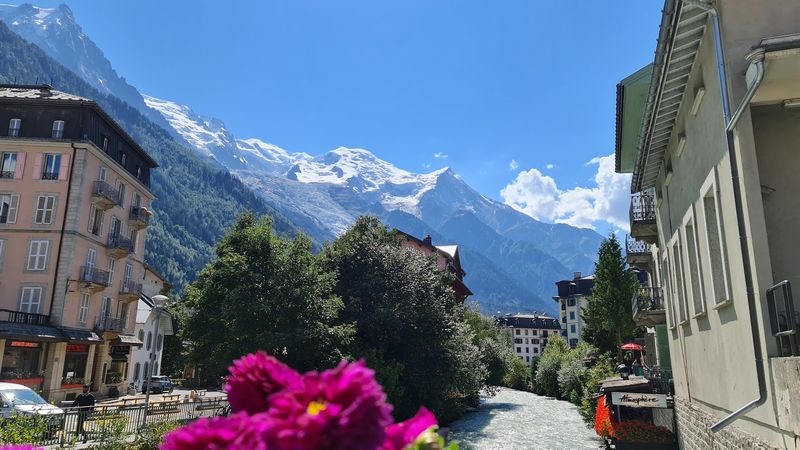
Chamonix is where the modern concept of mountain adventure was essentially invented. Sitting at the foot of Mont Blanc, Western Europe’s highest peak at 4,808 meters, this French alpine town has been attracting climbers, skiers, and thrill-seekers since the 18th century.
The surrounding mountains receive heavy snowfall and permanent glaciers that create some of the most dramatic skiing terrain anywhere in the world.
The Vallee Blanche is Chamonix’s most famous run, a 20-kilometer off-piste descent across the Mont Blanc glacier that requires a guide and basic mountaineering awareness. Thousands of skiers attempt it every season, and completing it successfully feels like a genuine accomplishment.
The views of towering seracs and sweeping glacial landscapes along the route are completely unlike anything at a conventional ski resort.
The town itself has a buzzing, slightly edgy atmosphere full of professional mountain guides, elite athletes, and passionate outdoor enthusiasts from every corner of the globe. Excellent French restaurants, lively bars, and a well-preserved historic center make evenings in Chamonix just as engaging as the days on the mountain.
For anyone serious about alpine adventure, Chamonix is essentially required reading.
Roldal, Norway
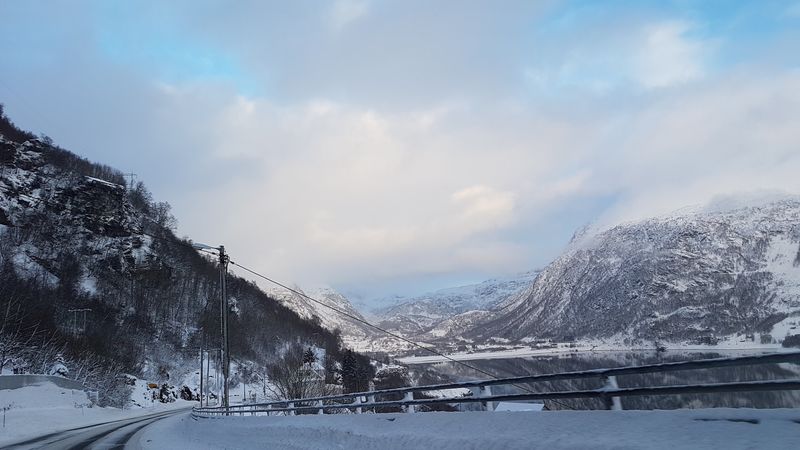
Norway is famous for winter, but even by Norwegian standards, Roldal is something special. Wedged into a valley surrounded by steep mountains near the Hardangerfjord, this small resort receives around 11 meters of snow in an average winter, making it the snowiest ski area in Norway and one of the snowiest in all of Europe.
The topography essentially acts as a funnel for Atlantic moisture, and the snow just keeps piling up.
The resort is small compared to the giant Alpine destinations in France and Switzerland, with a modest collection of lifts and runs. But what Roldal lacks in size it more than compensates for with snow depth and quality.
On a good powder day, the snow here can be chest-deep in the trees, which draws freeride skiers from across Scandinavia and beyond.
The surrounding landscape of frozen fjords, dramatic cliffs, and traditional Norwegian wooden farmhouses gives Roldal an atmosphere that feels completely authentic and untouched by mass tourism. Accommodation is simple and the crowds are thin, which only adds to the appeal for skiers who prefer raw adventure over resort luxury.
Roldal is the kind of hidden gem that rewards those willing to travel a little further off the map.
Niigata Prefecture, Japan
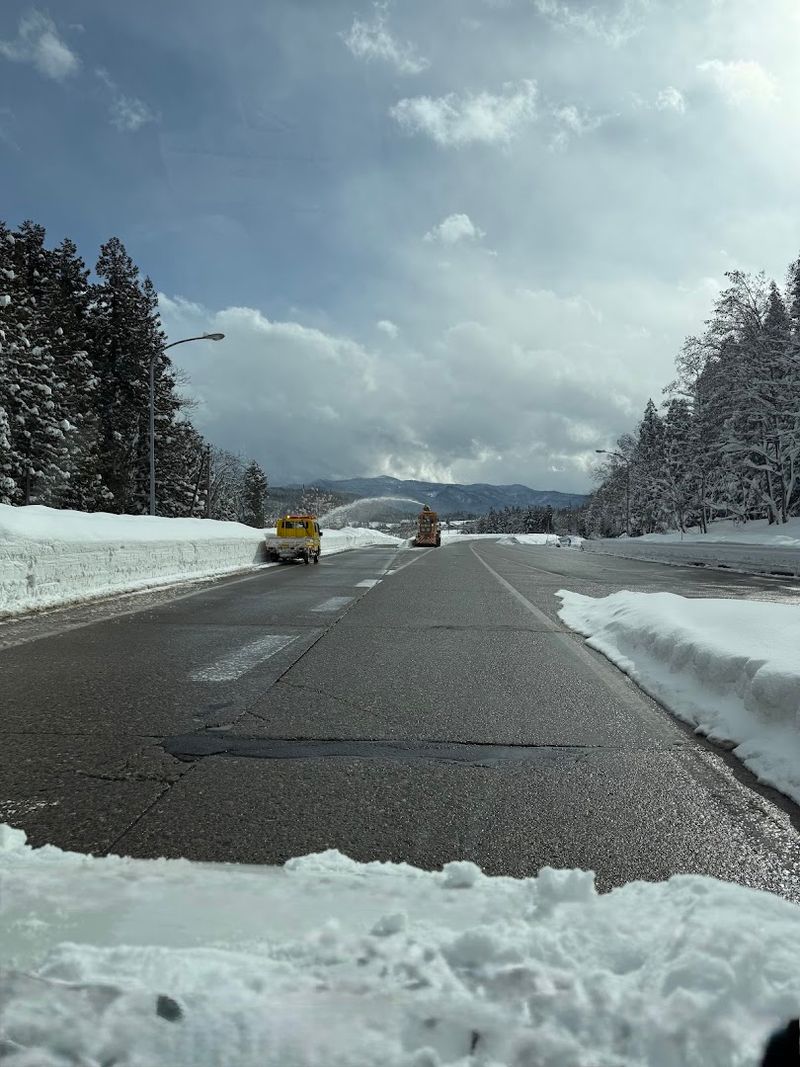
Nobel Prize-winning author Yasunari Kawabata opened his famous novel Snow Country with the line “The train came out of the long tunnel into the snow country,” and he was writing about Niigata. This prefecture on Japan’s northwestern coast is legendary for snowfall that can exceed 14 meters in mountain areas, creating landscapes so extreme they inspired one of Japanese literature’s greatest works.
The snow here is not just weather; it is culture.
Niigata’s extraordinary snowfall is caused by cold Siberian winds crossing the Sea of Japan and depositing massive amounts of moisture as they hit the mountains along the coast. Some villages in the Uonuma region have recorded snow depths exceeding 3 meters at ground level for weeks at a time.
Local architecture evolved specifically to handle these loads, with steeply pitched roofs and reinforced structures built to survive the annual burial.
The prefecture is also famous for producing Japan’s finest sake rice and some of the country’s most celebrated rice wine, both of which thrive in the cold, snowy climate. Ski resorts like Naeba and Gala Yuzawa draw millions of visitors each winter.
Niigata proves that living under extreme snowfall can shape not just buildings and landscapes, but an entire regional identity.
Share this story