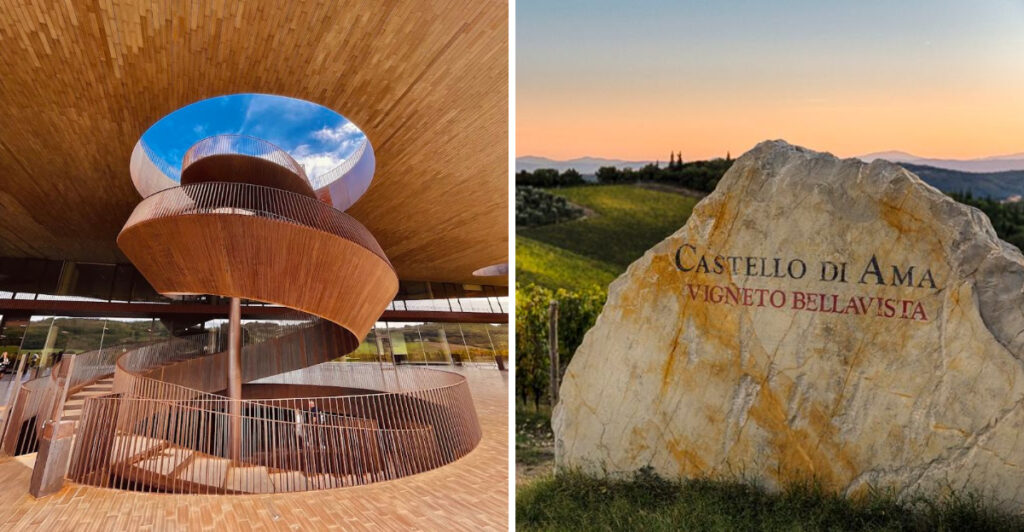
Tuscany is one of the world’s most beloved wine destinations, where sun-soaked vineyards stretch across rolling hills and ancient stone estates have been perfecting their craft for centuries. From the legendary Brunello producers of Montalcino to the bold Super Tuscans of Bolgheri, every corner of this region tells a story worth sipping slowly.
Whether you’re a dedicated wine enthusiast or simply someone who appreciates breathtaking scenery and great food, Tuscany’s wineries deliver on every front. Pack your bags and your appetite because these ten estates are genuinely worth the journey.
Antinori nel Chianti Classico – Bargino
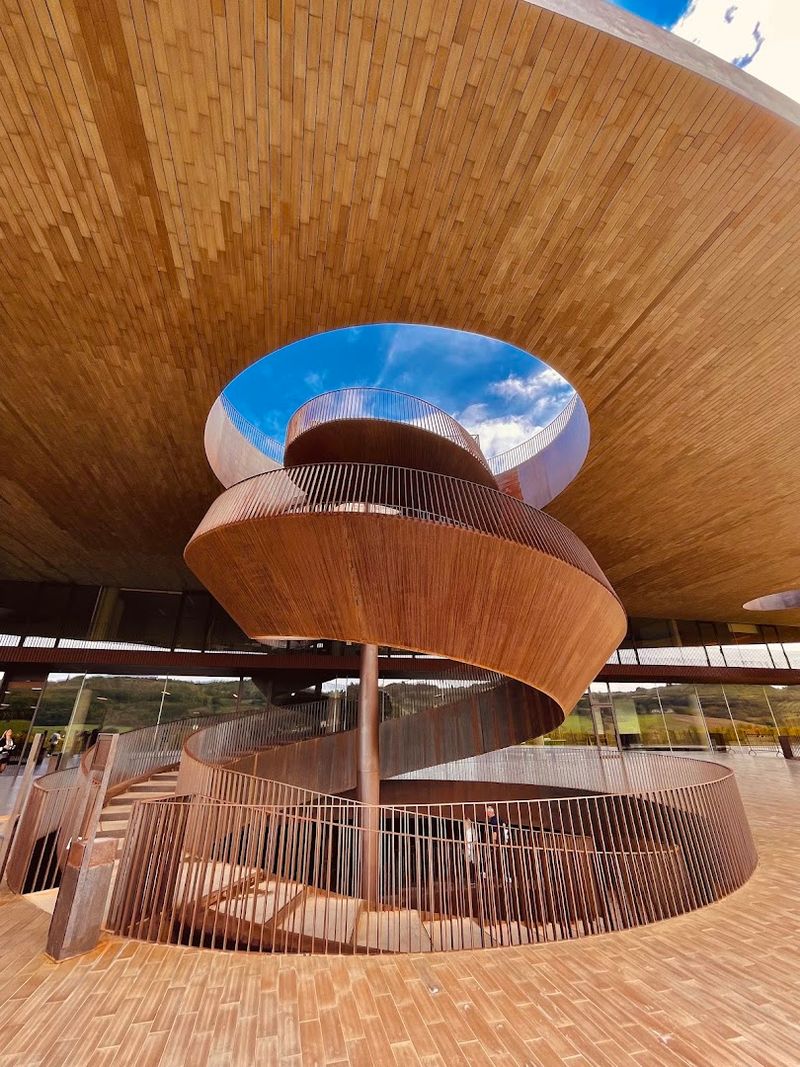
Architecture lovers, prepare to have your minds blown. Antinori nel Chianti Classico is not your typical wine cellar tucked behind old wooden doors.
Designed by Archea Associati, this stunning winery was literally carved into the Chianti hillside, blending seamlessly with the landscape as if it grew there naturally.
The building features sweeping panoramic terraces, gravity-fed production floors, and underground cellars that feel more like modern art galleries than storage rooms. It opened in 2012 and quickly became one of the most photographed wineries in all of Italy.
The Antinori family has been making wine here since 1385, which makes this futuristic design an interesting contrast to their centuries-old tradition.
During guided tastings, you will sample some of Italy’s most celebrated bottles, including the iconic Tignanello and Solaia blends. There is also a rooftop restaurant with views so spectacular they almost steal attention from the wine.
Almost. Plan ahead because tours book up quickly, especially during harvest season in October.
Castello di Ama – Gaiole in Chianti
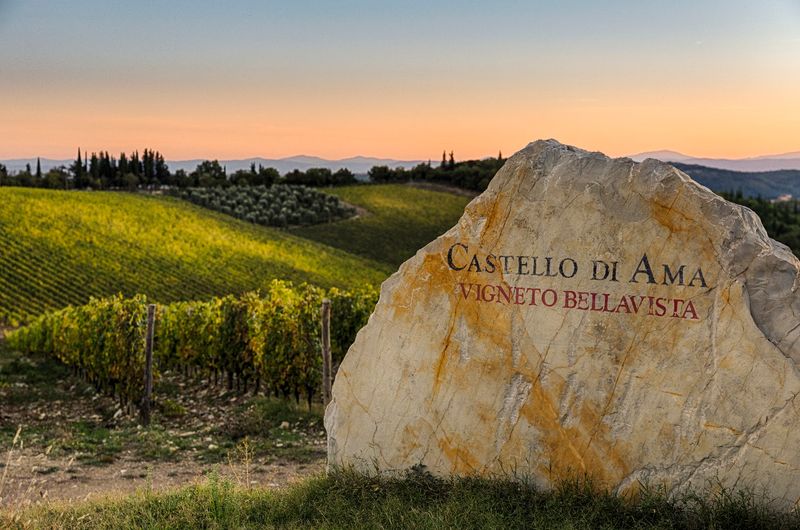
Somewhere between a world-class art museum and a medieval village, Castello di Ama found its own unique identity and ran with it. This remarkable estate in Gaiole in Chianti has been welcoming visitors since the 1970s, but its art program is what truly sets it apart from every other winery in the region.
Since 2000, the estate has commissioned site-specific installations from internationally acclaimed artists including Louise Bourgeois and Chen Zhen. These works are permanently displayed throughout the hamlet’s courtyards, cellars, and gardens, creating an experience that is equal parts cultural and sensory.
You do not need to be an art critic to appreciate the effect.
The wines themselves are exceptional. Castello di Ama produces some of the most refined Chianti Classico Gran Selezione bottles available, with their single-vineyard offerings earning consistent praise from critics worldwide.
Guided tours combine wine tasting with a curated walk through the art collection, making each visit feel like a private gallery opening with really excellent snacks. Reservations are essential and strongly recommended months in advance.
Castello Banfi – Montalcino
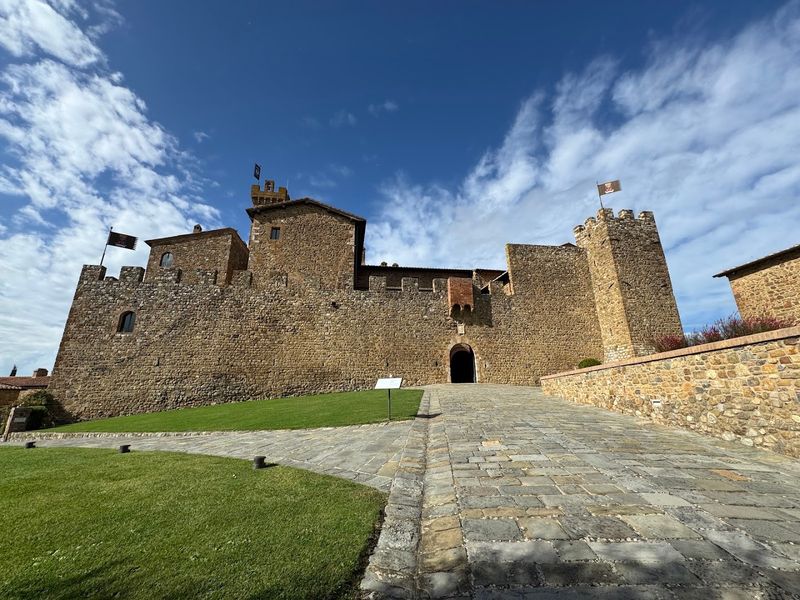
If you have ever dreamed of staying inside a medieval castle while drinking world-famous wine, Castello Banfi is basically your fantasy made real. Perched above the southern slopes of Montalcino, this magnificent estate covers over 7,000 acres and produces some of the most recognized Brunello di Montalcino in the world.
American entrepreneurs John and Harry Mariani purchased the property in 1978 and transformed it into a fully functioning luxury destination. Today, visitors can enjoy guided vineyard tours, underground cellar walks, and tastings that showcase the estate’s flagship Brunello alongside lighter Rosso di Montalcino bottles.
The castle itself houses a small wine museum and a beautiful enoteca stocked floor to ceiling.
There is also a boutique hotel and two restaurants on the property, so you can make an entire weekend of it without ever leaving the grounds. The Taverna Banfi offers more casual dining, while Il Ristorante di Poggio Antico serves refined Tuscan cuisine paired with estate wines.
For first-time visitors to Montalcino, Banfi is an ideal and thoroughly accessible starting point. Come hungry and leave very, very happy.
Biondi-Santi (Tenuta Greppo) – Montalcino
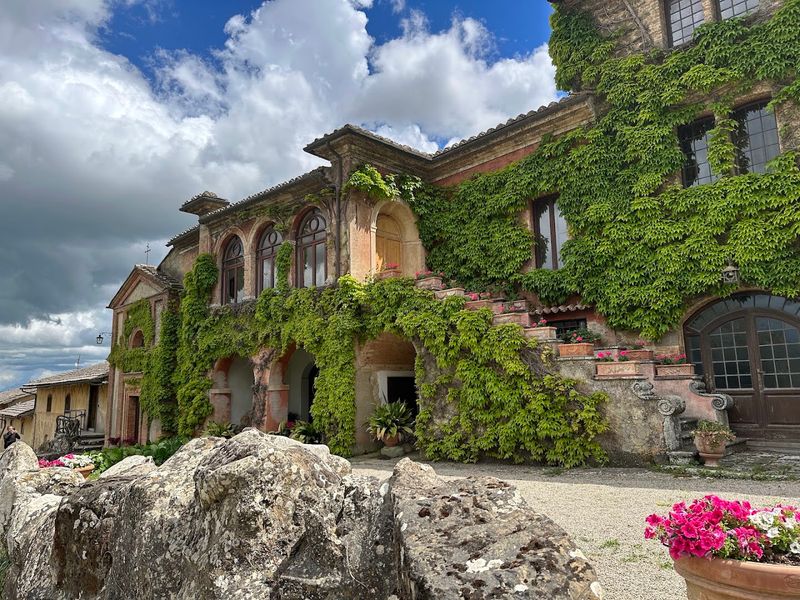
For serious wine lovers, visiting Biondi-Santi is a little like visiting the birthplace of a legend. This is not just any winery.
Ferruccio Biondi-Santi essentially invented Brunello di Montalcino in the 1870s, isolating a particular Sangiovese clone and aging it in a way no one had done before. The wine world has never been the same since.
The estate, known as Tenuta Greppo, sits quietly on the outskirts of Montalcino with an understated elegance that suits its reputation perfectly. Some of the oldest vines on the property are over a century old and still producing fruit.
The historic cellar holds bottles dating back to the early 1900s, many of which are still considered drinkable by experts.
Visits here are intentionally intimate and must be arranged in advance. Tours typically include a walk through the estate, a look at the remarkable riserva cellar, and a tasting of current releases.
Prices reflect the prestige of the wines, but for those who appreciate history in a glass, the cost feels completely justified. This is not just a winery visit.
It is a pilgrimage.
Avignonesi – Montepulciano
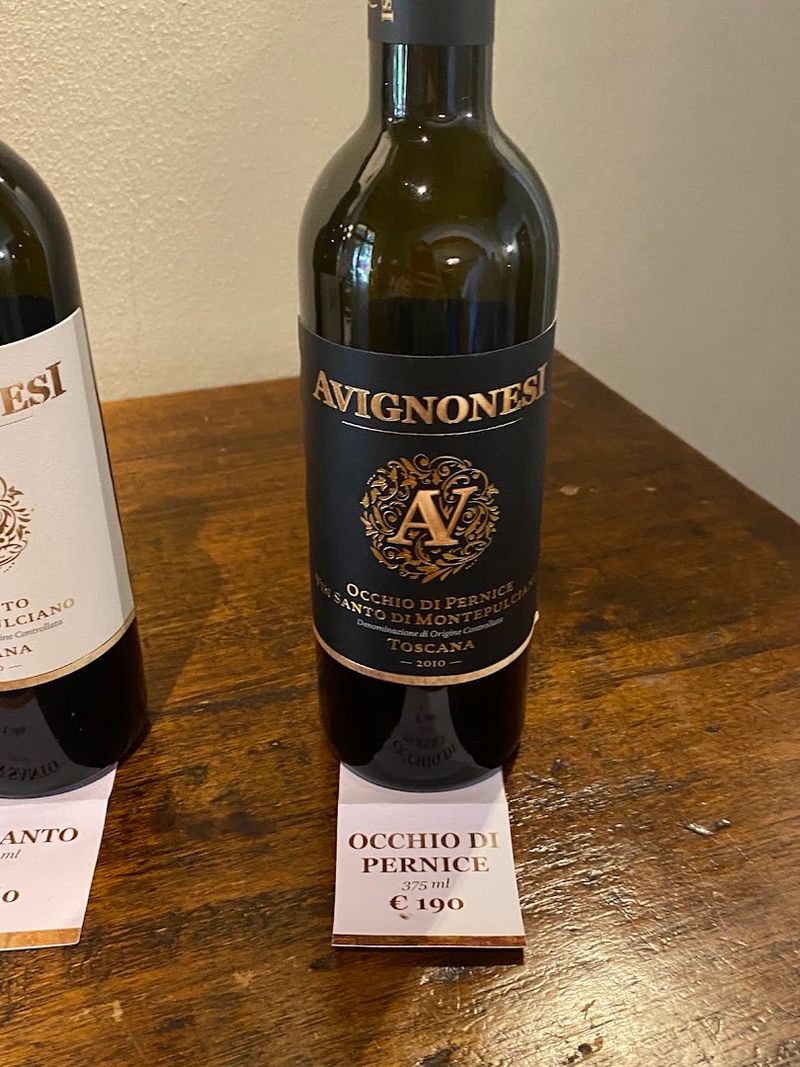
Not every great winery in Tuscany is about ancient castles and centuries of prestige. Avignonesi proves that a commitment to the land and a clear vision for the future can be just as compelling.
Located near Montepulciano, this estate converted entirely to biodynamic farming in 2009, making it one of the largest certified biodynamic wine producers in Italy.
Belgian entrepreneur Virginie Saverys purchased the property in 2009 and brought a fresh, sustainability-focused approach that has energized both the estate and its wines. The vineyards are managed without synthetic chemicals, with sheep grazing between the rows and compost preparations applied by hand.
The result is a wine that genuinely tastes like the place it comes from.
Avignonesi is best known for its elegant Vino Nobile di Montepulciano and its extraordinary Vin Santo, one of the most prized sweet wines in all of Italy. Visitors can join vineyard walks, participate in guided tastings, and enjoy farm-to-table lunches prepared from ingredients grown on the estate.
The whole experience feels grounded, genuine, and refreshingly unhurried. If you want a winery visit that feeds the soul as much as the palate, Avignonesi is it.
Castello di Brolio – Gaiole in Chianti
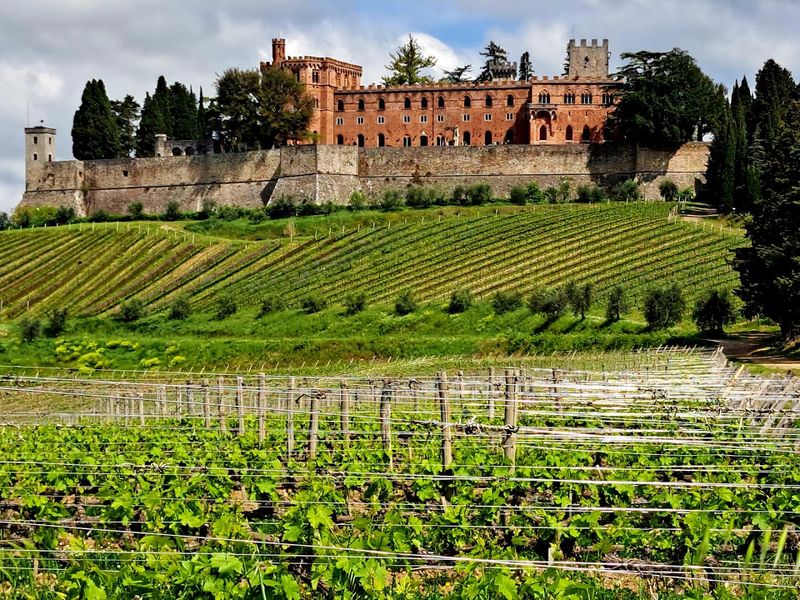
Standing at the top of Castello di Brolio and looking out over the Chianti hills, it is genuinely easy to forget that the 21st century exists at all. The Ricasoli family has owned this dramatic hilltop fortress for nearly 900 years, making it one of the oldest family estates in all of Europe.
Baron Bettino Ricasoli, who became Italy’s second prime minister in 1861, also developed one of the earliest recipes for Chianti wine right here on these grounds.
The castle itself is partially open to visitors and well worth exploring. Winding staircases lead to tower lookouts with panoramic views of vineyards stretching in every direction.
Below the fortress, the estate’s enoteca offers tastings of their flagship Brolio Chianti Classico alongside more limited single-vineyard selections.
The gardens surrounding the castle are beautifully maintained and make for a pleasant stroll before or after your tasting. There is also a small chapel on the grounds that dates back centuries, adding to the estate’s deeply layered sense of history.
A visit to Castello di Brolio is not just about wine. It is a full afternoon of history, scenery, and Sangiovese, and that combination is genuinely hard to beat.
Badia a Coltibuono – Gaiole in Chianti
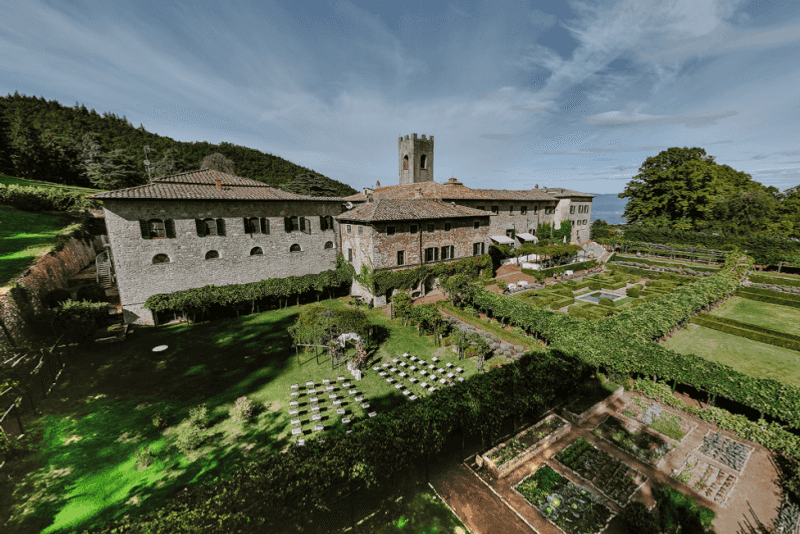
There is something quietly magical about tasting wine in a place where Benedictine monks once lived, prayed, and yes, made wine of their own. Badia a Coltibuono, which translates roughly to Abbey of the Good Harvest, was founded in 1051 and operated as a monastery for centuries before the Stucchi Prinetti family took ownership in the 19th century.
The transition from monks to vintners turned out beautifully for everyone involved.
The estate is certified organic and produces a range of Chianti Classico wines that reflect the forested, higher-altitude character of this part of the appellation. The abbey buildings have been lovingly restored and include a restaurant, a small hotel, and a cooking school that attracts food lovers from around the world.
Lorenza de Medici, who popularized Tuscan cooking internationally, once taught here, which gives the place a well-deserved culinary reputation.
Guided tours of the property include a walk through the monastery gardens, which are filled with medicinal herbs, ancient olive trees, and seasonal vegetables. Tastings follow in the estate’s atmospheric cellar.
If you are combining a wine trip with a cooking holiday, Badia a Coltibuono offers packages that cover both. It is a rare place where every sense gets equal attention.
Ornellaia – Bolgheri
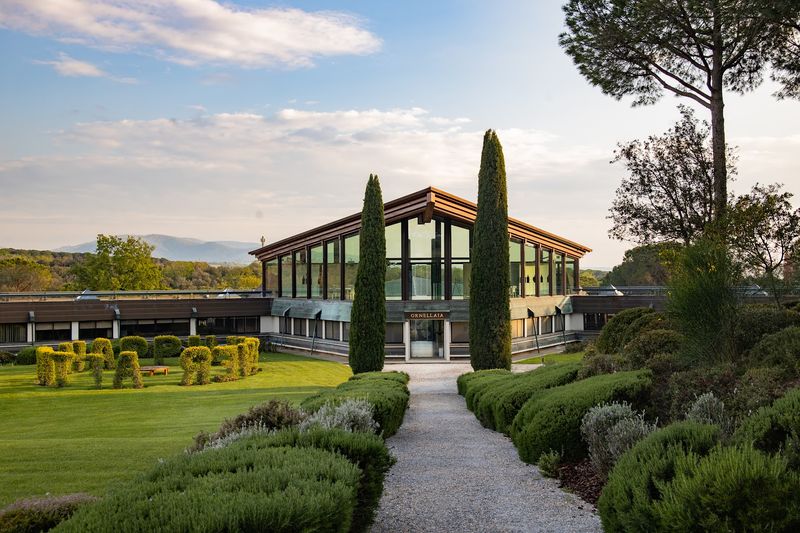
Getting an appointment at Ornellaia feels a bit like scoring front-row tickets to a sold-out show. Visits are limited, carefully managed, and genuinely exclusive, which makes the experience feel all the more special once you are actually there.
Located in the coastal zone of Bolgheri, Ornellaia is one of Italy’s most prestigious wine estates and a cornerstone of the Super Tuscan movement.
Founded in 1981 by Lodovico Antinori, the estate produces Cabernet Sauvignon-dominant blends that rival the great wines of Bordeaux in both quality and price. The flagship wine, simply called Ornellaia, consistently earns near-perfect scores from international critics.
A second wine, Le Serre Nuove, offers a slightly more accessible entry point into the estate’s style without sacrificing much elegance.
The winery building is sleek and contemporary, designed to complement rather than compete with the surrounding landscape. Each year, Ornellaia commissions a contemporary artist to create a label for a special edition release, blending fine art with fine wine in a way that feels genuinely thoughtful.
Tastings here are unhurried and deeply informative, led by knowledgeable staff who clearly love what they do. Book well ahead and treat yourself.
Tenuta San Guido – Bolgheri
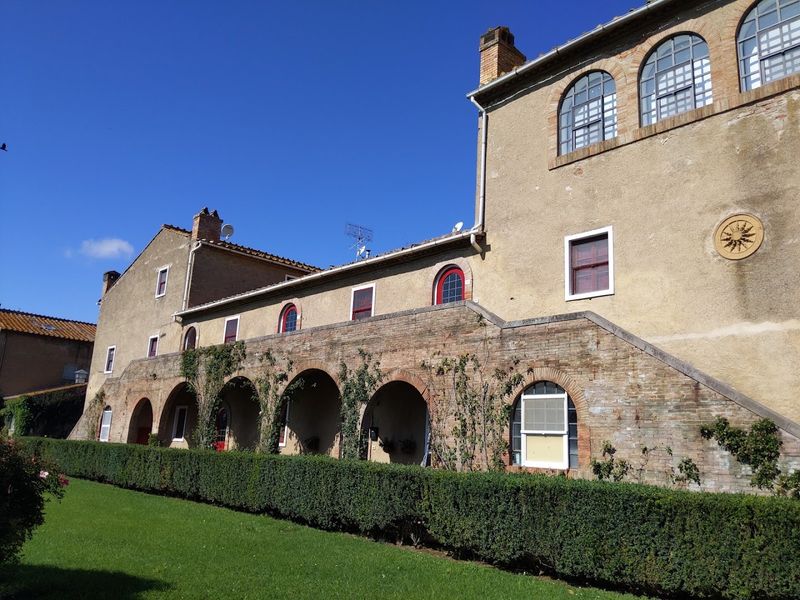
Few names in the wine world carry as much weight as Sassicaia, and Tenuta San Guido is where it all began. In the 1940s, Marchese Mario Incisa della Rocchetta planted Cabernet Sauvignon cuttings on his coastal estate near Bolgheri, inspired by the wines of Bordeaux he had fallen in love with in France.
For years, the wine was made only for family and friends. Then in 1968, it was released commercially and changed Italian wine forever.
Sassicaia was so groundbreaking that it eventually earned its own DOC appellation, the only single-estate DOC in Italy. The estate remains family-owned and intentionally private, with public visits limited and access carefully controlled.
However, the surrounding Bolgheri landscape is spectacularly beautiful on its own, and the famous cypress-lined road, Viale dei Cipressi, is one of the most photographed stretches of road in Tuscany.
Wine lovers who manage to arrange a visit describe the experience as quietly reverent, like stepping onto hallowed ground. For those who cannot get inside, bottles of Sassicaia are available at the local enoteca in Bolgheri village.
Either way, the pilgrimage to this corner of coastal Tuscany is absolutely worth making.
Castello di Volpaia – Radda in Chianti
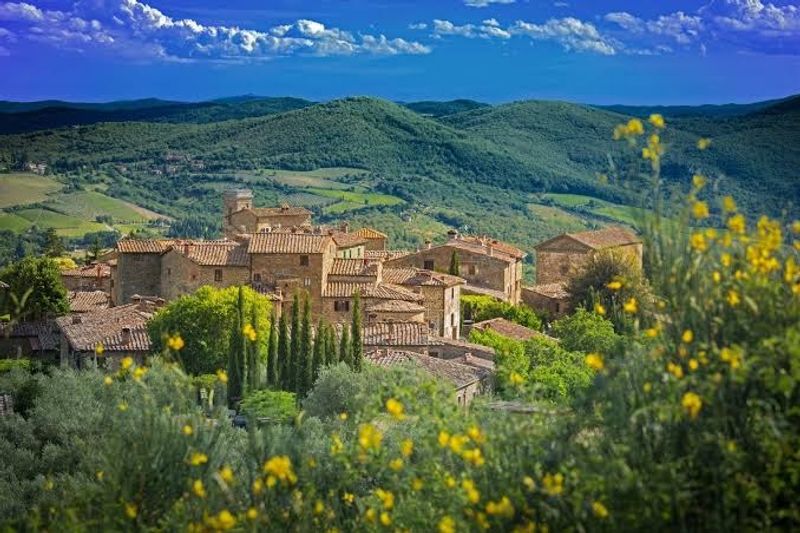
Walking into Castello di Volpaia feels less like arriving at a winery and more like stumbling into a perfectly preserved medieval village that happens to also produce excellent wine. That is because it literally is one.
The entire hilltop hamlet of Volpaia, perched high above the Chianti hills near Radda, serves as the production facility, tasting room, restaurant, and guest accommodation for this family-owned estate.
The Stianti Mascheroni family has been running the estate since the 1960s, and their commitment to both the village and its wines shows in everything from the carefully maintained stone buildings to the quality of the Chianti Classico in your glass. Fermentation actually happens inside the old church and tower structures of the hamlet, which sounds unusual but works remarkably well.
Volpaia sits at one of the highest elevations in the Chianti Classico zone, which gives its wines a cooler, more mineral-driven character that stands out in blind tastings. Visitors can explore the village freely, join guided tours, or simply sit outside the small bar with a glass and soak in the views.
The whole place moves at a pace that feels almost rebelliously slow, and after one glass of their Riserva, you will happily follow its lead.
Share this story