Most travelers spend weeks planning visits to the world’s most famous landmarks, only to find themselves standing in a queue for two hours just to get a blurry photo. There is a better way to travel. Some of the most genuine and memorable moments happen when you trade the crowded viewpoint for a quiet neighborhood street, or swap the overpriced tour boat for the local ferry that costs almost nothing. These experiences do not just show you a place, they actually let you feel like you belong there.
The 16 experiences in this article are not secret, but they are seriously overlooked. Each one has the power to become the highlight of a trip, and none of them require a reservation made six months in advance.
1. Wander Historic Neighborhoods Before the Crowds Wake Up
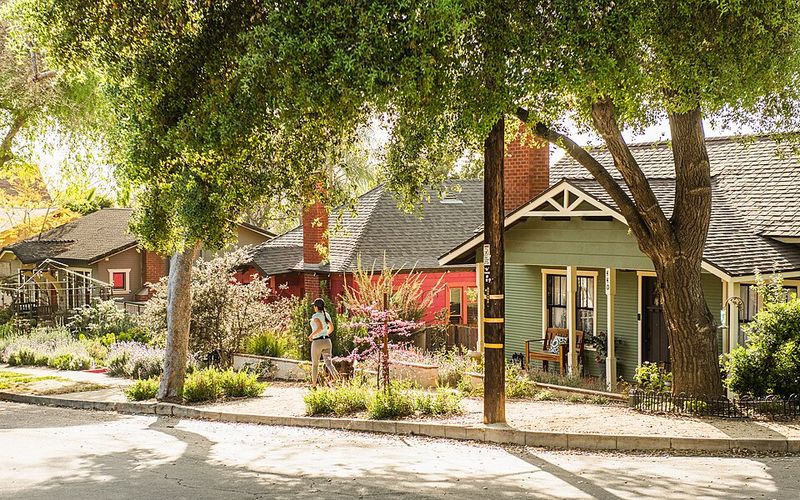
The best version of a famous neighborhood exists only for about two hours each morning, before the tour groups arrive and the selfie sticks come out.
In Rome’s Trastevere, early risers find empty piazzas and bread bakers preparing for the day. Charleston’s Historic District reveals its pastel facades and intricate iron gates in calm, unhurried detail. Old Quebec, a UNESCO World Heritage site, lets you walk its cobblestone streets with almost no one else around.
These neighborhoods tell their real stories before the crowds show up. The architecture, the local rhythms, and the quiet details are all yours to observe without competition. Set your alarm an hour earlier than planned and the reward is significant.
2. Take the Ferry Instead of the Tour Boat
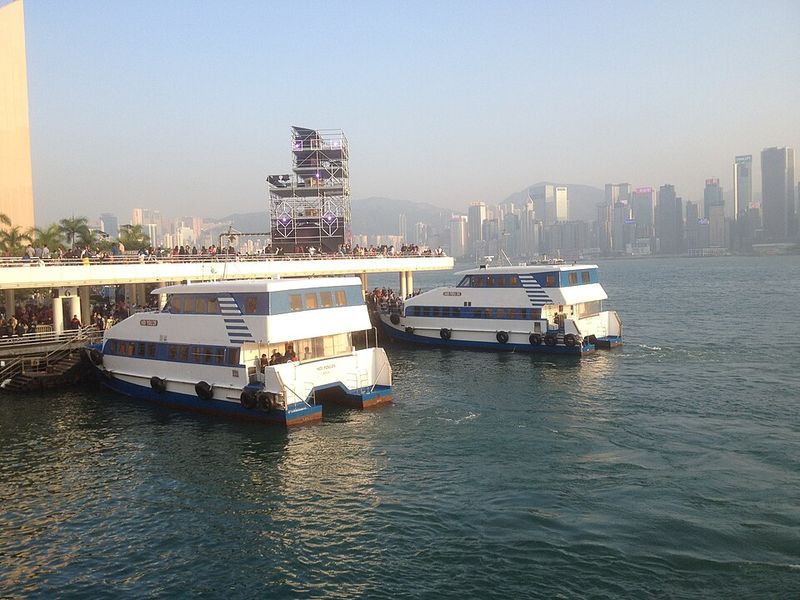
Locals do not take the tour boat. They take the ferry, and for a fraction of the price, they get the same waterfront views without the scripted commentary.
New York’s Staten Island Ferry is completely free and passes directly by the Statue of Liberty and Ellis Island on a 25-minute crossing that runs around the clock. Sydney’s iconic ferries depart from Circular Quay with views of the Opera House and Harbour Bridge built right into the commute. Istanbul’s Bosphorus crossings pass palaces, mosques, and waterfront mansions for just a few euros using a local transit card.
Each of these routes delivers genuine scenery alongside a slice of daily life that no premium sightseeing cruise can replicate.
3. Visit Local Food Markets Instead of Famous Restaurants
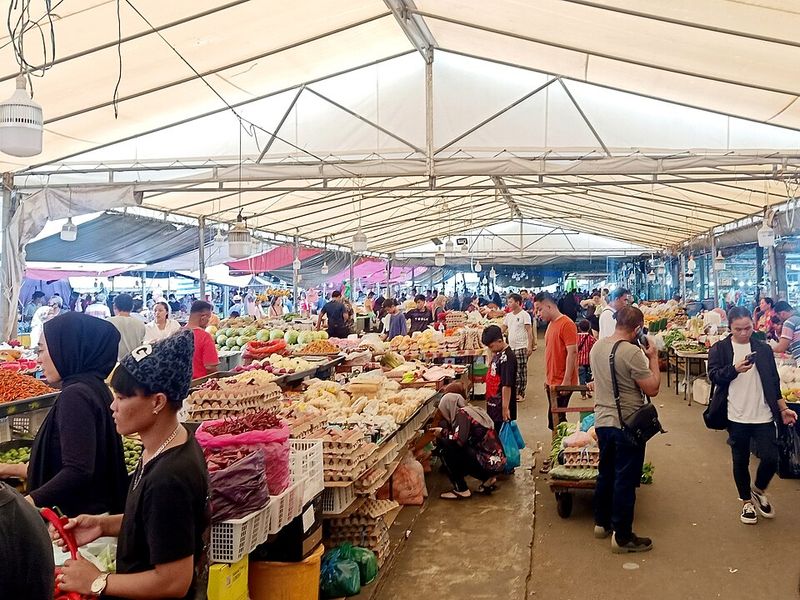
A city’s food culture is rarely found on the menu of its most-reviewed restaurant. It lives in the markets, where vendors have been selling the same regional specialties for generations.
Madrid’s Mercado de San Miguel, housed in a stunning iron-and-glass structure from 1916, offers over 30 vendors selling tapas, cured meats, and baked goods in one compact space. Seattle’s Pike Place Market, the oldest continuously operating farmers market in the country since 1907, spans multiple levels with over 500 shops. London’s Borough Market has roots going back to the 11th century and now features more than 100 stalls.
These markets combine food, history, and community in a way that no single restaurant can match.
4. Stay in a Small Town Near a Famous City
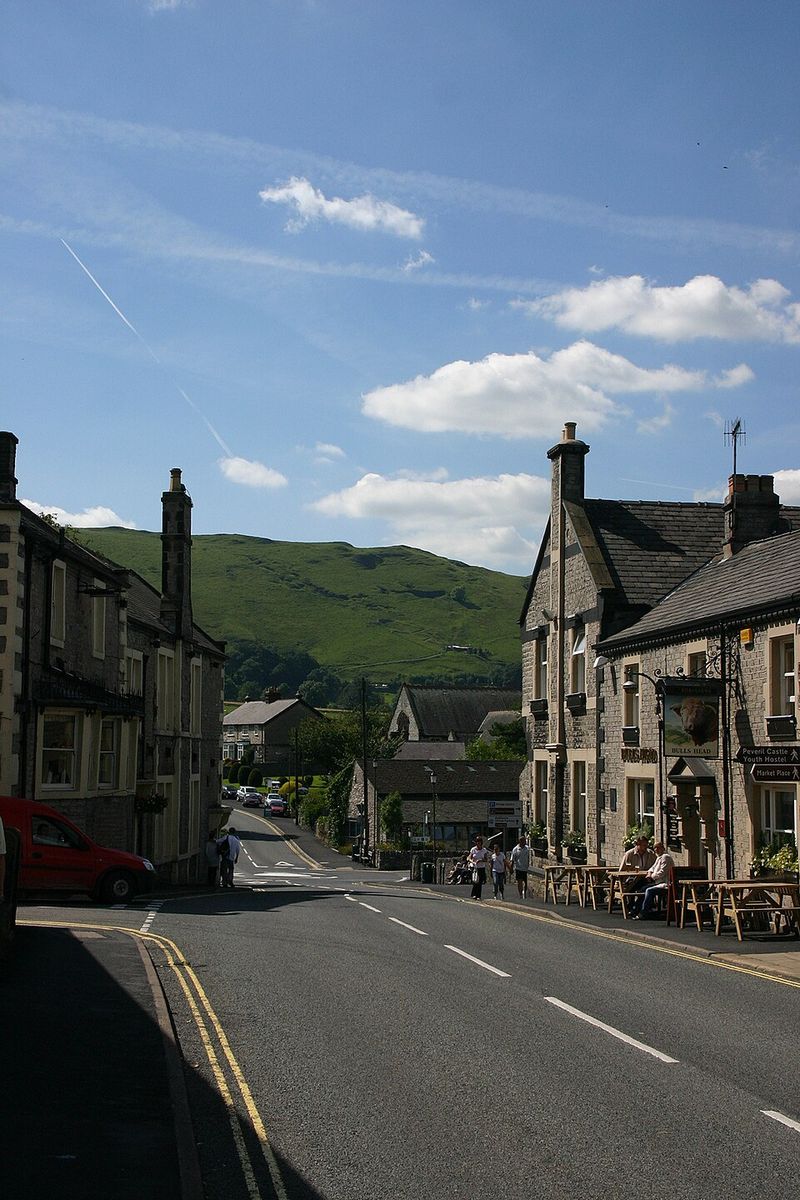
Big cities get all the bookings, but the towns just outside them often offer more character, better value, and a pace that does not feel like a race.
Haarlem sits just 15 minutes by train from Amsterdam, with its own Gothic church, canal streets, and a Saturday market that locals actually attend. Nara, easily reached from both Osaka and Kyoto, is home to UNESCO-listed temples, a giant bronze Buddha, and wild deer that roam freely through the park. Cesky Krumlov, outside Prague, is a medieval town built around a river bend, with a castle that ranks second largest in the Czech Republic.
Staying in towns like these often means quieter mornings, lower prices, and evenings that belong entirely to the locals.
5. Explore Botanical Gardens Instead of Another Museum
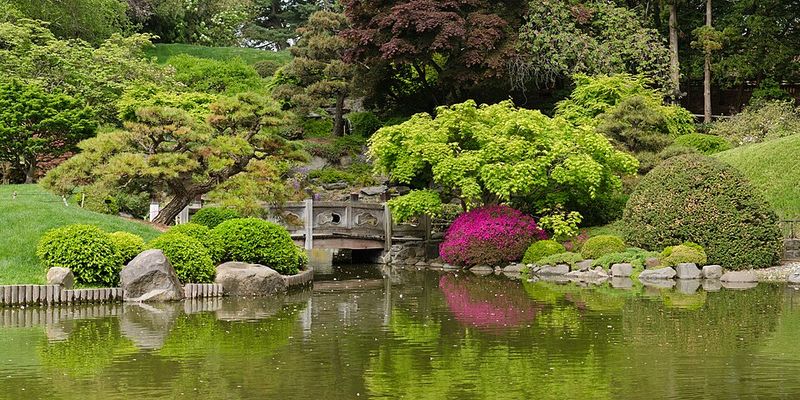
After four museums in three days, even the most dedicated traveler starts to blur exhibits together. Botanical gardens offer a genuinely different kind of cultural experience.
Singapore Botanic Gardens, a UNESCO World Heritage site founded in 1859, houses over 1,500 orchid species and 3,000 hybrid varieties in its National Orchid Garden alone. Longwood Gardens in Pennsylvania covers 1,077 acres and includes a Neo-classical conservatory opened in 1921 that still grows tropical specimens year-round. Butchart Gardens in British Columbia runs 26 greenhouses to maintain its famous seasonal displays, which shift dramatically from spring tulips to autumn Japanese maples to December light installations.
Gardens like these reward slow walkers and curious observers equally, with no admission queue required.
6. Ride Historic Railways Through the Countryside
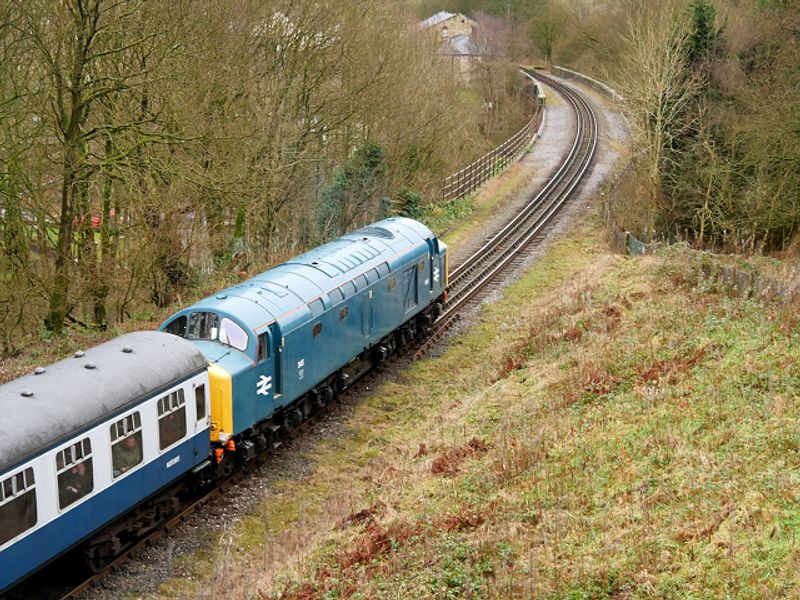
There is a version of train travel that has nothing to do with getting somewhere on time, and everything to do with the landscape rolling past the window at 20 miles per hour.
Colorado’s Durango and Silverton Narrow Gauge Railroad, operating since 1882, follows the Animas River through canyon scenery on original coal-powered steam engines. Scotland’s Jacobite Steam Train, the same line used for Harry Potter filming, crosses the Glenfinnan Viaduct on a 41-mile route between Fort William and Mallaig. Switzerland’s Rhaetian Railway, a UNESCO World Heritage route, passes through 84 tunnels and over 383 bridges in the Alps.
These routes are not transportation. They are destinations in their own right, and the journey is the entire point of the trip.
7. Watch Sunset From a Local Park
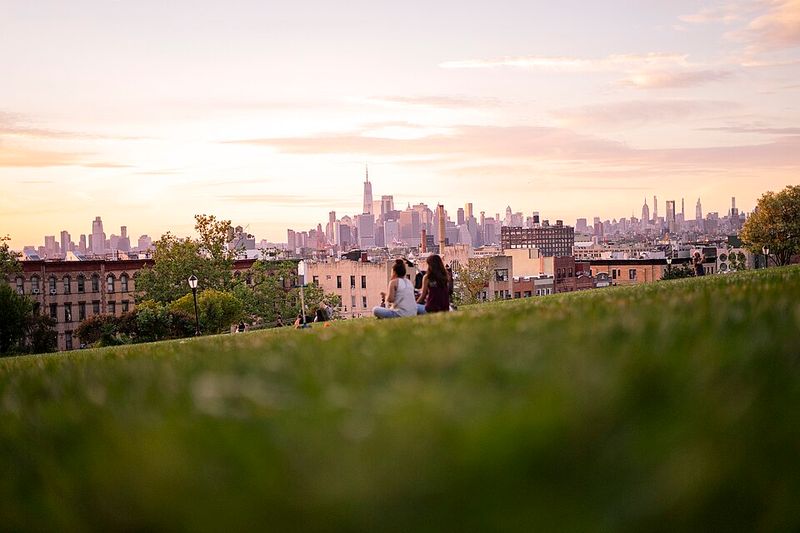
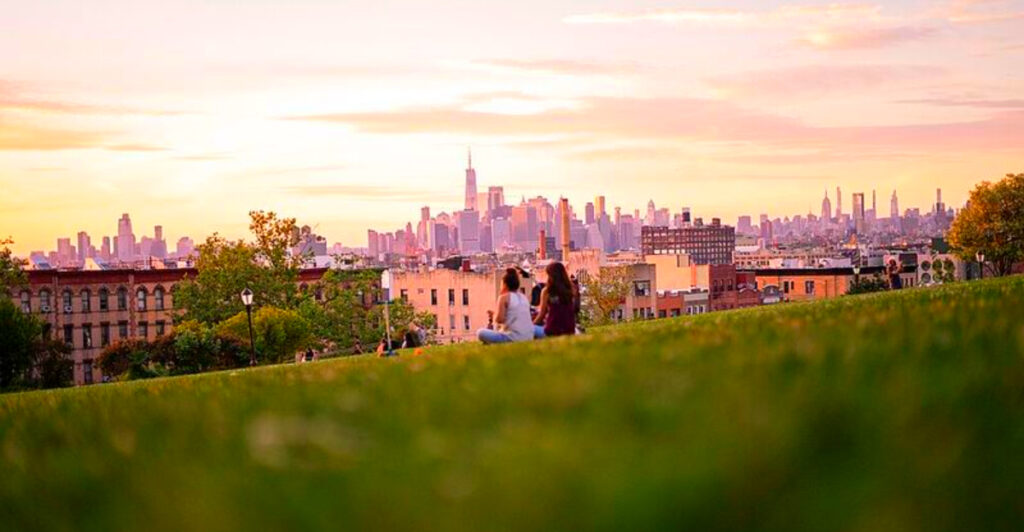
Every city has an official sunset viewpoint, and every city also has a neighborhood park where residents gather at the end of the day with far fewer cameras pointed at the sky.
These green spaces are easy to find and almost always free. Families set up on the grass, joggers pass through, and regular visitors claim their favorite bench without any fanfare. The crowd is smaller, the atmosphere is friendlier, and the view is often just as good as the one featured in every travel guidebook.
Watching the sun go down from a local park is one of those experiences that costs nothing and earns a permanent spot in your memory. It is simple, genuine, and genuinely hard to beat.
8. Browse Independent Bookstores
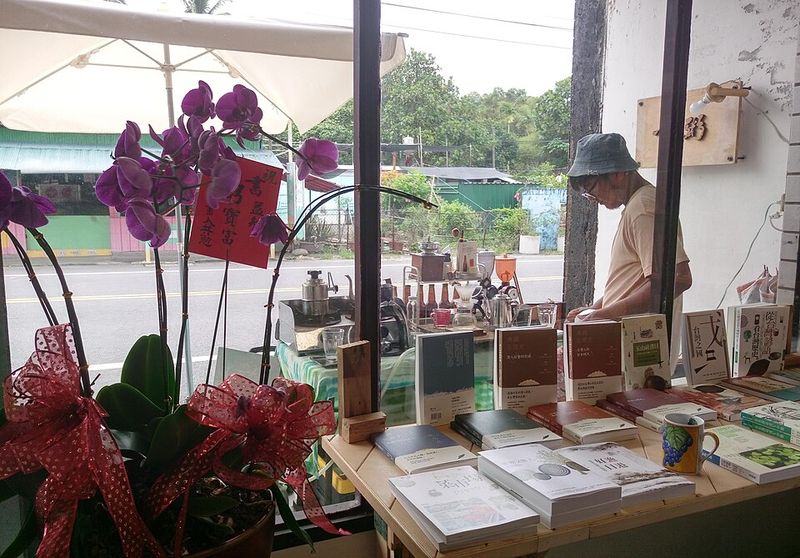
Chain bookstores sell books. Independent bookstores tell you something about the neighborhood, the city, and the people who live there.
Staff recommendation cards reveal local reading habits and community priorities. Shelves dedicated to regional authors and local history provide context that no museum gift shop can match. Many independent stores occupy historic buildings, host weekly author readings, and run community book clubs that have been meeting for years.
Even travelers who leave without buying a single book often gain a clearer picture of the place they are visiting. A well-curated independent bookstore is part cultural institution, part community gathering point, and part accidental travel guide. They are also, almost without exception, far more interesting than the nearest souvenir shop.
9. Visit Small Regional Museums
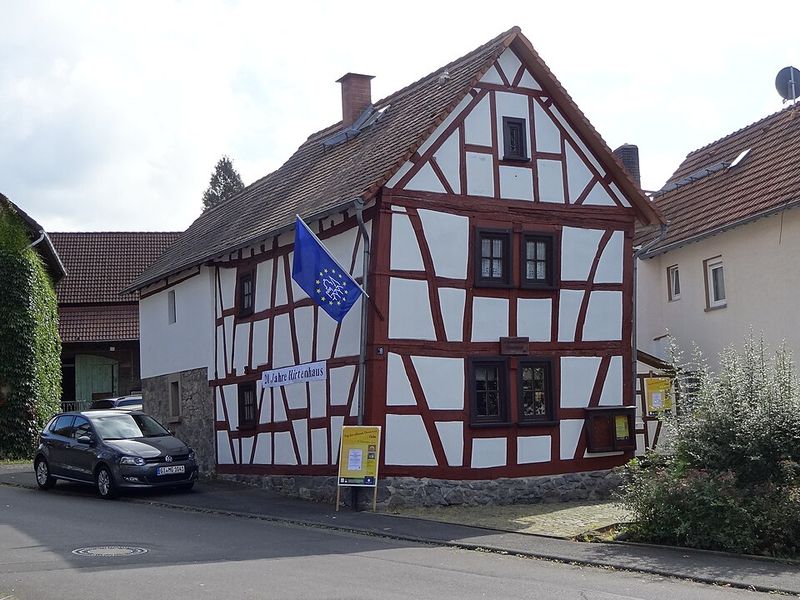
The blockbuster museums get the headlines, but the smaller ones often keep the stranger and more specific stories.
Alexandria, Virginia’s Stabler-Leadbeater Apothecary Museum is preserved exactly as it looked when it closed during the 1940s, with original wooden shelving and colonial-era signage still in place. The Graveyard of the Atlantic Museum in Hatteras, North Carolina, documents thousands of shipwrecks along one of the most dangerous stretches of coastline in the world. Dallas’s Museum of Money covers 28 exhibits on the history and oddities of currency, including fully interactive displays.
Small regional museums rarely have long queues, admission is usually affordable, and the staff tends to be genuinely passionate about their subject. That combination is rarer than it sounds.
10. Drive Scenic Back Roads Instead of Major Highways
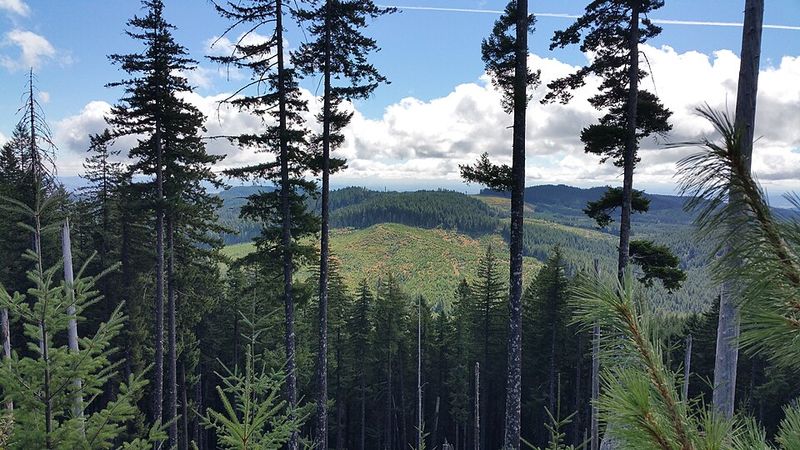
Highways are efficient. Back roads are interesting. The difference between those two things is often the difference between a forgettable drive and the best part of a trip.
Colorado’s San Juan Skyway loops 236 miles through mountain towns like Telluride, passing historic mining country along the way. North Dakota’s Enchanted Highway stretches 32 miles and features enormous metal sculptures rising from open prairie. North Carolina’s Waterfall Byway winds past dozens of cascading falls hidden behind roadside pull-offs that most drivers on the interstate never know exist.
Covered bridges, roadside diners, family farms, and unexpected viewpoints all appear when you leave the main road behind. The journey stops being transportation and starts being the actual experience you came for.
11. Attend a Local Farmers Market

No single travel activity puts you in closer contact with the actual rhythm of a place than showing up to its farmers market on a Saturday morning.
Growers bring seasonal produce, bakers arrive with regional specialties, and artisans display handmade goods that reflect local craft traditions. Many markets feature live music and activities that draw families from across the community. These are not performances staged for visitors. They are weekly routines that happen with or without tourists present.
The best part is that every destination has one, and every one is different. Regional fruits, specialty cheeses, local honey, and handmade items vary completely depending on where you are. Sampling your way through a farmers market is one of the most honest introductions a place can offer.
12. Explore University Campuses
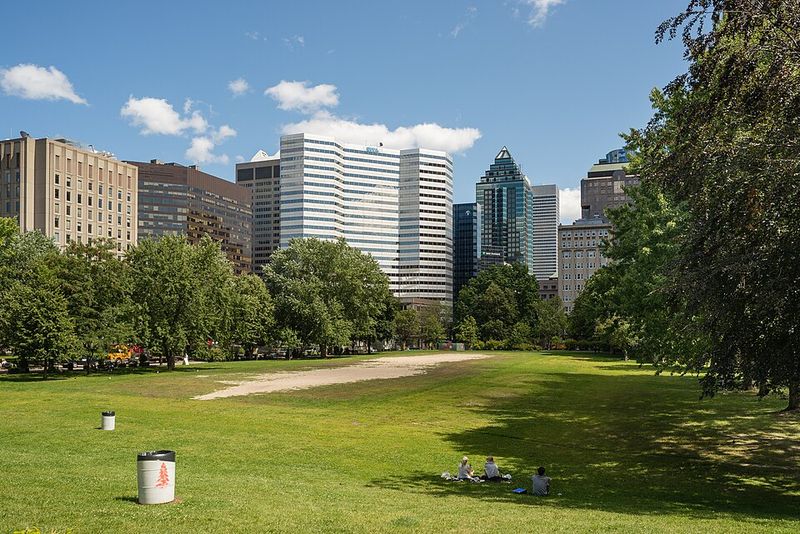
Some of the most remarkable architecture in the world is located on university campuses, and most of it is free to walk through any day of the week.
Princeton’s campus blends Collegiate Gothic buildings from the 1890s with work by architects like Frank Gehry, anchored by Nassau Hall, which dates to 1756. Stanford’s Main Quad features Richardson Romanesque design and connects to the Cantor Center for Visual Arts, home to a major collection of Rodin sculptures. Oxford’s colleges, including Christ Church and Magdalen, are architectural landmarks in their own right, with libraries and courtyards open to visitors. The University of Virginia’s Academical Village, designed by Thomas Jefferson, is a UNESCO World Heritage site.
Campuses reward slow, curious walkers with history around every corner.
13. Visit a Lighthouse Instead of an Observation Tower
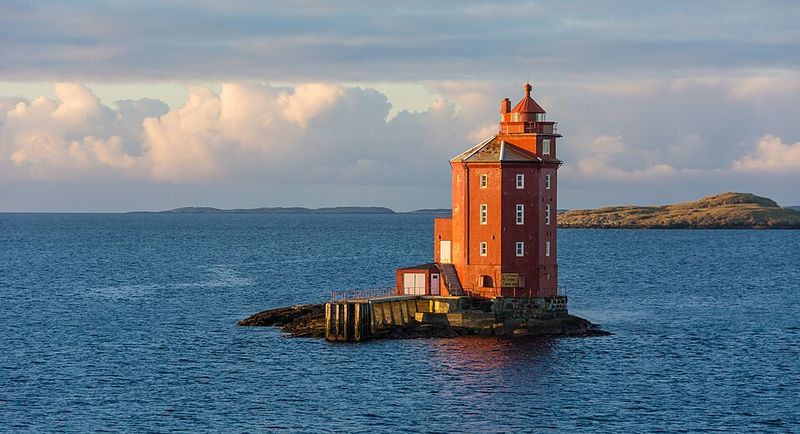
Observation towers give you height. Lighthouses give you height, history, a coastal trail, and a story that usually involves shipwrecks.
Cape Hatteras Lighthouse in North Carolina, completed in 1870, is one of the tallest in the country and features a bold black and white spiral stripe that makes it immediately recognizable. St. Augustine Lighthouse in Florida, built in 1874, stands 165 feet above sea level with its own matching spiral design. California’s Point Bonita Lighthouse requires a half-mile walk through a mountain tunnel and across a suspension bridge just to reach the entrance.
Many lighthouses sit within coastal parks that include beaches, hiking trails, and wildlife watching opportunities. The combination of maritime history and natural scenery is difficult to find anywhere else.
14. Spend an Evening at a Neighborhood Café
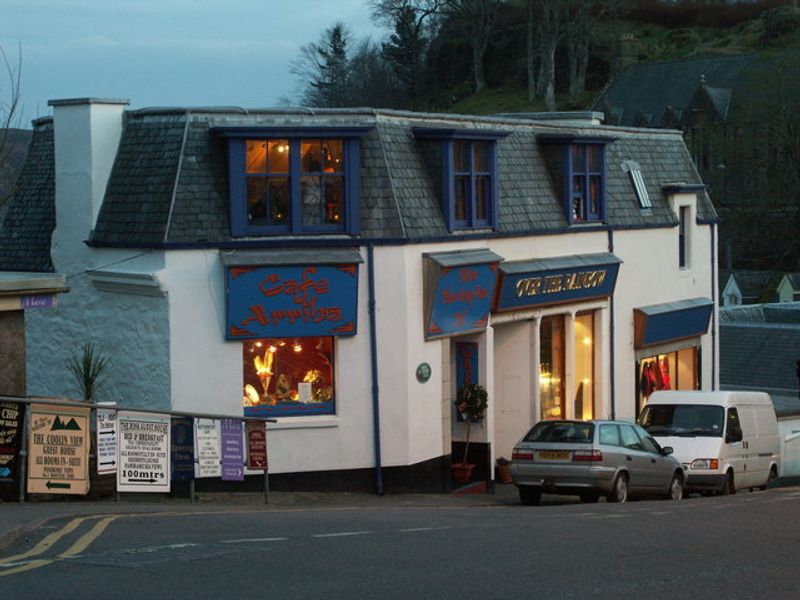
Tourist attractions close at five. Neighborhood cafes open up in the evening and show you something no monument ever could.
Regular customers arrive at their usual tables. Families settle in after dinner. Students spread out books across corners that they have clearly claimed for years. The conversations happening around you are not performances or presentations.
They are just ordinary life, and observing it honestly is one of the most underrated things a traveler can do.
Choosing a café several blocks away from the main tourist area almost always produces better results. Prices tend to be lower, the atmosphere is more relaxed, and the staff is less accustomed to dealing with visitors who need translated menus. These quiet evenings consistently rank among travelers’ most cherished memories.
15. Explore Historic Cemeteries
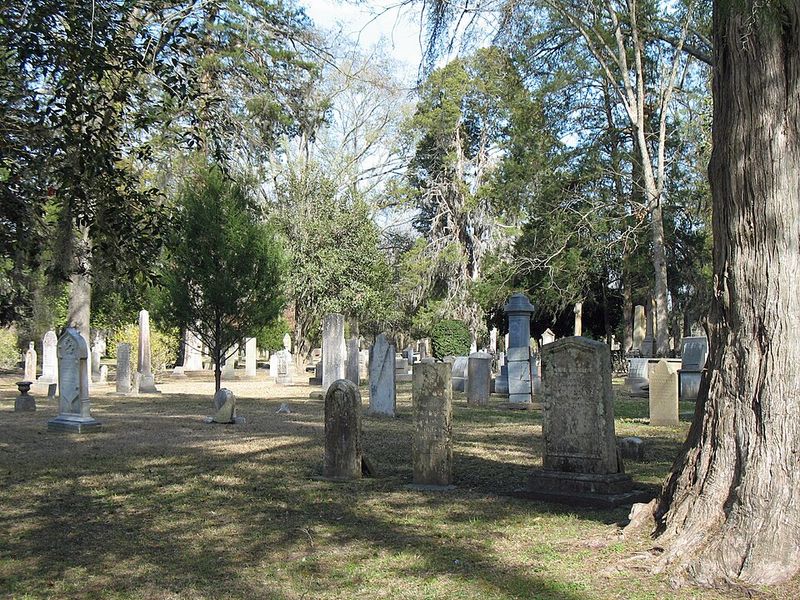
Historic cemeteries are part open-air sculpture museum, part architecture tour, and part history lesson, all combined into a free afternoon with almost no crowds.
Paris’s Pere Lachaise, established in 1804, covers 110 acres of tree-lined cobblestone paths and contains elaborate mausoleums for figures including Frederic Chopin, Oscar Wilde, and Edith Piaf. Mount Auburn Cemetery near Boston, founded in 1831, was America’s first garden cemetery and directly influenced the design of public parks across the country. Glasgow Necropolis, a Victorian cemetery modeled after Pere Lachaise, holds approximately 3,500 ornate tombs on a dramatic hill overlooking Glasgow Cathedral.
These spaces are peaceful, architecturally fascinating, and filled with the kind of local history that mainstream tourist attractions rarely bother to explain.
16. Take the Scenic Route Home
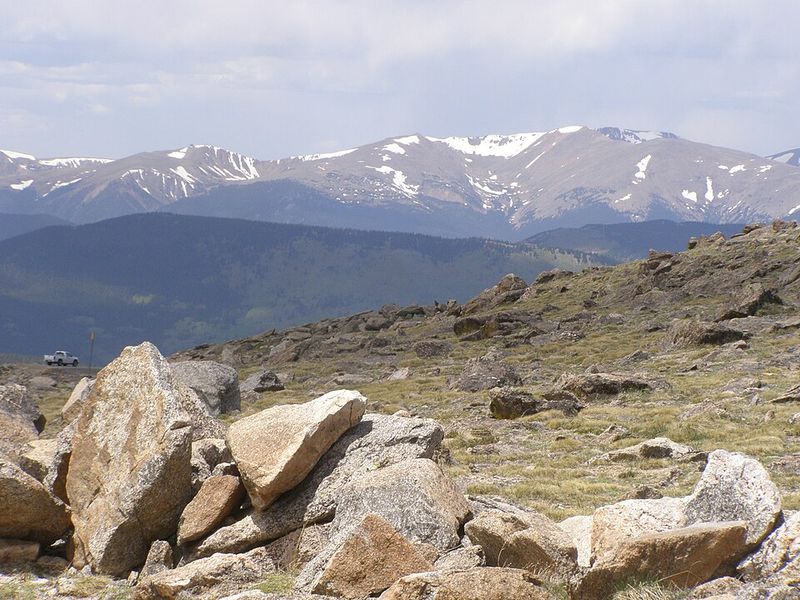
Most vacations end the same way: a direct drive to the airport, a nap on the plane, and the immediate return to ordinary routine. One small decision can change that completely.
A mountain highway detour, a coastal road not on the original itinerary, or an unplanned stop in a small town can turn the final day of a trip into its most memorable. These routes do not add much time, but they add a great deal of character. The San Juan Skyway in Colorado, a coastal stretch of Highway 1 in California, or a quiet back road through the English countryside all offer a final chapter worth reading.
Ending a trip with a scenic detour means the last thing you see is not an airport terminal. That matters more than it sounds.
Share this story