Not every great city trip has to mean dodging crowds, honking taxis, and an exhausting to-do list. Some cities offer something rarer: a chance to slow down, breathe easy, and actually enjoy where you are.
From alpine lakesides to volcanic coastlines, these 15 destinations prove that urban life and genuine tranquility can coexist beautifully. Whether you crave forest trails, riverside walks, or simply a coffee without the chaos, this list has something for you.
Juneau, Alaska, United States
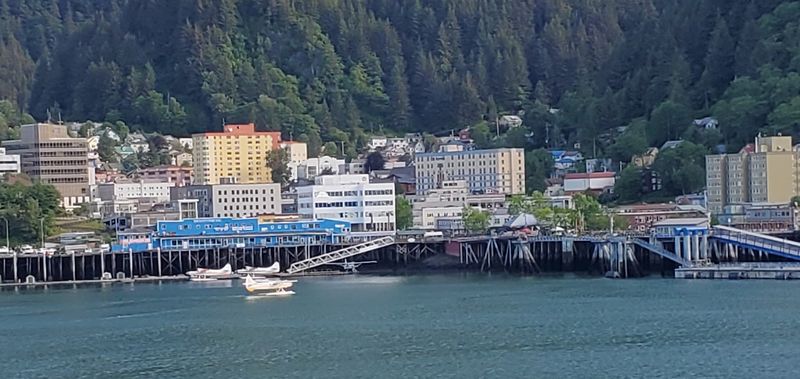
Surrounded by glaciers, mountains, and rainforest, Juneau is arguably the most dramatically situated capital city in the United States. There are no roads connecting it to the rest of the country, which means the only way in is by boat or plane.
That geographic isolation keeps things wonderfully quiet.
Downtown Juneau is compact and walkable, lined with colorful storefronts and framed by steep forested hillsides. Mendenhall Glacier sits just a short drive away, offering trails that wind through lush greenery right up to the ice.
Bald eagles are a common sight overhead, which never stops being thrilling.
A tranquility study placed Juneau at the very top of its rankings, citing low population density, clean air, minimal pollution, and exceptional access to walking routes. Visitors who arrive expecting a typical city experience often leave surprised by how deeply restorative this place feels.
Juneau rewards those willing to lace up their boots and explore.
Ljubljana, Slovenia
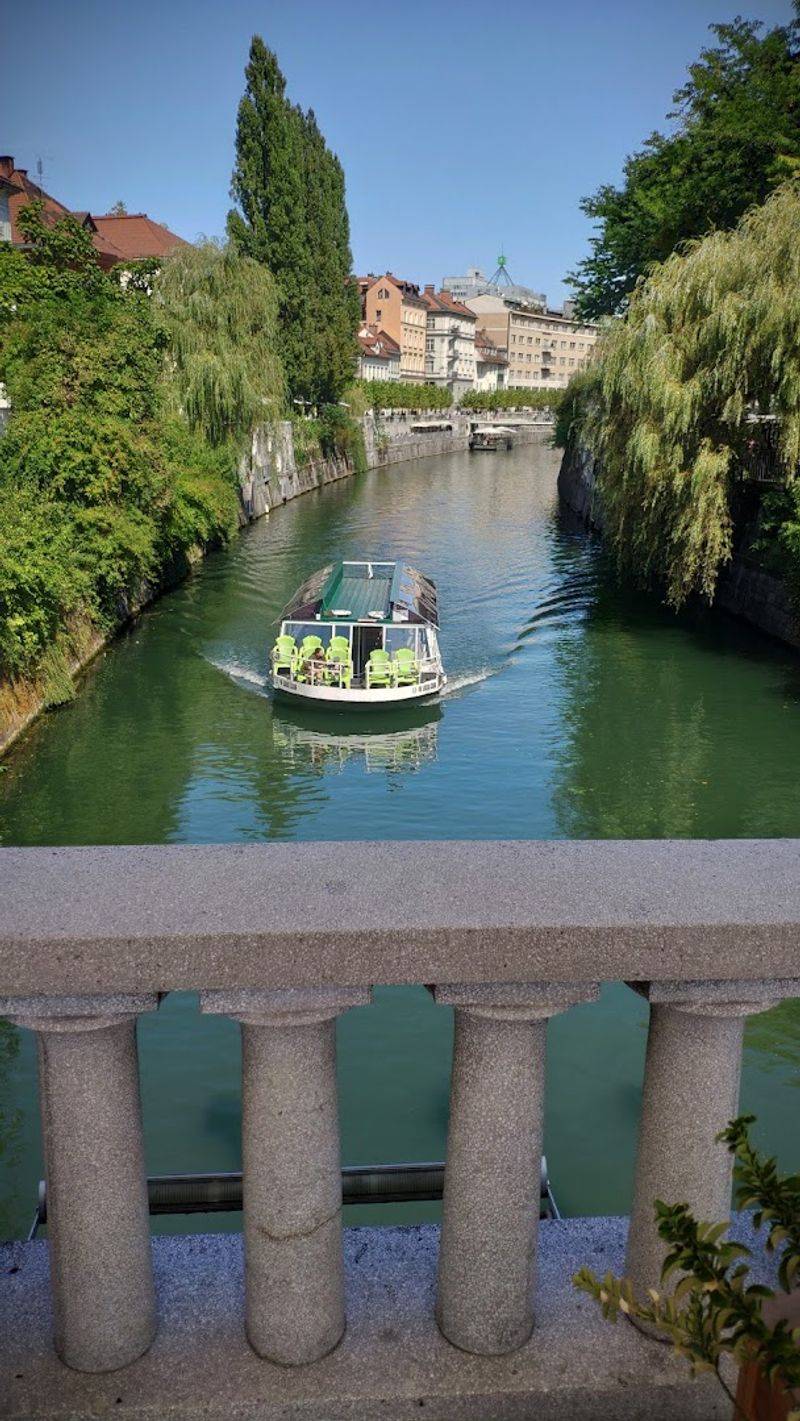
Ljubljana banned motor traffic from its historic center back in 2007, and the city has never looked back. What you get now is a riverside scene full of outdoor cafes, cyclists, and strolling locals that feels almost impossibly relaxed for a national capital.
The cobblestones are all yours.
The Ljubljanica River runs straight through the heart of the city, lined with weeping willows and arched bridges. Ljubljana Castle perches on a wooded hill above it all, offering sweeping views of the terracotta rooftops below.
The whole place feels like a film set, except completely real and wonderfully unhurried.
Tivoli Park, just minutes from the center, provides an enormous green escape with tree-lined promenades, ponds, and open lawns. Ljubljana is also one of Europe’s most committed green cities, investing heavily in cycling infrastructure and public spaces.
First-time visitors frequently describe the experience as stumbling upon a secret that the rest of Europe somehow missed. It is small, charming, and surprisingly easy to fall completely in love with.
Kyoto, Japan
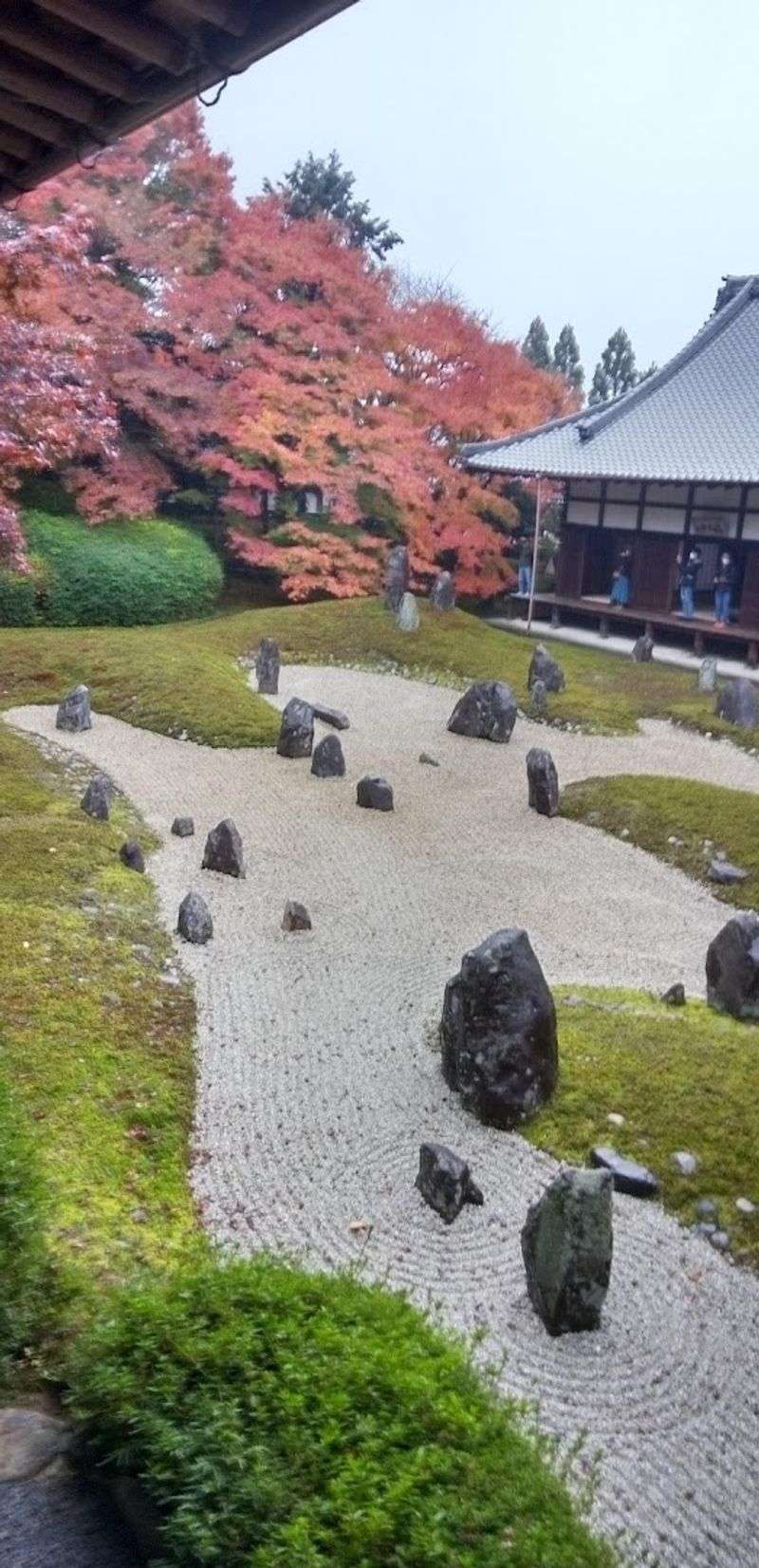
At six in the morning, Kyoto belongs to the monks, the moss, and the mist. Before the tour groups arrive and the temple gift shops open, the city reveals a quieter version of itself that feels genuinely centuries old.
Stone pathways, wooden gates, and raked gravel gardens absorb the silence beautifully.
Kyoto served as Japan’s imperial capital for over a thousand years, and that history is layered into every neighborhood. Arashiyama’s bamboo groves, the Philosopher’s Path along a canal lined with cherry trees, and the lantern-lit streets of Gion all offer moments of real stillness.
The key is timing and a willingness to wander beyond the famous landmarks.
Japan’s tourism organization specifically highlights temple stays, forest experiences, and nature immersion as defining parts of the country’s appeal, and Kyoto delivers all three within city limits. Nishiki Market satisfies food curiosity without requiring a long journey.
Kyoto is undeniably popular, but it is big enough and layered enough that finding your own quiet corner never takes very long.
Wellington, New Zealand
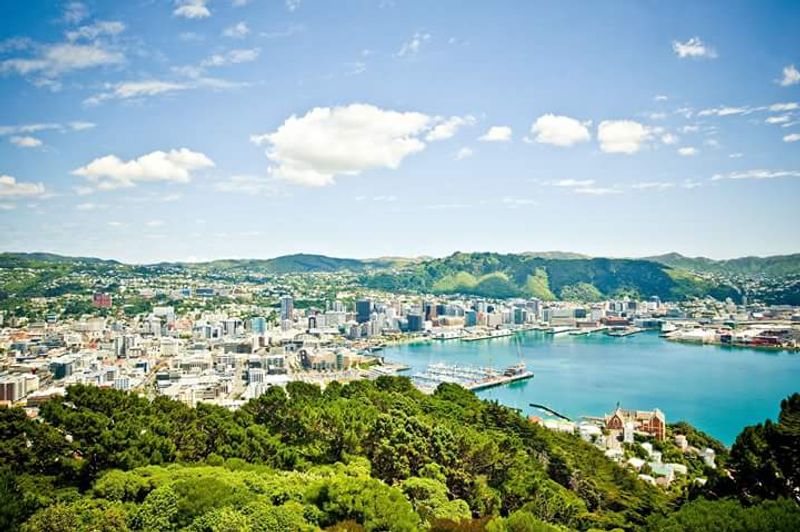
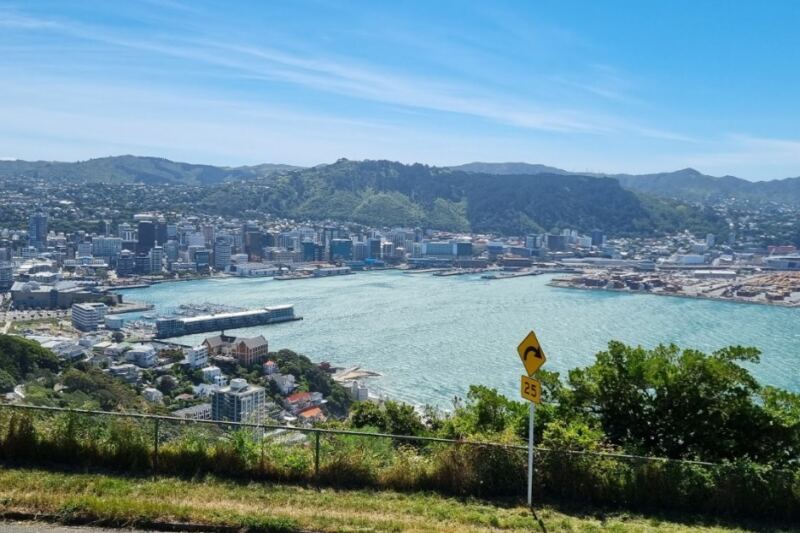
Wellington has a reputation as the windiest capital in the world, but what it lacks in calm breezes it more than makes up for in laid-back personality. This compact harbor city punches well above its weight in culture, cuisine, and coffee, all without the frantic energy that usually comes with being a national capital.
Green hills wrap around the harbor on nearly every side, and walking trails connect neighborhoods that most visitors never think to explore. The Wellington Botanic Garden sits just above the central city and is free to enter, offering sweeping harbor views between its flowerbeds.
Te Papa, the national museum, is world-class and free, which says a lot about the city’s priorities.
International research comparing global cities has rated Wellington highly for air quality, low pollution levels, and easy access to natural surroundings. The city’s famous cafe culture encourages lingering over a flat white rather than rushing anywhere.
At around 215,000 people, Wellington feels genuinely manageable, and that scale is part of what makes it so refreshing to spend time in.
Reykjavik, Iceland
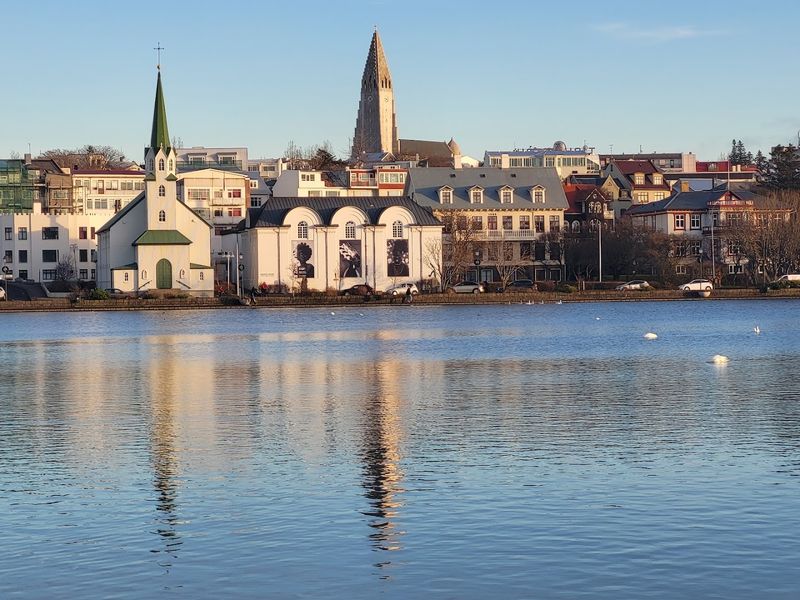
Reykjavik is the world’s northernmost capital, and it carries that distinction with a kind of effortless cool. The city is low-rise, colorful, and spread out along a coastline that opens directly onto the North Atlantic.
On clear days, the views stretch all the way to glacier-topped mountains on the opposite side of the bay.
Tjornin pond sits right in the center of the city, attracting dozens of bird species and a steady stream of locals who come to feed them. Walking beside it on a calm afternoon, with the church of Hallgrimskirkja rising above the rooftops, is one of those simple pleasures that needs no explanation.
The whole city operates at a pleasantly unhurried pace.
Beyond the center, Reykjavik offers easy access to geothermal pools, lava fields, bird cliffs, and volcanic landscapes that feel genuinely other-worldly. The Northern Lights appear above the city during winter months, turning an already memorable destination into something spectacular.
For a capital with real international appeal, Reykjavik manages to feel remarkably uncluttered and refreshingly human-scaled.
Bergen, Norway
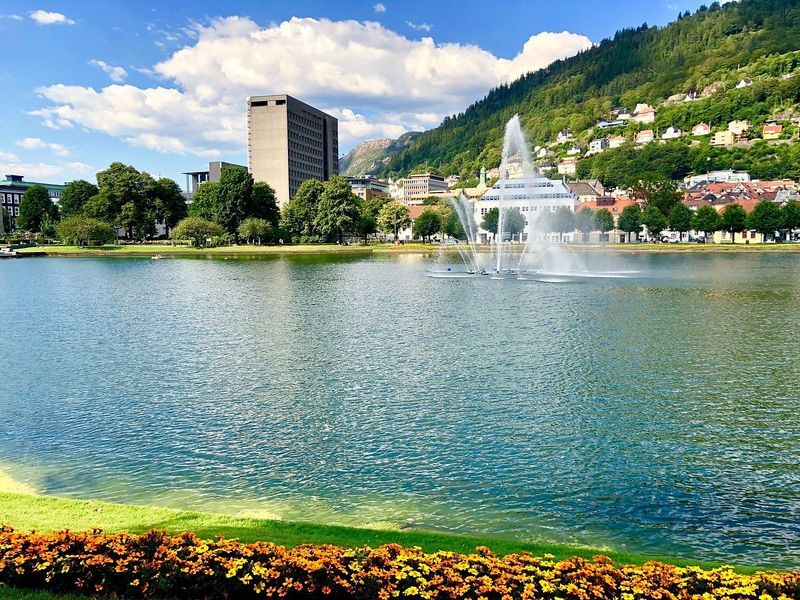
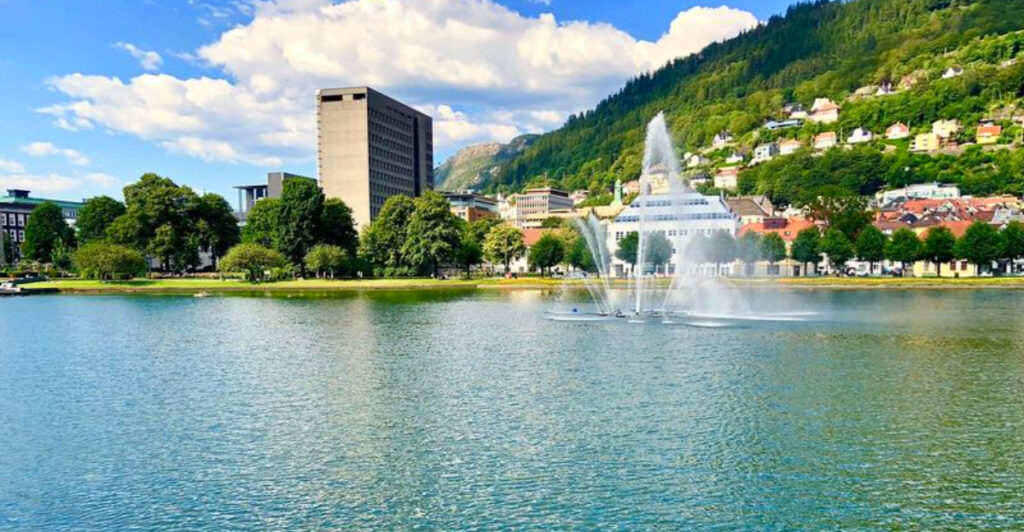
Seven mountains surround Bergen, and the city makes no effort to pretend otherwise. Funicular railways and hiking trails climb directly from the streets into forested ridgelines where the views over the fjord are genuinely jaw-dropping.
Bergen is one of those rare places where nature does not feel like a day trip but rather a permanent, unavoidable backdrop.
The Bryggen wharf, a row of colorful wooden Hanseatic buildings dating back to the 14th century, is Bergen’s most recognized image. Walking those narrow wooden alleyways, past craft shops and small galleries, gives a real sense of how old and how carefully preserved this city is.
The fish market nearby adds lively contrast without disrupting the overall atmosphere.
Rain is famously frequent in Bergen, locals joke about it openly, but the wet weather only deepens the green of the surrounding hills and adds drama to the fjord scenery. Hiking above the city on the Floyen trail takes around 45 minutes and delivers panoramic views that stay with you long after the trip ends.
Bergen rewards slow travelers who enjoy simply looking around.
Annecy, France
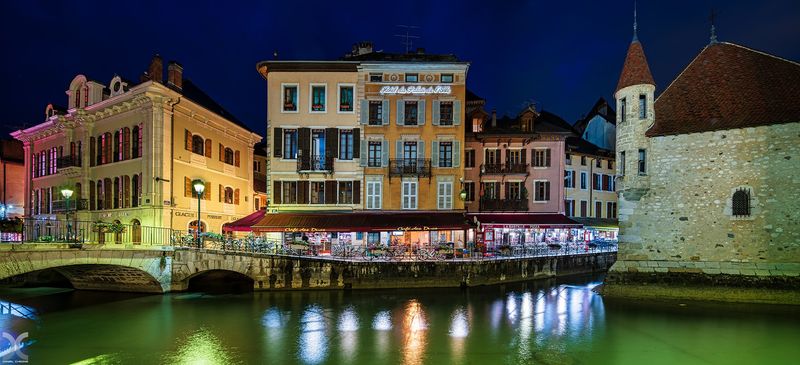
Called the Venice of the Alps, Annecy earns that nickname without really trying. Canals run between pastel-colored medieval buildings, geraniums spill from window boxes, and swans glide past stone archways with complete indifference to how picturesque they look.
The whole town feels like it was designed specifically to make people stop rushing.
Lake Annecy is one of the cleanest lakes in Europe, and its turquoise clarity is visible from the moment you arrive. A cycling and walking path circles much of the lake, passing through small villages and opening onto views of the surrounding Alps.
Even in summer, the lakeside parks offer enough space to find a quiet patch of grass.
Outside the busiest weeks of July and August, Annecy operates at a genuinely gentle rhythm. Morning markets, afternoon promenades, and long dinners at riverside restaurants define the daily pace.
The mountains are close enough for day hikes, and nearby ski resorts make winter visits equally rewarding. Annecy is compact enough to explore entirely on foot, which means you can spend an entire afternoon simply wandering without any particular destination in mind.
Luang Prabang, Laos
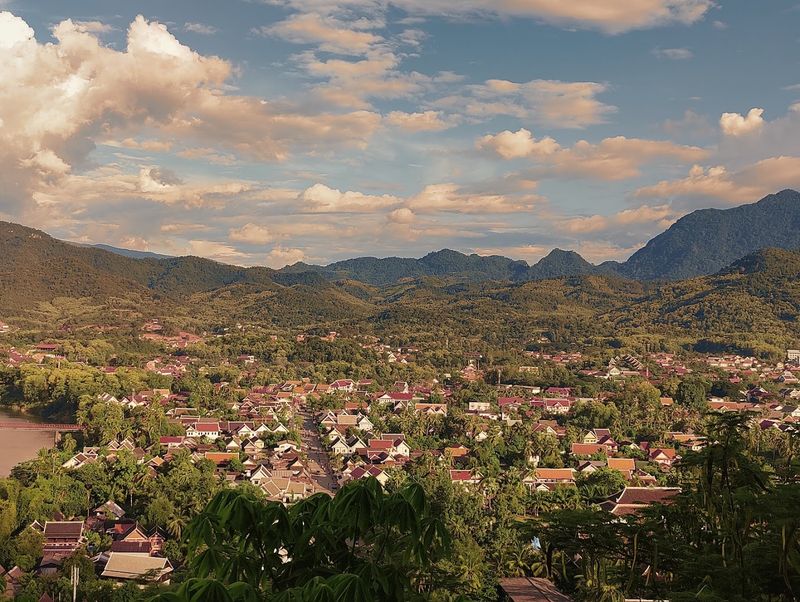
Every morning before sunrise, orange-robed monks walk silently through Luang Prabang’s streets collecting alms from local residents. This daily ritual, called tak bat, has continued for centuries and sets the tone for everything else about this remarkable little city.
Nowhere else does a place so effortlessly communicate the value of quiet.
Luang Prabang sits where the Mekong and Nam Khan rivers meet, and both waterfronts offer shaded paths and river views that invite long, aimless walks. The surrounding hills are dotted with temples, waterfalls, and forest trails.
UNESCO recognized the city for its extraordinary blend of traditional Lao architecture, French colonial buildings, and elaborately decorated pagodas, all preserved within a compact and coherent historic area.
The city has very few high-rise buildings and almost no aggressive commercial activity near its historic core. Night markets sell handmade textiles and local food without the chaos found in bigger Southeast Asian cities.
Guesthouses tucked behind temple walls and garden restaurants beside the river encourage visitors to slow their schedules considerably. Luang Prabang has a way of convincing even the most restless travelers that staying another day is always the right call.
Lucerne, Switzerland
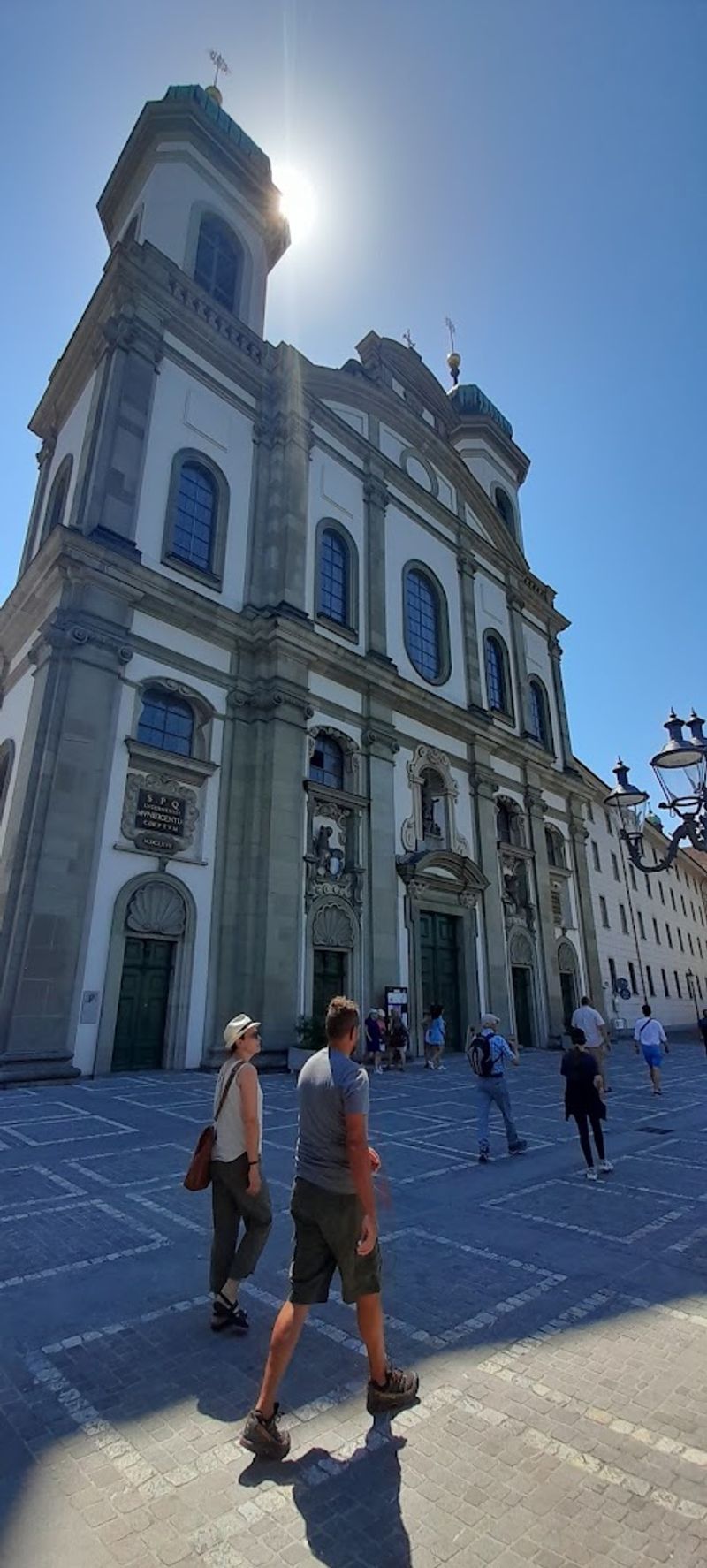
The Chapel Bridge in Lucerne is one of the oldest wooden covered bridges in Europe, stretching across the Reuss River with flower boxes and painted panels that date back to the 17th century. Walking across it on a quiet morning, with Alpine peaks reflected in the water below, is the kind of moment that makes you forget what day it is.
Lucerne’s historic center is compact enough to explore entirely on foot, and the lake promenade connects it all in one long, scenic ribbon. Boat trips depart regularly for surrounding lakeside villages, while cogwheel railways climb to summits like Mount Pilatus and Rigi.
The pace of life here is noticeably unhurried, even during the busier tourist months.
What makes Lucerne genuinely special is how quickly the scenery changes as you move through the city. One moment you are in a medieval square surrounded by painted facades, and the next you are standing beside open water with glacier-covered mountains filling the horizon.
Switzerland’s reputation for precision extends to how well Lucerne balances culture, nature, and accessibility. It is an exceptionally easy place to spend more time than originally planned.
Hobart, Australia
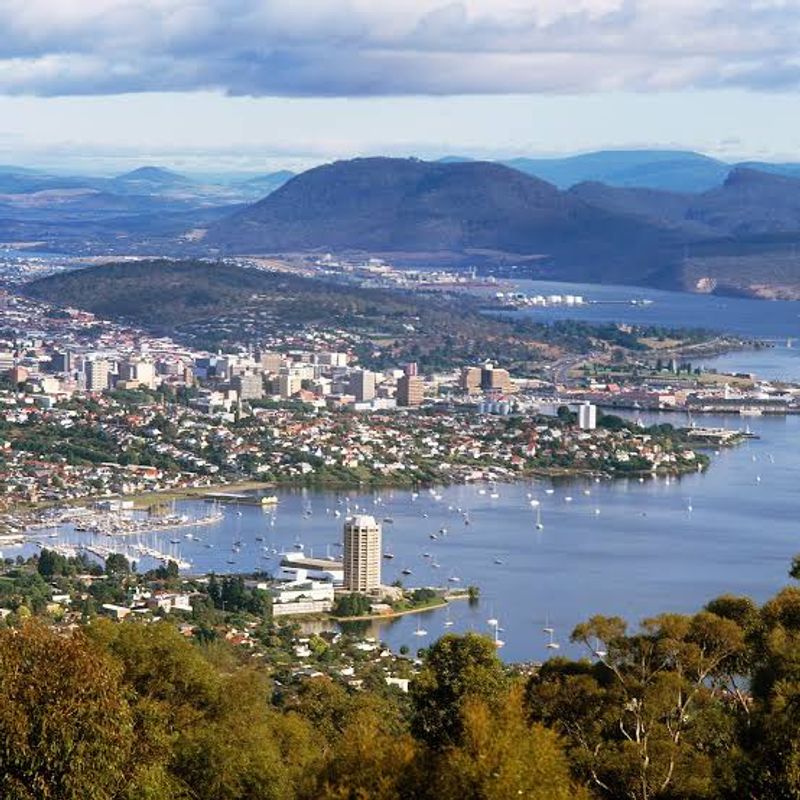
Hobart is the kind of city that sneaks up on you. Tasmania’s capital looks modest from the outside, with a working harbor, low-rise streets, and a population of only around 240,000.
But spend a few days there and you start to notice the excellent food scene, the remarkable art institutions, and the extraordinary mountain looming directly behind downtown.
Mount Wellington, or kunanyi as it is known by the Palawa people, rises to 1,271 meters and is visible from nearly everywhere in the city. Trails wind through eucalyptus forest and alpine terrain, and the summit offers views across the Derwent River estuary and beyond.
On clear days, the Tasman Peninsula is visible in the distance.
Salamanca Place, a row of Georgian sandstone warehouses converted into galleries, cafes, and restaurants, hosts a Saturday market that is one of the best in Australia. MONA, the privately owned Museum of Old and New Art, draws visitors from around the world with its provocative and endlessly surprising collection.
Despite all of this, Hobart retains a quietness and authenticity that larger Australian cities have largely lost. It feels like a place that has not yet decided to show off.
Victoria, British Columbia, Canada
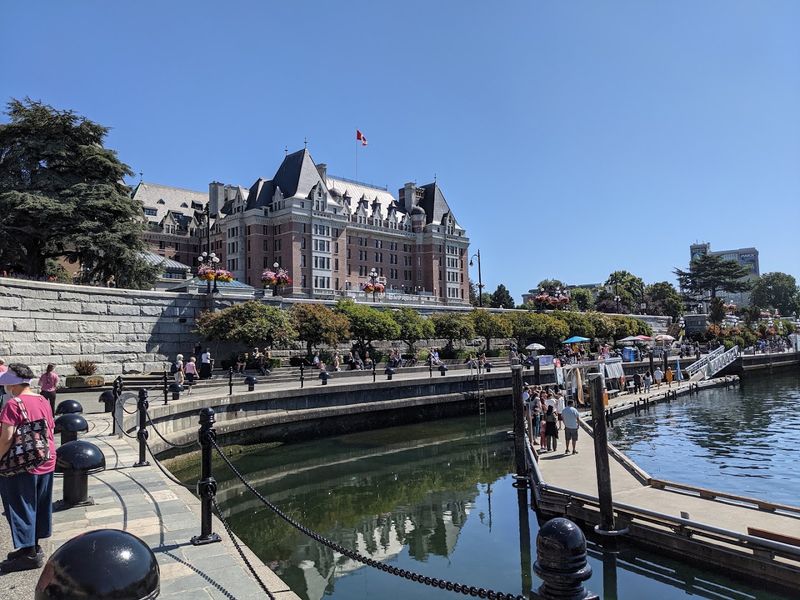
Victoria smells like flowers. The city plants hanging baskets along nearly every downtown lamp post, and the famous Butchart Gardens, a converted limestone quarry turned into one of Canada’s most celebrated horticultural sites, draws visitors from across the world.
It is the kind of place where people arrive for a weekend and start quietly researching property prices.
The Inner Harbour serves as the social heart of Victoria, with the grand Empress Hotel and the Parliament Buildings reflected in the water. Float planes land beside whale-watching boats, buskers perform on the waterfront, and cyclists drift along the seawall.
Despite all this activity, the overall atmosphere stays remarkably calm and orderly.
Victoria’s mild climate, the mildest in Canada, makes outdoor exploration comfortable for most of the year. Cycling routes connect the city’s many neighborhoods, and the Galloping Goose Regional Trail offers a 55-kilometer off-road path through coastal and rural scenery.
Historic Chinatown, the oldest in Canada, adds cultural depth to the wandering. Victoria genuinely rewards visitors who prefer strolling over scheduling, and its compact size means most of the best things are never more than a short walk from each other.
Perth, Australia
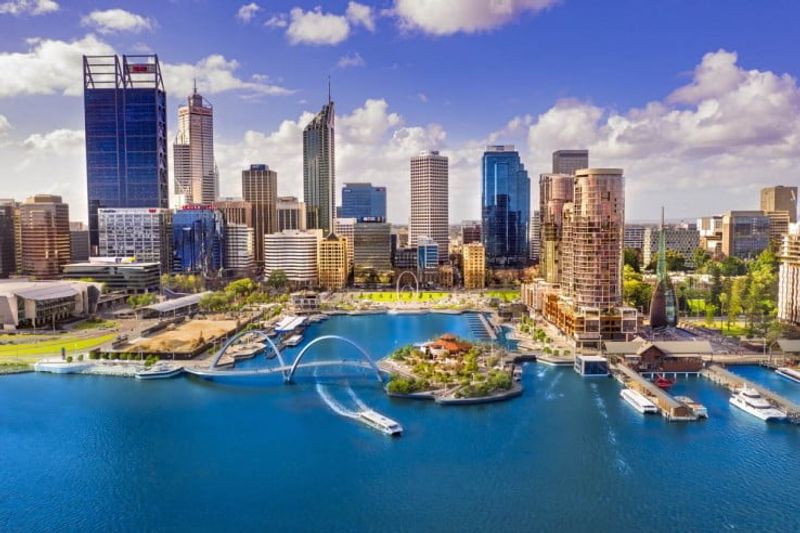
Perth holds the distinction of being the most remote major city on Earth, separated from the next nearest Australian city by nearly 2,700 kilometers of desert and bush. That isolation shapes everything about the place, from its relaxed pace to its genuine sense of space.
Perth does not feel crowded because, quite simply, it is not.
Kings Park sits on a ridge above the Swan River and city skyline, covering 400 hectares of natural bushland, gardens, and walking paths. In spring, Western Australian wildflowers transform the park into something genuinely extraordinary.
The river stretches wide and calm below, and the view from the ridge on a clear afternoon is one of the finest urban panoramas in the Southern Hemisphere.
Long stretches of Indian Ocean coastline are accessible within 30 minutes of the city center, offering white sand beaches that rarely feel overcrowded. Fremantle, a short train ride south, adds historic character with its port warehouses, cappuccino strip, and excellent local brewery scene.
International research has ranked Perth among the top cities globally for space, air quality, and walking access. It is a city that invites you to spread out and breathe.
Porto, Portugal
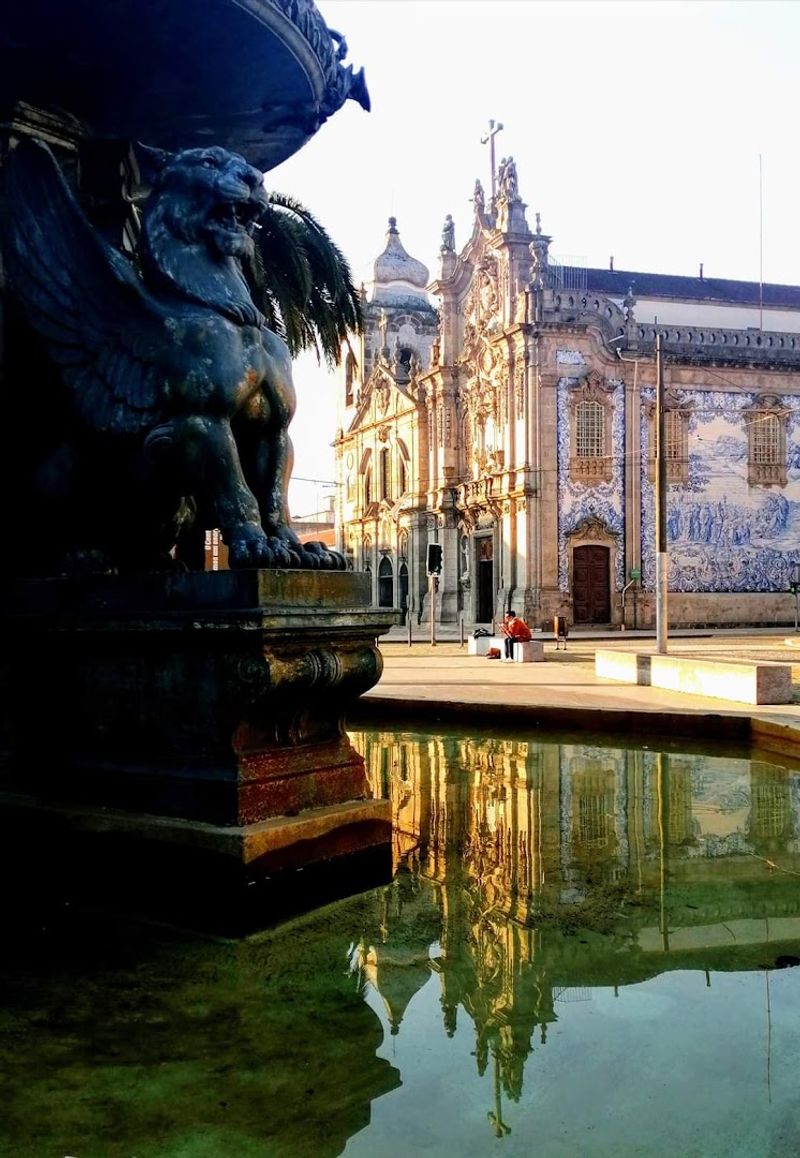
Porto’s tiles tell stories. Blue and white azulejo panels cover church facades, railway station walls, and residential buildings throughout the city, depicting everything from medieval battles to pastoral scenes.
Walking through Porto is less like sightseeing and more like reading a city written in ceramic pictures, and it rewards those who take their time.
The Douro River runs wide and slow through the city, and the Ribeira waterfront below the historic center is lined with wine lodges, small restaurants, and boats called rabelos that once transported port wine barrels from the Douro Valley. The Dom Luis I bridge connects the two riverbanks with two levels of pedestrian walkways, both offering dramatically different views.
Beyond the famous waterfront, Porto has quieter pleasures: garden viewpoints called miradouros, neighborhood bakeries selling pastel de nata, and residential streets of ornate townhouses that see very few tourists. The Serralves Museum and its surrounding park provide a green and contemporary counterpoint to the historic center.
Porto’s compact layout makes it ideal for walking, and the steep hills, while occasionally challenging, constantly reward climbers with unexpected views over terracotta rooftops and river.
Copenhagen, Denmark
Copenhagen has quietly figured out something that most cities are still arguing about: when you design streets for people instead of cars, everyone ends up happier. The city has over 390 kilometers of dedicated cycling lanes, and roughly 62 percent of residents commute by bike every day.
The result is a city that moves efficiently but feels genuinely calm.
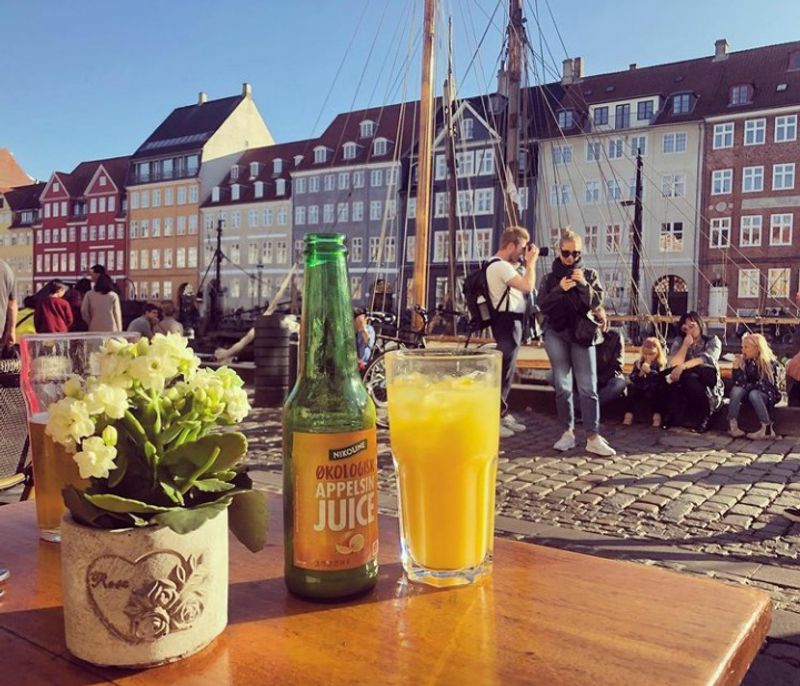
Nyhavn, the famous canal lined with 17th-century townhouses painted in mustard, red, and blue, is the city’s most photographed corner. It is busy, but it is the kind of busy where people are sitting with drinks watching boats rather than rushing somewhere.
The rest of the city spreads outward from there in a way that is surprisingly easy to navigate on foot or by rental bike.
Copenhagen’s parks, including the enormous Faelledparken and the historic Royal Garden beside Rosenborg Castle, provide green breathing room within minutes of the center. The food scene is exceptional without being pretentious, and neighborhood spots consistently outshine tourist-area restaurants.
Copenhagen also scores consistently high in global quality-of-life studies, and spending time there makes it easy to understand why. The city simply functions well, and that ease is contagious.
Auckland, New Zealand
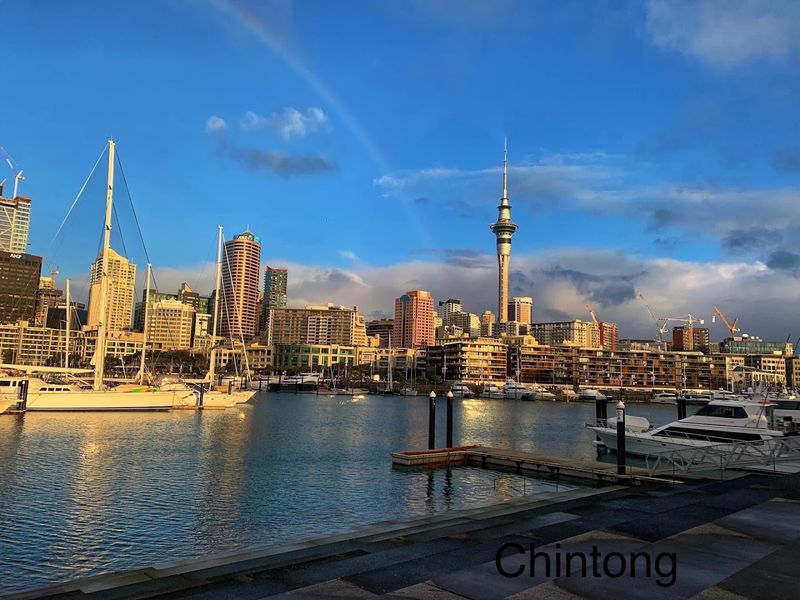
Auckland is built on a field of dormant volcanoes, which sounds alarming until you realize that those volcanic cones have been turned into public parks with extraordinary views. Over 50 volcanic features dot the urban landscape, and most of them are free to climb, walk around, and picnic on.
It is a genuinely unusual way to experience a city’s geography.
Two separate harbors, the Waitemata to the east and the Manukau to the west, give Auckland a coastline that feels almost impossibly generous for a city of its size. Sailing is deeply embedded in the local culture, earning Auckland the nickname City of Sails.
Ferries connect the city to Waiheke Island, where vineyards, olive groves, and quiet beaches are just 35 minutes from downtown.
Regional parks surround Auckland on multiple sides, offering forest trails, black sand beaches, and coastal cliffs within easy reach of suburban neighborhoods. The Waitakere Ranges to the west provide dense rainforest walking just 40 minutes from the city center.
International tranquility research has rated Auckland highly for air quality, low pollution, and outdoor accessibility. For a city of 1.7 million people, it wears its size remarkably lightly.
Share this story