Some cities charge a premium just for the privilege of calling them home. Whether it’s sky-high rents, imported groceries, or the cost of simply getting around, certain places around the world make your wallet work overtime.
Based on Mercer’s latest global cost-of-living ranking, which compares over 200 expenses across 226 cities, this list reveals the 15 priciest places on the planet. Brace yourself, because some of these entries might genuinely surprise you.
Hong Kong
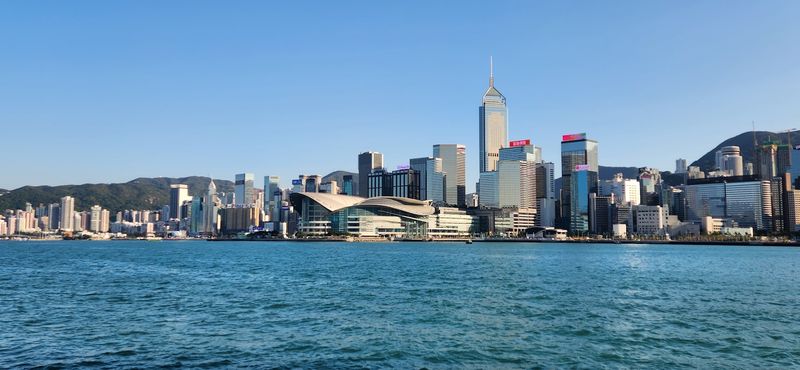
Space is basically a luxury item in Hong Kong, and the real estate market treats it that way. The city consistently tops global cost-of-living charts, and it is not hard to see why.
Apartments here are famously small and famously expensive, making housing the single biggest drain on any household budget.
Imported groceries, international schools, and dining out all carry premium price tags. Even grabbing a coffee or taking a taxi can feel like a small financial commitment.
Families relocating here quickly discover that a generous salary offer can disappear faster than expected.
Hong Kong is a thrilling, fast-paced financial hub with world-class transport, incredible food, and nonstop energy. Enjoying all of it comfortably, however, requires a paycheck that matches the city’s ambitions.
Expats who plan carefully and budget strictly tend to thrive, while those who do not can find the city financially overwhelming within months.
Singapore
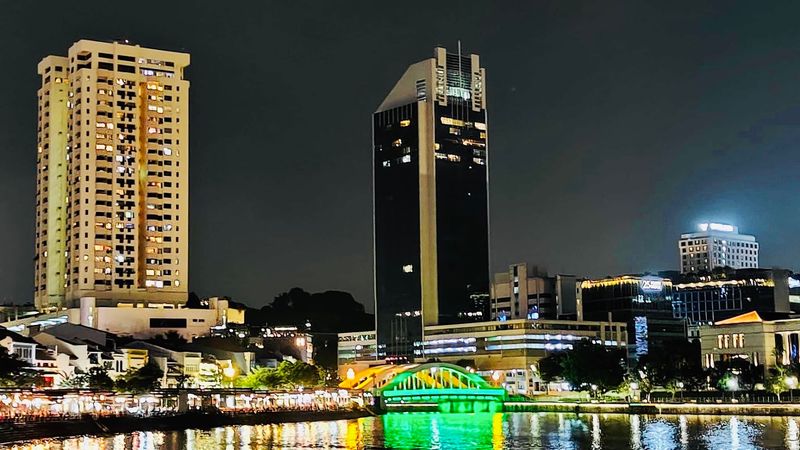
Owning a car in Singapore is not just expensive, it is almost a financial statement. The government charges steep taxes and requires buyers to obtain a Certificate of Entitlement, which alone can cost more than the vehicle itself.
For expat families, transportation costs are just the beginning of a long list of premium expenses.
Housing for foreign residents sits at the upper end of the market, and international schools can add tens of thousands of dollars to an annual budget. Imported goods, dining at Western-style restaurants, and household services all come with notable markups.
That said, Singapore delivers real value in return. The city is clean, safe, incredibly efficient, and home to a thriving international business community.
Public transport is world-class and genuinely affordable for daily commuters. The trade-off is simply that living here at a comfortable expat standard costs significantly more than most people anticipate before they arrive.
Zurich, Switzerland
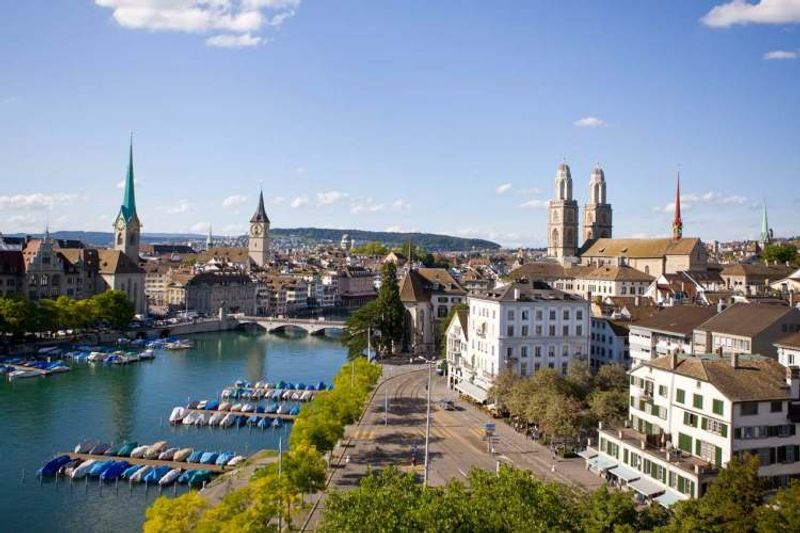
A simple lunch at a Zurich cafe can easily cost what a full dinner might elsewhere in Europe. Prices here are not just high, they are consistently, reliably, almost impressively high across every spending category.
From groceries to haircuts to a glass of wine, Zurich charges more than almost any other city on Earth.
The strength of the Swiss franc plays a big role in pushing the city up international rankings. Even visitors who arrive mentally prepared for the prices often find themselves doing double-takes at restaurant bills.
Residents simply budget accordingly and adjust their expectations early.
What Zurich offers in return is genuinely impressive. The city is spotlessly clean, punctual, and beautiful, with a lakeside setting that feels almost unfair to other cities.
Public services are reliable, healthcare is excellent, and quality of life consistently ranks among the world’s highest. For those earning Swiss salaries, life here can feel comfortable.
For incoming expats paid in foreign currencies, the adjustment can be financially sharp.
Geneva, Switzerland
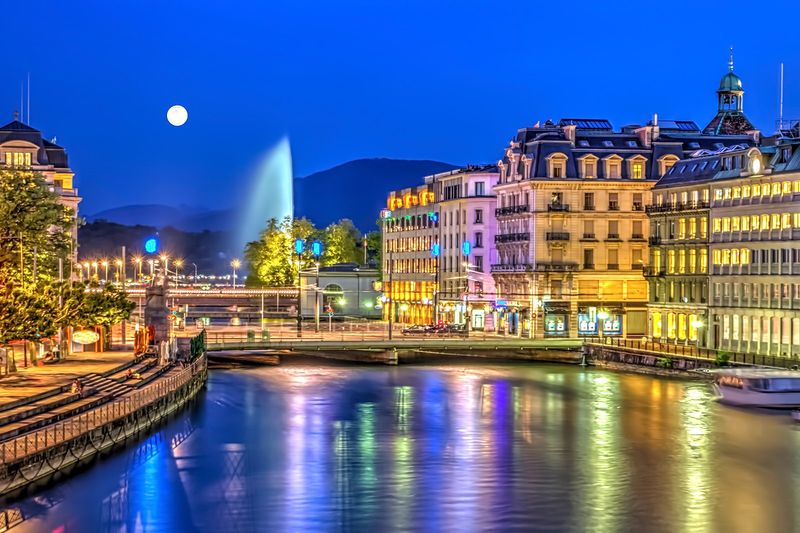
Geneva is home to the United Nations, the Red Cross, and some of the world’s most expensive apartment rentals. The city’s international diplomatic community and limited housing supply create a market where demand almost always outpaces availability.
Landlords know it, and rental prices reflect that reality without apology.
Dining, childcare, groceries, and private services all carry premium costs that can catch newcomers off guard. A family moving here from almost anywhere else in the world will notice the price difference almost immediately.
Even residents who earn strong local salaries sometimes feel stretched by the monthly outgoings.
Geneva does reward its residents with genuine quality. The city is peaceful, multilingual, and beautifully situated between the Alps and Lake Geneva.
Cultural events, international cuisine, and world-class healthcare are all within reach. For those on international assignment packages that include housing and schooling allowances, Geneva can feel manageable.
For those navigating costs independently, it demands serious financial planning from day one.
Basel, Switzerland

Basel punches well above its size when it comes to living costs, and the city’s booming pharmaceutical sector is a big part of the reason. Global giants like Novartis and Roche are headquartered here, drawing highly paid professionals from around the world.
That demand for housing and services keeps prices elevated well above European averages.
Everyday purchases, from a supermarket run to a sit-down restaurant meal, cost noticeably more than in neighboring France or Germany, which are both just a short drive away. Many Basel residents actually cross the border regularly just to do their weekly grocery shopping and save meaningfully on household bills.
The city itself is genuinely appealing. Basel hosts Art Basel, one of the world’s most prestigious art fairs, and its compact old town is charming and walkable.
Public transport is excellent, and the Rhine offers a surprisingly relaxed urban swimming experience in summer. For professionals relocating with a competitive package, Basel is a comfortable and culturally rich place to live.
Budgeting carefully is still very much advised.
Bern, Switzerland

Switzerland’s capital is often overlooked in favor of Zurich or Geneva, but Bern quietly holds its own in global cost-of-living rankings. The city has a UNESCO-listed medieval center, a relaxed pace compared to bigger Swiss cities, and a strong sense of civic order.
It also has rents and grocery bills that would make most Europeans wince.
Public transport here is reliable and well-organized, which helps offset the cost of getting around. Healthcare-related expenses, leisure activities, and personal services all add up quickly, especially for families adjusting from countries with lower baseline costs.
Childcare and private schooling are particularly significant budget items for expat households.
Bern’s saving grace is its livability. The city is calm, walkable, and genuinely beautiful, especially along the Aare River in summer.
Locals enjoy a high standard of public services funded by Switzerland’s robust tax system. For those arriving on international assignments, the city can feel like a quieter, slightly more manageable version of Zurich.
Still, arriving without a solid financial plan would be a costly mistake.
New York City, United States
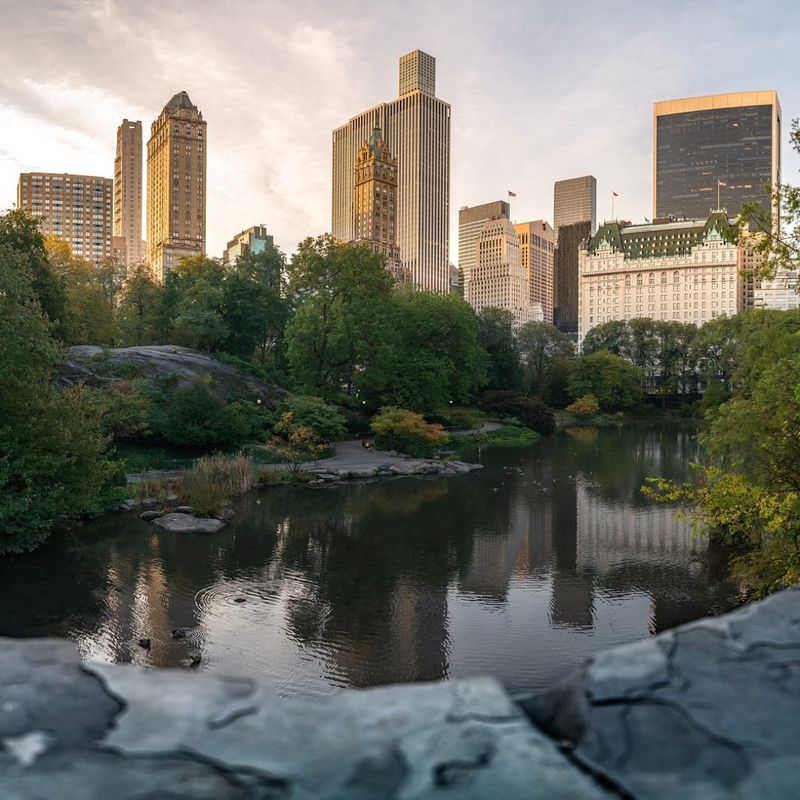
Rent in Manhattan is the kind of number that makes people seriously reconsider their life choices. Even apartments far from the island, in neighborhoods that were considered affordable just a decade ago, now carry price tags that feel almost cartoonish.
New York City holds the top spot in North America for a very good reason.
Beyond rent, the costs stack up fast. Childcare in New York rivals tuition fees at some universities.
Dining out regularly, maintaining a social life, and covering transportation, insurance, and services can consume household income at a remarkable pace. Salaries that seem generous in other cities can feel modest here.
And yet, millions of people choose New York and genuinely love it. The city offers career opportunities, cultural energy, and a diversity of experience that is nearly impossible to replicate anywhere else.
World-class restaurants, museums, parks, and neighborhoods exist in every borough. For those who plan carefully, live strategically, and embrace the trade-offs, New York delivers on its outsized reputation.
The price of admission is just genuinely steep.
London, United Kingdom
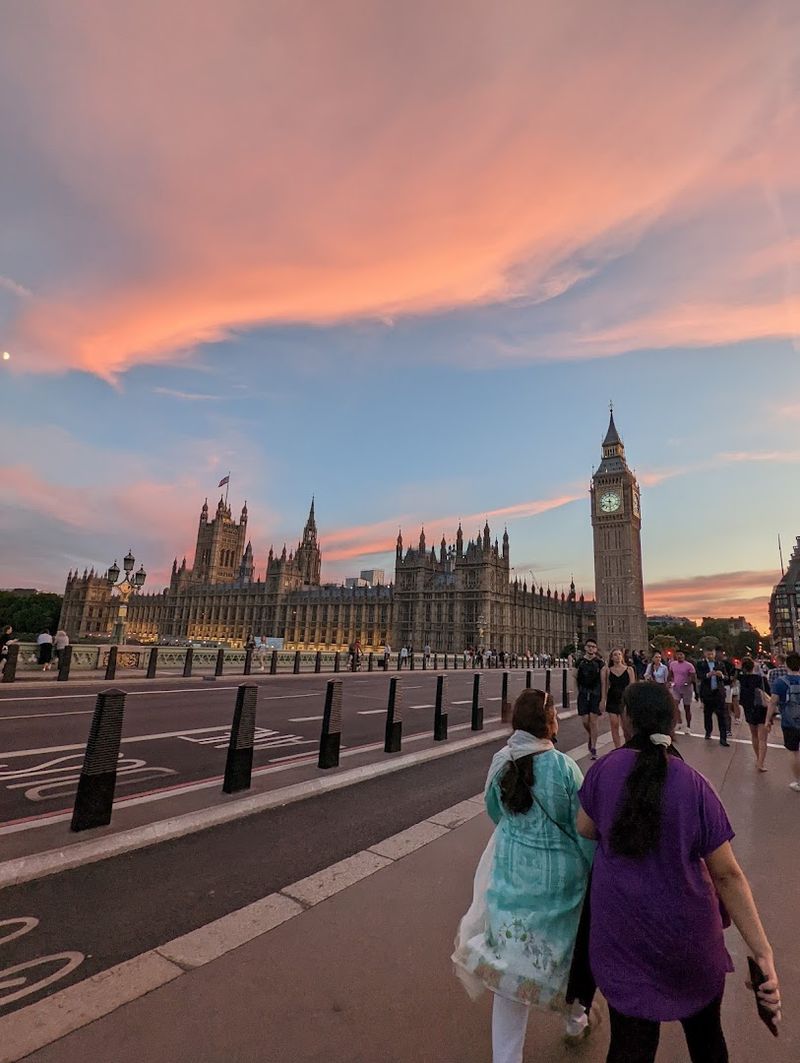
London has a way of making expenses feel almost normal until you sit down and actually add them up. Rent in well-connected neighborhoods has climbed steadily, and even areas once considered budget-friendly have shifted upward.
The city crept into Mercer’s global top 10 as housing and daily costs continued to apply pressure on both residents and international workers.
Transportation adds another layer of expense. A monthly Tube pass, occasional taxis, and the congestion charge for drivers in central London can combine into a meaningful monthly cost.
Childcare, entertainment, dining, and household services all contribute further to an already demanding budget.
London’s appeal, though, is hard to argue with. It is a city of extraordinary cultural depth, world-class museums, diverse neighborhoods, and a job market that attracts talent from every corner of the globe.
Theatre, food, history, and nightlife coexist in a way few cities manage. Expats who arrive with realistic expectations about what their money will buy tend to build rich lives here.
Those who underestimate the costs tend to find the adjustment uncomfortable.
Nassau, The Bahamas
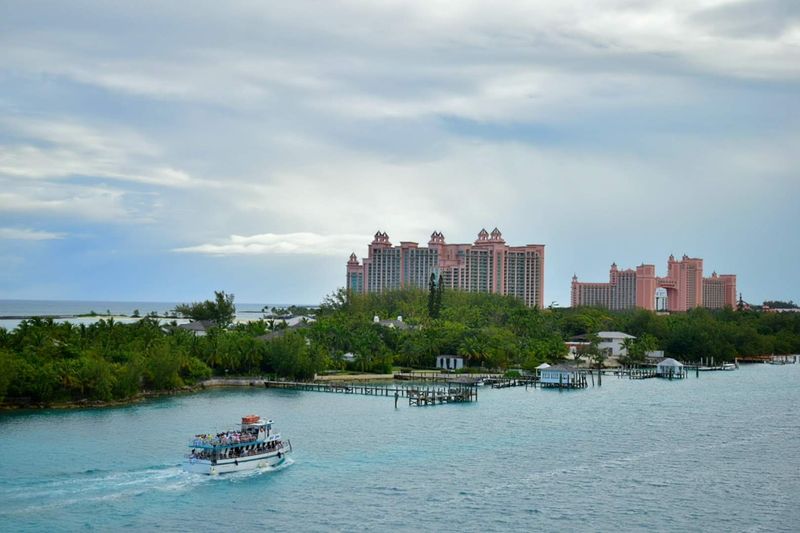
Nassau looks like paradise, and in many ways it genuinely is, but paradise comes with a price tag that surprises nearly every newcomer. The Bahamas imports the vast majority of its consumer goods, and every item that travels by ship or plane to the island arrives with added freight costs baked into the retail price.
Groceries, electronics, and household goods all reflect this reality.
Housing suited to international residents and expat workers sits at the premium end of the market. Electricity bills can be substantial, particularly given the tropical climate and the reliance on air conditioning for much of the year.
Restaurant meals and transportation costs also run higher than many visitors expect.
Mercer noted that Nassau’s accommodation rental prices remained stable during its latest annual comparison, though stable at already elevated levels is not exactly reassuring for incoming residents. The city does offer genuine rewards: stunning beaches, a relaxed Caribbean lifestyle, and proximity to the United States.
For those whose employers provide housing and relocation support, the costs become manageable. For those navigating the market independently, budgeting carefully from the start is genuinely essential.
Los Angeles, United States
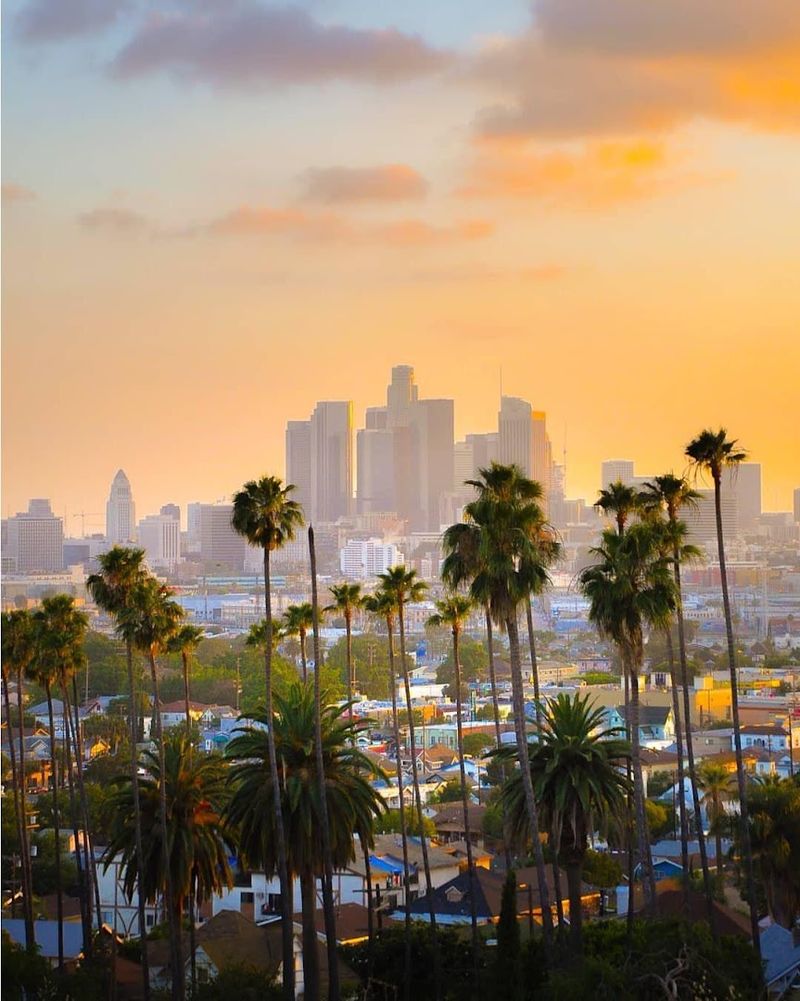
Getting around Los Angeles without a car is technically possible and practically exhausting, which means transportation costs are essentially unavoidable. Gas, car insurance, parking, and maintenance combine into a monthly expense that residents in transit-friendly cities simply do not face.
Add that to some of the highest rents in the country and you have a city that demands serious financial attention.
Coastal and central neighborhoods carry especially steep housing prices, and even areas farther from the beach have seen rents climb sharply in recent years. Childcare in Los Angeles is among the most expensive in the United States, and dining, entertainment, and lifestyle spending can accelerate a budget quickly.
Still, Los Angeles has a pull that is genuinely hard to resist. The weather is extraordinary, the food scene is world-class, and the entertainment industry creates a creative energy unlike anywhere else.
Outdoor activities, from hiking to surfing, are accessible year-round. For those who earn well and budget wisely, the city rewards them with a lifestyle that is difficult to replicate.
The challenge is simply that the bar for what counts as earning well here keeps moving upward.
Copenhagen, Denmark
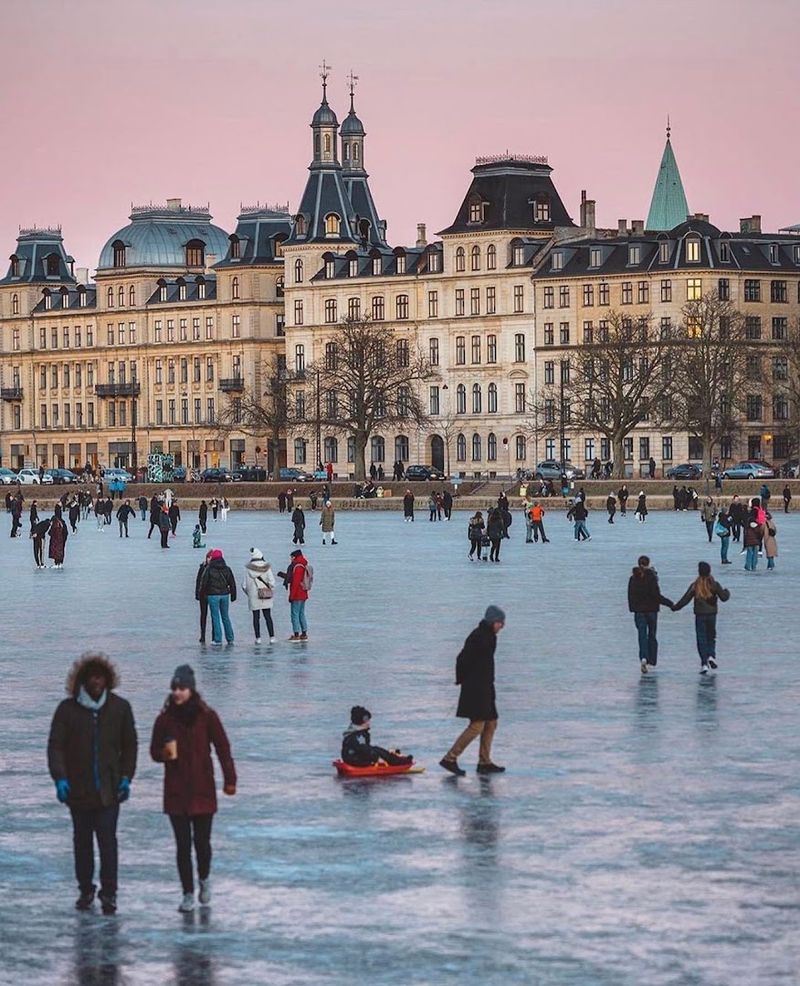
Copenhagen has a reputation for being one of the happiest cities on Earth, which is lovely, though happiness here is not exactly budget-priced. Restaurant meals can feel expensive even by European standards, and personal services, from haircuts to home repairs, carry rates that reflect Denmark’s high wage structure.
For expats earning outside that structure, the gap can be uncomfortable.
Housing has become increasingly competitive, particularly for newcomers who arrive without employer-assisted accommodation. Groceries and alcohol are taxed at rates that push prices above what most Western Europeans are used to paying.
High income taxes are part of life here too, though they fund an impressively comprehensive system of public services and social benefits.
What Copenhagen delivers in return is genuinely exceptional. The cycling infrastructure is the envy of urban planners worldwide.
Public transport is clean and reliable. The waterfront neighborhoods, creative food scene, and design culture make the city one of Europe’s most admired.
Residents consistently report high satisfaction with daily life. For those whose salaries align with local costs, Copenhagen feels like a very fair deal.
For incoming expats on foreign pay scales, adjustment takes time and planning.
Honolulu, United States
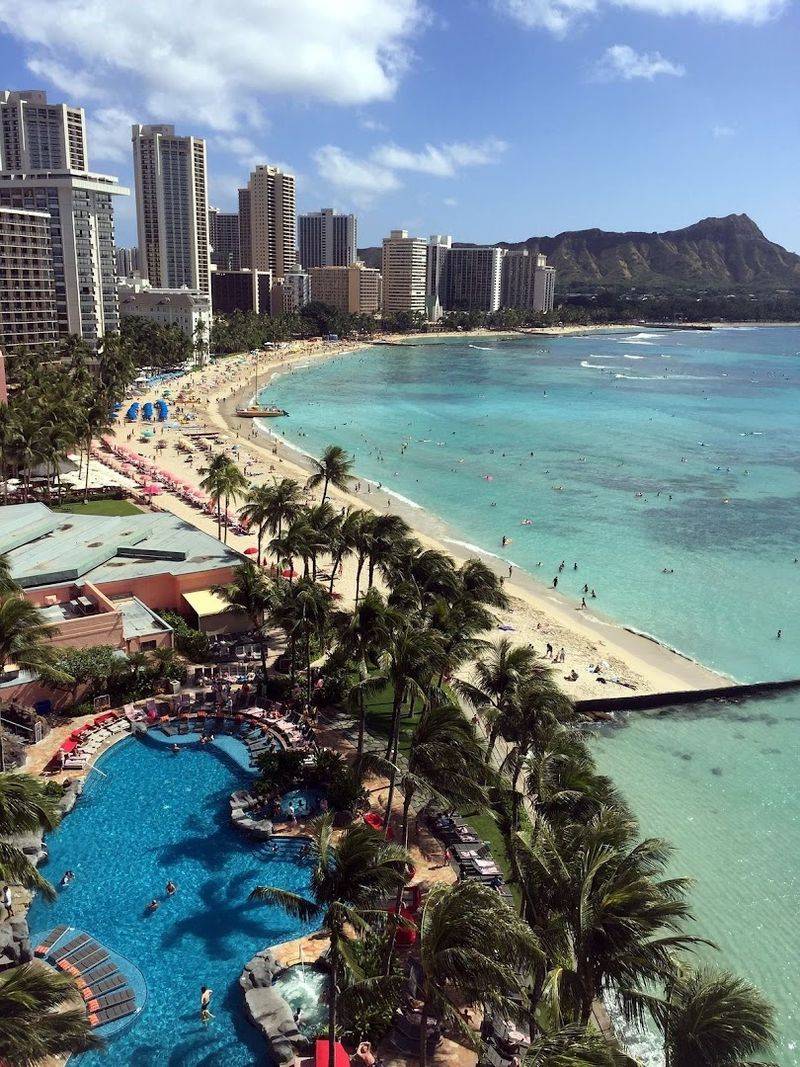
Living on an island in the middle of the Pacific Ocean sounds like a dream, and it often is, right up until the grocery bill arrives. Nearly everything sold in Honolulu’s stores had to travel thousands of miles to get there, and that shipping cost does not disappear at the checkout counter.
Food, household goods, and electronics all carry prices noticeably higher than mainland American cities.
Energy costs compound the situation. Air conditioning is not optional in Hawaii’s tropical climate, and electricity rates on the islands are among the highest in the entire United States.
Housing adds another major challenge. Developable land is scarce, demand is consistently strong, and the result is a real estate market that puts ownership out of reach for many residents.
The irony is that Honolulu’s relaxed, outdoor-focused lifestyle can make the costs feel less obvious day to day. Beaches, hiking trails, and warm weather are free.
But rent, utilities, and groceries quietly accumulate into a budget that surprises many newcomers. Families and individuals who plan carefully and take advantage of local markets and community resources tend to find a comfortable rhythm.
Those who do not often find island life financially straining.
San Francisco, United States

San Francisco’s housing market became the stuff of legend long before the tech boom, but Silicon Valley’s gravitational pull made everything significantly more intense. Engineers earning six-figure salaries find themselves competing for apartments alongside venture-backed founders, driving rents to levels that shock even people who thought they were prepared.
The city’s supply of new housing simply has not kept pace with demand.
Childcare costs in San Francisco rank among the highest in the nation. Dining at the city’s celebrated restaurants, using rideshare services regularly, and covering the general cost of services and entertainment all add meaningfully to monthly spending.
Even basics like parking, if you own a car, can become a notable line item.
The Bay Area does offer something extraordinary in return. The concentration of innovation, career opportunity, cultural diversity, and natural beauty is remarkable.
Weekend drives to wine country, coastal hikes, and world-class museums are all within reach. San Francisco rewards those who can afford to fully engage with it.
For everyone else, the math requires careful attention. Many residents manage by sharing housing, cooking at home, and being selective about how they spend their discretionary income.
Bangui, Central African Republic
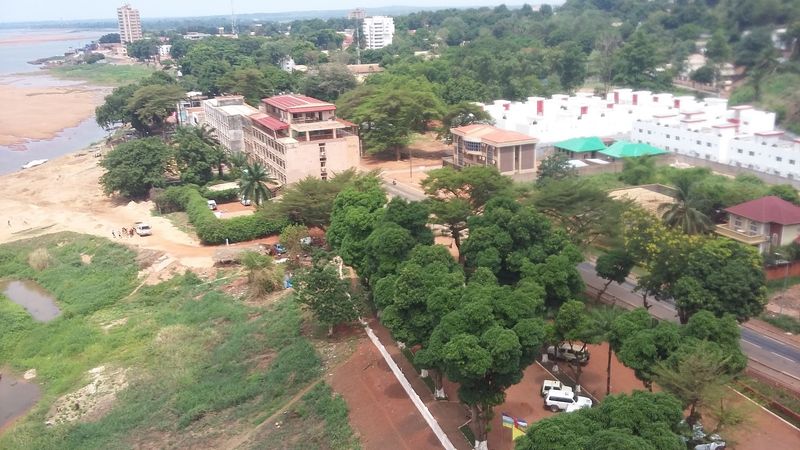
Bangui is the one entry on this list that genuinely catches people off guard. It is not a city associated with wealth or global finance, yet it ranks among the world’s most expensive places for international employees.
The reason is specific and important: scarcity drives cost in ways that glossy city rankings rarely capture.
Expats and international workers in Bangui typically require secure housing, private transportation, imported food, and specialized services that are either scarce or simply unavailable through normal local channels. When demand for these provisions is high and supply is limited, prices climb steeply.
Security considerations can also add significant costs for organizations operating in the region.
Mercer specifically notes that hardship locations can become unexpectedly expensive when international workers lack access to the ordinary goods and infrastructure that make daily life manageable elsewhere. Bangui is a prime example of that dynamic.
For local residents, daily life operates on an entirely different economic reality. But for incoming international staff, the cost of maintaining a safe, functional, and adequately supplied existence in a challenging environment can rival even the world’s wealthiest cities.
It is a sobering reminder that high costs do not always mean high luxury.
Dubai, United Arab Emirates
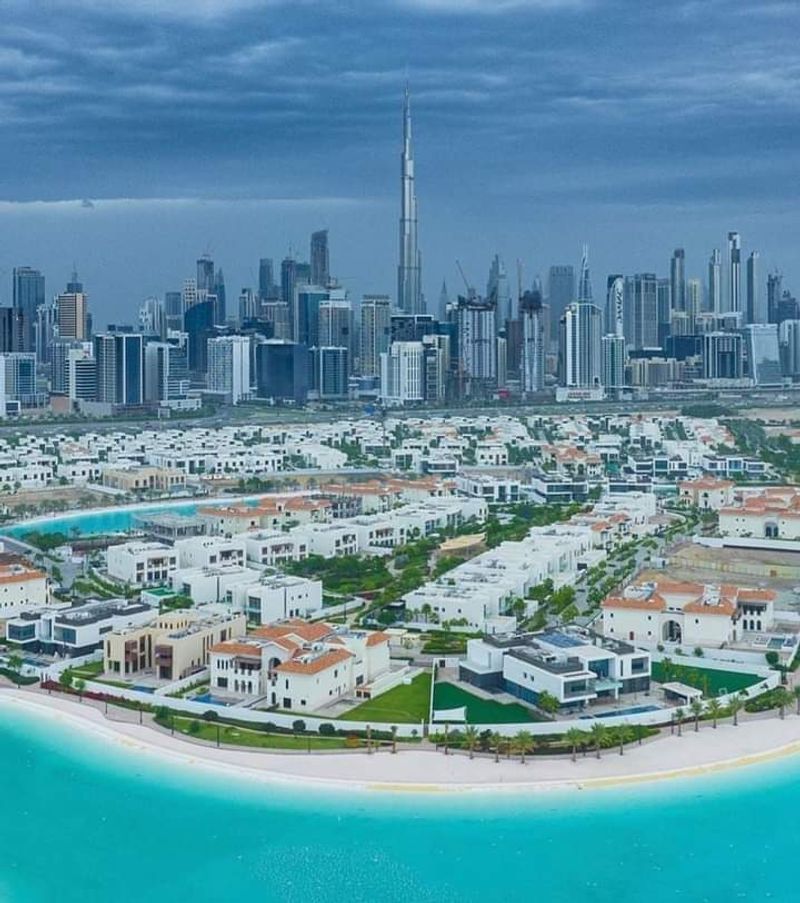
Dubai climbed three positions in Mercer’s latest ranking to claim the title of the Middle East’s most expensive city for international employees, and the rental market tells most of the story. Average rental prices rose by 21 percent in the period studied, a staggering jump that reshaped household budgets for thousands of residents almost overnight.
Landlords moved quickly to reflect demand, and tenants felt it immediately.
International schooling is another major expense for families in Dubai. The city has dozens of private schools following British, American, Indian, and other curricula, and tuition fees can be substantial.
Premium services, fine dining, and lifestyle spending also add up quickly in a city that has built its brand around ambition and luxury.
Dubai does offer meaningful financial incentives that other cities on this list do not. There is no personal income tax, which can make a significant difference for high earners.
The city is modern, safe, and cosmopolitan, with world-class infrastructure and a business environment that attracts talent globally. For families and professionals who budget thoughtfully and take advantage of the tax benefits, Dubai can still offer strong financial value.
The key is going in with clear eyes about what the city actually costs to live in well.
Share this story