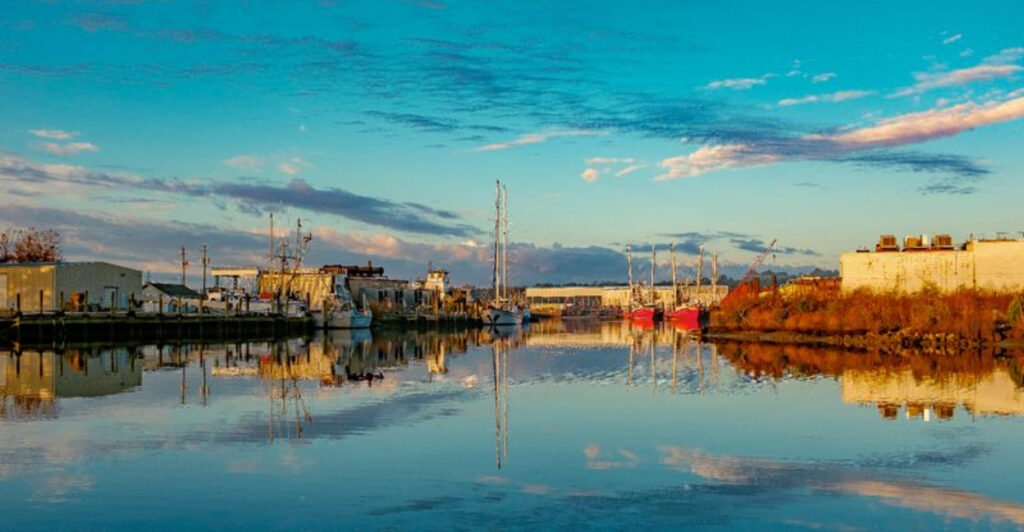
Some American towns grew up around their harbors and never let go. From the rocky shores of New England to the fog-covered bays of the Pacific Northwest, these communities built their entire way of life around the water.
Fishing fleets, seafood processors, ferry routes, and marine businesses are not just part of the scenery here. They are the reason these towns exist.
Whether you are a curious traveler, a seafood lover, or someone who simply appreciates a place that still earns its living the old-fashioned way, this list gives you 13 ports worth knowing about. Each one has a real working harbor at its heart, where boats go out, catches come in, and the daily rhythm of life is tied directly to the sea.
Gloucester, Massachusetts
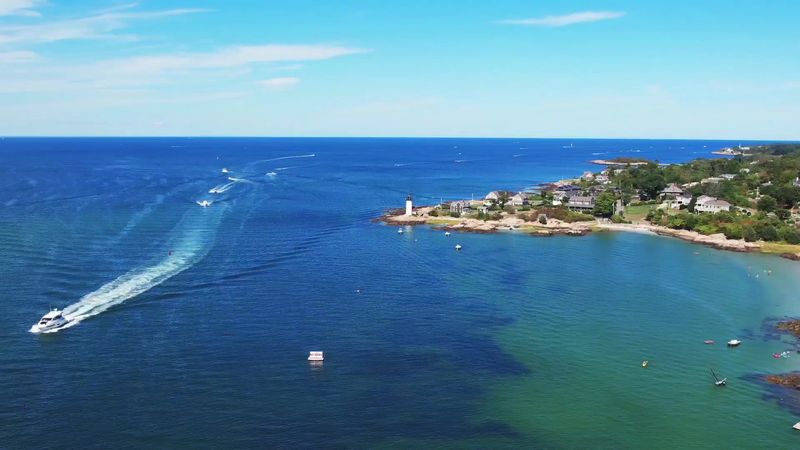
America’s oldest fishing port is not living off its reputation. Gloucester’s Jodrey State Fish Pier continues to function as a genuine hub for commercial fishing, marine repair, and seafood commerce along the Massachusetts coast.
The municipal government has long described the working waterfront as the center of the city’s civic and commercial life, and a walk around the inner harbor makes that easy to believe.
Commercial fishing vessels share the water with recreational boats, restaurants, and museums, but the industrial side of the harbor is never far from view. Gear gets repaired, boats get serviced, and the Atlantic remains very much a place of work rather than just a backdrop for photographs.
Gloucester is not a recreated fishing village dressed up for visitors. It is a historic port that has been adapting its fisheries-based economy for generations and still carries the weight and character of that long relationship with the sea.
New Bedford, Massachusetts
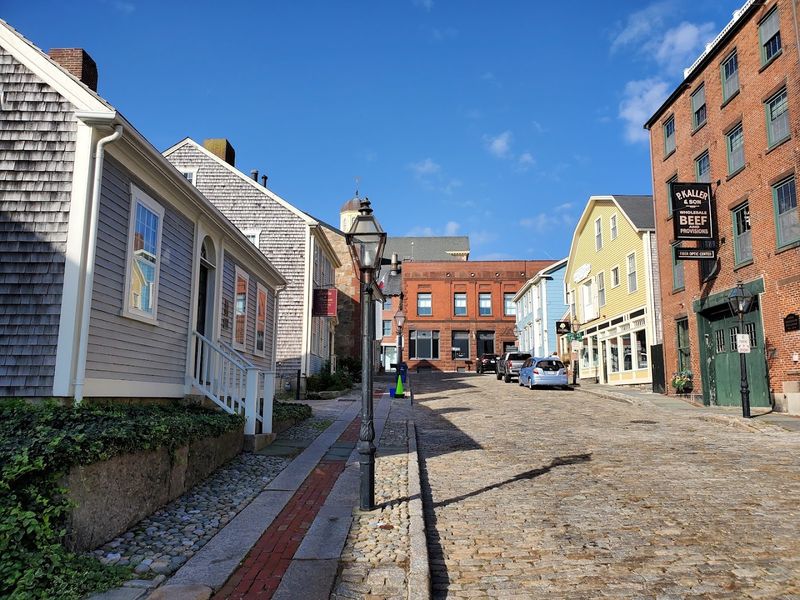
Since 2001, New Bedford has ranked as the most valuable commercial fishing port in the United States by catch value, and the numbers behind that title are genuinely striking. More than 500 commercial scallopers and fishermen are based here, supported by seafood unloading operations, cold storage facilities, vessel maintenance businesses, and processing plants that line the working waterfront.
The city offers a self-guided Working Waterfront Dock Walk that brings visitors close to this industrial activity, though the route reminds walkers to stay clear of active crews, equipment, and pier traffic. That detail alone tells you something important: this is a real port, not a performance.
What makes New Bedford particularly interesting is how whaling-era history and a modern seafood economy coexist in the same city blocks rather than being separated into tourist districts and industrial zones. The past and present here occupy the same waterfront, and both are worth your attention.
Rockland, Maine
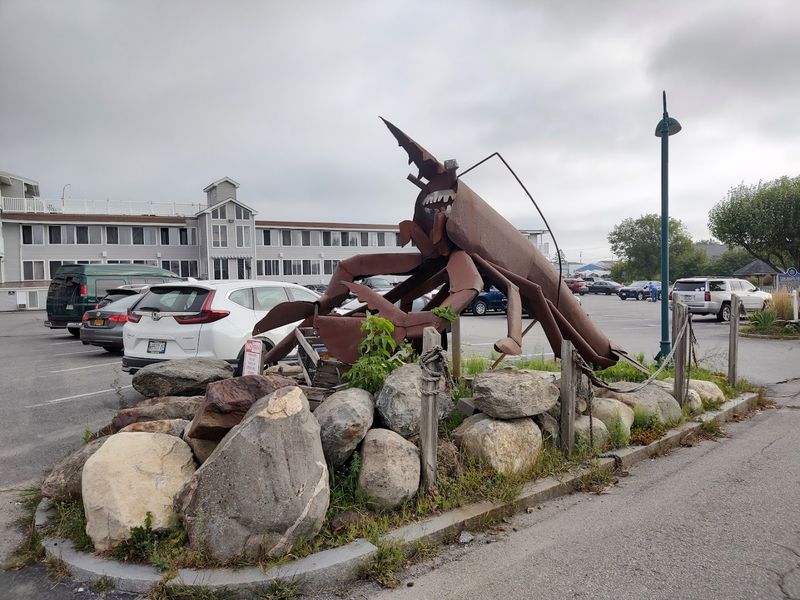
Rockland sits on Penobscot Bay, and its harbor reflects the full variety of maritime life in coastal Maine. The city’s Harbor and Waterfront Department maintains a municipal and commercial fish pier alongside mooring areas and services for both local and visiting vessels.
Fishing boats, ferries, sailing schooners, and recreational craft all share the same water without any of those uses being pushed aside for the benefit of another.
That mix gives Rockland a noticeably different atmosphere from resort-style harbors where working boats have long since disappeared. Visitors can walk from downtown galleries and restaurants directly to the waterfront and observe commercial maritime activity as a natural part of the city’s layout rather than something tucked away from public view.
Rockland has built a genuine arts and tourism economy over the past few decades, but the harbor has not been converted into a decorative backdrop. It remains active infrastructure, and that honesty is a big part of what makes the town worth visiting.
Galilee, Rhode Island
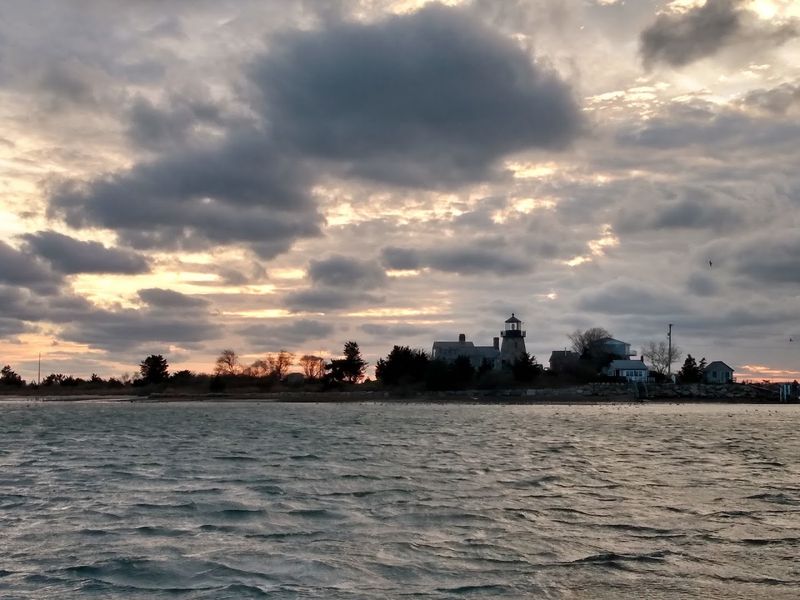
Packed into a compact harbor district at Point Judith in Narragansett, Galilee manages to fit commercial fishing boats, seafood markets, charter vessels, waterfront restaurants, and a year-round ferry to Block Island into a relatively small area. Rhode Island’s environmental agency reports that more than 250 commercial fishing vessels call this port home, which is a remarkable number for a village of this size.
The industrial character of the harbor is impossible to miss. Boats arrive with fish and squid, crews move equipment across the docks, and seafood businesses operate just steps from public areas and casual dining spots.
There is no separation between the working port and the places visitors tend to gather.
The Block Island ferry adds another steady layer of activity, routing passengers through a waterfront built for transportation and fishing rather than sightseeing alone. Anyone who shows up expecting a quiet scenic harbor may be pleasantly surprised by how much is actually happening here at any given time.
Cape May, New Jersey
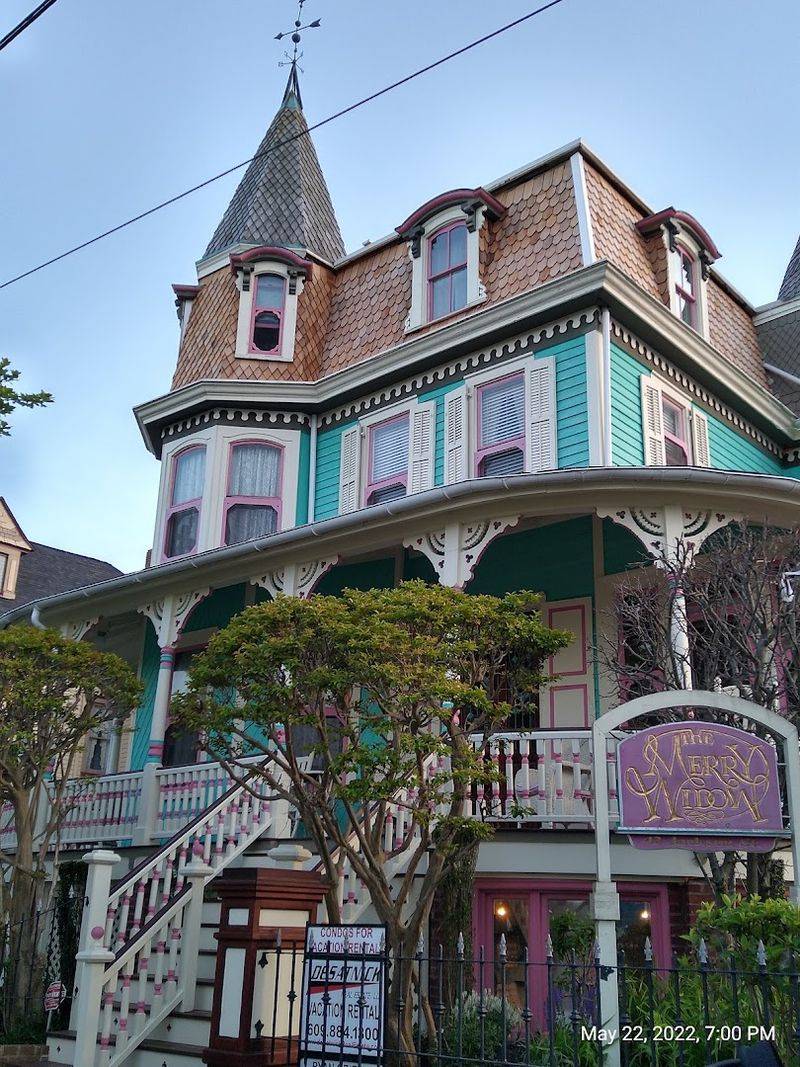
Most people associate Cape May with Victorian architecture and summer beach crowds, but the harbor tells a completely different story. Working fleets based around Schellenger’s Landing target scallops, lobster, squid, and other species from facilities that look nothing like the beachfront district a short distance away.
Cape May County reports that the combined Cape May and Wildwood port ranks among the top commercial fishing ports in the country by landings. It is New Jersey’s largest commercial fishing operation and a significant center for fish processing and freezing, with large vessels, packing facilities, and marine businesses that most vacationers never see.
The contrast between the two sides of this community is genuinely interesting. One part of Cape May caters to bed-and-breakfast guests and beachgoers.
The other part operates one of the East Coast’s most productive seafood industries. Both are real, and understanding that split gives the town a much more layered identity than a weekend beach trip might suggest.
Reedville, Virginia
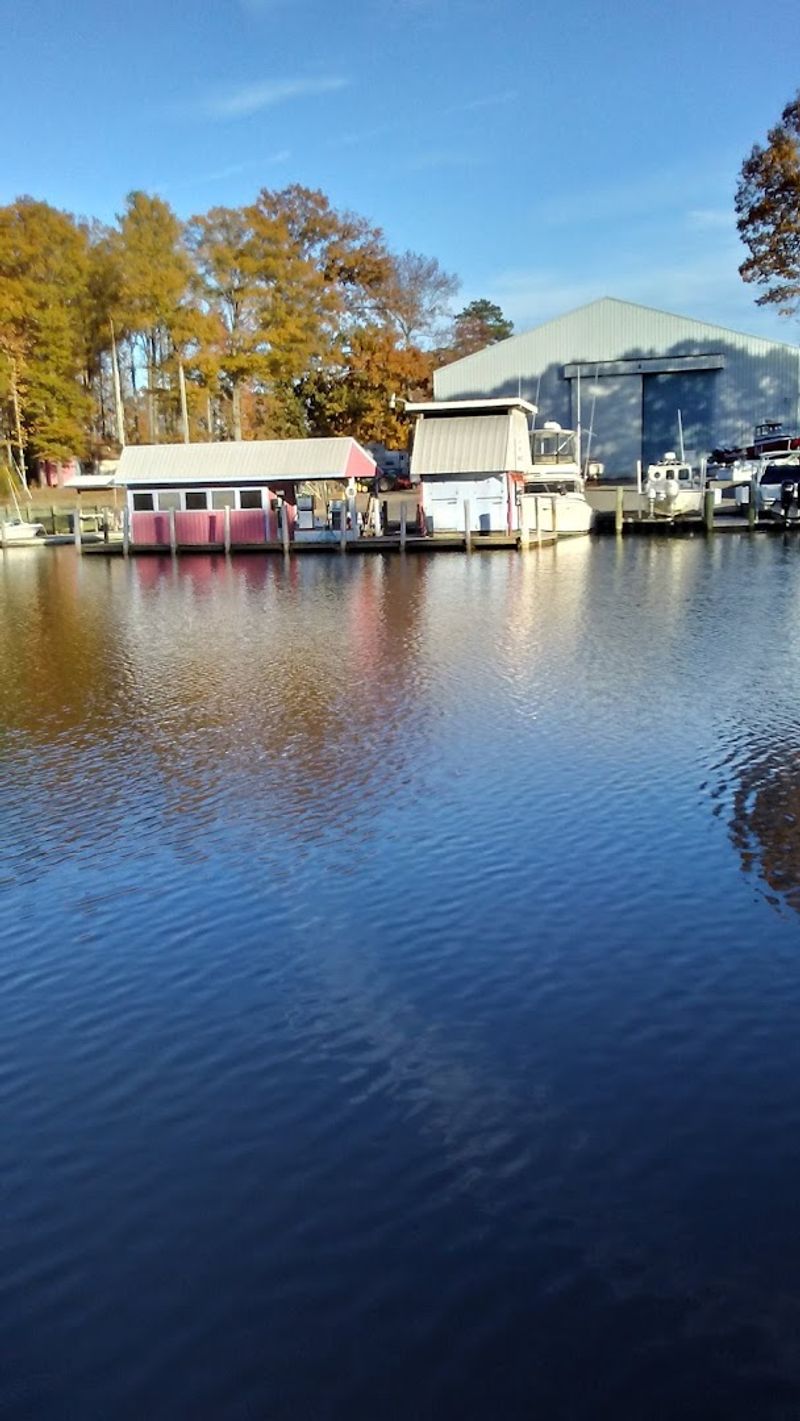
Reedville grew directly out of the menhaden industry, and that connection is still visible today. A modern menhaden fleet continues to operate from this Northern Neck community, including large ocean-going vessels that harvest the small, oily fish for products like fish meal and fish oil.
Few American fishing towns can point to such a clear, unbroken line between their founding industry and their present-day economy.
Beyond menhaden, the harbor supports crabbing, pound nets, clamming, oystering, and soft-shell crab processing. Homes, maritime businesses, historic buildings, and working docks are arranged along the waterfront in a way that shows exactly how the community grew around the water rather than next to it.
Reedville is quieter than most ports on this list, but its commercial fleet gives it an unmistakably industrial maritime identity. For anyone interested in how a Chesapeake fishing community actually functions, this is one of the most direct and honest examples you will find anywhere on the bay.
Crisfield, Maryland
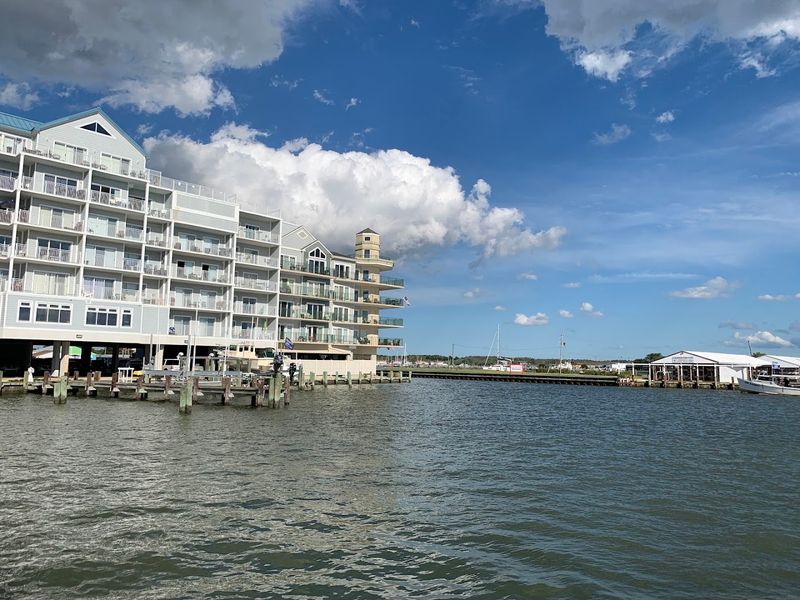
Crisfield sits right at the edge of Tangier Sound, where generations of Chesapeake watermen have made their living pulling blue crabs, oysters, and fish from some of the bay’s most productive waters. The city calls itself the Crab Capital of the World, and the waterfront still carries the evidence to support that claim.
Fishing boats, charter operations, crab houses, public docks, and ferry connections to nearby islands all occupy the same waterfront area.
What stands out about Crisfield is how completely the harbor is woven into the town’s identity. Seafood-worker murals, working docks, and crab houses are not separate attractions.
They are simply how the town looks.
The seafood industry here is smaller than it was during its most productive decades, but watermen and seafood workers remain visible, active members of the community. Visitors can watch harbor activity from public waterfront areas while respecting that most of the docks and boats around them are active workplaces, not exhibits.
Bayou La Batre, Alabama
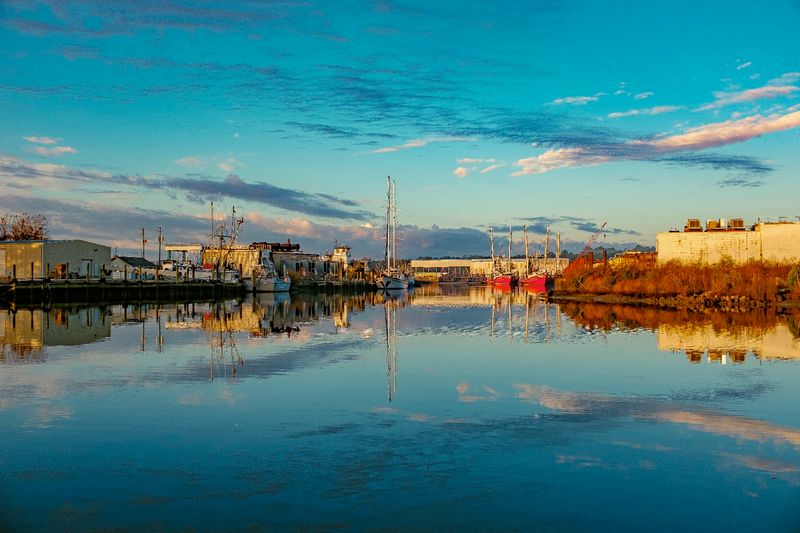
Known across the Gulf Coast as Alabama’s Seafood Capital, Bayou La Batre has a shoreline that looks nothing like the hotel-lined beaches found elsewhere in the region. Shrimp boats, workboats, shipyards, processing facilities, and equipment yards line the waterfront, reflecting a community whose employment has historically been tied to the water in very direct and practical ways.
Commercial fishing, shrimping, seafood processing, net making, vessel repair, and boatbuilding have all been part of the local marine economy. The commercial seafood industry has faced serious pressure in recent years, but local and county officials are investing in redeveloping the city docks to support seafood landings, direct sales, charter fishing, and marine employment.
That commitment to renewal rather than conversion is worth noting. Bayou La Batre is not reinventing itself as a tourism destination by erasing its industrial identity.
It is trying to keep the working waterfront alive and economically relevant, which makes it a genuinely different kind of Gulf Coast community.
Morro Bay, California
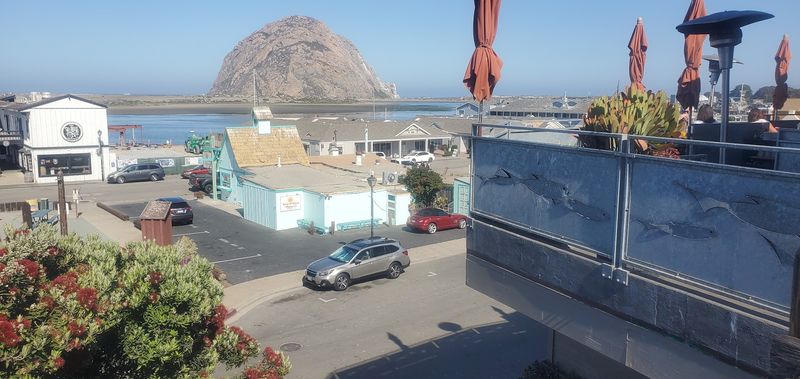
The volcanic silhouette of Morro Rock gets most of the attention, but the harbor it overlooks is a functioning commercial fishing port as well as a popular visitor destination. The city designates specific municipal slips for qualifying commercial fishing vessels, and the Morro Bay Commercial Fishermen’s Organization actively represents people earning their living along the waterfront.
Walking the Embarcadero, visitors encounter fishing boats and marine businesses mixed in with restaurants, kayak rentals, shops, and recreational docks. That blend gives Morro Bay a more grounded atmosphere than California waterfronts where commercial fleets have been displaced entirely by tourism infrastructure.
The organization also advocates for local fisheries and the long-term environmental health of the bay, connecting the economic interests of fishermen to the broader marine ecosystem. Morro Bay works as both a protected natural environment and a productive economic base for people who rely on the Pacific, and that balance is visible throughout the harbor on any given morning.
Newport, Oregon
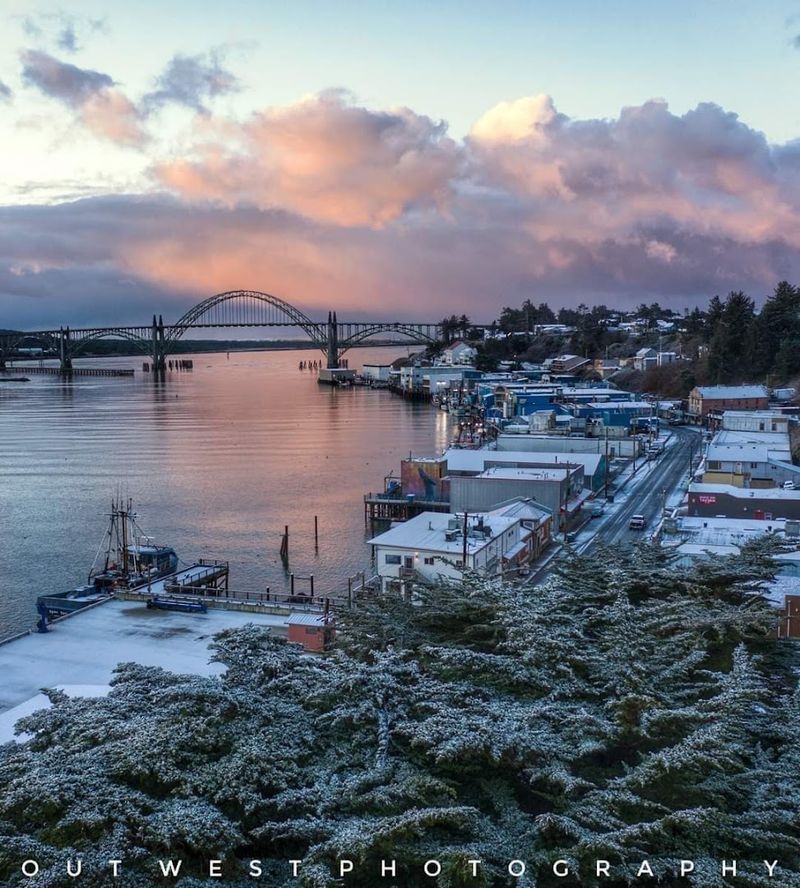
Newport’s Historic Bayfront manages to be genuinely popular with visitors without softening the commercial reality of the harbor behind it. The Port of Newport describes its commercial marina as home to one of the largest and most productive fishing fleets on the entire West Coast, and Yaquina Bay backs that up with crabbers, fishing vessels, research ships, and marine businesses all operating in the same water.
Commercial catches are delivered directly to processing facilities along the waterfront, keeping the Bayfront connected to the industry that shaped it rather than functioning as a purely decorative district. Visitors browsing seafood markets or watching sea lions on the docks are also likely to see crews repairing gear, loading supplies, or preparing boats for another trip out.
Newport pulls off something that many coastal towns attempt but few actually achieve: it succeeds as a visitor destination without hiding the commercial work happening around it. The harbor feels honest, and that makes the seafood restaurants along the waterfront taste a little more earned.
Astoria, Oregon
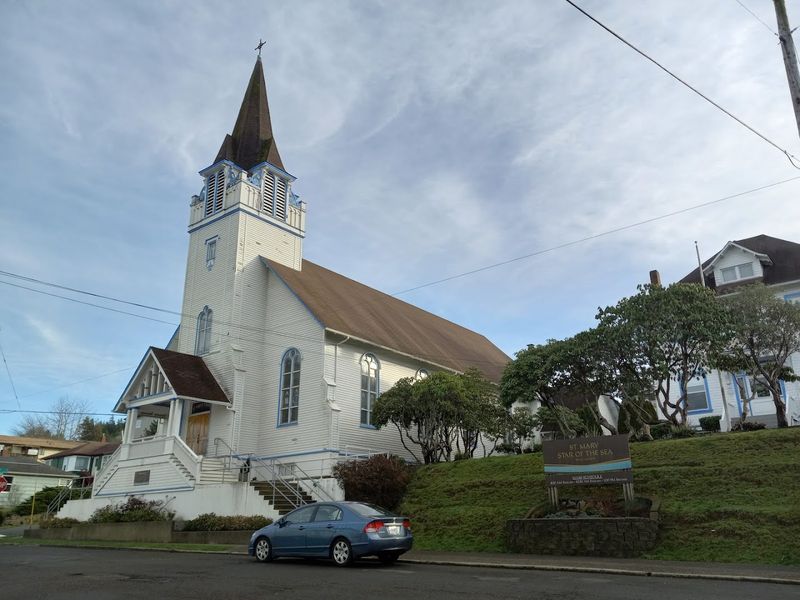
Positioned near the mouth of the Columbia River, Astoria has been a maritime hub for a very long time. The Port of Astoria currently serves commercial and recreational boats, cargo vessels, research ships, and fish-processing operations, with its central industrial waterfront sitting alongside hotels, restaurants, and the popular Riverwalk.
That layering is what makes Astoria interesting from a harbor perspective. Commercial vessels and fishing boats use facilities that are close to areas regularly visited by pedestrians and tourists, so the port does not feel like something happening behind a fence in a distant industrial zone.
It is part of the city’s daily texture.
Astoria’s dramatic bridge, Victorian hillside homes, and historic buildings tend to dominate travel coverage of the city, which is understandable. But the port continues to contribute meaningfully to the local economy and the everyday rhythm of life here.
The Columbia River is not just scenic. It is still a working corridor, and Astoria reflects that honestly.
Anacortes, Washington
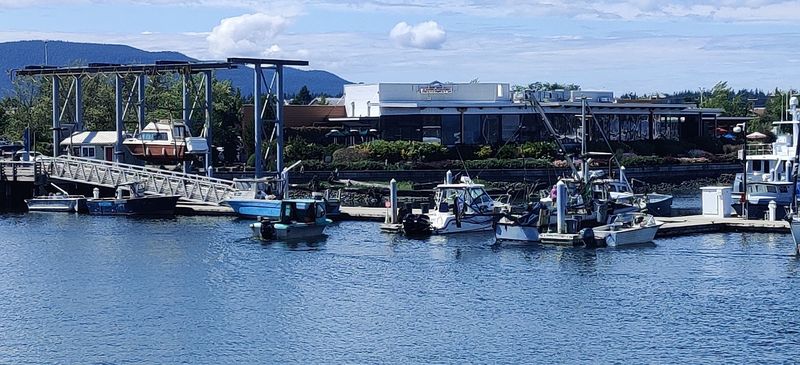
Anacortes occupies a strategically important position on Fidalgo Island between Seattle and the Canadian border, and its deep-water port reflects that geography. The Port of Anacortes handles commercial vessels, break-bulk cargo, heavy industrial projects, fishing boats, and maritime support operations across marine terminals, moorage facilities, industrial properties, and a shipyard area.
The working waterfront here extends well beyond commercial fishing. Vessels serving nearby refineries, cargo operations, and boat repair companies regularly use local docks, giving the port a broader industrial character than most harbor towns on this list.
Washington transportation officials have described the port’s T Dock as a working facility used to load and unload fishing vessels and boats supporting the wider industrial economy.
Most travelers passing through Anacortes are headed to the San Juan Islands by ferry, and the recreational marinas serve that crowd well. But the ferries and tourist traffic are only one layer of a much larger waterfront system that keeps working regardless of the season or the visitor count.
Kodiak, Alaska
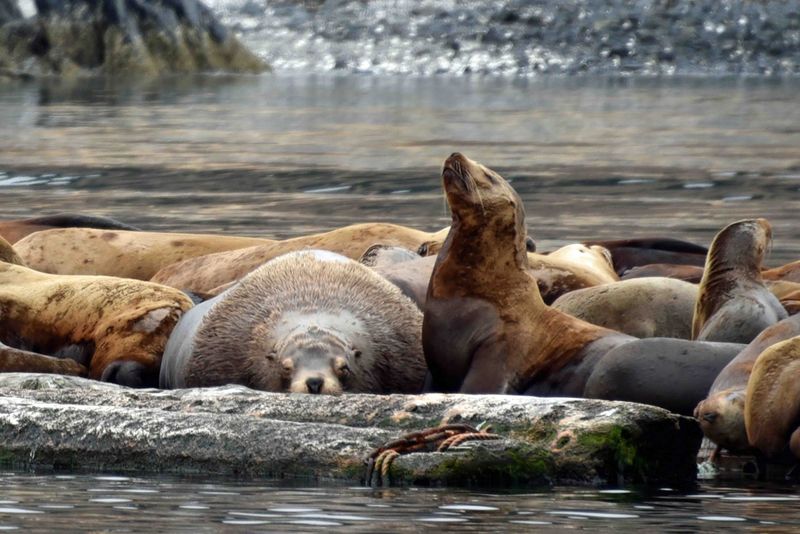
Kodiak’s harbor is not built for scenery. It is built for serious maritime work in demanding conditions.
The city operates two protected harbors with moorage for approximately 650 vessels, along with deep-water piers serving commercial fishing boats, cargo vessels, ferries, government ships, and passenger traffic throughout the year.
The Fisherman’s Terminal supports freight handling, vessel repairs, gear storage, crane work, and fishing-gear maintenance for a fleet that works some of the country’s most productive fishing grounds in the Gulf of Alaska. Seafood processing and commercial fishing are woven into the daily life of this island community in a way that is hard to fully appreciate until you see the waterfront in person.
Kodiak does welcome travelers and recreational boaters, but the harbor’s primary function is infrastructure for an island that depends on it. Working boats occupy much of the waterfront rather than being pushed to distant industrial zones, and that arrangement makes Kodiak one of the most unfiltered working harbor towns in the entire country.
Share this story