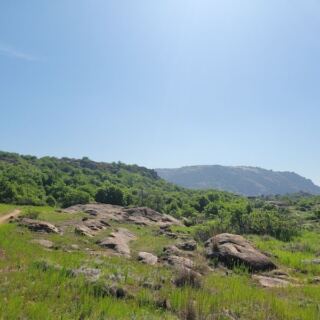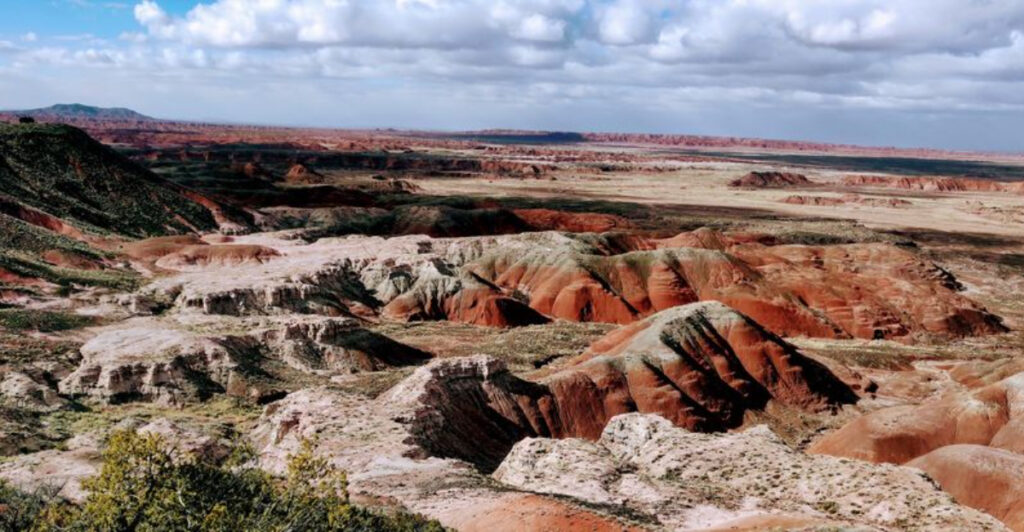
America has some of the best places in the world to find dinosaur tracks, ancient fossils, and prehistoric wonders, and many of them are open to the public right now. From the riverbed of Texas to the painted hills of Oregon, these destinations let you stand in spots where creatures roamed millions of years before humans existed.
Some parks let you touch real fossils, others let you hike alongside ancient footprints, and a few even have working paleontology labs you can watch in action. Whether you are planning a road trip, a family vacation, or just looking for something genuinely unforgettable, this list covers fifteen American spots that bring prehistoric life closer than you might expect.
Dinosaur Valley State Park, Glen Rose, Texas
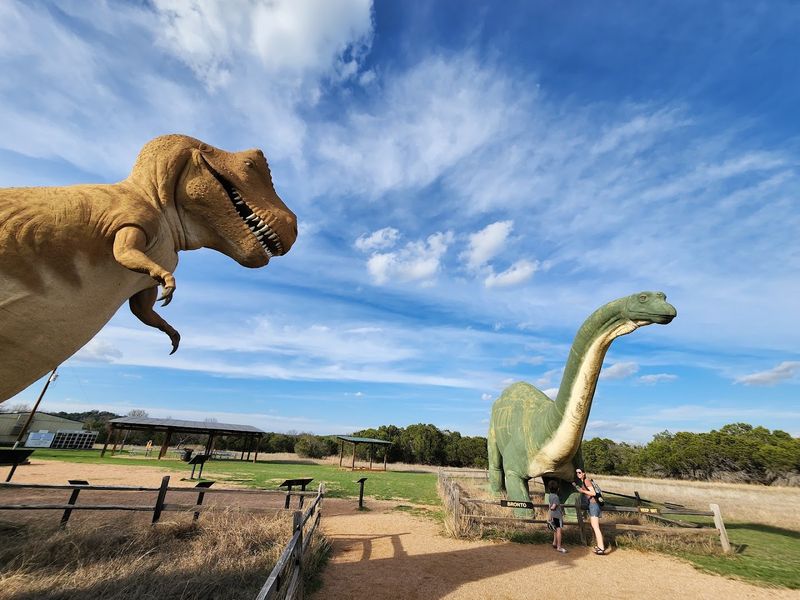
Few places in America let you literally walk in a dinosaur’s footsteps, but Dinosaur Valley State Park in Glen Rose does exactly that. Real sauropod and theropod tracks are preserved right in the Paluxy River bed, and when water levels are low enough, visitors can walk out and stand next to prints left by creatures like Sauroposeidon and Acrocanthosaurus.
The Texas Parks and Wildlife Department manages the park, which also offers more than 20 miles of trails through limestone ridges and river terrain. Camping, swimming, fishing, paddling, and an interpretive center round out the experience.
This is the kind of stop that works for everyone, from kids who can barely contain their excitement to adults who genuinely want to understand what they are looking at. Check water conditions before you visit, since high river levels can cover the tracks completely.
Admission fees apply, and camping reservations are recommended well in advance.
Dinosaur Ridge, Morrison, Colorado
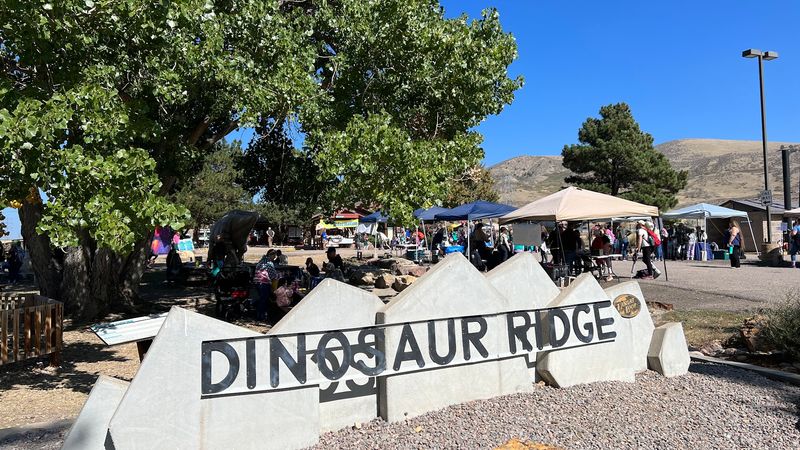
Just west of Denver, Dinosaur Ridge is the kind of place that surprises people who think prehistoric history belongs only in museums. This outdoor site near Morrison features more than 250 visible dinosaur tracks pressed into rock along a ridgeline trail, and it also marks the location where the first named Stegosaurus bone fossils were found back in 1877.
Visitors can take a guided tour or follow a self-guided route at their own pace, which makes it flexible for families, solo travelers, and road trippers passing through the Denver metro area. The combination of walking outdoors, seeing real tracks, and learning fossil history in one stop makes it genuinely practical.
Guided tours are offered by the Friends of Dinosaur Ridge organization and are a good way to understand what you are actually looking at on the rock surface. Parking is available, and the site is close enough to Denver to make it a half-day outing without much planning.
Dinosaur National Monument, Jensen, Utah and Dinosaur, Colorado
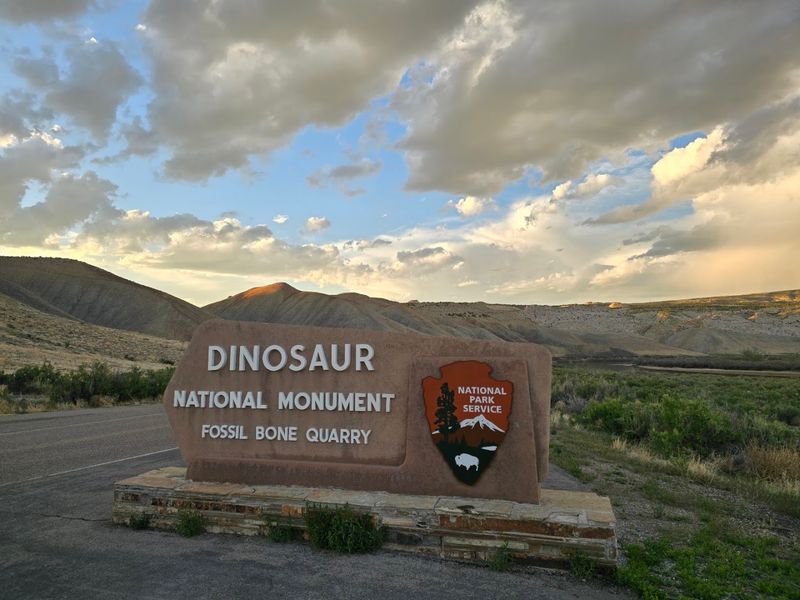
The Quarry Exhibit Hall at Dinosaur National Monument is one of the most striking fossil displays anywhere in the country. A wall of approximately 1,500 dinosaur bones sits embedded in rock right inside the building, preserved exactly where they were found, giving visitors a view that no museum replica can replicate.
The National Park Service notes that the quarry contains Late Jurassic species including Allosaurus, Apatosaurus, Camarasaurus, Diplodocus, and Stegosaurus. There are also designated spots where visitors can touch real 150-million-year-old fossil bone, which is a rare and memorable detail.
The monument stretches across parts of Utah and Colorado, but most travelers head to the Utah side for the Quarry Visitor Center and Quarry Exhibit Hall. Beyond the quarry, the monument offers canyon scenery, river access, and backcountry exploration.
The Utah entrance near Jensen is the starting point for the fossil-focused experience, so plan your route accordingly before arriving.
Clayton Lake State Park and Dinosaur Trackways, Clayton, New Mexico
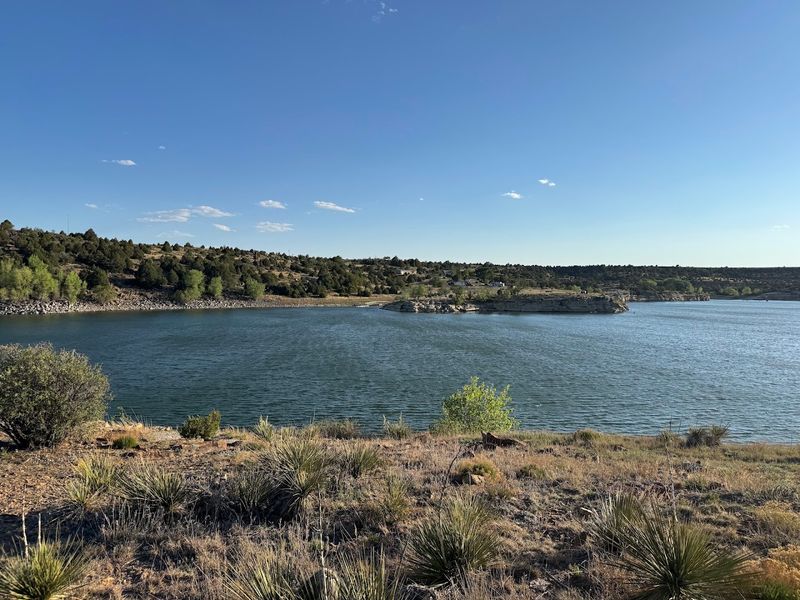
Clayton Lake State Park in northeastern New Mexico packs an unusual combination into one remote destination. You get camping, boating, fishing, hiking, and some of the darkest skies in the state, plus a set of dinosaur trackways that give the park a prehistoric identity most camping spots simply do not have.
The trackways are a genuine highlight, with prints visible in exposed rock near the lake. New Mexico State Parks describes the visitor center as focused on the region’s dinosaur history and geology, so there is context available for visitors who want more than just a look at footprints.
Clayton Lake was designated New Mexico’s first dark sky park in 2010, which adds a second reason to stay overnight. Stargazing after a day of fossil exploration is a combination that does not come along often.
The park’s remote setting in the northeast corner of the state means crowds are rarely an issue, making it a quieter alternative to busier national park destinations.
Picket Wire Canyonlands, Comanche National Grassland, Colorado
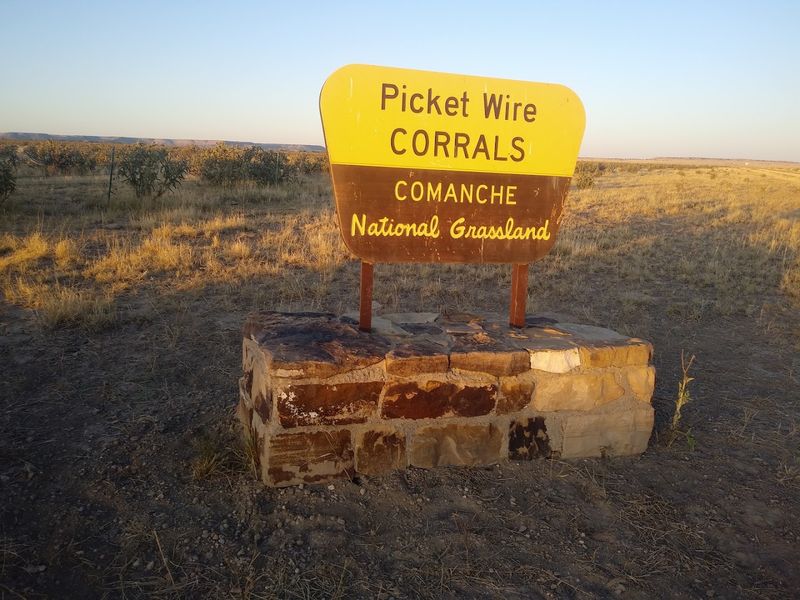
The numbers alone make Picket Wire Canyonlands worth knowing about. The U.S.
Forest Service describes it as the largest dinosaur tracksite in North America, with more than 1,900 individual prints spread across 130 separate trackways along bedrock near the Purgatoire River in southeastern Colorado.
Getting there is the catch. Reaching the tracks requires a long, primitive round-trip hike through rugged canyon terrain, so this is not a destination for casual visitors expecting a paved path.
Prepared hikers with water, good footwear, and enough time will find the payoff significant.
The scale of the tracksite is hard to picture until you are standing in front of it. These are not a few scattered prints but a massive stretch of ancient ground where dinosaurs moved in numbers across what was once a mudflat.
The U.S. Forest Service also offers guided tours on certain dates, which is worth checking before your visit if you want an expert explaining what you are seeing.
Red Fleet State Park, Vernal, Utah
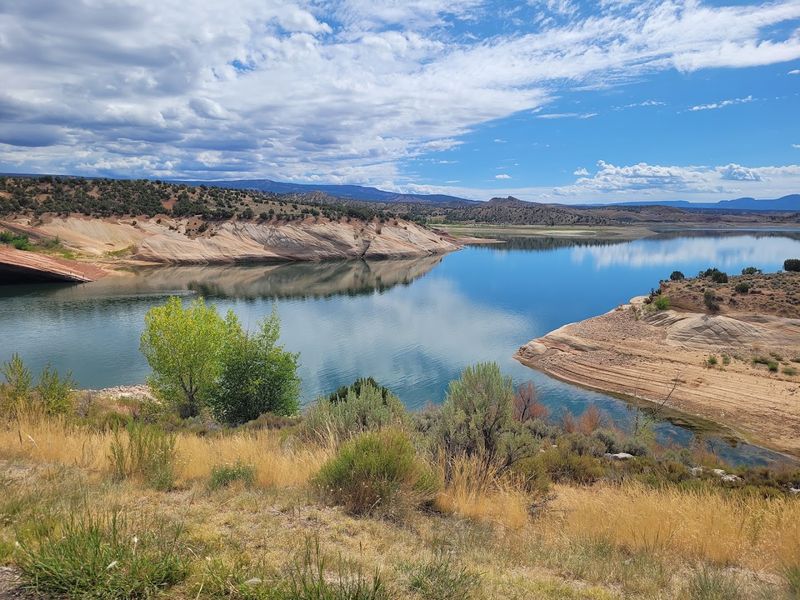
Red Fleet State Park sits in Utah’s Dinosaurland region, a stretch of northeastern Utah that takes its nickname seriously. The park offers a hike to a sandstone surface where three-toed dinosaur prints, estimated at around 200 million years old, are preserved in the rock near the reservoir shoreline.
Utah State Parks lists hiking, boating, fishing, camping, and picnicking as activities available at the park, with the dinosaur trackway standing as its most distinctive feature. The red-rock scenery around Red Fleet Reservoir adds visual appeal that makes the hike to the tracks feel like more than just a destination walk.
Vernal itself is a good base for this region, with Dinosaur National Monument just a short drive away. Combining Red Fleet with the monument gives travelers a strong two-stop prehistoric itinerary in one area.
The tracks at Red Fleet are older than most dinosaur-track destinations on this list, which gives them a different kind of weight when you are standing in front of them.
St. George Dinosaur Discovery Site at Johnson Farm, St. George, Utah
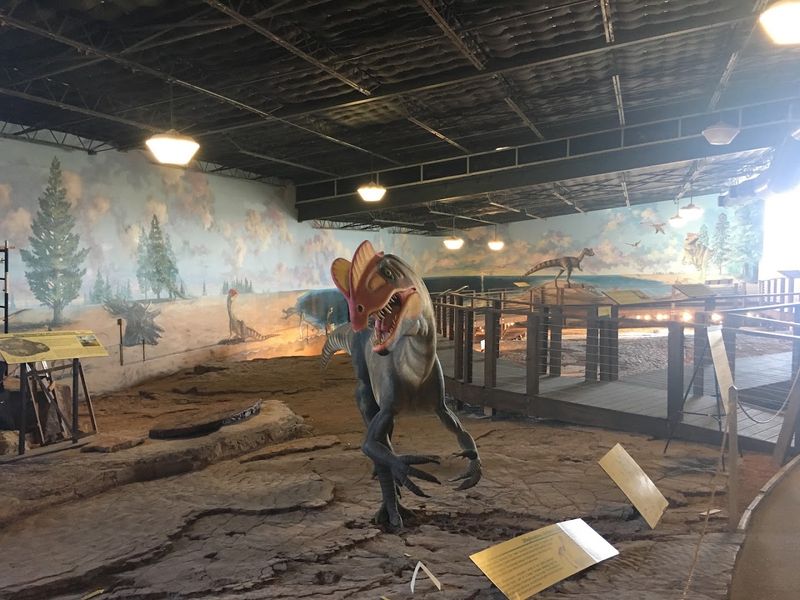
Most dinosaur tracksites are outdoors, which means weather, heat, and terrain all affect the experience. The St. George Dinosaur Discovery Site at Johnson Farm takes a different approach by housing its fossils inside a climate-controlled building, making it one of the most accessible prehistoric stops in the Southwest.
The museum was built around thousands of fossilized Early Jurassic footprints discovered on a former farm property. Visitors can see prints from multiple species, along with fossils of plants, fish, and other organisms that help paint a picture of what this desert landscape looked like roughly 200 million years ago.
The museum is open seven days a week from 10:00 AM to 5:00 PM, which makes scheduling easy. For families visiting St. George in summer, the indoor setting is a practical advantage when outdoor temperatures are high.
The site is close to Zion National Park, so it fits naturally into a southern Utah road trip without requiring a major detour from more commonly visited destinations.
Moab Giants Dinosaur Park, Moab, Utah
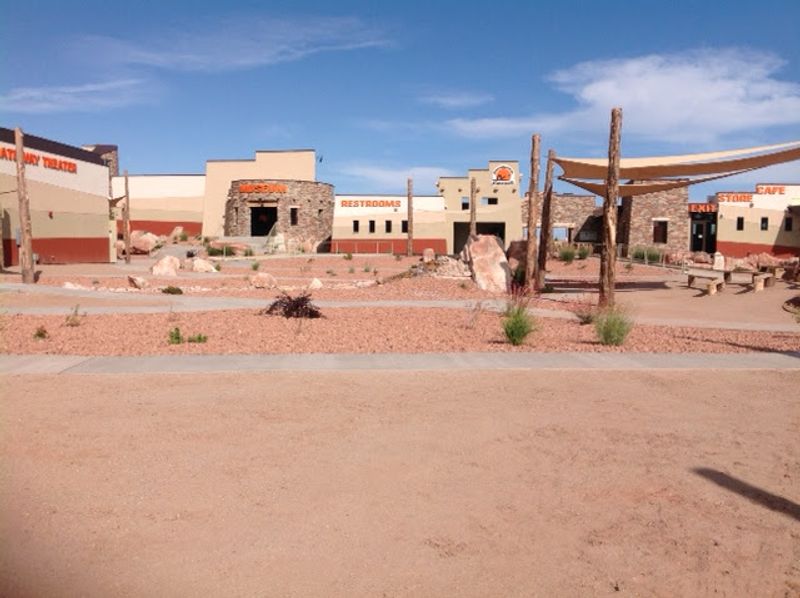
Moab is already famous for red-rock landscapes, Arches National Park, and Canyonlands National Park, but it also has a dedicated dinosaur attraction that works well as a standalone stop or a complement to the national parks nearby. Moab Giants Dinosaur Park combines indoor museum exhibits with outdoor life-size dinosaur displays and a tracks experience.
The park notes that most of its displayed tracks are casts, but it also has original tracks preserved in rock on display. That transparency is helpful for visitors who want to know what they are actually looking at.
For families with younger kids who might not handle a long backcountry hike to a remote tracksite, Moab Giants offers a more structured and polished experience. The combination of full-size models, fossil displays, and the surrounding eastern Utah landscape makes it a visually engaging stop.
Admission fees apply, and it is worth checking their current hours before visiting since seasonal schedules can vary in this region.
Florissant Fossil Beds National Monument, Florissant, Colorado
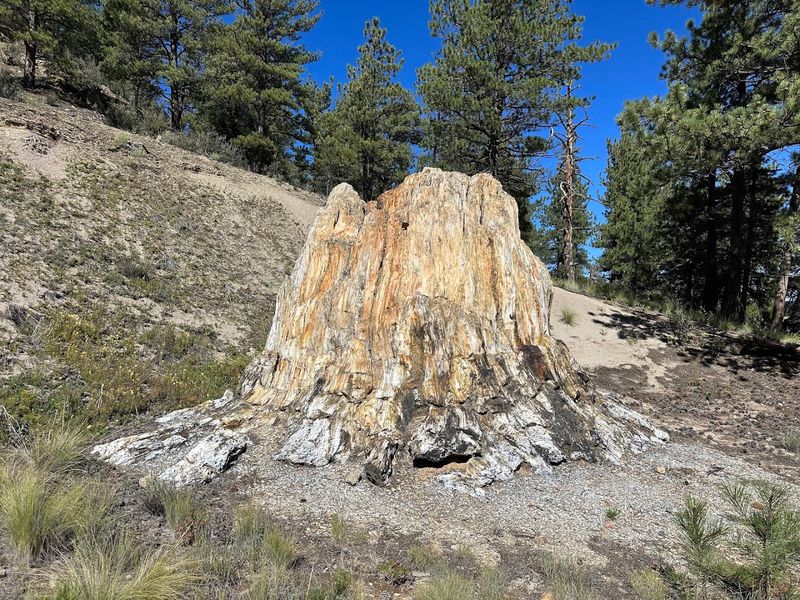
Florissant Fossil Beds National Monument holds a record that still surprises visitors who are new to the site. The National Park Service describes petrified redwood stumps here that measure up to 14 feet wide, making them some of the largest petrified trees in the world.
They sit right along the hiking trails, massive and impossible to miss.
Beyond the stumps, the monument preserves thousands of detailed fossils of insects, plants, and other organisms from a rich prehistoric ecosystem. These fossils reveal what Colorado looked like roughly 34 million years ago, a very different landscape than the Rocky Mountain scenery surrounding the park today.
The visitor center is listed as open seven days a week from 9:00 AM to 4:30 PM, and the hiking trails are accessible for a range of fitness levels. Located near Colorado Springs, Florissant is an easy add-on to a broader Colorado road trip.
The mix of petrified wood, insect fossils, and mountain scenery gives it a character that sets it apart from the dinosaur-focused stops on this list.
Fossil Butte National Monument, Kemmerer, Wyoming
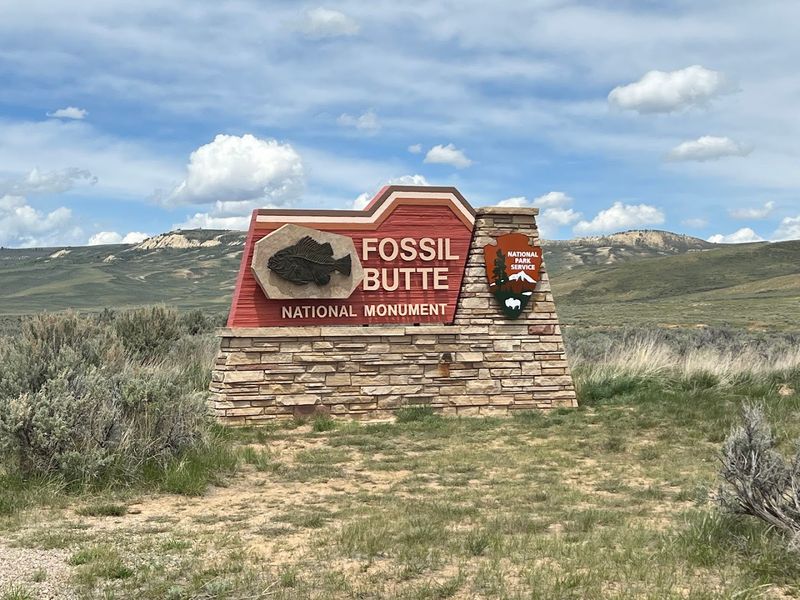
Fossil Butte National Monument in southwest Wyoming preserves fossils from an ancient freshwater lake that existed roughly 52 million years ago. The level of preservation here is exceptional, with fish, stingrays, turtles, insects, plants, and early horses all captured in fine-grained limestone in extraordinary detail.
The visitor center at Fossil Butte has more than 2,000 fossils on exhibit, according to recreation.gov, and features programs that explain how fossils are excavated and prepared in the lab. That behind-the-scenes perspective makes the visit feel more educational than a standard display.
Kemmerer is a small town in a remote part of Wyoming, so plan ahead for lodging and supplies if you are making this a dedicated stop. The monument itself is free to enter, which is worth noting for budget-conscious road trippers.
For anyone drawn to fish fossils and ancient lake ecosystems rather than dinosaur tracks specifically, Fossil Butte offers one of the most complete and well-preserved windows into prehistoric aquatic life found anywhere in the country.
John Day Fossil Beds National Monument, Kimberly, Oregon
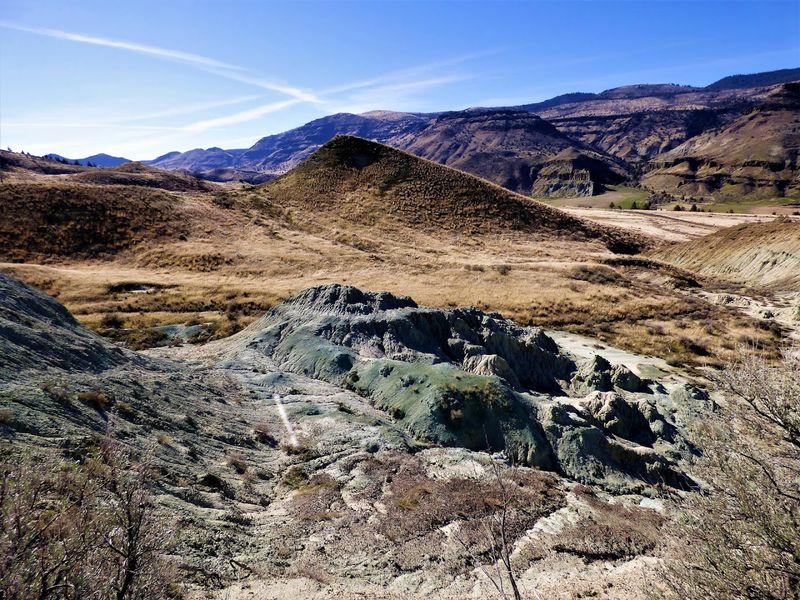
John Day Fossil Beds National Monument covers nearly 50 million years of prehistoric life, making it one of the longest continuous fossil records of the Age of Mammals anywhere in the world. The National Park Service describes ancient animals preserved in the monument’s story, including brontotheres, three-toed horses, bear dogs, nimravids, saber-toothed cats, and camels.
At the Thomas Condon Visitor Center, travelers can see a working paleontology lab, a collections room, and a fossil museum gallery. Watching active fossil preparation work through a window is a detail that makes this stop more dynamic than a standard exhibit hall.
The monument is divided into three units: Painted Hills, Sheep Rock, and Clarno. Each has its own landscape character, and the Painted Hills in particular draw visitors for their layered bands of red, gold, and black color.
Oregon’s John Day region is remote, so building in extra drive time is smart, but the combination of fossil history and landscape scenery makes the trip genuinely worthwhile.
Ashfall Fossil Beds State Historical Park, Royal, Nebraska
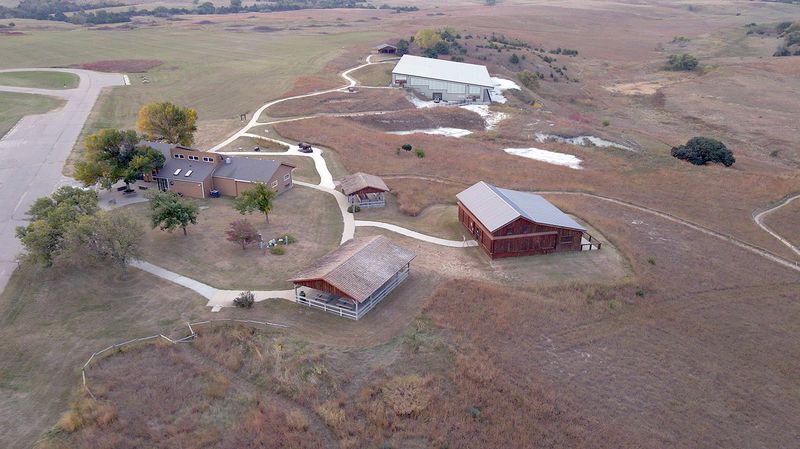
About twelve million years ago, a volcanic eruption buried a watering hole in what is now northeastern Nebraska, preserving the animals that gathered there in remarkable detail. Ashfall Fossil Beds State Historical Park protects that site today, and the University of Nebraska State Museum says it covers 360 acres and contains more than 200 complete fossil skeletons.
What makes Ashfall genuinely different from most fossil parks is that visitors are not looking at reconstructed displays. They are looking at a real excavation site where animals were preserved where they stood or lay down.
The Hubbard Rhino Barn, the main exhibit building, lets visitors walk above the excavation floor and look directly down at the fossils.
The park is also an active research site, which means dig work continues during summer seasons when staff and students are present. An air-conditioned visitor center handles exhibits and education.
Royal, Nebraska is a small community, so combining Ashfall with a broader Great Plains road trip makes the most sense logistically. The park charges admission, and summer visits offer the best chance to see active fieldwork.
Petrified Forest National Park, Arizona
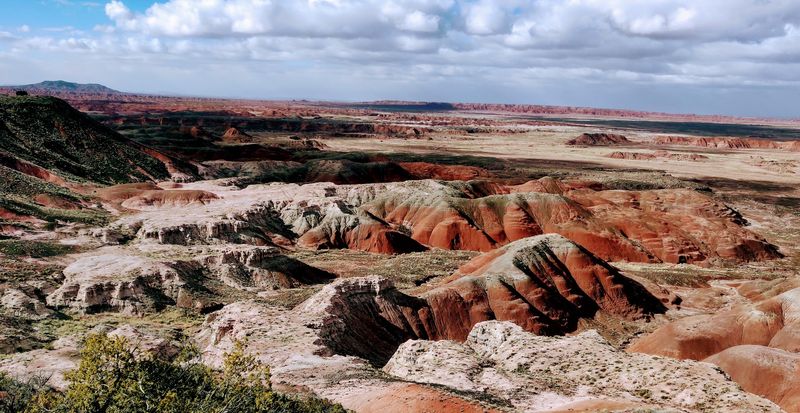
Petrified Forest National Park holds one of the largest and most colorful concentrations of petrified wood in the world. The National Park Service says the park preserves more than 200 million years of geologic history, with fossils from the Triassic Period, a time sometimes called the Dawn of the Dinosaurs, scattered across the desert landscape.
The petrified logs are the main visual draw, with crystal-filled wood in shades of red, purple, yellow, and white spread across the badlands terrain. But the park also has fossils of early reptiles, amphibians, and plants that round out the prehistoric picture beyond just the trees.
Visitors can also find scenic overlooks, remnants of historic Route 66, and desert hiking trails within the park boundaries. Entry fees apply, and the park is accessible from Interstate 40, which makes it a natural stop on cross-country drives through Arizona.
Taking the full scenic drive through the park from one entrance to the other gives the best overview of what the landscape offers.
Badlands National Park, South Dakota
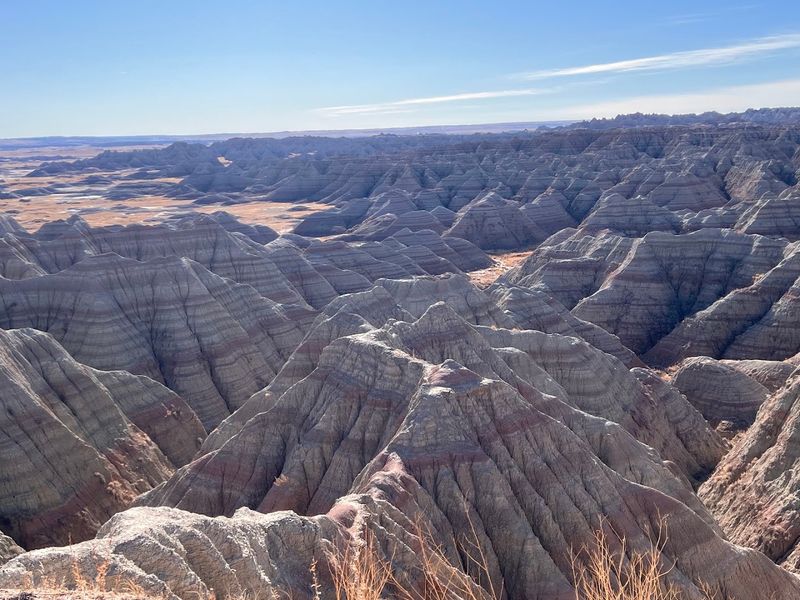
Badlands National Park is one of those places that looks almost unreal in person, with sharply eroded spires, layered buttes, and open prairie stretching in every direction. The fossil history here is just as striking as the scenery, with ancient mammals including prehistoric horses, rhinos, and saber-toothed cats preserved in the park’s formations.
The Ben Reifel Visitor Center includes museum exhibits and the Fossil Preparation Lab, where during the typical summer operating season, visitors can watch paleontologists and interns remove rock from fossils, identify specimens, and catalog finds. Seeing that process in real time gives the visit a depth that static displays alone cannot match.
The park’s scenic loop drive covers the main geological formations and overlooks, making it accessible even for visitors who are not up for long hikes. Entry fees apply, and the park is busy during summer months, so arriving early in the day helps.
For a trip that combines dramatic landscape photography with genuine paleontology, Badlands is one of the most satisfying national parks in the Midwest.
Calvert Cliffs State Park, Lusby, Maryland
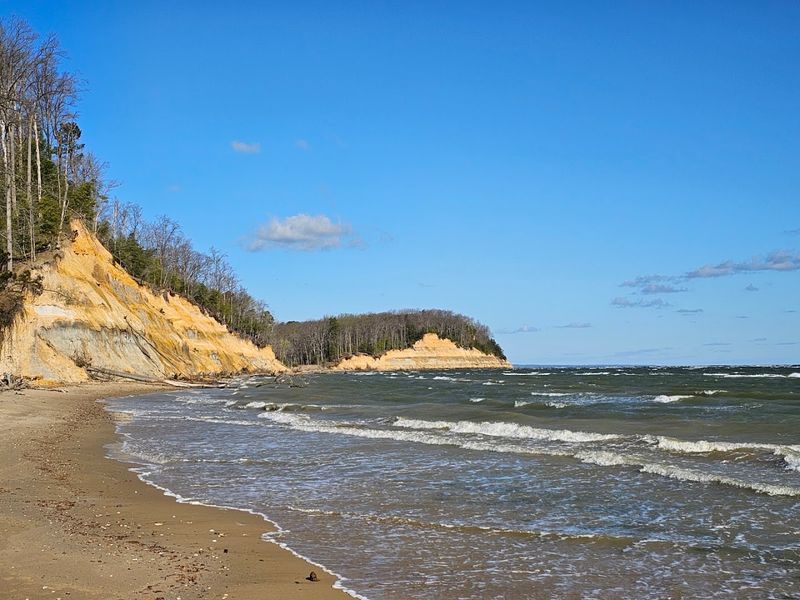
Most fossil destinations on this list are tied to dinosaurs, but Calvert Cliffs State Park on the Chesapeake Bay offers something different: a chance to search for prehistoric marine fossils on an actual beach. The cliffs here formed more than 15 million years ago and contain remains from over 600 fossil species, according to Calvert County records.
Maryland’s Department of Natural Resources says the cliffs preserve fossils of prehistoric sharks, whales, rays, and seabirds. Shark teeth wash onto the beach regularly, making this one of the few places in the eastern United States where amateur fossil hunters have a realistic chance of finding something on a single visit.
The park also has 13 miles of hiking trails through marshland and forest before reaching the beach, so plan for a moderate walk each way. Fishing is also available in the park.
Visitors should check current park rules about fossil collecting before arriving, as guidelines can change. The combination of Chesapeake Bay scenery, a fossil-rich shoreline, and accessible trails makes Calvert Cliffs a strong East Coast alternative to the western destinations that dominate most dinosaur-track lists.
Share this story