Georgia has a wild side that most people never get to see. From ancient swamps to roaring waterfalls, towering canyons to granite peaks, this state packs more outdoor variety into its borders than most people expect.
Whether you are a casual weekend hiker or someone who wants a full-on backcountry challenge, Georgia has something that will genuinely surprise you. This list covers 13 real outdoor adventures spread across the state, from the Blue Ridge Mountains in the north to the barrier islands along the coast.
Each one offers something different, and a few of them are the kind of experiences you will be talking about long after you get home. If you have been sleeping on Georgia’s natural landscapes, consider this your wake-up call.
Climb Beside Amicalola Falls In Dawsonville
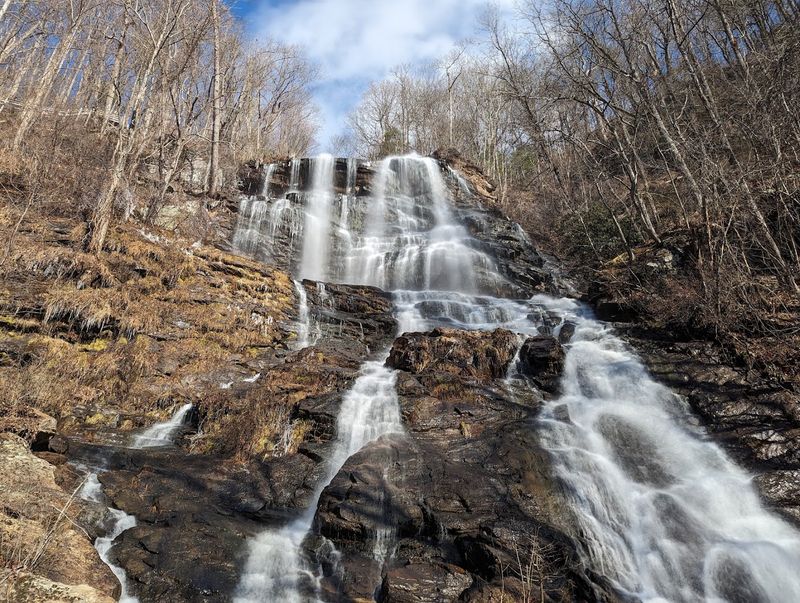
At 729 feet, Amicalola Falls is the tallest cascading waterfall east of the Mississippi River, and standing at its base makes that number feel very real. The park in Dawsonville offers two main ways to experience the falls: an accessible route near the base for those who want a closer view without a serious climb, and a staircase trail with hundreds of steps that takes you right alongside the cascading water.
Beyond the falls themselves, Amicalola is also one of the most popular approach routes to the southern end of the Appalachian Trail. Hikers heading to Springer Mountain often start here, giving the park an energy that feels bigger than a typical day-use stop.
The on-site lodge offers guided hikes and outdoor programs, so even first-timers can get a structured experience. If you are planning a visit, weekday mornings tend to be far less crowded than weekend afternoons.
Descend Into Cloudland Canyon Near Rising Fawn
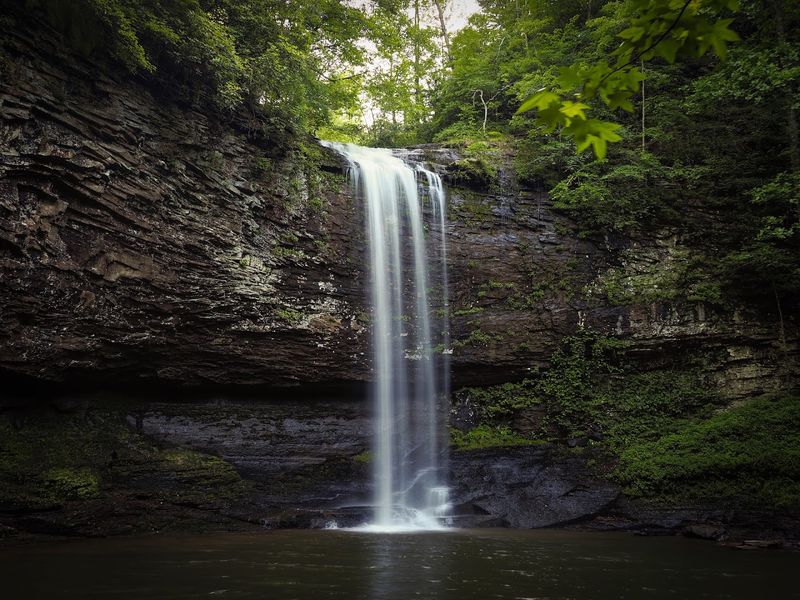
Cloudland Canyon sits on the western edge of Lookout Mountain, and it earns its dramatic reputation quickly. Sandstone cliffs, forested slopes, two waterfalls, and a canyon that drops sharply below the rim all come together in one of Georgia’s most striking state parks.
The Waterfalls Trail covers 1.8 miles round trip and passes Cherokee Falls before reaching Hemlock Falls. The catch is that the route involves roughly 600 steps in each direction, so the return climb to the rim is a genuine workout.
For visitors who want the views without the full descent, the rim overlooks deliver impressive canyon scenery with far less effort.
Mountain biking trails and backcountry camping sites round out the options for those who want to stay longer. The park is near Rising Fawn in the far northwestern corner of Georgia, making it a natural stop for anyone driving between Atlanta and Chattanooga.
Cross The Suspension Bridge At Tallulah Gorge
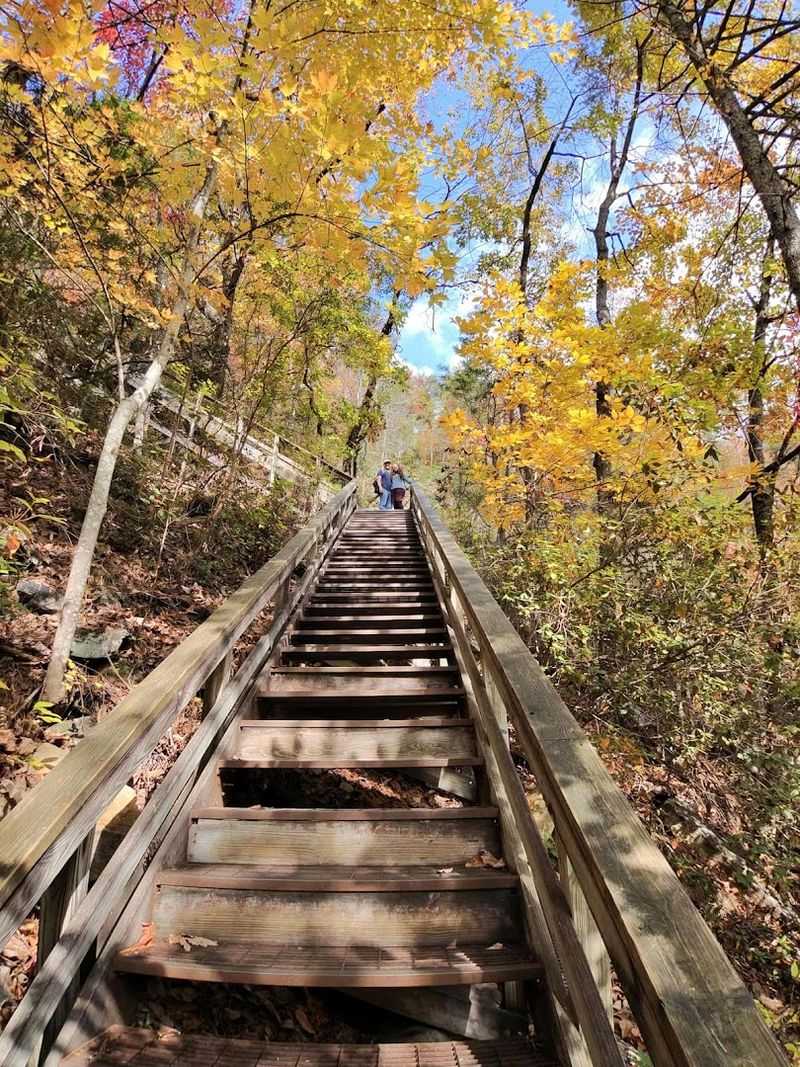
Tallulah Gorge stretches about two miles across and drops nearly 1,000 feet in some sections, which makes it one of the deepest gorges in the eastern United States. Rim trails lead to multiple overlooks, but the real draw for many visitors is the suspension bridge that hangs 80 feet above the gorge floor near Hurricane Falls.
For experienced hikers who want to go further, limited daily permits allow access to the rugged gorge-floor trail, which crosses boulders and uneven rock surfaces. Those permits can sell out, and the route may be closed during scheduled water releases or unsafe conditions, so checking ahead is a smart move.
Visitors who prefer a lighter outing can spend the entire day on the rim paths and overlooks without ever needing a permit. The park charges a parking fee, and the gorge-floor permit has a separate cost.
Either way, the views justify the trip completely.
Walk Through Providence Canyon Near Lumpkin
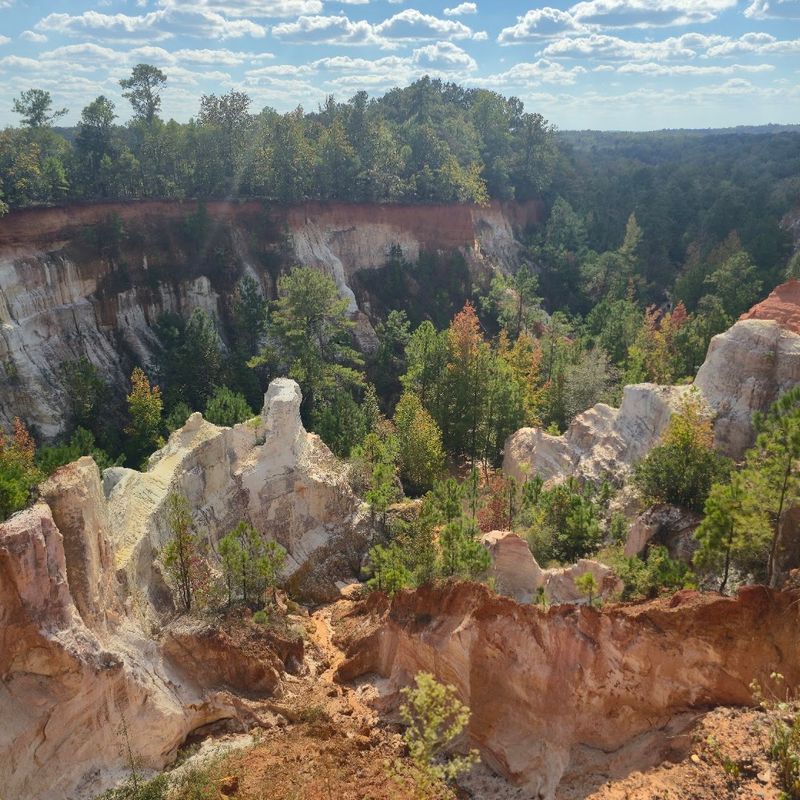
Providence Canyon did not form the way most canyons do. The vivid walls of pink, orange, red, and white soil were largely shaped by severe land erosion tied to poor farming practices in the 1800s.
That unusual origin makes this one of the more thought-provoking stops on any Georgia outdoor list.
The 2.5-mile Canyon Loop starts near the visitor center and winds through canyons numbered one through nine. Some of the color combinations in the canyon walls are genuinely striking, especially in morning or late afternoon light when the shadows shift across the exposed layers.
One practical note: the canyon floor can collect standing water and mud even when the sky looks clear, so waterproof shoes or boots are worth bringing regardless of the forecast. The park is near Lumpkin in southwest Georgia, which puts it in a part of the state that many Atlanta-area visitors overlook.
That relative quiet is part of its appeal.
Paddle Into The Okefenokee Swamp Near Folkston
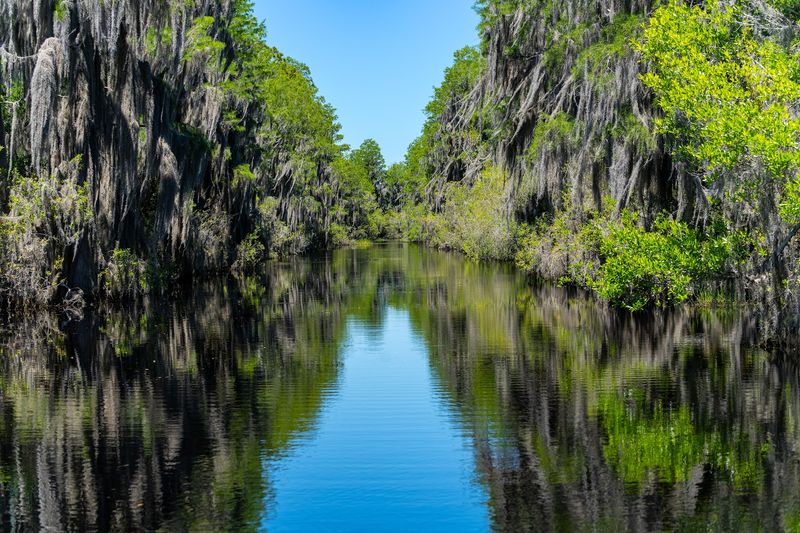
The Okefenokee National Wildlife Refuge covers more than 400,000 acres of wetland in southern Georgia, and more than 353,000 of those acres carry designated wilderness status. It is one of the largest intact freshwater ecosystems in North America, and paddling through it feels genuinely removed from everyday life.
Visitors entering near Folkston can join a guided boat tour for a structured introduction or rent a canoe, kayak, or motorboat through the refuge’s on-site concession operator. The guided tours are a solid choice for first-timers who want context about the wildlife and plant life they are passing through.
Independent paddlers should prepare carefully. Heat, changing water levels, wildlife encounters, and swamp navigation all require real planning.
Alligators are common throughout the refuge, and seasonal conditions can vary significantly. The experience is one of the most ecologically unique things you can do in Georgia, but it rewards those who come ready for it.
Camp On Cumberland Island Near St. Marys
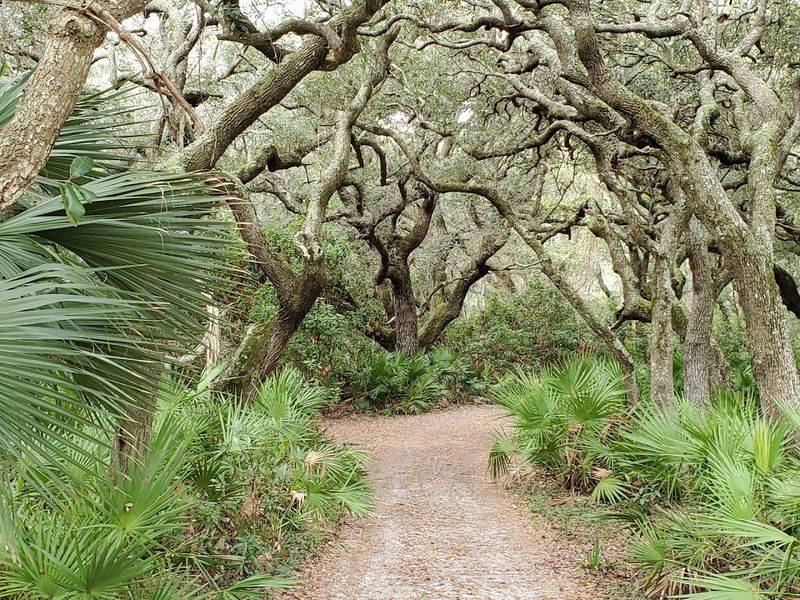
Cumberland Island is the kind of place that feels genuinely separate from the mainland in every way. The island has no bridges, which means the only way to reach it is by boarding the passenger ferry in St. Marys.
That built-in barrier keeps the crowds manageable and the atmosphere remarkably quiet.
Day visitors can hike through the maritime forest, walk the undeveloped beach, and explore the Dungeness ruins, which are the remains of a large historic estate on the southern end of the island. Wild horses roam freely across the island and are commonly spotted near the shoreline and through the trees.
Camping here requires advance planning. Campers must pack in food and drinking water for most sites, and ferry schedules limit flexibility.
The National Park Service manages reservations, and sites can book up well ahead of popular dates. For those willing to prepare properly, an overnight stay on Cumberland Island is a genuinely rare experience.
Float The Chattahoochee River Near Atlanta
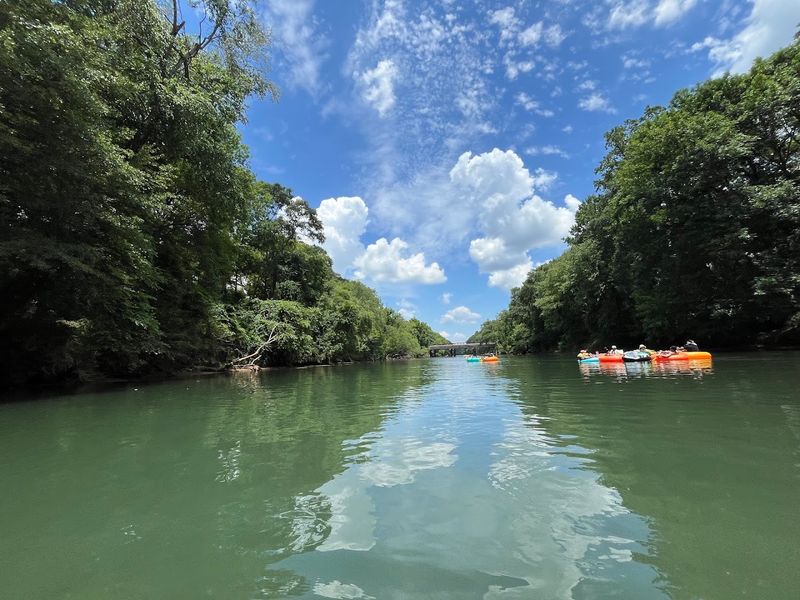
Not many major American cities have a federally protected river running through their northern suburbs, but Atlanta does. The Chattahoochee River National Recreation Area covers 48 miles of river corridor and 15 separate land units, offering paddling, fishing, hiking, and trail access within easy reach of the metro area.
Paddling conditions depend heavily on water releases from Buford Dam upstream. When releases are low, many sections offer relatively calm Class I water suitable for beginners.
When releases are active, currents increase significantly, and Class II shoals, submerged rocks, and fallen trees can create real hazards. Checking release schedules before launching is not optional.
Areas like Cochran Shoals are popular for both paddlers and trail users. Boating is permitted from 30 minutes before sunrise to 30 minutes after sunset.
The combination of river access, trail miles, and proximity to Atlanta makes this one of the most frequently used outdoor resources in the entire state.
Go Whitewater Rafting On The Chattooga River
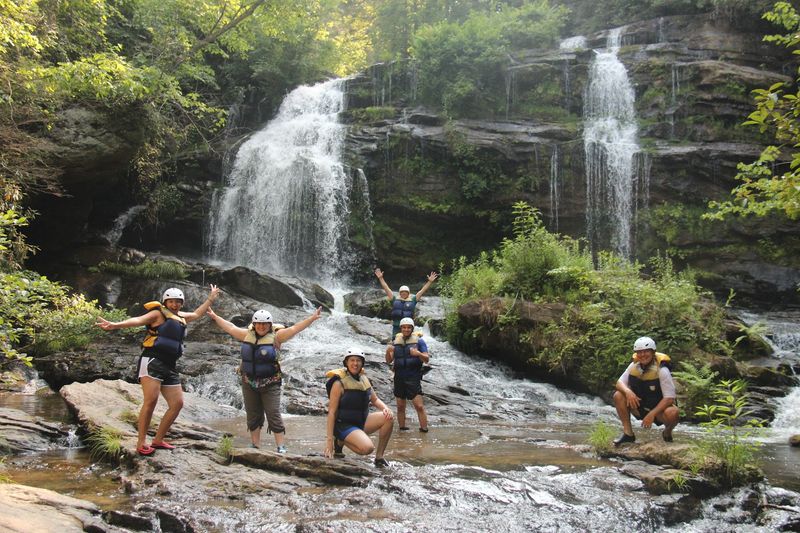
The Chattooga River runs along Georgia’s northeastern border with South Carolina and carries a reputation as one of the Southeast’s most demanding whitewater rivers. The surrounding forest is remote enough that the experience feels genuinely disconnected from nearby towns, even though outfitters operate within a reasonable drive of the river access points.
The river is divided into sections that increase in difficulty, with the upper sections offering more accessible paddling and the lower sections featuring challenging Class IV and Class V rapids. Because the most intense stretches require real whitewater experience, most visitors book guided trips through commercial outfitters licensed by the U.S.
Forest Service.
Guided excursions use small rubber rafts and are structured to match different skill levels, so travelers can select a section that fits their comfort. The Chattooga was one of the first rivers in the country to receive Wild and Scenic River designation, which has helped preserve the remote character that makes it worth the trip.
Hike And Mountain Bike At Fort Mountain State Park
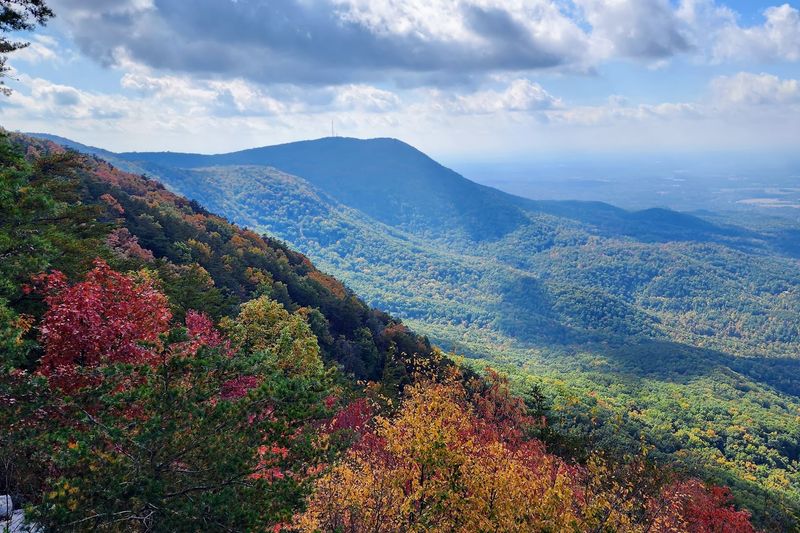
Fort Mountain State Park sits at roughly 2,850 feet in the southwestern Cohutta Mountains, making it one of the higher-elevation parks in Georgia’s state system. The park takes its name from a mysterious ancient stone wall near the summit, the origin of which remains a subject of historical debate.
Trail options range from the accessible 1.2-mile Lake Loop, which is open to both hikers and cyclists, to more demanding routes that climb toward ridgeline overlooks. The Cool Springs Overlook delivers wide views across the Holly Creek Valley and surrounding Cohutta Mountains, and the scenery is especially rewarding during clear fall days when the foliage is turning.
The park also offers camping, a small lake with a beach area, and cabins for overnight stays. Mountain bikers will find dedicated trail sections separate from the main hiking routes.
Fort Mountain is located near Chatsworth, putting it within reach of both the Cohutta Wilderness and the Conasauga River.
Join A Ranger-Led Hike At Panola Mountain
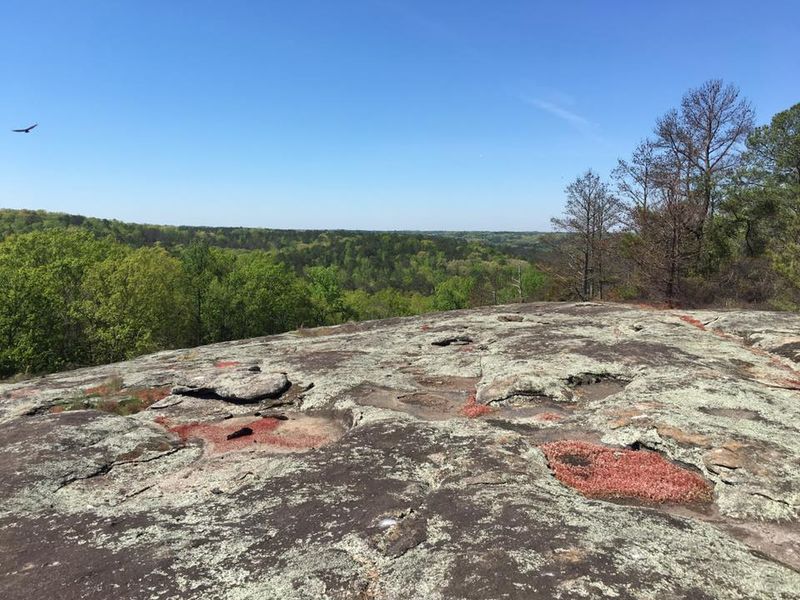
Panola Mountain is a rare thing: a granite monadnock that has remained largely undisturbed by human activity. Because the mountain’s ecosystem is so sensitive, the summit area is only accessible through reservation-based ranger-led hikes.
That restriction is what keeps the fragile plant communities and lichen colonies intact.
The rangers who lead these hikes explain the unusual ecology found on the granite surface, including plants that have adapted to survive in shallow soil pockets and seasonal water pools. It is the kind of guided experience that makes you pay attention to details you would otherwise walk right past.
Beyond the protected summit, the park offers seven miles of paved trail that connect to the larger PATH Foundation greenway system. Fishing, nonmotorized boating, biking, and archery ranges are also available during regular park hours.
Panola Mountain is located southeast of Atlanta, making it a practical half-day outing for metro-area visitors who want something different from a standard trail walk.
Cycle The Arabia Mountain PATH Near Stonecrest
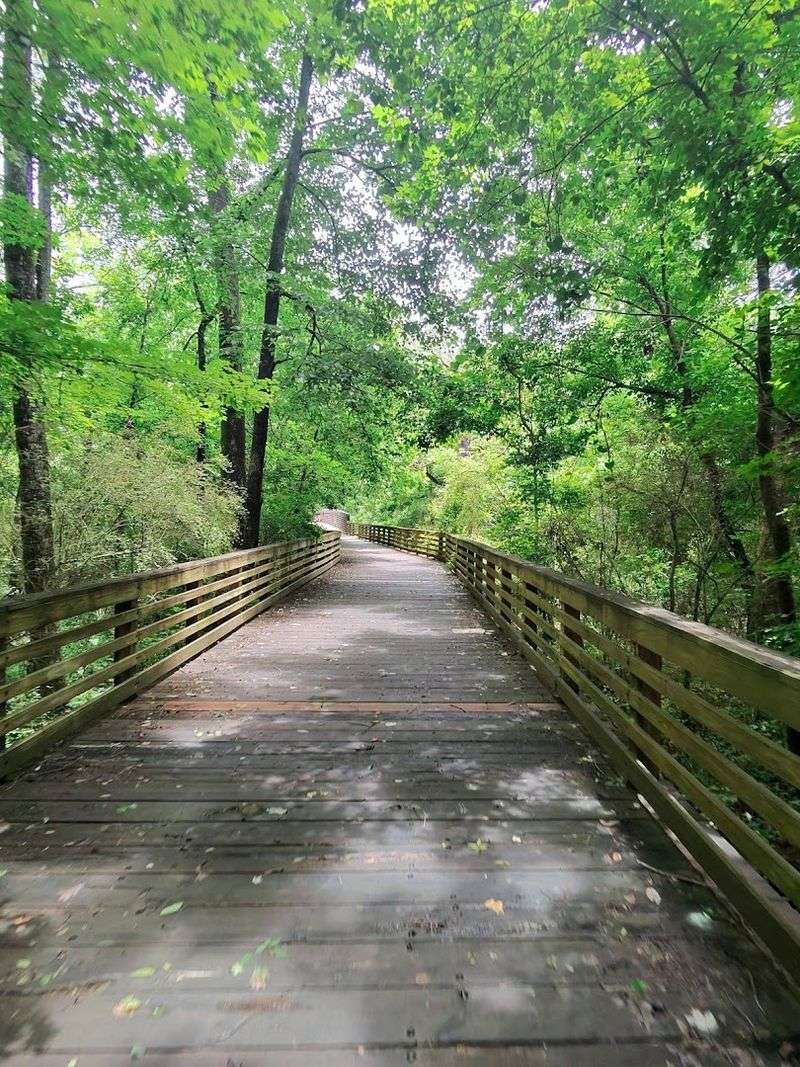
Arabia Mountain sits within a national heritage area that combines granite outcrops, quarry history, forested trails, and lakes into a surprisingly varied landscape. The Davidson-Arabia Mountain Nature Preserve alone covers about 2,550 acres, and the broader heritage area extends well beyond that boundary.
Cyclists can explore more than 30 miles of paved trail along the Arabia Mountain PATH, which connects to surrounding communities and makes the area accessible without a car for some visitors. The paved surface and relatively flat terrain across the granite make it a comfortable ride for a wide range of fitness levels.
Hikers crossing the granite surface are asked to stay on bare rock and avoid the small sandy depressions and water-filled pockets where rare plants grow. Those fragile areas support species that have adapted specifically to the harsh granite environment.
The preserve is generally open from dawn to dusk, and no admission fee is charged for trail access.
Walk The Salt Marsh Trails At Skidaway Island
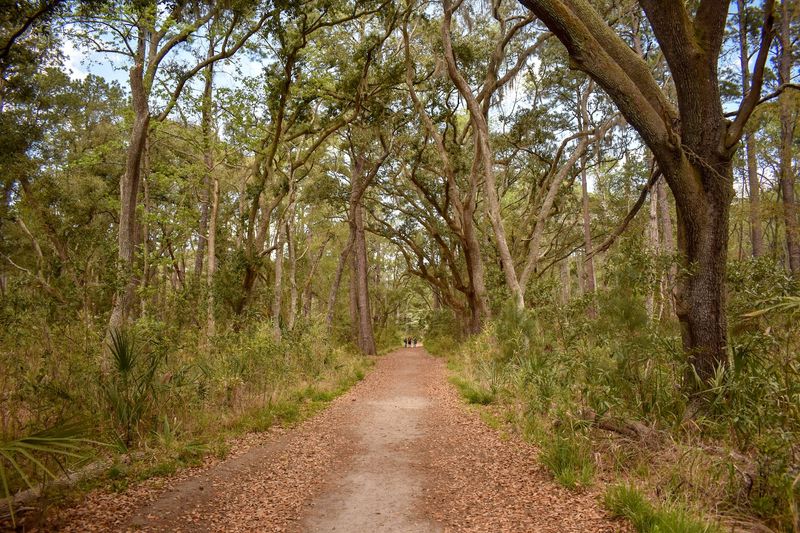
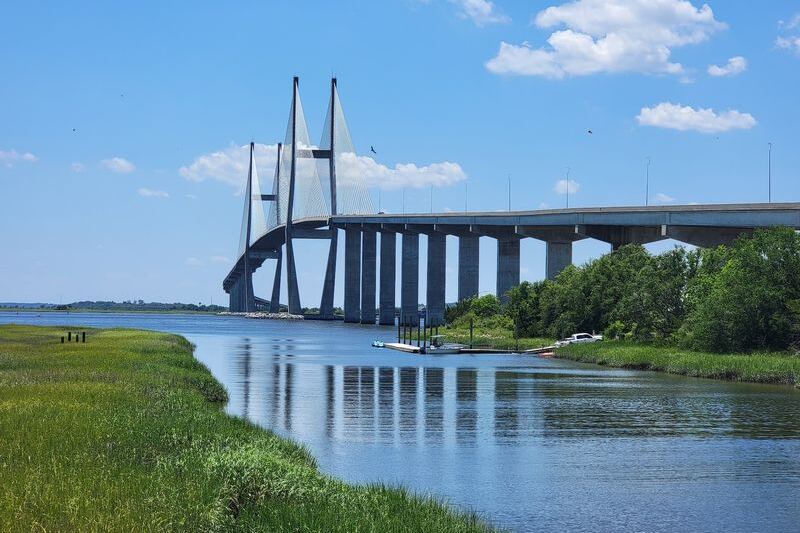
Skidaway Island State Park sits just outside Savannah and offers a coastal outdoor experience that moves at a noticeably slower pace than the more visited barrier islands. The park’s trails pass through maritime forest, salt flats, tidal creeks, and sections of marsh that border Georgia’s Intracoastal Waterway.
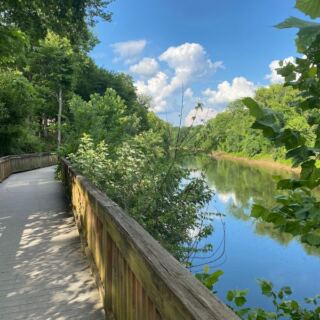
The one-mile Sandpiper Trail Loop is the park’s most popular route. Boardwalks and level surfaces make it accessible for most visitors, while still delivering close views of the marsh and forest edge.
Birdwatching here is productive, particularly during migration seasons when shorebirds and wading birds concentrate along the tidal creeks.
Longer trail combinations are available for those who want more distance, and the park also offers camping, interpretive programs, and picnic areas. Skidaway is a good choice when you want coastal scenery without the crowds that come with better-known Georgia beach destinations.
The park charges a daily parking fee, and campsites can be reserved through the Georgia State Parks system.
Ride The Zip Lines At Historic Banning Mills
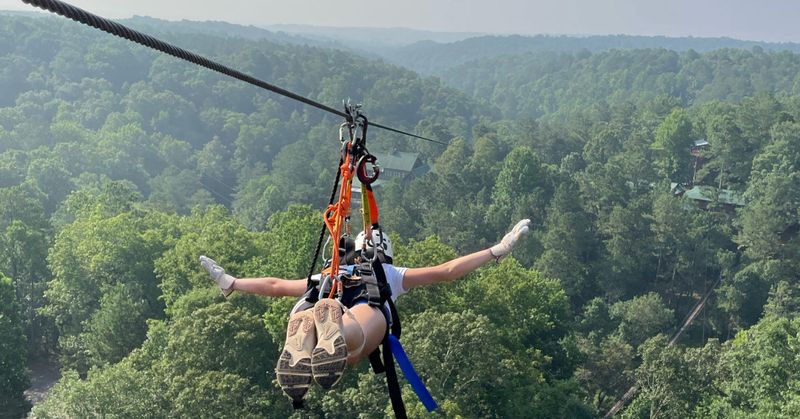
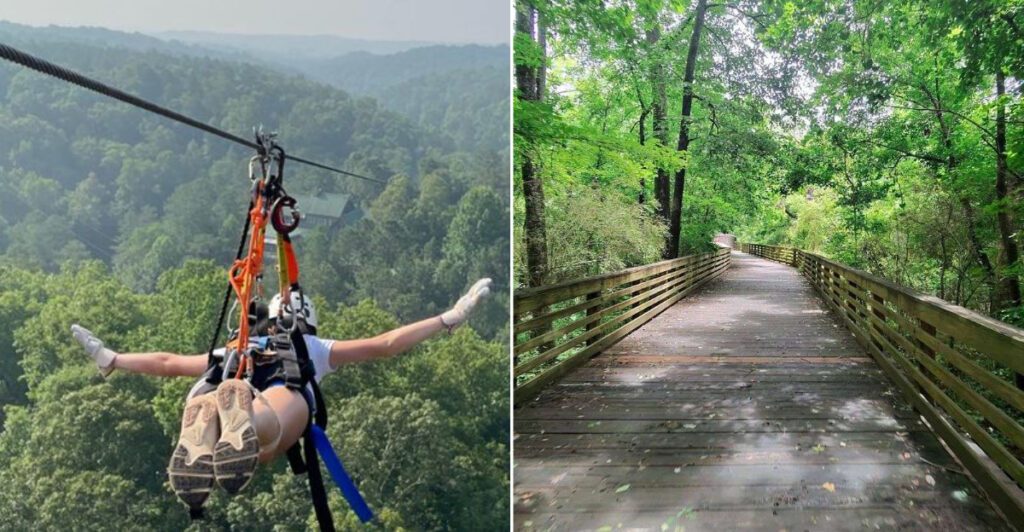
Historic Banning Mills in Whitesburg offers a forest adventure that is harder to categorize than a typical state park hike. The property’s Screaming Eagle zip-line canopy tour was recognized by Guinness World Records for the combined length of its zip-line course, which runs through the tree canopy above the Snake Creek Gorge.
Several canopy tour levels are available, with options that increase in height, speed, and total line length as you move up through the packages. Additional aerial challenges can be added to longer bookings for those who want to push further.
Reservations are made through the attraction’s booking system, and each tour level has its own requirements for age, weight, clothing, and footwear. Checking those details before you arrive avoids complications on the day of your visit.
Banning Mills is located about an hour west of Atlanta, making it a reasonable day trip from the city. It is the kind of stop that tends to generate strong reactions from first-time visitors.
Share this story