Few history lessons hit as hard as standing inside a real warship and realizing just how small the spaces are and how serious the work was. Across the United States, naval museums have preserved battleships, submarines, and destroyers that you can actually walk through, climb into, and explore at your own pace.
These vessels carry real stories from World War II, the Cold War, and beyond, and they are still accessible to regular families on a regular weekend. Whether you are a military history fan, a curious traveler, or just looking for a trip that sticks with you, this list covers 15 places where the ships are the main event and the history comes to life the moment you step aboard.
USS Alabama Battleship Memorial Park, Mobile, Alabama
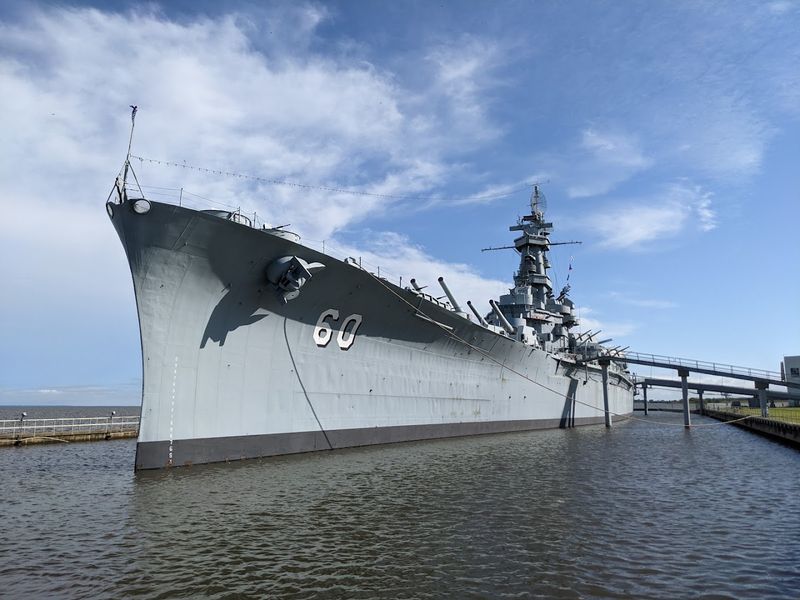
Two ships for the price of one ticket is a pretty solid deal, and that is exactly what you get at Battleship Memorial Park in Mobile. USS Alabama is the star of the show, a World War II battleship so large that walking its decks feels like exploring a small neighborhood.
Gun turrets, crew quarters, engine spaces, and command areas are all part of the self-guided route.
Equally fascinating is USS Drum, the oldest American submarine on public display, docked right beside it. Stepping from the battleship into the submarine makes the contrast impossible to miss.
One vessel feels like a floating city while the other reveals how little space submariners actually had to live and work in.
The park also holds military aircraft, vehicles, and memorials spread across the grounds. It is open daily except Christmas Day, and the grounds offer enough to fill a full afternoon without rushing.
Battleship New Jersey Museum and Memorial, Camden, New Jersey
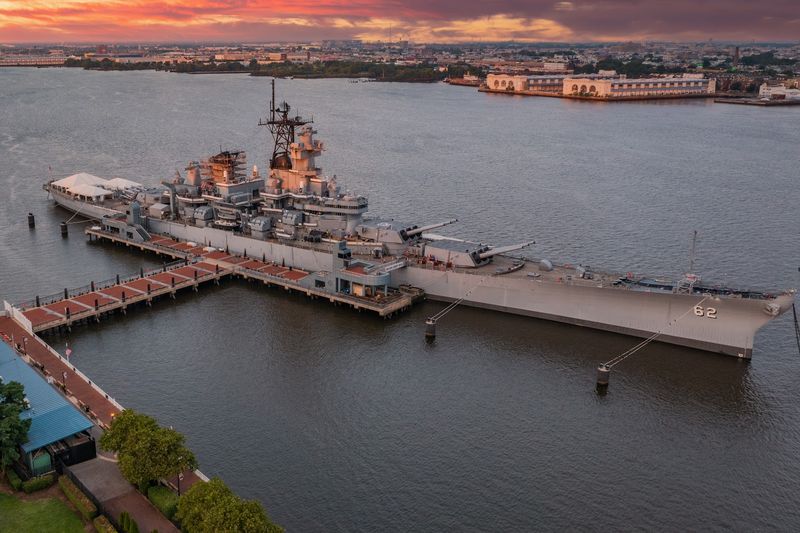
Nineteen battle and campaign stars is not a number that gets thrown around casually, and USS New Jersey earned every single one. That record is why the museum calls it America’s most decorated battleship, and it gives the self-guided tour a weight that goes beyond just looking at old hardware.
The route covers several levels of the ship, including crew berthing spaces, the navigation bridge, the admiral’s cabin, and compartments connected to combat operations. You get a real sense of how sailors lived during long stretches at sea, not just how the ship fought.
Guided experiences are available for visitors who want more detailed stories about specific areas or eras of service. The museum is currently open daily, with the last boarding scheduled before closing time.
The Camden waterfront location also makes it easy to combine the visit with a short walk along the Delaware River before or after the tour.
Battleship Missouri Memorial, Pearl Harbor, Hawaii
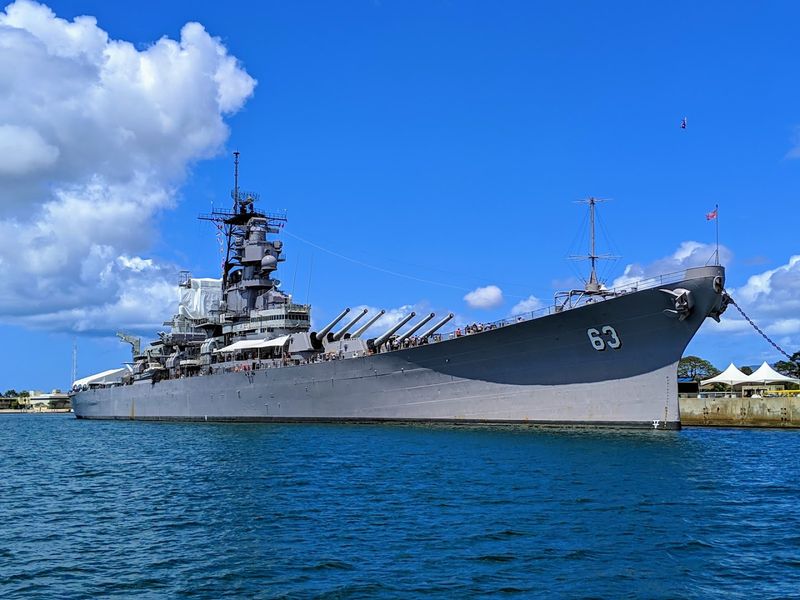
On September 2, 1945, World War II officially ended on the deck of USS Missouri. That surrender ceremony is one of the most significant moments in modern history, and visitors can stand on the exact spot where it happened.
Not many museums can make that kind of claim.
General admission includes the option of joining a short guided tour before exploring the ship independently. The surrender deck, massive gun turrets, crew areas, and exhibits covering the Korean War and Operation Desert Storm are all part of the experience.
Naval history enthusiasts can easily spend more than two hours aboard.
USS Missouri sits on Ford Island, so most visitors reach it by shuttle from the Pearl Harbor Visitor Center. Combining the Missouri visit with the USS Arizona Memorial, USS Bowfin, and the Pearl Harbor Aviation Museum on the same day is very manageable.
The memorial is currently open daily, making it a flexible stop on any Oahu itinerary.
Battleship North Carolina, Wilmington, North Carolina
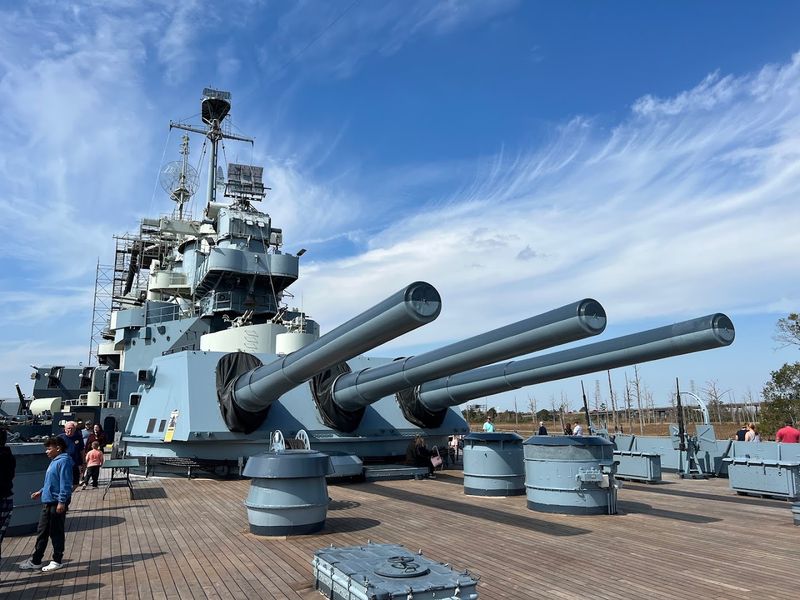
Nine levels of a World War II battleship sounds like a lot, and honestly, it is. Battleship North Carolina offers one of the most thorough self-guided experiences of any preserved vessel in the country, with the route leading through crew accommodations, gun areas, machinery spaces, kitchens, medical facilities, communication rooms, and command areas.
The physical layout of the tour preserves the reality of moving through a working warship. Narrow ladders and steep stairways connect many sections, so visitors get a genuine feel for how sailors moved through the vessel during daily operations and emergencies alike.
The museum recommends setting aside at least two hours, though there is no pressure to rush. Battleship North Carolina is open every day of the year, rain or shine, which makes it a reliable stop regardless of the weather.
Its location just across the Cape Fear River from downtown Wilmington also makes it easy to pair with an afternoon exploring the city.
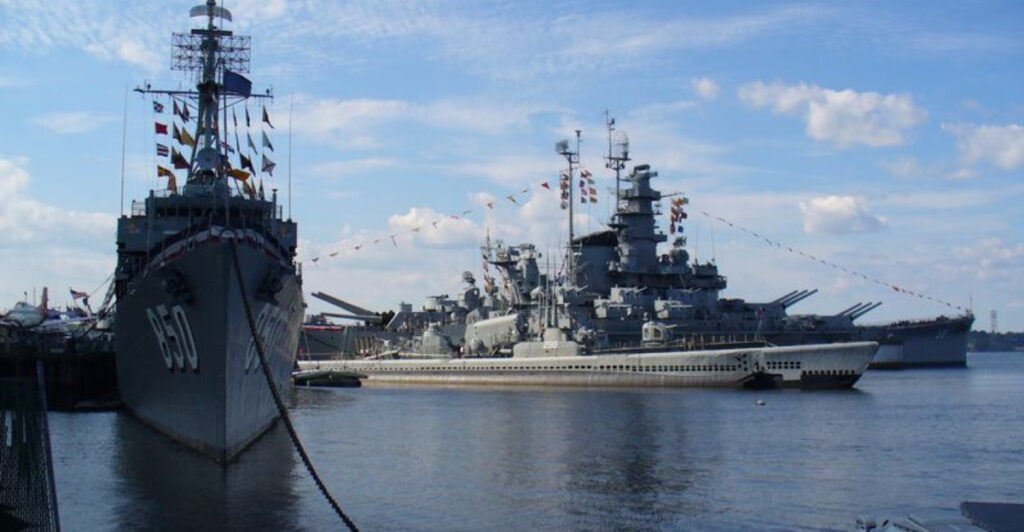
Battleship Cove, Fall River, Massachusetts
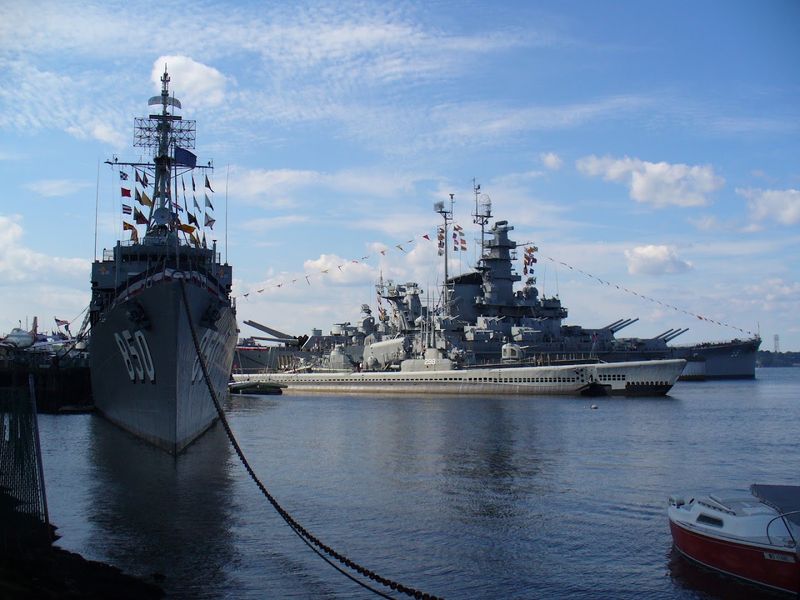
USS Massachusetts earned 11 battle stars during World War II and has been welcoming visitors to Fall River’s waterfront ever since its preservation. Nicknamed Big Mamie, the battleship is the centerpiece of Battleship Cove, but the full collection is what sets this destination apart from single-ship museums.
Visitors can also tour USS Lionfish, a World War II submarine, along with the destroyer USS Joseph P. Kennedy Jr. and two PT boats.
Touring several vessel types in one visit makes the scale comparison between a battleship and a submarine immediate and easy to grasp.
The ships are currently open seven days a week during the spring and summer season, with a reduced schedule later in the year. Last admission is well before closing because the fleet genuinely takes time to explore properly.
For travelers making their way through southeastern Massachusetts, Battleship Cove is a strong anchor stop that delivers far more than a single ship could on its own.
Battleship USS Iowa Museum, San Pedro, California
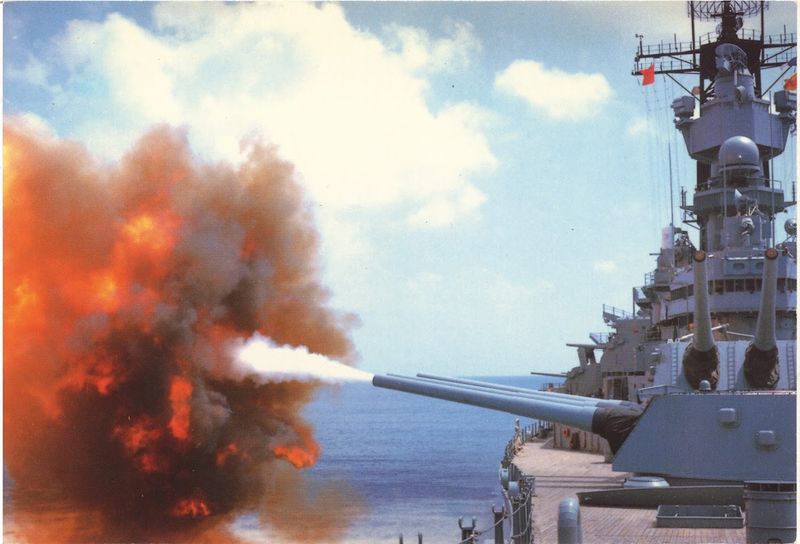
USS Iowa holds a distinction that no other battleship on the West Coast can claim: it is currently the only one open to the public in the region. Docked at the Los Angeles Waterfront in San Pedro, the ship draws visitors from across Southern California and beyond.
The self-guided experience covers historic decks, sailor living spaces, officer quarters, navigation compartments, and museum displays. The ship’s enormous guns dominate the exterior view from the dock, but the interior tells a more personal story about the people who kept a vessel this size running.
Specialized crew-led experiences are available for those who want access to additional areas or focused sessions on subjects like engineering and the ship’s large weapons systems. Battleship Iowa is currently open daily except Thanksgiving and Christmas, with the final tours beginning in the late afternoon.
For anyone road-tripping down the California coast, this San Pedro stop is a memorable detour.
Nauticus and Battleship Wisconsin, Norfolk, Virginia
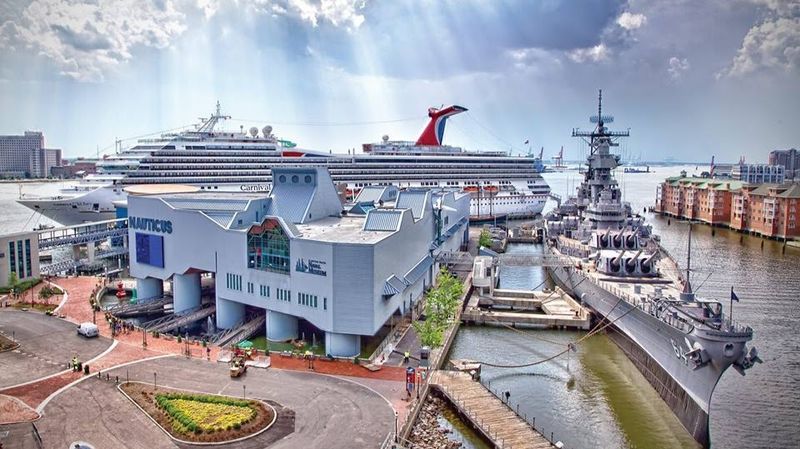
Norfolk has deep ties to the U.S. Navy, and Battleship Wisconsin fits naturally into that waterfront identity.
One of the largest and last battleships built for the Navy, Wisconsin earned five battle stars in World War II and later returned to active service in subsequent conflicts before finding its permanent home here.
General admission covers Nauticus and the battleship’s open decks. Visitors looking for more can purchase guided experiences focused on command areas, sailors’ daily routines, or the ship’s engine spaces.
The engine-room tour descends several decks into machinery compartments that are not accessible on the standard route, and it is worth the extra step for anyone with a mechanical curiosity.
From the upper portions of the ship, the view across the Elizabeth River toward Norfolk’s naval and industrial waterfront adds real context to what you are seeing aboard. Nauticus and Battleship Wisconsin are currently open daily, making this a flexible stop in a city already full of naval history.
Submarine Force Museum and USS Nautilus, Groton, Connecticut
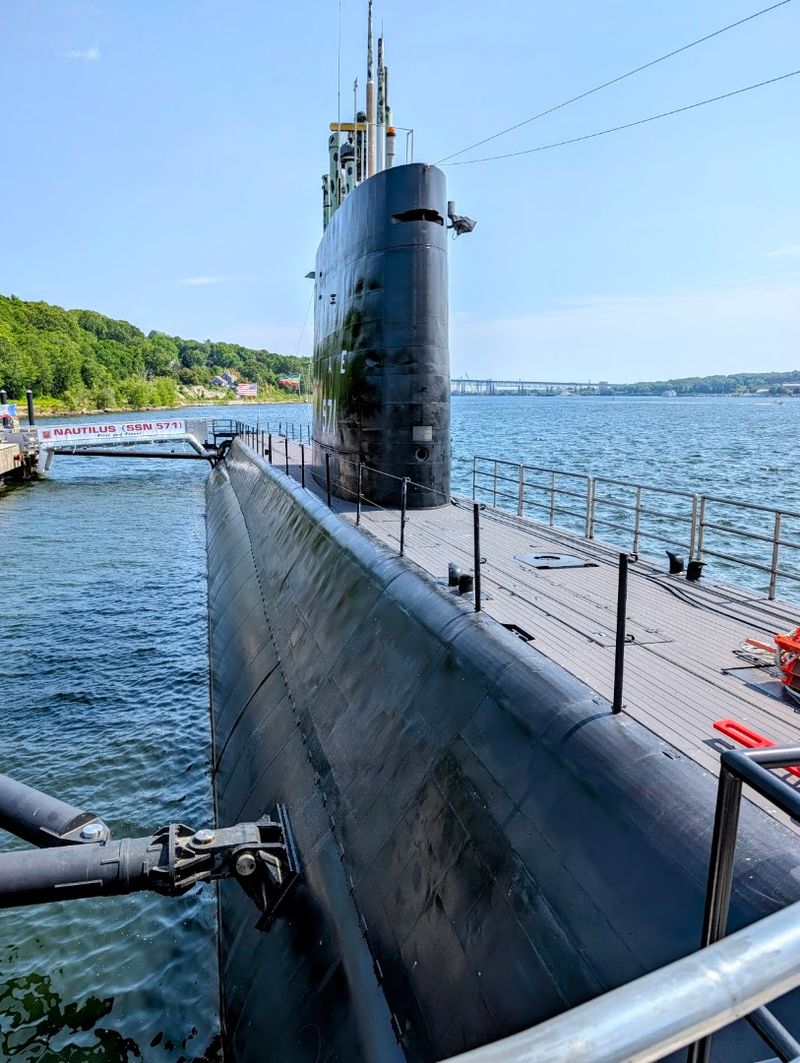
USS Nautilus is not just another preserved submarine. As the world’s first nuclear-powered vessel and the first ship to reach the North Pole, its technological significance puts it in a category entirely separate from the World War II diesel-electric boats found at most naval museums.
Visitors can board the submarine and learn how nuclear propulsion changed underwater travel by allowing vessels to remain submerged for far longer than was previously possible. The surrounding museum expands the story through artifacts, photographs, documents, models, and interactive displays covering the broader development of American submarine warfare.
Admission and parking are currently free, which makes this one of the more accessible stops on any naval museum road trip through New England. The museum operates Wednesday through Monday and closes on Tuesdays and major holidays, with brief maintenance closures possible in spring and fall.
Confirming that the submarine itself is accessible before making the trip is a practical step, especially if you are driving a long distance.
USS Cod Submarine Memorial, Cleveland, Ohio
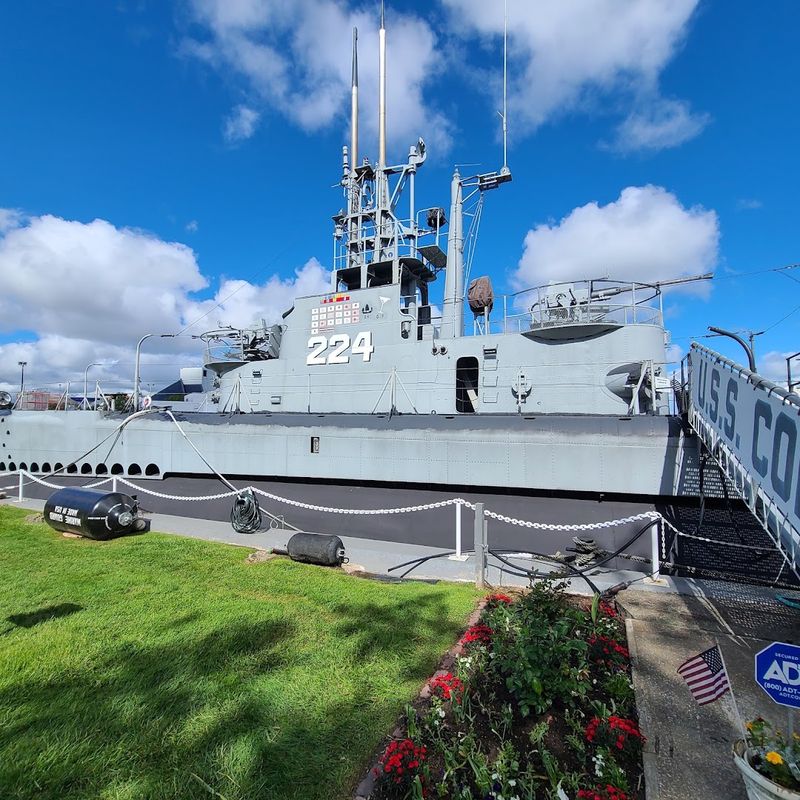
Most museum submarines have had large visitor entrances cut into their hulls to make boarding easier. USS Cod kept its original hatches.
That single decision changes the entire experience, because visitors enter and exit using the submarine’s vertical hatches and ladders, which makes the physical demands of submarine life immediately and unavoidably clear.
The Gato-class submarine completed seven successful war patrols, primarily in waters around the Philippines and the China Sea. Inside, the self-guided route passes through torpedo rooms, crew bunks, control areas, engine compartments, and the maneuvering room, giving a thorough picture of how the vessel operated.
USS Cod currently offers daily self-guided tours from April through November, with winter access depending on staffing, weather, and deck conditions. Visitors planning a trip outside the main season should call ahead to confirm availability.
The Lake Erie waterfront setting adds a pleasant backdrop, and Cleveland’s broader attractions make it easy to build a full day around the visit.
USS Pampanito, San Francisco, California
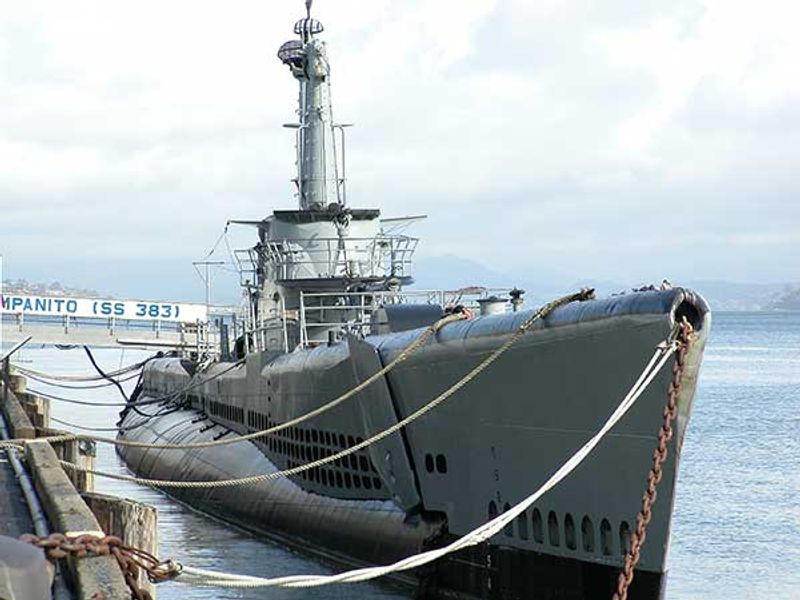
Pier 45 at Fisherman’s Wharf is already one of San Francisco’s busiest stretches, but USS Pampanito manages to hold its own among all the competing attractions. The restored World War II submarine completed six Pacific patrols and has been preserved to represent its appearance near the end of the war in 1945.
A self-guided audio experience helps visitors make sense of the complicated interior. The route covers crew sleeping spaces, torpedo rooms, control equipment, engines, communication stations, and the compact galley.
Recorded accounts explain the noise, heat, limited privacy, and extended time spent beneath the surface that defined submarine service.
The waterfront location makes it easy to combine the tour with other Fisherman’s Wharf stops before or after boarding. USS Pampanito currently advertises daily operating hours, with the final boarding shortly before the visitor center closes.
Inclement weather can occasionally affect access, so a quick check before arriving is worth the effort during foggy or rainy stretches of the year.
Pacific Fleet Submarine Museum and USS Bowfin, Honolulu, Hawaii
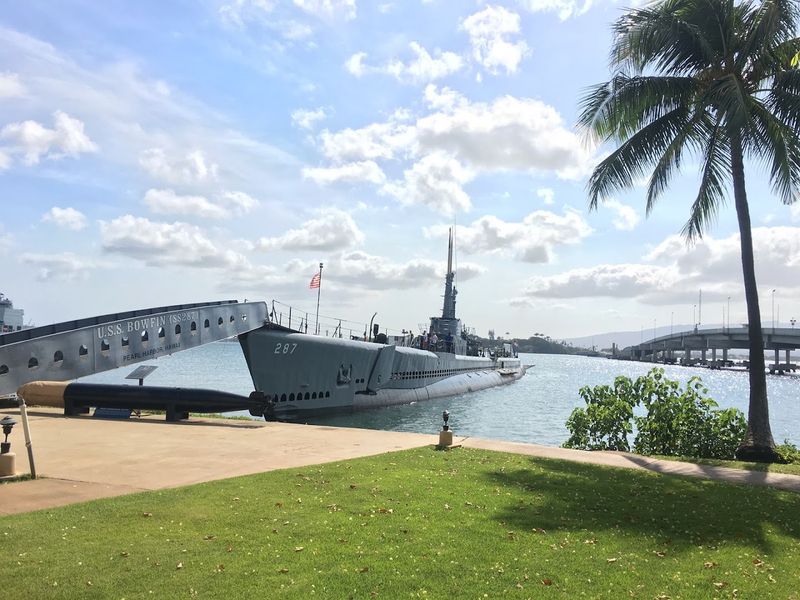
Location matters at Pearl Harbor, and USS Bowfin has one of the best spots on the entire historic site. Sitting right beside the Pearl Harbor Visitor Center, it is one of the easiest historic submarines to work into a full day of naval history without any extra driving or logistics.
The submarine tour provides access to crew compartments, torpedo areas, control stations, machinery, and the narrow passageways that connected it all. The surrounding museum expands the story beyond a single vessel by examining the people, technology, and operations of the Pacific submarine force during the war.
Because the interior involves steep ladders and confined spaces, entry restrictions apply to younger children and visitors with limited mobility. USS Bowfin currently welcomes visitors daily, and reservations are generally not required for standard admission.
Pairing it with the USS Arizona Memorial, Battleship Missouri, and the Pearl Harbor Aviation Museum on the same day gives visitors a remarkably complete picture of this historic location.
USS Torsk at Historic Ships in Baltimore, Baltimore, Maryland
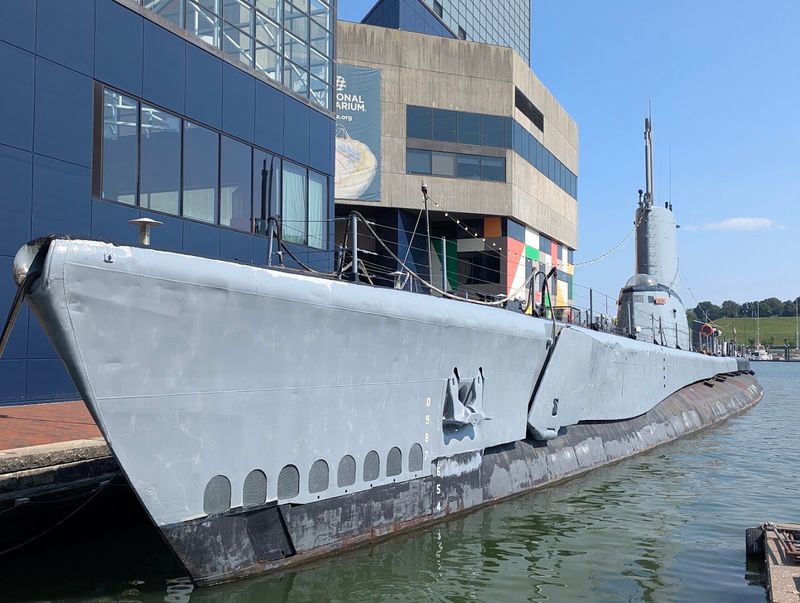
Baltimore’s Inner Harbor draws millions of visitors every year, and USS Torsk sits right in the middle of it all as part of Historic Ships in Baltimore. The submarine was constructed near the end of World War II, completed patrols near Japan, and then spent years serving as a training vessel, racking up more than 10,600 dives during its military career.
That postwar training history makes Torsk’s story longer and more layered than many preserved submarines. Visitors can descend into its tight interior to see torpedo rooms, crew bunks, control equipment, machinery, and the compact storage areas required to support a large crew on extended missions.
The ship sits within easy walking distance of Baltimore’s waterfront restaurants and other historic vessels in the collection. Museum tickets include USS Torsk among the ships available for touring, though seasonal hours and last-boarding times vary throughout the year.
Checking current hours before visiting is a practical step, especially during the off-season months.
Submarine Becuna at Independence Seaport Museum, Philadelphia, Pennsylvania
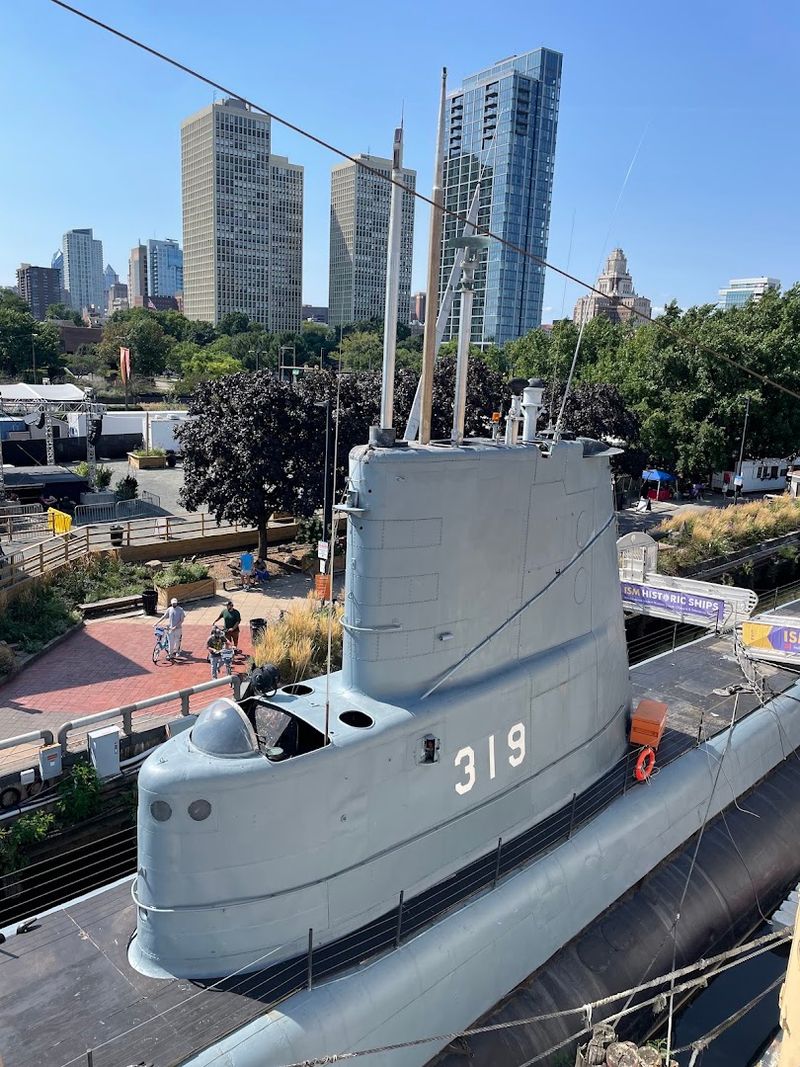
Submarine Becuna carries a preservation distinction that no other vessel in the world can match. The Independence Seaport Museum identifies it as the only surviving GUPPY 1-A submarine, referring to the Navy’s Greater Underwater Propulsion Power Program that converted older submarines for Cold War service.
That conversion gives Becuna a story that stretches well beyond its five wartime patrols. Guided tours reveal the control room, crew quarters, torpedo spaces, machinery, and the Cold War-era modifications that changed how the vessel operated underwater.
The mix of wartime and postwar history makes the tour richer than a straightforward World War II story.
The museum campus also includes Cruiser Olympia, one of the world’s oldest surviving steel warships, allowing visitors to compare a submarine with a vessel from a completely different naval era. The museum is currently open daily, while Becuna tours may require an additional ticket purchased on the day of the visit.
The Delaware River waterfront setting adds a pleasant backdrop to the whole experience.
Arkansas Inland Maritime Museum, North Little Rock, Arkansas
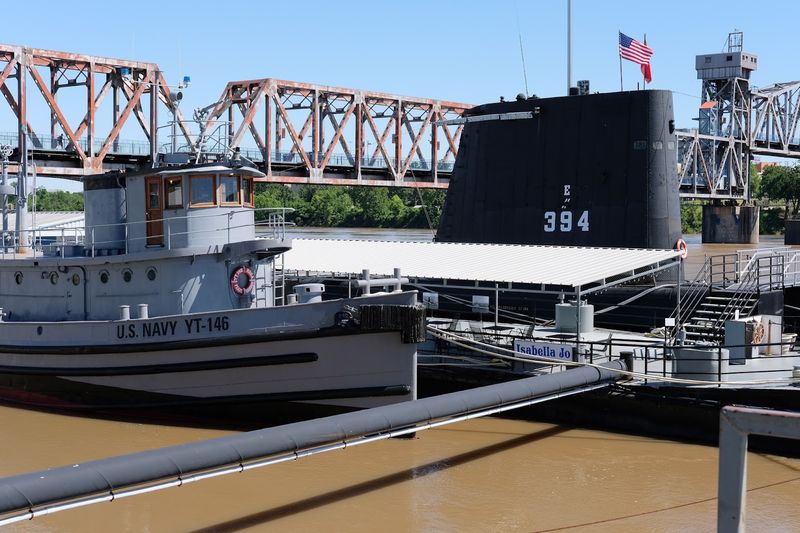
Fifty-six years of active duty across two countries is a service record that very few vessels of any kind can claim. USS Razorback is described by the Arkansas Inland Maritime Museum as the longest-serving existing frontline combat submarine, and that distinction alone makes the trip to North Little Rock worth planning.
The submarine has been preserved in a highly authentic condition, with much of its equipment still operational. Entering requires climbing a 14-foot ladder, and children younger than five are not permitted aboard.
Once inside, visitors encounter original crew areas, equipment, and the distinctive atmosphere of an older working submarine that has not been softened for comfort.
The museum also displays USS Hoga, a tugboat with direct connections to the attack on Pearl Harbor, which adds another layer of historical depth to the visit. Current summer tours operate Wednesday through Sunday, with a more limited Friday-through-Sunday schedule during winter.
The Arkansas River setting provides a scenic backdrop that feels far removed from the typical naval museum coastal location.
Galveston Naval Museum, Galveston, Texas
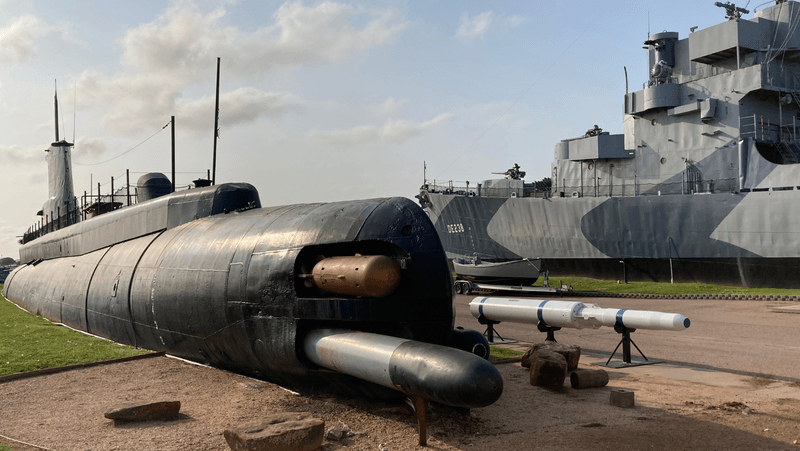
During its very first patrol, USS Cavalla sank the Japanese aircraft carrier Shokaku, a vessel that had participated in the attack on Pearl Harbor. That debut performance earned the submarine a Presidential Unit Citation and four battle stars, and it gives the Galveston Naval Museum’s main attraction a backstory that is hard to top.
Visitors can take self-guided tours through both Cavalla and USS Stewart, a World War II destroyer escort. Comparing the cramped environment of a submarine with the larger layout of a surface escort ship is one of the more interesting exercises the museum naturally encourages.
Cavalla was later modified for Cold War hunter-killer operations, and those changes remain visible in the preserved design.
The museum also offers occasional hard-hat experiences covering areas normally closed to general visitors, which is worth checking on when planning the trip. Galveston Naval Museum currently advertises daily opening hours, with the last tickets sold one hour before closing.
The Gulf Coast setting makes it a natural addition to any Texas coastal road trip.
Share this story