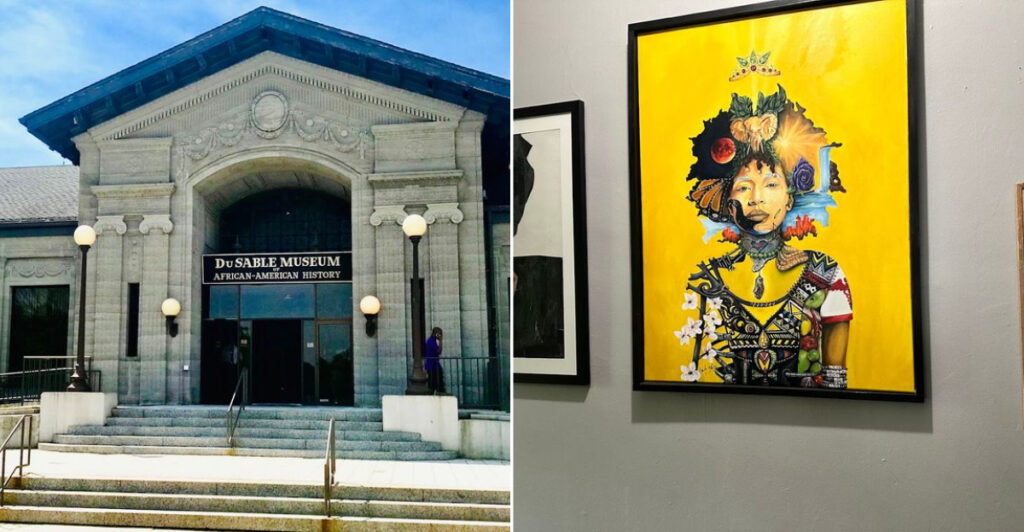
American history is much bigger than what most textbooks ever show. Across the country, there are museums, cultural centers, and memorial sites dedicated to telling the full story of Black life in America, from the earliest days of slavery through the civil rights movement and into the present.
These places preserve names, voices, and experiences that deserve to be remembered. Whether you are planning a road trip, a family outing, or just looking to learn something real, this list gives you 22 powerful places worth knowing about.
National Museum of African American History & Culture, Washington, D.C.
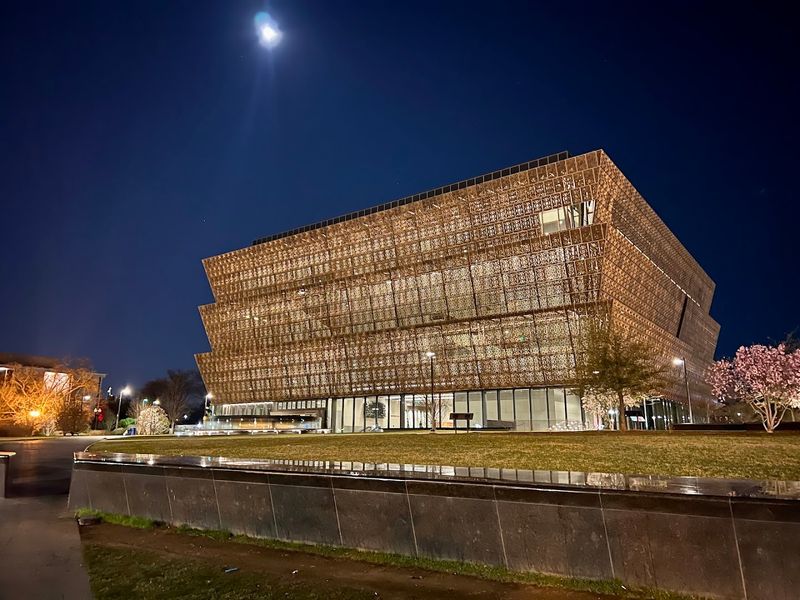
Few buildings in Washington, D.C. stop people in their tracks the way this one does. The Smithsonian’s National Museum of African American History and Culture sits on the National Mall and covers more ground, literally and historically, than almost any other museum in the country.
Its galleries walk visitors through slavery, Reconstruction, the civil rights movement, music, sports, military history, and modern culture. The scope is sweeping and the storytelling is serious.
You leave with a much fuller picture of how African American life and influence shaped the United States.
The museum is free and open to the public, but timed-entry passes are required. That means you need to plan ahead before showing up.
Passes can be reserved online through the Smithsonian’s official site. For anyone visiting D.C. for the first time or the tenth time, this stop belongs at the top of the itinerary.
The Legacy Museum, Montgomery, Alabama
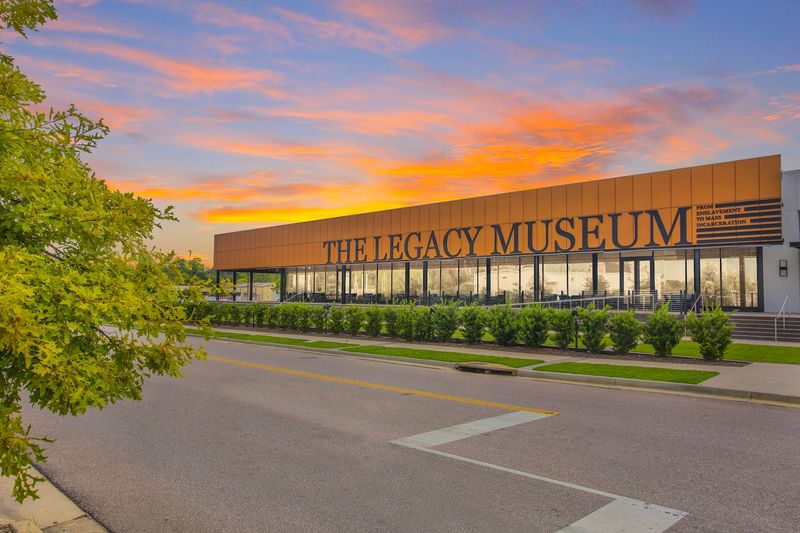
Montgomery, Alabama carries a weight that you feel the moment you start paying attention to what happened there. The Legacy Museum is part of the Equal Justice Initiative’s Legacy Sites, and it connects the history of slavery, racial terror, segregation, and mass incarceration in a way that is direct and impossible to look away from.
The museum uses historical accounts, artwork, and immersive exhibits to show how the past continues to shape American systems today. It is not a comfortable visit, but it is an important one.
The exhibits are thoughtfully designed and give context that most classrooms never provide.
Visitors can pair the museum with the National Memorial for Peace and Justice and the Freedom Monument Sculpture Park, both nearby. Together, these three sites make Montgomery one of the most significant Black history destinations in the entire country.
Plan for a full day if you can manage it.
Charles H. Wright Museum of African American History, Detroit, Michigan
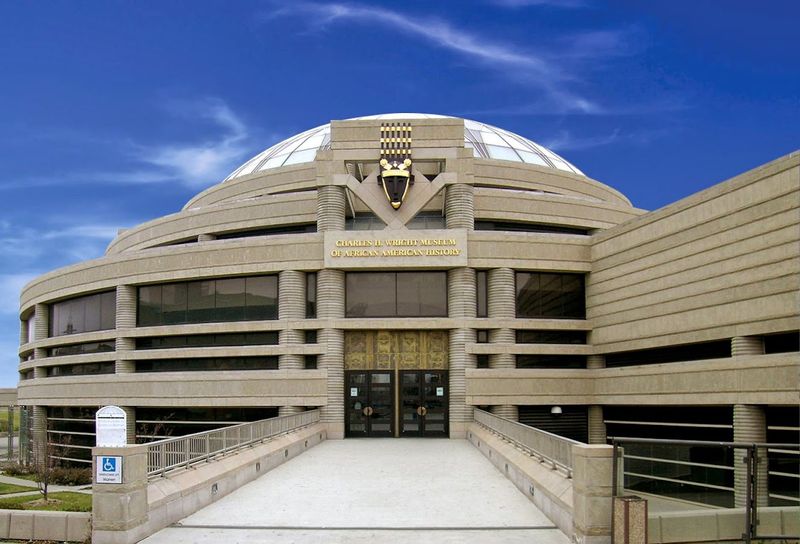
Detroit’s Midtown district has long been a hub for arts and culture, and the Charles H. Wright Museum of African American History is one of its most important anchors.
The museum’s mission centers on exploring and celebrating African American history and culture with depth and consistency.
Its exhibitions include long-running historical storytelling alongside rotating shows that keep the experience fresh for repeat visitors. Public programs and community events run throughout the year, connecting the museum to the city it calls home.
The Wright is not just a building with exhibits. It is an active institution with a clear sense of purpose.
For travelers visiting Detroit, this is a strong stop that pairs well with other Midtown cultural destinations. Admission information is available on the museum’s official visitor page.
Whether you are from Michigan or passing through, the Charles H. Wright Museum offers a grounded and meaningful look at African American history on a national and local scale.
National Civil Rights Museum, Memphis, Tennessee
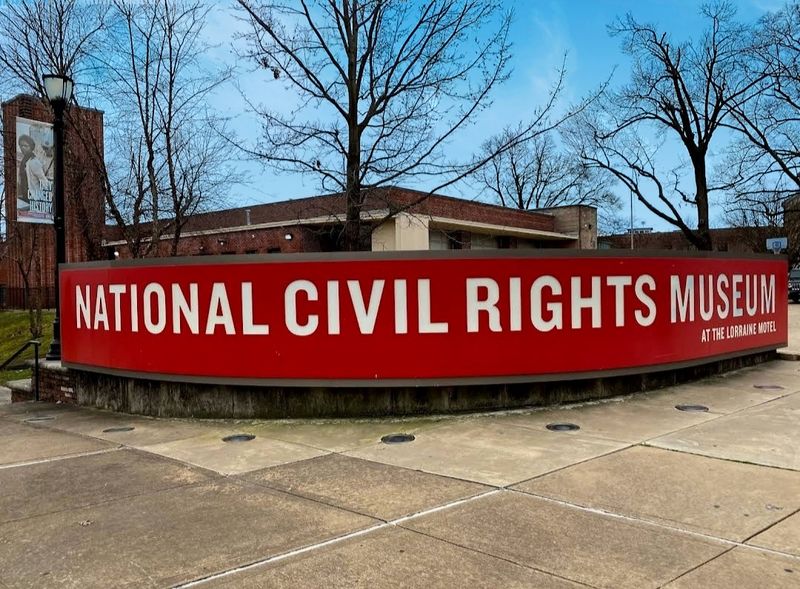
The Lorraine Motel in Memphis is one of the most recognized buildings in American history, and the National Civil Rights Museum is built around it. The site marks where Dr. Martin Luther King Jr. was assassinated in 1968, and the museum preserves that history with care and context.
Exhibitions cover boycotts, sit-ins, Freedom Rides, voting rights campaigns, and the broader arc of the modern civil rights movement. The storytelling moves chronologically and gives visitors a clear sense of how change happened and at what cost.
It is the kind of museum that stays with you long after you leave.
The museum is open to the public with regular hours, though it is closed on Tuesdays. Checking the official site before your visit is a good idea since hours and ticket options can change.
Memphis has a lot to offer travelers, but this stop carries a significance that makes it the centerpiece of any visit to the city.
Negro Leagues Baseball Museum, Kansas City, Missouri
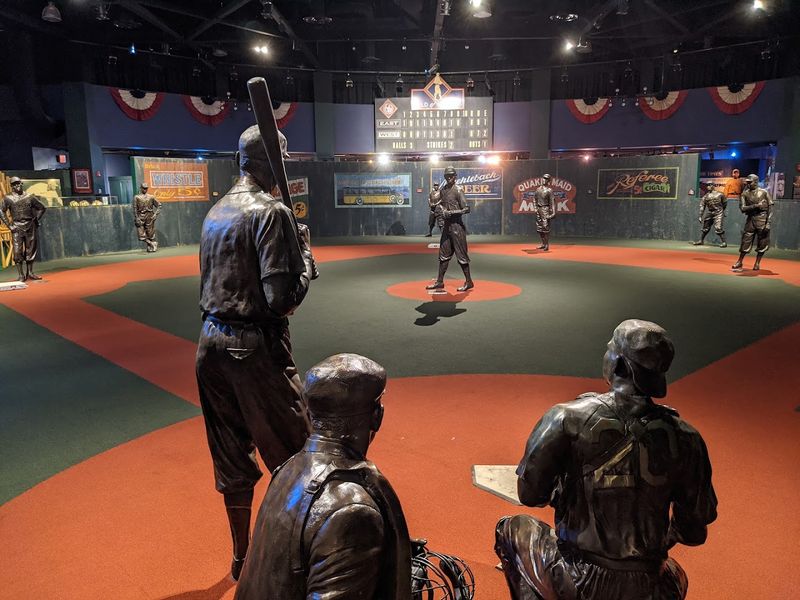
Baseball’s history has a chapter that mainstream sports coverage spent decades glossing over, and the Negro Leagues Baseball Museum in Kansas City exists to make sure that chapter is never forgotten again. Located near the historic 18th and Vine district, the museum tells the story of Black players, owners, teams, and fans who built something extraordinary before Major League Baseball was integrated.
The self-guided exhibition uses photographs, artifacts, text panels, and film to connect baseball history with African American history in a way that feels both personal and significant. Some of the most skilled players to ever pick up a bat played in the Negro Leagues, and the museum gives them the recognition they earned.
Admission is available through the museum’s official site, which also provides current visitor details. The 18th and Vine neighborhood adds cultural context to the visit, with jazz history woven into the same blocks.
This is a stop that baseball fans and history fans will both appreciate.
Whitney Plantation, Wallace, Louisiana
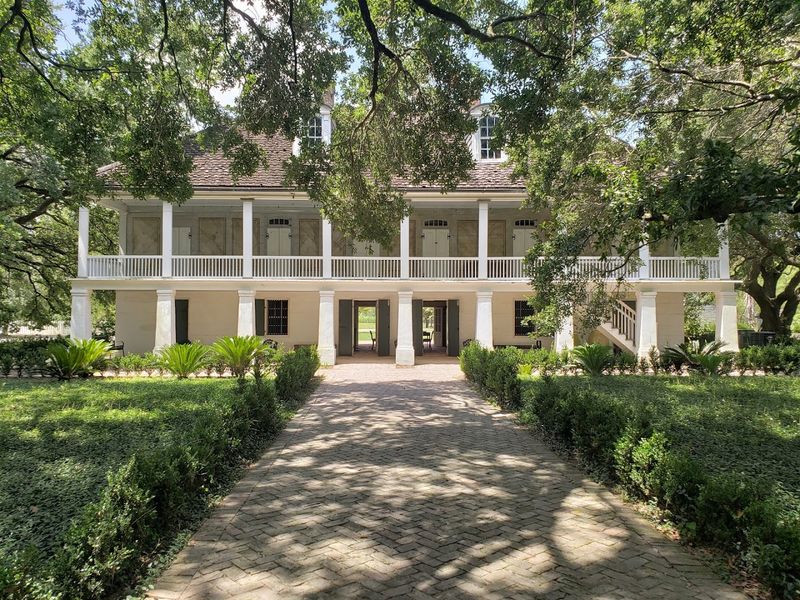
Most plantation museums in the South have historically centered the stories of the families who owned the land. Whitney Plantation takes a different approach, and that distinction matters enormously.
Located in Wallace, Louisiana, this site focuses specifically on the lives and experiences of the people who were enslaved there.
The grounds preserve historic structures from the original plantation, and the interpretation throughout connects visitors to the human reality of slavery in Louisiana and across the United States. Memorials, artwork, and first-person historical accounts are woven into the experience at every turn.
It is reflective, sobering, and deeply informative.
Current visitor information on the official site lists public hours, last entry times, and a recommended visit length, so planning ahead is straightforward. Whitney Plantation is not a casual stop.
It asks something of visitors, and that is exactly why it belongs on this list. For anyone serious about understanding American history honestly, this site offers something no textbook adequately captures.
African American Museum in Philadelphia, Philadelphia, Pennsylvania
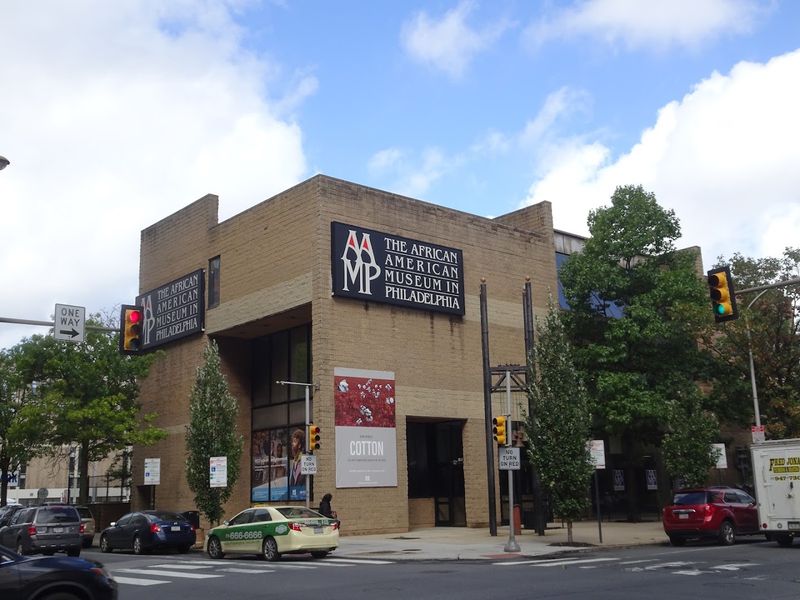
Philadelphia has a complicated relationship with its own history. It was a city of independence and also a city deeply entangled with slavery and racial inequality.
The African American Museum in Philadelphia sits right in the historic district near Independence National Historical Park, and that location is not accidental.
Its exhibitions focus on the African Diaspora, the Philadelphia story, and contemporary Black life, drawing connections between what happened locally and what was happening nationally. The museum does not treat Black history as a separate subject.
It treats it as central to the American story, which is exactly what it is.
The official website lists the museum’s address, visitor information, programs, and upcoming events, confirming it remains an active and engaged cultural institution. For anyone exploring Philadelphia’s historic district, this museum adds essential context to everything else you will see in that neighborhood.
It is the kind of stop that reframes the whole visit.
Reginald F. Lewis Museum, Baltimore, Maryland
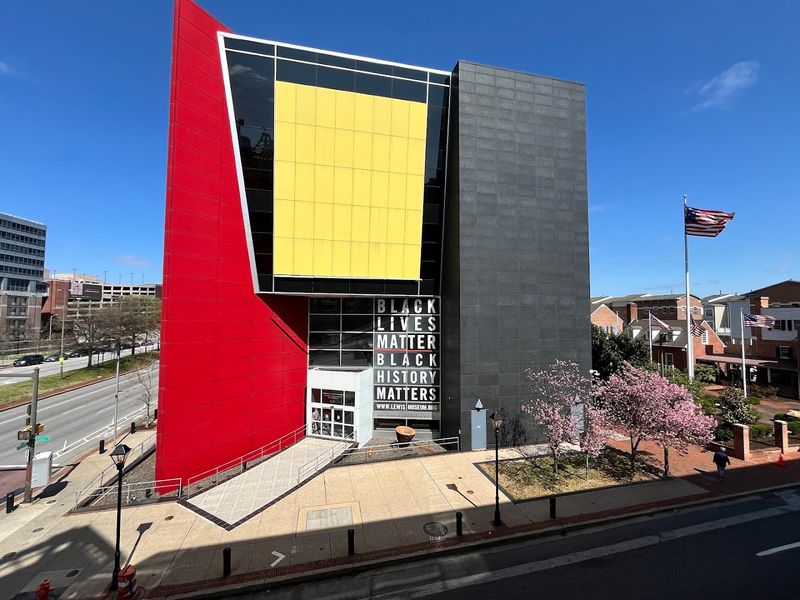
More than 400 years of African American life in Maryland is a lot of history to hold, and the Reginald F. Lewis Museum in Baltimore takes that responsibility seriously.
Named for the trailblazing businessman and lawyer Reginald F. Lewis, the museum is described on its official site as a premier resource for Maryland African American history.
Its exhibits and programs connect local stories to major figures, movements, visual art, and community history. The focus on Maryland gives the museum a specificity that broader national museums sometimes cannot provide.
You learn about people, places, and events that shaped this particular state and the people who called it home.
The museum’s official site lists current open hours for visitors, making it easy to plan a stop during a Baltimore visit. The Inner Harbor area offers plenty of other things to do nearby, but the Lewis Museum stands on its own as a destination.
It is a strong and well-organized cultural institution with real depth.
DuSable Black History Museum and Education Center, Chicago, Illinois
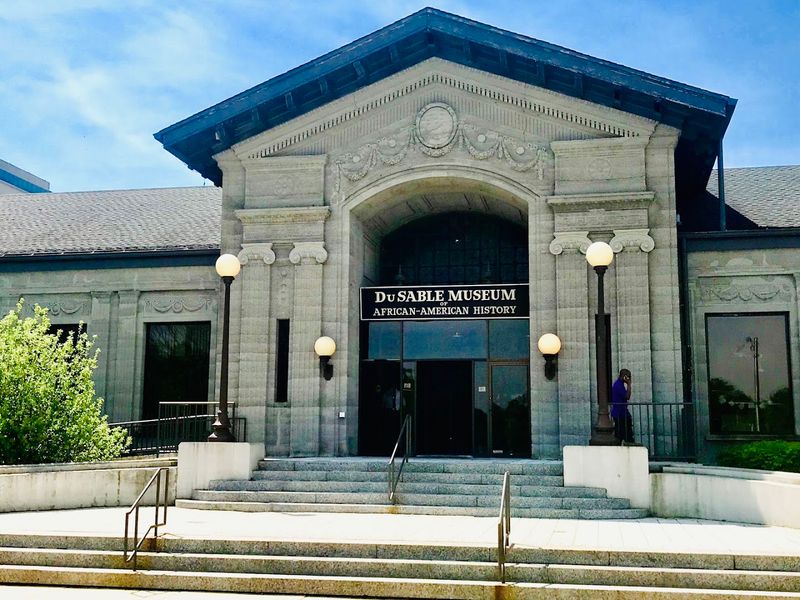
Founded in 1961, the DuSable Black History Museum and Education Center is one of the country’s foundational Black history institutions. Chicago has a rich and layered African American history, and this museum has been telling that story for more than six decades.
That kind of longevity means something.
The museum is dedicated to the history, art, and culture of African Americans and Black people worldwide, with a scope that extends beyond Chicago and beyond the United States. Exhibitions, events, and educational programs run throughout the year, and the museum is open Tuesday through Sunday according to current visitor information.
Washington Park, where the museum is located, adds a sense of place to the visit. Chicago’s South Side has its own deep cultural history, and the DuSable Museum sits at the center of it.
For anyone exploring the city beyond the Magnificent Mile, this is one of the most rewarding stops you can make.
International African American Museum, Charleston, South Carolina
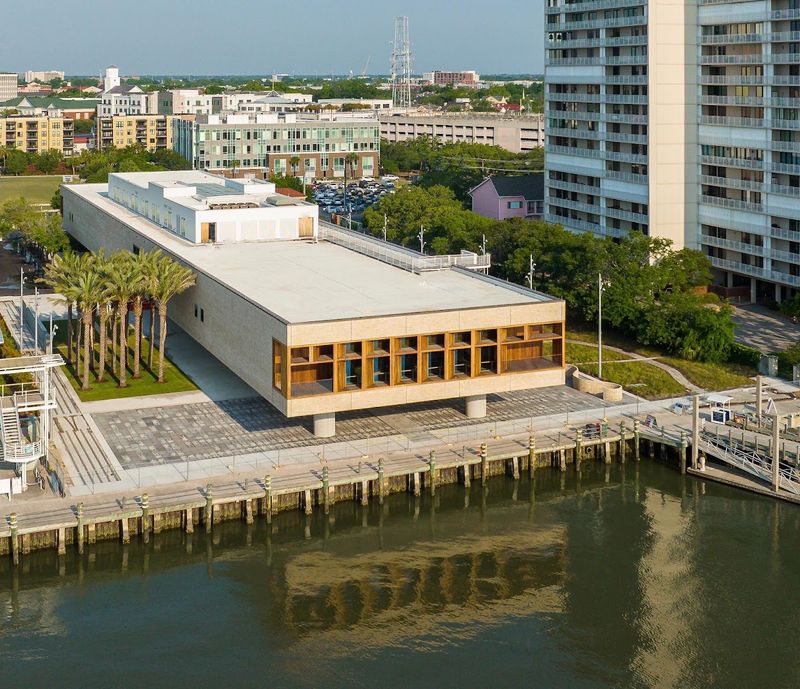
Gadsden’s Wharf in Charleston, South Carolina is estimated to be the entry point for nearly 40 percent of all enslaved Africans brought to North America. The International African American Museum stands on that ground, and the weight of that location shapes everything about the experience.
Its exhibitions explore African origins, the Middle Passage, Gullah Geechee culture, slavery, resistance, and the global African diaspora. The museum opened in 2023 and quickly became one of the most significant new cultural institutions in the country.
The building itself is elevated above the original wharf site, a design choice that honors the ground beneath it.
The official visitor page provides current planning details including hours, tickets, parking, and accessibility information. Charleston draws millions of tourists every year, and this museum gives visitors the chance to engage with the city’s history in a way that is honest and complete.
It is one of the most important new museums in the American South.
National Voting Rights Museum and Institute, Selma, Alabama
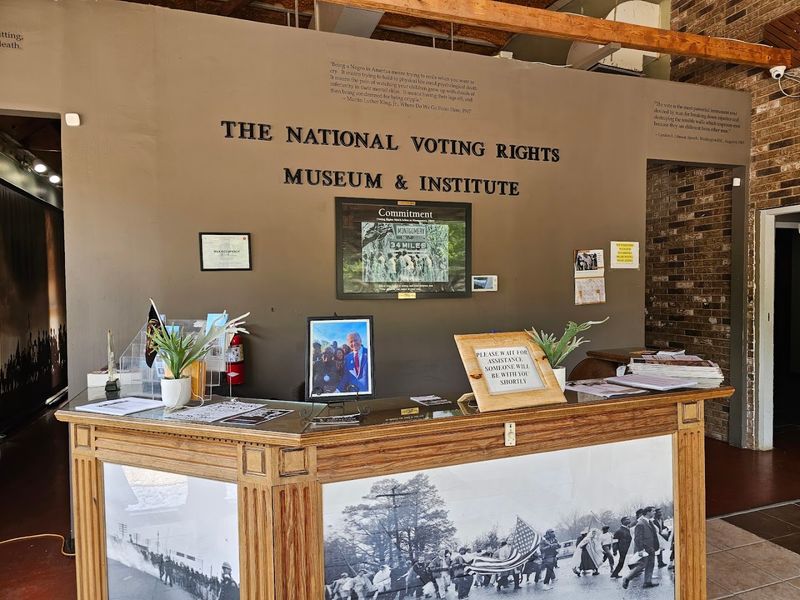
Standing at the foot of the Edmund Pettus Bridge in Selma, Alabama puts you in a place where history was made on a specific Sunday in March 1965. The National Voting Rights Museum and Institute is located right there, and it interprets the long and often brutal struggle for voting rights with the seriousness that struggle deserves.
Galleries cover the Selma to Montgomery marches, the events of Bloody Sunday, and the decades of organizing that made the Voting Rights Act of 1965 possible. The museum connects that history to ongoing conversations about voting access and civic participation.
The exhibits feel personal because the stories they tell are personal.
Current contact information lists weekday museum hours, with weekend visits available by appointment. Calling ahead or confirming details online before you go is strongly recommended.
Selma is a small city, but this museum and the bridge it sits beside carry a significance that draws visitors from across the country and around the world.
California African American Museum, Los Angeles, California
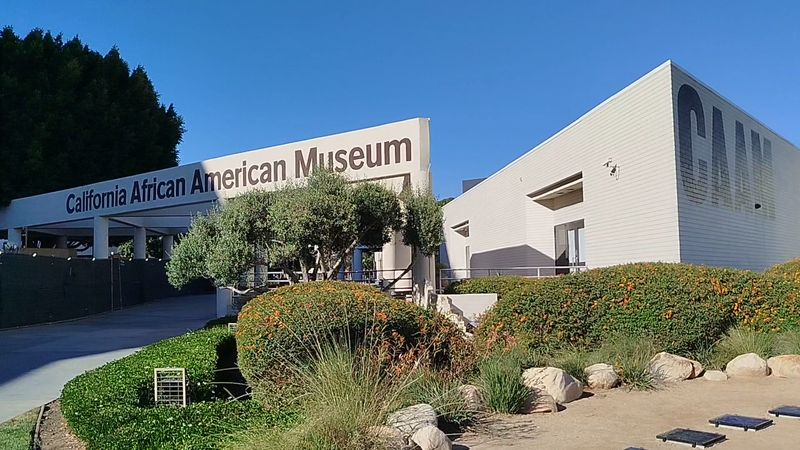
Free admission, rotating exhibitions, and a location inside Exposition Park make the California African American Museum one of the most accessible cultural institutions in Los Angeles. The museum presents African American art, history, and culture through exhibitions, public programs, and educational events, and it does so without charging visitors a cent.
Exposition Park puts the museum near the Natural History Museum, the California Science Center, and the Rose Garden, making it a natural anchor for a full day of exploring. The galleries are open Tuesday through Sunday according to the museum’s official hours page.
Programming and exhibitions change regularly, so the experience can be different each time you visit.
For families, school groups, and solo visitors alike, this museum offers a lot of value in a setting that is easy to get to from most parts of the city. Los Angeles has a deep and often underappreciated African American history, and this museum brings that history into focus with clarity and cultural pride.
Museum of the African Diaspora, San Francisco, California
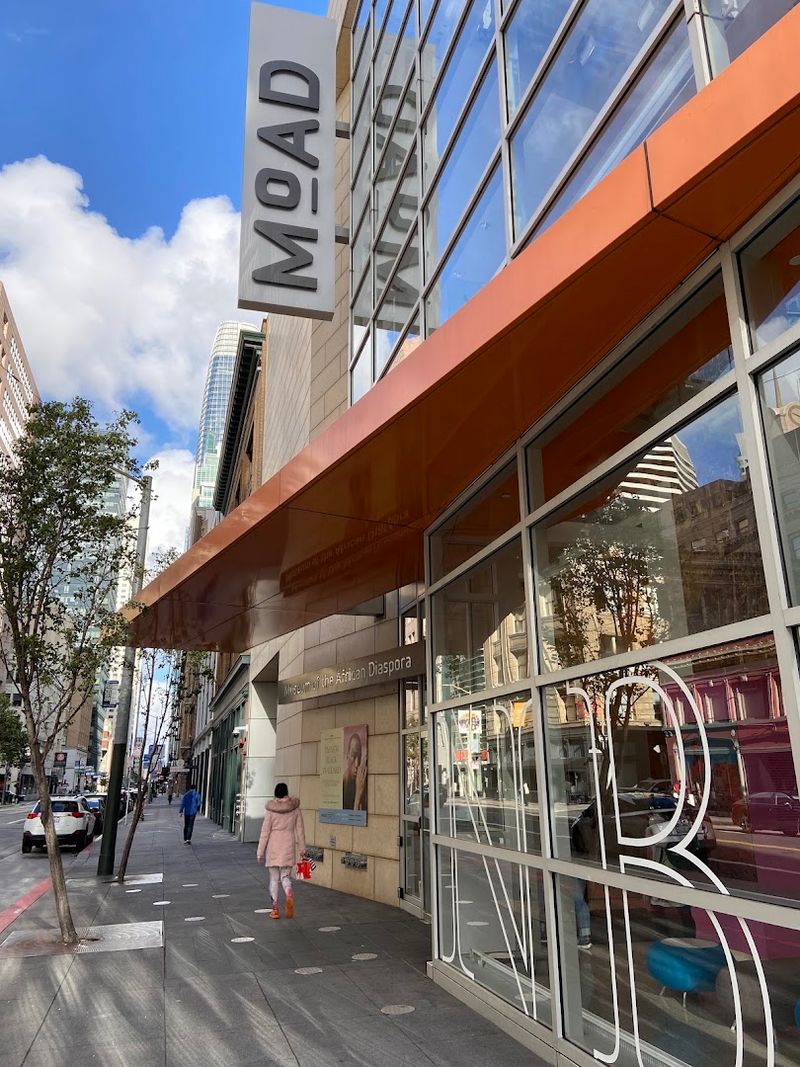
Contemporary art and the global African diaspora come together at MoAD, the Museum of the African Diaspora in San Francisco. Unlike museums focused primarily on historical artifacts, MoAD centers living artists and current conversations about Black identity, migration, and creative expression.
Its exhibitions connect art to larger questions about where Black communities came from, where they are now, and how creativity has always been part of the African diaspora story. The programming is active, with rotating exhibitions and events that keep the museum feeling current rather than static.
It is a different kind of Black history experience, one that looks forward as much as it looks back.
The museum’s official site lists visitor information, tickets, current exhibitions, and hours for travelers planning a San Francisco stop. The downtown location makes it easy to combine with other city destinations.
For anyone interested in art as a lens for understanding history and identity, MoAD offers a genuinely compelling and thought-provoking visit.
Tubman African American Museum, Macon, Georgia
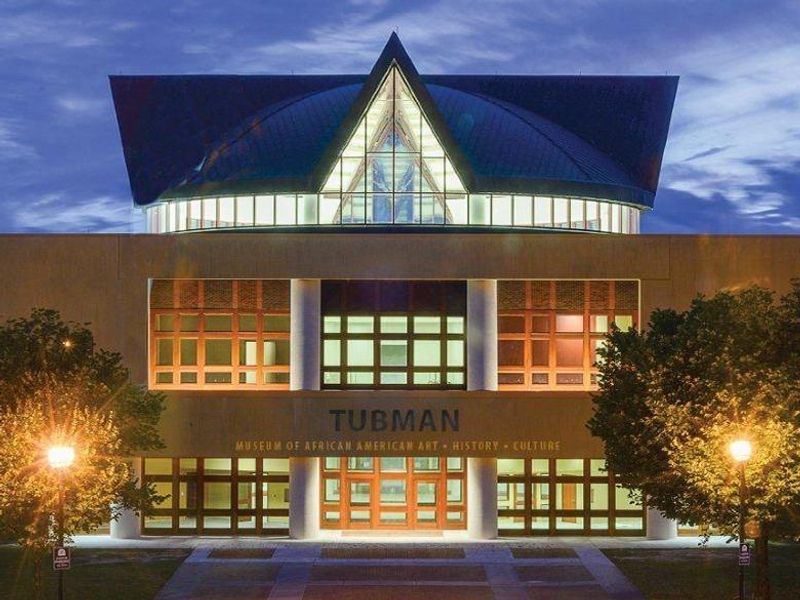
Named for Harriet Tubman, this museum in Macon carries a name that sets a high standard, and it works to live up to it. The Tubman African American Museum describes itself on its official site as the most expansive facility in the Southeast dedicated to educating and celebrating African American art, history, and culture.
That is a significant claim, and the museum backs it up with a broad range of exhibitions, programs, and community engagement. The collection spans visual art, historical displays, and cultural programming that connects Georgia’s African American heritage to national and global stories.
Macon itself has a rich musical history, and the museum fits naturally into the city’s cultural identity.
Current visitor information lists public hours from Tuesday through Saturday, along with admission prices and special closure dates. Checking the official site before your visit is always a good idea.
For travelers moving through central Georgia, the Tubman Museum is a worthwhile and substantive stop that offers more than a quick walkthrough.
African American Museum, Dallas, Texas
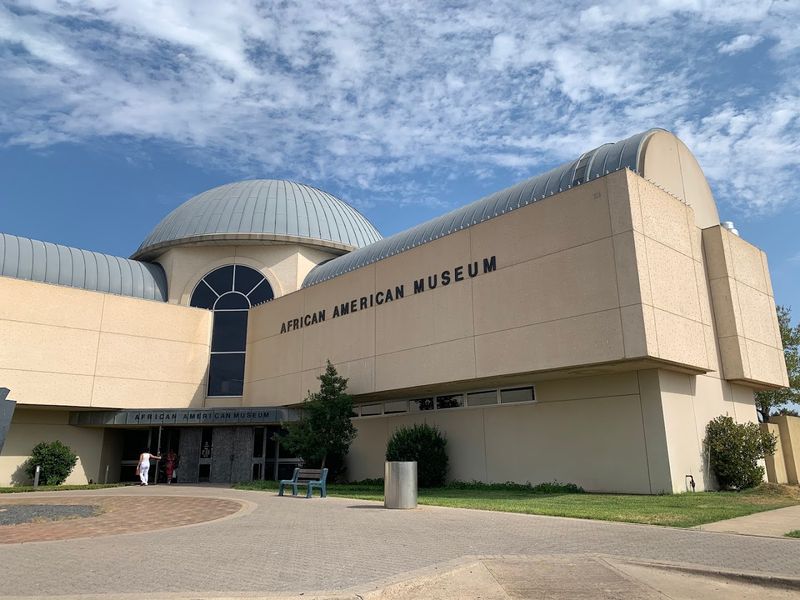
Fair Park in Dallas is best known for hosting the State Fair of Texas each fall, but the African American Museum there deserves attention year-round. Located on the park’s grounds, the museum focuses on African American culture, art, history, and community memory in a way that goes well beyond what most visitors expect to find inside a fairground.
Its exhibitions and programs connect past and present through visual art, historical collections, and public events. The museum has been part of Dallas’s cultural landscape for decades and continues to serve as a meaningful resource for the community and for visitors.
The collection includes folk art, fine art, and historical materials that span a wide range of African American experience.
The official plan-your-visit page lists current operating hours, including regular weekly hours and expanded State Fair season hours. If you are visiting Dallas during the State Fair, the museum is right there and worth stepping inside.
During the rest of the year, it offers a quieter and more contemplative experience.
Northwest African American Museum, Seattle, Washington
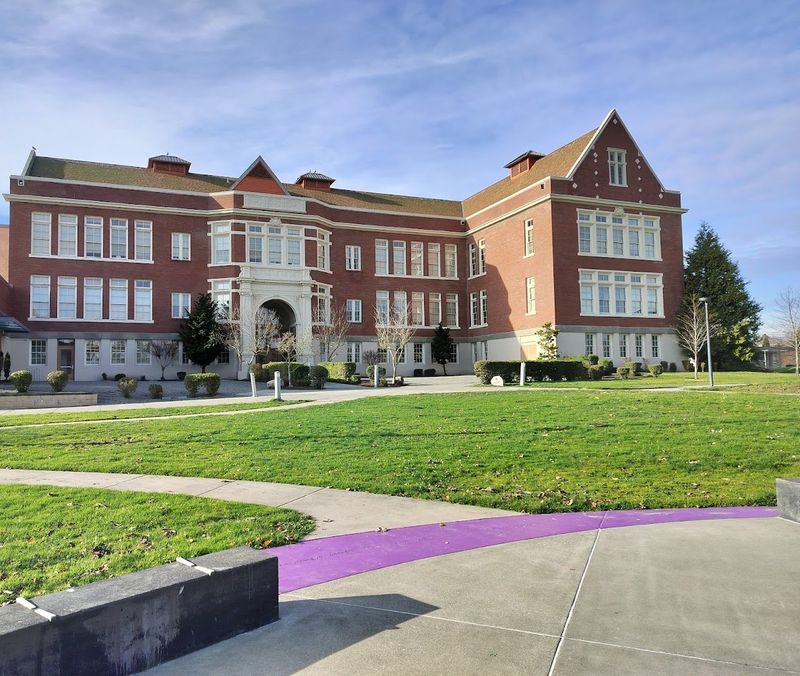
Seattle’s Central District has a deep African American history that shaped the city’s culture, music, and politics for generations. The Northwest African American Museum is housed in the historic Colman School building in that neighborhood, and the choice of location is as meaningful as anything inside its walls.
The museum explores Black history, arts, and culture with a specific focus on the Pacific Northwest, a regional perspective that is genuinely rare in the broader landscape of Black history museums. Exhibits, tours, and community programming run throughout the year.
The building itself sits near Jimi Hendrix Park, adding another layer of cultural significance to the visit.
Current public hours run Wednesday through Sunday according to the museum’s official site. For Seattle visitors who want to understand the city beyond its tech industry reputation, the Central District and this museum offer a richer and more complete picture.
The Northwest African American Museum is a strong stop for anyone exploring Seattle’s neighborhoods with genuine curiosity.
National Underground Railroad Freedom Center, Cincinnati, Ohio
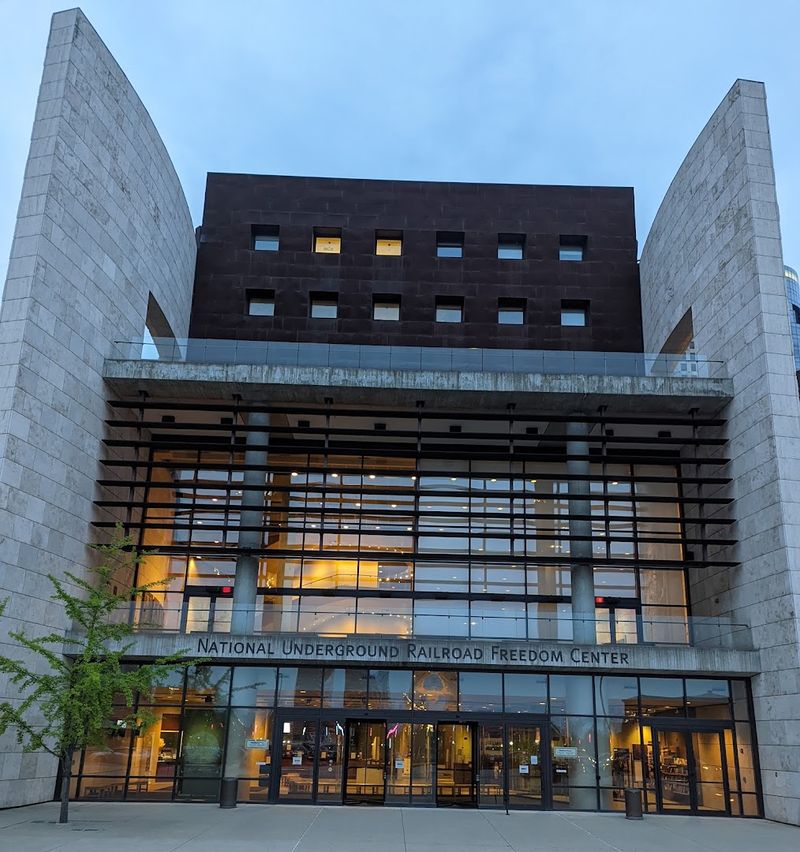
The Ohio River was once one of the most significant geographic boundaries in American history. Cross it heading north, and you moved from a slave state to a free one.
The National Underground Railroad Freedom Center sits on the Cincinnati banks of that river, and the location gives every exhibit an immediate sense of place and stakes.
The museum tells stories of freedom seekers, abolitionists, resistance networks, and the extraordinary courage it took to run toward freedom. Its permanent and traveling exhibitions also connect the Underground Railroad to broader modern conversations about human rights and justice.
The history does not stay in the past here. It reaches into the present.
Current visitor information lists the museum as open Wednesday through Sunday, and advance online ticket purchase is encouraged. Cincinnati has a lot to offer travelers, and this museum is one of its most powerful cultural assets.
The riverfront setting adds to the experience in a way that feels both symbolic and grounded in real geography.
APEX Museum, Atlanta, Georgia
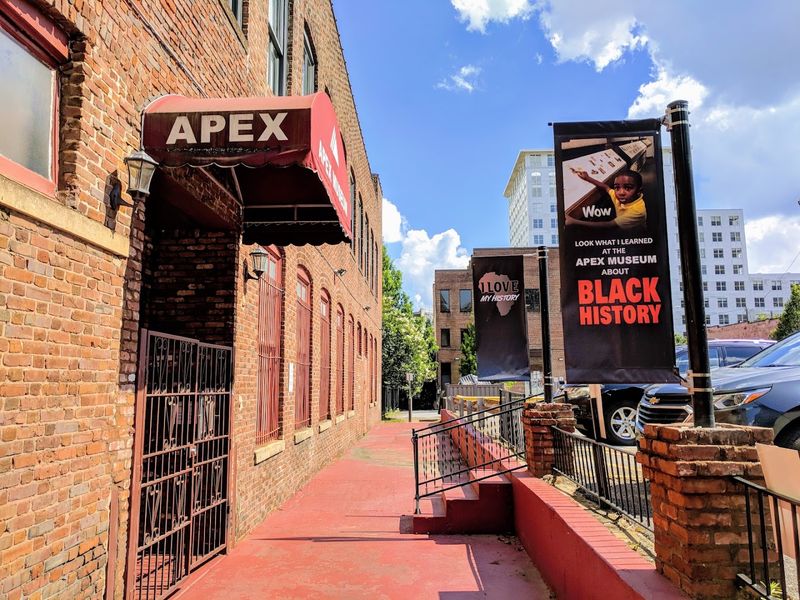
Sweet Auburn Avenue in Atlanta is one of the most historically significant streets in Black America. It was the business and cultural heart of Atlanta’s African American community for much of the twentieth century, and the APEX Museum sits right in the middle of it.
APEX stands for African American Panoramic Experience, and the museum has been telling Atlanta’s Black history story since 1978.
Its official site describes it as the oldest Black history museum in Atlanta, which gives it a particular kind of authority. The museum covers African American history with an emphasis on Atlanta and the surrounding region, connecting local stories to national movements.
Current visitor information shows public hours from Tuesday through Saturday.
Sweet Auburn is also home to the Martin Luther King Jr. National Historical Park, Ebenezer Baptist Church, and other significant civil rights sites. The APEX Museum fits naturally into a full day of exploring that corridor.
For anyone serious about Atlanta’s role in African American history, this neighborhood and this museum belong on the itinerary.
Harvey B. Gantt Center for African-American Arts + Culture, Charlotte, North Carolina
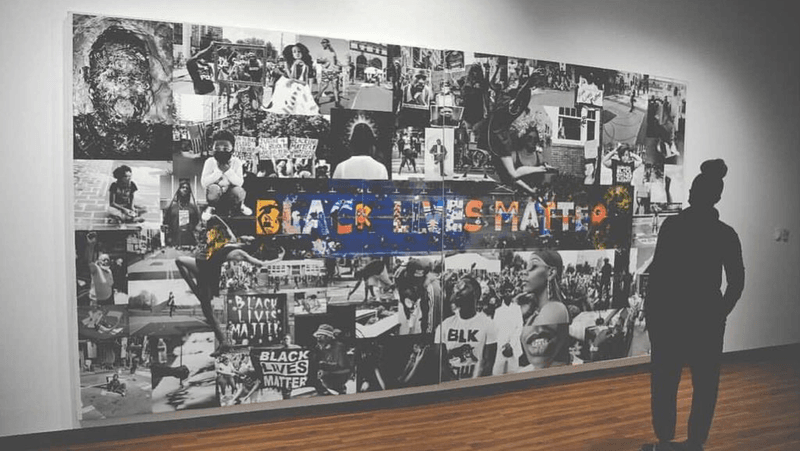
Harvey Gantt made history as Charlotte’s first Black mayor, and the cultural center that bears his name continues that tradition of breaking ground. Located in uptown Charlotte as part of the Levine Center for the Arts, the Harvey B.
Gantt Center celebrates African and African American contributions through visual art, music, dance, theater, film, literature, and public programming.
The center’s approach is broad and intentional. It treats Black creativity not as a niche subject but as a central part of American and global culture.
Exhibitions change regularly, and the programming calendar stays active with performances, lectures, and community events throughout the year. The building’s location in the Levine Center puts it alongside other major Charlotte cultural institutions.
The official site lists current exhibitions, programs, visitor information, and guided tour details. Gallery spaces are open to the public during gallery hours.
For travelers exploring Charlotte, the Gantt Center offers a cultural experience that is both locally rooted and nationally relevant, and it does so in a setting that takes the work seriously.
African American Museum of Iowa, Cedar Rapids, Iowa
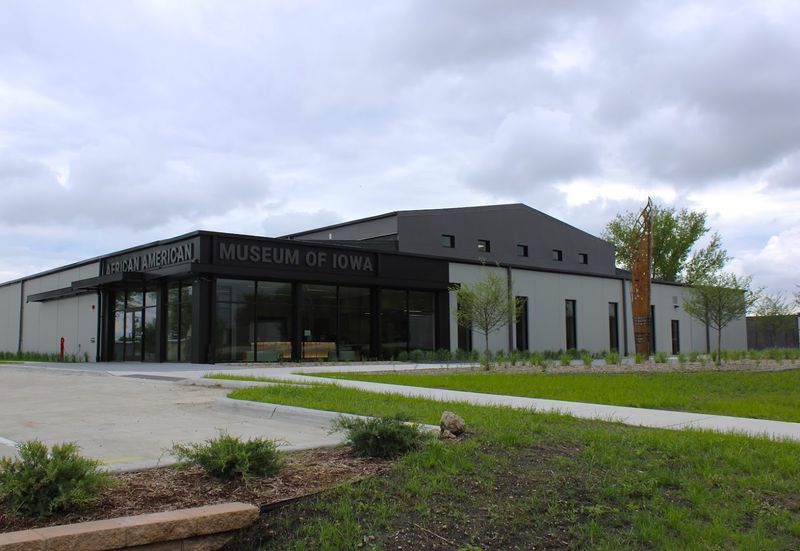
Iowa is not the first place most people think of when they think about African American history museums, and that is exactly why the African American Museum of Iowa matters so much. The stories preserved here are ones that rarely make it into national conversations, and the museum has spent years making sure they are not lost.
The museum’s official site states that it educates more than 30,000 people each year through tours, traveling exhibits, research services, and programs. That reach is significant for a regional institution, and it reflects how seriously the museum takes its mission.
The collection focuses on Iowa’s African American heritage, which includes stories of freedom seekers, soldiers, educators, and community builders.
Current visitor information on the official site lists the Cedar Rapids location and admission details, confirming the museum remains active and open. For anyone traveling through Iowa or doing research on Midwestern Black history, this museum fills a gap that no other institution in the region can.
It is a quiet but genuinely important cultural resource.
August Wilson African American Cultural Center, Pittsburgh, Pennsylvania
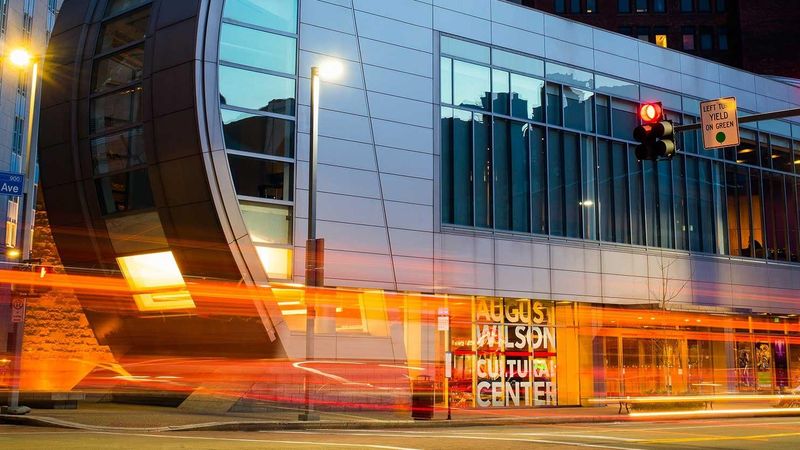
August Wilson grew up in Pittsburgh’s Hill District and went on to write ten plays that chronicled Black life in America across ten decades of the twentieth century. The August Wilson African American Cultural Center in downtown Pittsburgh honors that legacy while extending it into a living, breathing cultural institution.
The center brings together exhibitions, performances, festivals, jazz programming, theater, and community events under one roof. It connects art to storytelling and storytelling to social history in a way that feels true to Wilson’s own work.
Gallery spaces are described as free and open to the public during gallery hours, making the center accessible to a wide range of visitors.
The official site lists current exhibitions, events, box office hours, and visitor information. Pittsburgh’s Cultural District is walkable and full of other arts venues, making the Wilson Center a natural anchor for an afternoon in the city.
For anyone who has ever read one of Wilson’s plays, visiting this center adds a meaningful layer to that experience.
The Colored Girls Museum, Philadelphia, Pennsylvania
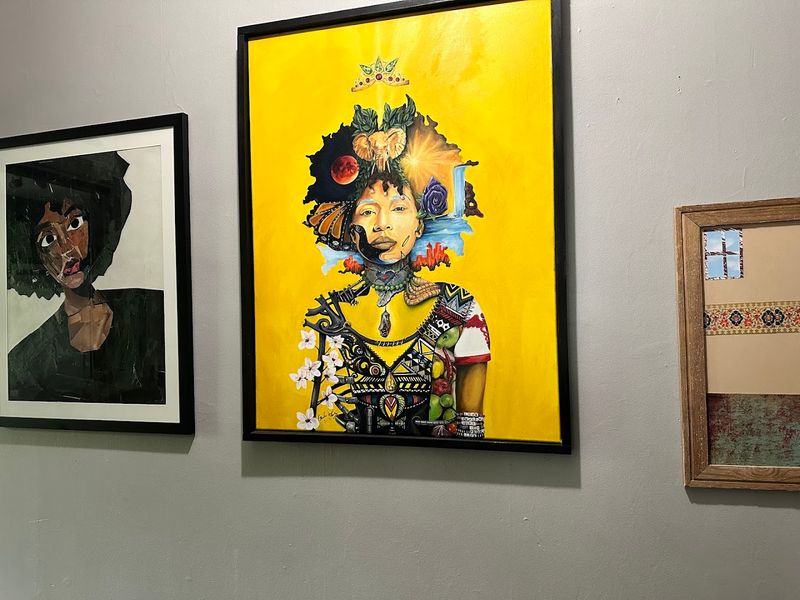
There is no other museum quite like The Colored Girls Museum in Philadelphia. Housed in a historic Victorian twin home in the Germantown neighborhood, it is dedicated entirely to honoring the lives, stories, and creativity of ordinary Black girls and women.
That singular focus is what makes it extraordinary.
Founded in 2015, the museum uses art, objects, rooms, and memory to create an experience that feels intimate and personal rather than institutional. Each room holds something that speaks to a specific aspect of Black womanhood, and the cumulative effect is unlike anything you will find in a conventional museum setting.
It is small in scale and enormous in impact.
Current visitor and private tour pages list hours, ticket information, and visit details on the official site. This is not a walk-in experience.
Booking ahead is strongly recommended. For travelers visiting Philadelphia, the Germantown neighborhood itself has deep historical significance, and The Colored Girls Museum adds a layer of contemporary cultural meaning that makes the trip even more worthwhile.
Share this story