No matter what challenges the world throws at the travel industry, cruising always seems to bounce back stronger than before. From global health scares to economic downturns, cruise lines have repeatedly proven their resilience, and so have the millions of loyal passengers who keep booking trips.
Some countries send far more cruise passengers than others, shaping the entire industry with their demand and preferences. Here is a look at the 15 countries that contribute the most cruise passengers worldwide.
1. United States

No country on Earth sends more cruise passengers than the United States. Americans have a deep love affair with cruising that dates back decades, and that passion has only grown stronger over time.
The U.S. accounts for roughly half of all global cruise passengers each year, making it the undisputed king of the industry.
From the sunny ports of Miami and Fort Lauderdale to the Pacific gateways of Los Angeles and Seattle, American travelers have easy access to departures heading everywhere from the Caribbean to Alaska. Cruise lines have tailored entire fleets and itineraries specifically to suit American tastes and budgets.
The variety on offer is staggering, ranging from budget-friendly three-night getaways to luxurious world voyages lasting months. Whether it is a family reunion at sea or a solo adventure, American cruisers keep the entire industry financially afloat year after year.
2. Germany
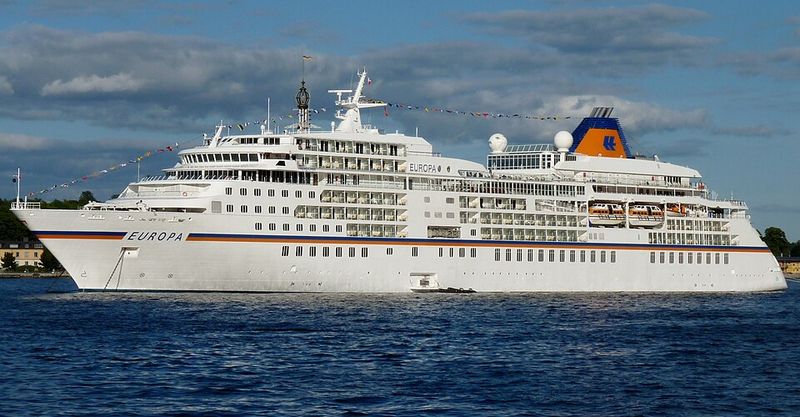
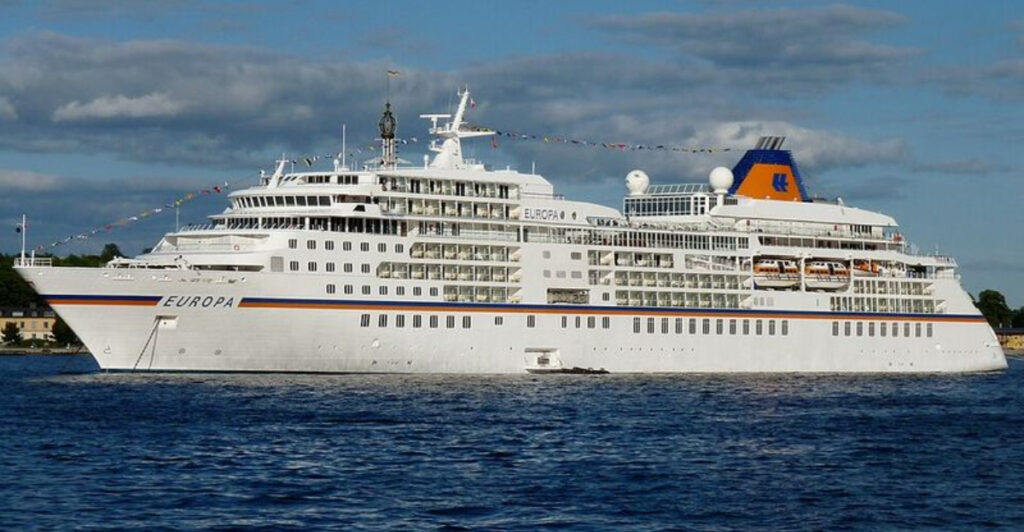
Germany punches well above its weight in the global cruise market. With over two million passengers setting sail annually in recent years, Germans represent one of the most enthusiastic cruising populations in Europe.
What makes this especially impressive is that Germany is a landlocked country at its core, yet its citizens flock to ports like Hamburg and Kiel with remarkable enthusiasm.
German travelers tend to favor longer itineraries and value quality experiences, often choosing European river cruises, Mediterranean routes, and Nordic voyages. Cruise lines have responded by offering German-language ships packed with high-end amenities.
AIDA Cruises, a brand under the Carnival Corporation umbrella, was specifically built to serve the German market and has become enormously popular. Germans are known for planning trips well in advance, which gives cruise operators reliable booking data.
Their loyalty to the industry has helped stabilize the market even during uncertain economic periods.
3. United Kingdom and Ireland
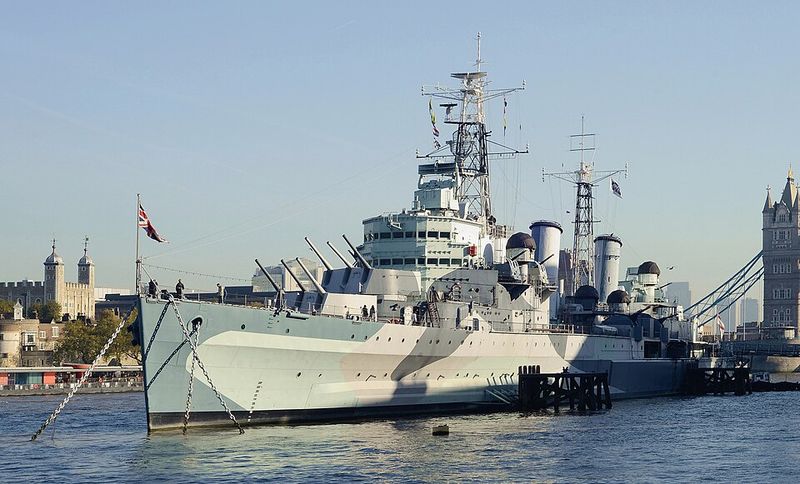
Britain has a seafaring identity woven into its national story, so it is no surprise that the United Kingdom consistently ranks among the top cruise markets in the world. Together with Ireland, this region sends nearly two million passengers to sea each year, with Southampton serving as one of the busiest cruise ports in all of Europe.
British cruisers tend to prefer fly-cruise packages that combine a short flight with a longer voyage, allowing them to reach warmer Mediterranean and Caribbean waters quickly. However, domestic departures from Southampton and Tilbury remain hugely popular for those who prefer to skip the airport entirely.
P&O Cruises and Cunard, both iconic British brands, have catered specifically to UK tastes for generations. Irish passengers, though fewer in number, are growing in their enthusiasm for cruising.
The combined market continues to expand steadily, supported by strong consumer confidence and a wide range of price points.
4. Australia
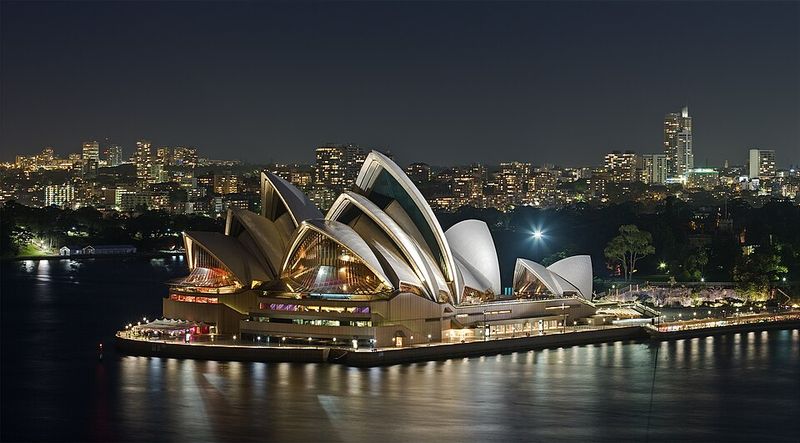
Australia may be far from most major cruise hubs, but that has never slowed its passengers down. Australians have one of the highest cruise participation rates per capita of any country in the world, which is a remarkable achievement for a nation of around 26 million people.
Sydney Harbour is one of the most photographed cruise departure points on the planet.
Australian cruisers love South Pacific itineraries that take them to Fiji, New Caledonia, and Vanuatu, as well as domestic coastal routes along the Great Barrier Reef. The warm climate and island geography of the region make cruising a natural fit for the Australian lifestyle.
Carnival Australia and Royal Caribbean have invested heavily in the market by homeporting ships in Sydney, Melbourne, and Brisbane. Even after the COVID-19 pandemic hit Australian cruising particularly hard, the market rebounded with impressive speed, showing just how devoted Australians are to life at sea.
5. Italy

Italy occupies a unique position in the cruise world because it is both a top source of passengers and one of the most beloved cruise destinations on Earth. Italian travelers have embraced cruising with characteristic passion, sending hundreds of thousands of passengers to sea each year from ports like Civitavecchia, Genoa, and Venice.
The Mediterranean is the natural playground for Italian cruisers, who often favor shorter voyages that let them explore multiple European countries within a single trip. Food, culture, and scenic coastlines are top priorities for this discerning group of travelers.
Costa Cruises, an Italian brand, has long served this market with flair, offering menus and onboard entertainment that feel authentically Italian. The country is also home to some of the world’s most skilled shipbuilders, meaning Italy contributes to the cruise industry from both the supply and demand sides.
Italian enthusiasm for cruising shows no signs of cooling.
6. Canada

Canada might share a border with the world’s biggest cruise market, but Canadian travelers have built their own strong cruising identity over the years. Hundreds of thousands of Canadians embark on cruises annually, often choosing itineraries that explore Alaska, the Caribbean, and the Mediterranean.
The country’s close proximity to major U.S. departure ports gives Canadians a wide range of convenient options.
Vancouver is a particularly important embarkation point, serving as the southern gateway for Alaska cruises that rank among the most scenic voyages in the world. Montreal and Quebec City, meanwhile, welcome ships sailing the majestic St. Lawrence River route.
Canadian cruisers are known for being well-traveled and open to trying new destinations, which makes them attractive customers for premium and expedition cruise lines. The exchange rate between the Canadian and U.S. dollar can influence booking decisions, but enthusiasm for cruising remains consistently high across all provinces and age groups.
7. Spain

Spain has earned its spot among Europe’s top cruise-generating nations, thanks to a population that genuinely loves travel and a geographic location that makes Mediterranean voyages incredibly accessible. Barcelona is one of the busiest cruise ports in the entire world, welcoming both incoming tourists and departing Spanish passengers in enormous numbers each year.
Spanish cruisers tend to prefer warm-weather itineraries that explore the western Mediterranean, Canary Islands, and Caribbean. Family travel is especially popular, and cruise lines have responded with kid-friendly amenities and multigenerational packages that appeal to Spanish family culture.
The domestic Spanish cruise market has grown significantly over the past decade, with more travelers choosing cruises over traditional land-based holidays. Affordability and convenience play big roles in this shift.
Pulmantur Cruises, a Spanish brand, specifically catered to this market before its closure, and other international lines have since stepped in to fill that gap with Spanish-language services and culturally tailored programming.
8. France
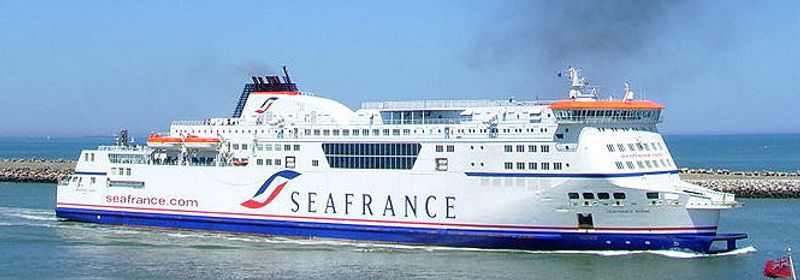
France brings a certain elegance to the cruise world, which perfectly mirrors its national reputation for refined taste. French travelers have steadily grown their presence in the global cruise market, with hundreds of thousands of passengers boarding ships each year from ports like Marseille, Le Havre, and Nice.
The Mediterranean is a natural fit for French cruisers who appreciate culture, cuisine, and coastal beauty.
River cruising is particularly beloved in France, with the Seine, Rhone, and Garonne rivers offering stunning domestic routes that attract both French nationals and international visitors. Ocean cruising to destinations like the Caribbean and Northern Europe is also popular among younger French travelers.
Ponant, a French luxury expedition cruise brand, has become a point of national pride, offering voyages to remote polar regions and exotic destinations with distinctly French style. French passengers are discerning, well-educated travelers who respond well to authentic cultural experiences and high-quality culinary offerings onboard.
9. Brazil

Brazil represents one of the most exciting growth stories in the global cruise industry. With a population of over 215 million people and a growing middle class hungry for new travel experiences, Brazil has rapidly climbed the rankings of top cruise-generating nations.
Domestic itineraries along the Brazilian coast are hugely popular, letting passengers enjoy tropical beaches without ever leaving South American waters.
Santos, near Sao Paulo, and Rio de Janeiro serve as the main embarkation points, welcoming thousands of passengers who prefer to explore the region aboard ship. The Brazilian cruise season typically runs from October through March, aligning with the Southern Hemisphere summer.
MSC Cruises has invested significantly in the Brazilian market, homeporting ships locally and tailoring onboard entertainment to Brazilian tastes. Carnival-style energy, live music, and festive atmospheres make Brazilian cruise ships feel like floating celebrations.
The market is expected to keep growing as more Brazilians discover the affordability and variety that cruising offers.
10. China

China was widely considered the most exciting emerging cruise market in the world before the COVID-19 pandemic disrupted nearly all travel. At its peak, the Chinese cruise market was growing at a breathtaking pace, with millions of passengers sailing annually and global cruise lines racing to homeport ships in Shanghai, Tianjin, and Guangzhou.
The sheer size of China’s population made the potential almost limitless.
Chinese cruisers tended to favor short itineraries of three to five nights, often visiting Japan, South Korea, and other nearby Asian destinations. Onboard experiences were tailored to Chinese preferences, including Mandarin-speaking staff, familiar cuisine, and entertainment that resonated with local culture.
Recovery from the pandemic has been slower in China than in Western markets, but the appetite for cruising remains strong among younger urban Chinese consumers. Domestic cruise routes within Chinese waters have been launched to rebuild confidence, and international lines are cautiously re-entering the market with optimism about its long-term potential.
11. Japan

Japan has quietly become one of Asia’s most consistent cruise markets, combining a wealthy, aging population with a deep appreciation for organized, comfortable travel experiences. Japanese cruisers tend to be meticulous planners who value exceptional service, cleanliness, and cultural authenticity onboard.
These preferences have shaped how cruise lines approach the Japanese market with great care.
Domestic Japanese cruise brands like NYK Cruise and Mitsui OSK Passenger Line have long catered to local tastes, offering voyages around the Japanese archipelago and to nearby Asian ports. International cruise lines have also taken notice, positioning ships in Yokohama and Kobe to tap into demand.
Japan’s ports, from Nagasaki to Okinawa, are among the most beautiful in all of Asia, making the country both a source and a destination for cruise travelers. As Japan continues to ease travel restrictions and promote tourism, its cruise market is expected to grow steadily over the coming decade.
12. Singapore
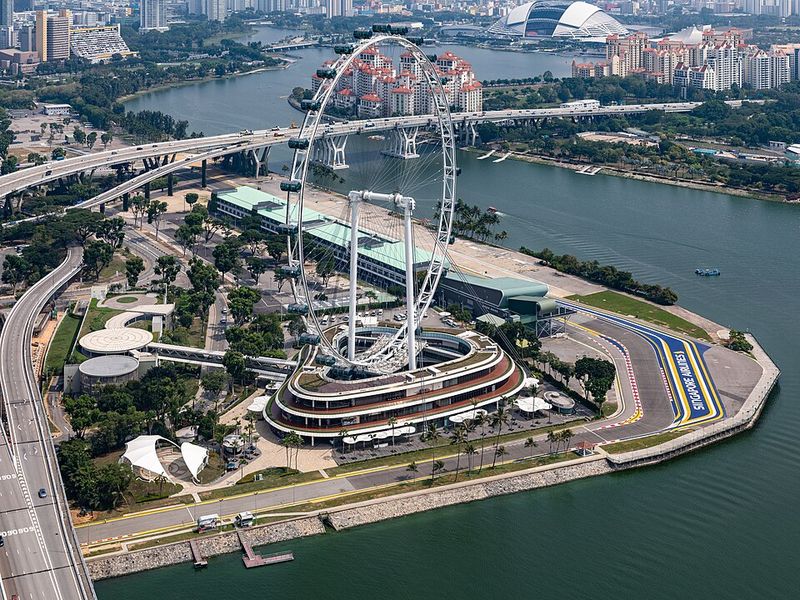
Singapore may be one of the smallest countries on this list, but its outsized influence on the Southeast Asian cruise market is undeniable. Positioned at a strategic crossroads between the Indian Ocean and the South China Sea, Singapore serves as one of the most important cruise hubs in all of Asia.
Its world-class Marina Bay Cruise Centre handles millions of passengers annually.
Singaporean cruisers are sophisticated, internationally minded travelers who appreciate premium experiences and seamless logistics. Short getaway cruises to nearby destinations like Malaysia, Indonesia, and Thailand are especially popular among working professionals looking for quick escapes.
Royal Caribbean, Norwegian Cruise Line, and Costa Cruises have all homeported ships in Singapore at various times, recognizing the city-state’s enormous potential as both a source market and a transit hub. Singapore’s multicultural population also means cruise lines can offer diverse culinary and entertainment options that resonate across ethnic and cultural backgrounds.
The market here continues to thrive.
13. Netherlands
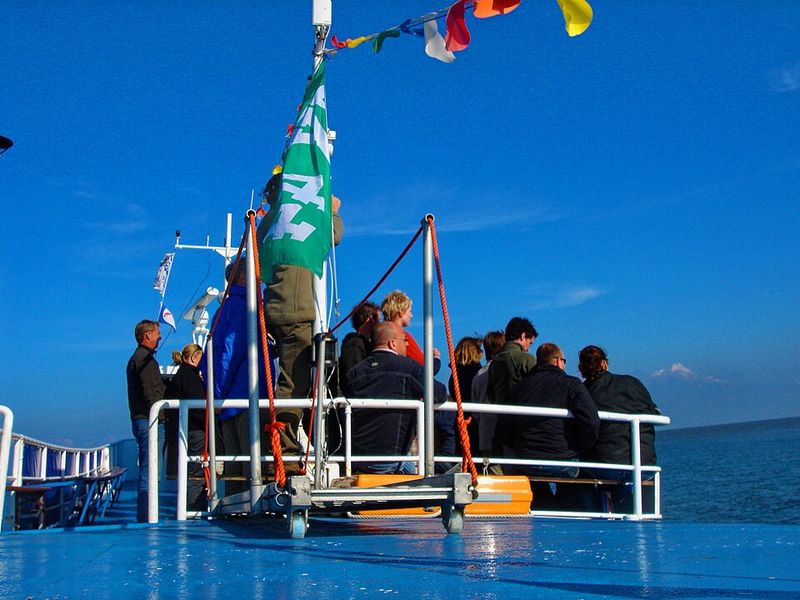
The Netherlands has a maritime heritage stretching back centuries, and that seafaring spirit lives on in its modern cruise market. Dutch travelers are among the most well-traveled people in Europe, and cruising fits naturally into their love of exploration and discovery.
Holland America Line, one of the world’s most respected cruise brands, takes its very name from this seafaring nation.
Dutch cruisers tend to favor longer voyages and off-the-beaten-path itineraries, preferring expedition cruises to polar regions, river voyages through Europe, and ocean crossings that take them far from familiar shores. Quality and authenticity matter deeply to this group of travelers.
Rotterdam and Amsterdam both serve as embarkation points for river and ocean cruises, giving Dutch passengers convenient access to a wide range of departure options. The Netherlands punches above its weight given its relatively small population, demonstrating that passion for travel can overcome geographic and demographic limitations when the enthusiasm is genuine and deeply rooted.
14. Belgium
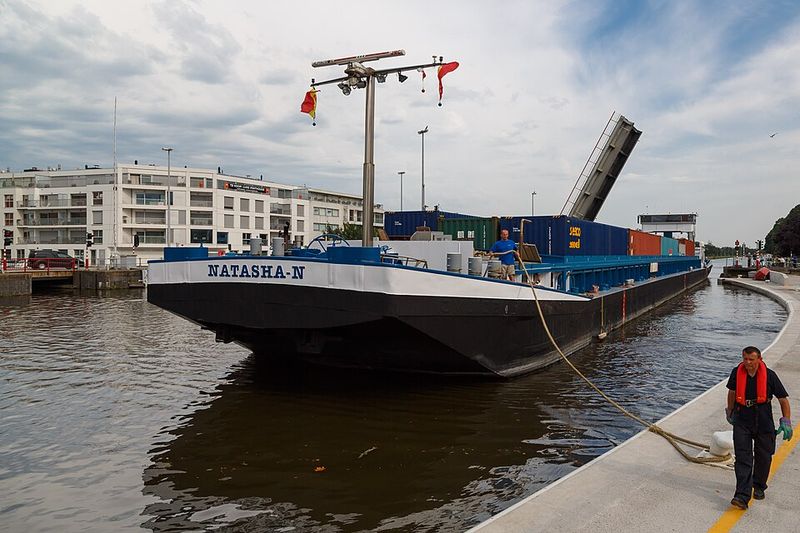
Belgium might be a small country, but its cruise market reflects the broader European trend of rising enthusiasm for sea travel. Belgian travelers are known for being culturally curious and budget-conscious, often seeking cruises that offer multiple destinations at a reasonable price.
The country’s central location in Western Europe gives Belgians easy access to major departure ports in the Netherlands, France, and the United Kingdom.
Antwerp, one of Europe’s greatest port cities, also welcomes cruise ships and serves as a departure point for river voyages along the Rhine and Danube. Belgian cruisers frequently favor river cruising as a way to explore European history and culture at a relaxed pace.
Ocean cruises to the Mediterranean and Caribbean are popular among Belgian families and retirees looking for warm-weather escapes. While Belgium does not have a homegrown cruise brand of its own, its citizens are loyal and enthusiastic customers of major European and American lines, contributing meaningfully to regional cruise industry numbers.
15. Switzerland

Switzerland presents one of the most fascinating cases in the global cruise market. As a landlocked country with no coastline whatsoever, Switzerland has zero ports of its own, yet Swiss citizens are among the most enthusiastic cruise travelers in all of Europe.
This speaks volumes about how much the Swiss value travel, comfort, and high-quality experiences, regardless of geographic limitations.
Swiss cruisers typically fly to embarkation ports in Germany, France, Italy, or the Netherlands, then board ships heading to the Mediterranean, Northern Europe, or beyond. River cruises along the Rhine, which flows through Switzerland itself, are especially popular and offer a scenic connection between the country and the broader European waterway network.
Swiss travelers are known for their high spending power and preference for premium cruise experiences. Luxury and expedition lines find Switzerland to be a particularly valuable market.
The Swiss passion for precision, cleanliness, and exceptional service aligns naturally with what the best cruise lines work hard to deliver.
Share this story