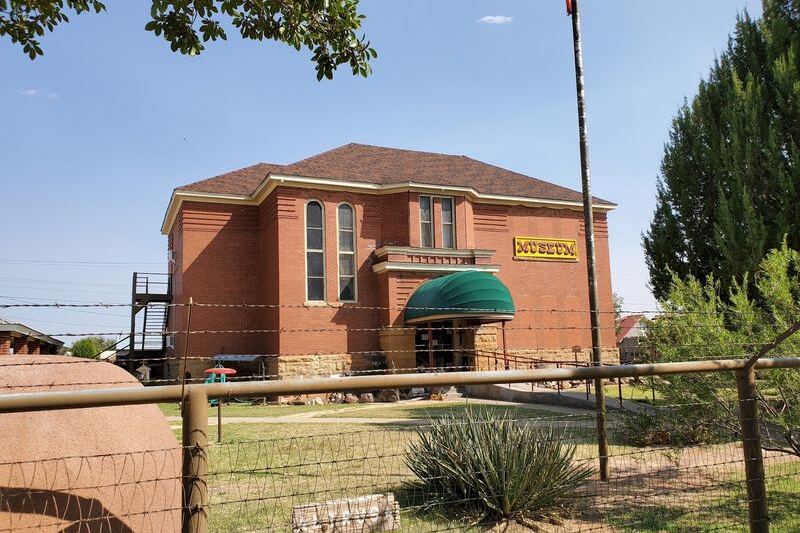
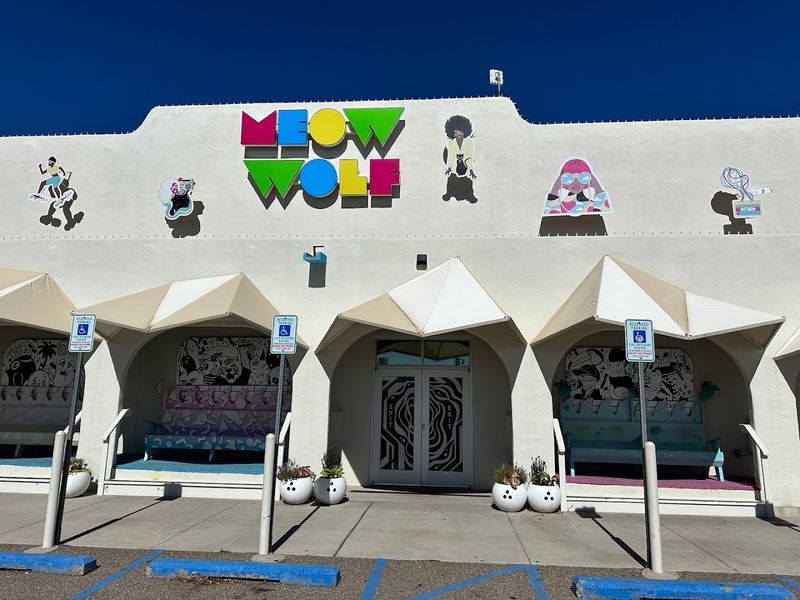
There is a building in Santa Fe, New Mexico that looks completely unremarkable from the outside. No flashing signs, no grand entrance, nothing that hints at what waits on the other side of the door.
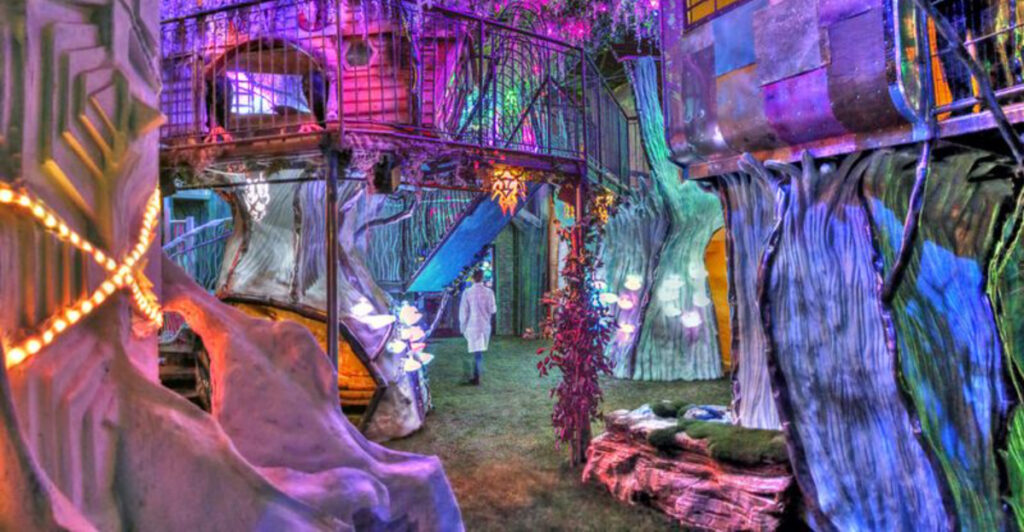
But once that door opens, the ordinary world disappears entirely. What unfolds inside is a 20,000-square-foot labyrinth of interconnected rooms, hidden passages, crawl-through portals, and art installations that defy easy description.
This is the original Meow Wolf location, the one that started it all, and it has been drawing curious travelers, families, and art lovers to Santa Fe since 2016. Built inside a former bowling alley and co-created with author George R.R.
Martin, this place operates on its own logic entirely. The story embedded within its walls, the details tucked into every corner, and the sheer scale of creative ambition on display make it one of the most genuinely unusual destinations in the American Southwest.
The Origin Story Behind the Madness
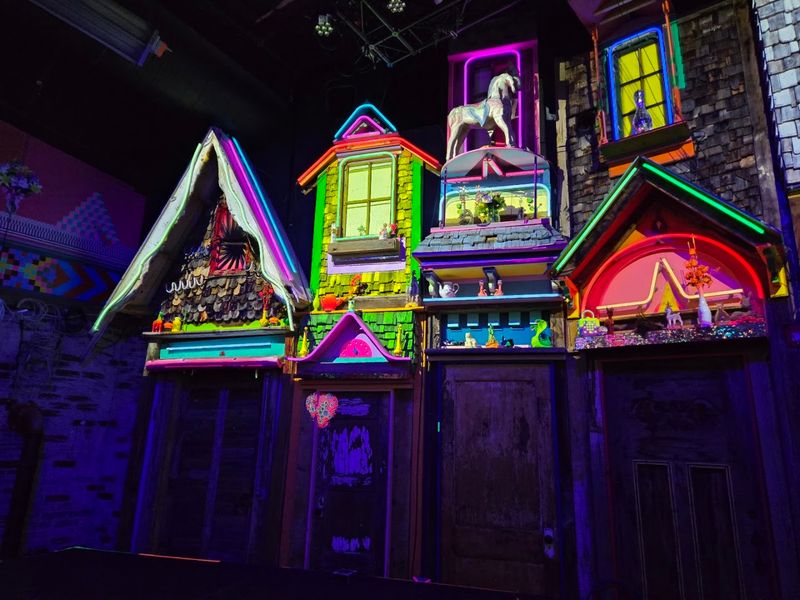
Meow Wolf began in 2008 as a scrappy collective of artists in Santa Fe who wanted to build large-scale, immersive art experiences that broke every conventional gallery rule.
The group started with pop-up shows and experimental installations before landing on the idea of a permanent, walk-through narrative environment.
The turning point came when author George R.R. Martin, already a longtime Santa Fe resident, stepped in to help purchase and renovate the former bowling alley that would become the House of Eternal Return.
His involvement gave the project financial stability and national attention, but the creative vision remained firmly rooted in the original Meow Wolf collective.
The exhibit opened in March 2016 and became an almost immediate cultural phenomenon, drawing visitors from across the country and eventually inspiring additional Meow Wolf locations in Denver, Las Vegas, and Grapevine, Texas.
The Santa Fe location remains the original, the blueprint, and for many fans, still the best of them all.
The House at the Center of Everything
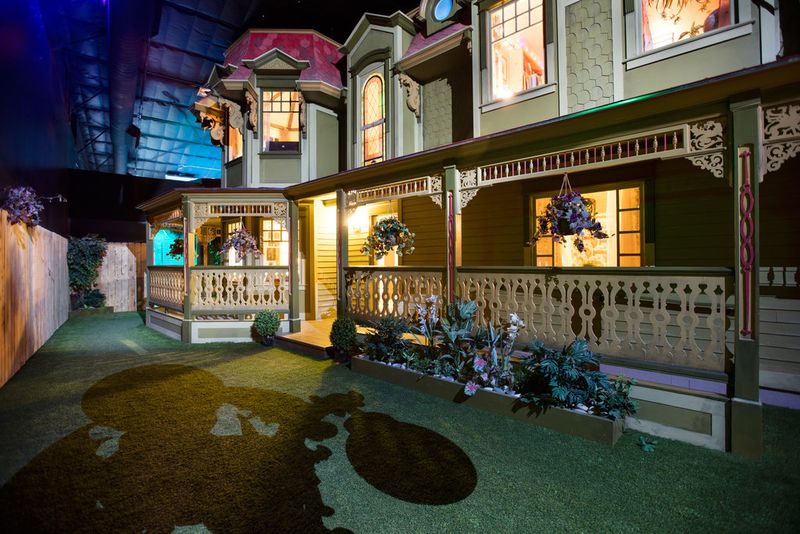
The central structure inside the House of Eternal Return is an actual house, a fully built domestic environment complete with a kitchen, living room, bedrooms, and a basement.
From the outside it looks like a normal family home, but every door, cabinet, fireplace, and appliance opens into something completely unexpected.
The house belongs to the fictional Selig family, whose mysterious disappearance forms the backbone of the narrative threaded throughout the entire exhibit.
Personal objects, handwritten notes, and family photographs are scattered throughout the rooms, each offering fragments of a larger story that visitors can piece together at their own pace.
Some guests spend their entire visit inside the house alone, reading every document and opening every drawer, while others treat it as a starting point before venturing into the stranger dimensions that branch off from it.
Either approach works, and that flexibility is one of the things that makes the experience so consistently rewarding across multiple visits.
Hidden Doors and Secret Passages Everywhere
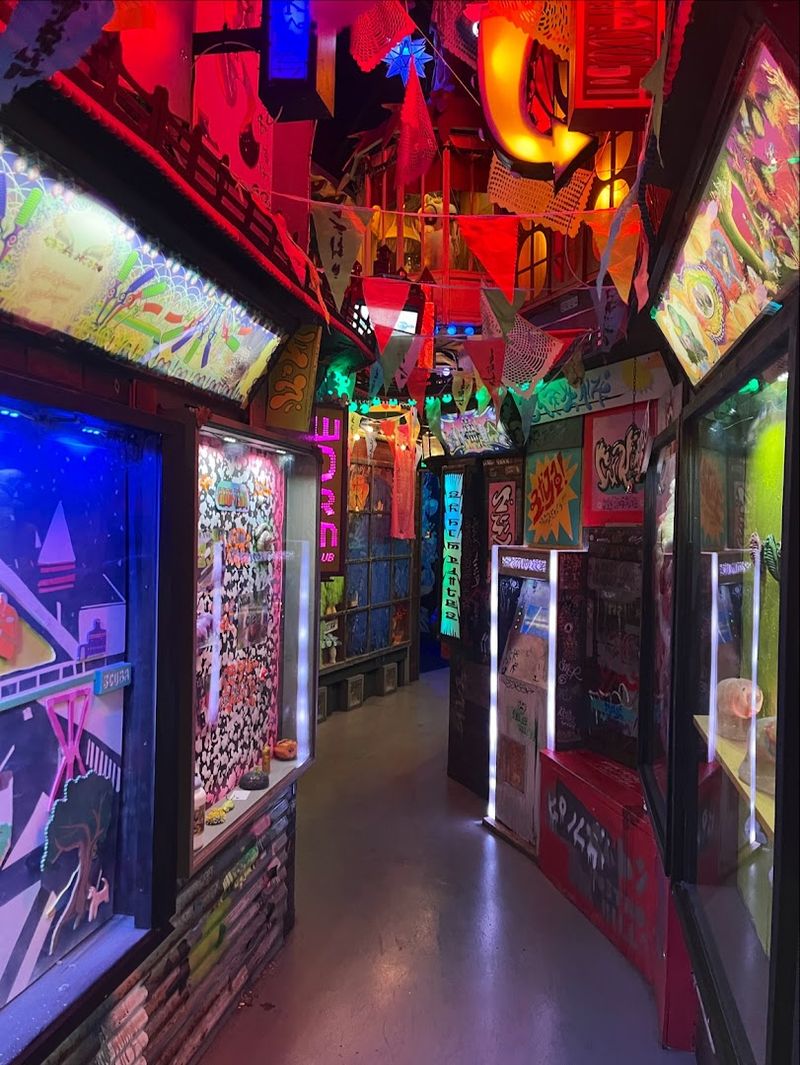
One of the most talked-about features of the House of Eternal Return is the sheer number of hidden entrances, disguised doors, and secret passages built into every corner of the space.
Refrigerators open into glowing tunnels. Fireplaces lead to entirely different rooms.
Panels in walls slide back to reveal crawl-through passages that connect one surreal environment to the next.
The discovery element is a core part of what keeps people coming back for multiple visits, because it is nearly impossible to find everything in a single trip.
Children tend to be particularly skilled at locating hidden entrances, partly because some of the smaller passages are sized for younger explorers.
Adults can access most of the same spaces, though some routes require crouching or crawling, so comfortable clothing and shoes make a real difference.
The advice repeated most often by repeat visitors is simple: open every single door you come across, because something worth finding is almost always waiting on the other side.
The Narrative Thread You Can Choose to Follow
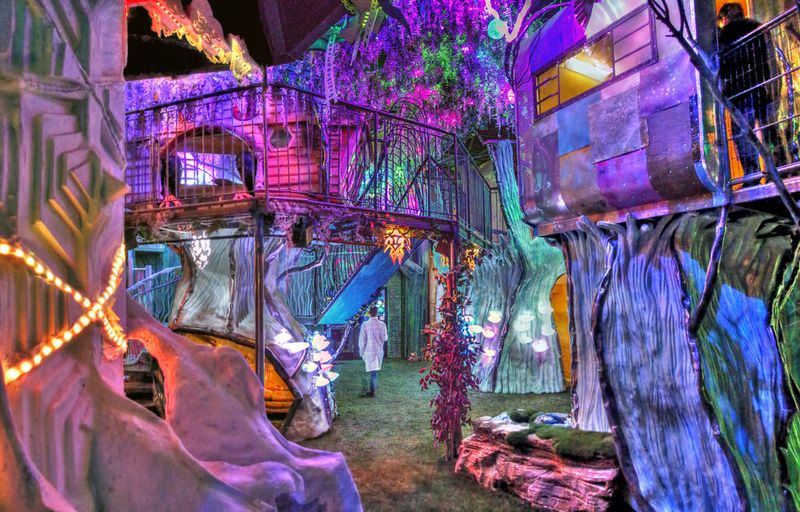
The House of Eternal Return is not just an art exhibit. It contains a fully developed science fiction narrative about the Selig family, interdimensional travel, and a mystery that visitors can actively investigate.
The story is embedded in physical objects throughout the space, including letters, journals, computer terminals, and recorded messages that reveal pieces of the larger plot.
Following the narrative is entirely optional, which is part of its appeal. Some visitors spend hours reading every document and connecting story threads, while others simply wander and enjoy the visual experience without engaging with the plot at all.
Both approaches are completely valid, and the exhibit is designed to reward either choice.
For those who want to go deep, the mystery is genuinely layered and takes more than one visit to fully unpack.
The open-ended nature of the storytelling means there is no single correct interpretation, which keeps the experience fresh no matter how many times someone returns.
A Two-Story Labyrinth With No Wrong Turns

The exhibit spans two full stories, with staircases, ramps, and ladders connecting different levels of the space in ways that do not always follow conventional architectural logic.
Rooms open into other rooms, hallways curve unexpectedly, and the layout is deliberately non-linear so that no two visits feel exactly the same.
There are typically two or three different routes leading to most areas, which means visitors with mobility considerations can still access the majority of the experience without needing to use the smaller crawl-through passages.
The space can feel busy during peak hours, particularly on weekends, and some of the narrower corridors require a bit of patience when groups are moving through.
Weekday visits and evening hours tend to be less crowded, which allows for a more relaxed exploration pace.
Plan for a minimum of two hours, though three hours is a more realistic target for anyone who wants to take the experience seriously rather than rush through it.
What Makes the Art Actually Unforgettable
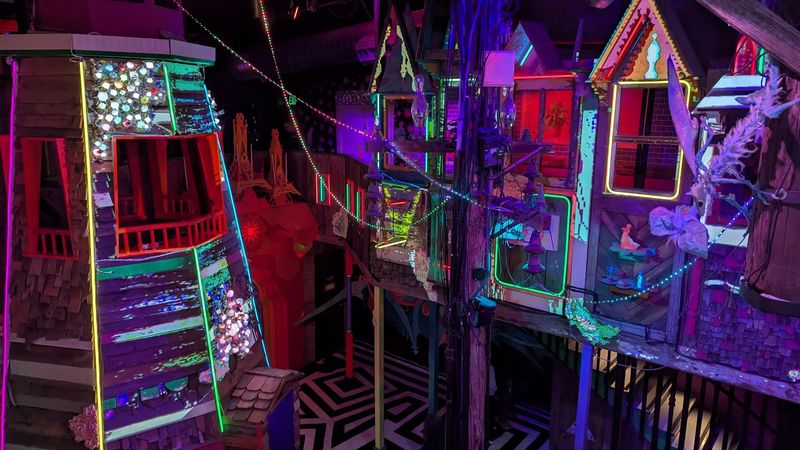
The artwork inside the House of Eternal Return was created by over 100 local and national artists, and the range of styles, materials, and concepts on display is genuinely staggering.
There are monochromatic rooms where every object, from furniture to food to light fixtures, exists in a single color. There are tree houses built into the interior of the building.
There are rooms lined with bioluminescent-style installations that react to movement and touch.
Many of the pieces are fully interactive, meaning visitors are not just looking at art but physically engaging with it by pressing buttons, pulling levers, playing instruments, or crawling through sculptural tunnels.
The scale of individual installations is also worth noting. These are not small gallery pieces but room-sized environments that take serious time to fully absorb.
The level of craft and detail packed into every corner of the space is the thing that consistently surprises first-time visitors, even those who arrive with high expectations.
Perfect for Families, With a Few Things to Know

Families make up a significant portion of the House of Eternal Return’s regular audience, and the exhibit is genuinely well-suited to mixed-age groups.
Children tend to thrive in the space because everything is touchable, many installations respond to interaction with light or sound, and the hidden passages and secret doors turn the whole visit into a kind of real-world adventure game.
Older kids, particularly those in the 8-to-12 range, often get especially absorbed in the narrative mystery elements and the scavenger-hunt quality of the exploration.
Very young children may find some of the darker or more abstract rooms a bit overwhelming, so parents of toddlers and infants should be prepared to navigate that.
Strollers are not practical inside the exhibit itself due to narrow passages and uneven surfaces.
The overall consensus among families who have visited is that the experience is worth the time and cost, particularly for children who are curious, creative, or easily bored by conventional museums.
Practical Tips Before You Buy Your Ticket
Buying tickets online in advance is strongly recommended, and not just to avoid lines. The House of Eternal Return uses timed entry, and popular time slots, especially on weekends and holidays, can sell out well ahead of the date.
Tickets are also subject to dynamic pricing, meaning the cost varies depending on the day and time selected. Weekday and evening slots tend to be less expensive than weekend afternoons.
Comfortable, close-toed shoes are a practical necessity rather than a suggestion. The space involves walking on a variety of surfaces, climbing stairs, and potentially crawling through low passages.
Loose, flexible clothing makes the crawl-through elements much easier to navigate.
Lockers are available on site for storing bags and extra gear, and tokens for the lockers can be purchased at the venue. The gift shop, which earns consistent praise on its own, is located near the exit and carries a wide range of Meow Wolf merchandise.
The Cafe, the Gift Shop, and Everything in Between

The House of Eternal Return includes an on-site cafe that serves snacks and drinks, making it easy to refuel without leaving the venue mid-visit.
The food and drink offerings have developed a following of their own among repeat visitors, and the cafe is worth building into the visit rather than skipping past.
The gift shop is frequently described as one of the better museum shops in the region, stocking original art prints, branded apparel, accessories, and novelty items that reflect the creative identity of the broader Meow Wolf brand.
Many visitors end up spending more time in the gift shop than they expected, which is a reasonably reliable sign that the merchandise is genuinely compelling rather than generic.
There are also coin-operated toy and sticker machines near the locker area that add an extra layer of nostalgic fun for younger visitors.
If visiting with a group, it helps to agree on a meeting point near the entrance or gift shop, since cell service inside the exhibit can be inconsistent.
Why Repeat Visitors Keep Coming Back

A notable pattern among people who have been to the House of Eternal Return more than once is that they consistently report finding new things on each subsequent visit.
The sheer density of detail built into the space makes complete exploration in a single trip nearly impossible, and the non-linear layout means that different entry points lead to different discovery sequences.
Some visitors come back specifically to focus on the narrative elements they glossed over the first time. Others return to spend more time with individual art pieces they rushed past during an earlier visit.
The experience also changes depending on who you bring along. Going with a group of adults who want to follow the story produces a completely different visit than going with young children who want to crawl through everything as fast as possible.
That adaptability is one of the House of Eternal Return’s most underrated qualities, and it helps explain why so many people list it as a place they plan to return to.
The Exhibit That Inspired a National Movement

The Santa Fe location is widely referred to as the OG, the original Meow Wolf experience that proved the concept could work at scale and inspired every location that followed.
When the House of Eternal Return opened in 2016, there was nothing quite like it operating in the United States at that size and level of production quality.
Its success created a template for immersive, narrative-driven art environments that has since been replicated not just by Meow Wolf itself but by a broader wave of experiential art venues that emerged across the country in the years that followed.
Visitors who have been to the Denver, Las Vegas, or Grapevine locations often describe the Santa Fe original as feeling more personal and more densely packed with discoverable details, even though the newer locations are physically larger.
There is something about the scale and intimacy of the original that the larger venues have not entirely replicated, which is part of why the Santa Fe location retains its reputation as the best of the series.
Accessibility and What to Expect if You Have Mobility Needs

The House of Eternal Return is a physically active environment, and it is worth knowing in advance that not every area of the exhibit is accessible to visitors who use wheelchairs or have significant mobility limitations.
Many of the secret passages and crawl-through tunnels are not designed for wheeled mobility assistance, and some staircases connect levels that do not have elevator alternatives.
That said, the majority of the exhibit’s main rooms and larger installations are reachable without needing to use the smaller passages, and most areas have multiple routes leading to them.
The staff at the venue are consistently described as helpful and communicative when it comes to navigating accessibility questions, so reaching out in advance or speaking with someone at the entrance is a good first step.
Gender-neutral restroom options are available on site, and the venue has made efforts to be welcoming to visitors across a wide range of needs and backgrounds.
Planning ahead makes a real difference in getting the most out of the visit.
Photography Inside the Multiverse
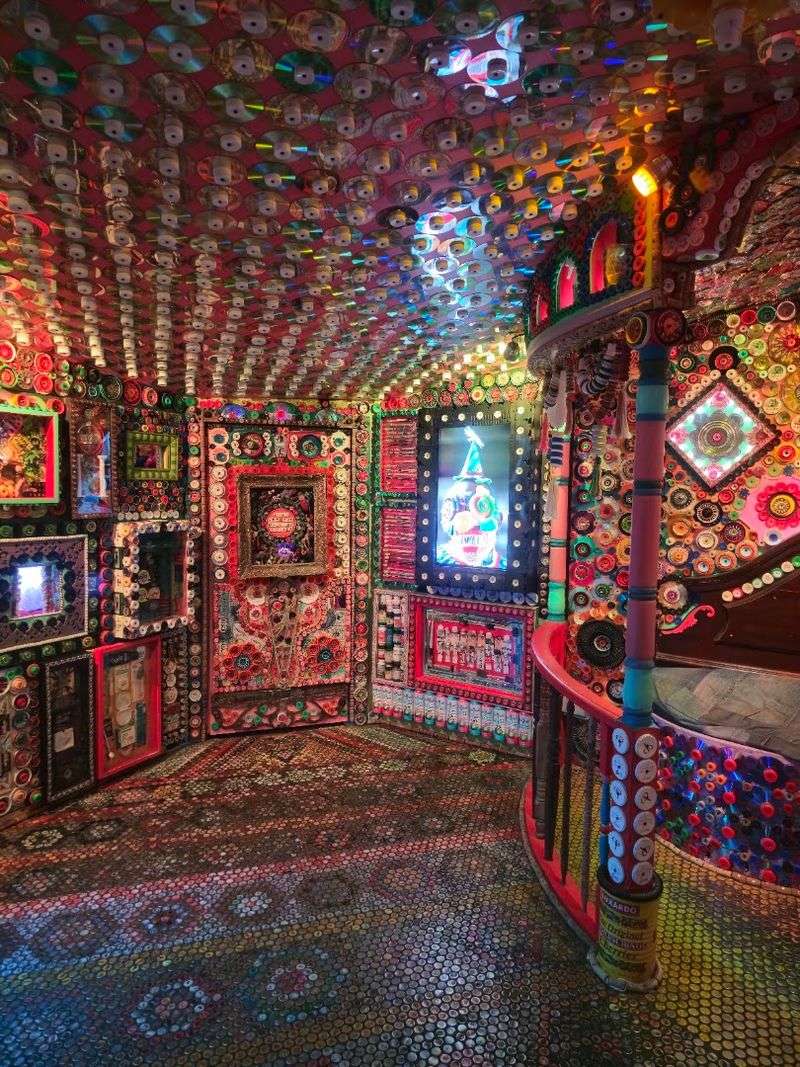
The House of Eternal Return is one of the most photographed interior spaces in New Mexico, and it earns that status without much effort.
Almost every room contains at least one installation that functions as a striking visual backdrop, and the combination of dramatic lighting, bold color choices, and surreal subject matter makes it easy to capture compelling images without any special photography skills.
The monochromatic rooms, the glowing tunnel passages, the treehouse structures, and the house interior all produce very different visual results, so bringing a fully charged phone or camera is genuinely worthwhile.
Video is also popular inside the exhibit, and many visitors capture short walk-through clips of the transition moments between rooms, where the shift from one environment to another is most visually striking.
There are no restrictions on personal photography inside the exhibit, which keeps the experience open and shareable.
The only practical challenge is managing crowds in the more popular rooms, where patience is occasionally required before a clear shot is possible.
The Bigger Picture: Why This Place Matters
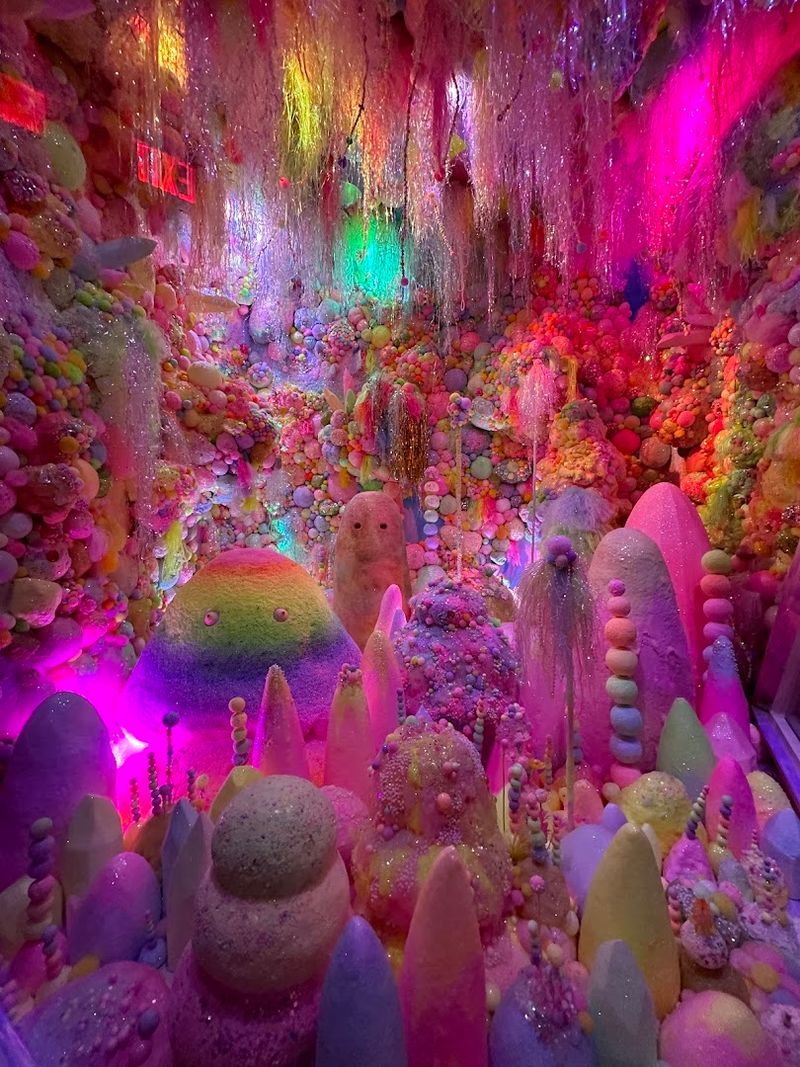
The House of Eternal Return is not just a tourist attraction. It is a working example of what happens when a community of artists is given the resources and space to build something entirely on their own terms.
The original Meow Wolf collective was made up of working artists who were largely operating outside the mainstream art world, and the House of Eternal Return was their attempt to create something that reached people who might never set foot in a conventional gallery.
By nearly every measure, that experiment succeeded. The Santa Fe location has welcomed millions of visitors since opening, generated significant economic activity in the surrounding area, and helped establish a new category of cultural destination that blends art, storytelling, and interactive design.
For Santa Fe, already one of the most arts-rich cities in the United States, the House of Eternal Return added something genuinely new rather than just another variation on what already existed.
That combination of artistic ambition and broad accessibility is what gives it a lasting place in the cultural life of New Mexico.
Where the Dreamworld Begins: Address and Location
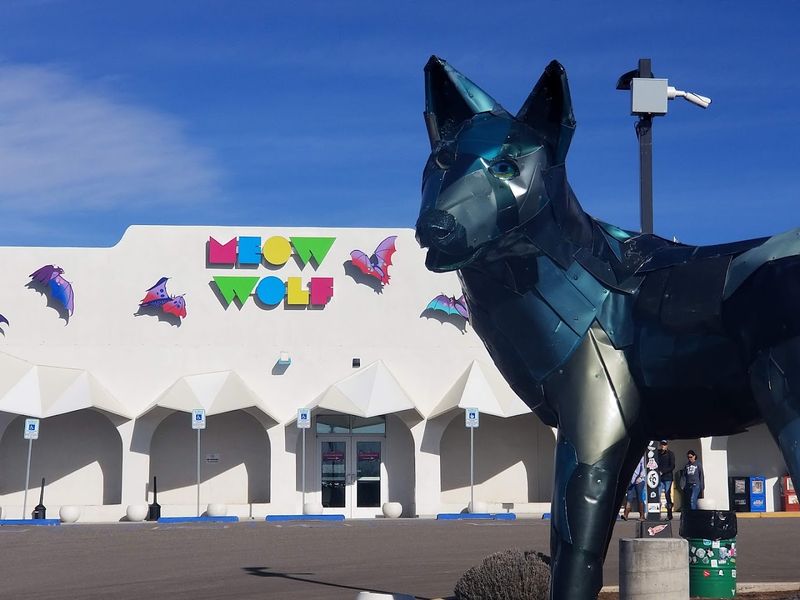
At 1352 Rufina Cir, Santa Fe, NM 87507, the House of Eternal Return occupies a converted bowling alley in a light industrial neighborhood that gives almost nothing away from the outside.
The building sits quietly among warehouses and commercial spaces, which makes the contrast between exterior and interior one of the more disorienting experiences in New Mexico travel.
Santa Fe is already known for its deep arts culture, its adobe architecture, and its world-class museums, so adding a 20,000-square-foot interactive art environment to that mix was a bold move that paid off in a major way.
The location is easy to reach by car, and parking is available on site. The address is straightforward to find using any navigation app, and the surrounding neighborhood is calm and accessible.
Hours run from 10 AM to 8 PM every day of the week, which gives visitors plenty of flexibility to plan their trip around other Santa Fe activities.
Share this story