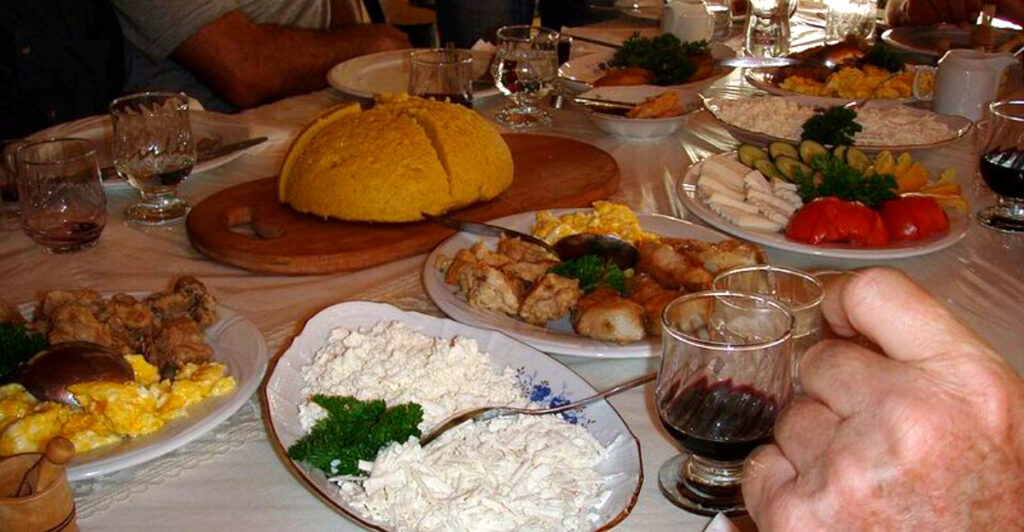
Food is one of the most personal parts of travel. What one person considers a delicious adventure, another might find completely off-putting.
Some countries are especially known for serving dishes that split opinions right down the middle. From fermented fish to thick stews and offal-heavy plates, these 15 countries have cuisines that travelers either fall in love with or quietly avoid.
1. Finland
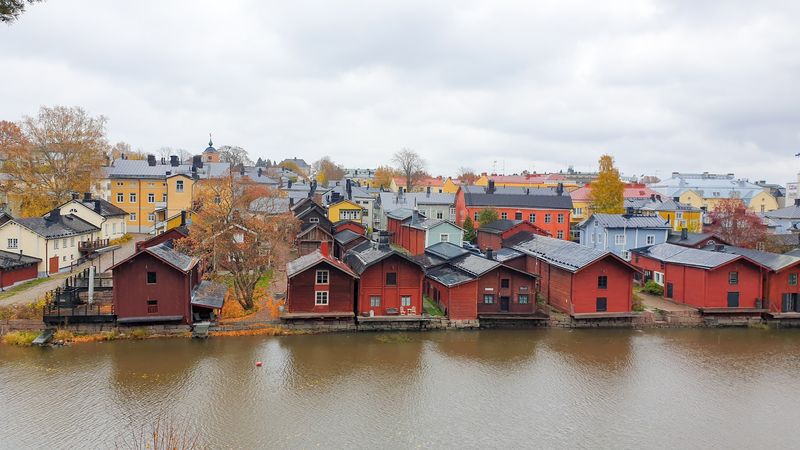
Finnish food is honest, simple, and deeply tied to nature. But for many travelers, that simplicity can feel a bit too plain.
Rye bread is a staple here, and it is dense, dark, and quite sour compared to what most visitors are used to eating.
Then there is salmiakki, a salty licorice candy that Finns absolutely love. Most international visitors take one bite and immediately regret it.
Even the more traditional dishes like mämmi, a dark rye pudding eaten at Easter, tend to look unappetizing to outsiders.
Finland also has a strong culture around fermented and preserved foods, partly because of its long, harsh winters. Smoked fish, especially vendace and Baltic herring, is a common sight at markets.
Some travelers find these flavors wonderfully earthy, while others struggle to get past the strong smell. Finnish cuisine rewards patience and an open mind.
2. Iceland

Iceland’s food scene has a reputation that arrives before you even land. Hakarl, the famous fermented Greenlandic shark, is probably the most talked-about dish in the country.
It smells strongly of ammonia and has a texture that many travelers describe as challenging at best.
Anthony Bourdain once called it the single worst thing he had ever eaten. That kind of press tends to stick.
However, Iceland also offers incredibly fresh seafood, hearty lamb dishes, and warming soups that many visitors absolutely love.
The divide usually comes down to whether a traveler is willing to go beyond the tourist-friendly menus. Svid, a dish of boiled sheep’s head, and lifrarpylsa, a liver sausage, are traditional foods that locals enjoy but that many outsiders pass on quickly.
Iceland’s food culture is deeply rooted in survival and resourcefulness, which makes it fascinating even when the flavors are hard to embrace.
3. Norway

Norway has a coastline that produces some of the finest seafood in the world, and yet its traditional cuisine still manages to divide visitors sharply. Lutefisk is perhaps the most notorious example.
It is dried whitefish that has been soaked in lye, which gives it a gelatinous, slippery texture that most non-Norwegians find deeply off-putting.
Rakfisk is another dish that raises eyebrows. It is trout that has been fermented for months, and the smell alone is enough to send some travelers running.
Norwegians often eat it with flatbread, sour cream, and onions during the winter season.
On the other hand, Norway’s fresh salmon, king crab, and brown cheese called brunost win plenty of fans. Brunost has a sweet, slightly caramel flavor that surprises people in a good way.
Norwegian cuisine is a tale of two extremes, and where a traveler lands depends entirely on their sense of adventure.
4. Sweden
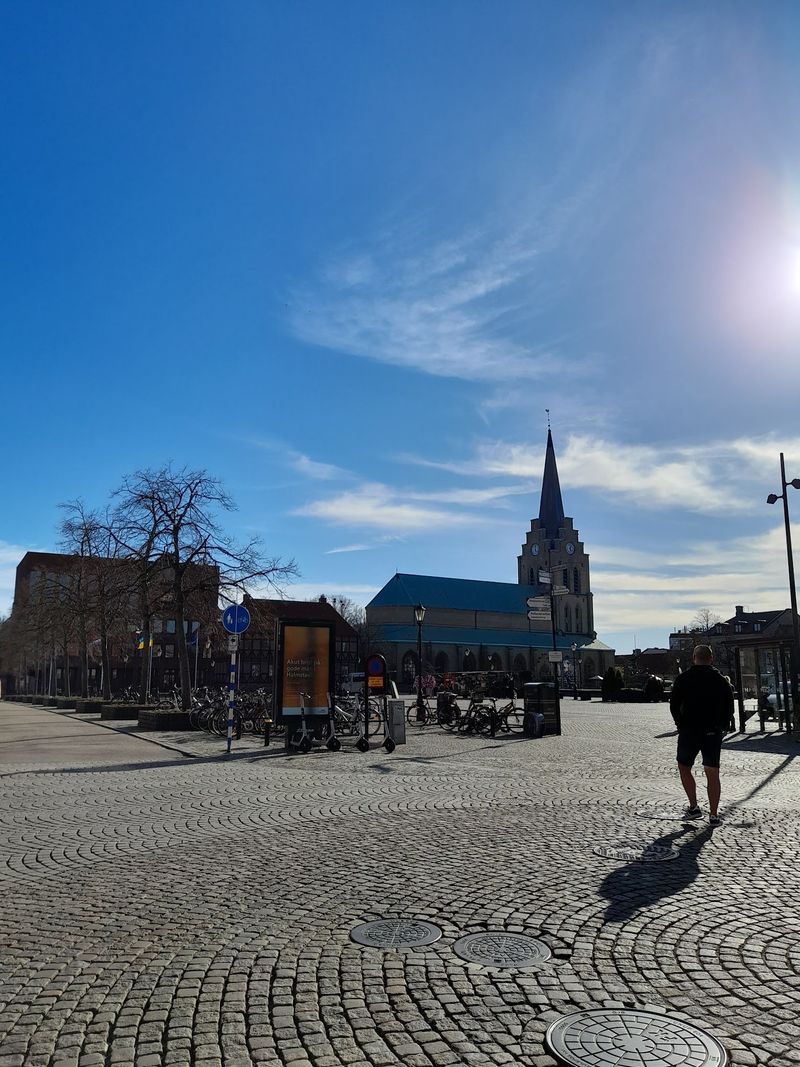
Sweden is home to one of the most polarizing canned foods on the planet: surstromming. This fermented Baltic herring is so pungent that it is actually banned in some apartment buildings across Europe.
Opening a can outdoors is strongly recommended, and even then, neighbors may complain.
Yet Sweden also gave the world the beloved smorgasbord, a generous spread of cold and warm dishes that most visitors find genuinely enjoyable. Swedish meatballs with lingonberry jam have become internationally famous for good reason.
They are comforting, flavorful, and crowd-pleasing.
The real divide in Swedish cuisine comes from its love of pickled and fermented ingredients. Pickled herring appears at nearly every holiday table in multiple flavors, from mustard to dill to onion.
Some travelers embrace these bold, briny tastes wholeheartedly. Others politely move on to the crispbread and cheese.
Sweden’s food culture is rich and layered, and it rewards curious eaters who are willing to explore beyond the meatballs.
5. Denmark
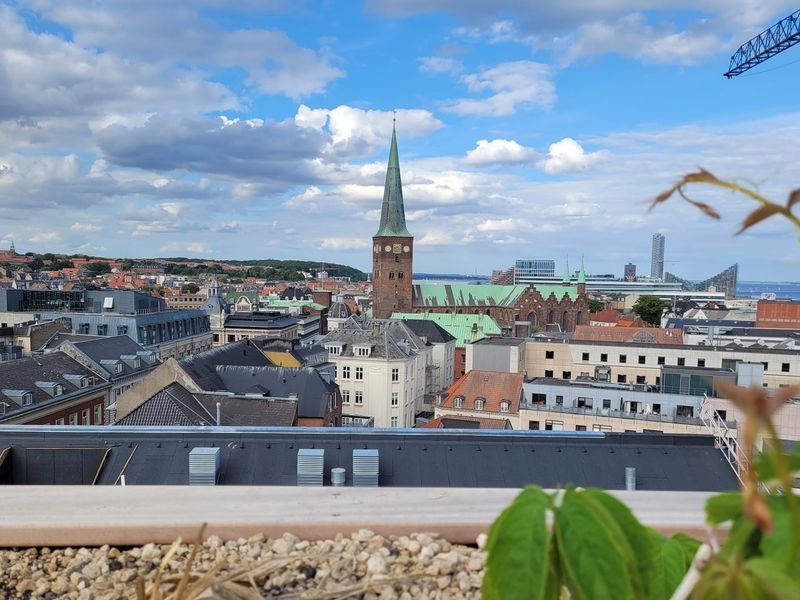
Denmark punches above its weight in the global food conversation, largely thanks to the New Nordic movement and restaurants like Noma. But traditional Danish food is a different story, and it tends to split travelers right down the middle.
Smørrebrød, the open-faced rye bread sandwich, is a cornerstone of Danish eating culture. The combinations can range from roast beef and remoulade to pickled herring and raw onion.
For travelers used to lighter lunches, the dense rye base and strong toppings can feel heavy and overpowering.
Flæskesteg, a crispy roast pork with crackling, is a holiday staple that many visitors actually enjoy quite a lot. The problem arises with dishes like stegt flæsk, fried pork belly served with parsley sauce, which some find too rich and fatty.
Danish food is built for cold winters and hardworking bodies, and not every traveler’s palate is prepared for that kind of hearty, no-frills eating.
6. Ireland

Irish food has a reputation problem that is not entirely fair. For decades, it was dismissed as bland, boiled, and uninspiring.
While modern Irish cooking has evolved enormously, traditional dishes still divide opinions among travelers who come expecting something more complex.
Coddle is a good example. This Dublin stew made from leftover sausages, bacon, potatoes, and onions is deeply comforting to locals but can seem underwhelming to visitors expecting bold flavors.
Similarly, black pudding, a blood sausage served at breakfast, is something many travelers either love immediately or quietly push to the side of their plate.
Ireland’s dairy and seafood, however, are genuinely world-class. The butter is incredibly rich, the oysters are famous globally, and the smoked salmon is outstanding.
Many travelers are surprised by how good the ingredients are once they move past the stereotype. Irish food rewards those who look beyond the potato jokes and give it a fair chance.
7. England (United Kingdom)

English food has been the punchline of food jokes for generations, and while that reputation is somewhat outdated, it still shapes how travelers approach British cuisine. The full English breakfast is both beloved and bewildering to many visitors.
Baked beans on toast, black pudding, and fried bread all on the same plate can feel like sensory overload.
Haggis, technically Scottish but eaten across the UK, is another dish that stops many travelers cold. Made from sheep’s offal mixed with oatmeal and spices, it tastes much better than it sounds, but getting past the description is the first challenge.
Spotted dick, bread and butter pudding, and jellied eels from London’s East End all have devoted fans and equally passionate critics. British pub food, especially fish and chips, wins almost universal praise.
England’s food culture is wonderfully eccentric, and part of the fun is never quite knowing what to expect from the menu.
8. Netherlands
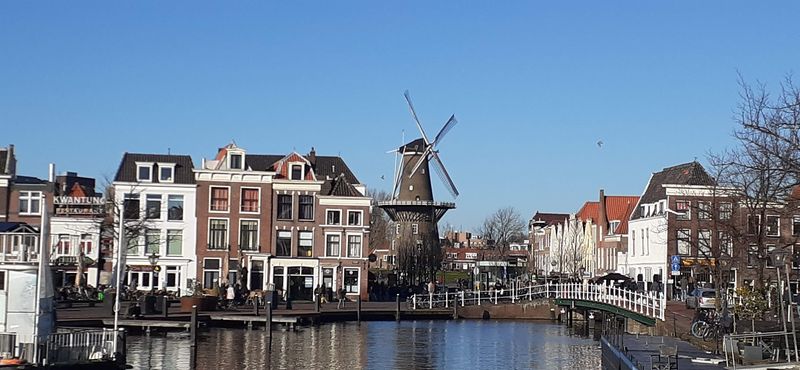
Dutch food rarely makes it onto lists of the world’s great cuisines, but it has a devoted following among those who appreciate straightforward, filling meals. The dish that divides travelers most sharply is haring, raw herring eaten with chopped onions and pickles.
Locals tilt their heads back and drop the fish in whole, right off the street.
Watching someone eat haring for the first time is a memorable experience. Some travelers embrace it immediately and become instant converts.
Others take one sniff and decide that a stroopwafel from the nearest bakery is a much safer choice.
Dutch stamppot, a mashed potato dish mixed with vegetables and topped with smoked sausage, is hearty winter comfort food that most visitors find quite approachable. Poffertjes, tiny fluffy pancakes dusted with powdered sugar, are almost universally loved.
The Netherlands has a food culture that ranges from the simple and sweet to the raw and briny, and that contrast keeps travelers guessing.
9. Estonia
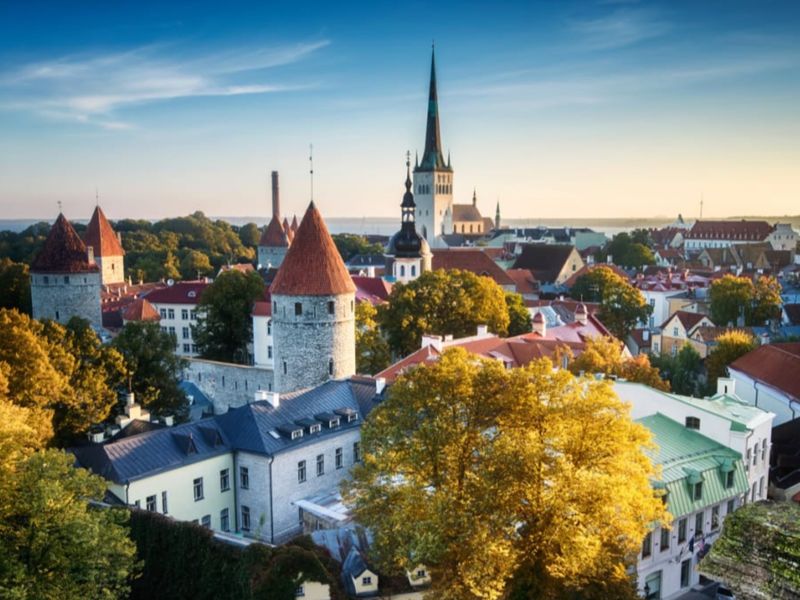
Estonia sits at a cultural crossroads between Scandinavia and Eastern Europe, and its food reflects that complicated history in every bite. For many travelers, Estonian cuisine feels unfamiliar in a way that is hard to place.
It is neither fully Nordic nor fully Slavic, and that in-between quality can be disorienting.
Blood sausage, called verivorst, is a Christmas tradition that locals cherish and visitors approach with caution. It is served with sauerkraut and lingonberry jam, and the combination is more balanced than it sounds.
Kama, a flour made from roasted grains mixed with buttermilk or kefir, is a traditional Estonian energy food that tastes quite earthy and grainy to unaccustomed palates.
Estonia’s smoked fish and hearty rye bread are generally well-received by travelers. The country’s food scene in Tallinn has also grown significantly, with modern restaurants reinterpreting old recipes in exciting ways.
Estonian food is understated and worth exploring slowly.
10. Latvia
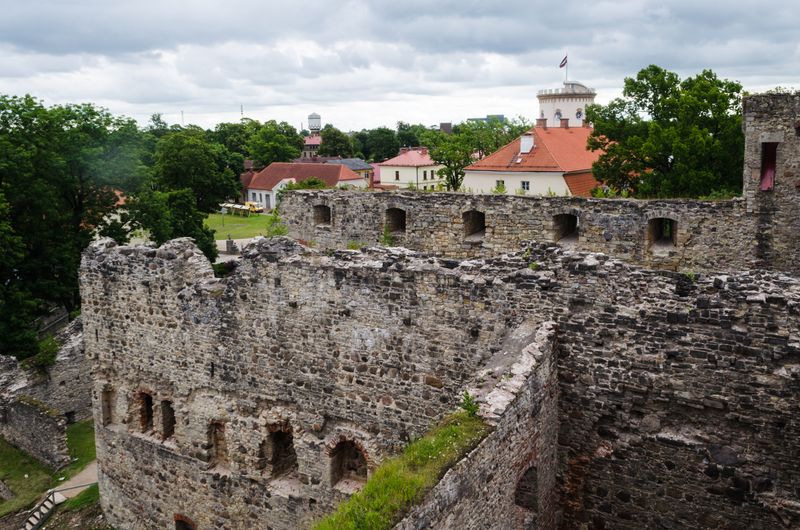
Latvian food is built for endurance. Cold winters, hard labor, and limited resources historically shaped a cuisine that is dense, smoky, and filling.
For travelers used to lighter Mediterranean flavors, it can feel like a significant adjustment.
Grey peas with smoked bacon is Latvia’s unofficial national dish and a point of quiet pride for locals. The peas are soft, the bacon is deeply smoky, and the whole dish is served simply with bread.
Many travelers find it surprisingly satisfying once they get past its modest appearance.
Sklandrausis, a rye pastry filled with carrots and potatoes, is a traditional dish that has even earned protected status in the European Union. Smoked fish from the Baltic Sea and dark rye bread are staples that most visitors warm to quickly.
Latvia’s food culture rewards travelers who approach it without expectations and let the honest, smoky flavors speak for themselves without needing decoration.
11. Lithuania
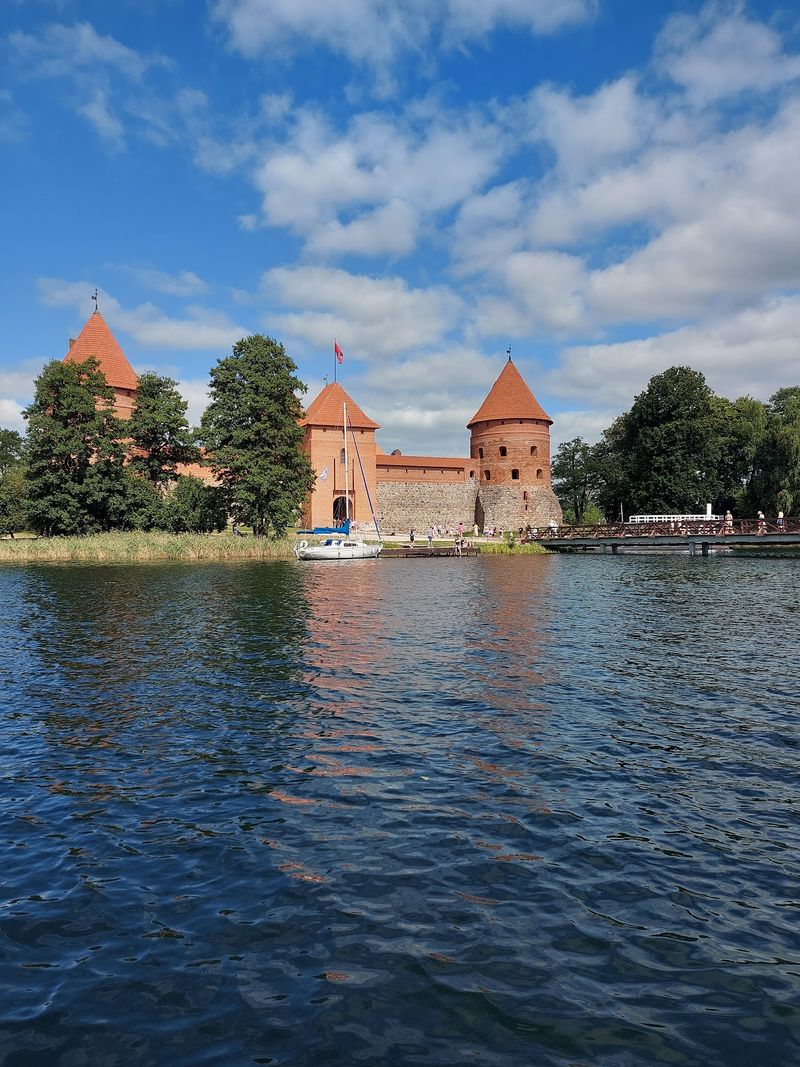
Cepelinai are Lithuania’s most famous dish, and they are hard to describe without making them sound either wonderful or terrifying depending on who is listening. These are enormous potato dumplings, shaped loosely like zeppelins, stuffed with minced meat and served with sour cream and bacon.
They are incredibly heavy and filling.
One cepelinai is often enough to keep a person full for most of the day. Travelers who love hearty, starchy comfort food tend to become instant fans.
Those looking for something lighter often struggle to finish even half a serving.
Lithuania also has a strong tradition of cold beet soup called saltibarsciai, which is bright pink and served with boiled potatoes. The color alone stops some travelers in their tracks, though the flavor is actually quite mild and refreshing.
Lithuanian cuisine is full of these surprising contrasts, and it has a warmth to it that grows on you the longer you stay.
12. Belarus
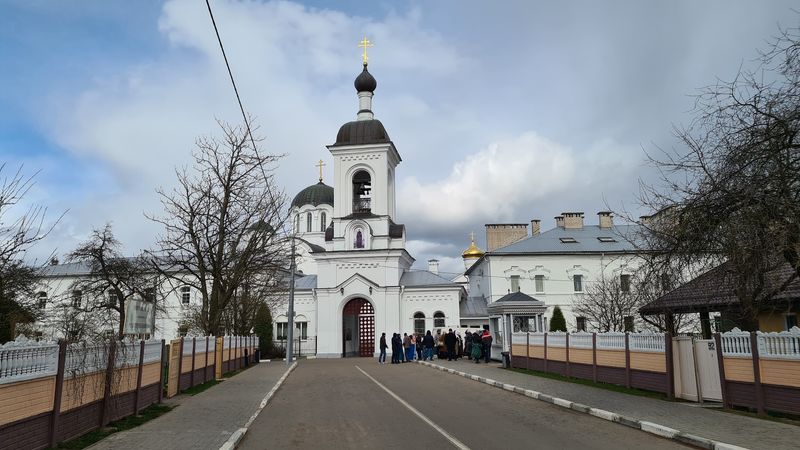
Belarus is one of Europe’s least-visited countries, and its cuisine reflects a culture that has stayed largely off the international radar. Potato is the undisputed king of Belarusian cooking.
Locals call themselves bulbashi, which roughly translates to potato people, and they say it with genuine affection.
Draniki, crispy potato pancakes served with sour cream, are the most beloved dish in the country and one that most travelers actually enjoy quite a lot. The challenge comes with dishes like machanka, a thick pork gravy served over pancakes, or kholodets, a cold meat jelly that is common across Eastern Europe but deeply unfamiliar to Western visitors.
Belarusian food is not trying to impress anyone. It is practical, honest, and deeply tied to agricultural life.
Travelers who approach it with curiosity rather than skepticism often leave pleasantly surprised. The food here tells a story of resilience, community, and a culture that has always made the most of what the land provides.
13. Moldova
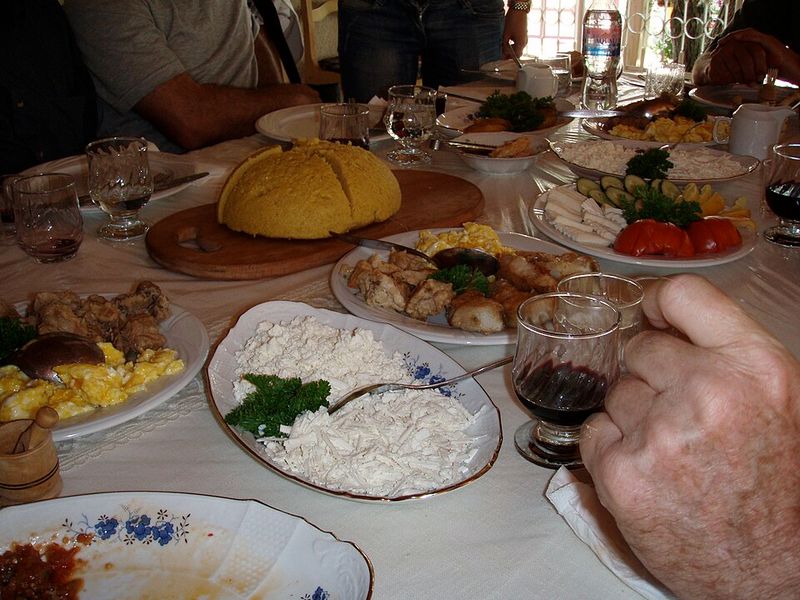
Moldova is often called one of Europe’s best-kept secrets, and its food is a big part of that story. Mamaliga, a thick cornmeal porridge similar to polenta, is the foundation of Moldovan cooking.
It is served with sheep cheese, sour cream, or pork rinds, and it is deeply filling in a way that sneaks up on you.
Some travelers find mamaliga too simple and starchy, especially when they have come expecting something more elaborate. Others fall completely in love with its rustic, comforting quality.
Zeama, a chicken noodle soup with sour notes from fermented wheat, is another dish that surprises visitors with its gentle complexity.
Moldova also produces excellent wine, which softens the experience of trying unfamiliar foods considerably. The country’s cuisine is closely tied to its agricultural roots, and meals here are meant to be shared slowly over long tables.
Moldova rewards the kind of traveler who values warmth and simplicity over novelty and flash.
14. Luxembourg
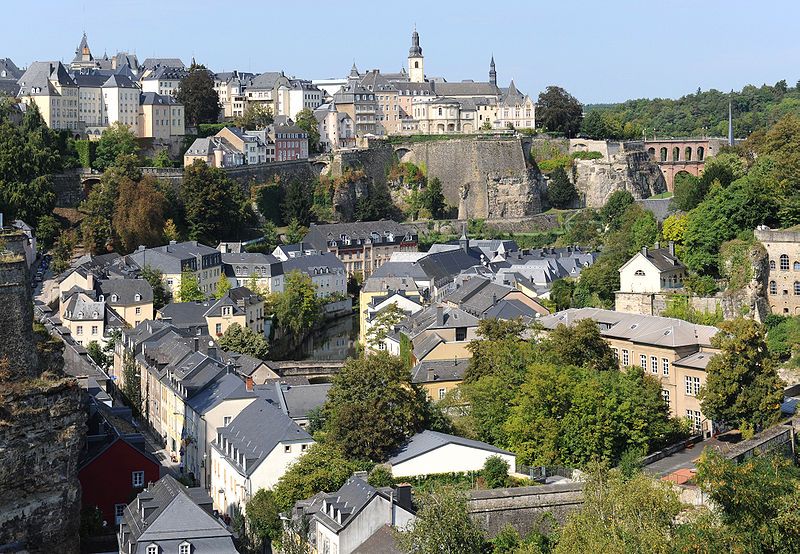
Luxembourg often gets overlooked in European food conversations, overshadowed by its more famous neighbors France, Germany, and Belgium. But the small country has a food culture of its own, and it tends to divide visitors who are not quite sure what to expect when they sit down to eat.
Judd mat gaardebounen is the national dish: smoked pork collar served with broad beans in a creamy sauce. It is rich, salty, and deeply satisfying in cold weather.
Many travelers enjoy it enormously, while others find the smokiness and richness a bit too much to handle in a single sitting.
Friture de la Moselle, fried small river fish eaten whole, is another local specialty that separates adventurous eaters from cautious ones. Luxembourg’s food reflects its position at the crossroads of multiple European traditions.
The result is a cuisine that feels familiar in parts and genuinely surprising in others, which keeps travelers on their toes throughout the meal.
15. Slovakia
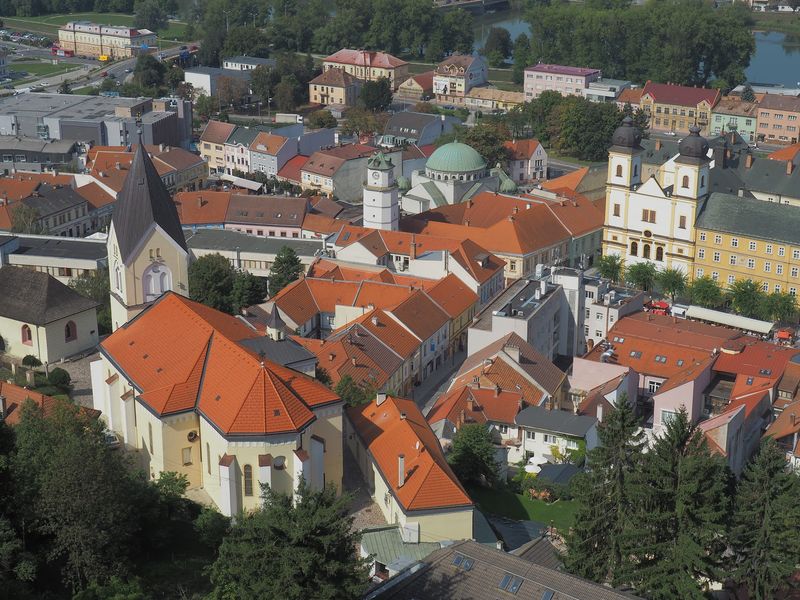
Slovakia’s food scene is one of Central Europe’s most underrated, and its signature dish is a perfect example of why opinions split so sharply. Bryndzove halusky are small potato dumplings smothered in bryndza, a sharp and tangy sheep cheese, then topped with crispy bacon.
To Slovaks, this is pure comfort and national pride wrapped in one bowl.
To travelers unfamiliar with sheep cheese, the strong, funky flavor of bryndza can be overwhelming on the first encounter. The smell hits before the taste, and not everyone is ready for it.
Those who push through, however, often find themselves going back for seconds.
Slovakia also has kapustnica, a hearty sauerkraut soup with sausage and mushrooms that most visitors find warming and approachable during winter months. The country’s food is deeply regional, meaning flavors change noticeably as you travel from the lowlands to the mountain areas.
Slovakia’s cuisine is honest, filling, and quietly confident in a way that grows on travelers who give it time.
Share this story