Choosing a university city is one of the biggest decisions a student can make. Where you live shapes your friendships, your career, and your daily happiness just as much as what you study.
The QS Best Student Cities 2026 ranking evaluated 150 cities across 58 countries using six key factors: university quality, student mix, desirability, employer activity, affordability, and real student feedback. The results might surprise you.
Seoul, South Korea
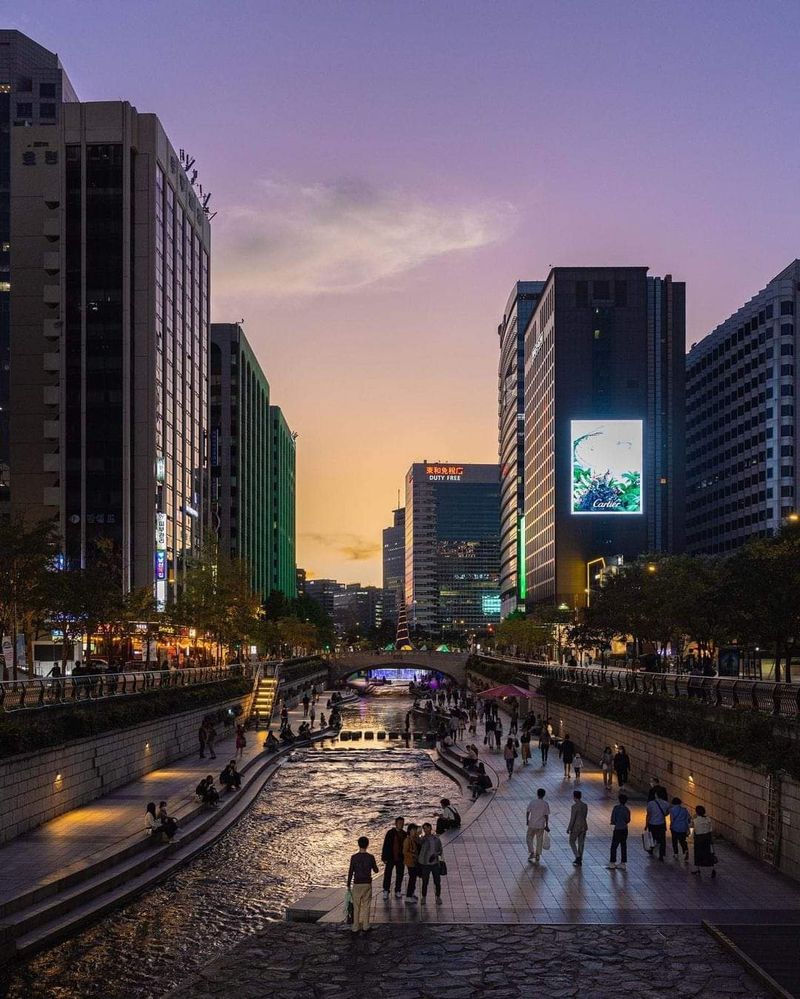
For the first time ever, Seoul knocked London off the throne it had held for six straight editions of the QS ranking. South Korea’s capital earned its crown by improving in affordability and desirability while maintaining a powerhouse reputation for university quality and graduate employment.
Students here gain access to one of the world’s most impressive public transit systems, running late into the night across a city of over 10 million people. Historic palaces sit a short subway ride from buzzing technology campuses and neon-lit entertainment districts.
The sheer scale of the city can feel like a lot at first, but most students agree it quickly becomes exciting rather than overwhelming.
Seoul’s tech sector is among Asia’s most influential, giving ambitious graduates a real shot at careers with global companies. Add world-famous street food, karaoke bars, mountain hiking trails inside the city limits, and a café culture that rivals any European capital, and you have a city that genuinely has something for everyone.
Tokyo, Japan
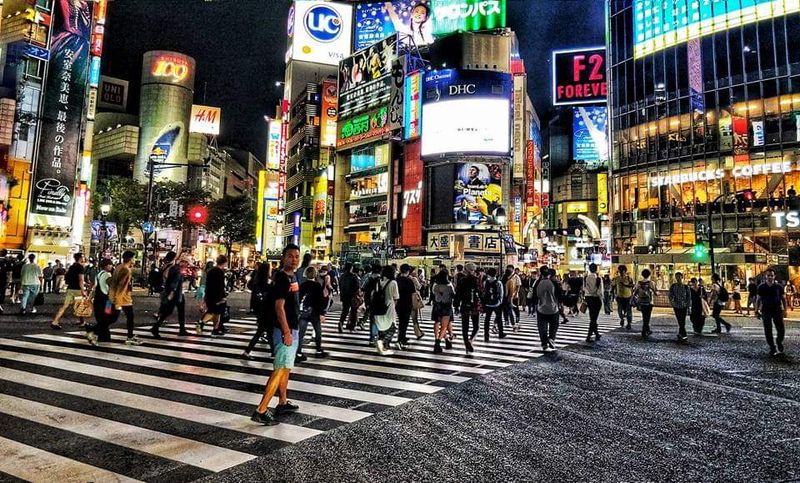
Tokyo held onto second place and led the entire QS ranking in Employer Activity, which means graduates from its universities are among the most sought-after by companies worldwide. That is a serious bragging right for any city.
Students can choose from several internationally respected institutions while living in a place famous for its extraordinary food scene, spotless streets, and a train network so reliable that delays are headline news. Each neighborhood has its own personality, from the tech-forward Akihabara district to the quiet temple gardens of Yanaka.
Living costs can run high, particularly for international students unfamiliar with the city. However, student dormitories and smart use of the affordable rail system can make daily life far more manageable than Tokyo’s expensive reputation suggests.
Many students also discover that grocery shopping and cooking at home is surprisingly budget-friendly when you know where to look. The city rewards curiosity, and students who explore beyond their campus often find Tokyo to be one of the most endlessly interesting places on earth.
London, United Kingdom
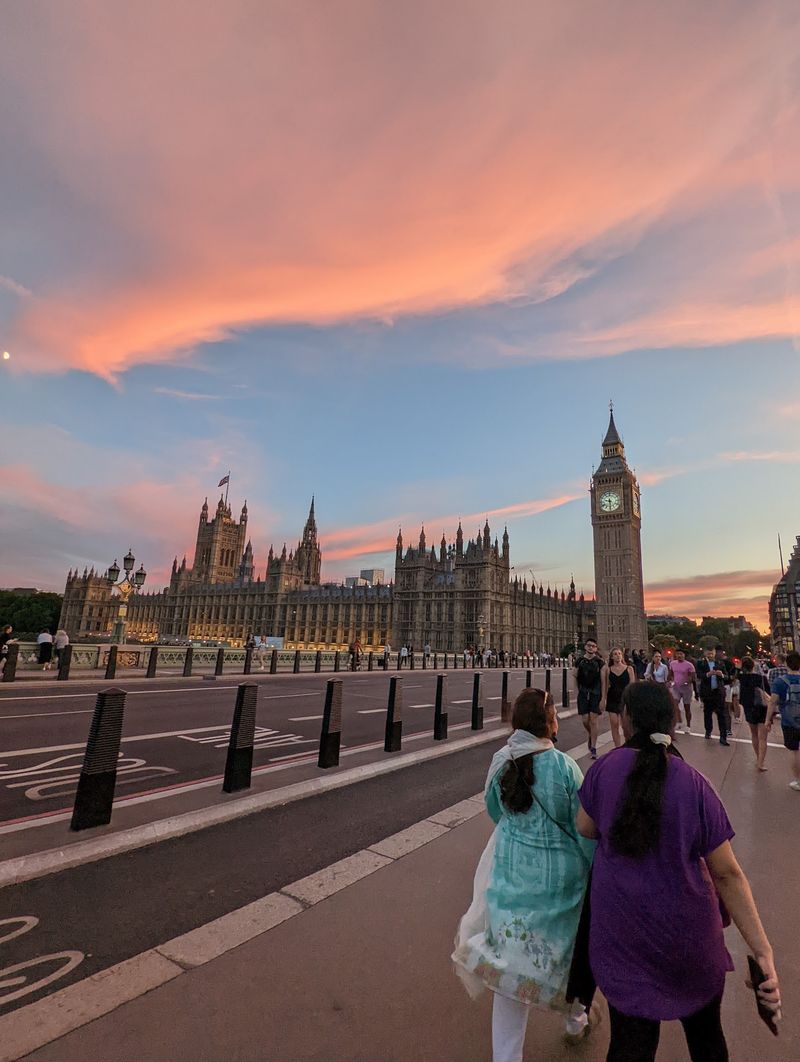
London slipped from first to third, and the culprit is no mystery: affordability. Rent in the British capital has climbed steeply, and that squeeze is felt most sharply by students on tight budgets.
Despite the financial pressure, London’s academic reputation remains virtually unmatched anywhere in the world.
The city packs an extraordinary number of globally ranked universities, specialist colleges, research centers, and world-class libraries into a relatively small geographic area. Students studying almost any subject can find a program, a professor, and a professional network here that would be difficult to replicate elsewhere.
Beyond the lecture halls, London functions as a living classroom. Free museums, internationally renowned galleries, live theater, diverse neighborhoods, and one of the planet’s busiest job markets are all part of the package.
Transportation costs add up, but student Oyster card discounts help soften the blow. Many students find that the professional connections they build during their time here more than justify the higher price tag.
London is expensive, but it also has a way of paying students back in opportunities they did not even know to look for.
Munich, Germany
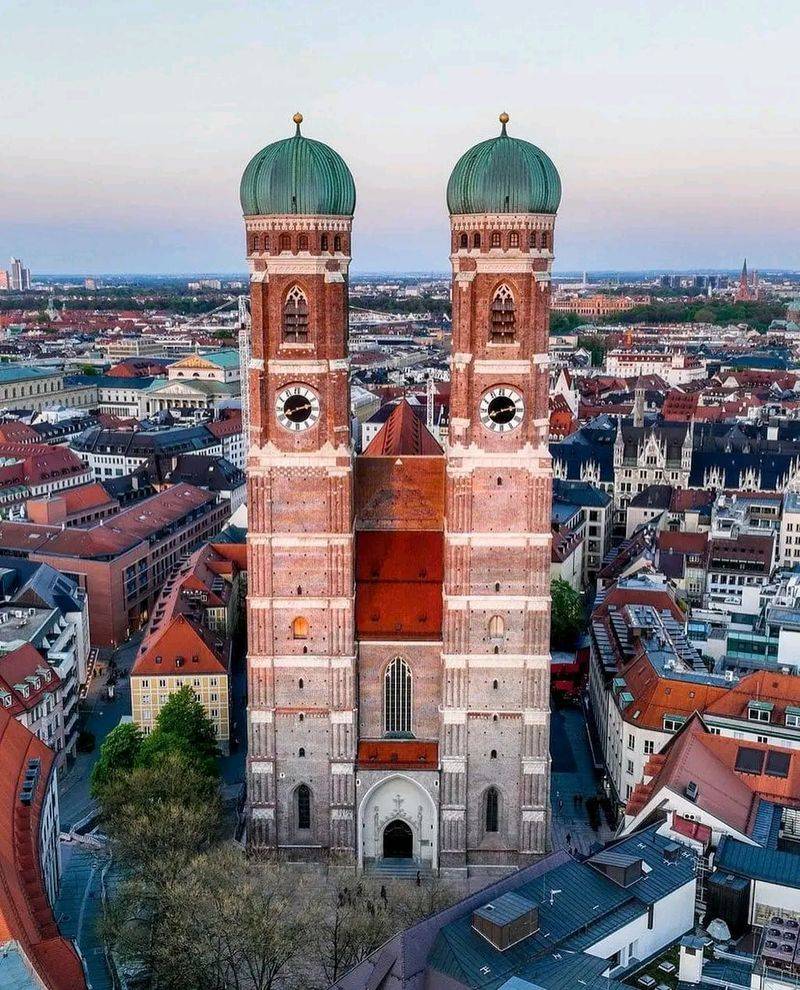
Munich held fourth place and remained one of only two German cities in the QS global top 10, a distinction it shares with Berlin. QS noted that both cities earn exceptionally high marks from students and graduates who have actually lived and studied there, which carries real weight.
The city is home to major research universities and technical institutes that have strong ties to Germany’s engineering, automotive, finance, and life-sciences industries. That connection between academic life and professional opportunity is one of Munich’s most practical advantages for students thinking ahead to their careers.
Outside the campus gates, Munich offers a quality of life that many students describe as surprisingly enjoyable. Efficient trams and U-Bahn lines crisscross the city, parks are plentiful, and the Bavarian Alps are reachable within an hour.
The famous Englischer Garten park is larger than New York’s Central Park and fills with students on warm afternoons. Housing availability and rising rents are the city’s most significant pain points, so securing accommodation early is strongly recommended for anyone planning to study here.
Melbourne, Australia
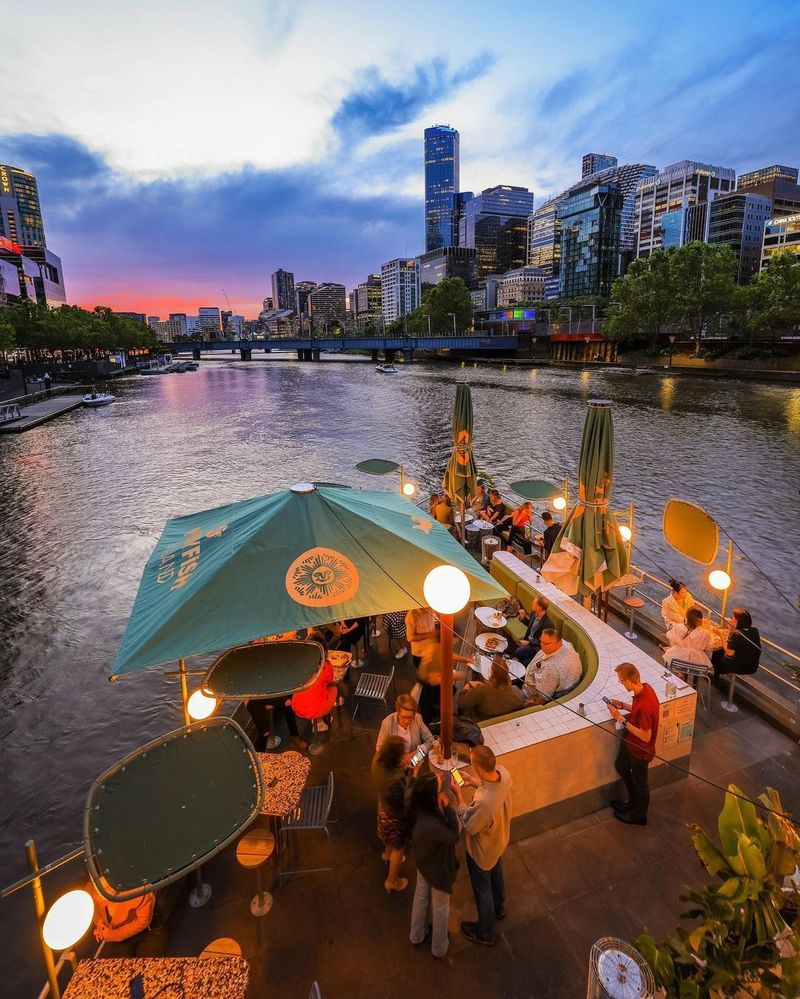
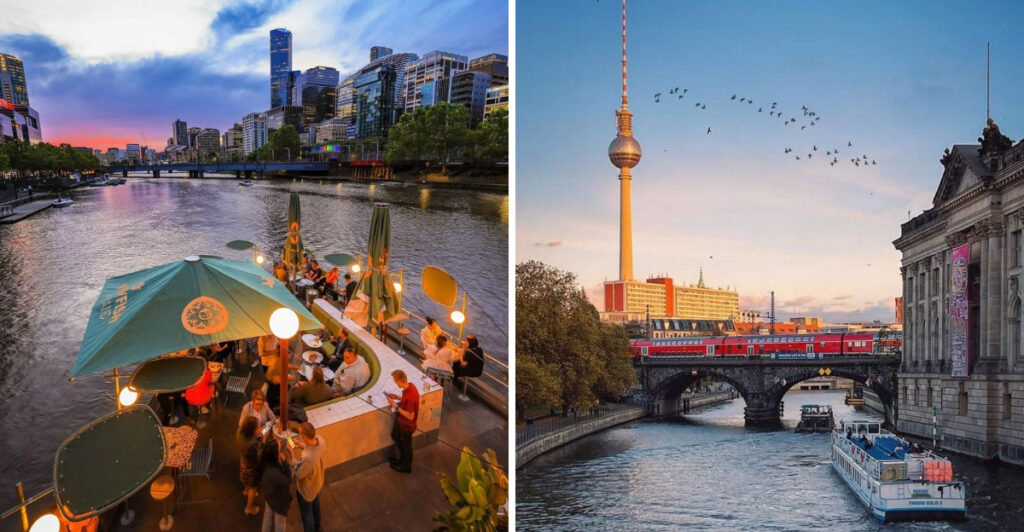
Ask any international student who has studied in Melbourne what they miss most, and you will likely hear about the coffee. This city takes its café culture extremely seriously, and that warmth extends to how it treats students from around the world.
Melbourne held fifth place in the QS ranking and continued to anchor Australia’s reputation as one of the top study destinations globally. Its universities consistently perform well in international rankings, and the city’s diverse international population creates a student community that feels genuinely welcoming rather than merely tolerant.
The cultural life here is rich and varied. Live music venues, contemporary art galleries, food markets celebrating cuisines from dozens of countries, and a tram network that connects most of the city without requiring a car all contribute to a lifestyle that students consistently rate highly.
Sports culture is also enormous, with world-class stadiums and events woven into the city’s identity. The main drawback is cost.
Tuition fees for international students, combined with Melbourne’s climbing rent prices and general living expenses, mean that budgeting carefully is not optional but essential for making the most of the experience.
Sydney, Australia
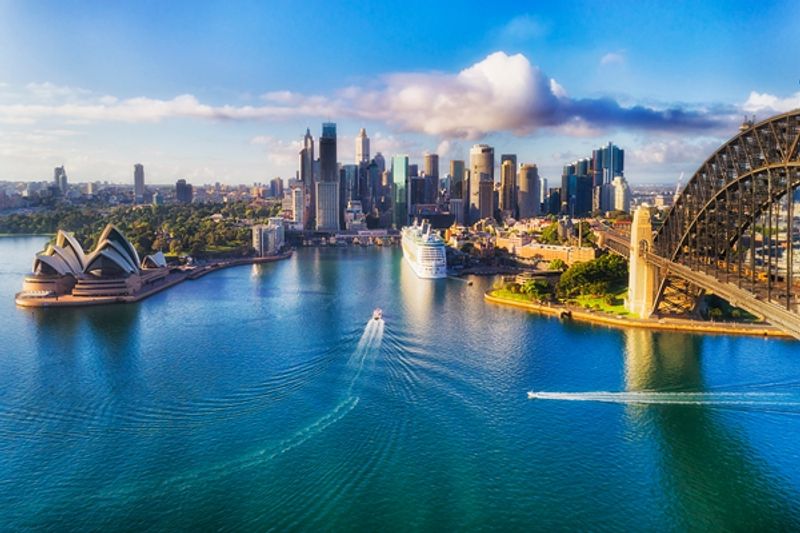
Sydney placed sixth and ranked among the five strongest cities worldwide in QS’s desirability category, which factors in safety, pollution levels, and how many prospective students actively want to study there. That last point matters: students who want to be somewhere tend to thrive there.
The city’s universities carry strong international reputations, and its job market reflects Sydney’s role as Australia’s financial and commercial capital. Graduates with degrees from Sydney institutions generally find themselves well-positioned with employers both locally and internationally.
Then there is the setting. Sydney’s beaches, coastal walking paths, harbor views, and mild sunny climate create a backdrop that few university cities anywhere can match.
Students often describe a sense of disbelief that a place this beautiful is also a serious academic hub. The trade-off, predictably, is financial.
Accommodation in Sydney is among the most expensive in Australia, and general living costs can strain even well-planned budgets. Students who research housing options early, explore university accommodation schemes, and take advantage of part-time work opportunities tend to manage best.
The city rewards those who plan ahead and is genuinely spectacular for those who do.
Berlin, Germany
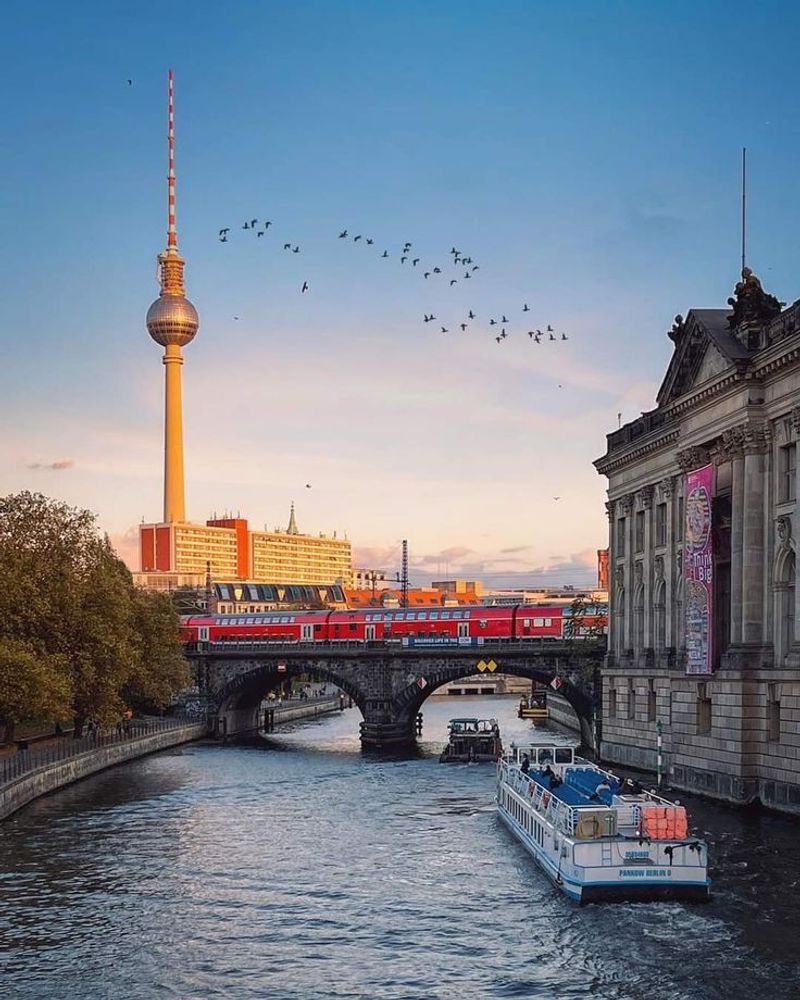
Berlin climbed two positions to share seventh place, and honestly, it is easy to see why students keep gravitating here. The German capital has cultivated a reputation as one of Europe’s most creatively energetic cities, and that energy spills directly into campus life.
Its universities attract a large and genuinely international student population, and the city’s mix of technology companies, creative industries, and research institutions gives graduates a wide range of professional paths to explore. The public transportation network is extensive and affordable, making it easy to move around a city that sprawls across a surprisingly large area.
Berlin’s history is everywhere, from Cold War landmarks to world-class museums that students can visit for free or at steep discounts. The nightlife is legendary, the food scene is diverse, and the general vibe leans toward openness and experimentation.
Costs have risen considerably in recent years, particularly for housing, which has become a genuine challenge for students on limited budgets. Public universities, however, charge minimal tuition fees even for international students in many cases, which helps offset living expenses and keeps Berlin accessible to students from a wide range of financial backgrounds.
Paris, France

Shared seventh place belongs to Paris, and the city earns it with one of the most impressive concentrations of higher education institutions anywhere on the planet. Universities, grandes écoles, specialist institutes, and research organizations are so densely packed here that the entire city sometimes feels like one enormous campus.
Walking between lectures, students pass bookstores that have been open for centuries, public squares where philosophers once debated, and cafés where the espresso arrives with a small square of chocolate and zero apology for the price. The cultural resources available to students are almost absurd in their abundance.
Outside the classroom, Paris functions as a living archive of art, architecture, cinema, and ideas. Free or heavily discounted museum entry for students under 26 opens up the Louvre, the Musée d’Orsay, and dozens of other institutions that people travel from across the world to visit.
Rent and daily expenses can be painfully high, especially in central arrondissements. However, the city’s comprehensive transportation network and a well-established culture of student discounts make many of its best offerings accessible even on a modest budget.
Paris asks a lot of students financially, but it gives back generously in other ways.
Zurich, Switzerland
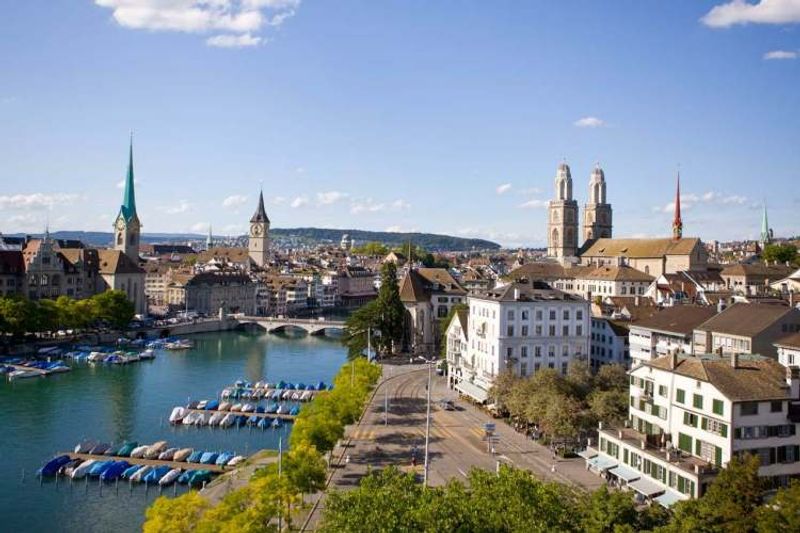
Zurich placed ninth in the QS ranking, and if you are looking for a city where academic excellence and quality of life overlap almost completely, this is a strong contender. Its universities, particularly ETH Zurich, consistently rank among the world’s very best in science, engineering, and technology fields.
The city itself is compact, clean, and remarkably well organized. Trams and trains run on schedules that feel almost mathematically precise, and the lakefront setting gives students a genuinely beautiful place to decompress between exam sessions.
Mountain recreation, including skiing and hiking, is accessible within a short train ride.
Employer activity scores are strong, reflecting Zurich’s role as a global hub for finance, pharmaceuticals, and technology. Companies based here actively recruit from local universities, which creates real career opportunities for graduates who choose to stay.
The elephant in the room, of course, is cost. Switzerland is one of the most expensive countries in the world, and Zurich is one of its priciest cities.
Scholarships, university housing, and careful financial planning are not just helpful here but genuinely necessary for most students. Those who manage it well, however, tend to describe the experience as worth every franc.
Vienna, Austria
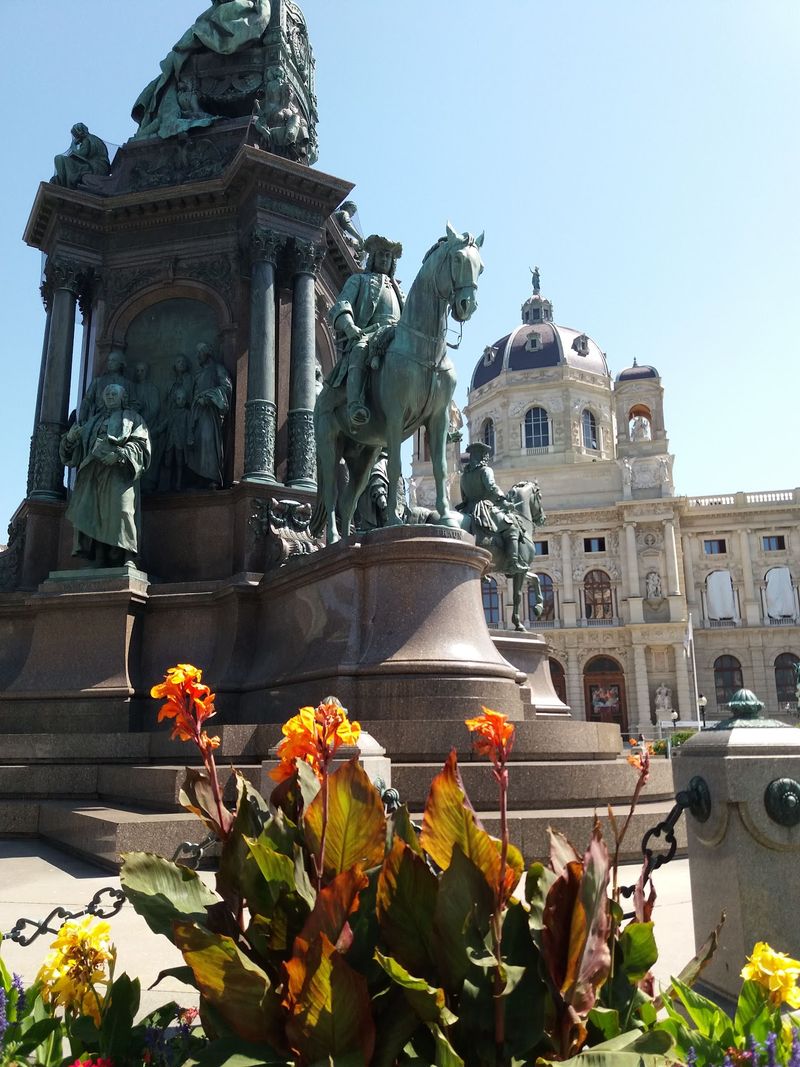
Vienna jumped from 14th to 10th place, cracking the global top 10 for the first time and landing fourth worldwide in QS’s desirability category. That is a remarkable leap, and it reflects something students who have lived here often say: Vienna is genuinely pleasant in a way that is hard to quantify but impossible to miss.
The Austrian capital combines serious academic institutions with a public transportation system so reliable and affordable that owning a car feels unnecessary. Parks, museums, and concert venues are woven into the fabric of everyday life rather than reserved for tourists and special occasions.
Compared with London, Paris, or Zurich, Vienna offers a more balanced relationship between urban opportunity and everyday livability. Groceries are reasonably priced, student housing options are available, and the city’s cultural life, from classical music to contemporary art, is accessible on a student budget.
The university system has deep historical roots, and the city’s intellectual tradition remains very much alive in its bookshops, lecture halls, and coffee houses. Vienna’s coffee house culture, in particular, has been a UNESCO-recognized tradition since 2011, and students quickly learn that a good Melange and a notebook can carry an afternoon beautifully.
Singapore
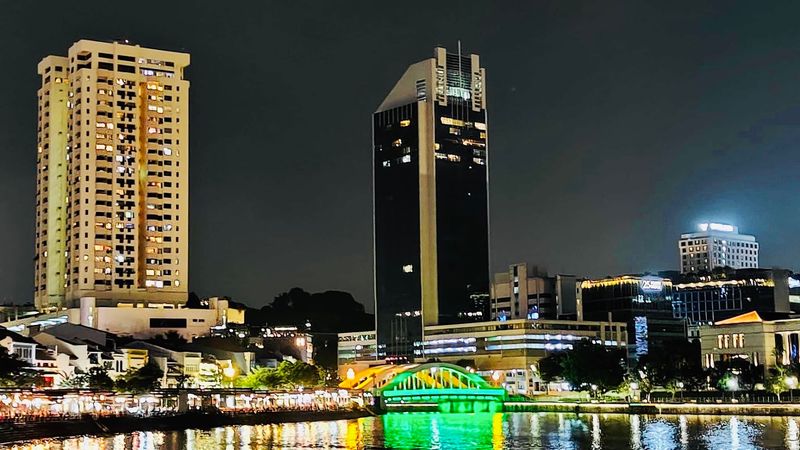
Singapore rose four places to 11th, and for a city-state roughly the size of a large city, that kind of consistent high-ranking performance is genuinely impressive. Its universities, particularly the National University of Singapore and Nanyang Technological University, are consistently rated among Asia’s very best.
English is the language of instruction across most programs, which removes a significant barrier for international students and makes the academic transition considerably smoother than in many other Asian cities. The public transportation system is efficient, affordable, and connects campuses, employment districts, and cultural neighborhoods with ease.
Singapore’s multicultural population produces a food and cultural scene that students tend to describe with genuine enthusiasm. Hawker centers serving dishes from Chinese, Malay, Indian, and dozens of other culinary traditions are found throughout the city and remain affordable even on a student budget.
Safety standards are among the highest in the world, and the city’s infrastructure is consistently excellent. Tuition fees and accommodation costs can be significant, but the strength of graduate employment outcomes and the quality of professional connections available through Singapore’s role as Asia’s business hub make the investment compelling for students with clear career goals.
Kuala Lumpur, Malaysia
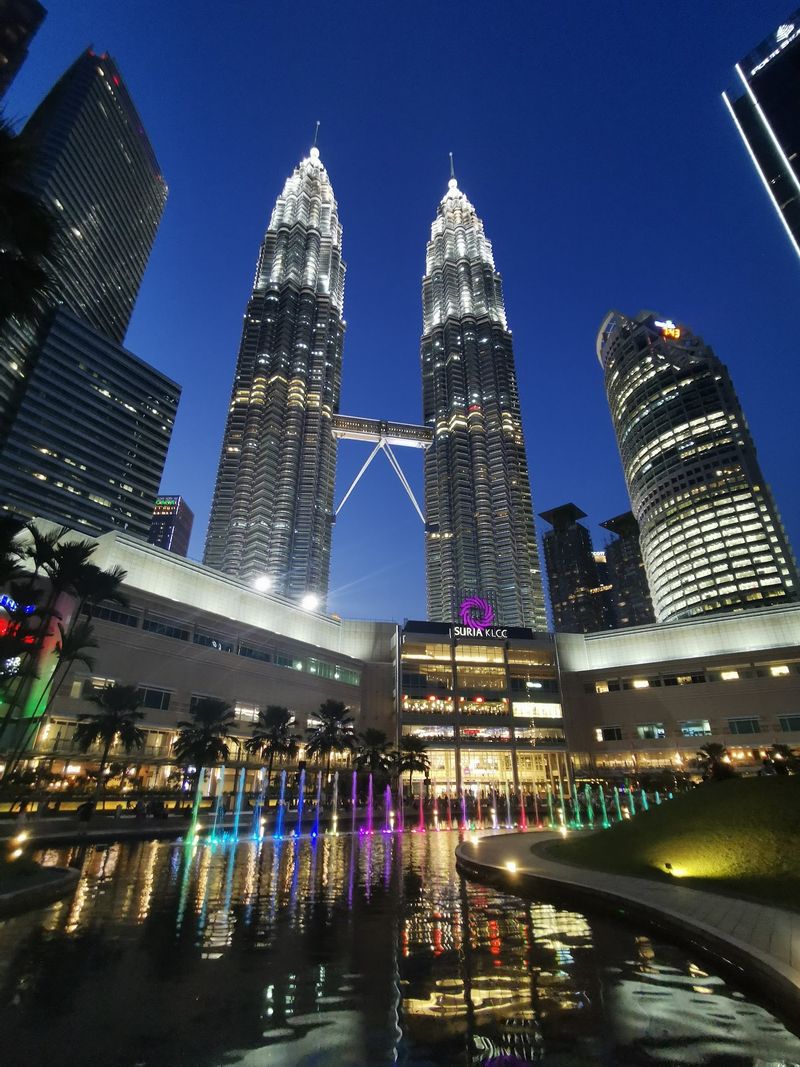
Kuala Lumpur made one of the most dramatic moves in the entire 2026 ranking, climbing 11 positions to reach 12th place. That kind of leap does not happen by accident.
It reflects real improvements in affordability, student experience, and the growing international recognition of the city’s academic institutions.
Students can choose from a mix of local universities, private colleges, and international branch campuses from institutions based in the UK, Australia, and beyond. English is widely used in higher education, which makes Kuala Lumpur one of the more accessible Asian study destinations for students who have not yet learned an additional language.
Living costs here are considerably lower than in most other cities on this list, which is a major practical advantage for students managing their own finances for the first time. Street food is abundant, delicious, and extremely affordable.
The city’s modern LRT and MRT rail systems make getting around straightforward. Kuala Lumpur also sits at the center of Southeast Asia, giving students easy access to regional travel during semester breaks.
The combination of affordability, English-language programs, and a genuinely diverse cultural environment makes it a compelling option that many prospective students overlook entirely.
Beijing, China
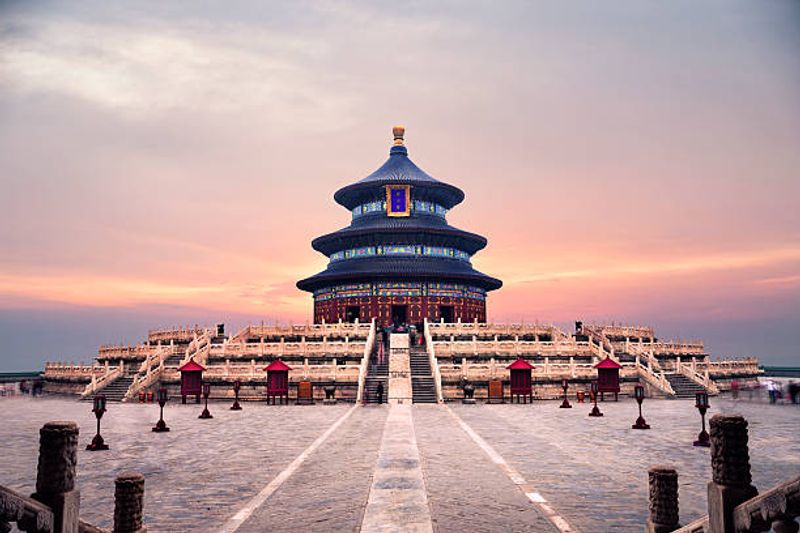
Beijing rocketed up 18 positions to reach 13th place, its highest result in QS ranking history and a clear signal that mainland China’s academic ambitions are producing real results. The city is home to Peking University and Tsinghua University, two institutions that rank among Asia’s most prestigious and are increasingly recognized on the global stage.
The academic resources available in Beijing are extraordinary. Libraries, research facilities, technology parks, and government-affiliated research programs give students access to opportunities that are difficult to find anywhere else, particularly in fields related to science, engineering, and public policy.
Beyond the campus, Beijing offers history on a scale that is almost difficult to process. The Forbidden City, the Great Wall, and ancient hutong alleyways coexist with a rapidly modernizing city of over 21 million people.
The subway network is vast and inexpensive. Students considering Beijing should be prepared for a few realities: internet restrictions require adjustment, air quality varies significantly by season, and Mandarin language skills, while not always required for English-language programs, will dramatically enrich the daily experience.
Those who embrace the adjustment period tend to find Beijing one of the most intellectually stimulating places they have ever lived.
Taipei, Taiwan
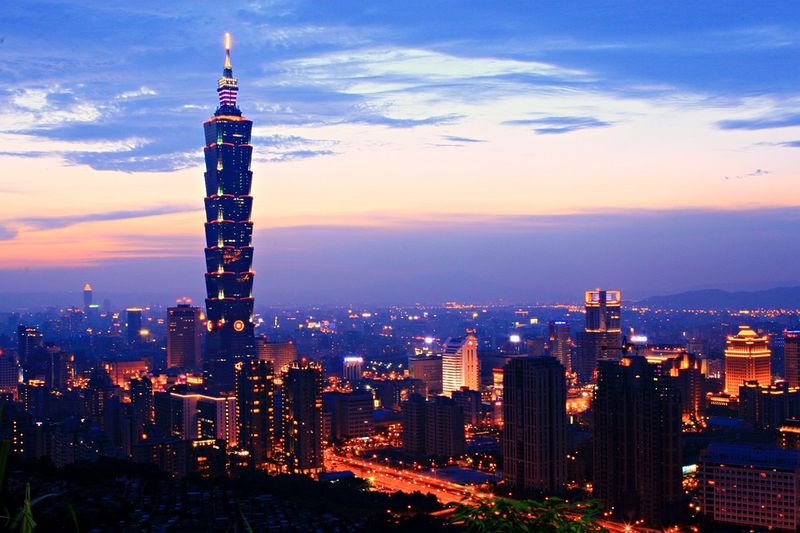
Taipei climbed 12 places to reach 14th in the QS ranking, driven by improvements in affordability and student-focused indicators that QS tracks closely. The city was specifically called out as one of several Asia-Pacific destinations making substantial gains in 2026, and the data backs that up convincingly.
Students who have spent time in Taipei often mention the same things: safe streets at all hours, a metro system that is genuinely a pleasure to use, and night markets where you can eat extraordinarily well for very little money. The combination of urban density and natural accessibility is also unusual.
Mountain hiking trails are reachable from the city center within 30 minutes, and the coastline is not far beyond that.
The academic environment is anchored by National Taiwan University and a cluster of strong technical and research institutions. Technology industries, particularly in semiconductor manufacturing and electronics, give engineering and computer science students direct exposure to one of the world’s most important industrial sectors.
Mandarin is the primary language of daily life, though English is widely spoken in academic settings. Taipei tends to reward students who arrive curious and open-minded, and most who study here leave with a genuine fondness for the city that surprises even them.
Edinburgh, Scotland

Edinburgh tied for 15th place and earned some of its highest marks in student mix, student feedback, and desirability. In plain language, students who study here tend to really like it, and that kind of firsthand endorsement carries genuine weight when evaluating a city’s actual quality of life.
The city is compact enough to navigate on foot or by bicycle, which makes daily life feel more manageable than in sprawling metropolitan areas. Within that compact space, students find several respected universities, a world-famous annual arts festival, medieval architecture, extinct volcanoes doubling as city parks, and a pub culture that has been perfected over centuries.
Arthur’s Seat, an ancient volcanic hill rising from the middle of the city, offers a free hike with views that make the climb completely worth it on a clear day. The intellectual atmosphere here is thick with history.
This is the city of David Hume, Adam Smith, and the Scottish Enlightenment, and that tradition of serious thinking still permeates the universities. Affordability has unfortunately declined, and housing availability has become a significant concern.
Students are strongly advised to begin searching for accommodation well before the academic year begins, as availability tightens considerably each summer.
Boston, United States
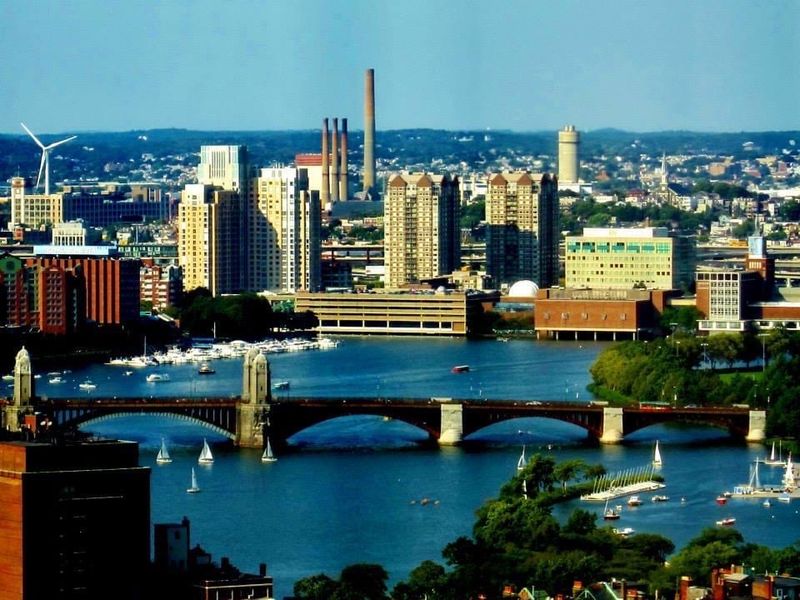
Boston tied Edinburgh at 15th place and holds the distinction of being the only American city to improve its position in the 2026 QS ranking. For a city already considered the academic capital of the United States, that upward movement is a statement worth paying attention to.
The concentration of universities, research hospitals, biotechnology firms, and education-focused employers in the Boston metropolitan area is genuinely unmatched anywhere in America. Harvard, MIT, Boston University, Northeastern, and dozens of other institutions create an academic ecosystem so dense that students regularly cross-enroll in courses, collaborate on research, and build professional networks that span multiple campuses.
The city’s intellectual energy is palpable, particularly in neighborhoods like Cambridge and Fenway where students and researchers share coffee shops, bookstores, and subway cars. Autumn in Boston, with its blazing foliage and crisp air, is the kind of seasonal experience that makes students feel genuinely glad they chose this city.
The financial reality, however, is sobering. Rent, tuition, and healthcare costs make Boston one of the most expensive cities on this entire list.
Students who come prepared with scholarships, financial aid, and a realistic budget tend to thrive, while those who underestimate the costs can find themselves under serious pressure.
Share this story