Most travelers stick to the same popular spots, missing out on some of the most extraordinary places on Earth. Beyond the tourist crowds and famous landmarks, there are entire countries that remain almost completely unknown on the average travel itinerary.
From remote Pacific islands to volcanic African archipelagos, these destinations offer raw, unfiltered experiences that are hard to find anywhere else. If you are ready to go somewhere truly different, these 15 countries might just change the way you think about travel.
Kiribati
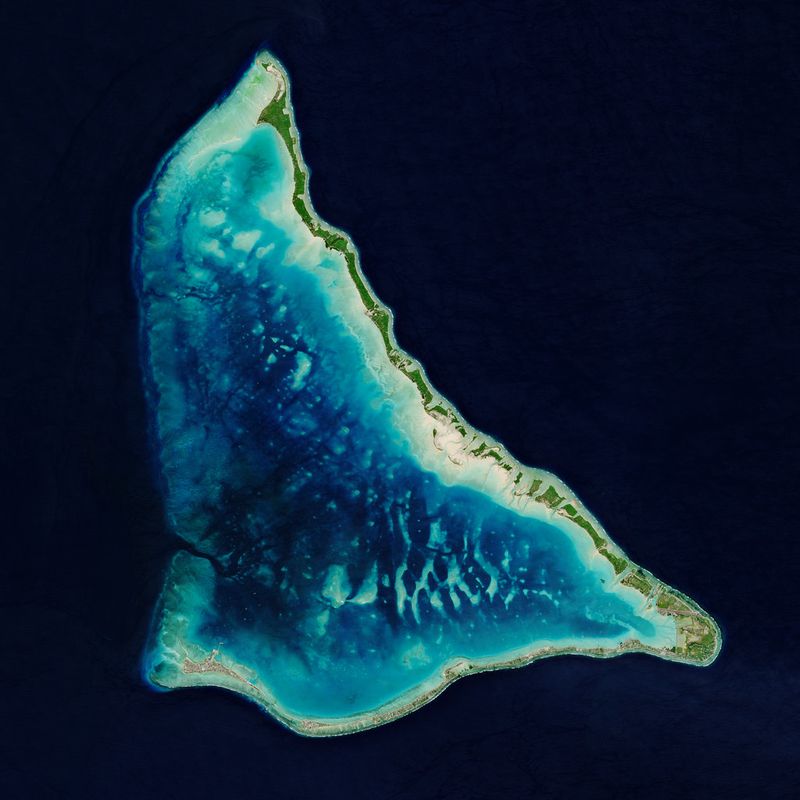
Kiribati holds a record most people have never heard of: it is the only country in the world that sits in all four hemispheres. Spread across 3.5 million square kilometers of ocean, its 33 atolls are so scattered that traveling between them can feel like island-hopping across a different century.
The land itself is barely above sea level, yet the marine life below is extraordinary.
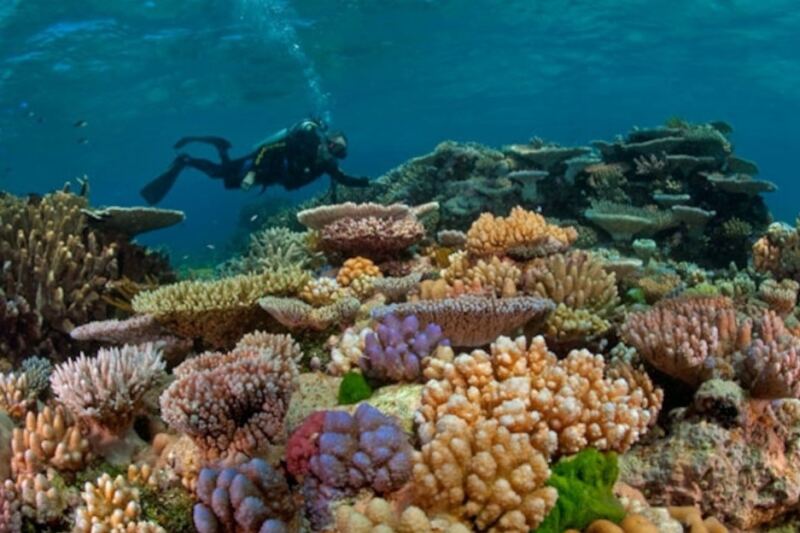
The Phoenix Islands Protected Area is one of the largest marine protected zones on Earth. UNESCO recognized it for its coral ecosystems, underwater seamounts, sharks, rays, and hundreds of fish species that thrive in near-pristine conditions.
Divers who manage to reach it describe it as one of the most untouched reef environments they have ever seen.
World War II history adds another layer to the experience. The island of Betio on Tarawa was the site of one of the war’s bloodiest battles, and remnants of that conflict are still visible today.
Visiting Kiribati requires patience with logistics and flexibility with schedules, but travelers who make it report a sense of discovery that is almost impossible to find in more connected parts of the world.
Sao Tome and Principe
Chocolate lovers, take note: this tiny two-island nation off the coast of Central Africa grows some of the world’s most celebrated cacao. Sao Tome and Principe was once the global center of cocoa production, and the historic roças, large plantation estates from the colonial era, still stand across the landscape like time capsules wrapped in jungle vines.
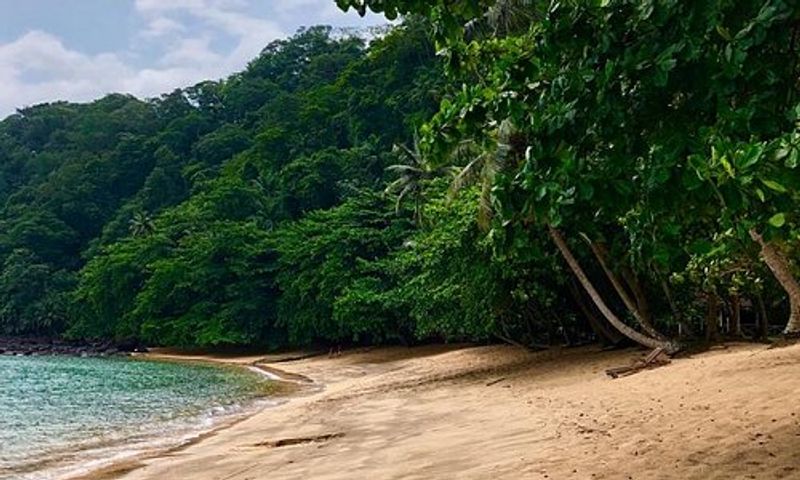
The larger island, Sao Tome, offers volcanic peaks draped in cloud forest, natural sea pools carved into lava rock, and a capital city where Portuguese architecture mixes with colorful local street life. Principe feels even more remote, with beaches so untouched that sea turtles nest on them without interruption.
The island received UNESCO Biosphere Reserve status, which tells you a lot about the quality of its ecosystems.
Tourism here is small but growing, and the local guides are genuinely enthusiastic about sharing their island’s history and nature. Birdwatchers make special trips for endemic species found nowhere else on Earth.
The food scene leans heavily on fresh fish, tropical fruit, and dishes shaped by African and Portuguese culinary traditions. Sao Tome and Principe rewards curious travelers who enjoy getting off the obvious path without sacrificing comfort entirely.
Federated States of Micronesia
Chuuk Lagoon contains one of the greatest underwater museums in the world. During World War II, a massive American air operation sank dozens of Japanese ships in a single engagement, and those wrecks now rest on the lagoon floor encrusted with coral and teeming with marine life.
Experienced divers travel from across the globe specifically for this site.
The Federated States of Micronesia is actually four states spread across the western Pacific: Yap, Chuuk, Pohnpei, and Kosrae. Each has its own personality.
Yap is famous for manta ray encounters and its ancient tradition of navigating by stars, currents, and wildlife. Kosrae is covered in dense jungle and described by many visitors as the quietest island they have ever visited.
Pohnpei holds Nan Madol, an ancient ceremonial city built across more than 100 artificial islets using massive basalt columns. Archaeologists still debate exactly how the stones were transported and assembled.
Getting between the states requires planning, as inter-island flights run on limited schedules. However, travelers who take the time to explore more than one state find that the variety of experiences across this small nation is genuinely surprising.
Tuvalu
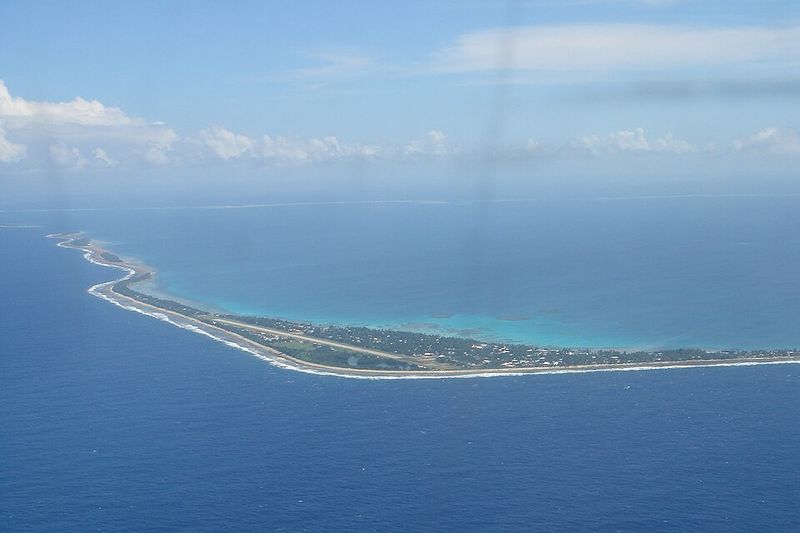
Somewhere in the middle of the Pacific Ocean, so far from everything that most maps barely show it, sits one of the most peaceful places on the planet. Tuvalu is made up of nine coral atolls and reef islands, and its total land area is smaller than many city parks.
The ocean is not just nearby here, it is everywhere, shaping every meal, every tradition, and every conversation.
Getting here takes serious commitment. Flights are limited and often connect through Fiji, and accommodation options are modest but genuinely welcoming.
That is exactly what keeps the crowds away and the experience so authentic.
Local life revolves around fishing, community gatherings, and traditional crafts passed down through generations. You will not find resort pools or souvenir shops, but you will find coral reefs in remarkable condition and skies full of stars at night.
Tuvalu is also one of the countries most threatened by rising sea levels, giving every visit an emotional weight that stays with you long after you leave. Coming here feels less like tourism and more like bearing witness to something rare and fragile.
Solomon Islands
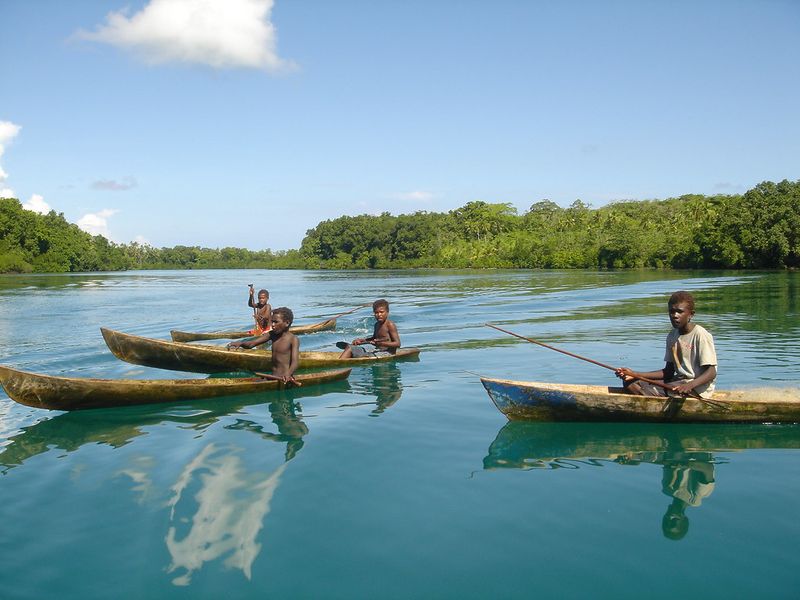
Ask any serious diver about the Solomon Islands and watch their expression change. The waters around this Pacific archipelago hold a staggering variety of marine life, World War II wrecks, and coral formations that have barely been touched by the pressures affecting reefs elsewhere.
The Marovo Lagoon, one of the largest saltwater lagoons on Earth, is often described by those who visit as genuinely jaw-dropping.
Beyond the water, the islands offer traditional village experiences that feel completely authentic. Many communities still practice customary land ownership, traditional crafts, and ceremonies that have continued for centuries.
Staying in a village guesthouse is one of the most direct ways to understand a culture that has largely defined its own relationship with the outside world.
East Rennell, a UNESCO World Heritage Site, protects the southern part of the world’s largest raised coral atoll. Its lake, forest, and community-managed landscape contain species found nowhere else.
Guadalcanal carries heavy World War II significance, with battlefield sites, memorials, and rusting equipment scattered across the island. The Solomon Islands require flexibility and a spirit of adventure, but they offer a version of the Pacific that feels entirely unlike anything found in the region’s more visited destinations.
Timor-Leste
Timor-Leste only gained full independence in 2002, making it one of the youngest countries in the world, and it is still in the early chapters of developing its tourism story. That newness is part of what makes it so compelling.
You are not following a well-worn trail here. You are figuring things out, talking to locals who are genuinely curious about why you came, and discovering places that have no review pages yet.
The country sits on the eastern end of the Indonesian archipelago, and its mountainous interior is covered in coffee farms that produce some of Southeast Asia’s most praised beans. The coastal reefs around Atauro Island are reportedly among the most biodiverse in the world, a fact that marine biologists have been quietly excited about for years.
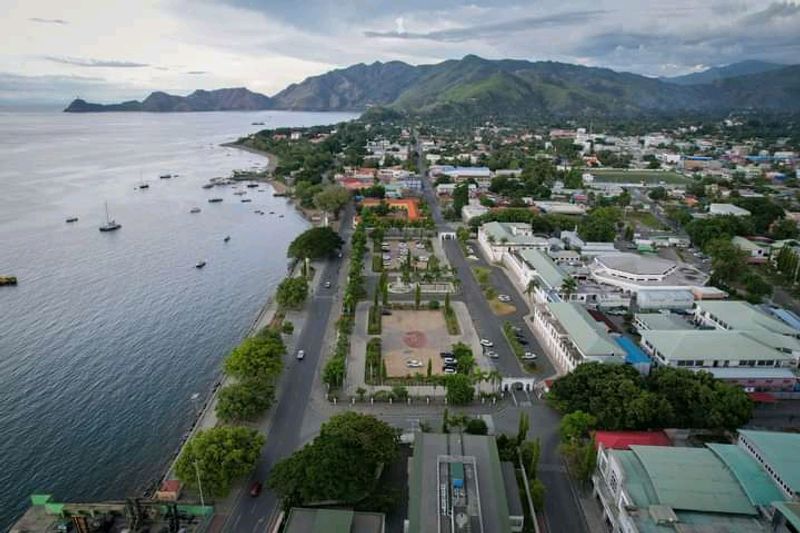
Dili, the capital, offers Portuguese-influenced architecture, vibrant markets, and a seafront promenade with views toward the mountains. Road trips into the highlands pass through villages where traditional tais weaving is still practiced daily.
Infrastructure outside the capital is limited, which means travel requires preparation and patience. But Timor-Leste rewards that effort with experiences that feel genuinely rare in a world where most destinations have been photographed from every angle already.
Comoros
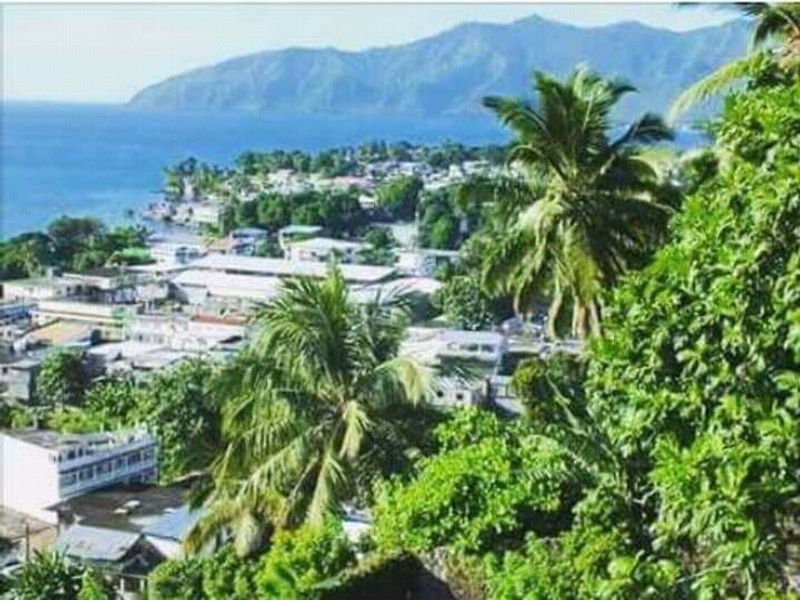
Tucked between Madagascar and the East African coast, Comoros is the kind of place that makes you wonder why more people have not heard of it. The islands smell of ylang-ylang, cloves, and vanilla, because the country is one of the world’s leading producers of these aromatic plants.
That fragrance hits you as soon as you step off the plane, and it never really leaves.
Mount Karthala is one of the world’s largest active shield volcanoes, and hiking to its crater is one of the most dramatic walks in the Indian Ocean region. The climb passes through dense forest, past lava fields, and up to a caldera that has erupted multiple times in recent decades.
Sea turtle nesting beaches, traditional Swahili-influenced architecture, and uncrowded coral reefs round out the experience.
Comoros receives only a fraction of the visitors that Mauritius or the Seychelles attract each year. Limited flight connections and basic tourism infrastructure mean that visiting requires real preparation, but travelers who make it describe an Indian Ocean experience that feels completely unfiltered.
The local people are known for their warmth and curiosity toward visitors, which goes a long way when the logistics get complicated. Comoros is a destination that rewards patience generously.
Marshall Islands
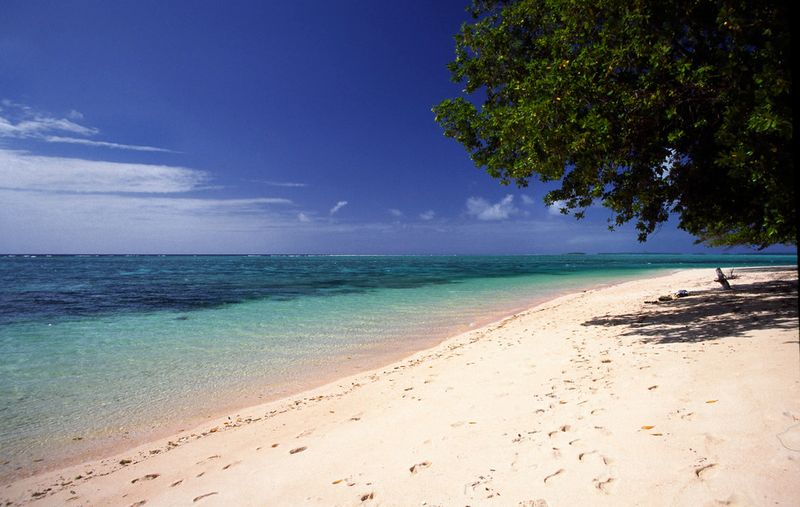
The Marshall Islands sit so low in the Pacific that from a boat, the palm trees appear to be growing directly out of the ocean. The highest point in the entire country is less than 10 meters above sea level, which gives every conversation about climate change here an urgency that no news article can fully replicate.
Coming to the Marshalls is, among other things, an education.
Bikini Atoll carries a heavy and fascinating history. Between 1946 and 1958, the United States conducted 23 nuclear tests here, including the detonation of the first hydrogen bomb.
The sunken fleet left behind is now a UNESCO World Heritage Site and a destination for highly experienced technical divers who want to explore a genuinely unique underwater landscape.
Majuro, the capital atoll, is the easiest entry point and offers a window into modern Marshallese life, where traditional navigation knowledge and canoe-building skills are still actively preserved. The outer atolls are harder to reach but offer a quieter, more traditional experience.
Arranging transport between islands requires flexibility and advance planning. The Marshall Islands do not make travel easy, but they offer perspectives on ocean culture, nuclear history, and Pacific life that are available almost nowhere else.
Nauru
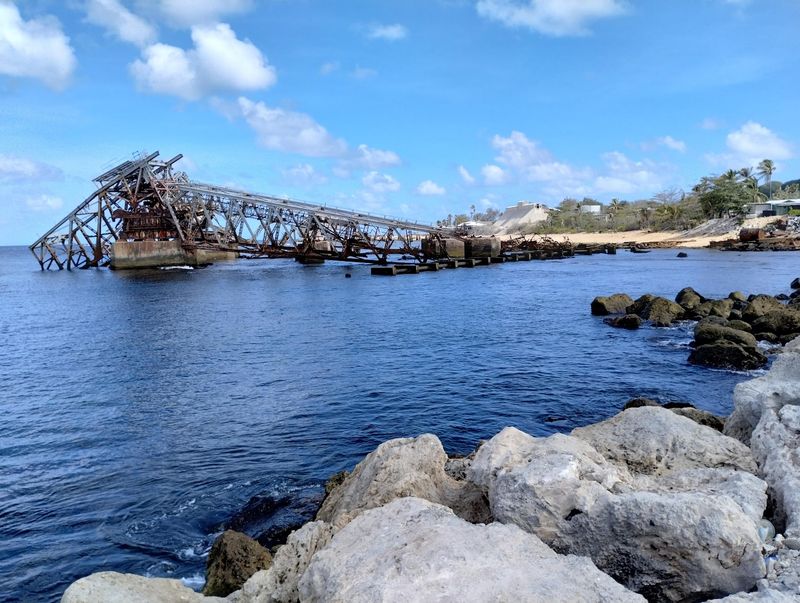
Nauru is the third smallest country in the world by area, and it may also be the most thought-provoking place you could ever visit. The island’s interior was almost entirely excavated during decades of phosphate mining, leaving a surreal moonscape of jagged coral pinnacles that looks nothing like a tropical Pacific island is supposed to look.
It is strange, stark, and oddly unforgettable.
At its peak in the 1970s, Nauru was one of the wealthiest nations per capita on Earth, thanks entirely to phosphate exports. That wealth disappeared along with the phosphate, and the country has been navigating the consequences ever since.
Walking around the island gives you a vivid and honest picture of what resource dependence can do to a small nation over time.
The coastal strip still has clear water, decent snorkeling, and a relaxed pace of life. Locals are generally welcoming to the rare visitor who shows up with genuine curiosity.
There is one road around the island, a handful of accommodation options, and no conventional tourist trail to follow. Nauru is not a place you visit for beach holiday photos.
You visit because you want to understand something real about the Pacific and the complicated forces that have shaped it.
Bhutan
Bhutan measures its national success not in GDP but in Gross National Happiness, and that philosophy shapes everything about how the country manages tourism. Visitor numbers are deliberately kept low through a sustainable development fee, which means the trails are quiet, the monasteries are peaceful, and the cultural experiences feel genuine rather than performed for crowds.
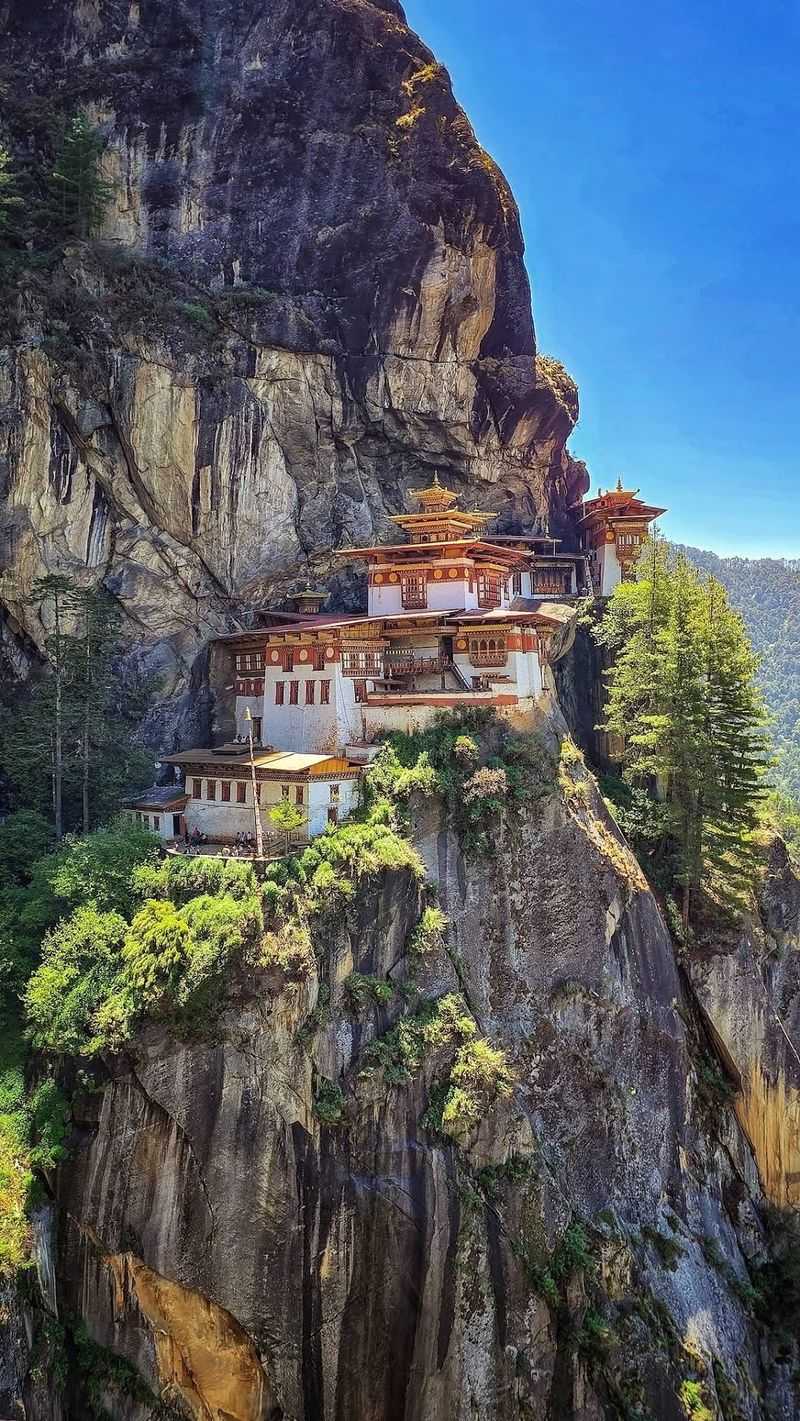
The Tiger’s Nest monastery, clinging to a sheer cliff 900 meters above the Paro Valley floor, is one of the most visually dramatic buildings in Asia. The hike to reach it takes a few hours, passes through pine forest with prayer flags strung between the trees, and ends at a structure that genuinely earns all the photographs taken of it.
Beyond the famous landmarks, Bhutan’s quieter valleys are where the country reveals its real character. Festivals called Tshechus bring communities together for masked dances, music, and rituals that have been performed the same way for centuries.
The food is warming and spicy, the landscapes shift from subtropical valleys to alpine terrain within a single day’s drive, and the pace of life is noticeably unhurried. Bhutan is not cheap to visit, but travelers consistently describe it as one of the most meaningful trips they have ever taken.
Guyana
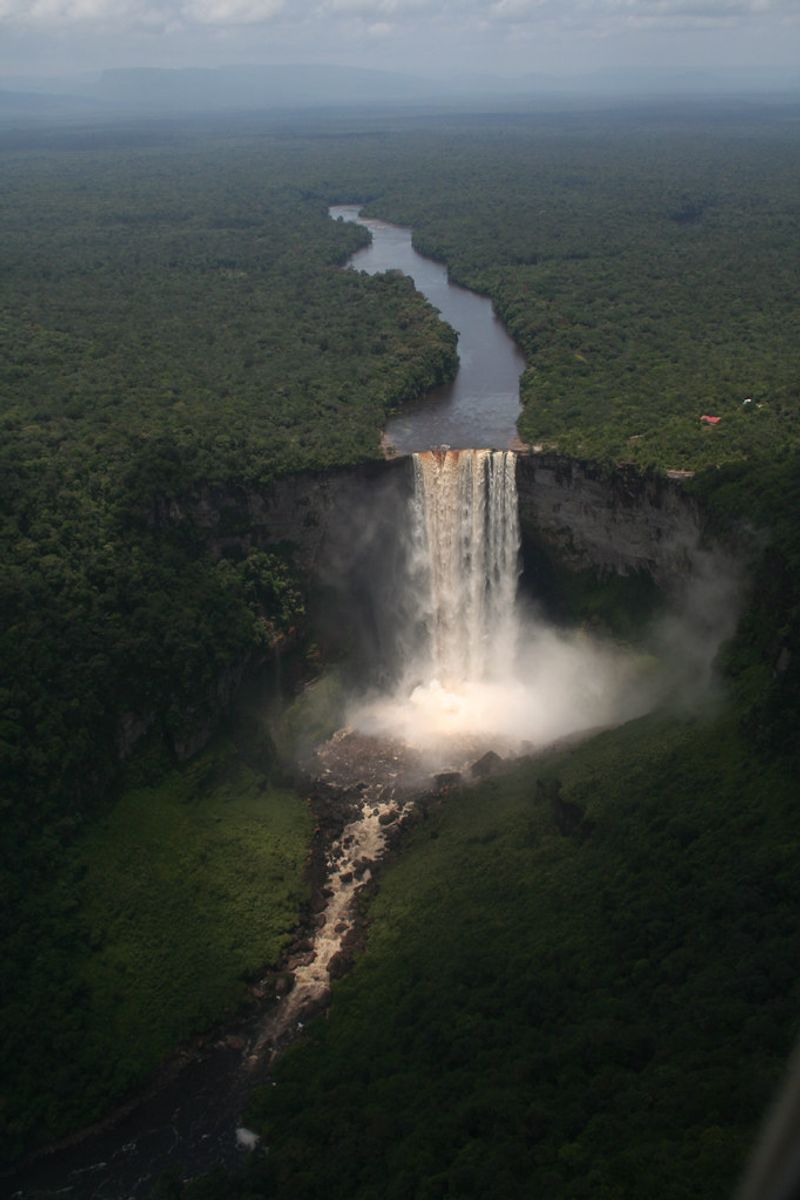
Kaieteur Falls drops 226 meters in a single plunge, making it one of the most powerful waterfalls on Earth by volume. What makes it even more extraordinary is the setting: it sits in the middle of an unbroken expanse of Amazonian rainforest with no road access, no visitor center, and almost no infrastructure of any kind.
You fly in on a small propeller plane and land on a grass airstrip in the jungle.
Guyana covers roughly the same area as the United Kingdom, and more than 80 percent of it is still forested. The country shares the Guiana Shield, one of the oldest geological formations on the planet, with Venezuela, Suriname, and Brazil.
That ancient landscape supports extraordinary biodiversity, including giant river otters, harpy eagles, tapirs, and hundreds of bird species that draw serious wildlife enthusiasts from around the world.
Georgetown, the capital, has a distinct Caribbean energy and wooden colonial architecture that reflects the country’s British and Dutch past. The interior is reached by small aircraft or multi-day river journeys that feel more like expeditions than tours.
Guyana is actively developing its ecotourism sector, which means the infrastructure is improving while the wilderness remains largely intact. For wildlife travelers, it is one of South America’s most exciting options right now.
Suriname
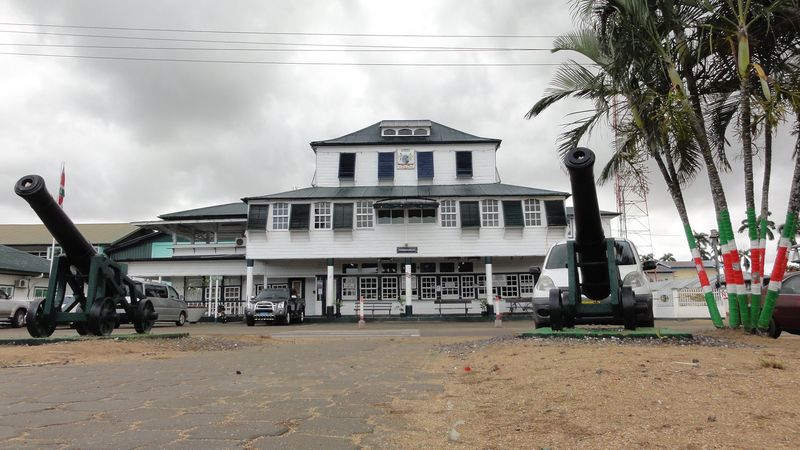
Paramaribo has a street where a synagogue and a mosque stand side by side, sharing a wall. That detail tells you almost everything you need to know about Suriname’s layered, remarkable, and genuinely unusual cultural identity.
The country was shaped by Dutch colonialism, the forced migration of African enslaved people, the arrival of indentured workers from India and Java, and the presence of Indigenous communities who have lived there for thousands of years.
The result is a capital city unlike anything else in South America, where Dutch colonial wooden architecture earned UNESCO World Heritage status, and where you can eat Indonesian food, Creole stew, and roti all within a few blocks of each other. Suriname’s food scene alone is worth the trip for adventurous eaters.
The Central Suriname Nature Reserve covers nearly 1.6 million hectares of pristine tropical forest and is one of the largest protected wilderness areas in the Western Hemisphere. Rivers, granite mountains, and waterfalls fill the interior, accessible mainly by boat or small aircraft.
Suriname receives very few international tourists despite its extraordinary combination of cultural diversity and natural richness. That gap between what the country offers and how few people know about it is exactly what makes it so worth visiting right now.
Tonga
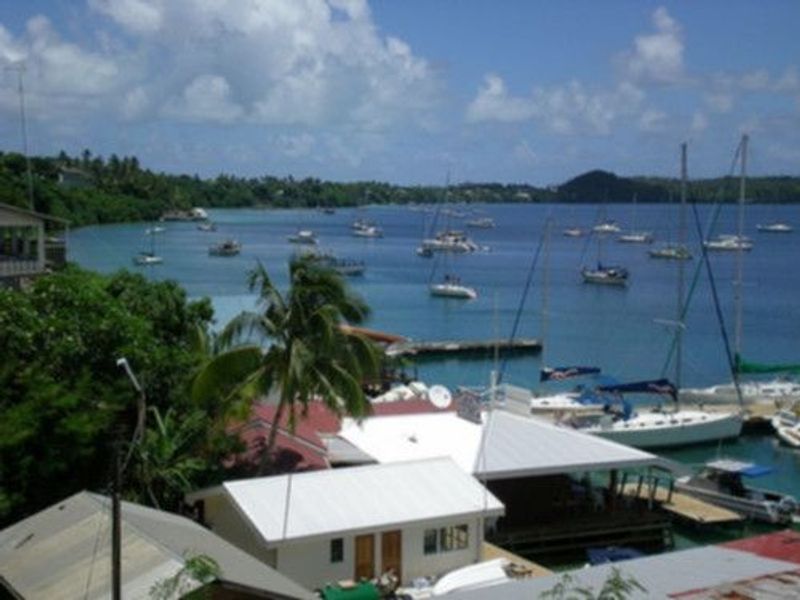
Every year between July and October, humpback whales travel to the warm waters of Tonga to breed and give birth. Tonga is one of the very few places in the world where swimming with humpback whales is permitted under regulated conditions, and the experience of floating next to a 40-tonne animal in crystal-clear water is, by nearly every account, completely life-changing.
The archipelago covers a large stretch of the South Pacific and includes more than 170 islands, most of them uninhabited. Vavau group in the north is the main base for whale encounters and sailing, while the Ha’apai group offers some of the most deserted beaches in the Pacific.
Tongatapu, the main island, is home to the royal palace and ancient trilithon stone monuments that remain mysterious to archaeologists.
Tonga is the only Pacific Island nation never colonized by a foreign power, and that independence is woven into its culture, ceremonies, and sense of identity. The country receives far fewer visitors than Fiji or Bora Bora, partly because inter-island transport requires planning.
But that lower visitor volume means the reef systems are healthier, the villages are quieter, and the experiences feel genuinely personal rather than packaged for mass consumption.
Djibouti
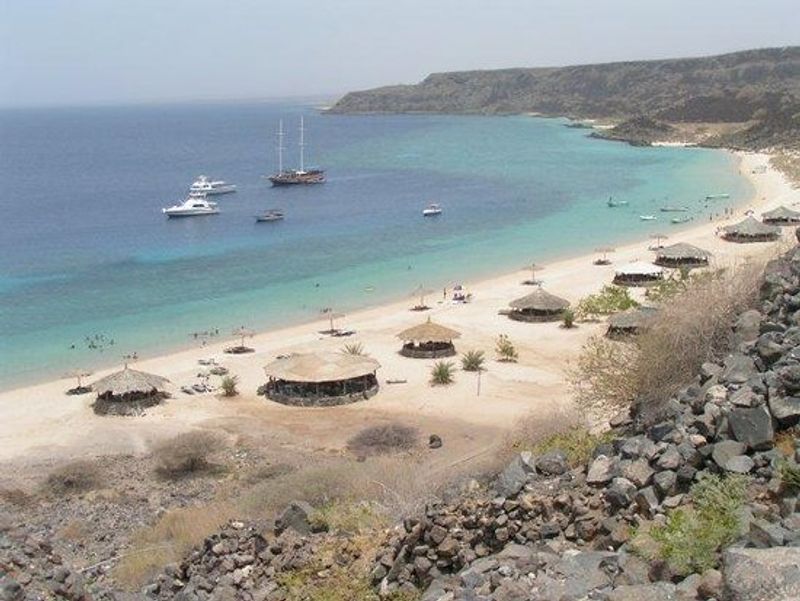
Lake Assal sits 155 meters below sea level, making it the lowest point in Africa and the third lowest on Earth. The water is 10 times saltier than the ocean, and the shoreline is crusted with thick white salt deposits that crunch underfoot and sparkle in the sun.
Standing there, surrounded by black volcanic rock and the silence of a landscape that looks almost alien, is one of the genuinely strange travel experiences available on this planet.
Djibouti is a small country at the intersection of the Red Sea and the Gulf of Aden, and its geography is dramatic in every direction. The Afar Depression is one of the hottest and most geologically active places on Earth, with hot springs, lava fields, and shifting tectonic plates creating a constantly evolving landscape.
The Gulf of Tadjoura offers excellent snorkeling and, between November and February, seasonal whale shark encounters that attract divers from around the world.
The capital city has a surprisingly cosmopolitan energy, shaped by its role as a major port and military hub. French and Somali influences mix in the food, architecture, and daily life.
Djibouti is not a destination that tries to be charming. It is raw, extreme, and completely honest about what it is, which turns out to be more than enough for the travelers who seek it out.
Vanuatu
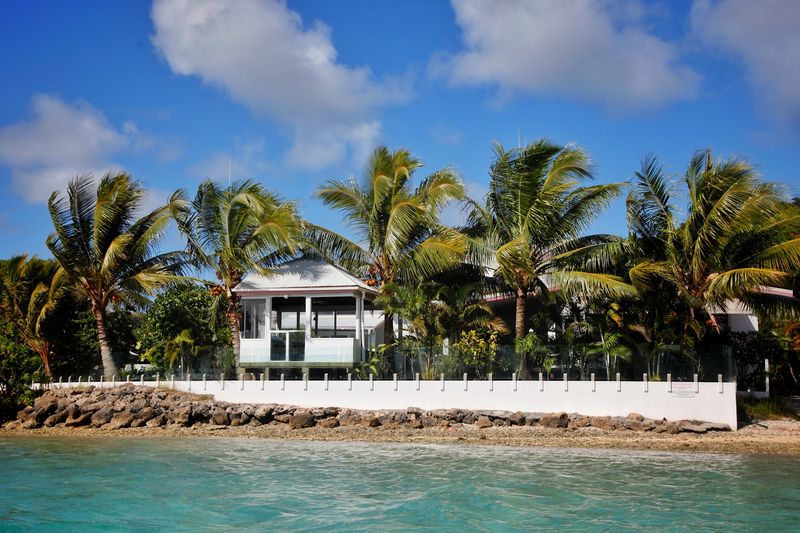
Mount Yasur has been erupting almost continuously for over 800 years, and you can walk to the rim and watch it happen. That sentence alone should be enough to put Vanuatu on your radar.
The volcano on Tanna island is one of the most accessible active volcanoes in the world, and the experience of standing at the edge while the earth rumbles beneath you and lava illuminates the smoke above is something that photographs genuinely cannot capture.
Vanuatu is an archipelago of more than 80 islands spread across the South Pacific, and the cultural diversity across those islands is remarkable. More than 100 distinct languages are spoken in a country with fewer than 350,000 people, making it the most linguistically dense nation on Earth per capita.
Kastom villages on various islands maintain traditional ceremonies, land-diving rituals, and ways of life that have remained largely unchanged for generations.
The underwater world around Vanuatu is equally spectacular. The SS President Coolidge, a luxury ocean liner sunk during World War II, is now considered one of the best wreck dives in the world.
Blue holes, coral gardens, and dugong sightings add to the marine appeal. Vanuatu combines adventure, culture, and nature in a package that somehow still flies under the radar of most international travelers.
Share this story