There is a spot in the eastern part of Massachusetts where sheep graze near working vegetable fields, and just a short walk away, rescued owls and hawks watch over their visitors from quiet enclosures. It is a real working farm, not a theme park, and that is exactly what makes it worth the drive.
Families come to meet cows, goats, and foxes, then wander trails that lead to the top of a gentle hill. The birds of prey are the surprise most people do not expect so close to Boston.
Admission stays reasonable, the pace is slow, and a couple of hours here feels like a genuine escape. If you have ever wanted to see native wildlife up close without traveling far, this Lincoln landmark deserves a place on your list.
Where Lincoln Keeps Its Working Farm and Sanctuary
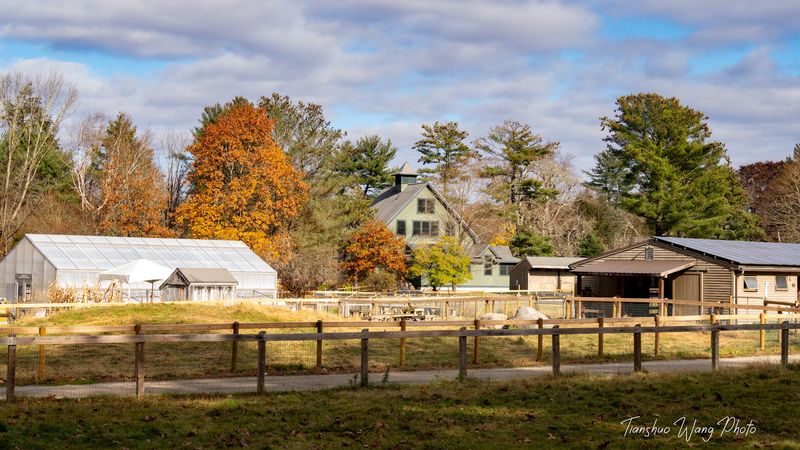
Tucked along a quiet road in the town of Lincoln, Massachusetts, this place blends a real farm with a wildlife sanctuary in one easy-to-reach spot. You will find it at 208 S Great Rd, Lincoln, MA 01773, run by the Mass Audubon organization.
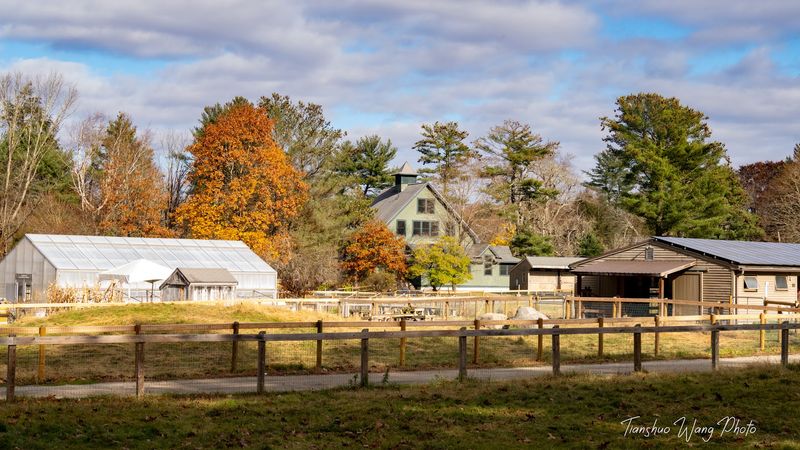
The setup is simple and honest. Animal barns sit near open fields, native wildlife exhibits line the paths, and walking trails stretch out beyond the busy center.
It carries a strong reputation, holding a 4.6-star rating across more than 150 reviews. Regulars describe it as a calm, welcoming place that suits families and solo walkers alike.
What sets it apart from a typical zoo is the working part of the farm. Crops grow in the ground, animals are raised with care, and the whole operation supports the Massachusetts Audubon Society.
Getting here is easy for many eastern Massachusetts residents, and the location feels rural without being remote. Plenty of people mention it as a rewarding find close to home.
A Farm That Doubles as a Refuge
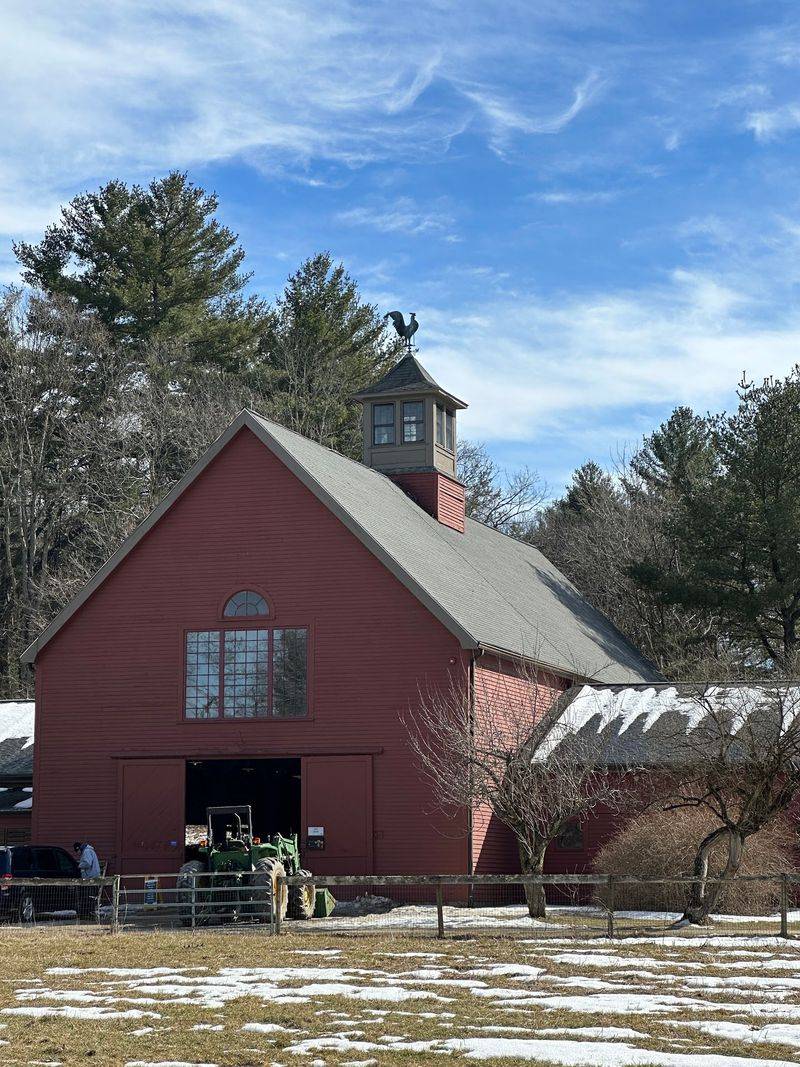
Long before it drew weekend crowds, this property was shaped into something more than pasture and produce. Today it functions as both a working farm and a protected sanctuary, a rare combination that lets one visit cover a lot of ground.
The dual identity matters. Visitors often note that this is not a petting zoo, and that framing helps set the right expectations before you arrive.
On one side, staff raise cows, horses, pigs, goats, sheep, chickens, and rabbits. On the other, the sanctuary cares for native species that cannot return to the wild.
Proceeds from the operation feed back into conservation work through Mass Audubon. That means a stop here supports something bigger than a single afternoon of fun.
Regulars appreciate the ecological approach, mentioning that seeing responsible farming in action gives the trip real substance. It is the kind of place that teaches without ever feeling like a lecture.
Owls, Hawks, and a Black Vulture on Display
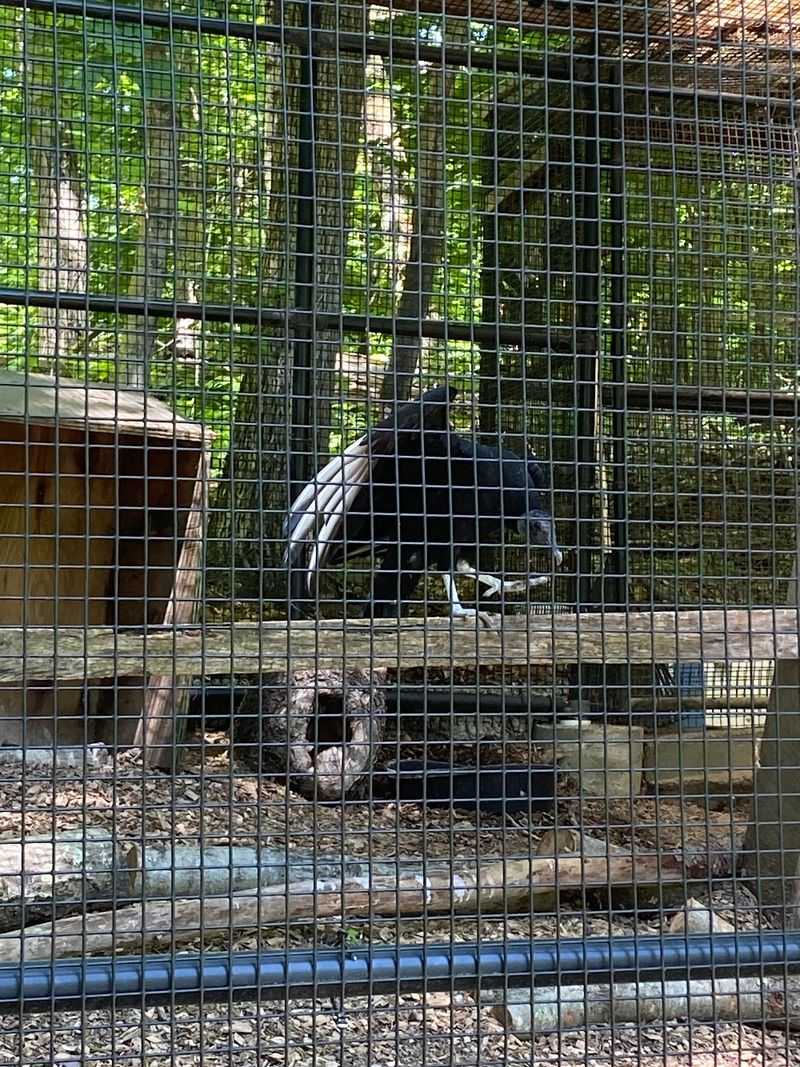
The feature that catches many people off guard sits just steps from the barns. Native birds of prey, including hawks, owls, and even a black vulture, are housed here in exhibits you can walk right up to.
These are not animals you expect to see so close to a busy suburb. Regulars single out the red-tailed hawk as a highlight, and the owls draw plenty of quiet attention too.
Because the birds live only feet away from the path, the encounter feels remarkably direct. You get a genuine look at wildlife that usually stays hidden in treetops and fields.
Some longtime guests recall the excitement of first spotting the raptor exhibits, describing them as the standout moment of a return visit. The birds have become a signature draw over the years.
For anyone curious about New England wildlife, this section alone justifies the trip. It turns a pleasant farm outing into something a little more memorable.
Meet the Barnyard Regulars
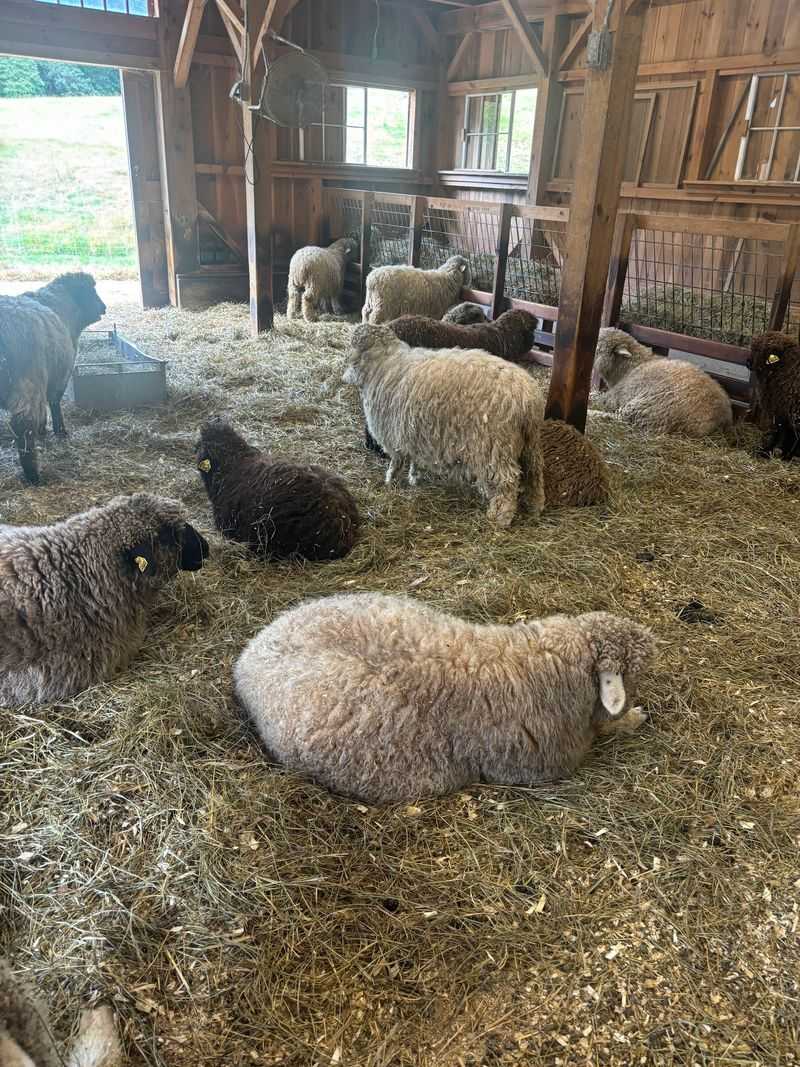
Sheep tend to steal the spotlight here, and for good reason. The animal barns hold a full cast of farmyard residents that keep kids and adults circling back for another look.
You can expect to meet cows, horses, pigs, goats, sheep, chickens, and rabbits during a typical visit. Each barn offers a close view without the chaos of a large attraction.
Families make up much of the crowd, and the barns are where most people spend their time. The layout keeps everything accessible, so strollers and small children move through easily.
Regulars often mention returning year after year, with the animals remaining a reliable source of delight for the youngest guests. It is the kind of routine outing that never seems to wear thin.
Beyond the farm species, native residents like red foxes round out the lineup. Spotting a fox near the sheep is a small thrill that keeps the barnyard tour feeling fresh.
Trails That Lead to the Top of the Drumlin
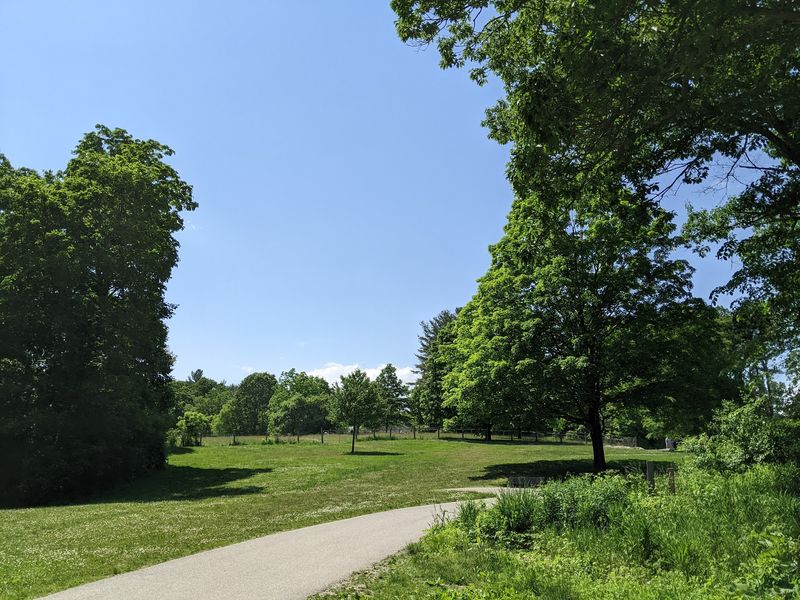
Beyond the busy barns, a network of walking trails opens up for anyone wanting a quieter stretch. One easy route carries you through the fields to the top of the drumlin, the low hill that gives the place its name.
The paths are generous enough that they rarely feel crowded. Regulars note that most people cluster near the animals, so the trails often stay peaceful even on busy days.
Walkers and photographers describe the area as serene and beautiful, a good place to slow down and shake off stress. It works nicely for a gentle nature walk without demanding much effort.
The route through Boyce Field is easy to access and simple to follow. You can stretch a visit to two or three hours by combining the barns with a loop through the open land.
For those who want more than a farmyard tour, the trails add real breathing room. They turn the outing into a proper afternoon outdoors.
The Gift Shop That Tests Your Wallet
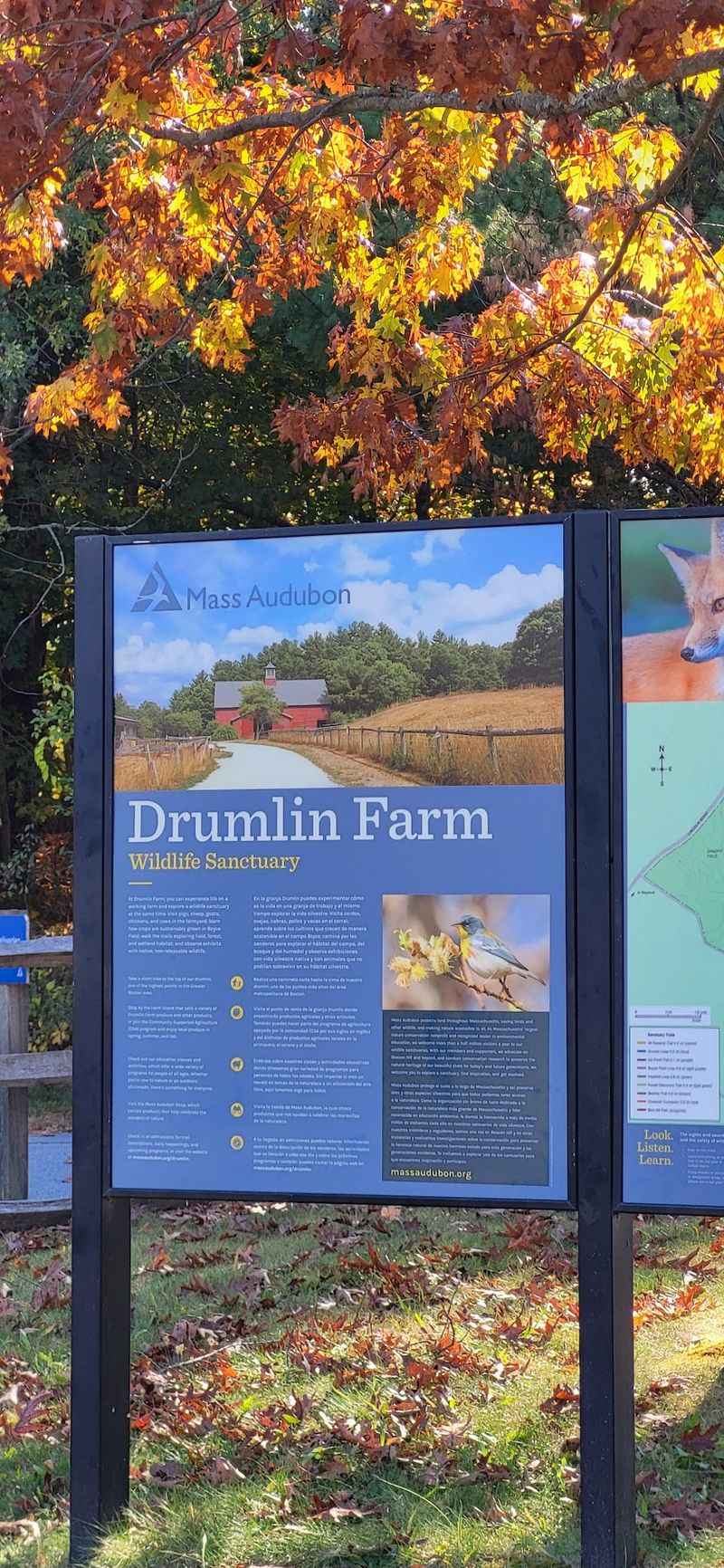
Right at the entrance sits a shop that has a habit of tempting people on their way in or out. It is surprisingly well stocked for a farm, carrying toys, gifts, bird feeding supplies, books, and nature-themed items.
Prices at the shop are described as quite affordable, which is part of its charm. Regulars jokingly warn that it is dangerous for the budget precisely because it is so easy to browse.
The selection leans toward the nature lover and the curious child. Children’s books and small gifts make it a natural last stop before heading home.
You will also find a small assortment of bottled beverages and frozen treats inside. Since this is a working farm rather than a theme park, there are no big snack bars or souvenir stands.
Best of all, proceeds help fund the Massachusetts Audubon Society. Every purchase quietly supports the conservation work happening just outside the door.
Fresh Eggs, Farm Meat, and a Seasonal Stand
Real produce grows in these fields, and you can take some of it home. A farm stand operates in season, stocked with vegetables grown right on the property.
The quality earns steady praise, with regulars calling the produce excellent and the staff friendly and helpful. Seeing the fields where the food is grown adds a satisfying honesty to the whole thing.
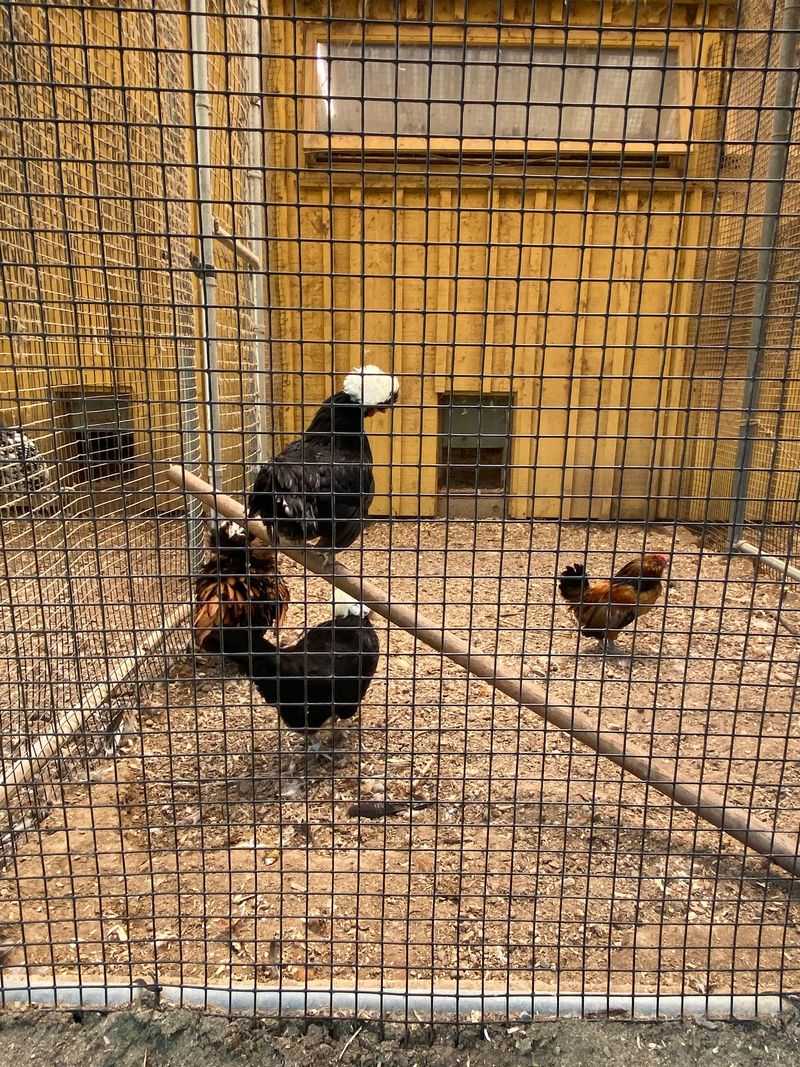
Beyond vegetables, the farm sells meat, honey, and fresh eggs gathered from the coops. It is a genuine farm-to-table setup rather than a gimmick.
Timing matters here. The stand closes outside the growing season, so a November visit may find it shut while a summer trip finds it full.
The farmstead sits near the entrance shop, making it an easy add-on to any visit. For anyone who values knowing where their food comes from, it is a small but meaningful highlight.
Programs, Camps, and Hands-On Learning
Education runs through nearly everything here, and it shows in the range of programs on offer. The farm hosts a preschool and a summer camp, along with daily programming for visitors throughout the week.
Kids’ camp groups are a common sight, especially during school vacation weeks. Some families have driven an hour or more specifically for a special vacation-week program and left glad they made the effort.
The learning focus goes beyond simply looking at animals. Guests come away understanding how crops are grown and harvested and how native species fit into the local landscape.
Staff earn warm mentions for being kind and helpful, and the educational programs get repeated shout-outs. The animals are noted as being well cared for, which reassures families bringing curious children.
Seasonal fun rounds out the calendar, with hay rides and pumpkins arriving as fall settles in. It all adds up to a well-rounded activity for a weekend.
Spring Brings the Baby Animals
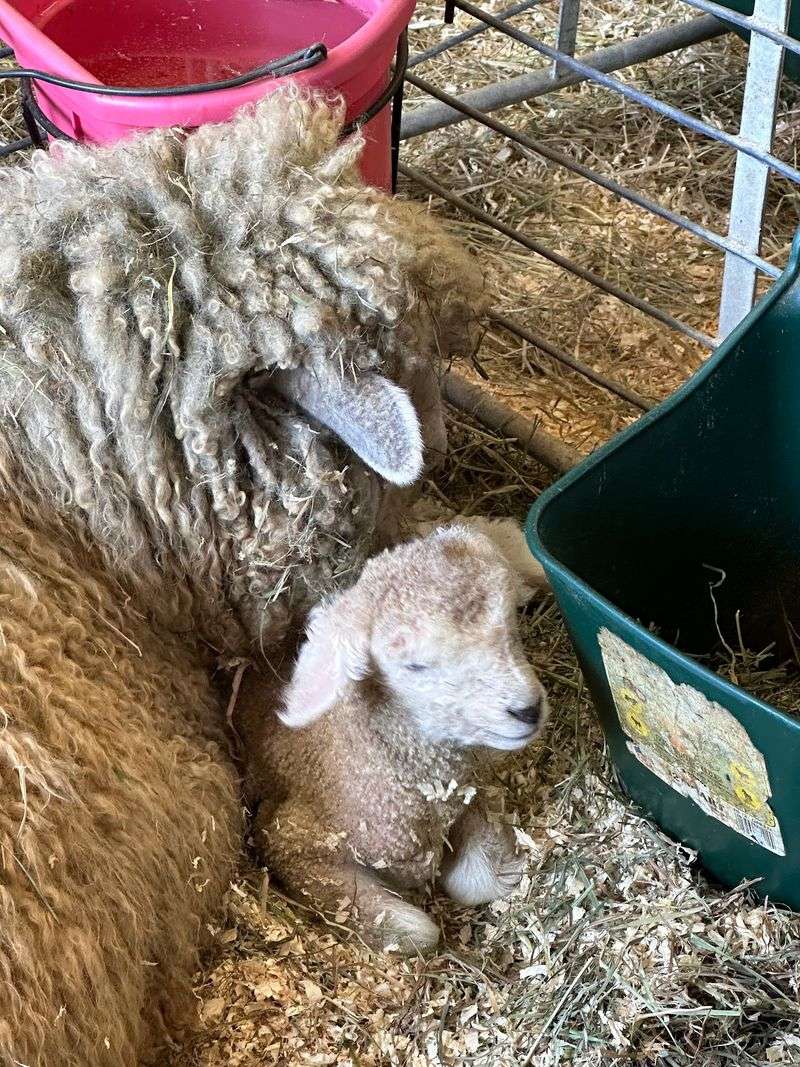
If timing is everything, spring is when this farm truly shines. That is the season when lambs, goat kids, and piglets arrive, and the barns fill with tiny newcomers.
Regulars flag spring as the best time to visit for exactly this reason. Watching the first small lambs of the year is a moment many families plan their trip around.
The season also brings the tail end of sugaring, adding another layer to a spring outing. It is a lively, active stretch on the farm calendar.
All that appeal comes with a catch, though. The farm gets busy during spring weekends, so crowds thicken when the baby animals are the main event.
The smart move is to plan ahead during this window. Reserving a parking spot and buying tickets in advance keeps a spring weekend visit smooth rather than stressful.
Hours, Admission, and Getting There
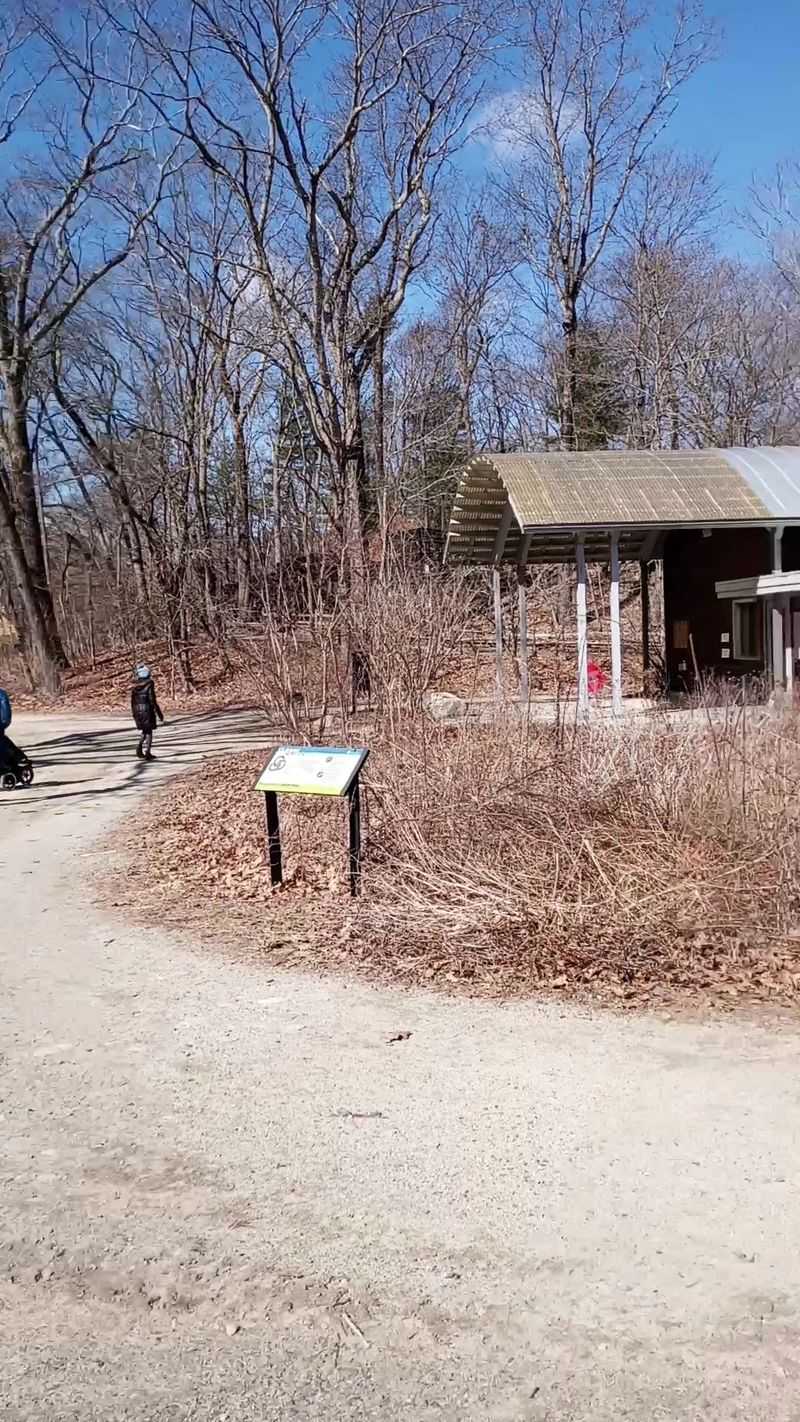
Planning a visit is refreshingly simple. The farm sits at 208 S Great Rd in Lincoln, Massachusetts, and runs from 9 AM to 5 PM Tuesday through Sunday, staying closed on Mondays.
Admission is considered fair and family-friendly. Adult entry has been noted at around 9 dollars, and many longtime guests praise the pricing as reasonable for what you get.
Mass Audubon members can enter without paying at the gate, which makes a yearly membership appealing for repeat visitors. For families who plan to return, that option pays off quickly.
Parking tends to be easy on quieter days, though spring weekends are the exception. Reserving parking and tickets ahead during peak times is the recommended approach.
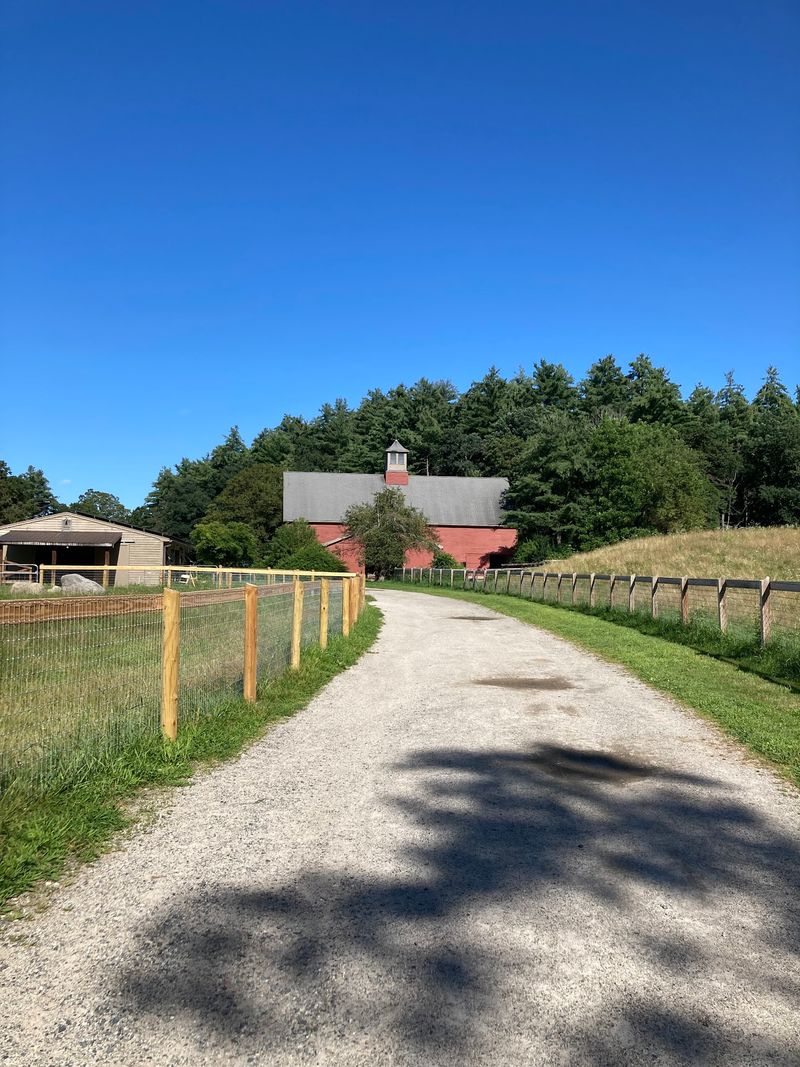
Practical touches round out the experience, with restrooms, hand cleaning stations, and picnic areas available. A tip worth noting is to buy tractor ride tickets at the admission counter before you start exploring, since the ride departs from the red barn in the middle of the farm.
Why This Quiet Farm Earns the Trip
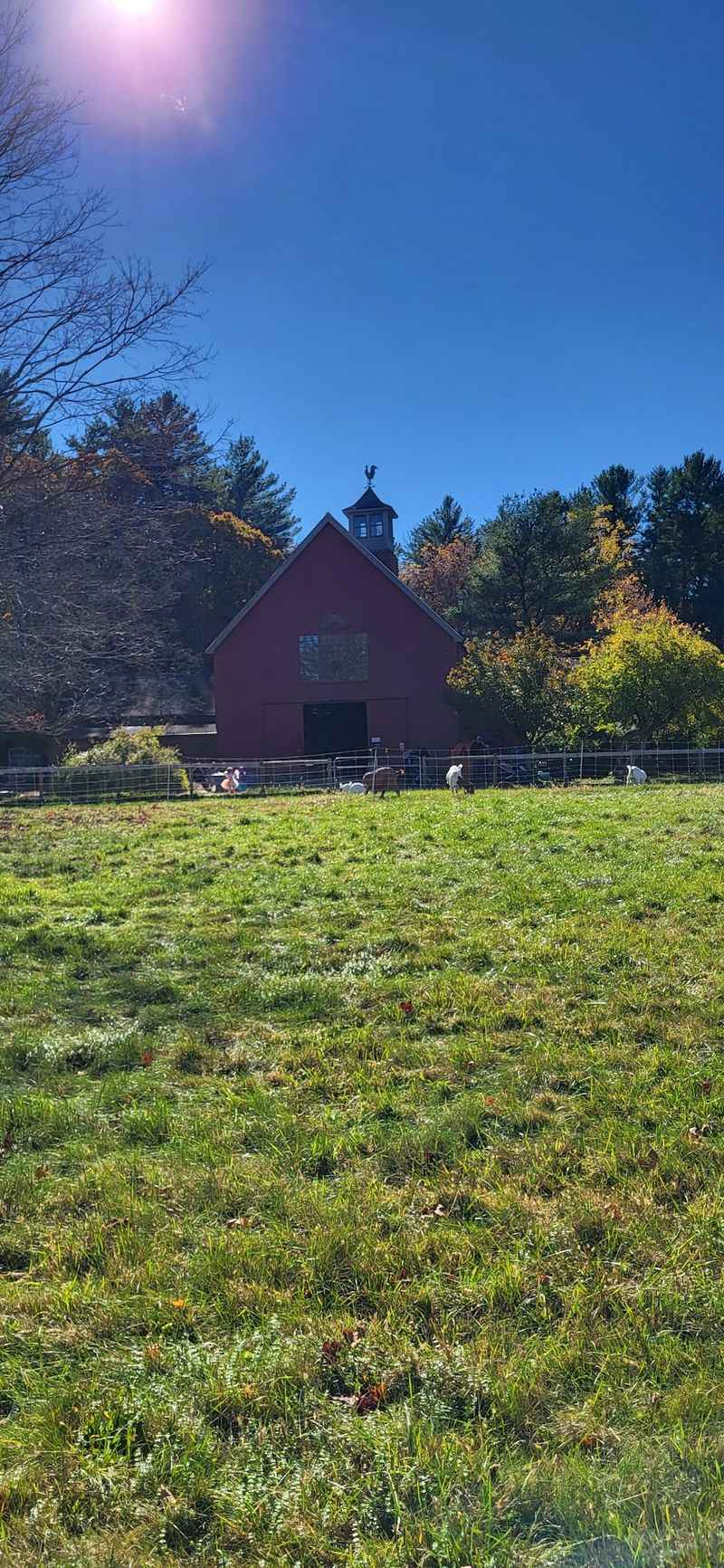
Pulling everything together, this Lincoln property manages to be many things at once without losing its calm character. It is a working farm, a wildlife refuge, and a network of gentle trails wrapped into a single affordable outing.
The appeal holds across ages. Families with young children get animals and space to roam, while walkers and photographers find quiet corners to enjoy on their own.
Some honest notes exist too. A few guests have wished for more enrichment in certain animal enclosures, and one account described a frustrating experience with staff over a support dog.
Even so, the overwhelming sentiment lands warm, reflected in that steady 4.6-star standing. Many people say they only wish they had discovered it sooner.
For eastern Massachusetts residents hunting for a rewarding day close to home, this one quietly delivers. The rescued owls and hawks, living just feet away, are the detail that turns a nice farm visit into a small discovery worth sharing.
Share this story