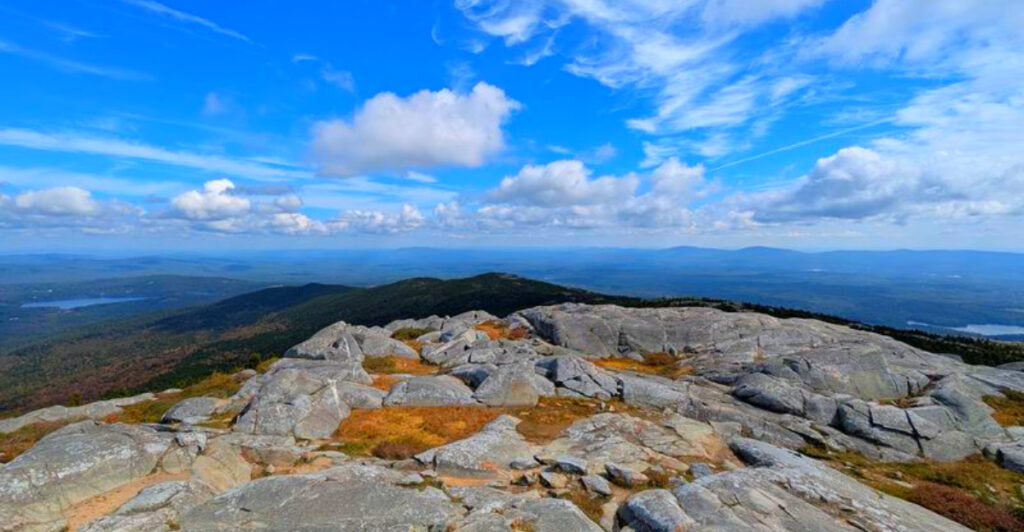
New Hampshire has a well-earned reputation for dramatic mountain scenery, but the state’s park system stretches far beyond the peaks that dominate every postcard. Tucked between quiet lakes, coastal ledges, and rolling forested hills are dozens of parks that most visitors simply drive past on their way to somewhere else. That is genuinely their loss. From a beach on one of the clearest lakes in New England to a park where you can walk among boulders the size of small houses, the Granite State keeps delivering surprises at every turn.
These twelve parks are not secrets exactly, but they are criminally underappreciated, and each one makes a strong case for why New Hampshire’s outdoor story is so much bigger than the White Mountains alone.
1. Ahern State Park, Laconia, New Hampshire
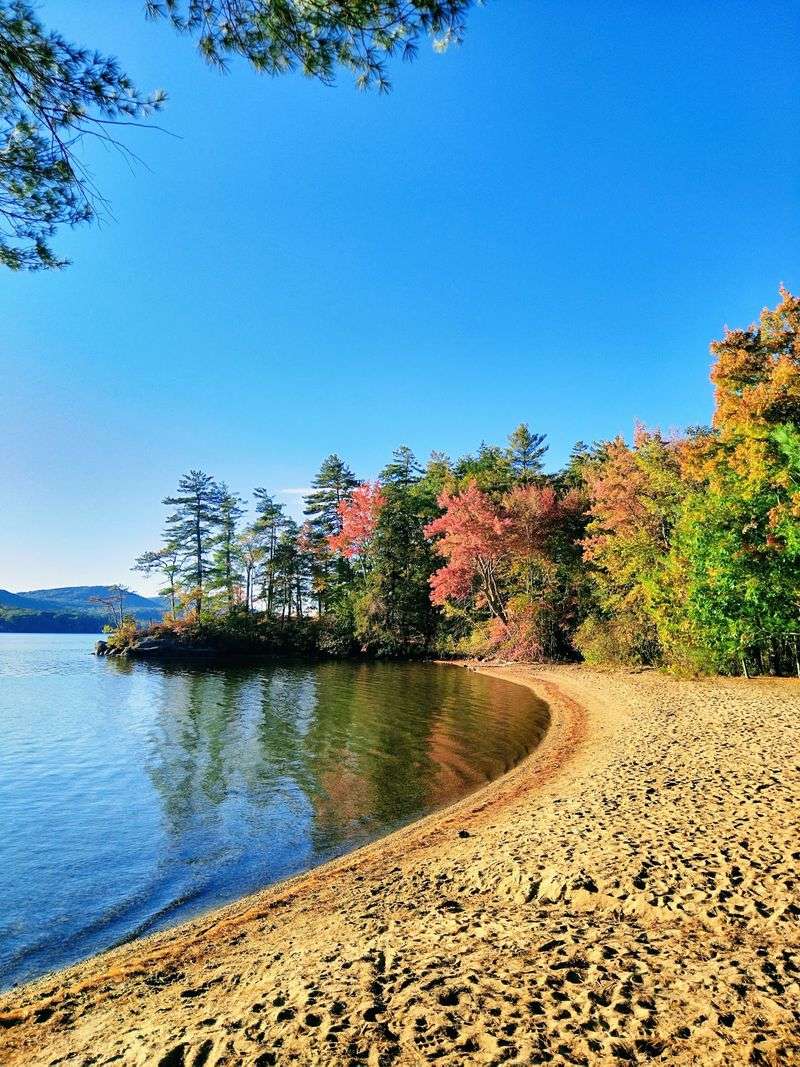
Most people speed past Lake Winnisquam without a second glance, but Ahern State Park sits right along its shore and quietly makes a case for slowing down. The park covers 128 acres and offers 3,500 feet of lakefront access, which is a remarkable stretch for a place that rarely appears on anyone’s must-visit list.
Pine forests line the walking trails, and the water stays calm enough for canoeing, kayaking, and paddleboarding without much fuss. Birdwatchers tend to linger along the shoreline paths, and photographers appreciate the clean lake reflections that appear on still mornings.
Originally called Governor’s State Park when it opened in 1994, the park was renamed in 1998 to honor William Ahern. There is no entrance fee, which makes it an easy choice for a spontaneous afternoon outing. Downtown Laconia sits just minutes away, but inside the park, that proximity is easy to forget entirely.
2. Pawtuckaway State Park, Nottingham, New Hampshire
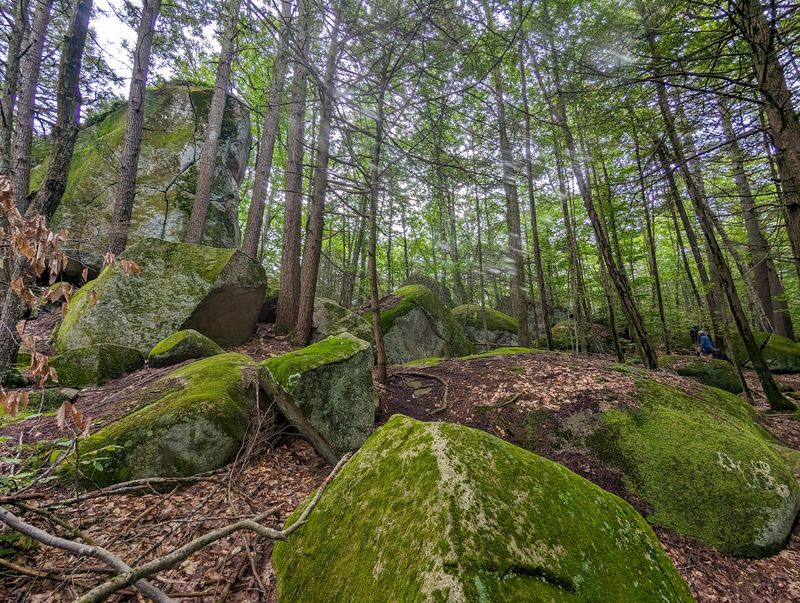
Pawtuckaway is the kind of place that makes you stop mid-trail and wonder how nobody told you about it sooner. The park spans roughly 5,000 acres in Nottingham and centers around a volcanic ring dike that formed more than 100 million years ago, giving the landscape a geological backstory that most parks can only dream about.
The boulder fields are the real showstopper. Glacial erratics up to thirty feet tall are scattered through the forest like a giant’s forgotten game pieces, and experienced boulderers travel specifically to climb them. Pawtuckaway Lake covers over 800 acres and supports swimming, kayaking, and paddleboarding, with rentals available on site.
Over 32 miles of trails crisscross the park, including a route to the South Mountain fire tower with wide views across the surrounding landscape. Camping is excellent here too, with nearly 200 wooded sites plus five cabins, many positioned close to the water. Fall foliage season transforms the whole place dramatically.
3. Wellington State Park, Bristol, New Hampshire
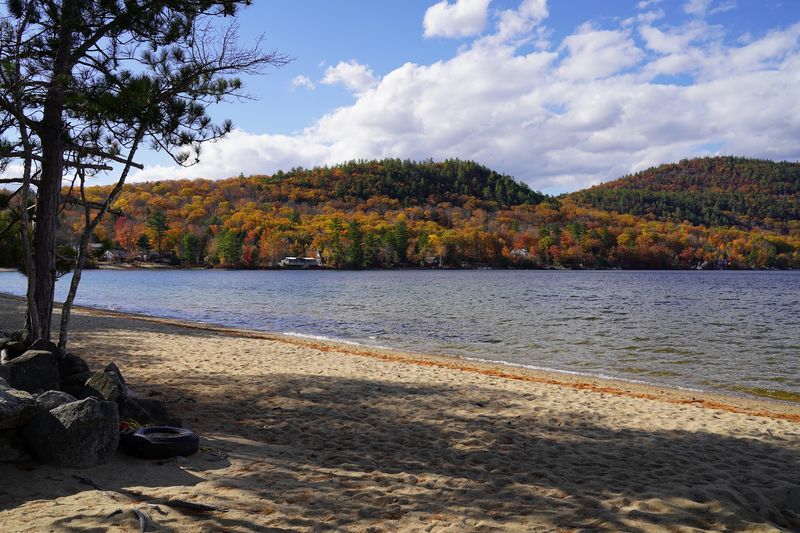
Newfound Lake has a reputation for exceptional water clarity, and Wellington State Park puts you right on its shore with the largest freshwater swimming beach in the entire New Hampshire state park system. That alone is worth the trip, but the park delivers far more than a great beach day.
A network of seven miles of trails connects to destinations beyond the park boundaries, including routes toward Goose Pond, Bear Mountain, Welton Falls, and even Mount Cardigan. A peninsula nature trail with plant identification markers makes for an educational walk that families with curious kids especially appreciate.
The park’s origins are unexpectedly generous. In 1931, Elizabeth Wellington deeded the land to the state for just one dollar, asking only that it remain a public forest and bird sanctuary. Kayak rentals are available, picnic pavilions can be reserved, and the park even hosts summer stargazing events on the beach. Despite all that activity, quiet coves remain easy to find throughout the day.
4. Greenfield State Park, Greenfield, New Hampshire
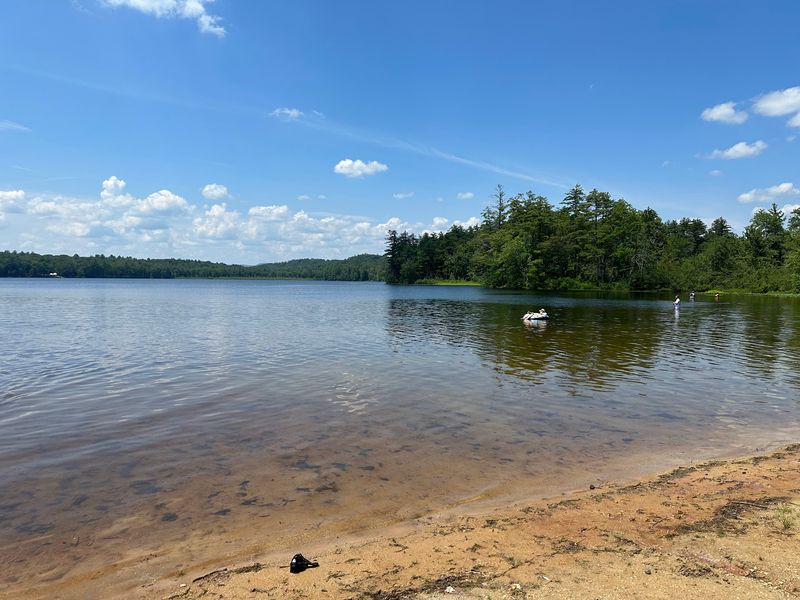
There is something genuinely nostalgic about Greenfield State Park, and that quality is not accidental. Surrounding the undeveloped shores of Otter Lake in the Monadnock Region, this 400-acre park has the unhurried rhythm of a classic New England family campground from a simpler era.
Greenfield operates New Hampshire’s largest campground, with 255 sites for tents and RVs, complete with showers, potable water, and a dump station. A sandy swimming beach on Otter Lake draws families throughout summer, and a separate 900-foot beach is reserved exclusively for campers. Canoes and kayaks are available to rent, making it easy to paddle the lake’s calm waters at your own pace.
Easy walking trails circle glacial kettle ponds like Hogback Pond, and birdwatching along these routes tends to reward patient visitors. Picnic tables and grills are available throughout the park for anyone not camping overnight. Visitors planning ahead should note that the park underwent infrastructure improvements in 2024 and is expected to reopen fully in 2025.
5. Cardigan Mountain State Park, Orange, New Hampshire
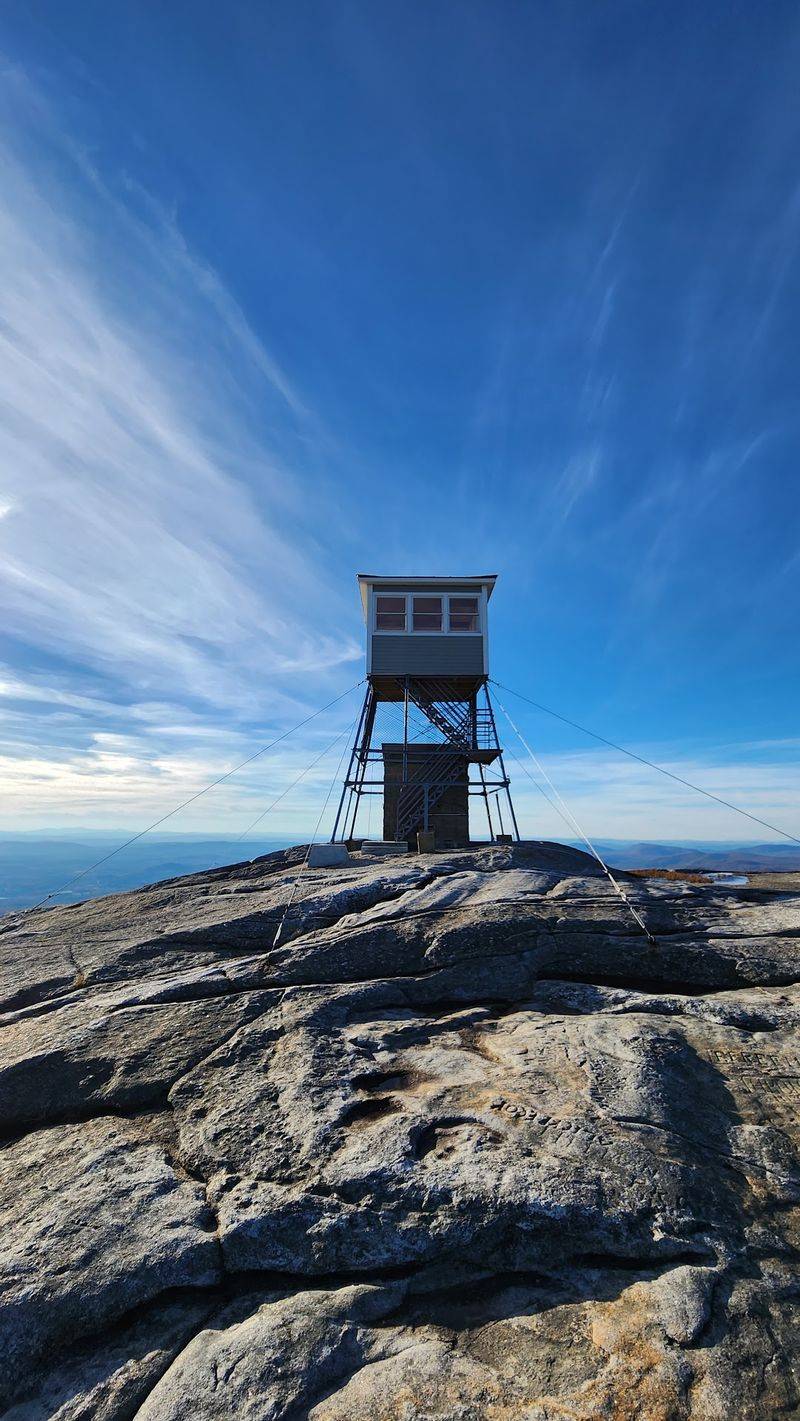
Mount Cardigan has a summit that looks like it was scrubbed clean by history, because it essentially was. Forest fires in 1855 burned away the topsoil and tree cover, leaving an exposed granite dome that now provides some of the most unobstructed views in central New Hampshire without requiring a full White Mountain expedition.
At 3,155 feet, the summit delivers a true 360-degree panorama stretching to the Green Mountains in Vermont, the White Mountains to the north, Mount Monadnock to the south, and Newfound Lake glittering below. A historic fire tower has stood at the top since 1924, offering an extra elevation boost for anyone wanting to extend the view even further.
The park covers 5,655 acres and offers 15 to 18 trails with options ranging from moderate ridge walks to a more demanding Class 3 scramble on the Holt Trail. Entry is free, dogs are welcome on a leash, and the park is open year-round. Autumn hiking here, with foliage spreading across every visible valley, is particularly hard to beat.
6. Winslow State Park, Wilmot, New Hampshire
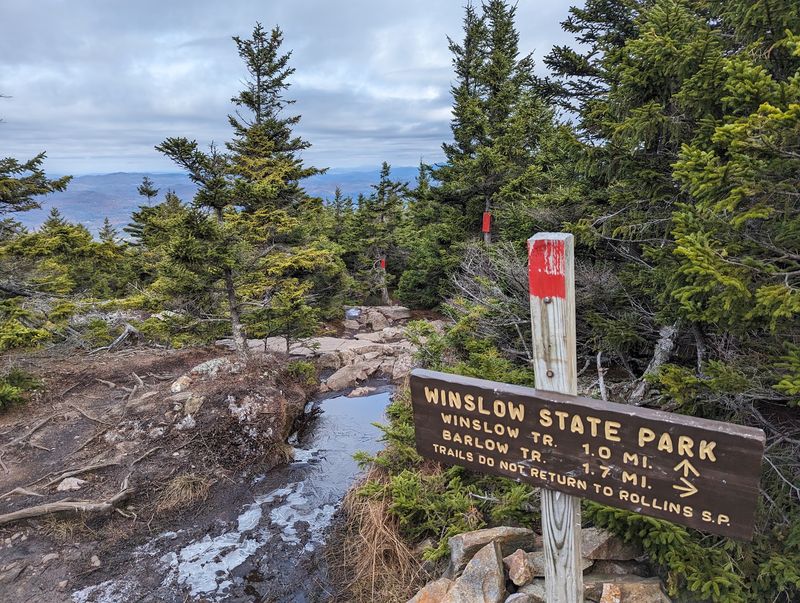
Winslow State Park greets you before you even lace up your boots. The picnic area sits on an 1,820-foot plateau on the western slope of Mount Kearsarge, and the views from the parking lot alone are enough to make most visitors pause before they even hit the trail.
Two hiking routes lead to the 2,937-foot summit from this side of the mountain. The Winslow Trail covers 1.1 miles and climbs steeply over bare granite ledges, while the Barlow Trail offers a more gradual 1.7-mile ascent with scenic overlooks along the way. Combining both into a loop is a popular choice, and the total effort is well within reach for most casual hikers.
The summit fire tower frames views of the White Mountains, Mount Sunapee, Mount Cardigan, and on the clearest days, the Boston skyline to the south. The park is named after Admiral John Winslow of the USS Kearsarge and was established in 1935. There is no camping, but picnic tables, grills, and restrooms make it a tidy half-day destination.
7. Rollins State Park, Warner, New Hampshire
Not everyone wants to earn their mountain views the hard way, and Rollins State Park on the southern slope of Mount Kearsarge has zero judgment about that. A 3.5-mile scenic auto road winds through dense woodlands and deposits visitors at a picnic area affectionately called “the Garden,” positioned just below the summit with views already spreading in every direction.
From there, a half-mile trail leads to the 2,937-foot rocky summit and its fire tower, where the panorama extends from Mount Monadnock in the south to the White Mountains in the north, with the Boston skyline occasionally visible on exceptionally clear days. Two trail options exist for the final climb: the gradual Rollins Trail follows an old carriage road, while the Lincoln Trail takes a steeper and rockier approach.
The park traces its origins to an 1866 legislative charter for a toll road, later developed by the Civilian Conservation Corps, and was eventually named for former Governor Frank Rollins. Dogs are welcome on leash, picnic tables and restrooms are available, and the park stays open through the warmer months for reliable day-trip adventures.
8. Miller State Park, Peterborough, New Hampshire
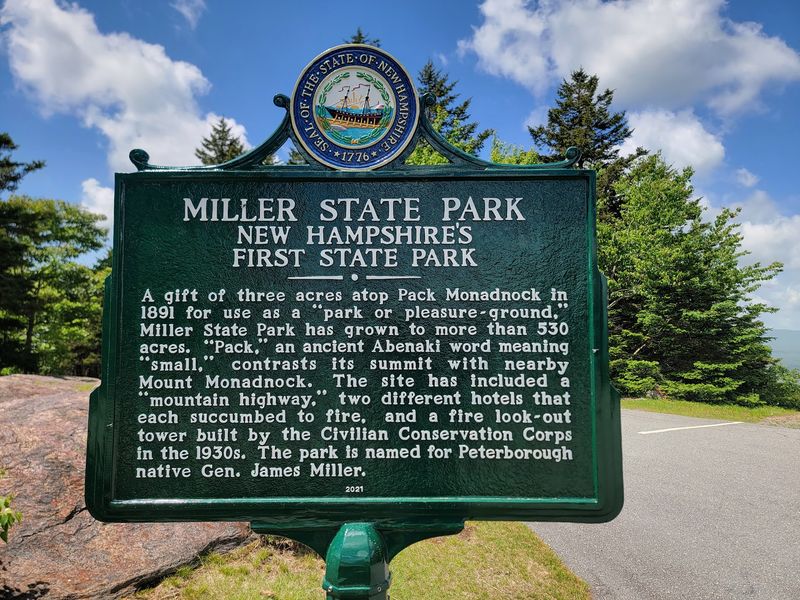
New Hampshire’s oldest state park has been quietly doing its job since 1891, which means it has been welcoming hikers to Pack Monadnock Mountain for well over 130 years without much fanfare. That kind of longevity deserves more recognition than it typically receives.
A 1.3-mile paved auto road climbs nearly to the 2,290-foot summit, with several viewpoints along the way making the drive itself worthwhile. At the top, a seasonally staffed fire tower provides a full 360-degree panorama that takes in Mount Monadnock, the White Mountains, and on clear days, the Boston skyline rising to the south. Three hiking trails, including a section of the 21-mile Wapack Trail, offer alternatives to the drive for those who prefer to earn the view on foot.
The park is especially celebrated among birdwatchers for the Pack Monadnock Raptor Observatory, one of New England’s premier hawk-watching sites. Between September and November, thousands of raptors pass overhead during migration, drawing enthusiasts with binoculars from across the region. Picnic areas and restrooms round out the amenities.
9. Monadnock State Park, Jaffrey, New Hampshire
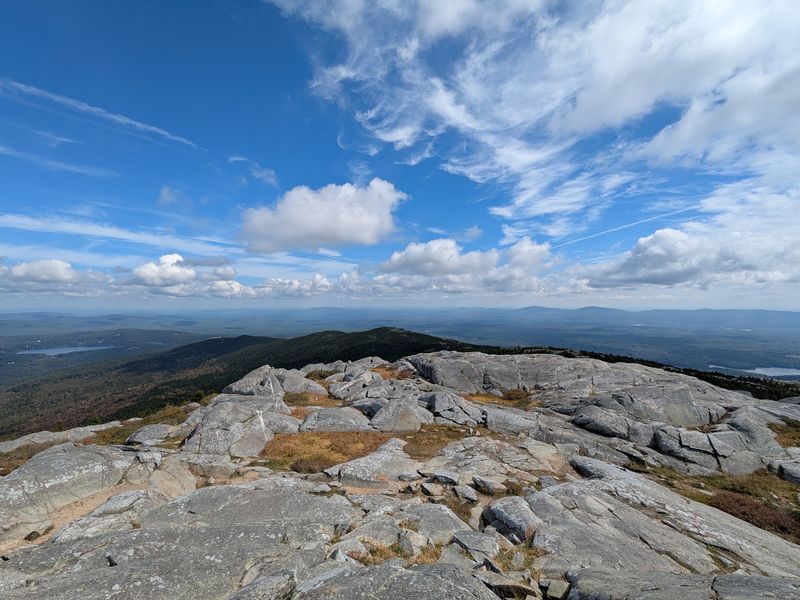
Mount Monadnock gets all the headlines, but the park surrounding it deserves its own paragraph. Covering nearly 6,000 acres in Jaffrey and Dublin, Monadnock State Park offers far more than just a famous summit, with a trail network, two campgrounds, and ecosystems that scientists and naturalists find genuinely fascinating.
The mountain’s name comes from an Abenaki word meaning “mountain that stands alone,” and the term has since become a geological label for any isolated peak rising from a plain. Over 30 miles of trails range from the steep White Dot Trail to the longer, more secluded Birchtoft Trail departing from Gilson Pond. The bare rocky summit, a result of 19th-century forest fires, delivers 360-degree views that reach all six New England states on the clearest days.
Two campgrounds serve overnight visitors: the Monadnock Headquarters site with flush toilets and a camp store, and Gilson Pond, which opened in 2010 and includes a bathhouse, playground, and remote hike-to sites. Together they generate over 14,000 camper nights annually. Pets are not permitted anywhere in the park.
10. Bear Brook State Park, Allenstown, New Hampshire
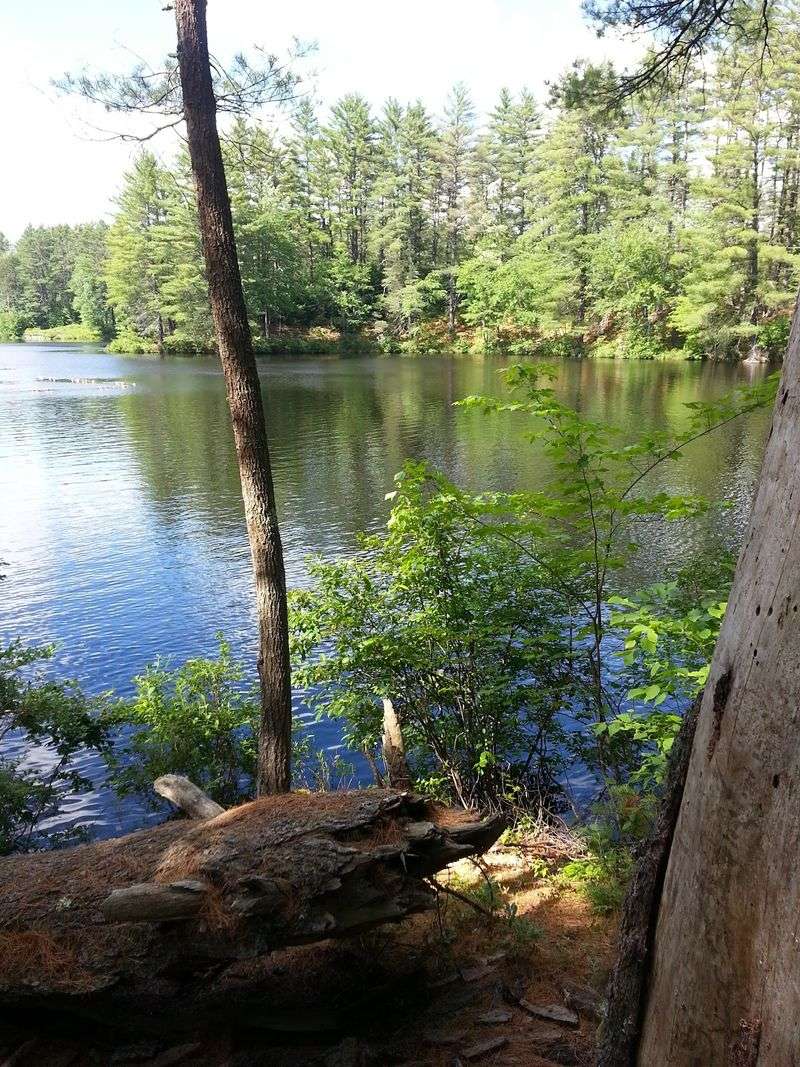
Bear Brook State Park is so large that you could visit a dozen times and still find a corner you have never explored. Covering over 10,000 acres in Allenstown, it holds the title of New Hampshire’s largest developed state park, and it uses that space generously across hiking, biking, camping, paddling, fishing, and archery.
More than 40 miles of trails traverse bogs, summit Catamount Hill, and circle quiet ponds throughout the park. The Beaver Pond Campground offers 101 sites for tents and RVs, and rustic cabins at Bear Hill Pond provide a more secluded overnight option. Canoe and rowboat rentals are available on Beaver and Catamount Ponds, and designated swimming beaches give families a reliable spot to cool off.
Two public archery ranges are a genuinely unusual feature for a state park, welcoming archers to bring their own equipment. A museum complex on site includes the New Hampshire Antique Snowmobile Museum, the Old Allenstown Meeting House, and a Civilian Conservation Corps museum, all housed in historic CCC buildings. Despite its scale, Bear Brook never feels overwhelming.
11. Odiorne Point State Park, Rye, New Hampshire
New Hampshire has only eighteen miles of coastline, and Odiorne Point State Park protects the longest undeveloped stretch of it. That distinction alone sets this Rye park apart from nearly every other coastal destination in the state, but the layers of history here add considerable depth to a walk along the shore.
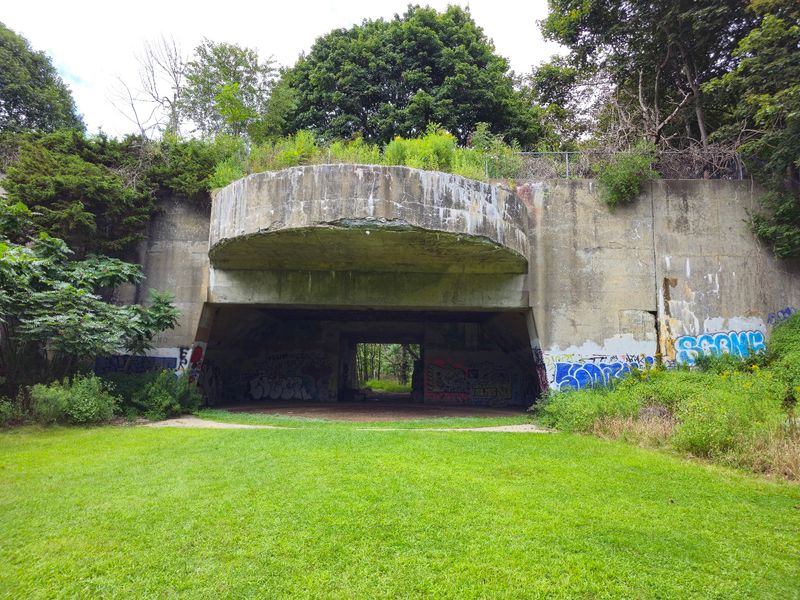
The site was home to New Hampshire’s first European settlement in 1623, and centuries later it became Fort Dearborn during World War II. Concrete bunkers and gun mounts from that era still stand within the park, and Battery Seaman is one of the more striking remnants visitors can explore on foot. Easy, well-marked trails connect these historical features while passing salt marshes, freshwater ponds, and rocky tidepools teeming with marine life.
The Seacoast Science Center, located within the park, offers touch tanks, ocean ecosystem exhibits, and educational programs that make it a strong choice for families with children. The park itself has no entry fee, though the Science Center charges a separate admission. Picnic areas with ocean views, paved bike paths, and fishing access round out the experience.
12. Franconia Notch State Park, Franconia, New Hampshire
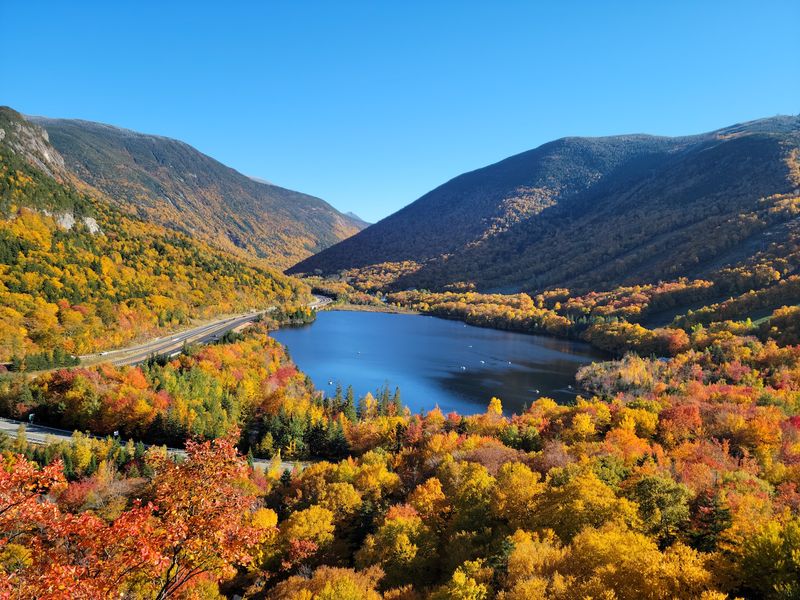
Franconia Notch has a reputation for its famous attractions, but most visitors collect a few highlights and leave without realizing how much they missed. The park stretches eight miles through a dramatic mountain pass between the Kinsman and Franconia ranges, and its quieter corners reward anyone willing to spend more than a few hours here.
A 9-mile paved recreation path runs the full length of the park, passing major attractions while offering outstanding mountain and lake views along the way. Hikers can choose from trails ranging from easy family walks to the celebrated Franconia Ridge loop, which follows the Appalachian Trail across exposed summits. Echo Lake provides a sandy beach for swimming and boat rentals, while Profile Lake is reserved for fly-fishing only.
Visitors planning to use the Cannon Mountain Aerial Tramway should note it is closed for replacement through the 2026 summer season.
Share this story