Europe is famous for castles, cafes, and big cities, but some of its best scenery grows quietly under tall trees. From mossy laurel woods on a volcanic island to ancient pines near Stockholm, the continent holds forests that still feel wild.
Some are protected parks, some are old-growth survivors, and a few are close enough to a major city for an easy day trip. This list gathers twenty of them, with real trails, real protections, and real reasons to go.
Whether you like spring flowers, autumn color, or long quiet hikes, there is a woodland here that deserves a spot on your map.
Białowieża Forest, Poland
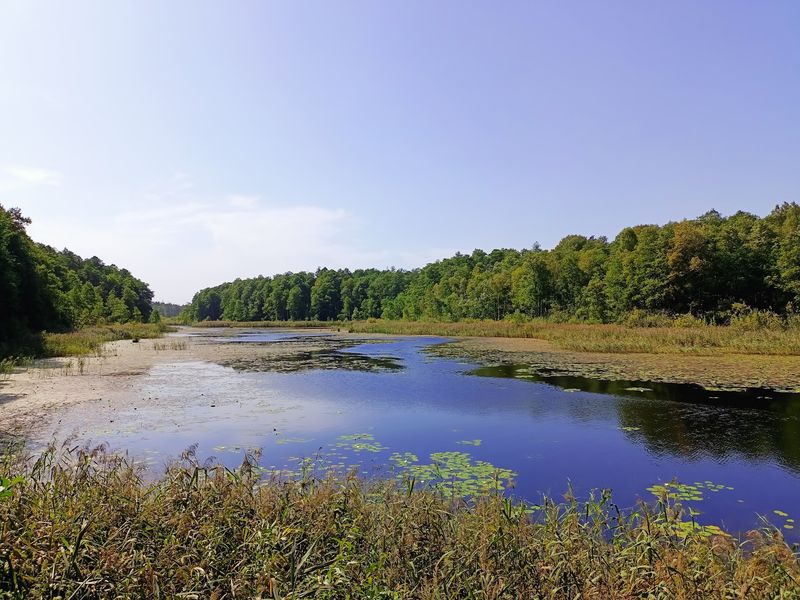
Few places in Europe still show what the lowlands looked like before farms and modern forestry took over. Białowieża stretches across Poland and Belarus and holds large areas of old-growth woodland.
UNESCO highlights its rich wildlife and its role as a home for the European bison. That makes it a rare stop for anyone who wants to see big mammals in a natural setting.
The Polish side is the more practical choice for travelers. Some sections can be explored on your own, while the most strictly protected areas have controlled access, so plan ahead and consider a guide.
Expect huge trees, fallen trunks left to rot naturally, wetlands, and plenty of birds. It looks nothing like a neat, trimmed woodland, and that is the whole point of going.
Black Forest, Germany
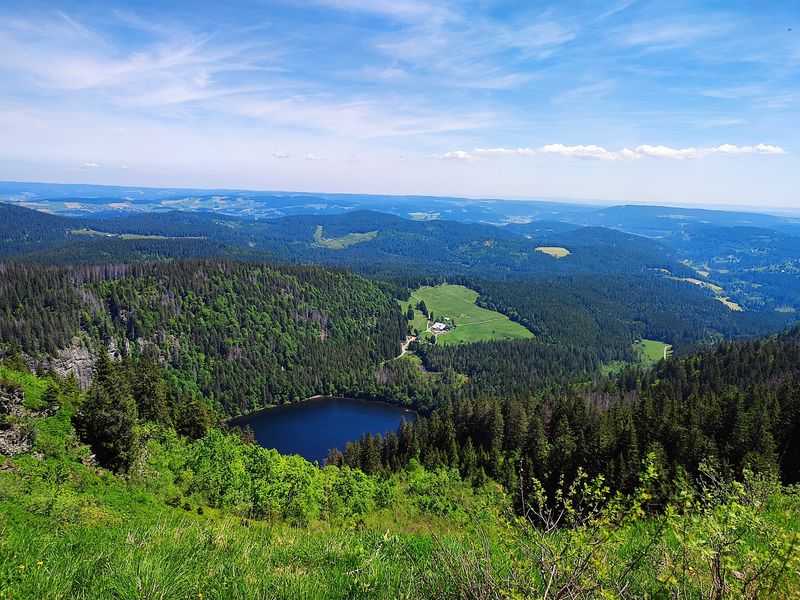
Everyone knows the name, yet far fewer people know how wild the Black Forest gets once you leave the busy towns. Thick woodland covers southwestern Germany, broken up by valleys, waterfalls, lakes, farmhouses, and mountain viewpoints.
The regional tourism organization maintains a large hiking network. It also promotes lesser-known Hidden Trails that steer visitors away from the most crowded routes.
Hiking works all year, though conditions change a lot from season to season. Summer trails and winter snow paths feel like two different places.
My advice is to stop treating the Black Forest as a single attraction. Give yourself several days, pick one quieter corner, and explore it on foot instead of rushing between famous stops.
Bavarian Forest, Germany
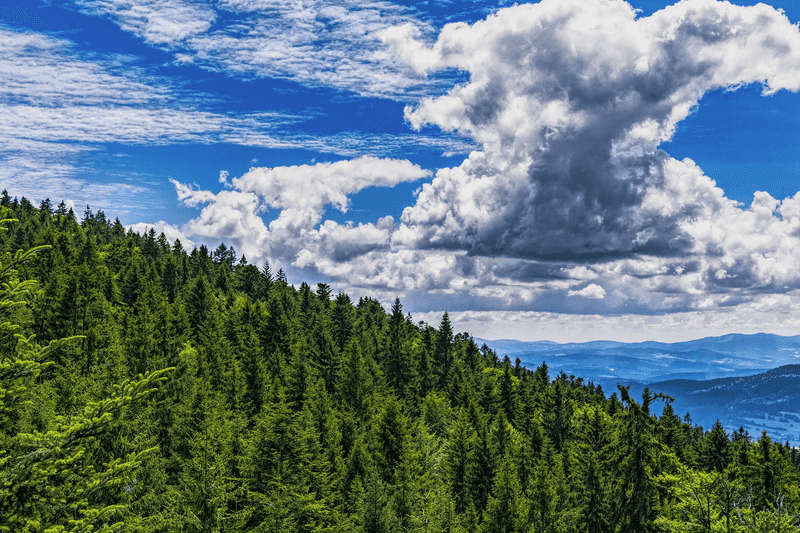
Along the Czech border, Bavarian Forest National Park lets nature do most of the work. The guiding idea is minimal interference, which creates regenerating woodland, deadwood, streams, and wildlife habitat.
Visitors have many ways to enjoy it. The park reports more than 500 kilometers of marked trails, plus cycling routes, snowshoe options, guided outings, and accessible excursions.
That mix makes it a smart pick for people who want a wilderness mood without guessing where to go. Paths are well organized, so planning a day is simple.
It is part of one of Central Europe’s great forest landscapes, so the scenery feels big even on a short visit. Pair it with a trip across the border for even more woodland.
Hallerbos, Belgium
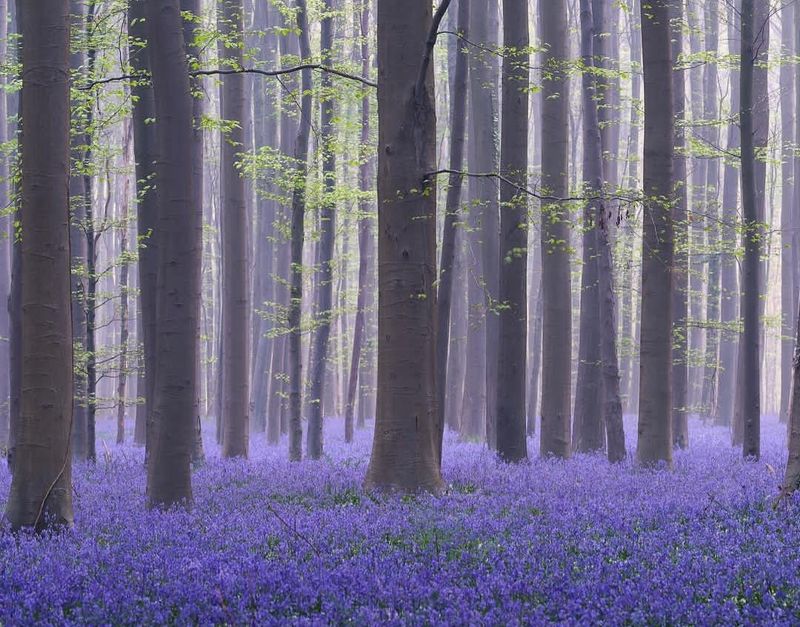
For a few weeks each spring, the ground in Hallerbos turns purple-blue. Bluebells spread beneath the trees outside the town of Halle, and the scenes have made this forest famous.
The forest is public and has three marked hiking loops, walking maps, guided outings, parking, and public-transport information. Its official site says the bluebells usually bloom around mid-April, though the exact timing depends on the season.
Spring draws the biggest crowds, so arriving early in the day helps.
Here is a tip many visitors skip: the trails are also worth walking in autumn and winter. They are far quieter then, and you can enjoy the tall beech trees without a line of photographers ahead of you.
New Forest, England
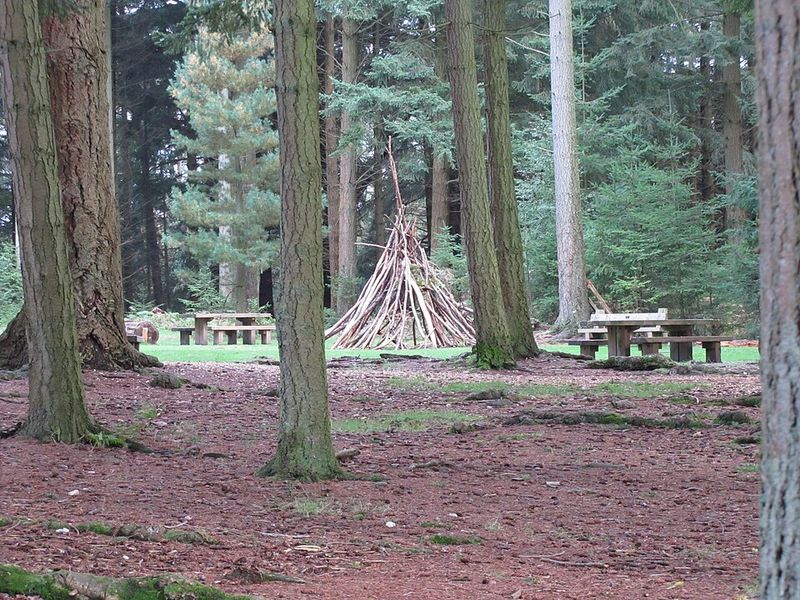
Despite the name, the New Forest is anything but new. Ancient woodland, heath, wetlands, grazing land, and historic villages all share space in southern England.
Walking is the easiest way to see it. The National Park Authority provides marked routes, from short accessible paths to longer rambles through woods and open ground.
During the ground-nesting bird season, visitors are asked to stay on the main tracks in sensitive areas. It is a simple rule that helps protect wildlife.
Free-roaming ponies get most of the attention, and they are fun to spot. Still, save time for the older oak and beech woodland, because the trees are the real stars here.
Forest of Dean, England
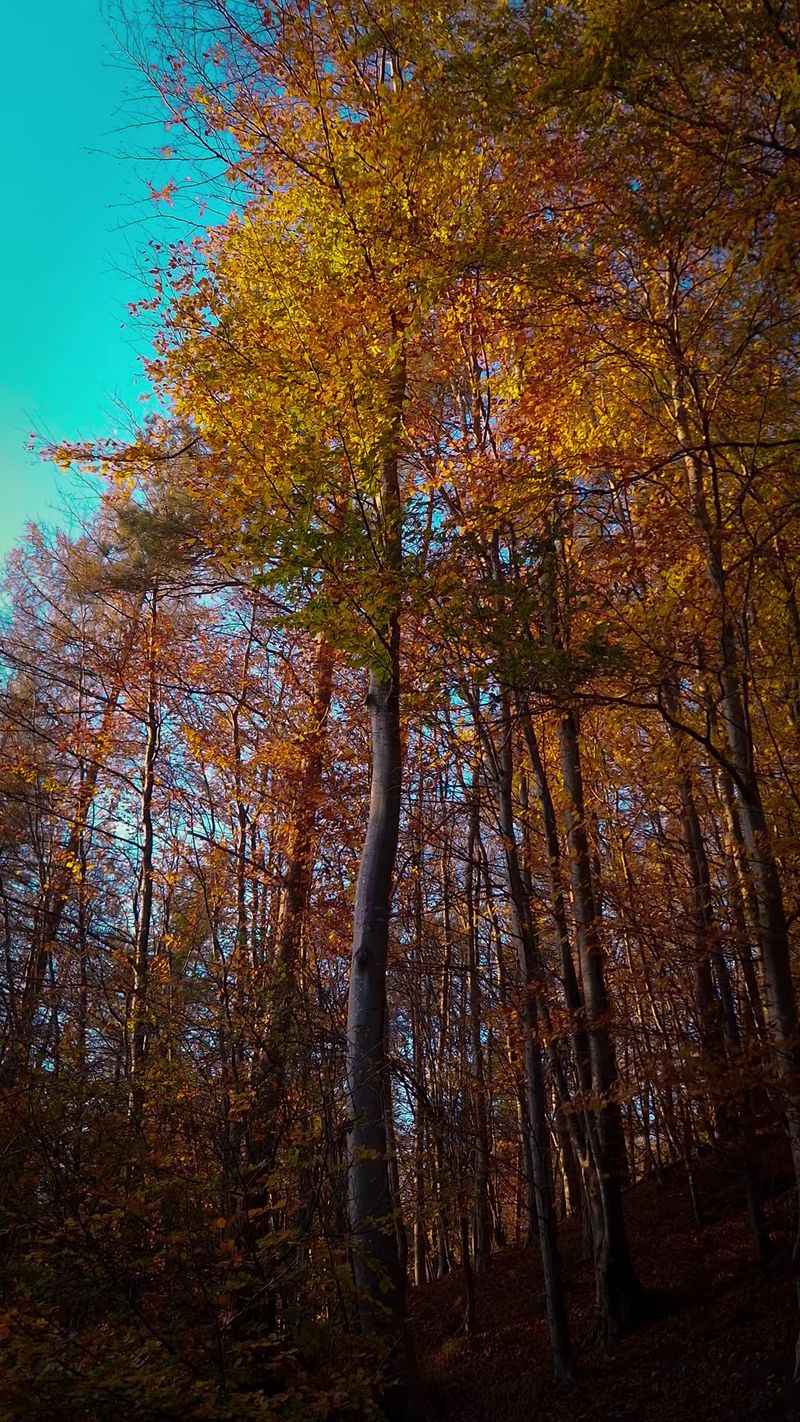
Tucked between the rivers Severn and Wye, the Forest of Dean is one of England’s largest ancient forest areas. Its biggest strength is variety, from quiet walks under mature trees to longer routes linking viewpoints and historic sites.
Forestry England says the forest has hundreds of miles of trails. Signposted routes start at the main visitor locations, so first-timers can pick a path without much fuss.
Options suit different ages and mobility levels, and all-terrain mobility scooter hire is available. That makes it easier for mixed groups to share the same day outdoors.
If you want English countryside without sticking to the better-known national parks, this is a strong alternative. Bring a map, choose one trail, and let the forest set the pace.
Glen Affric, Scotland
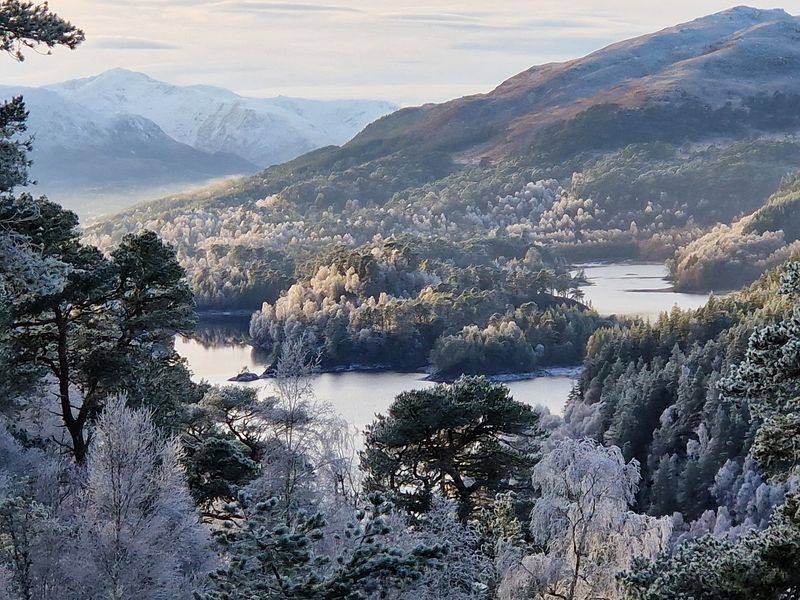
Scots pine, birch, and oak line the lochs and rivers of Glen Affric, with Highland mountains rising behind them. It holds one of Scotland’s finest surviving stretches of Caledonian Forest.
Forestry and Land Scotland describes it as one of the best examples of the woodland that once covered a much larger part of the country. The wider landscape is protected as a National Nature Reserve.
Established woodland trails lead to spots such as Dog Falls and Plodda Falls, so you can build a day around waterfalls and forest walks.
For classic Highland scenery without relying on the busiest tourist routes, it is a smart choice. Pack layers, since Highland weather can change quickly.
Rothiemurchus Forest, Scotland
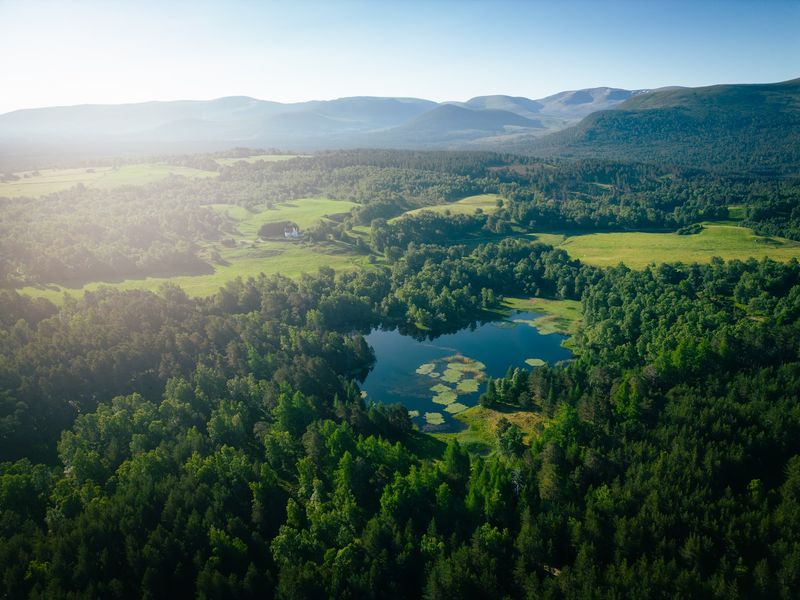
Near Aviemore, inside Cairngorms National Park, Rothiemurchus protects one of Britain’s largest areas of natural forest. Ancient Scots pines, lochs, wildlife, and mountain views make it seem far more remote than it really is.
The estate welcomes visitors for walking, cycling, and many other outdoor activities. Large areas are managed specifically as native and old-growth woodland.
One of the best-known walks circles Loch an Eilein. Even so, simply wandering among the pines can be the highlight of the day.
It also works well as a base, since the wider Cairngorms are close by. Easy access and big scenery are a rare pairing.
Killarney’s Native Woodlands, Ireland
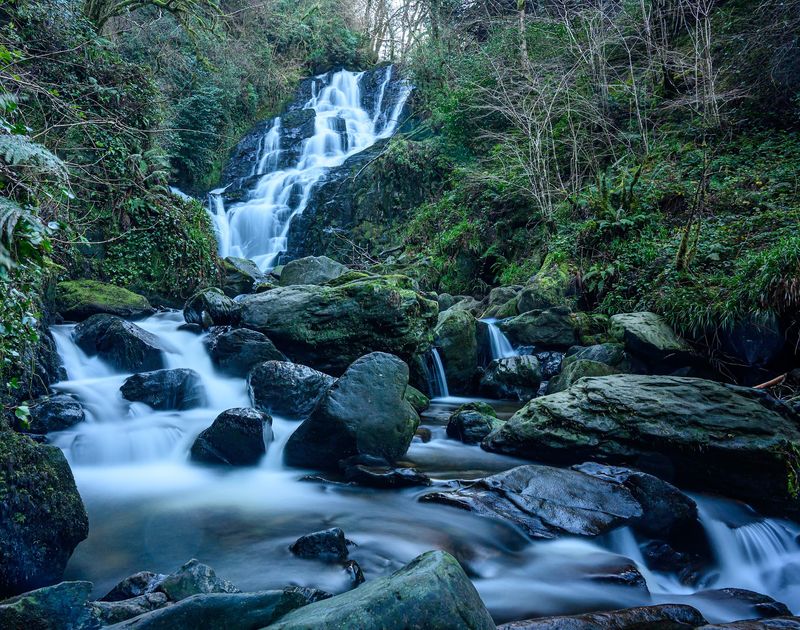
Lakes and mountains get the postcards, but Killarney National Park also guards some very important forests. It protects large areas of native oak woodland, along with yew and wet woodland habitats.
Official conservation documents identify Killarney’s oak woods as the most extensive remaining native woodland of their type in Ireland. Major areas surround the lakes and valleys.
Walkers can combine wooded paths with lake views, waterfalls, historic estates, and mountain scenery in the same outing.
That variety makes Killarney one of the easiest stops on this list to slot into a wider Irish road trip. Give the trees a full morning before moving on to the next viewpoint.
Irati Forest, Spain
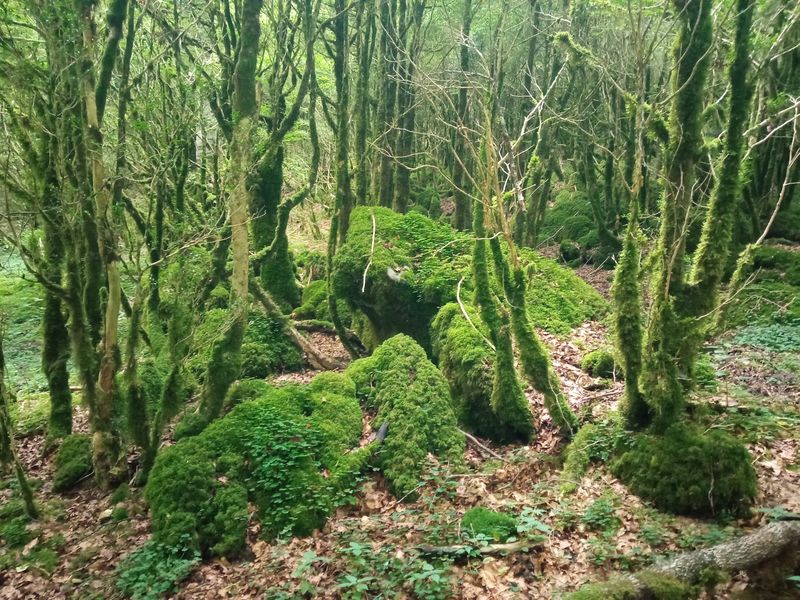
Autumn turns the beech canopy of Irati orange and gold, but the forest looks fine in any season. Hidden in the Pyrenees of Navarre, it is one of Europe’s largest and best-preserved beech and fir forests.
More than 17,000 hectares of woodland spread around reservoirs, rivers, mountain slopes, and quiet valleys, according to Visit Navarra.
Visitors can enter through several established access points, including routes from Ochagavía and Orbaizeta. Hiking and mountain biking are two of the most popular ways to explore.
Spring and summer bring deep green scenery that is just as impressive. Irati somehow manages to feel both enormous and intimate.
Fragas do Eume, Spain
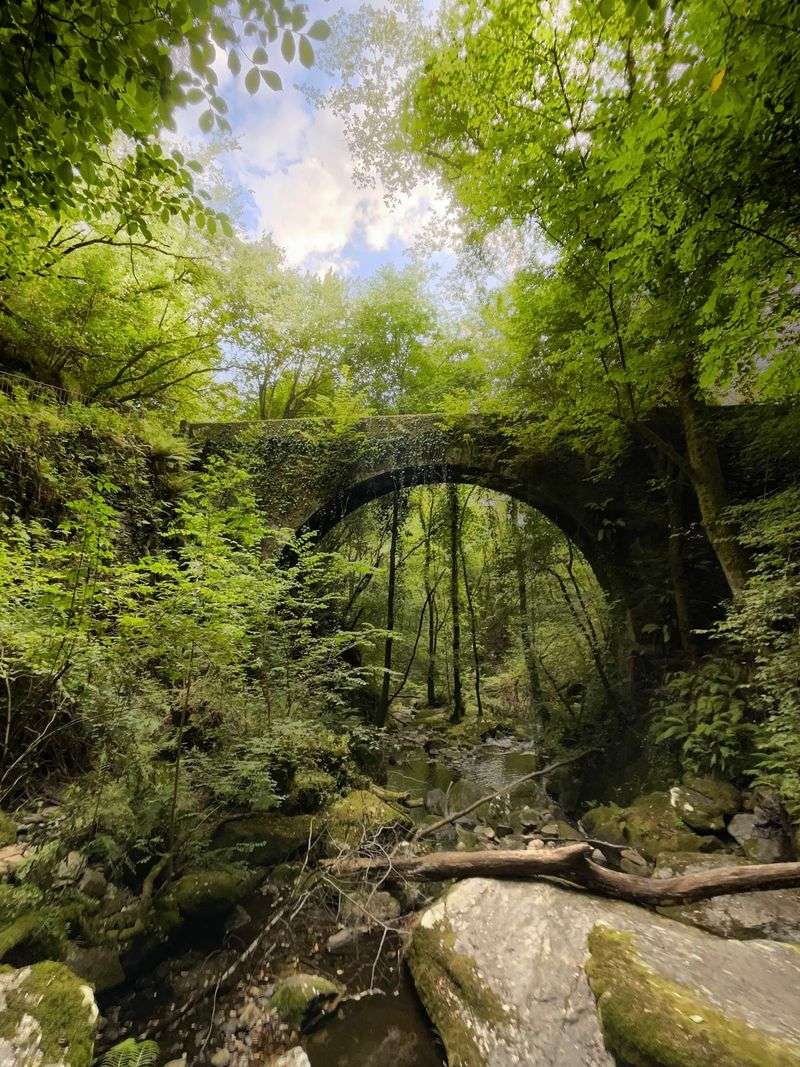
Forget the dry, sunny Spain of postcards. In Galicia, Fragas do Eume follows the Eume River through oak, ash, alder, ferns, streams, and steep green slopes, and it counts among Europe’s best-preserved riverside Atlantic forests.
Galicia’s official tourism authority recommends exploring the natural park on foot and describes nearly 9,000 hectares of protected territory.
Plenty of rain keeps the vegetation thick, and moss covers much of the landscape. In places the greenery looks almost subtropical.
Bring waterproof shoes and a light rain jacket. This is one of northern Spain’s most atmospheric natural escapes for walkers who like their forests dense and leafy.
Garajonay National Park, Spain
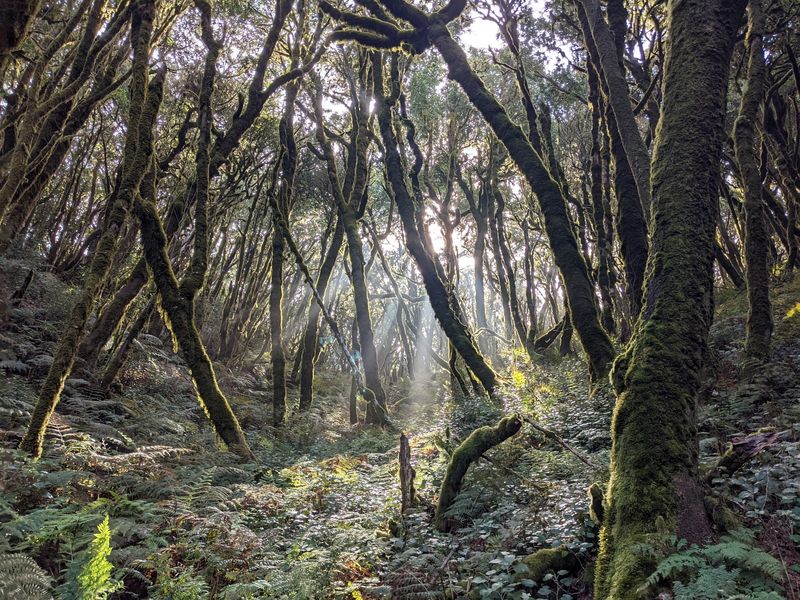
Moss-covered branches, twisted trunks, fog, and dense greenery give Garajonay a storybook look. On the island of La Gomera, it protects a laurel forest that seems closer to a fantasy film than a typical European woodland.
UNESCO notes that laurel forest covers around 70 percent of the national park. Frequent cloud and mist supply the moisture that keeps alive vegetation related to ancient subtropical forests that once spread across much of southern Europe.
The Canary Islands government lists an extensive network of routes. They range from short 20-minute walks to longer six-hour hikes, so there is room for a quick stop or a full day.
Bring a light jacket, because cloud can roll in fast.
Foreste Casentinesi, Italy
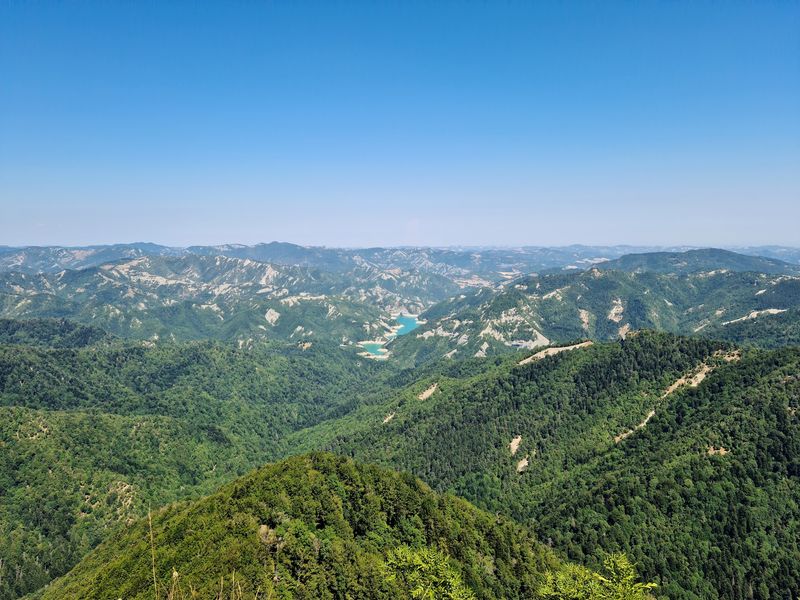
Straddling Tuscany and Emilia-Romagna, the National Park of the Casentinesi Forests protects one of Italy’s richest woodland landscapes. The park describes its forests as among the oldest in Europe, with mixed woodland covering much of the protected area.
Nature trails run through beech forest, silver-fir woods, and chestnut landscapes. Historic areas around Camaldoli and Badia Prataglia make handy starting points.
Some core reserves, including Sasso Fratino, have much stricter conservation rules. Plenty of the park, however, stays open through established hiking routes.
It is an easy way to add real forest time to an Italian trip that might otherwise be all cities and coastlines.
Šumava Forest, Czechia
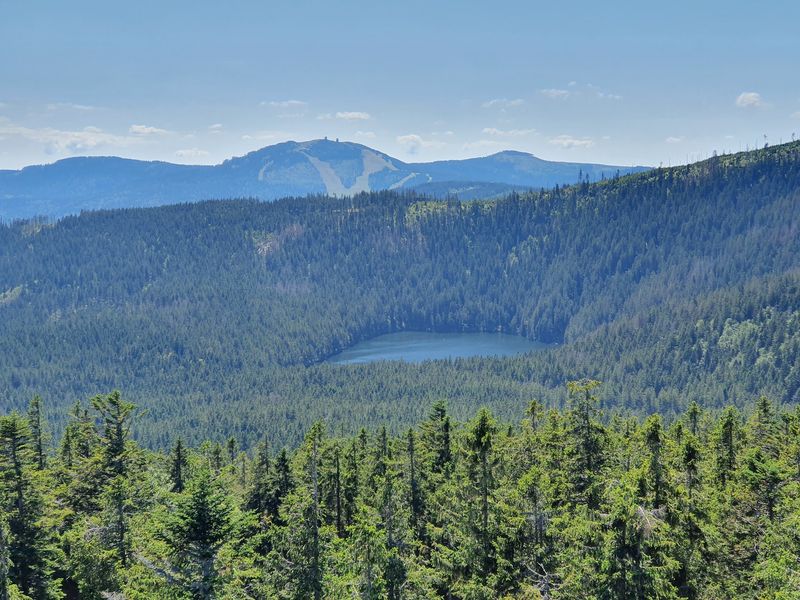
Forest, peat bogs, mountain plateaus, rivers, and glacial lakes all fit inside Šumava National Park along the German border. It is a huge Central European landscape that rewards active travelers.
The park promotes hundreds of kilometers of cycling routes, numerous nature trails, guided wilderness trips, and walking itineraries. They range from short excursions to demanding day hikes.
Together with Germany’s neighboring Bavarian Forest, Šumava forms part of an enormous transboundary woodland region.
Visiting both parks makes a great nature-focused itinerary through Central Europe. Cross the border, compare the two, and decide which trails you liked best.
Biogradska Gora, Montenegro
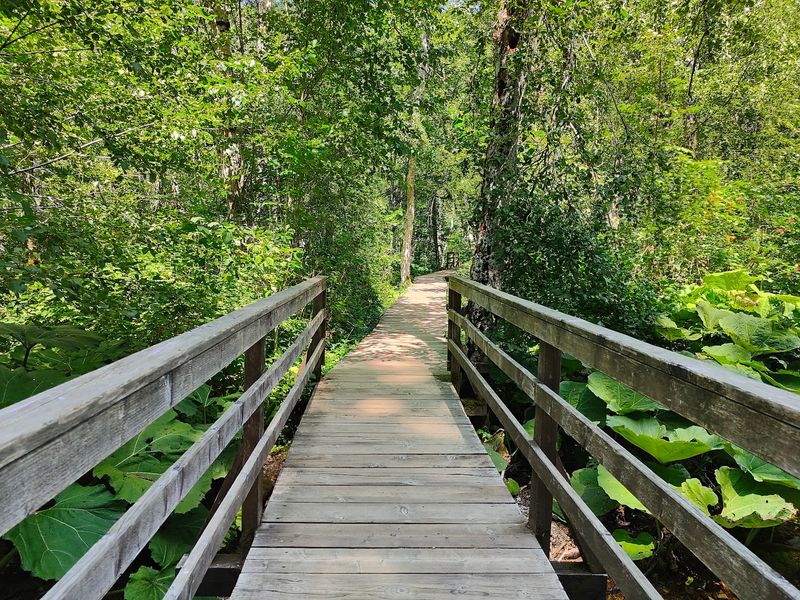
Small does not mean minor. Biogradska Gora is tiny compared with Europe’s largest national parks, yet primeval forest, glacial lakes, and Bjelasica mountain scenery make it exceptional.
Montenegro’s national tourism organization lists it among the country’s five national parks and highlights its lush rainforest-style landscapes and glacial lakes.
The easiest introduction is Biogradsko Lake, ringed by dense woodland. From there, longer hikes climb into the mountains for those with more energy.
Thanks to its manageable size and access from northern Montenegro, it is one of the simplest ancient-forest stops to add to a Balkan road trip.
Perućica, Bosnia and Herzegovina
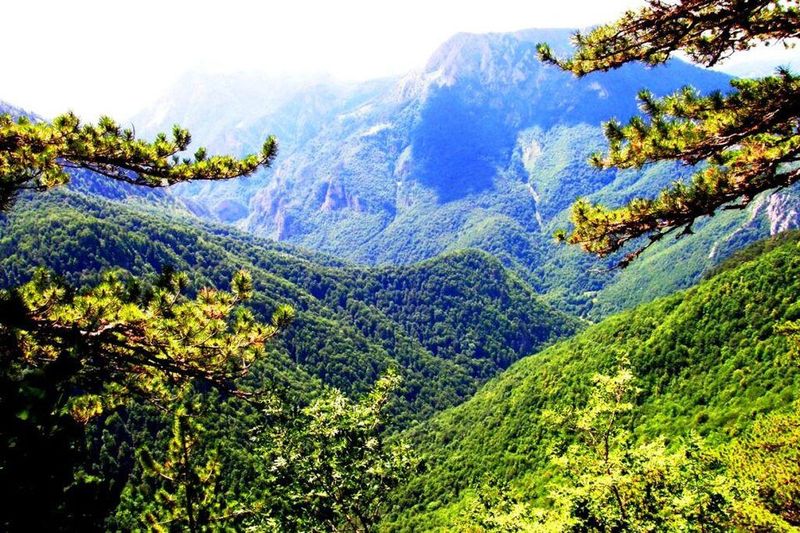
Walking in on your own is not an option here. Perućica sits inside Sutjeska National Park and is a Strict Nature Reserve with exceptionally well-preserved old-growth woodland.
UNESCO documentation notes that access is limited to designated routes because of the forest’s highest-level protection status.
That controlled access is exactly why Perućica stays so special. Arrange an authorized or guided visit instead of entering independently.
The surrounding Sutjeska landscape, with its mountains and waterfalls, makes the trip worthwhile even before you reach the primeval forest itself.
Tyresta Forest, Sweden
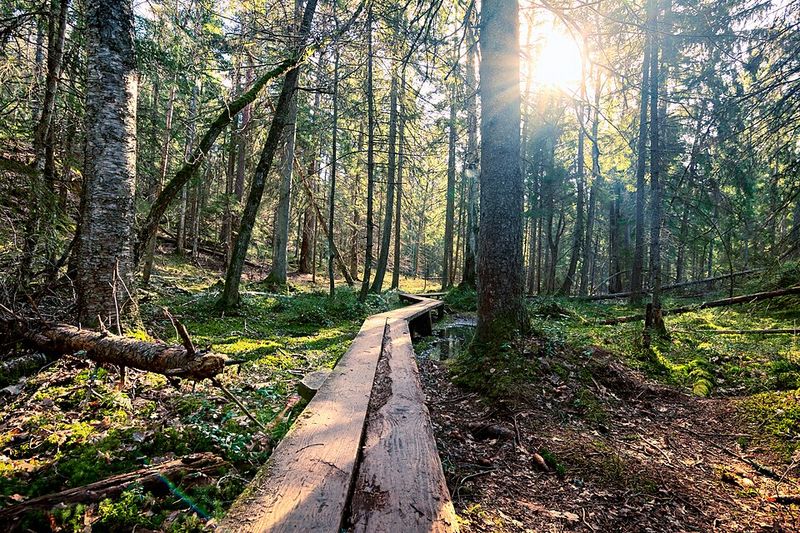
Only around 20 kilometers from central Stockholm, Tyresta National Park keeps a very old forest alive. Ancient pine and spruce woodland, rocky ridges, and small lakes fill the park.
Areas shaped by historic forest fires add variety. Some of the gnarled pines are several centuries old, and the park protects the largest remaining area of old-growth forest south of Sweden’s Dalälven River.
Marked trails make the forest relatively easy to experience, even for first-time hikers.
That convenience is the big draw. If you are already visiting a major European capital, it gives you a real wilderness escape without a long journey.
Tiveden Forest, Sweden
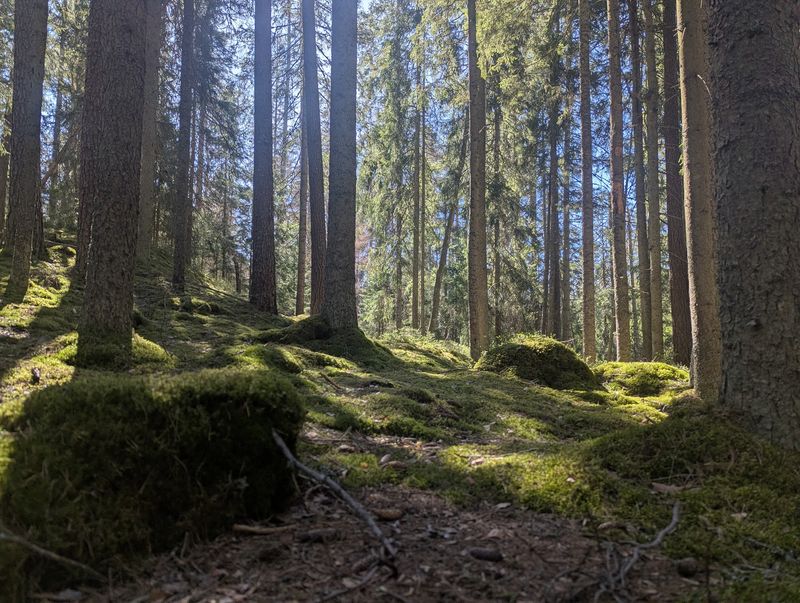
Huge glacial boulders sit between pine trees at Tiveden National Park, and narrow cleft valleys cut through the land. Quiet lakes appear unexpectedly between rocky ridges, so the place has the look of an old Scandinavian legend.
The park protects forest that is gradually developing toward natural old-growth conditions. More than 34 kilometers of marked hiking trails cross it, including routes to Stenkälla and Trollkyrkobergen.
Current visitor information confirms the park is actively managed for recreation. The main entrance offers parking, toilets, information facilities, and seasonal staffing.
Wear sturdy shoes, since rocky ground is common along the trails.
Muddus/Muttos National Park, Sweden
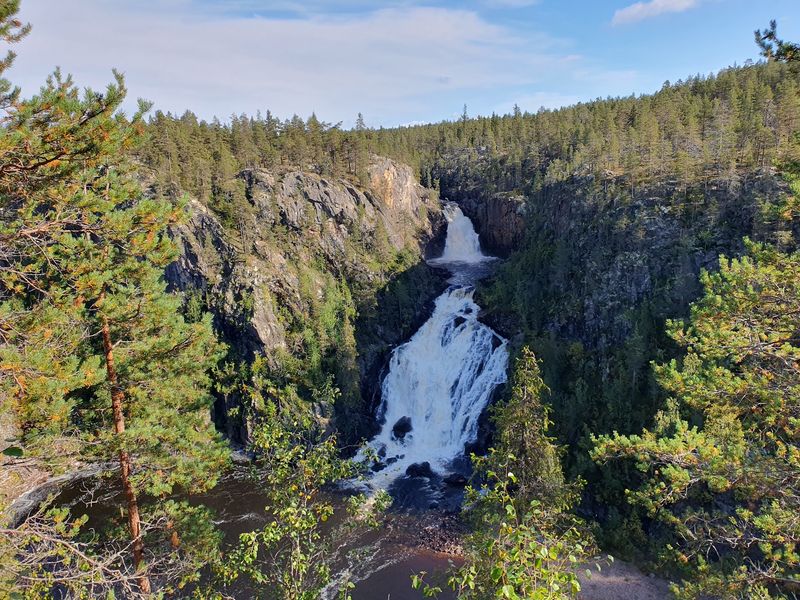
Far to the north, Muddus, known as Muttos in Sámi, protects a much wilder Scandinavian forest landscape. It is Sweden’s largest forest national park.
Old-growth coniferous woodland, huge wetlands, ravines, waterfalls, and giant pines fill the area. It also forms part of the UNESCO-listed Laponia World Heritage area.
This is not a quick roadside stop. Much of the park is remote, so careful preparation matters, including maps, supplies, and checking current conditions.
For travelers who want silence, long hikes, and a near-total break from developed landscapes, few European forests feel more isolated.
Oulanka National Park, Finland
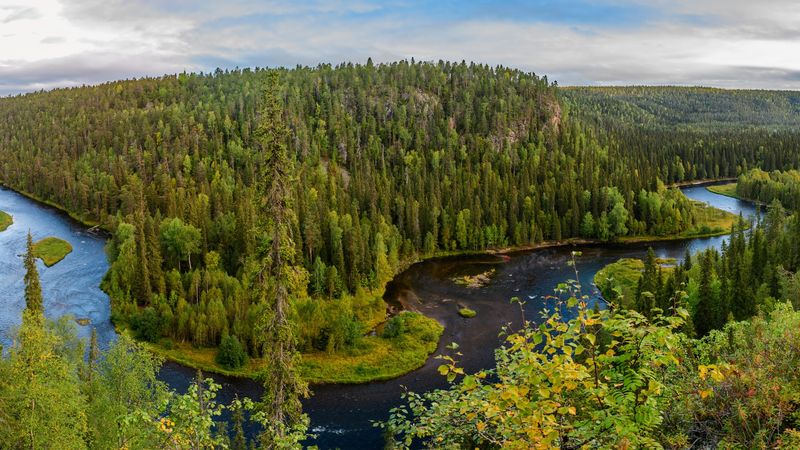
Rushing rivers, cliffs, and suspension bridges set Oulanka apart from most forests on this list. The northern woodland also carries some of Finland’s best-known hiking routes.
The park was established in 1956 and is crossed by the famous Karhunkierros trail. Its network of paths ranges from family-friendly walks to multi-day routes.
Summer gives the easiest access to most trails, while autumn brings bright foliage. Winter changes the forest completely, though snow and ice make hiking more demanding.
The mix of taiga woodland and powerful rivers gives Oulanka a character quite different from the beech and oak forests farther south.
Share this story