Some places look incredible on a travel blog but tell a very different story once you actually try to get there. In 2026, a handful of destinations around the world carry risks serious enough to make even the most adventurous traveler stop and reconsider.
From active war zones to kidnapping hotspots to places where your own government cannot help you if something goes wrong, the stakes are genuinely high. Before you book that bucket-list trip, take a look at which destinations are currently more danger than they are worth.
Haiti
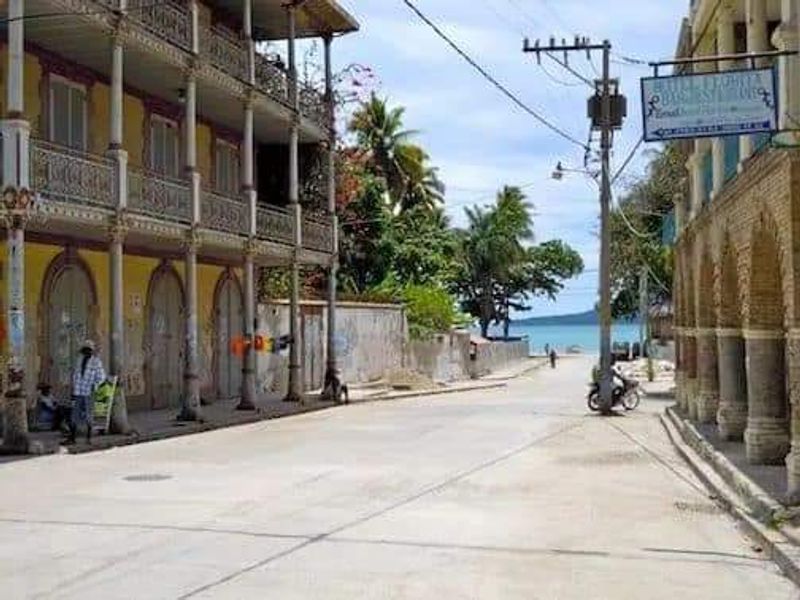
Picture booking a Caribbean vacation and landing somewhere with no reliable emergency services, armed gangs controlling key roads, and a government stretched well beyond its limits. That is the reality facing anyone who visits Haiti right now.
The country has been under a national state of emergency, and conditions on the ground remain deeply unpredictable from one day to the next.
The U.S. State Department classifies Haiti as Level 4: Do Not Travel, which is the highest possible warning.
Violent crime, kidnapping, terrorism, and civil unrest are all listed as serious concerns. Medical care is extremely limited, meaning even a minor injury could become a major crisis without access to proper facilities.
The U.S. government has also stated it has a severely limited ability to assist American citizens inside the country. Movement outside protected areas is genuinely risky, and airport or transportation schedules can change without any warning.
Haiti’s cultural heritage and natural scenery are real and worth celebrating, but right now the safety picture makes leisure tourism a very difficult choice to justify for any traveler.
Yemen
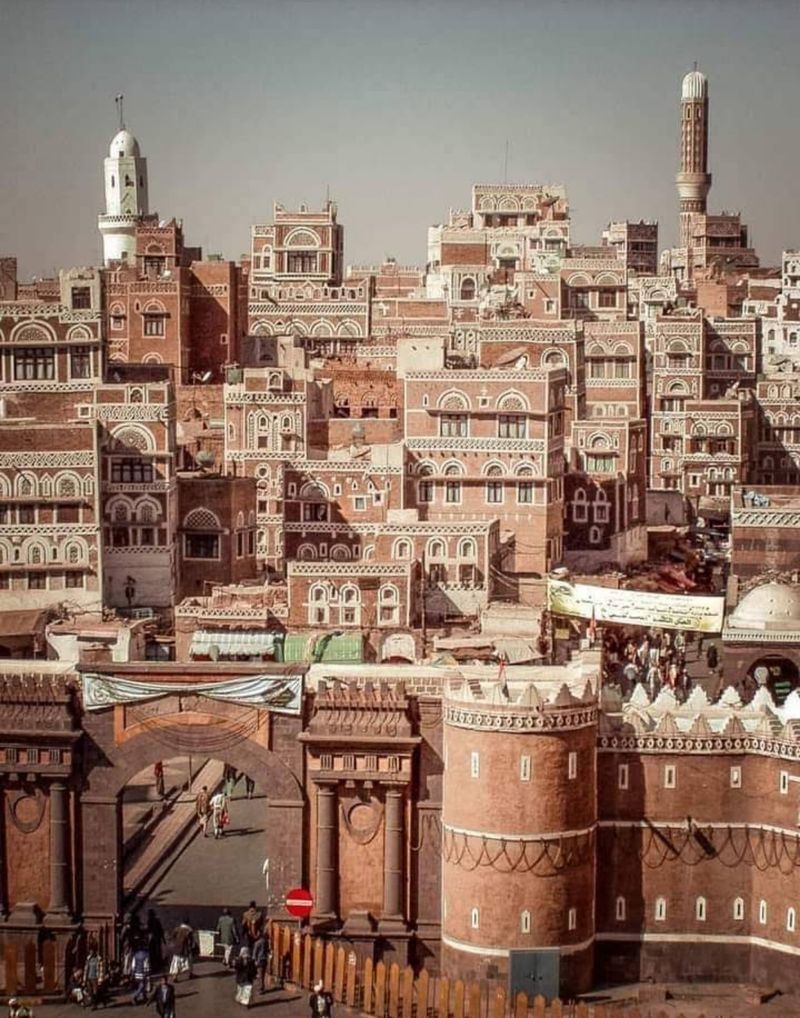
Few places on earth look more like a fantasy world than the old city of Sana’a, with its towering mudbrick buildings and stained-glass windows. Socotra Island, often called the Galapagos of the Indian Ocean, is unlike anywhere else on the planet.
Under different circumstances, Yemen would be one of the most jaw-dropping destinations in the entire region.
Unfortunately, circumstances are very far from different right now. The State Department advises Americans not to travel to Yemen for any reason, citing terrorism, kidnapping, civil unrest, crime, landmines, and severe health risks.
The U.S. Embassy in Sana’a has been closed since 2015, which means there is essentially no safety net if something goes wrong.
Landmines are scattered across many rural areas, and conflict zones can shift without warning. Healthcare infrastructure has been devastated by years of war, making even basic medical treatment hard to find.
Yemen’s wonders are real and its history is extraordinary, but the combination of active conflict and zero consular backup makes this a destination to admire from afar, at least until conditions change significantly.
Sudan
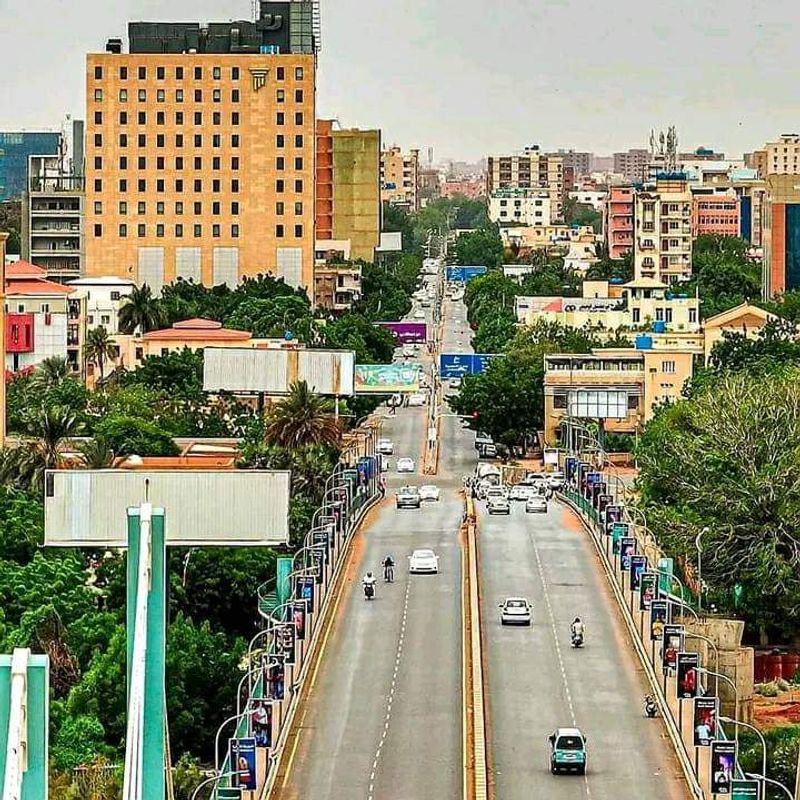
Sudan’s ancient pyramids at Meroe outnumber those in Egypt, and the Nile landscapes here have a raw, untouched quality that serious history lovers dream about. Under normal conditions, this would be one of Africa’s most underrated archaeological destinations.
Conditions, however, are nowhere near normal in 2026.
Armed conflict has been tearing through the country since April 2023, and the U.S. Embassy in Khartoum suspended operations at exactly that time.
That means American travelers have no consular support available inside Sudan at all. The Level 4 advisory cites violent crime, terrorism, kidnapping, landmines, and serious health threats as ongoing dangers.
Fighting has affected multiple regions across the country, and humanitarian organizations have described the situation as one of the worst crises in the world right now. Supply chains for food and medicine are disrupted, and reliable communication is difficult in many areas.
Getting out of the country in an emergency would require independent planning with no government assistance available. Sudan deserves to be celebrated for its history and culture, but visiting right now would place travelers in a situation where help is simply not coming if things go sideways.
Afghanistan
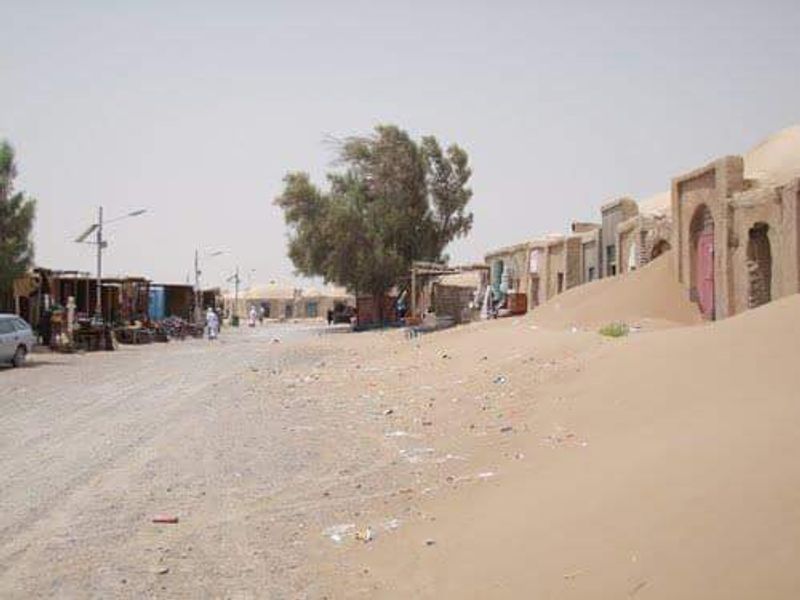
Afghanistan’s mountain scenery is genuinely spectacular, and its Silk Road history connects some of the most fascinating chapters of ancient civilization. Bamiyan, the Panjshir Valley, and the old city of Herat all carry a weight of history that serious travelers find deeply compelling.
Sadly, the danger here is not limited to obvious conflict zones.
Foreign travelers face surveillance, terrorism, kidnapping, and arbitrary detention across the country, not just near active fighting. The State Department warns that U.S. citizens, including tourists and dual nationals, may be deliberately targeted for detention.
Laws may be enforced with severe penalties, and the standards applied to foreign visitors can be unpredictable and harsh.
The American embassy in Kabul remains closed, so there is no direct consular support available anywhere in the country. Getting help from the U.S. government would require going through a third country, which takes time nobody has during a real emergency.
Afghanistan’s appeal as a travel destination is understandable, but the combination of deliberate targeting of foreign nationals and zero on-the-ground government assistance makes this one of the highest-risk choices any traveler could make in 2026.
Syria
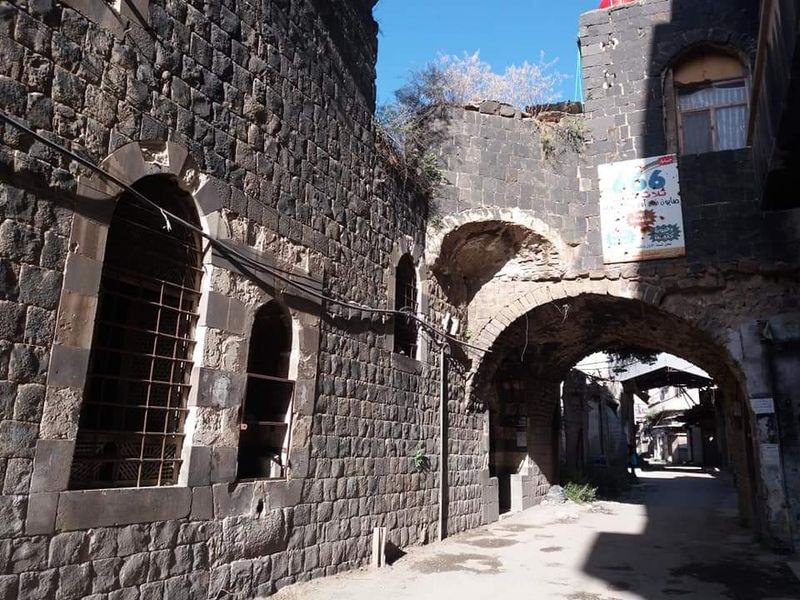
Palmyra, Aleppo’s old souk, and the ancient villages of northern Syria are UNESCO-listed treasures that represent thousands of years of human creativity. Before the conflict began, Syria was quietly earning a reputation as one of the Middle East’s most rewarding cultural destinations.
That reputation now exists mostly as a memory, and the physical reality on the ground remains deeply dangerous.
Armed conflict, terrorism, kidnapping, and unpredictable security conditions affect multiple regions of the country. The U.S.
Embassy in Damascus suspended operations in 2012, meaning Americans inside Syria have no access to routine or emergency government services. Even basic logistics like insurance coverage, border crossings, and evacuation planning become enormously complicated without official support.
Some areas have seen shifts in control that bring new uncertainties rather than stability. Road conditions, checkpoints, and local authority can change rapidly depending on which groups hold influence in a given area.
Travelers would essentially be navigating a complex patchwork of risks with no safety net behind them. Syria’s cultural legacy is absolutely worth preserving and celebrating, but visiting right now asks travelers to accept a level of risk that very few trips could ever justify.
Iran
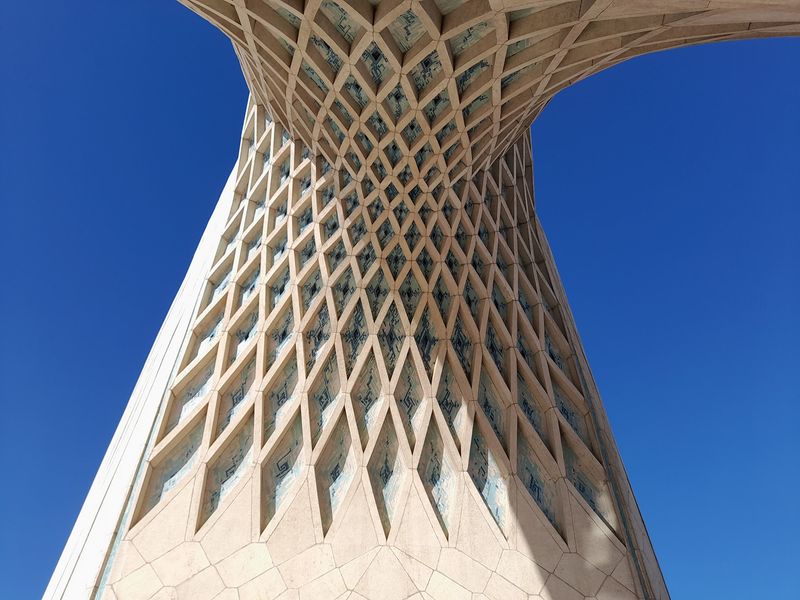
Iran’s mosques, gardens, ancient ruins, and legendary hospitality have earned it a devoted following among serious cultural travelers. Isfahan alone contains architecture that rivals anything in Europe for sheer beauty and craftsmanship.
For many nationalities, a visit to Iran is genuinely memorable and relatively manageable, but American passport holders face a very specific and serious risk.
The State Department warns that simply holding a U.S. passport, or being perceived as having ties to the United States, can be enough to trigger questioning or detention. Americans have been held on accusations of espionage or national security violations, often with little transparency about the process or timeline for resolution.
There is no U.S. embassy in Iran to provide any form of direct assistance.
Wrongful detention cases involving Americans have lasted years in some instances. Family members back home have limited options and often must rely on third-party diplomatic channels that move very slowly.
Iran is genuinely fascinating and its people are widely described as warm and welcoming by visitors from other countries. But for Americans specifically, the detention risk is concrete enough that the State Department issues a Level 4 advisory, making this one of the most consequential destination choices on this entire list.
Myanmar
Bagan’s thousands of ancient temples spread across a dusty plain at sunrise is one of Southeast Asia’s most iconic images. Before 2021, Myanmar was building a genuine tourism industry that connected visitors to its remarkable culture, cuisine, and landscapes.
The military coup changed everything, and the situation has grown more serious with each passing year.
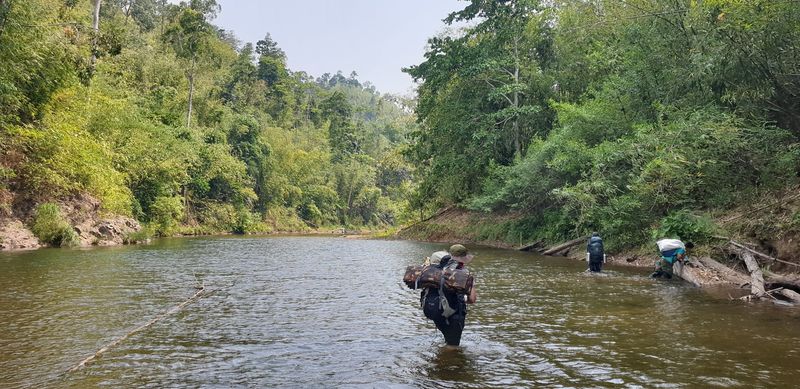
Armed conflict now affects large portions of the country, including areas that were previously considered safe for tourists. Checkpoints, arbitrary law enforcement, communications blackouts, and unexploded ordnance create layers of risk that compound each other.
The May 2026 advisory tells Americans not to visit for any reason, listing armed conflict, civil unrest, poor healthcare, landmines, and unpredictable legal enforcement as key concerns.
Conditions can deteriorate quickly even in areas that initially appear calm and welcoming. Travelers have reported communication blackouts that cut them off from family and consular contacts for extended periods.
Healthcare infrastructure outside major cities is extremely limited, making medical emergencies particularly difficult to manage. Myanmar’s culture and history remain genuinely extraordinary, and many people hope to see the country stabilize and welcome visitors again.
For now, the risks are stacked in a way that makes caution the only sensible approach.
Ukraine
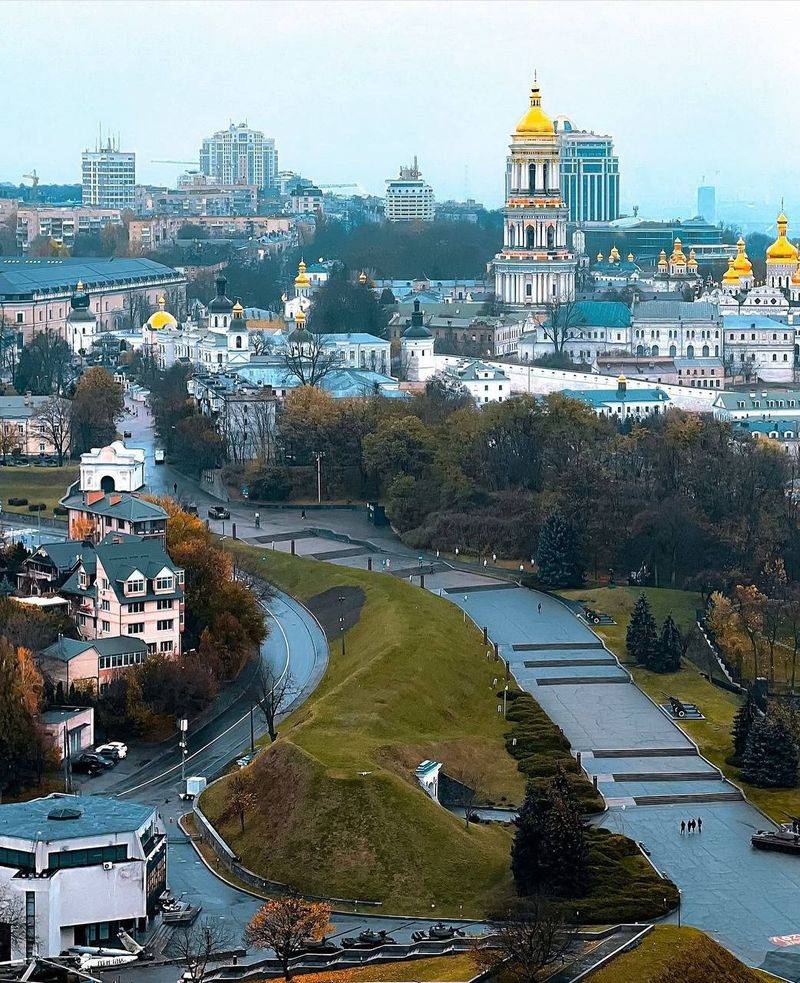
Ukraine has captured enormous international goodwill since 2022, and its culture, food, architecture, and resilient spirit have inspired genuine admiration around the world. Travelers with personal connections to the country or humanitarian motivations have made their way there despite the risks.
For a standard leisure trip, though, the current reality is extremely difficult to navigate safely.
Ukraine remains an active war zone, and communities far from the front lines can be struck by missiles and drones with very little warning. Airspace is closed to normal commercial flights, meaning getting in and out requires overland travel through neighboring countries.
Martial law, curfews, and movement restrictions remain in effect across the country, and these rules can be enforced strictly.
Frontline regions carry the highest warning level, while several western areas are classified as Level 3: Reconsider Travel. Air-raid alerts require travelers to stop what they are doing immediately and find shelter, sometimes multiple times in a single day.
Travel insurance for active conflict zones is either unavailable or prohibitively expensive for most people. Ukraine will absolutely be worth visiting once peace returns, and many people are already dreaming about that trip.
Right now, though, the operational risks are simply too significant for most leisure travelers to manage responsibly.
Lebanon
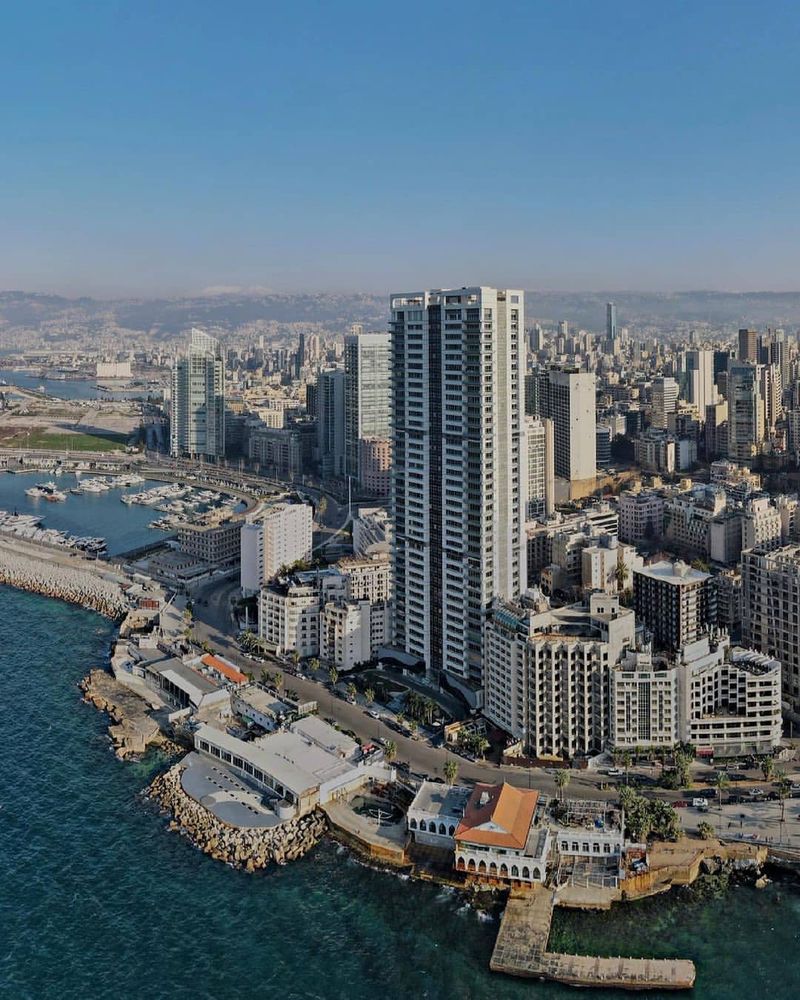
Lebanon has one of the most devoted fan bases of any destination in the Middle East, and for good reason. Beirut’s food scene, the Roman ruins at Baalbek, the cedar forests of the mountains, and the warmth of Lebanese hospitality have made it a beloved choice for culturally curious travelers for generations.
The country’s appeal has not disappeared, but the conditions in 2026 make a leisure trip extremely hard to recommend.
Armed conflict, terrorism, kidnapping risks, landmines, and sudden outbreaks of violence have created a deeply uncertain security environment. The State Department ordered non-emergency personnel and government families to leave in early 2026 and subsequently raised the country to Level 4: Do Not Travel.
Embassy staff face strict movement controls that limit their ability to assist travelers in the field.
Commercial aviation and border access can be disrupted with very little notice, which creates serious problems for anyone trying to leave quickly. Landmines from previous conflicts remain a hazard in certain areas, particularly in the south.
Lebanon’s food, culture, and people genuinely deserve to be celebrated, and the country has shown remarkable resilience through decades of difficulty. A return to calmer conditions would make it one of the region’s most rewarding destinations again.
Somalia
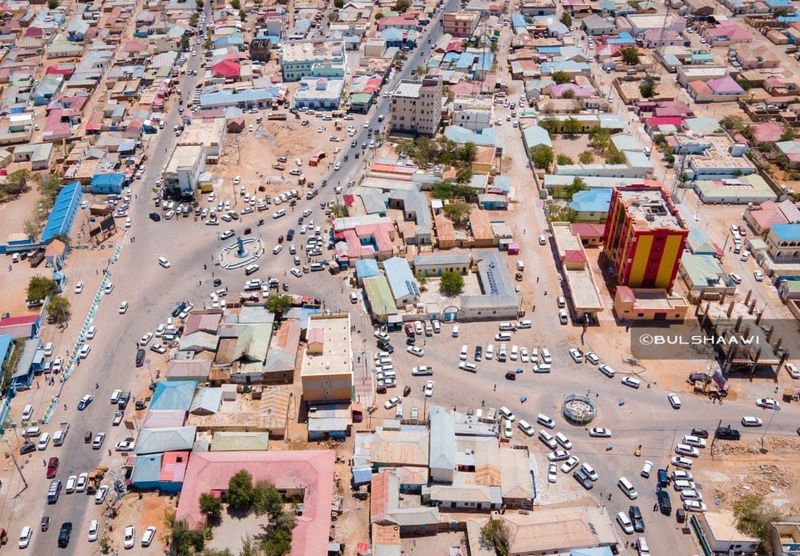
Somalia has a coastline stretching roughly 3,300 kilometers, making it the longest on the African mainland, and its historic port cities carry traces of ancient Indian Ocean trade routes. That geographical and cultural richness is real, but it exists alongside some of the most serious security conditions facing any destination on this list.
Terrorism, kidnapping, piracy, violent crime, landmines, and nearly nonexistent medical services all contribute to a Level 4 advisory.
American government personnel operating in Somalia are largely confined to the secured area of Mogadishu International Airport and travel with armed protection at all times. Consular officers may be unable to visit Americans who are detained, which illustrates just how limited outside assistance would be during a genuine emergency.
That is not a small caveat, it is a fundamental limitation on any safety plan a traveler might try to construct.
Piracy remains a concern in offshore waters, and kidnapping for ransom has affected aid workers and journalists operating in the country. Medical evacuation from most parts of Somalia would require significant independent resources and coordination.
Somalia’s potential as a destination is real and its people have shown incredible resilience. Visiting right now, however, places travelers in a situation where almost no outside help is realistically available.
Libya
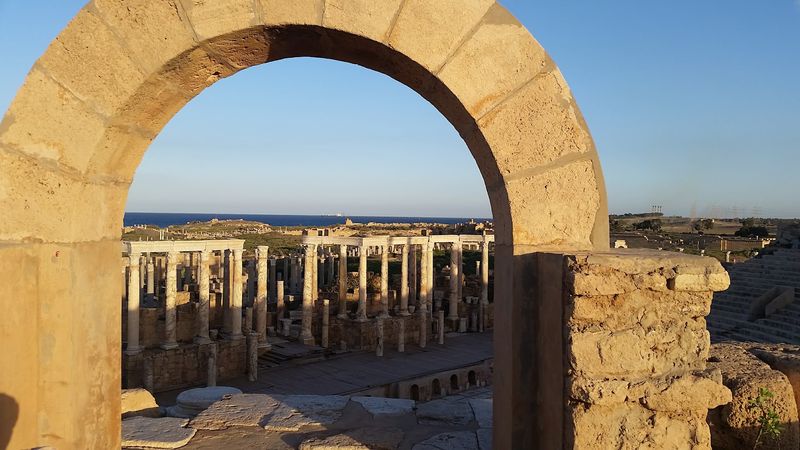
Leptis Magna is arguably one of the best-preserved Roman cities in the entire world, and Sabratha’s ancient theater, set against the Mediterranean, belongs in any serious list of the world’s great archaeological sites. Libya’s Roman heritage alone would make it a top-tier destination under different circumstances.
The current reality, unfortunately, sits very far from those circumstances.
Terrorism, armed conflict, kidnapping, unexploded landmines, and divided political control across different regions make independent tourism extremely dangerous. The country remains at Level 4: Do Not Travel, and U.S. commercial aviation is prohibited from operating in Libyan airspace entirely.
Flights serving the country from other carriers can be delayed, rerouted, or canceled without warning, making arrival and departure planning unreliable.
There is no dependable guarantee that foreign travelers could be evacuated quickly if the situation deteriorated further. Two rival governments have claimed authority over different parts of the country at various points, creating a legal and logistical patchwork that is very difficult for outsiders to navigate.
Libya’s archaeological treasures deserve to be seen and protected, and there are people working hard to make that possible. For now, though, the risks stack up in a way that makes a leisure visit very difficult to justify for any traveler.
Iraq
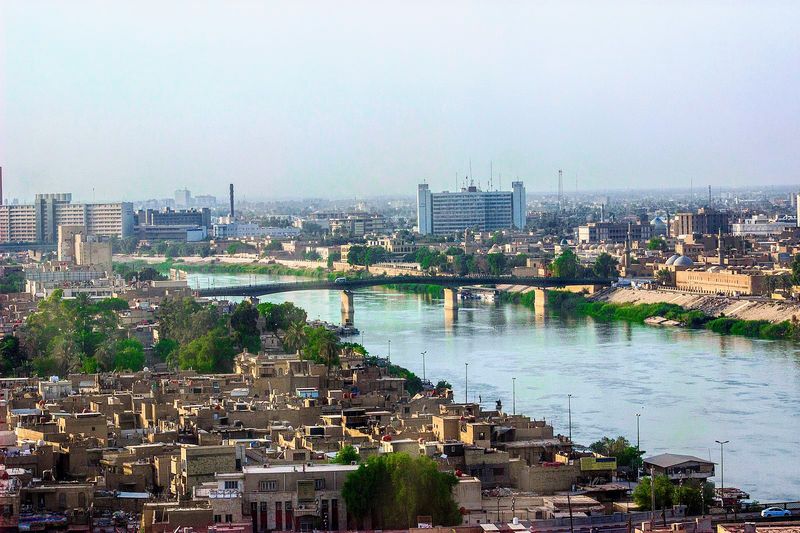
Iraq is home to the cradle of civilization, quite literally. Mesopotamia’s ancient cities, the ziggurat of Ur, and religious sites of profound global significance make it one of the most historically loaded destinations anywhere on earth.
Travelers with a deep interest in ancient history have long felt the pull of this country, and that pull is understandable. The 2026 security picture, however, has moved firmly in the wrong direction.
The State Department ordered non-emergency government personnel to leave Iraq in 2026, which is a significant escalation in official concern. The advisory warns of violence, kidnapping, terrorism, insurgent attacks, and specific threats from anti-American militias operating in various parts of the country.
The language used is unusually direct: Americans should not travel to Iraq for any reason and should leave if they are already there.
Anti-American sentiment has been weaponized by certain armed groups, meaning a U.S. passport can itself increase a traveler’s risk profile in some areas. Healthcare infrastructure varies enormously across regions, and reliable emergency care is far from guaranteed outside major cities.
Iraq’s historical significance is beyond question, and the country has made genuine progress in certain areas over the years. Right now, though, the security situation makes a tourist visit an extremely high-stakes decision.
Venezuela
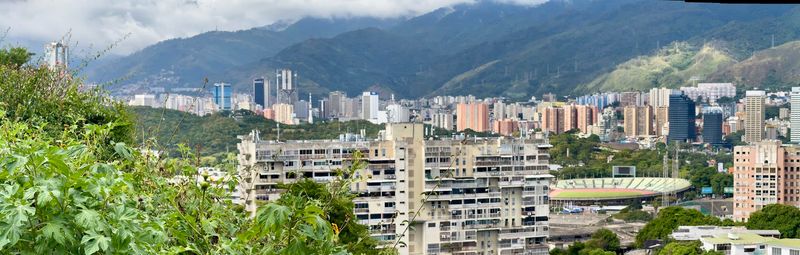
Angel Falls is the tallest waterfall on the planet, dropping nearly a kilometer from the top of a tepui in one of South America’s most spectacular landscapes. Venezuela also has Caribbean coastline, wildlife-rich llanos grasslands, and some of the most biodiverse territory in the Western Hemisphere.
Tourism potential here is genuinely extraordinary, which makes the current situation all the more frustrating to report.
Crime, kidnapping, terrorism risks in certain border regions, fragile infrastructure, and very limited emergency services create a complicated risk picture for visitors. A powerful earthquake sequence struck the country in June 2026, causing additional damage and disrupting transportation networks that were already under serious strain.
Several border and rural regions carry explicit do-not-travel warnings even within the broader country advisory.
The U.S. Embassy in Caracas is providing emergency services only, which means routine consular assistance is not available.
Power outages, fuel shortages, and unreliable communications can affect travel plans without warning. Getting help quickly in a remote area like the Gran Sabana region near Angel Falls would require independent resources and significant advance planning.
Venezuela’s natural wonders are world-class and its people are widely described as warm and generous. The logistical and safety challenges right now, however, are serious enough to give most travelers genuine pause.
Israel, the West Bank, and Gaza
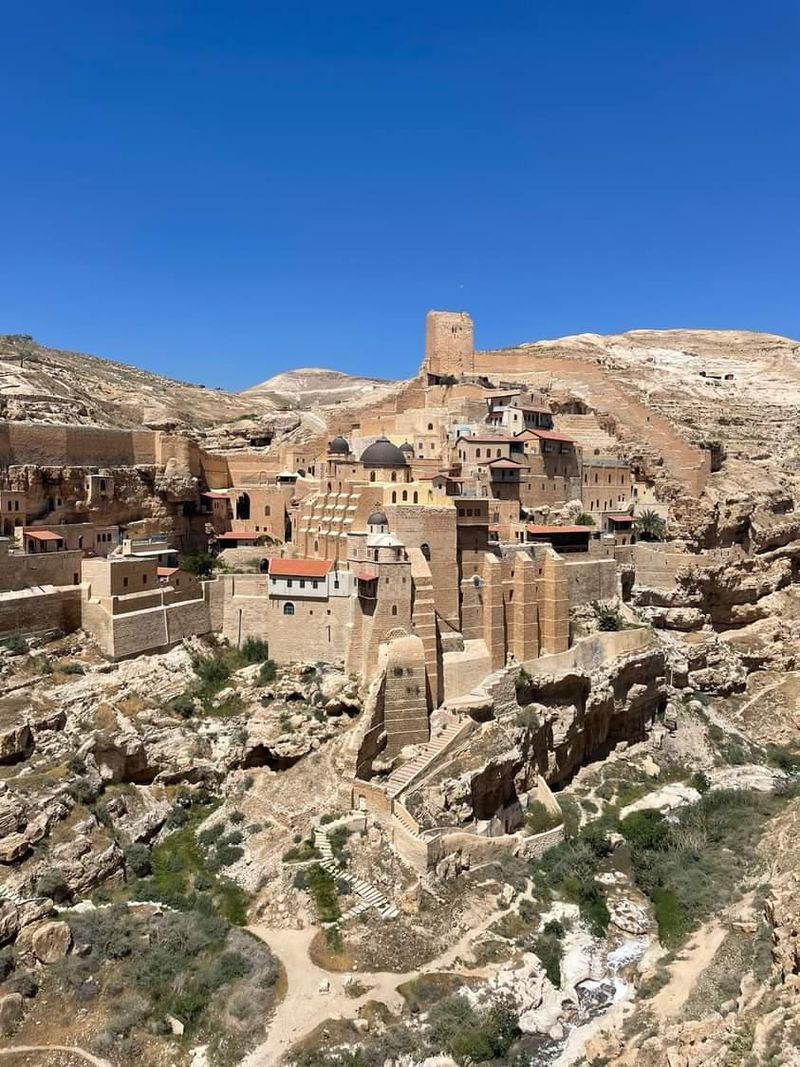
Jerusalem alone contains sites sacred to three of the world’s major religions, and the broader region packs more historical significance per square kilometer than almost anywhere else on earth. Under normal conditions, this is exactly the kind of destination that earns a permanent spot on serious travelers’ lists.
Conditions in 2026 are anything but normal, and the risks vary sharply depending on exactly where you plan to go.
Travel near Gaza and along the Lebanese and Syrian borders is heavily restricted and carries the highest warning levels. The West Bank is classified as Level 3: Reconsider Travel because of terrorism and civil unrest.
Military activity, checkpoints, demonstrations, and sudden movement restrictions can undermine even very carefully planned itineraries with no advance notice.
Flight disruptions have affected the region repeatedly in 2026, with airspace closures and rerouting creating travel chaos for visitors trying to arrive or depart. Tel Aviv’s Ben Gurion Airport has experienced suspension of commercial operations during periods of heightened tension, which strands travelers in both directions.
Travel insurance that covers conflict-related disruptions is difficult to find and expensive when available. The region’s cultural and spiritual significance is profound, and many people feel a deep personal connection to it.
Checking current conditions carefully before any booking is absolutely essential right now.
United Arab Emirates
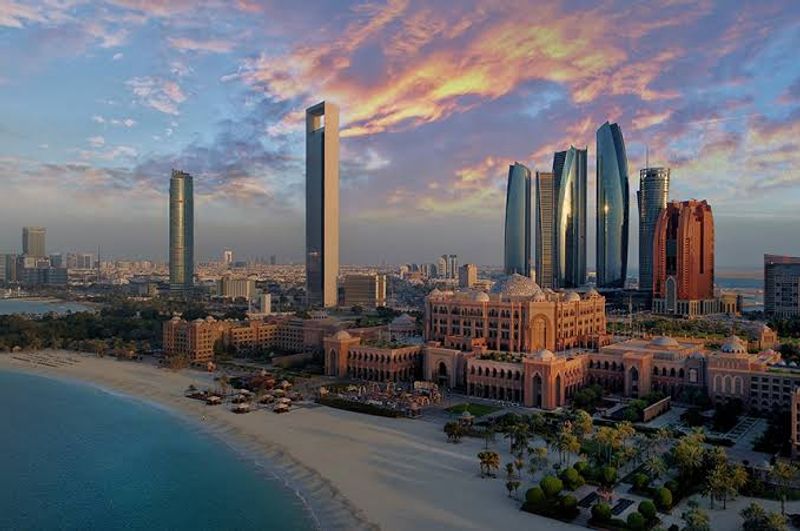
Nobody expected the UAE to end up on a list like this one. Dubai and Abu Dhabi have spent years building a reputation as two of the most seamlessly accessible destinations in the world, with gleaming airports, extensive flight connections, luxury hotels, and tourism infrastructure that genuinely impresses even frequent international travelers.
In 2026, regional events changed the picture in ways that surprised a lot of people.
The State Department raised the UAE to Level 3: Reconsider Travel following a significant escalation of regional hostilities. Non-emergency U.S. government employees and their families were ordered to leave the country because of the threat of armed conflict spilling into or affecting the area.
That is a meaningful step that reflects genuine concern, not just routine caution.
Travelers across the broader Middle East region have faced airspace closures, flight rerouting, and outright cancellations that disrupted itineraries and left people stranded at airports for extended periods. The UAE itself has not experienced the kind of direct conflict affecting other countries on this list, but its proximity to active hostilities and the regional airspace situation create real logistical and safety uncertainties.
Checking the latest advisories before booking any Middle East travel in 2026 is genuinely important, even for destinations that normally feel very routine.
Share this story