Europe’s most famous cities can sometimes feel more like theme parks than real places, overrun with souvenir shops and selfie crowds. But tucked between the mountains, rivers, and coastlines are towns and villages where locals still run the show.
These spots have held onto their traditions, flavors, and everyday rhythms in ways that make you feel like a welcome guest rather than just another tourist. From stone villages in the Greek mountains to sleepy Danish harbor towns, these 15 places are the real deal.
Zagori, Greece
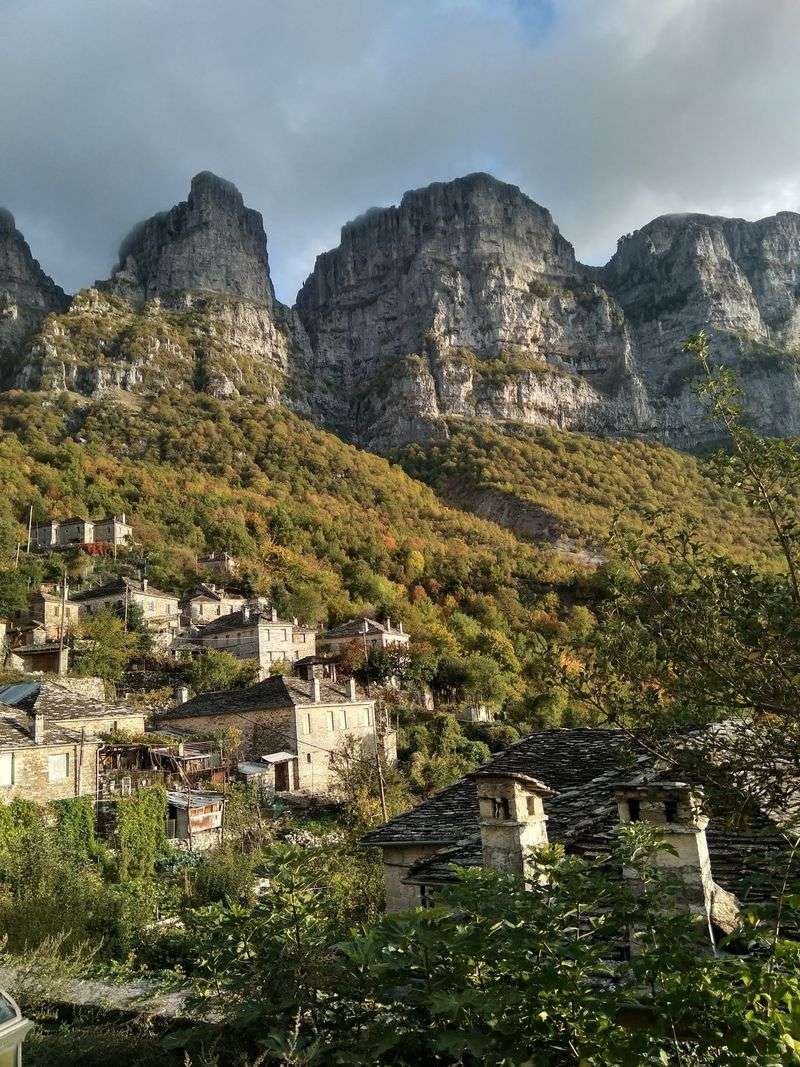
Somewhere in the folds of the Pindus Mountains, a region exists that looks like it was carved by hand over centuries. Zagori, in northwestern Greece, is a collection of stone villages connected by ancient footpaths and arched bridges so old that donkeys once used them more than people do today.
The landscape is dramatic, with deep gorges, thick forests, and peaks that make the sky feel earned.
UNESCO recognizes Zagori as an exceptional cultural landscape, and walking through villages like Monodendri or Papingo makes it easy to understand why. Stone construction is not a style choice here; it is a tradition passed down through generations of builders who knew the mountains well.
Guesthouses and tavernas exist, but they serve the landscape rather than overwhelm it.
Hiking the Vikos Gorge, one of the deepest in the world relative to its width, is a highlight that no photograph fully captures. The region rewards slow travelers who linger over local pies, wild herb teas, and conversations with villagers who have lived here their whole lives.
Zagori is not a destination you rush through. You settle into it like a favorite chair.
Komiža, Croatia
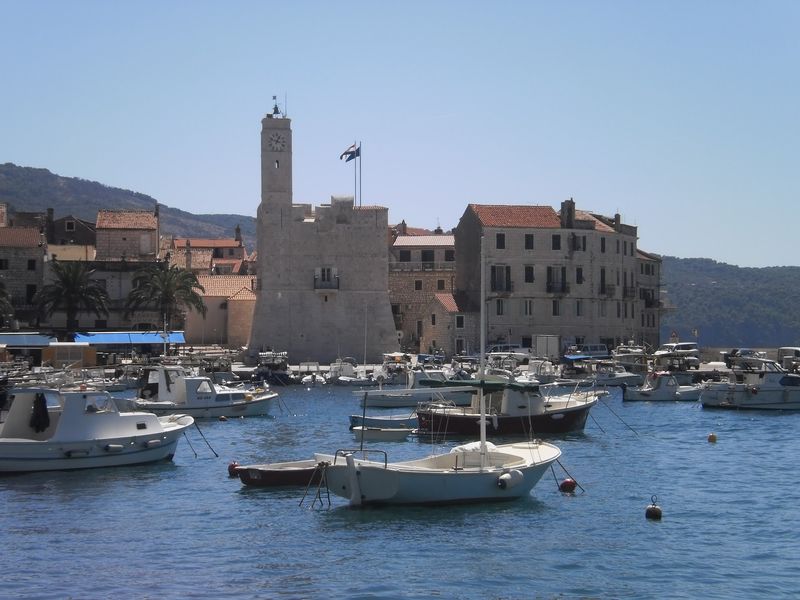
Ask a local in Komiža what the town is most proud of, and the answer will almost certainly involve fish. This small settlement on the western tip of Vis Island has been a working fishing community since before Croatia was Croatia, and the harbor still smells like salt and rope in the best possible way.
Stone houses crowd the bay like old friends leaning in for a conversation.
Croatia’s tourism authority describes Komiža as one of the Adriatic’s oldest fishing communities, and the title fits. Summer visitors do arrive, but the island’s relative isolation from the mainland acts like a natural filter, keeping the pace unhurried and the personality intact.
Restaurants here serve what the boats brought in that morning, not what was trucked from a wholesale supplier.
The town’s annual Fishing Festival in December, when locals burn an old fishing boat as a ritual offering for a good catch, is one of those cultural moments that exists entirely for the community rather than outside observers. Festivals like that do not get invented for tourists.
They survive because the people who live here still believe in them, and that belief is exactly what makes Komiža worth the ferry ride.
Kuldīga, Latvia
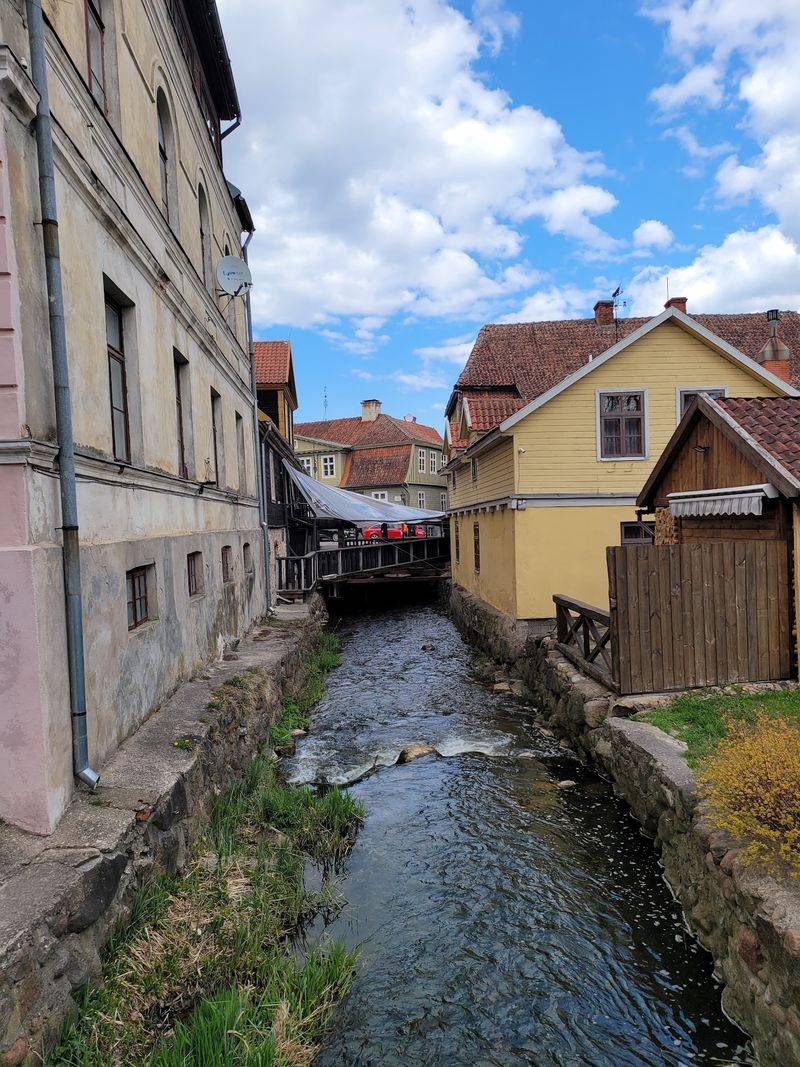
Kuldiga looks like a town that forgot to become modern, and it is absolutely better for it. Wooden homes painted in faded pastels line narrow streets that curve toward canals and a broad brick bridge spanning the Venta River.
Red-tiled rooftops complete a skyline that has barely changed in centuries, which is either a miracle of preservation or very good luck, probably both.
UNESCO calls Kuldiga an exceptionally well-preserved traditional urban settlement, noting that it survived the wars of the 20th century with its historic core largely undamaged. Most development since then has happened on the edges of town, leaving the center to feel genuinely old rather than carefully reconstructed.
That distinction matters more than it might seem.
One of the town’s quirkiest attractions is the Venta Rapid, a wide natural waterfall where locals and visitors watch fish leap upstream during the spring migration. It is the kind of spectacle that requires no entrance fee, no guided tour, and no explanation.
Kuldiga also hosts regular craft markets, seasonal festivals, and a community that treats its historic streets as a living neighborhood rather than a backdrop. Come in spring when the river is high and the fish are flying.
Gjirokastër, Albania
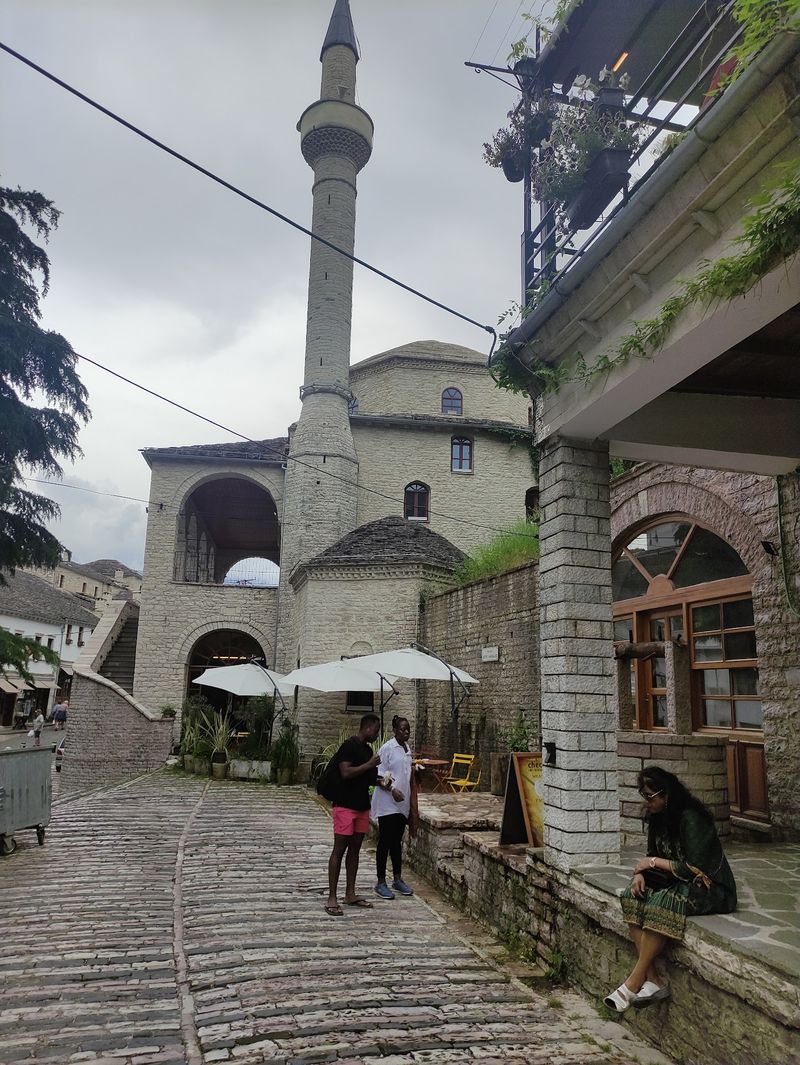
Few towns in Europe announce themselves quite like Gjirokastër. A massive Ottoman fortress sits at the top of a steep hill, and below it, stone-roofed tower houses cascade down toward the Drino Valley in a way that feels more medieval painting than modern town.
Cobblestone lanes connect everything, including a covered old bazaar where vendors sell copper goods, local honey, and embroidered textiles.
UNESCO recognized Gjirokastër as a rare surviving example of an Ottoman-period Balkan town, and walking through the residential streets confirms why that designation matters. These are not empty museum buildings.
Families live in the tower houses, laundry hangs from upper windows, and neighborhood shops sell groceries to people who have been buying from the same spot for decades.
Albania’s tourism scene has grown steadily, but Gjirokastër has not been overrun the way some European historic towns have. Family-run restaurants serve byrek, lamb dishes, and local wine at prices that feel honest rather than tourist-inflated.
The town is also the birthplace of Enver Hoxha and Ismail Kadare, two figures whose very different legacies are woven into the city’s complicated and fascinating story. History here is not tidy, and that makes it more interesting.
Monsaraz, Portugal
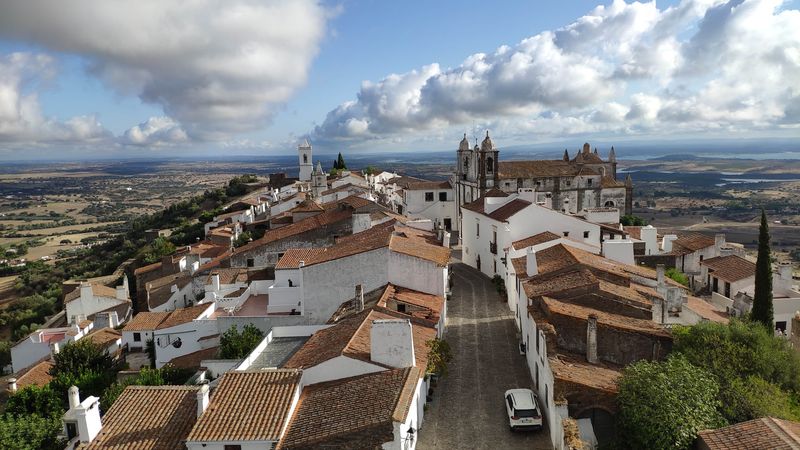
Standing on the walls of Monsaraz, you can see so far across the Alentejo plains that Portugal and Spain blur together at the horizon. Below the walls, whitewashed houses line lanes so narrow that two people with bags have to negotiate passage.
Above it all, a medieval castle sits at the highest point, watching over vineyards, olive groves, and the shimmering Alqueva reservoir.
Portugal’s tourism authority recommends Monsaraz as one of the defining villages of the Alentejo, a region where agriculture, wine, and slow living are not lifestyle trends but simply how things have always worked. The village has a permanent population that is small but fiercely loyal to the place, running guesthouses and restaurants that feel personal rather than corporate.
Local wine from the Reguengos de Monsaraz denomination is excellent and affordable, and the nearby Alqueva Dark Sky Reserve makes the village an increasingly popular spot for stargazing. On clear nights, the sky above Monsaraz is genuinely startling.
The village also hosts a traditional music festival each summer that draws visitors without completely transforming the atmosphere. Monsaraz is small enough that it could easily become a postcard, but it has managed to stay a place where people actually live.
Banská Štiavnica, Slovakia
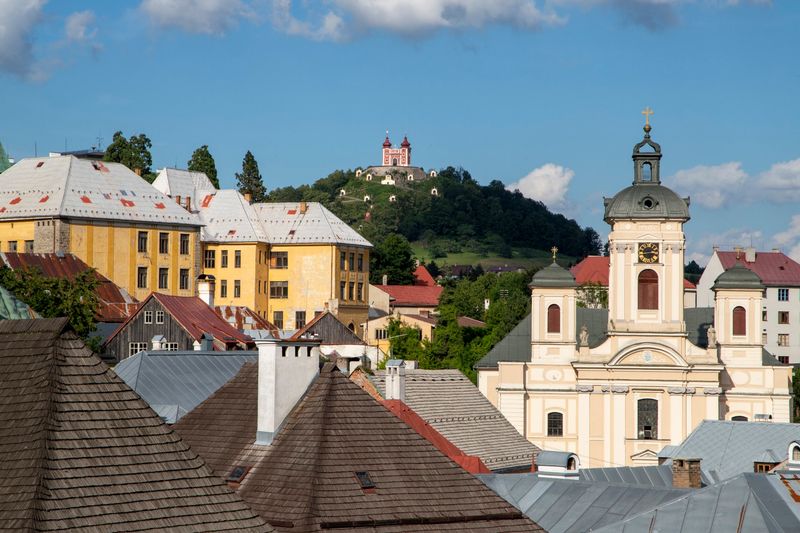
Banská Stiavnica was once one of the most important cities in the Habsburg Empire, producing silver and gold that funded wars, palaces, and ambitions across Europe. Today it is a quiet Slovak town where pastel buildings climb a valley formed by an ancient volcanic crater, and the biggest crowds tend to gather at the local pubs rather than the historic monuments.
That shift in scale is oddly charming.
UNESCO recognized the town’s medieval core for its extraordinary mix of Renaissance palaces, baroque churches, technical mining monuments, and landscape integration. The mining academy founded here in the 18th century was among the first in the world to teach engineering scientifically, attracting students from across Europe.
That intellectual legacy still lingers in the town’s slightly bookish, self-aware atmosphere.
Steep streets connect different levels of the town, and the surrounding hills are laced with old mining shafts, ponds built to power the mines, and forest paths that reward walkers with views over rooftops and church spires. Local craft beer, Slovak dumplings, and affordable guesthouses make staying a few nights easy.
Banska Stiavnica is the kind of place that takes a day to understand and considerably longer to leave.
Cudillero, Spain
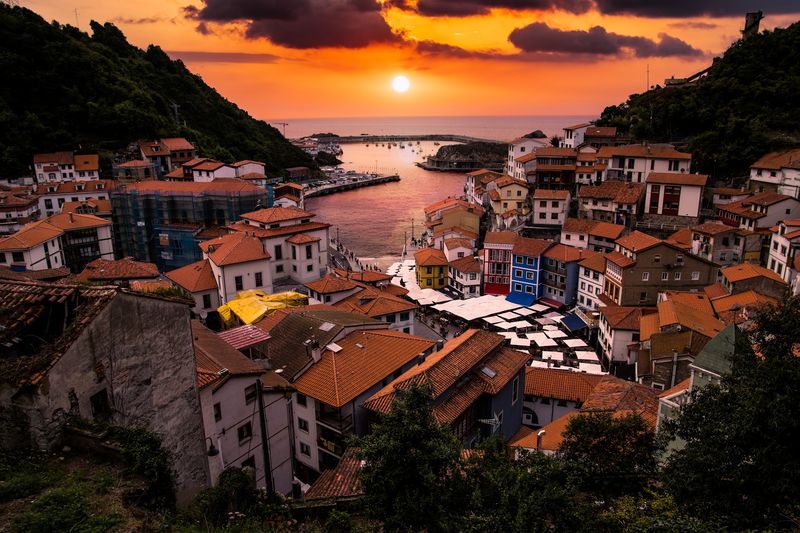
Cudillero is the kind of village that makes you question why you ever went to Barcelona. Houses in every shade of yellow, pink, blue, and terracotta cling to the sides of a natural amphitheater above a small harbor, creating a view so photogenic that it almost seems staged.
But the fishing boats moored below are working vessels, not decorations, and the smell of fresh seafood drifting from the restaurants is completely real.
Spain’s official tourism portal still describes Cudillero primarily as a fishing port, which is accurate and also the point. The Cantabrian coast of Asturias has a character entirely distinct from Spain’s Mediterranean south, shaped by rain, green hills, cider culture, and a seafaring identity that has nothing to do with beach resorts.
The village geometry alone, with stairways and lanes climbing at steep angles, makes exploration feel like a small adventure.
Octopus, hake, and spider crab appear on menus at prices that reflect local rather than tourist economics. The Asturian dialect, Bable, adds another layer of regional identity that separates this corner of Spain from the more internationally recognized versions of the country.
Cudillero does not try to be anything other than what it is, and that unselfconsciousness is its most attractive quality.
Ptuj, Slovenia
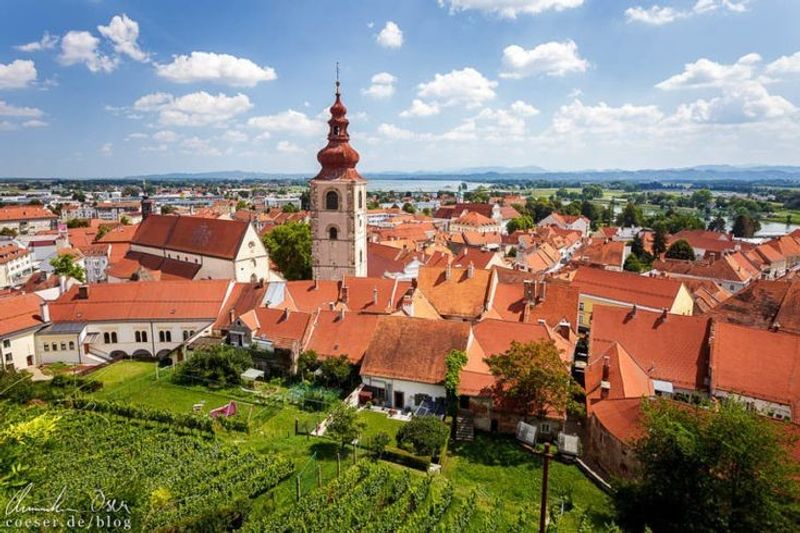
Slovenia’s oldest town has been continuously inhabited for so long that the Romans considered it a significant city worth naming and taxing. Ptuj sits beside the Drava River beneath a hilltop castle that has watched over the valley through more historical events than most places could survive.
The medieval streets below are lined with buildings that wear their age comfortably, like old professors who stopped caring about appearances centuries ago.
Slovenia promotes Ptuj as part of a network of historic towns where living heritage and regional flavors remain genuinely intertwined with daily life. Wine from the surrounding Haloze hills appears at local restaurants alongside dishes that follow seasonal rhythms rather than year-round tourist menus.
The town’s wine cellars are among the oldest in Central Europe, and tastings here feel more like visits to a family home than commercial experiences.
The Kurent carnival, held each February before Lent, is one of the strangest and most spectacular folk traditions in Europe. Participants dress in elaborate sheepskin costumes with cowbells and feathered headdresses to chase away winter spirits, a ritual that predates Christianity and still pulls the entire community into the streets.
Ptuj’s cultural identity does not depend on visitor approval, and that independence gives the town a confidence that is quietly magnetic.
Ribe, Denmark
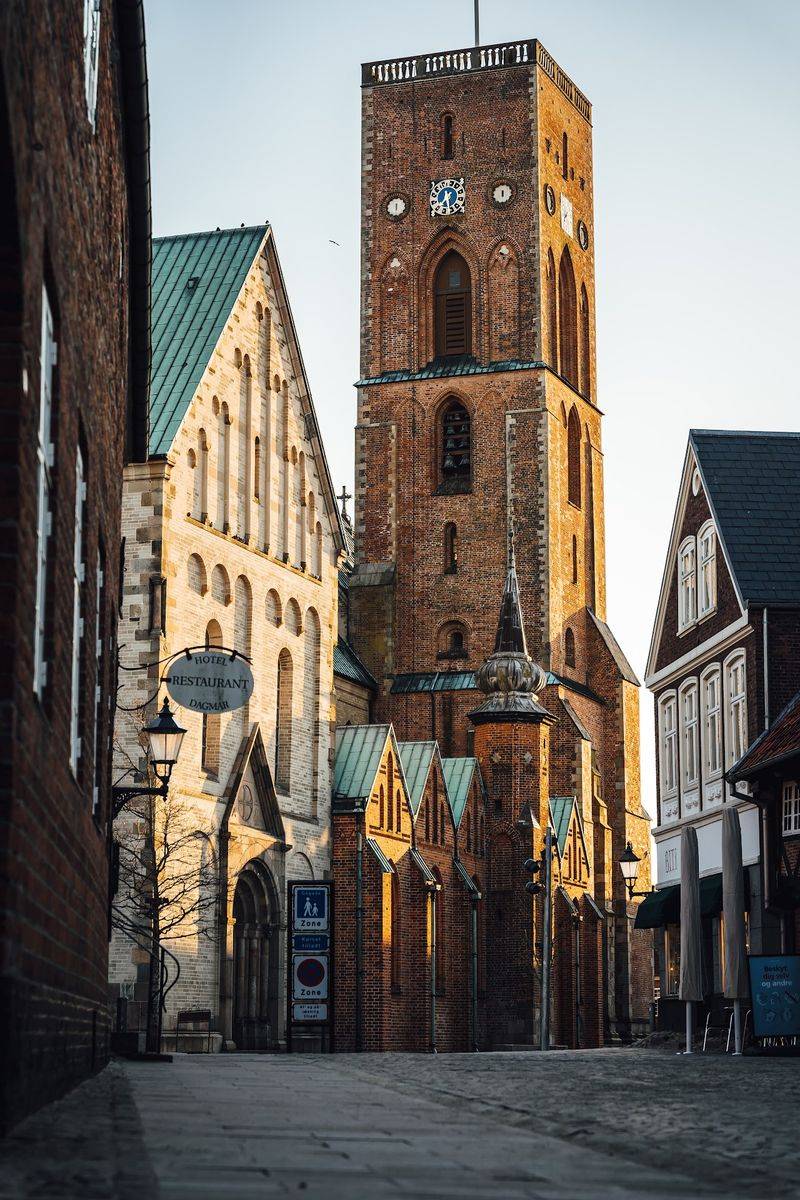
Ribe has been Denmark’s oldest town for so long that the title has stopped being a bragging point and become simply a fact of life. Founded in the 8th century, it predates the Viking Age as a trading center, which gives the cobblestone streets a weight that newer historic towns cannot manufacture.
The cathedral at the center of town has been rebuilt, expanded, and repaired so many times that it is practically a timeline of Danish architectural history in one building.
What makes Ribe genuinely special is that it functions as a real community despite its considerable age. Ordinary shops, schools, a weekly market, and year-round events keep the town alive in ways that strictly preserved heritage sites often lose.
The night watchman who walks the streets each evening singing traditional songs is a tourist attraction, yes, but also a tradition the town clearly enjoys maintaining for its own reasons.
The nearby Wadden Sea, a UNESCO World Heritage site, connects Ribe to tidal flats, bird migration routes, and a coastal landscape that has shaped local life for as long as the town has existed. Seal safaris, mudflat walks, and birdwatching add a natural dimension to the historical one.
Ribe is compact enough to explore on foot in a day, deep enough to reward several.
The Mastic Villages of Chios, Greece
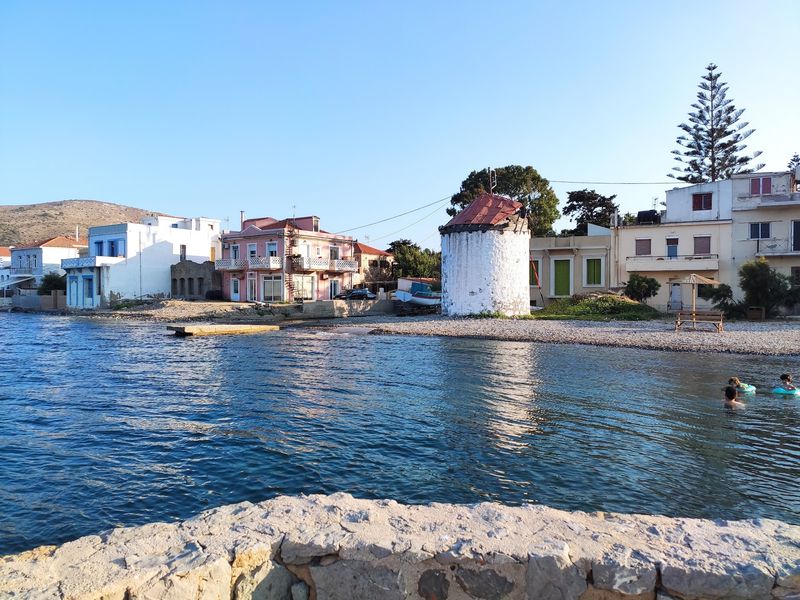
The villages of southern Chios have a decorative trick unlike anything else in Greece. Buildings in Pyrgi, one of the most striking of the Mastihohoria settlements, are covered in intricate geometric patterns scratched into plaster, a technique called xysta that creates black and white facades unlike anything in the rest of the Aegean.
Walking through the lanes feels like entering a village designed by a very precise and patient artist.
But the aesthetic is secondary to the agricultural reality that created it. Mastic resin, harvested from small trees that grow commercially only in this part of Chios, has been the economic foundation of these villages for centuries.
The Genoese who controlled the island in the medieval period built the fortified village layouts specifically to protect the mastic harvest, which was worth more than gold in some markets.
Today the harvest continues. Villagers still score the bark of mastic trees each summer and collect the hardened resin in autumn, a process largely unchanged over hundreds of years.
Products ranging from chewing gum to liqueur to cosmetics carry the label Chios Mastic, a protected designation that ties the villages to a living agricultural tradition. Visitors here are not just sightseeing.
They are watching an economy that has functioned continuously since antiquity.
Škofja Loka, Slovenia
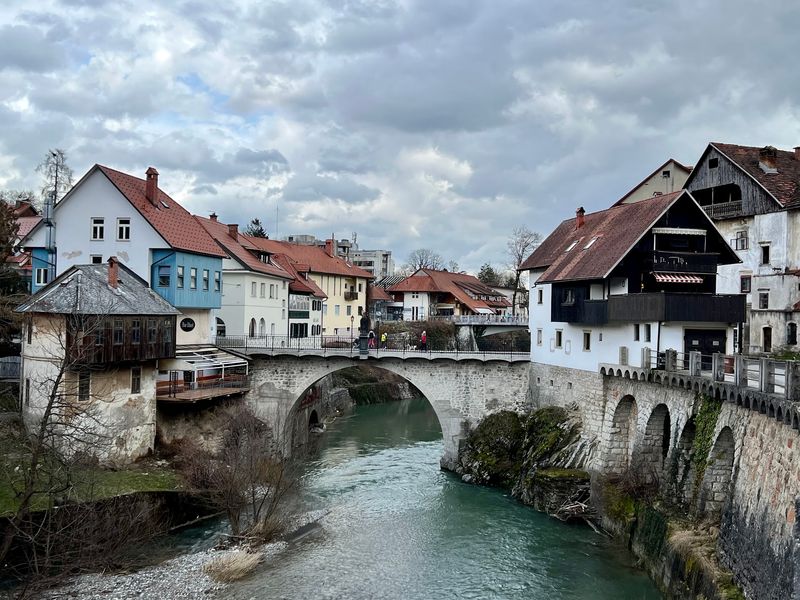
Just 26 kilometers from Ljubljana and yet somehow operating at an entirely different frequency, Skofja Loka is the Slovenian old town that visitors to the capital often miss and locals are quietly grateful for. Two rivers meet at the edge of the historic center, a stone bridge frames the approach to the main square, and a castle perches on the hill above it all with the casual confidence of something that has been there since the 12th century.
The town belongs to Slovenia’s network of heritage destinations promoted through local food, craftsmanship, and cultural storytelling rather than spectacle. Skofja Loka is known for its Passion Play, a dramatic religious performance staged every six years that involves hundreds of local participants and draws audiences from across Europe.
The next performance is a community event in the fullest sense, rehearsed and produced by people who live on the streets where the story unfolds.
Surrounding villages in the Poljane and Selska valleys offer hiking, cycling, farm stays, and a rural Slovenia that feels genuinely off the beaten path. Local honey, cheese, and smoked meats appear at the Saturday market with a regularity that suggests the market exists for residents first and visitors second.
That ordering of priorities is exactly what makes Skofja Loka worth the short drive from the capital.
Berat, Albania
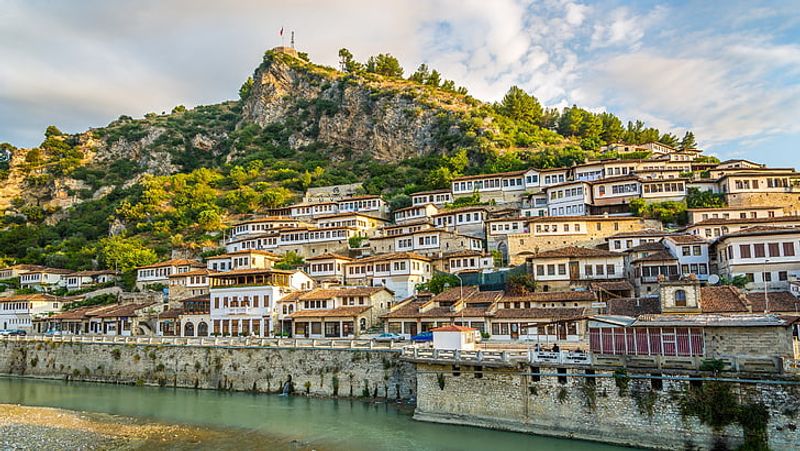
Berat earned its nickname the City of a Thousand Windows from the rows of white Ottoman houses that climb the hillside above the Osum River, each facade stacked with large windows that reflect the afternoon light back across the valley. From the right angle, the effect is genuinely striking, like looking at a town that is trying to catch as much sun as possible after a long Albanian winter.
UNESCO highlights Berat as evidence of centuries of peaceful coexistence among different religious and cultural communities, and the physical evidence is visible on every street. Byzantine churches, Ottoman mosques, medieval towers, and 20th-century apartment blocks share the same hillside without any of them dominating the others.
The inhabited citadel at the top still has families living inside its walls, which makes it one of the few functioning residential fortresses left in Europe.
Restaurants along the riverside serve grilled meats, stuffed peppers, and local Berat wine at prices that reflect the Albanian economy rather than a tourist premium. The neighborhood of Mangalem below the castle is particularly worth exploring slowly, with its steep lanes, neighborhood bakeries, and views that keep improving the higher you climb.
Berat rewards patience and comfortable shoes in roughly equal measure.
Marvão, Portugal
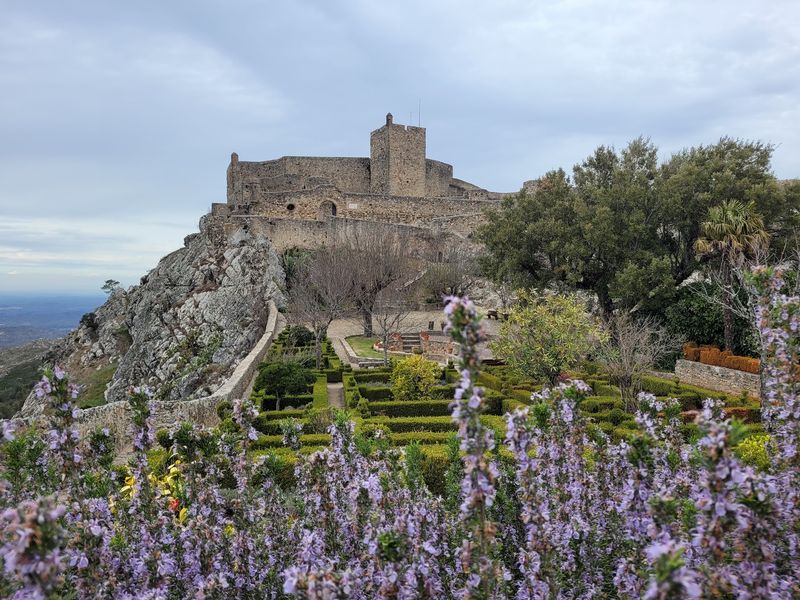
Getting to Marvao requires commitment. The village sits on a narrow rocky ridge in the Serra de Sao Mamede at 862 meters above sea level, reached by a road that winds up through cork oak forest and granite boulders before depositing you inside medieval walls that have kept the place intact since the 13th century.
The effort is repaid immediately by views that stretch across Portugal and into Spain without obstruction.
Portugal’s official tourism site recommends Marvao among the most rewarding historic villages in the country, and the surrounding natural park adds hiking routes, birdwatching, and landscapes shaped entirely by farming and border history rather than resort development. The village itself has a permanent population measured in the hundreds, which means the handful of guesthouses and restaurants feel personal in a way that larger destinations cannot replicate.
Local food leans on the Alentejo staples: slow-cooked lamb, migas made from leftover bread, local olive oil, and regional wines that pair naturally with the landscape they come from. The castle at the top of the ridge offers 360-degree views that make it easy to understand why this particular hilltop was worth fighting over for centuries.
Marvao is small, quiet, and entirely itself, which in the context of modern European tourism is a remarkable achievement.
Vis, Croatia
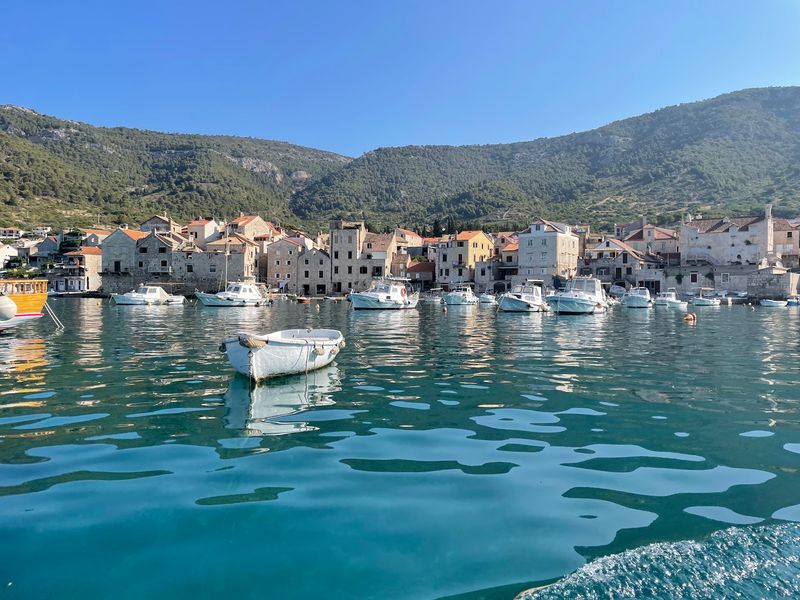
Vis spent decades off-limits to foreign visitors because the Yugoslav military used the island as a strategic base, and that enforced isolation turned out to be one of the best things that ever happened to the place. Without decades of resort development shaping the coastline, the island retained its fishing villages, traditional stone architecture, and agricultural character in ways that Croatia’s more accessible islands did not.
The ferry ride from Split, which takes over two hours, still acts as a natural deterrent to casual day-trippers.
The local tourism organization leans into the concept of fjaka, a Dalmatian idea roughly translating to the sweet pleasure of doing nothing, as central to the island’s identity. It is not a marketing invention.
The pace on Vis genuinely reflects a community that values unhurried living over optimized visitor throughput. Restaurants serve local fish, Vugava white wine, and dishes from the island’s distinctive culinary tradition rather than generic Adriatic menus.
Vis Town itself combines ancient Greek and Roman remains with Venetian-era buildings and 19th-century Austrian architecture, layers that accumulated slowly over millennia. The surrounding vineyards, sea caves, and abandoned military tunnels add texture to an island that rewards curious travelers.
Vis has become more fashionable in recent years, but it still feels like the Adriatic before it became a product.
Dragør, Denmark
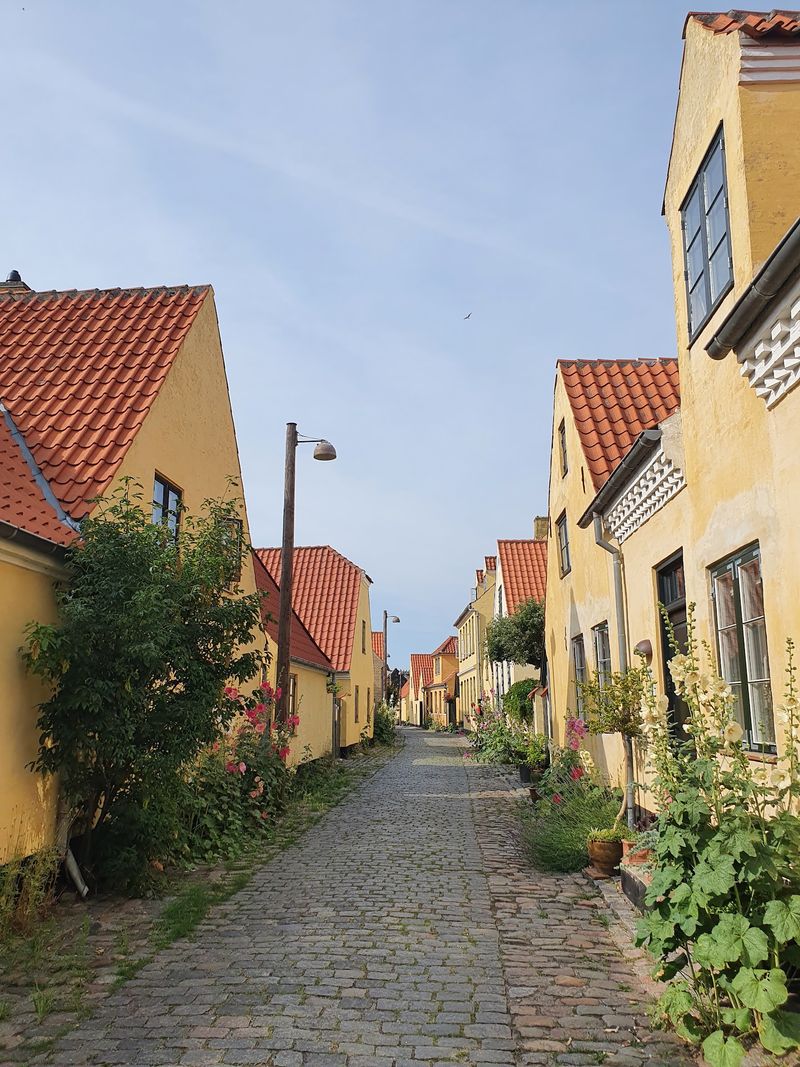
Twelve kilometers from the center of Copenhagen, Dragor exists in a state of architectural stubbornness that its residents seem genuinely proud of. Yellow ochre houses with thatched or tiled roofs line cobbled lanes that have not changed their basic layout since the 18th century, when the town prospered as a harbor for Dutch and Danish seafarers who salted herring and traded across the Baltic.
The harbor still operates, still smells of salt, and still draws fishing boats alongside the pleasure craft.
VisitDenmark specifically describes Dragor’s old center as an authentic market town where modern commercial frontages have not displaced the traditional streetscape, which is a polite way of saying the town refused to let chain stores and glass facades take over. Local building regulations protect the historic character with a seriousness that reflects community pride rather than bureaucratic habit.
The result is a neighborhood that feels lived-in and honest rather than costumed.
The proximity to Copenhagen makes Dragor’s survival as a distinct place all the more impressive. Development pressure on the outskirts of a major Scandinavian capital is not gentle, yet the old town has held its shape.
A waterfront walk, a plate of smoked fish at the harbor cafe, and an afternoon wandering the lanes is a complete and genuinely satisfying experience. Sometimes the best travel is a short ferry ride away.
Share this story