Some places just refuse to get old. Across the United States, there are attractions that have been drawing crowds for well over a hundred years, and they are still going strong today.
From towering geysers and seaside amusement parks to legendary ballparks and world-class zoos, these spots have something that keeps generation after generation coming back. Whether you are planning a road trip, looking for a weekend adventure, or just curious about what has stood the test of time, this list is worth saving.
Yellowstone National Park, Wyoming, Montana, And Idaho
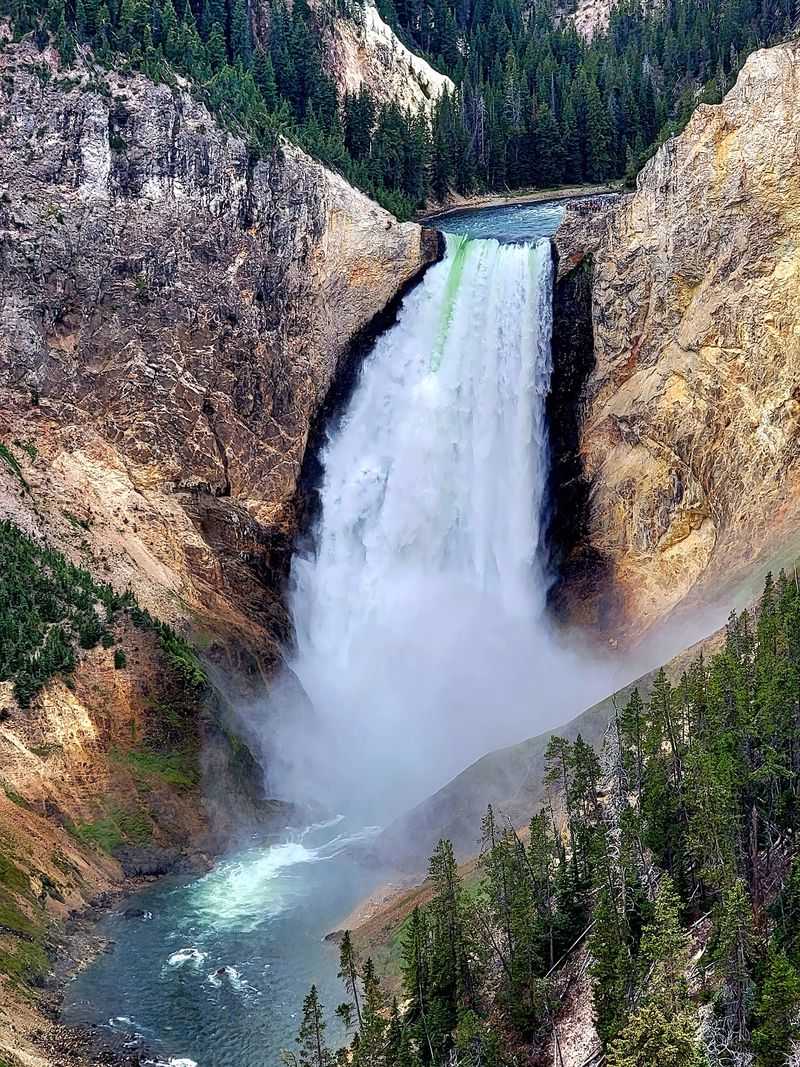
Long before national parks became a global concept, Yellowstone was already proving why the idea mattered. Established on March 1, 1872, it became the world’s first national park, protecting a landscape so geologically active it still feels like a different planet.
Geysers, hot springs, waterfalls, and wildlife share more than two million acres.
Old Faithful is the crowd favorite, erupting on a reliable schedule that makes it easy to plan around. Grand Prismatic Spring, with its vivid bands of color, is another stop that genuinely surprises first-time visitors.
Lamar Valley draws wildlife watchers hoping to spot bison, wolves, and bears in open terrain.
Park roads close during winter, so checking current conditions before traveling is essential. Camping, hiking, and scenic drives fill out a visit nicely.
More than 150 years in, Yellowstone remains one of the most extraordinary places in the country.
Mount Washington Cog Railway, Bretton Woods, New Hampshire
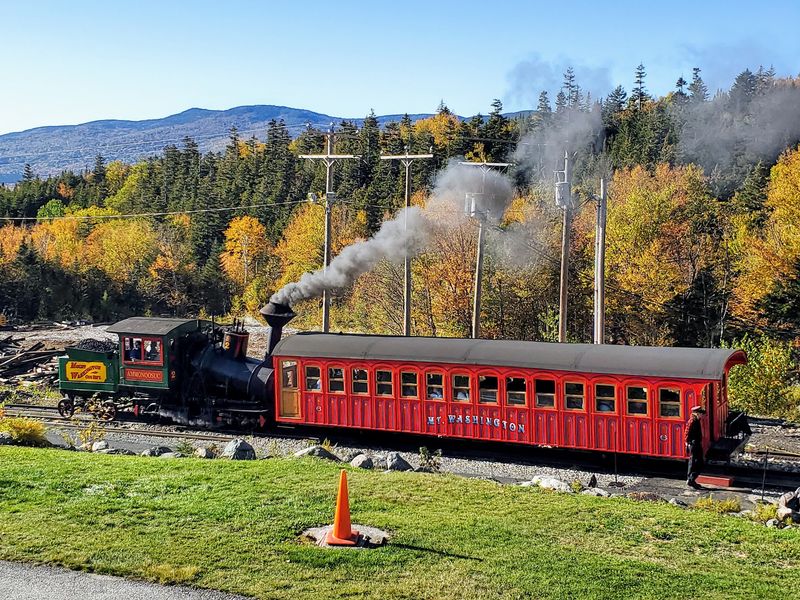
On July 3, 1869, passengers boarded a train unlike anything the world had seen and rode it straight up a mountain. The Mount Washington Cog Railway holds the title of the world’s first mountain-climbing cog railway, using a specialized toothed rail system to grip the steep track all the way to the summit.
Mount Washington sits at 6,288 feet and carries the reputation of some of the most extreme weather in the northeastern United States. The ride up gives passengers a front-row view of changing forest, open alpine terrain, and rocky summit conditions that can shift quickly.
Modern biodiesel locomotives handle most trips, but scheduled steam-powered journeys still run, connecting today’s riders to the railway’s 19th-century engineering roots. Trips are seasonal and weather-dependent, so checking departure schedules in advance is a smart move.
After more than 155 years, the Cog remains one of New Hampshire’s most distinctive travel experiences.
Philadelphia Zoo, Philadelphia, Pennsylvania
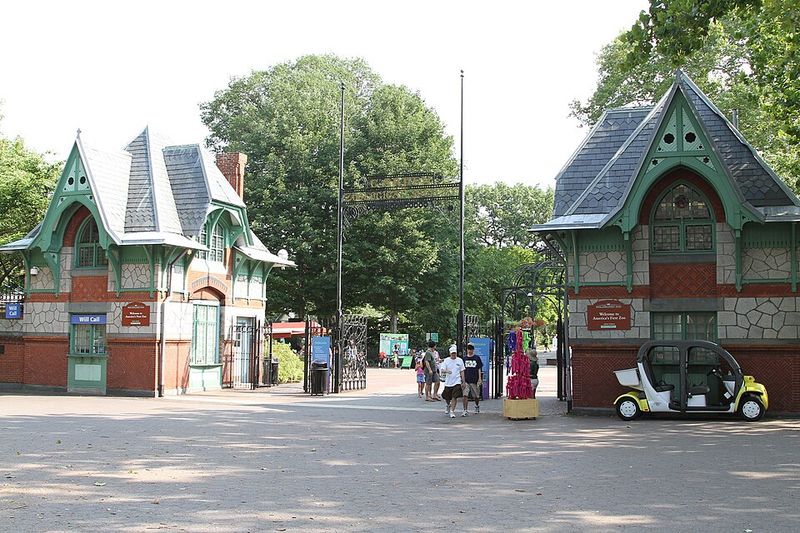
When Philadelphia Zoo opened on July 1, 1874, it made history as the first zoo in the United States. More than 3,000 people reportedly showed up for opening day, which tells you something about how long people have been eager to see this place.
That opening-day energy has carried forward for over 150 years.
Today, the 42-acre zoo is home to more than 1,900 animals, including rare and endangered species from around the world. One of its standout modern features is Zoo360, a network of elevated mesh trails that lets certain animals travel above visitors between habitats.
It creates an experience that feels genuinely different from a standard zoo visit.
Historic architecture from the 19th century is still visible throughout the grounds, adding a layer of character that newer facilities simply cannot replicate. Conservation, education, and updated animal environments now drive the zoo’s mission.
Tickets are available for current dates, and the zoo remains fully open.
Cincinnati Zoo And Botanical Garden, Cincinnati, Ohio
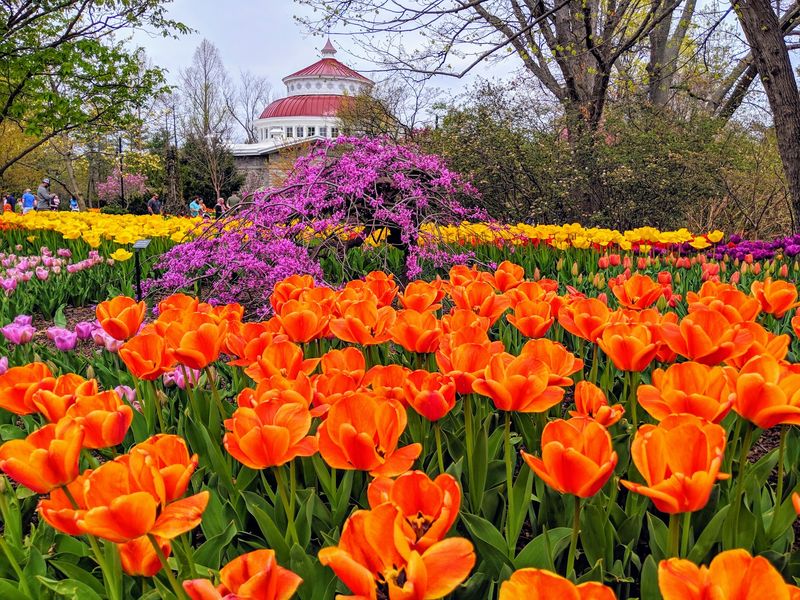
Opening in 1875, just about a year after the Philadelphia Zoo, Cincinnati Zoo holds the distinction of being the second-oldest zoo in the United States. Its early collection was modest, featuring monkeys, bears, deer, raccoons, birds, a tiger, and an elephant.
What started small has grown into something genuinely impressive over 150 years.
The zoo is now recognized for its conservation programs, breeding initiatives, and botanical garden, which adds an entirely different layer to the visit. Seasonal floral displays transform the grounds throughout the year, giving repeat visitors a reason to come back at different times.
Animal habitats and garden spaces are woven together in a way that makes exploring the full property feel worthwhile.
New exhibits and conservation announcements continue to keep the Cincinnati Zoo current and evolving. For a city attraction with sesquicentennial roots, it shows no signs of standing still.
Current ticketing and event information confirm it remains one of Cincinnati’s most active destinations.
Niagara Falls State Park, Niagara Falls, New York
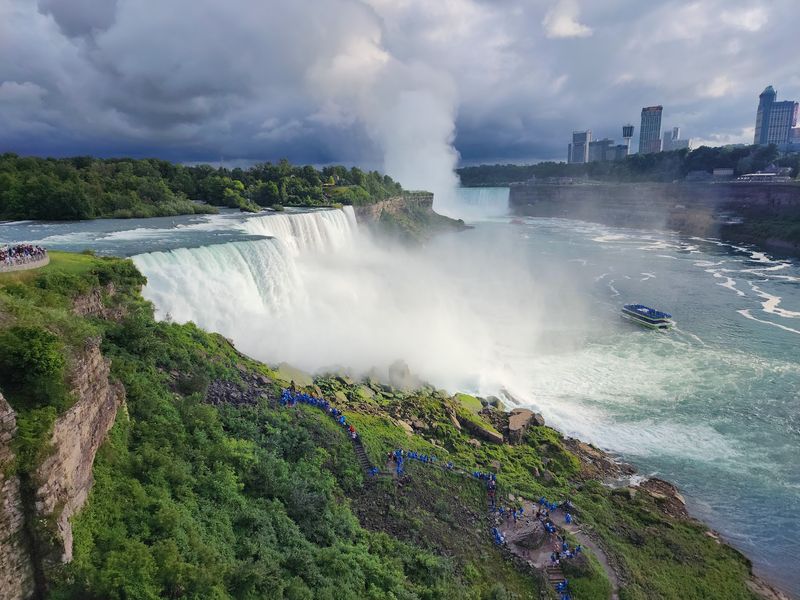
Niagara Falls State Park carries a record that most people do not know about: established in 1885, it is recognized as the oldest state park in the United States. Landscape architect Frederick Law Olmsted helped shape its design, prioritizing open sightlines and genuine public access to the falls rather than commercial clutter.
Visitors can walk riverfront trails, stand at overlooks facing the American and Bridal Veil Falls, and book seasonal experiences like Cave of the Winds and Maid of the Mist. Goat Island sits between the falls and offers perspectives that the main overlooks cannot match.
An observation tower, evening illuminations, restaurants, and exhibits round out the experience.
The park stays open 365 days a year, though individual attractions follow seasonal schedules and may close during harsh weather. Visiting in different seasons genuinely changes what you see and how the falls feel.
After 140 years of welcoming visitors, Niagara Falls State Park remains one of New York’s most visited public spaces.
New York Botanical Garden, Bronx, New York
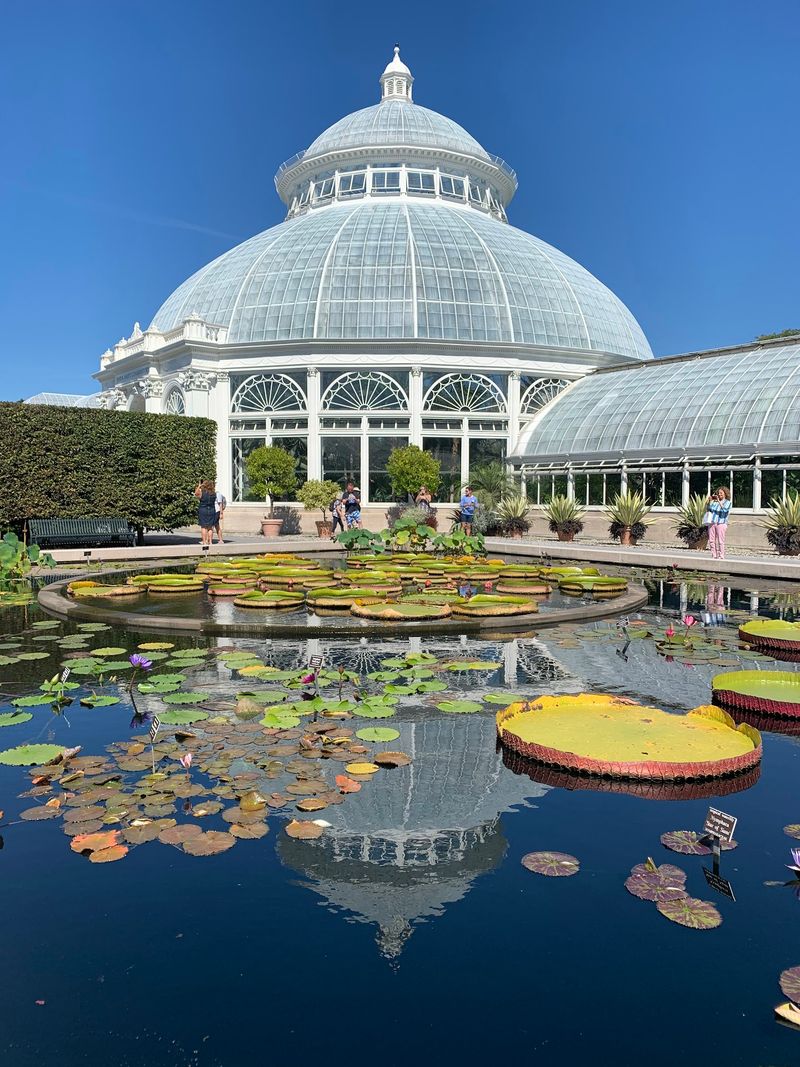
Established in 1891, the New York Botanical Garden has spent more than 130 years connecting city visitors with plants, nature, and living science. Its 250-acre Bronx landscape is one of the largest botanical gardens in the country, and it contains one of New York City’s last remaining old-growth forests, which alone makes it worth the trip.
The Enid A. Haupt Conservatory serves as the architectural centerpiece, housing tropical, desert, aquatic, and seasonal plant displays beneath its Victorian-era glass domes.
Outside, visitors can explore the Native Plant Garden, rose garden, wetlands, and walking paths that shift in character depending on the season. Rotating exhibitions and flower shows bring fresh reasons to return throughout the year.
The garden functions as both a public cultural destination and a serious scientific research institution. Admission is charged, and current visiting information is published regularly.
For a place that has been open since the 1890s, its programming feels remarkably forward-looking and alive.
Mackinac Island State Park, Mackinac Island, Michigan
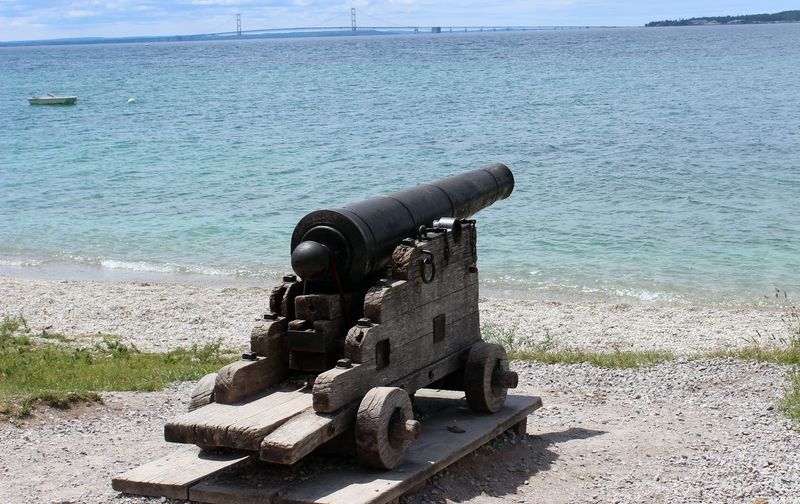
Before Michigan took it over in 1895, Mackinac Island had already served as the nation’s second national park for two decades. The federal-to-state transfer gave Michigan stewardship of one of the most unusual park environments in the Midwest, and the island has been drawing visitors ever since.
State park land now covers more than 80 percent of Mackinac Island, protecting limestone formations like Arch Rock, forested trails, scenic overlooks, and historic sites including Fort Mackinac. What makes the island especially distinctive is the automobile ban that has been in effect since 1898.
Getting around by foot, bicycle, or horse-drawn carriage is not a gimmick; it is simply how the island works.
Nature centers, hiking trails, and staffed visitor facilities operate on seasonal schedules, so planning around the warmer months gives access to the full experience. The combination of natural landscape and preserved historic atmosphere creates something that feels genuinely set apart from modern travel destinations.
Bronx Zoo, Bronx, New York
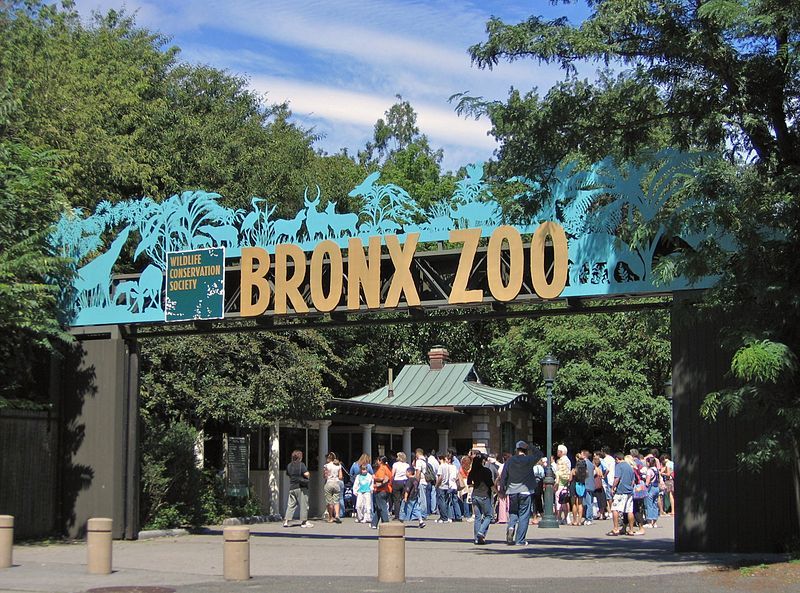
Founded in 1899, the Bronx Zoo was built on a mission that went beyond putting animals on display. Public education and wildlife conservation were central from the start, and that focus has only deepened through the work of the Wildlife Conservation Society, which continues to operate the zoo today.
The historic World of Reptiles building has been welcoming visitors since opening day and is still in use, making it one of the oldest continuously operating zoo structures in the country. Newer environments like Congo Gorilla Forest reflect how dramatically animal care and habitat design have evolved over 125 years.
Both old and new coexist in a way that tells the zoo’s story without needing a single exhibit label to explain it.
Seasonal attractions, educational programs, and a mobile zoo map help visitors navigate what is genuinely a large and varied property. Current exhibit announcements and visitor information confirm the Bronx Zoo is fully open and actively evolving more than a century after its founding.
Santa Cruz Beach Boardwalk, Santa Cruz, California
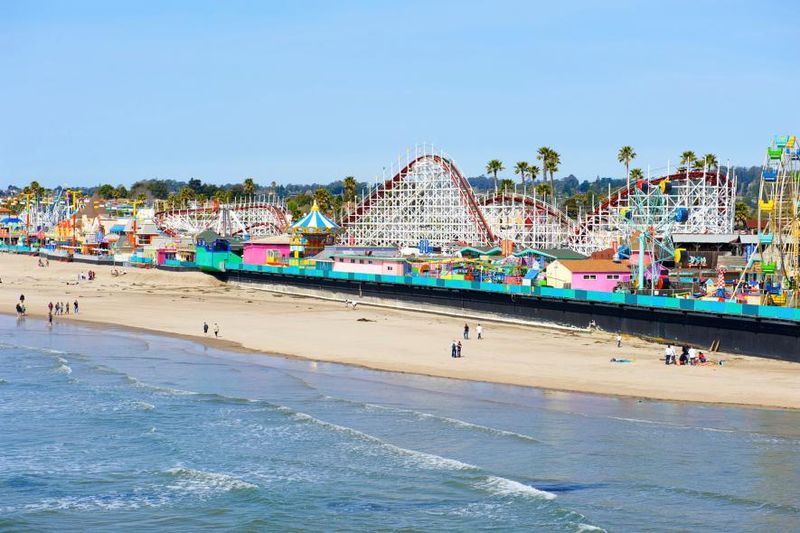
California’s oldest surviving amusement park has been running rides beside Monterey Bay since 1907, and it has outlasted nearly every comparable seaside park on the West Coast. The Santa Cruz Beach Boardwalk is not a replica or a revival; it is the original, still operating on the same stretch of Pacific shoreline where it started.
The 1924 Giant Dipper wooden roller coaster and the 1911 Looff Carousel are both National Historic Landmarks, which is a rare designation for amusement park rides. Both are still running, giving visitors something that genuinely connects to early 20th-century amusement culture.
Modern rides, arcades, miniature golf, and classic boardwalk food fill out the rest of the experience.
Ride schedules vary by season, but the Casino Arcade stays open year-round. Direct beach access means that on the right day, you can combine a classic amusement park visit with actual time on the sand.
Few places in the country offer that combination with this much history behind it.
Pike Place Market, Seattle, Washington
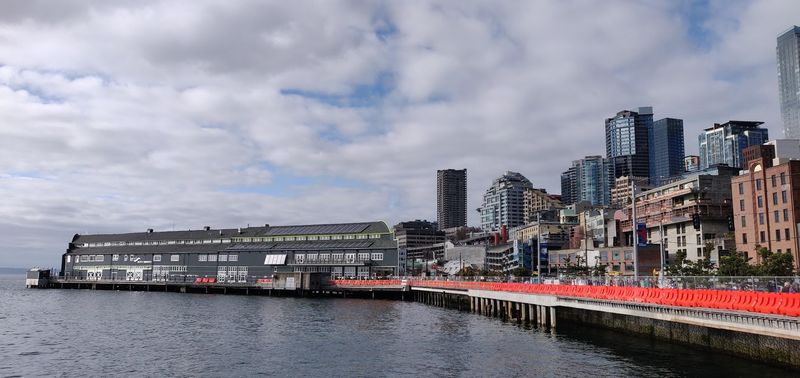
Pike Place Market opened on August 17, 1907, born out of a very practical demand: Seattle residents wanted a direct, affordable way to buy food from farmers without middlemen driving up prices. More than 117 years later, it is still doing essentially that, which makes it one of the most honest success stories in American retail history.
The nine-acre historic district holds produce stands, fish counters, bakeries, restaurants, craftspeople, specialty shops, and residential spaces, all layered across multiple levels connected by staircases and ramps. The famous fish-tossing is real, but it is only one corner of a much larger and more interesting place.
The market’s lower levels, murals, and long-standing vendors reward visitors who slow down and explore beyond the main arcade.
Pike Place functions as a working neighborhood market, not a preserved tourist display. Locals shop here regularly alongside visitors, which keeps the atmosphere grounded.
Waterfront views and the surrounding Seattle neighborhood add further reason to spend a full morning or afternoon in the area.
Fenway Park, Boston, Massachusetts
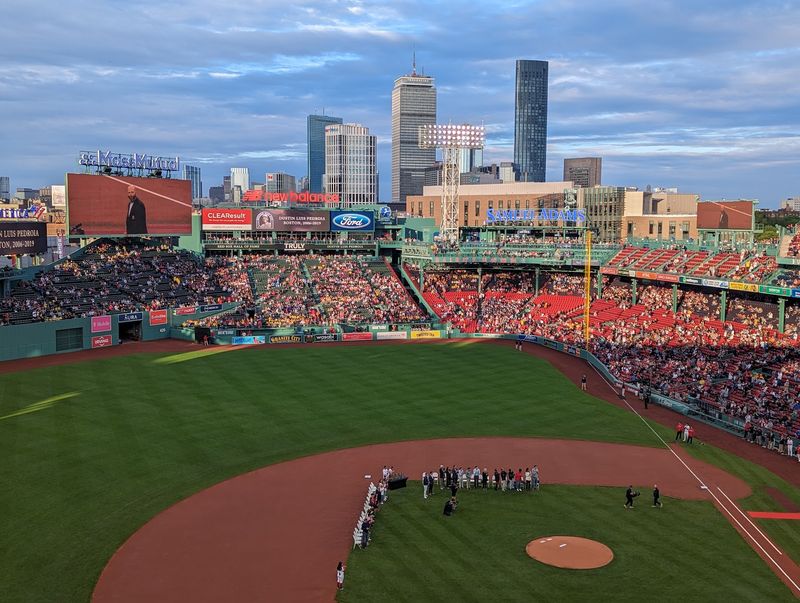
Fenway Park opened on April 20, 1912, when the Boston Red Sox defeated the New York Highlanders in front of a crowd that had no idea they were sitting in what would become the oldest active ballpark in Major League Baseball. More than 110 years later, that same field is still hosting games.
The stadium has been renovated repeatedly, but it retains the quirky, irregular dimensions that make it unlike any other ballpark in the country. The Green Monster, the 37-foot left field wall, is the most recognizable feature, but the park’s overall layout, with its tight seating, odd angles, and manual scoreboard, reflects an era of baseball construction that no longer exists anywhere else at the major league level.
Guided ballpark tours run outside the baseball season, and Fenway also hosts concerts and special events throughout the year. The survival of its original grandstand structure gives the building a physical connection to early 20th-century baseball that no renovation has managed to erase.
Wrigley Field, Chicago, Illinois
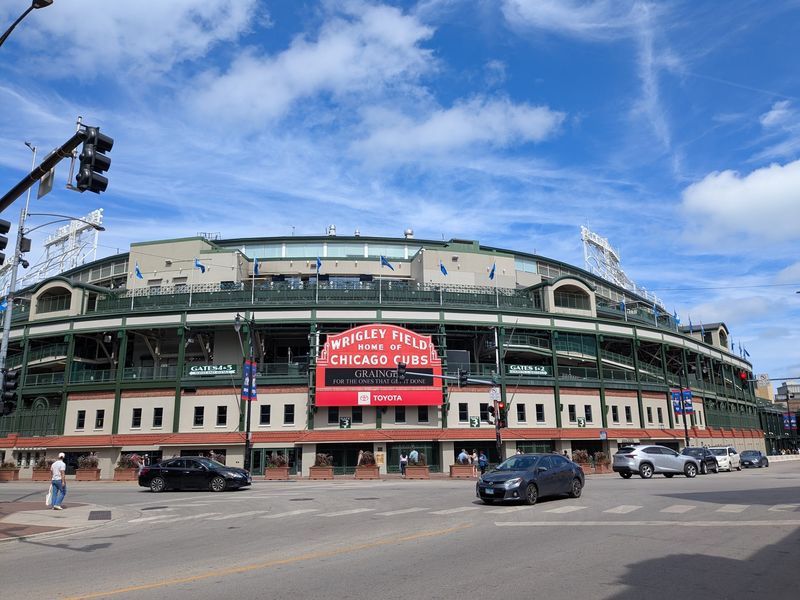
Built in 1914 as Weeghman Park, Wrigley Field started its life hosting the Chicago Whales of the short-lived Federal League before the Chicago Cubs arrived in 1916 and made it their permanent home. The stadium was renamed Wrigley Field in 1926, and it has been shaping the identity of the surrounding Wrigleyville neighborhood ever since.
The ivy-covered outfield walls, planted in 1937, are probably the ballpark’s most photographed feature. The hand-operated scoreboard, which still displays scores manually during games, is another detail that separates Wrigley from every other active major league stadium.
Rooftop seating on buildings across the street from the outfield became such a fixture that the Cubs eventually incorporated rooftop access into their official ticketing options.
Stadium tours are available outside game days, covering areas tied to more than a century of baseball history. Recent renovations added modern facilities and expanded seating without removing the features that give Wrigley its well-earned reputation as one of baseball’s most distinctive venues.
San Diego Zoo, San Diego, California
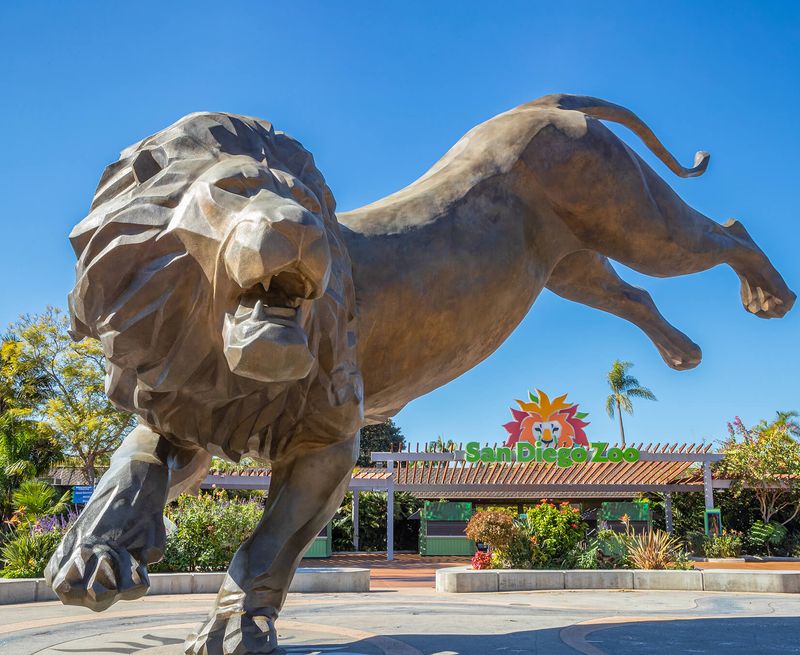
The San Diego Zoo traces its origin to 1916, when physician Harry Wegeforth was inspired by animals left over from the Panama-California Exposition to create a permanent wildlife institution in Balboa Park. What he started has grown into one of the most recognized zoological parks in the world, spread across 100 acres in the heart of San Diego.
The zoo cares for thousands of animals representing hundreds of species and subspecies, alongside an enormous botanical collection that turns the property into a layered natural environment rather than a simple row of enclosures. Aerial gondolas allow visitors to travel above parts of the zoo for a different perspective on the layout and the animals below.
Wildlife Explorers Basecamp adds a hands-on element that works especially well for younger visitors.
Conservation and scientific work now extend far beyond San Diego, but public visits remain central to the organization’s broader mission. Current ticketing and operational information confirm the zoo is fully open, more than a century after Wegeforth’s original vision took root.
Share this story