Some of the best stops in Oklahoma are the ones you almost drive right past. Picture a quiet highway, wide open prairie, and a modest building that hides something you never expected to see.
Inside sits a home built from blocks of earth, still standing after more than a century of wind, heat, and storms. Once you step through the door, you start to feel curious, a little hungry for stories, and completely amazed that a house made of dirt could last this long.
A Prairie Home Made of Earth
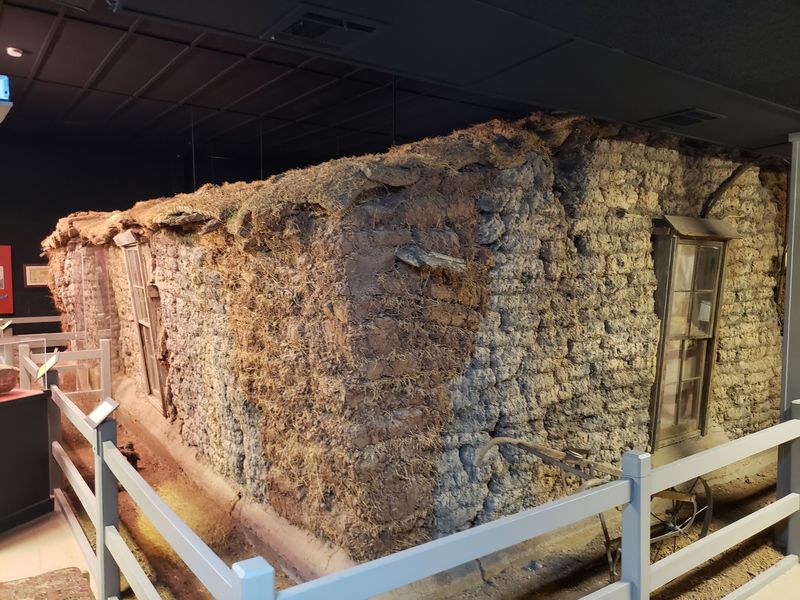
Out on Highway 8 in northwest Oklahoma, at 4628 OK-8 near the small town of Aline, sits a museum built around one remarkable structure. Visitors call it the last remaining sod home in Oklahoma, and that alone makes it worth a detour.
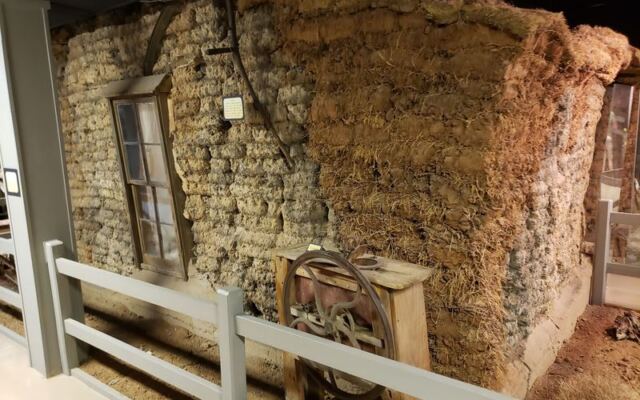
It is a house made from the ground itself, cut into blocks and stacked into walls.
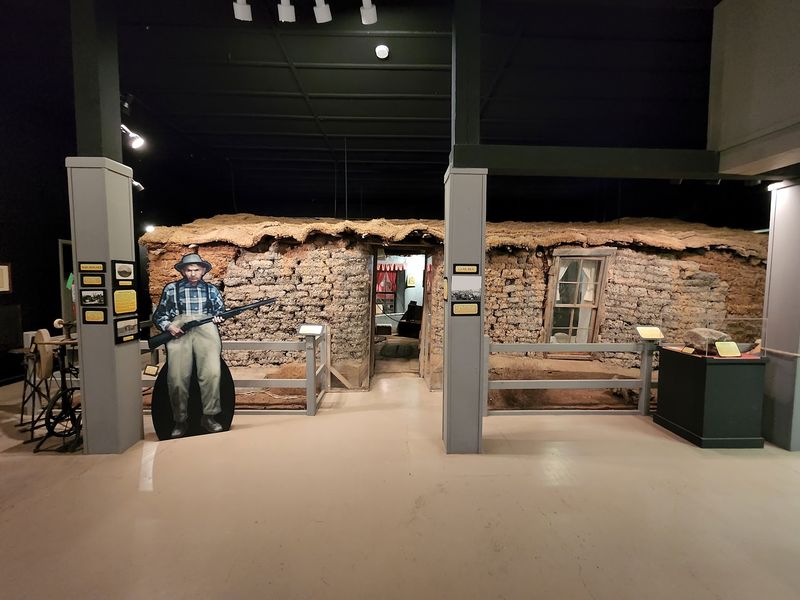
The Sod House Museum is part of the Oklahoma Historical Society network, which helps explain the care you notice the moment you arrive. The original house now rests inside a larger building that shields it from the weather.
Walking up, you might not guess what waits inside, since the outside looks pretty ordinary.
Many guests admit they had never heard of the place until they spotted it from the road. Some were heading out to dig for crystals, while others were exploring Gloss Mountain nearby.
A quick turn into the parking lot ended up becoming one of the most memorable parts of their trip.
That is the charm here. It is small, quiet, and easy to miss, yet it holds a big slice of Oklahoma history that most people never get to see up close.
Few places let you touch the past quite like this one.
The Land Run Roots of 1894
Back in the 1890s, the Oklahoma prairie was filling up fast with settlers hoping to build new lives. The Land Run era brought families onto wide stretches of grassland with very few trees.
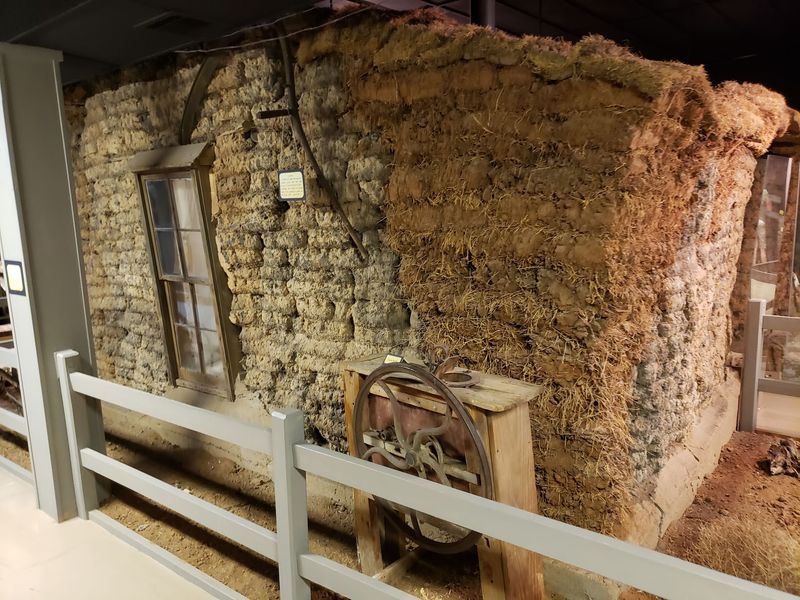
Lumber was scarce, so people turned to the one building material they had everywhere: the soil beneath their boots.
The sod house in Aline dates to 1894, and it tells the story of that hopeful, hardworking period. Thick prairie sod was cut into strips, stacked like bricks, and shaped into sturdy walls.
Homes like this were meant to be practical, not permanent, and most simply melted back into the land over time.
One visitor shared that their guide had family ties to the man who built the original house, which adds a personal thread to the tour. Hearing the story from someone connected to it makes the history feel close and real.
The museum fills in the bigger picture with plenty of memorabilia from the Land Run period. Guests often mention how much they learned about why settlers came, how they survived, and what they faced each season.
It is a story of grit, patience, and a whole lot of digging.
Walls That Refused to Crumble
Here is a fun fact that stops people in their tracks: a sod house like this one was never expected to last more than about five years. Rain, wind, and time usually wore these earthen homes down quickly.
Yet this one has held on for well over a century.
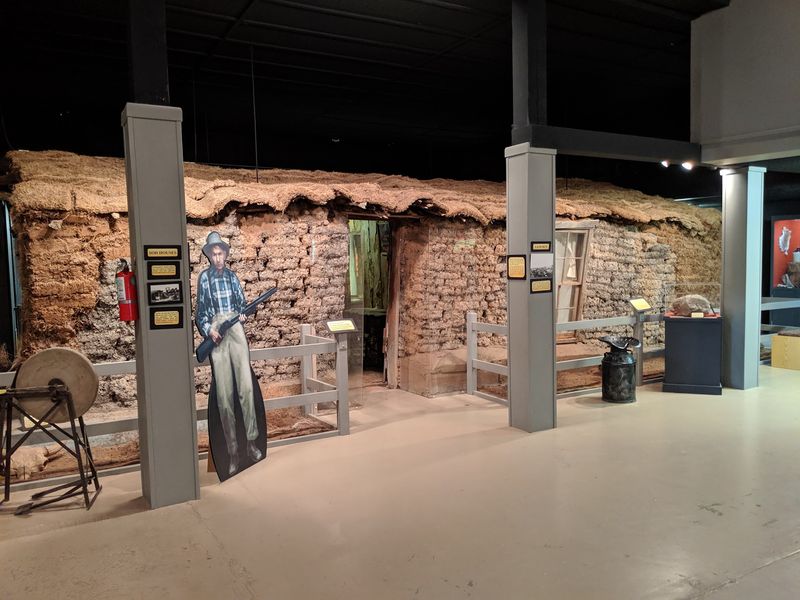
Standing in front of those thick walls, you can see the texture of the soil and roots packed tightly together. It is humbling to realize that ordinary dirt, cut and stacked by hand, could become something so long-lasting.
Visitors often describe the structure as well preserved and carefully maintained.
Part of its survival today comes from the protective building that now surrounds it. That shelter keeps the worst of the prairie weather away, giving future generations a chance to see it too.
The house is presented as originally built, so you get a true sense of the craftsmanship.
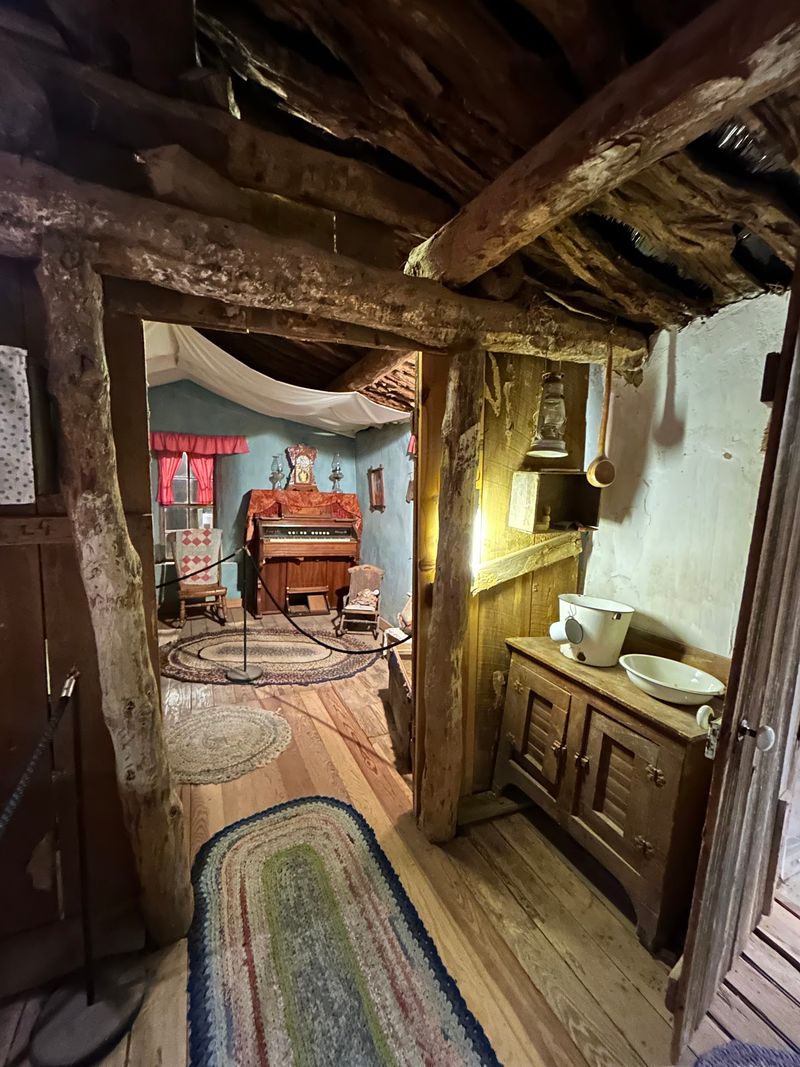
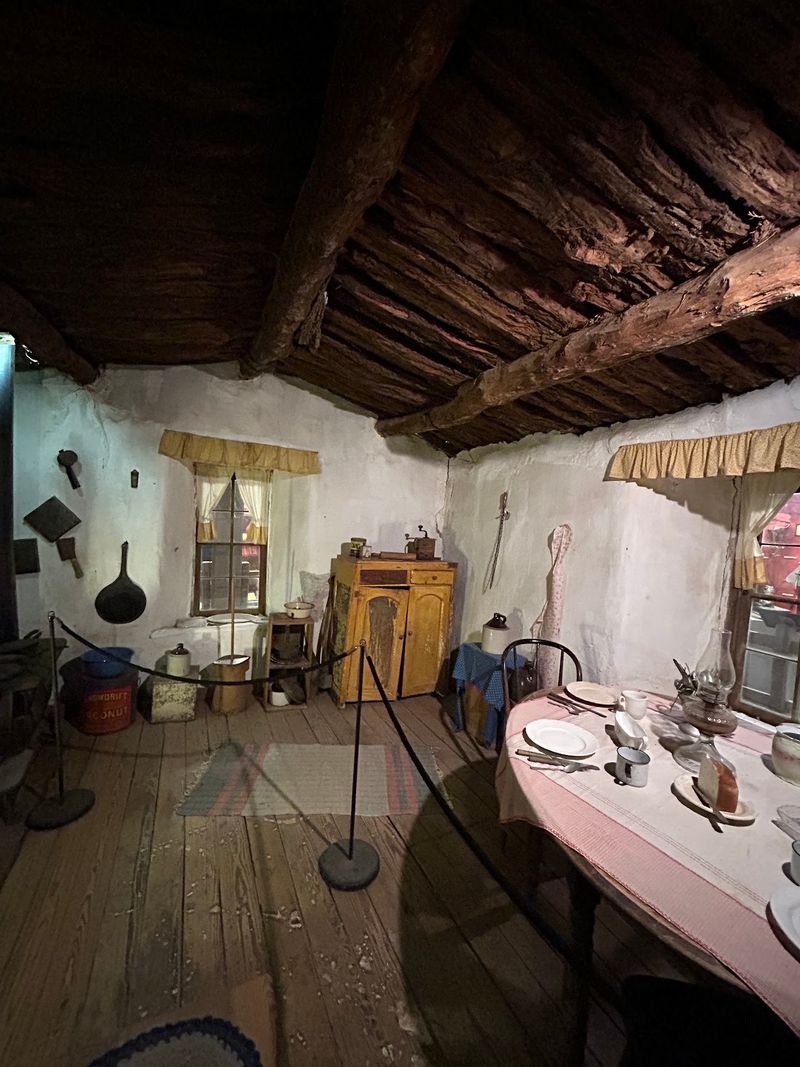
Guests say seeing the real thing beats any photo or textbook picture. You notice small details, like how low the ceilings feel and how thick the doorways are.
It makes you wonder how the builders managed so well with such simple tools and so few supplies on hand.
The Cool Surprise Beneath the Floor
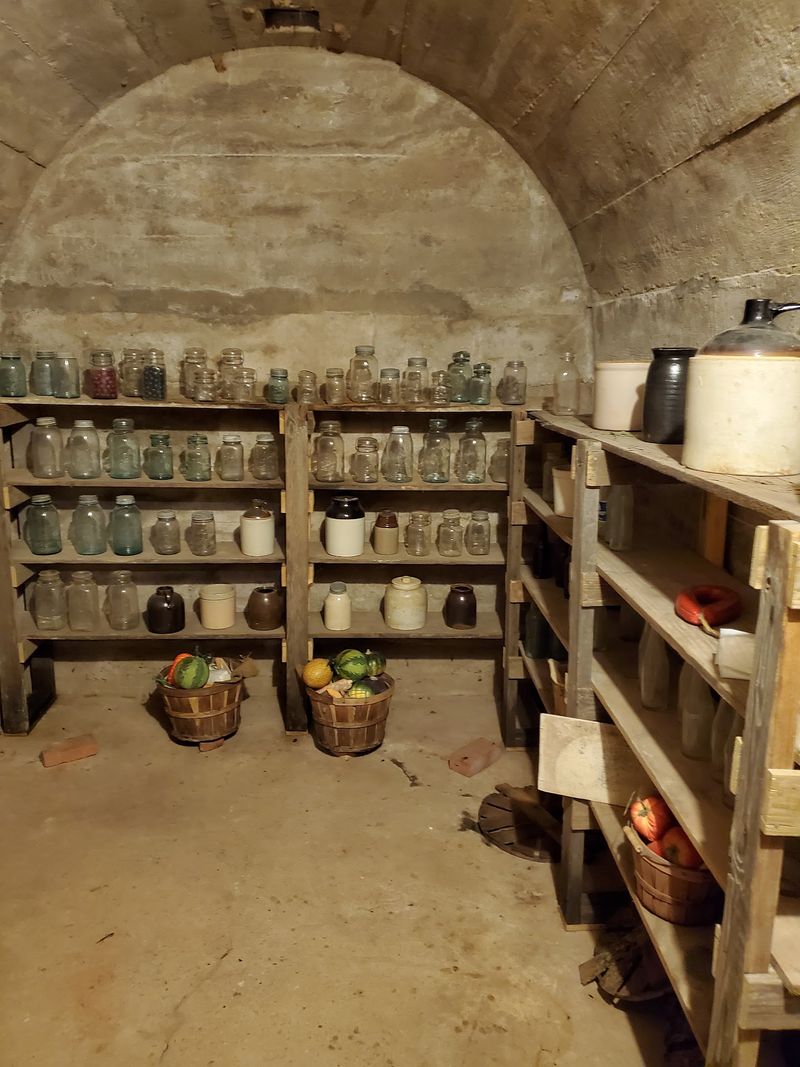
Ready for a little chill on a hot Oklahoma afternoon? The root cellar is one of the most talked-about features at the museum, and for good reason.
You can actually walk down into it and feel the change for yourself.
Guests say the temperature drop is very noticeable the moment you head underground. Before refrigerators, families relied on cellars like this to keep food cool and safe through long summers.
It also served as a handy shelter when prairie storms rolled across the plains.
Stepping down those stairs feels a bit like slipping into another era. The earthy smell, the quiet, and the cooler air all work together to make history feel very real.
Kids especially seem to enjoy this part, since it is hands-on and a little bit adventurous.
Visitors who toured both the home and the cellar call it a one-of-a-kind experience. Seeing how settlers stored their food helps explain how they planned ahead for winter and lean times.
It is a small space, but it carries a big lesson about patience and preparation.
Do not skip it, even if your visit is short. Many guests rank this underground stop among their favorite moments.
Tools, Artifacts, and Grandma’s Kitchen
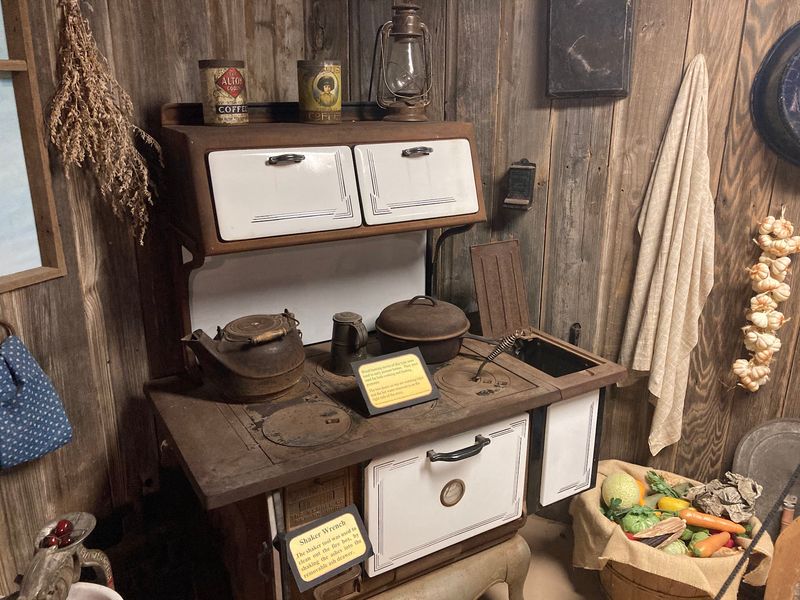
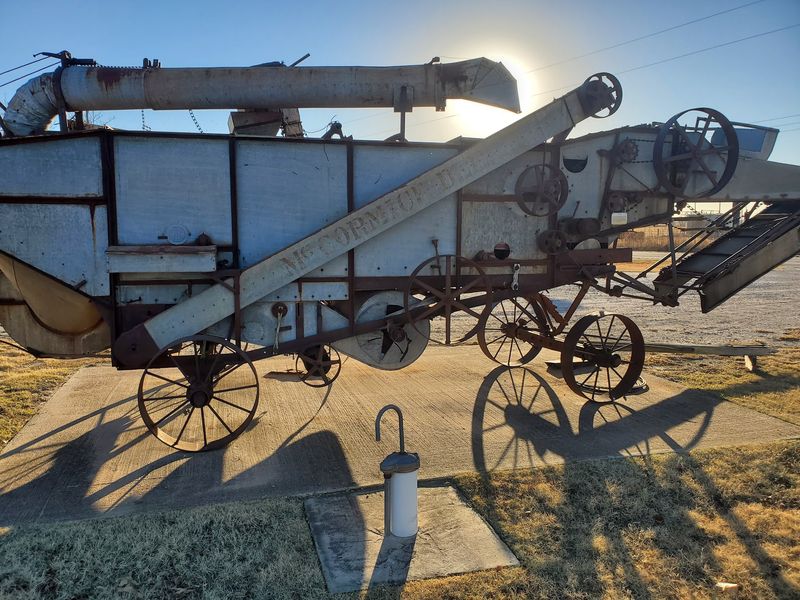
Old plows, rusty farm tools, and kitchen gadgets from another century fill the museum with stories. Visitors often mention the wide range of artifacts, from farming equipment to everyday household items.
Each piece shows how much effort went into simple daily chores.
One guest remembered seeing items on display that their grandmother used regularly. That moment of recognition is part of what makes this collection so special.
It connects older generations with younger ones in a way that feels warm and personal.
The displays are arranged to show how life progressed on the prairie over time. You can see period tools that helped settlers plant, harvest, cook, and clean.
There is old farmers equipment that hints at long days under the hot sun.
Many visitors describe the exhibits as intimate and informative, never overwhelming. Instead of rows of glass cases, the collection feels like a peek into real homes.
Original artifacts paired with the stories behind them make the whole experience click.
Families say these objects spark great conversations. Kids often ask how anyone managed without modern gadgets, and grownups get a chance to share memories.
It is history you can almost hold in your hands, and it sticks with you long after.
Guides Who Know Every Story
Ask almost anyone who has visited, and they will bring up the staff. Knowledgeable, friendly guides are the most mentioned highlight of the museum.
Their warmth turns a quick stop into something much more meaningful.
Several guests received personal tours, sometimes even from the director. Others praised a caring curator who clearly pours her heart into the place.
One visitor described the welcome as a VIP experience, complete with a detailed walk through the home and cellar.
The guides explain how the sod house was built and how it changed over the years. They share small details you might otherwise miss, like how families slept or prepared for winter.
Their stories help the artifacts come alive.
Visitors also love being greeted and invited to sign the visitor log. That simple gesture makes the museum feel like a neighborly stop rather than a formal attraction.
People leave feeling like they made a new friend along the way.
Having someone so passionate leading the way makes history easy to understand for all ages. Whether you are a serious history buff or just curious, the docents meet you right where you are.
Their enthusiasm is honestly contagious.
Daily Life on the Hard-Working Prairie
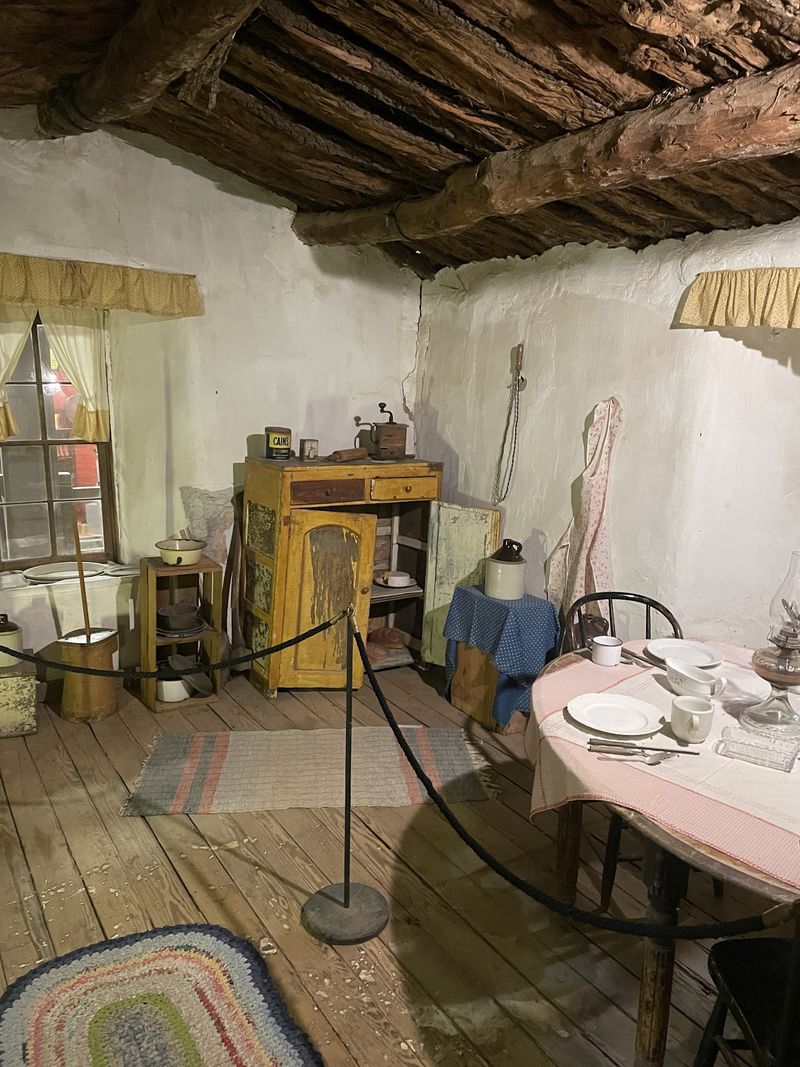
Life back then was work, and plenty of it. That is the message many visitors carry home after touring the sod house.
Every room shows how much effort it took just to get through a single day.
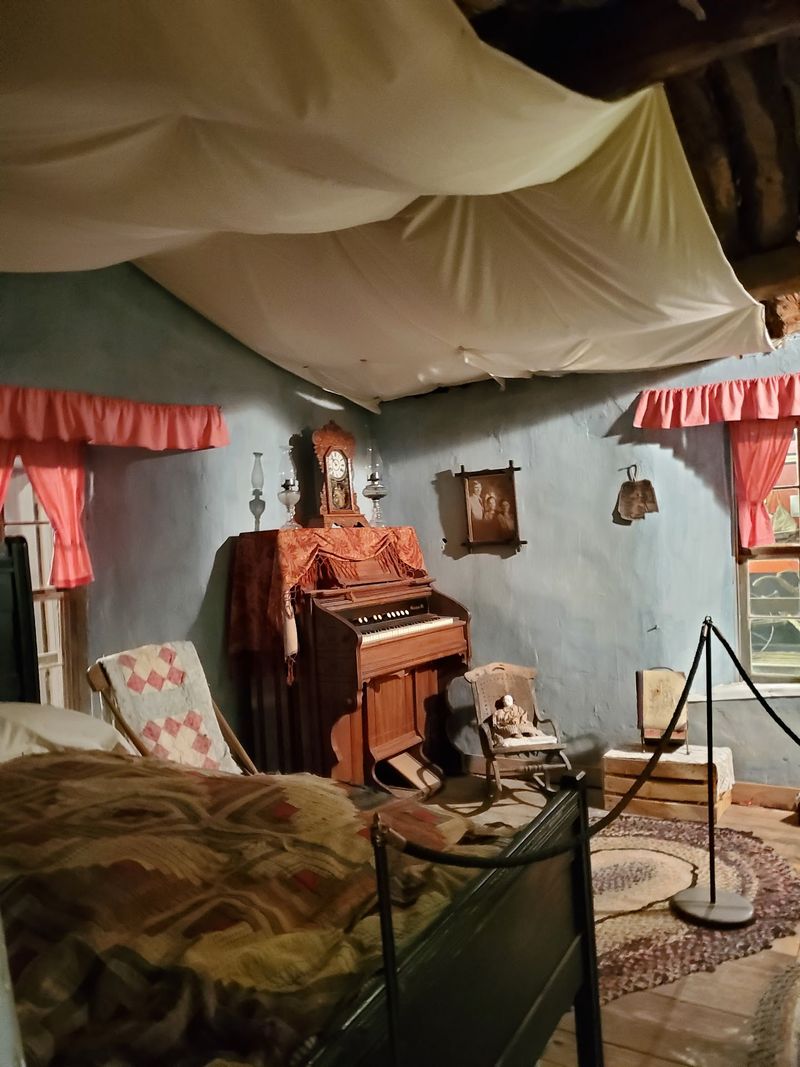
Guests talk about sleeping on pallets on the floor and the not-so-fun chore of cleaning bedpans each morning. Those details always get a reaction from kids.
Suddenly, making the bed or doing dishes does not seem so bad.
The museum also explains what settlers ate and how they prepared for tomorrow. Families had to plan carefully, store food wisely, and learn new skills constantly.
Each day brought fresh challenges on the open prairie.
One visitor shared that the experience made them more thankful for modern conveniences. Electricity, running water, and easy grocery runs feel like luxuries after seeing how pioneers lived.
It is a gentle reminder of how far we have come.
Another guest connected the tour to family history, since their great-great-grandparents lived in an Oklahoma sod house around 1900. Stories like that show how close this past really is.
For many Oklahomans, these walls reflect their own roots and the resilience of the people who came before.
Cozy Vibes and Holiday Cheer
Picture live Christmas music drifting through a museum while families sip warm drinks and nibble cookies. One visitor experienced exactly that during a special holiday event.
It shows how this little museum brings the community together.
The overall feel here is quaint and welcoming. Guests describe it as cute, intimate, and easy to enjoy at a relaxed pace.
There is no rush, no crowds pushing past, and no pressure to see everything in record time.
That calm atmosphere suits a wide range of people. History lovers can soak up every detail, while casual travelers can enjoy a quick and satisfying stop.
Families with kids find plenty to keep young minds curious.
A grandparent shared that their seven-year-old granddaughter loved learning about Oklahoma history during the visit. Another group even brought along a stuffed chicken named Gregory Peck, who apparently had a great time too.
That kind of playful spirit fits right in.
Road-trippers will appreciate the easy highway access and short visit time. Many guests say they would happily return when passing through again.
The place leaves a lasting impression without asking for an entire day.
Pairing the Visit With Nearby Adventures
Northwest Oklahoma rewards travelers who like to string adventures together. The Sod House Museum fits neatly into a day of exploring the region.
Several visitors stopped in while heading to or from other outdoor spots.
One family visited after exploring Gloss Mountain, a popular natural attraction in the area. Another group swung by on their way back from digging for crystals.
In both cases, the museum added a rich history chapter to an outdoor day.
Because the tour takes about an hour, it works well as a midday break. You can stretch your legs, cool off in the root cellar, and get back on the road refreshed.
It is a smart way to balance hiking or digging with something slower and more reflective.
Highway 8 makes the museum easy to reach for travelers crossing the plains. Many guests discovered it simply by driving past and deciding to pull over.
That spontaneous spirit is part of the fun of exploring this part of the state.
If you enjoy quirky roadside history and wide open landscapes, this corner of Oklahoma delivers both. Plan your route with a little extra time, since curiosity tends to stretch every stop.
Hours, Fees, and Handy Tips
Planning ahead makes this stop even smoother. The museum is open Tuesday through Saturday from 9 AM to 5 PM.
It is closed on Sundays and Mondays, so time your road trip accordingly.
There is an entry fee, and one key tip stands out from past visitors: bring cash or a check. Guests have mentioned that cards are not accepted.
Students have received discounted entry at four dollars, and veterans have been admitted free.
Most people spend about an hour exploring, which makes it easy to fit into a busy travel day. Some describe it as a quick tour, while others linger longer chatting with staff.
Either way, you will not need to block out an entire afternoon.
You can reach the museum by phone at 580-463-2441 with any questions before you go. The Oklahoma Historical Society website at okhistory.org is another helpful resource for planning.
Checking ahead is always smart, especially if you are traveling a long distance.
The address is 4628 OK-8, Aline, OK 73716. Wear comfortable shoes for the cellar steps, and do not forget to sign the visitor log on your way in.
It is a small touch guests remember fondly.
Why This Earthen Treasure Deserves a Stop
Some places stay with you long after you leave, and this is one of them. A humble house made of prairie soil has outlasted every expectation.
Standing beside it, you feel connected to the people who shaped Oklahoma.
Visitors consistently call it a historical gem and a true hidden treasure. They praise the friendly guides, the well-kept displays, and the chance to walk through a real piece of the past.
Many say it was well worth the entry fee and more.
It is not a flashy attraction, and that is exactly the point. The museum offers something quieter and more meaningful, a chance to slow down and appreciate how far we have come.
Families, history fans, and curious road-trippers all seem to find something to love.
One guest summed up the feeling well by saying places like this need our support. Small museums keep these stories alive for future generations.
Every visit helps make sure that happens.
So next time you are cruising Highway 8, consider pulling over. Bring a little cash, some curiosity, and maybe a kid or two.
The last standing sod house in Oklahoma is waiting to share its story.
Share this story