The 1980s produced some of the most recognized names in music history, artists whose songs filled radios, dominated MTV, and packed stadiums from London to Los Angeles. Their voices became part of everyday life for an entire generation, shaping how people dressed, danced, and even thought about the world around them. Many of those same artists are now gone, leaving behind catalogs that continue to reach new listeners decades later. This list looks at 13 legendary performers whose passing left an undeniable mark on music lovers around the world.
1. John Lennon
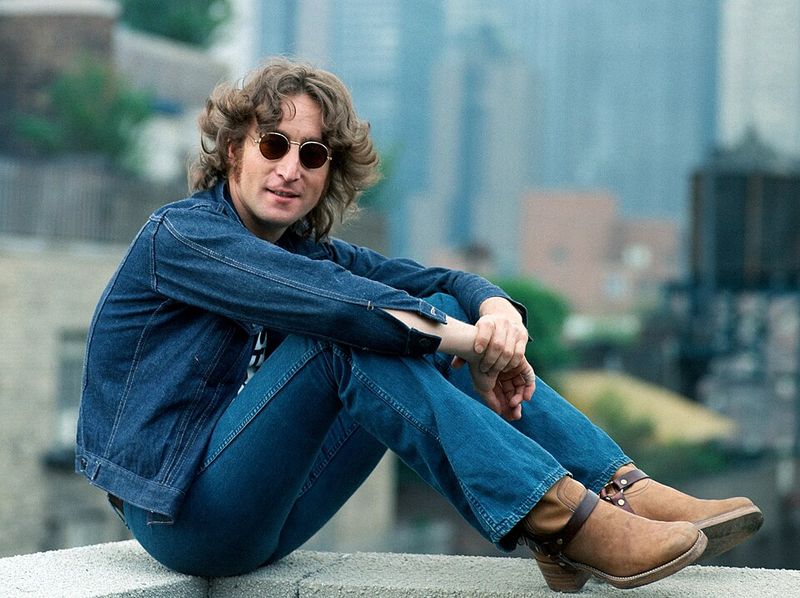
Few artists have managed to remain culturally relevant across multiple decades the way John Lennon did, and his 1980 return to recording proved he still had plenty to say. After five years away from the music industry, he released “Double Fantasy” alongside Yoko Ono in November 1980, featuring the single “(Just Like) Starting Over.”
The album reflected a more personal and peaceful chapter in his life, focusing on themes of love and family rather than the political anthems that had defined his earlier solo work.
On December 8, 1980, Lennon was fatally shot outside his New York apartment at age 40. The shock of his murder reverberated across every continent, and tributes flooded in from fans and fellow artists alike. “Double Fantasy” went on to win the Grammy Award for Album of the Year in 1982.
2. Prince
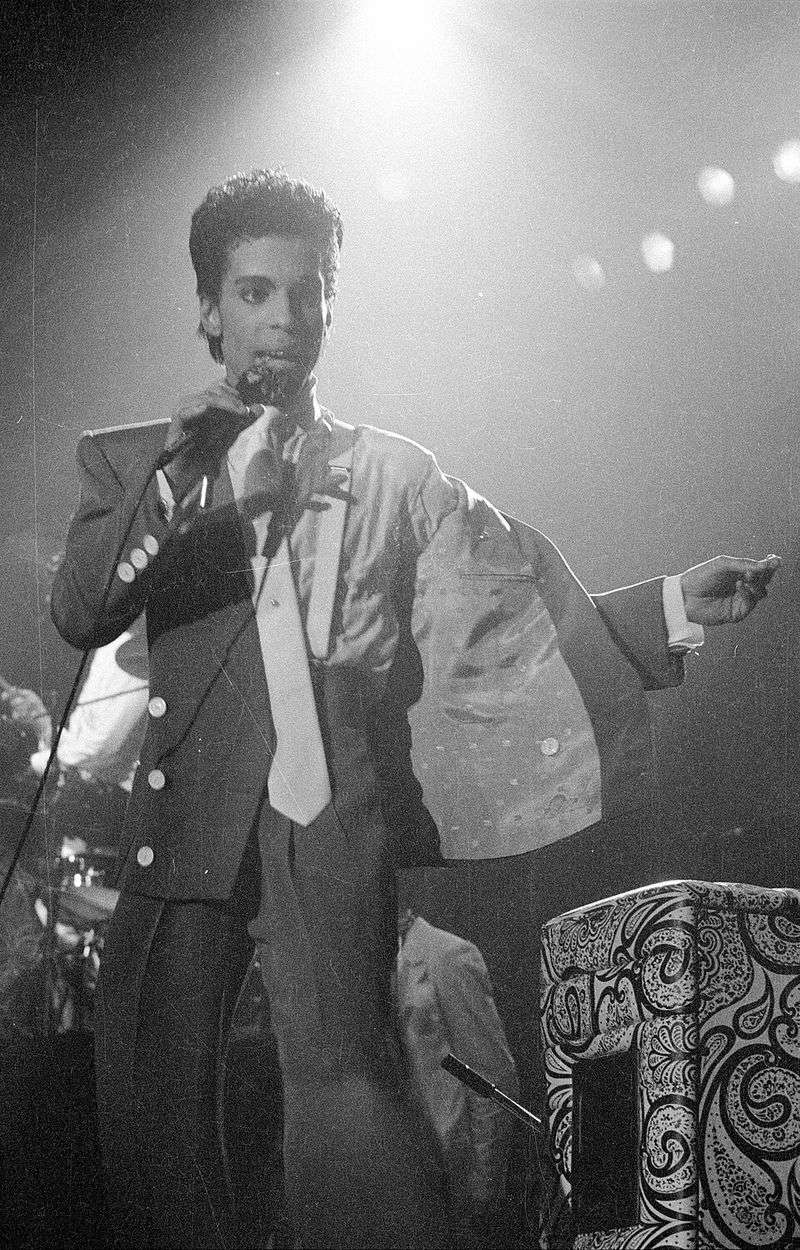
No single artist reshaped the 1980s music landscape quite the way Prince did, blending funk, rock, pop, and R&B into a sound that was entirely his own. His 1984 album “Purple Rain” became a cultural milestone, and the accompanying film introduced him to audiences who had not yet caught up with his earlier work.
Albums like “Sign o’ the Times” (1987) and singles like “Kiss” and “When Doves Cry” showed a songwriter at the peak of his creative powers, constantly evolving while maintaining a devoted global fanbase.
Prince died unexpectedly on April 21, 2016, at age 57 from an accidental fentanyl overdose. His passing brought widespread attention to the opioid crisis and devastated fans across every generation. Paisley Park, his private estate in Minnesota, now operates as a museum celebrating his extraordinary career and creative legacy.
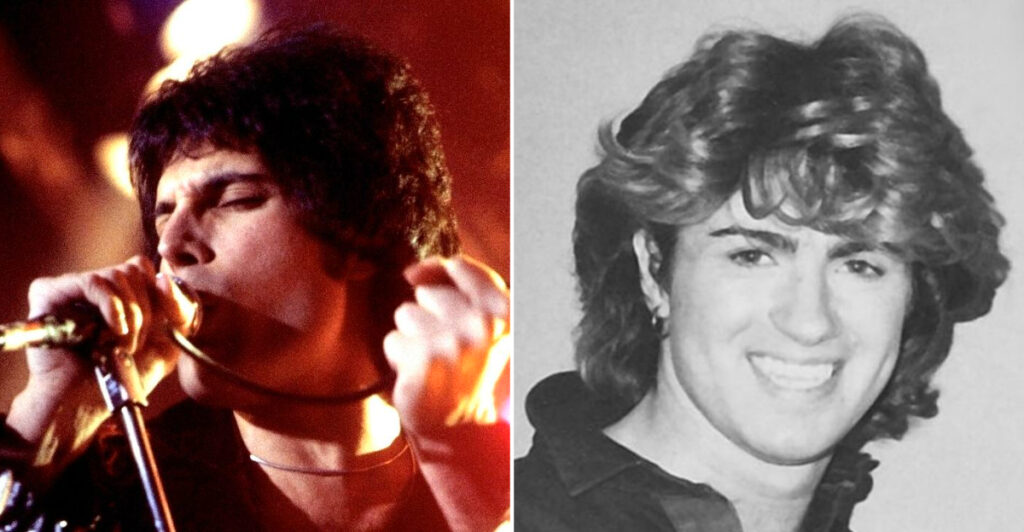
3. George Michael
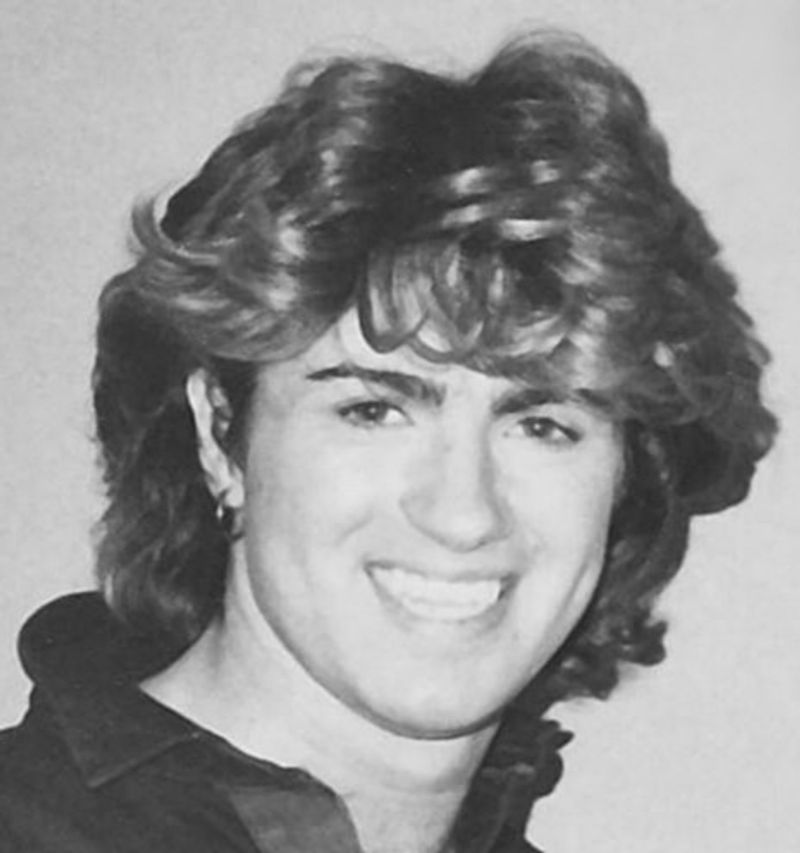
George Michael’s journey from teen pop sensation to serious solo artist is one of the more remarkable career transformations of the entire decade. He first gained international recognition as one half of Wham!, the British duo responsible for infectious hits like “Wake Me Up Before You Go-Go” and the perennial holiday staple “Last Christmas,” both released in 1984.
After Wham! disbanded in 1986, Michael launched a solo career that quickly exceeded even his previous success. His debut album “Faith” (1987) became a global phenomenon, producing multiple number-one singles and earning him a Grammy Award for Album of the Year.
He died on December 25, 2016, at age 53 from dilated cardiomyopathy with myocarditis and a fatty liver. His passing on Christmas Day added a layer of particular sadness for millions of fans worldwide. In 2023, he was posthumously inducted into the Rock and Roll Hall of Fame.
4. Whitney Houston
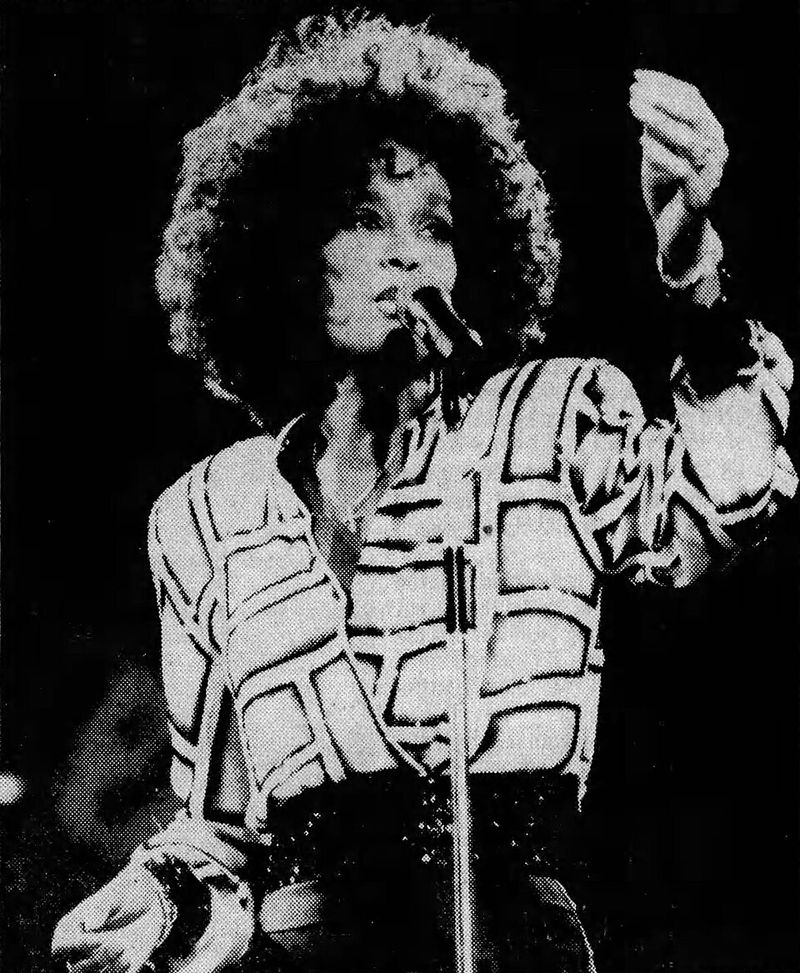
Very few artists arrive fully formed, but Whitney Houston was one of them. Her 1985 self-titled debut album produced a remarkable string of chart-topping singles, including “How Will I Know,” “Greatest Love of All,” and “Saving All My Love for You,” establishing her as one of the decade’s dominant vocal forces almost immediately.
Houston’s ability to blend pop, R&B, and gospel influences gave her a broad appeal that crossed racial and generational lines, making her one of the best-selling artists of the entire 1980s and beyond.
She passed away on February 11, 2012, at age 48. The cause was accidental drowning in a hotel bathtub, with heart disease and cocaine use listed as contributing factors. Her death dominated global headlines and prompted a widespread reexamination of both her extraordinary talent and the pressures that accompanied her level of fame.
5. Freddie Mercury
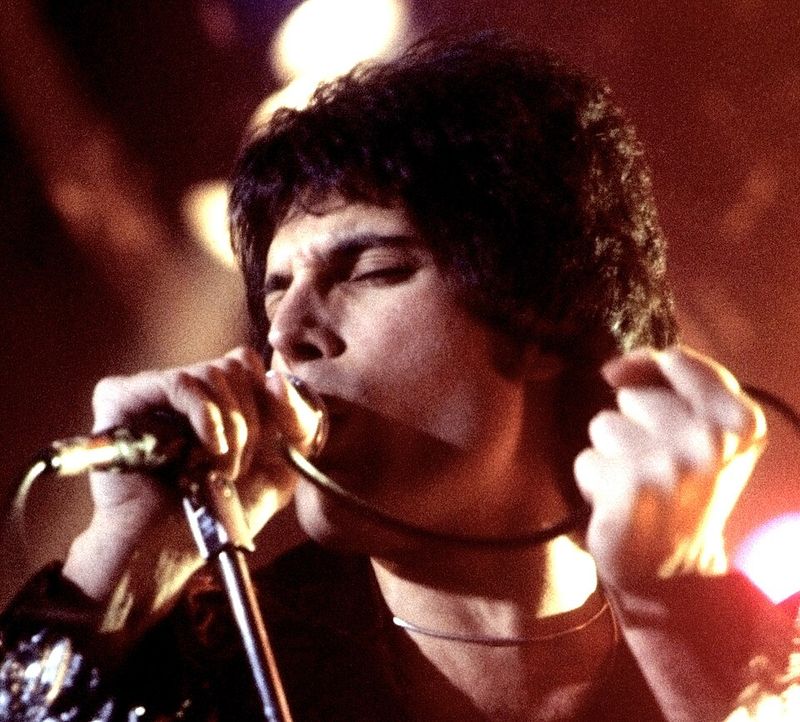
Queen’s frontman redefined what a rock performance could look like, turning every concert into something closer to theater than a simple show. Freddie Mercury’s vocal range, showmanship, and ability to command massive crowds set him apart from nearly every other artist of his era.
The band delivered iconic hits throughout the 1980s, including “Radio Ga Ga” and “I Want to Break Free,” and their 1985 Live Aid performance is still widely considered one of the greatest concert moments ever captured on film.
Mercury passed away on November 24, 1991, at age 45 from AIDS-related bronchial pneumonia. His public announcement of his diagnosis just one day before his death brought significant global attention to the AIDS epidemic. The Mercury Phoenix Trust, founded in his memory, has since directed millions toward HIV and AIDS awareness worldwide.
6. David Bowie
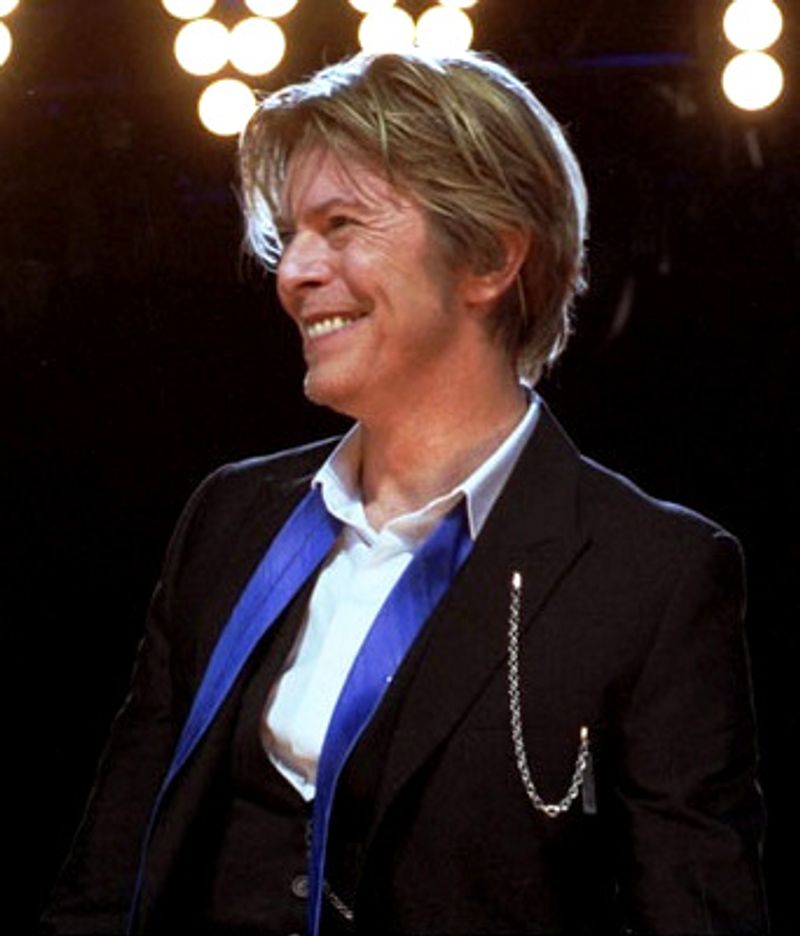
David Bowie had already reinvented himself several times over before the 1980s even began, but his commercial peak arrived with the 1983 album “Let’s Dance,” which produced three major hits: the title track, “Modern Love,” and “China Girl.” The album reached number one in multiple countries and introduced him to a new generation of listeners.
Throughout the decade, Bowie balanced mainstream success with continued artistic experimentation, acting in films, collaborating with other musicians, and consistently challenging the boundaries of what popular music could be.
He died from liver cancer on January 10, 2016, at age 69, just two days after releasing his final album, “Blackstar.” Having kept his illness private throughout the recording process, the album’s release felt to many like a carefully planned farewell. Critics and fans praised it as one of his finest works and one of music’s most remarkable final statements.
7. Tina Turner
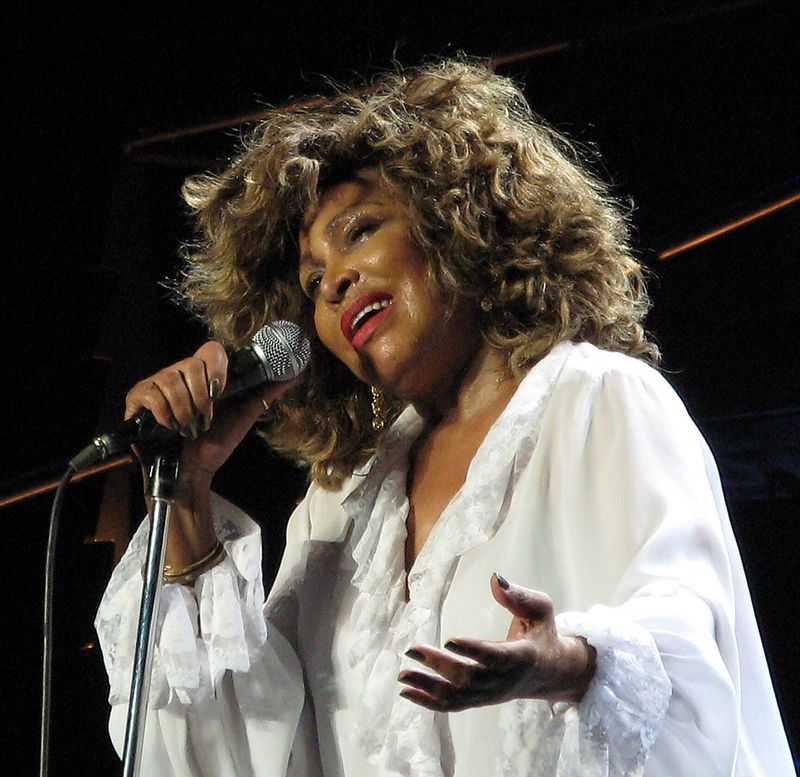
Tina Turner’s solo comeback in the 1980s stands as one of the most dramatic career reversals in music history. After years of professional struggle following her departure from Ike Turner, she released “Private Dancer” in 1984, an album that quickly became a multi-platinum worldwide success.
Tracks like “What’s Love Got to Do with It,” “Better Be Good to Me,” and the title song earned her four Grammy Awards and confirmed her status as one of rock and pop’s most formidable performers. Her stadium tours during this period set attendance records and showcased an energy that defied any expectation of slowing down.
Turner passed away on May 24, 2023, at age 83 after a long illness. Tributes from artists and fans across the globe reflected not only admiration for her music but deep respect for her personal resilience and the courage she demonstrated throughout her life.
8. Michael Jackson
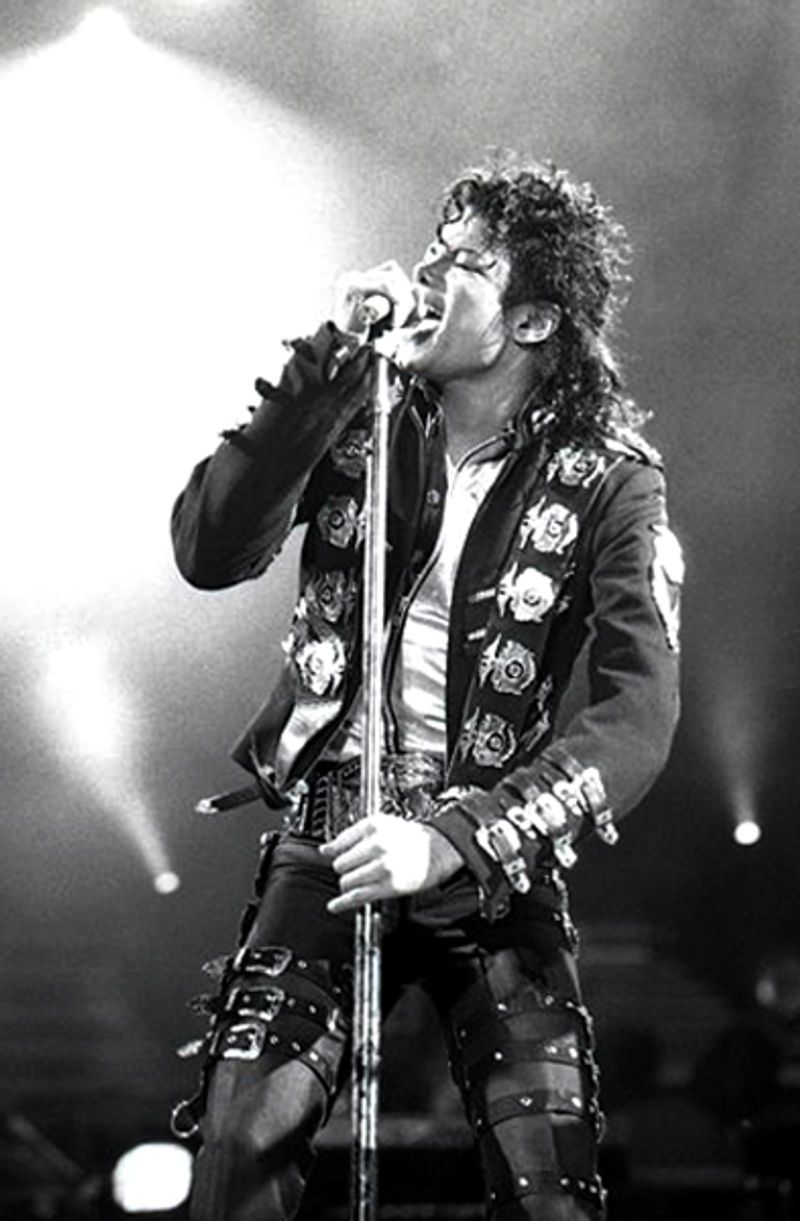
The numbers surrounding Michael Jackson’s 1980s output remain staggering even decades later. “Thriller,” released in 1982, became the best-selling album of all time, with an estimated 66 million copies sold worldwide. Its music videos, particularly the title track’s 14-minute short film, fundamentally changed how the industry used visual media to promote music.
His follow-up album, “Bad” (1987), produced five consecutive number-one singles in the United States, a record that still stands. Jackson’s choreography, including the moonwalk first unveiled on a 1983 television special, became a defining image of the entire decade.
He died on June 25, 2009, at age 50 from acute propofol intoxication administered by his personal physician. The global reaction was immediate and overwhelming, with internet traffic spiking to record levels and his music sales surging in the days that followed. His influence on pop, dance, and visual performance remains unmatched.
9. George Harrison
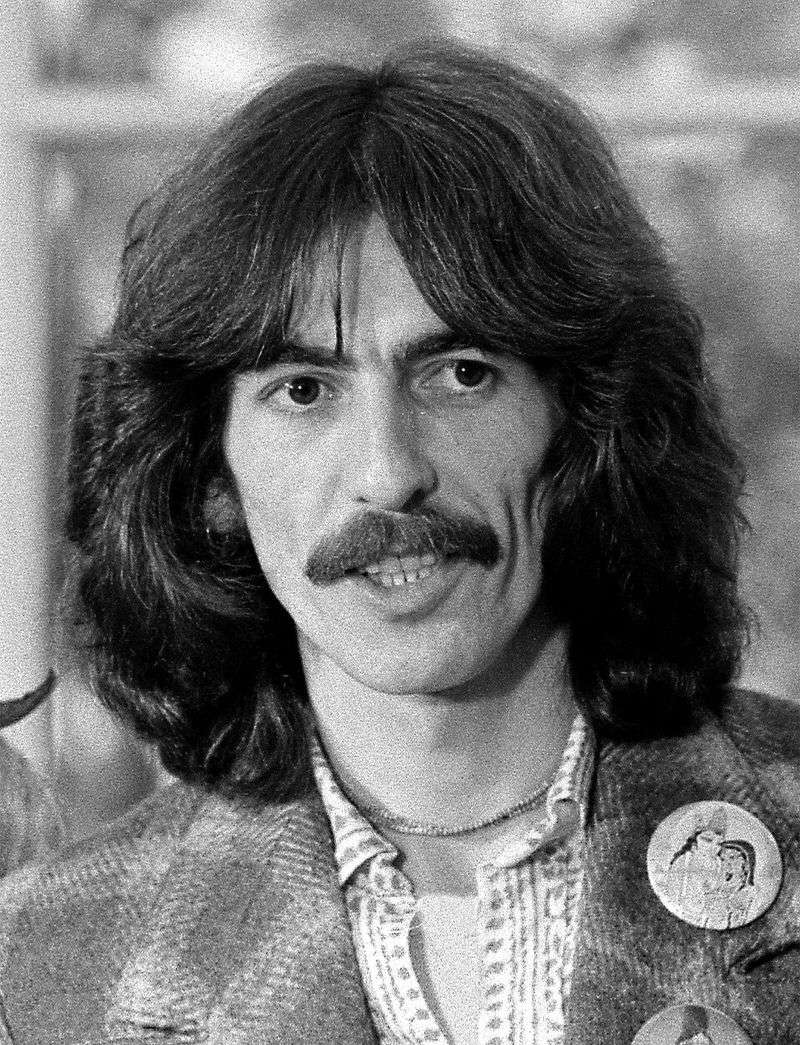
George Harrison spent much of the 1980s in a more private mode, stepping back from the relentless pace of touring and major label obligations. That changed noticeably in 1988 when he joined the Traveling Wilburys alongside Bob Dylan, Tom Petty, Roy Orbison, and Jeff Lynne, a supergroup that felt less like a calculated project and more like a group of friends enjoying themselves.
Their debut album, “Traveling Wilburys Vol. 1,” was a critical and commercial hit, with “Handle with Care” becoming a fan favorite and introducing Harrison to listeners who had grown up after the Beatles era.
He died from lung cancer on November 29, 2001, at age 58. His quiet, thoughtful approach to both music and life earned him widespread respect, and tributes recognized not only his work with the Beatles but his solo catalog and his pioneering role in benefit concerts like the Concert for Bangladesh.
10. Tom Petty
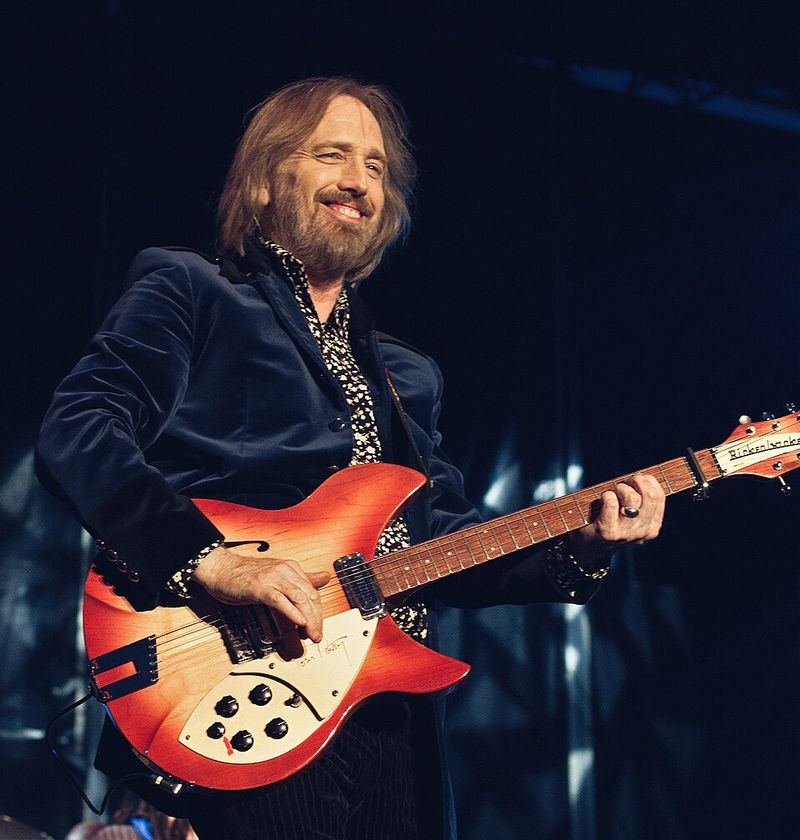
Tom Petty built his reputation on songs that felt honest and direct, the kind of music that connected with listeners who wanted something real rather than overly polished. His work throughout the 1980s with The Heartbreakers, including albums like “Hard Promises” (1981) and “Southern Accents” (1985), kept him as a steady presence on rock radio throughout the decade.
Tracks like “Free Fallin’,” “I Won’t Back Down,” and “Learning to Fly” became staples that transcended format, appearing on classic rock stations, film soundtracks, and sports broadcasts for decades after their initial release.
Petty died on October 2, 2017, at age 66 from an accidental drug overdose, just one week after completing a major 40th anniversary tour with The Heartbreakers. Fans remembered him as one of America’s most authentic rock storytellers, an artist whose songs held up because they were built on genuine feeling rather than trend-chasing.
11. Christine McVie
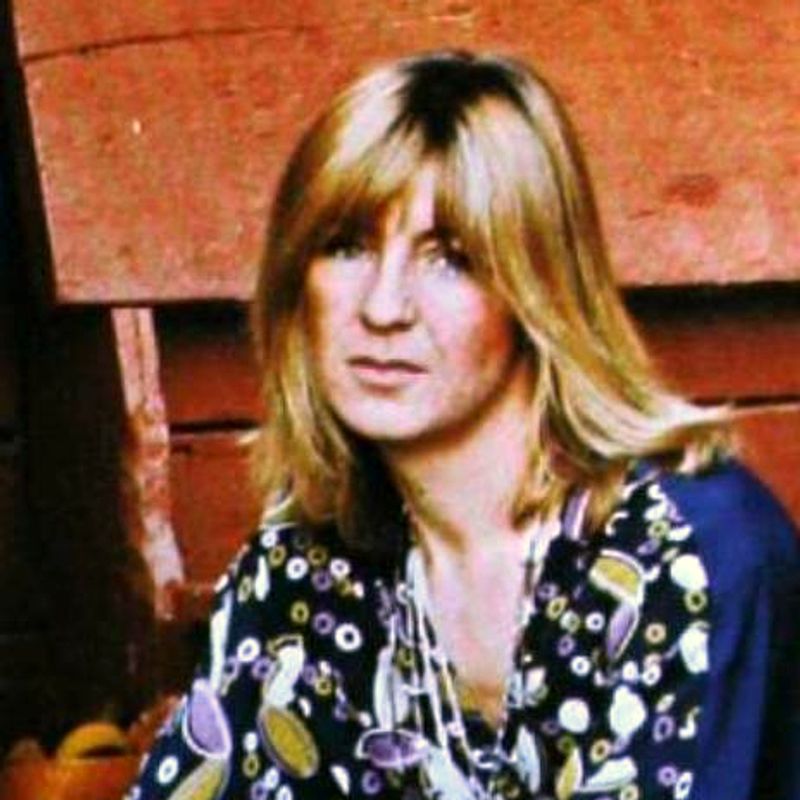
Christine McVie was the steady creative anchor at the center of Fleetwood Mac, contributing songs that balanced the band’s more dramatic moments with a warm, melodic sensibility that aged remarkably well. Her keyboard work and songwriting shaped some of the band’s most enduring material across multiple decades.
The 1987 album “Tango in the Night” featured two of her most beloved compositions, “Little Lies” and “Everywhere,” both of which became radio staples and demonstrated her gift for writing pop songs with genuine emotional weight.
McVie passed away on November 30, 2022, at age 79 following a short illness later identified as a massive ischemic stroke, with metastatic cancer listed as a secondary factor. Bandmates Stevie Nicks and Mick Fleetwood described her as irreplaceable, and fans across generations mourned the loss of a songwriter whose work had quietly defined an era of adult contemporary rock.
12. Olivia Newton-John
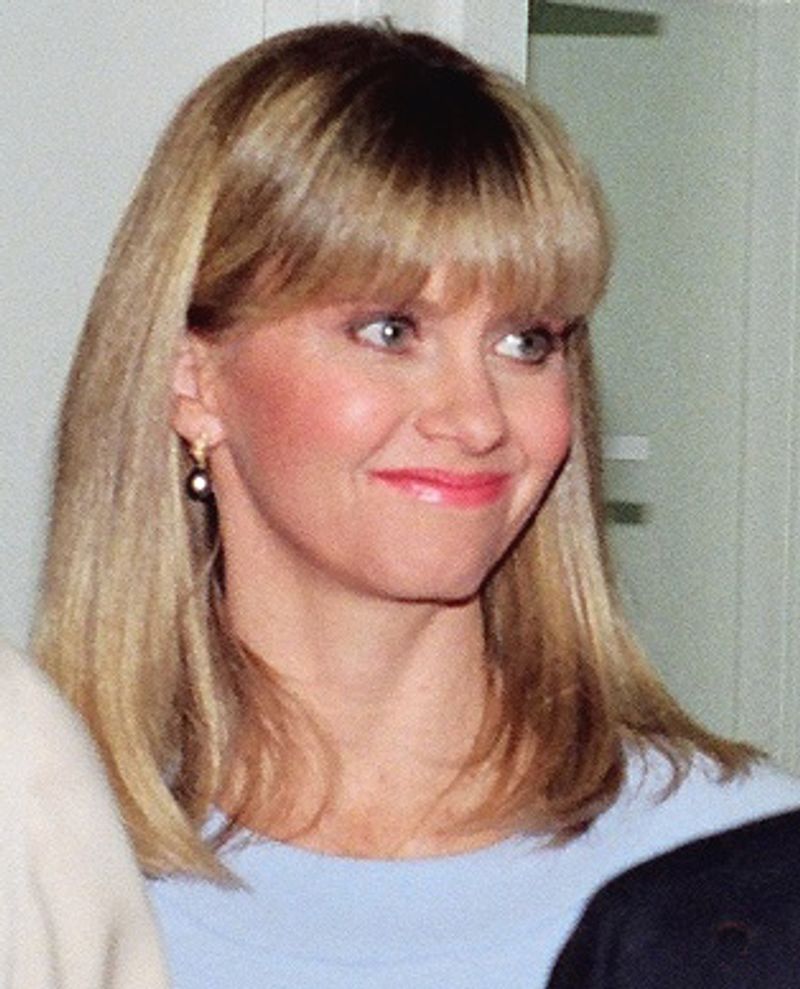
Olivia Newton-John arrived at the 1980s already a major star, but she managed to reinvent herself in a way that surprised even longtime fans. The 1981 single “Physical” spent ten consecutive weeks at number one on the Billboard Hot 100, making it the biggest-charting single of the entire decade in the United States.
The song’s aerobics-inspired music video perfectly matched the fitness culture sweeping through popular media at the time, and Newton-John leaned into the shift with a confidence that showed real creative flexibility. She also appeared in the 1980 film “Xanadu,” which produced the hit single “Magic.”
She died on August 8, 2022, at age 73 after a long journey with metastatic breast cancer that she had navigated publicly since 1992. Newton-John co-founded a cancer wellness and research center in Melbourne, Australia, and her advocacy work left a humanitarian legacy that extended well beyond her music career.
13. Ric Ocasek
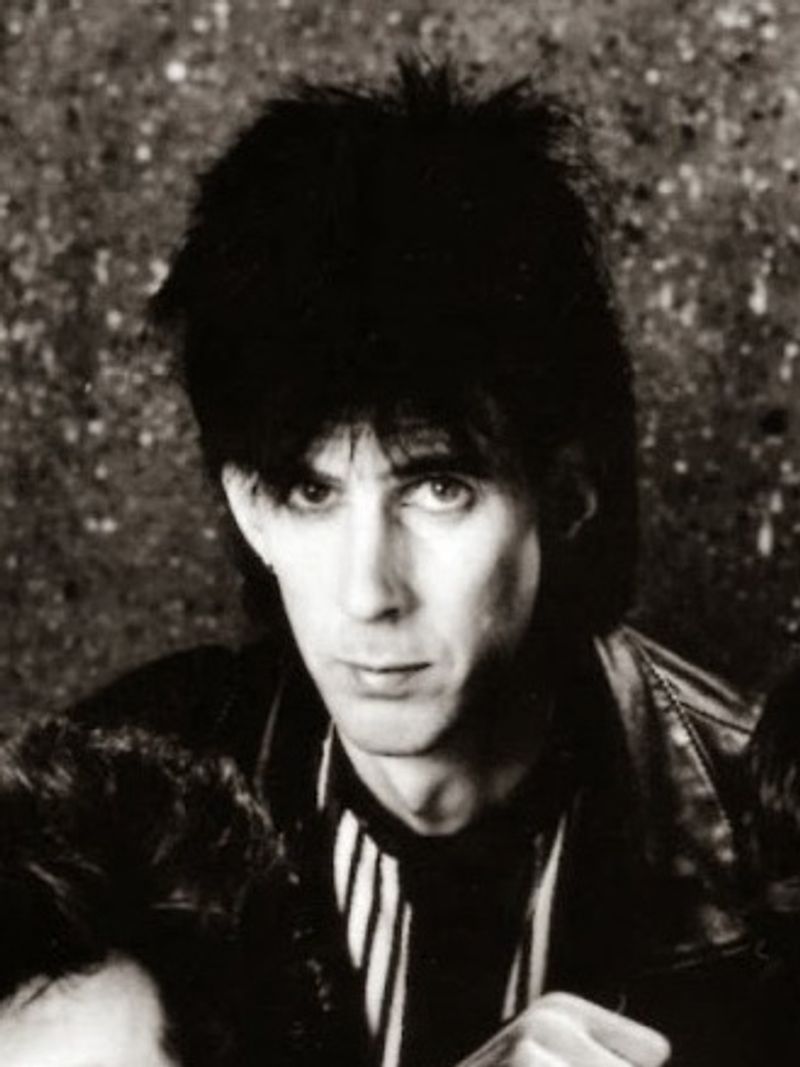
The Cars occupied a fascinating middle ground throughout the 1980s, too polished for the underground and too experimental for pure mainstream pop, yet somehow consistently producing some of the decade’s most memorable songs. Ric Ocasek was the architect of that balance, writing lyrics that were clever and slightly detached while pairing them with melodies that stuck immediately.
Songs like “Drive,” “You Might Think,” and “Magic,” all released in 1984, became fixtures on radio and MTV, with “You Might Think” winning the first-ever Grammy Award for Video of the Year in 1985.
Ocasek died on September 15, 2019, at age 75 from heart disease, with emphysema listed as a contributing factor. Beyond his work with The Cars, he built a respected second career as a record producer, working with bands like Weezer and Bad Brains. His influence on new wave and alternative rock remains a well-documented part of the decade’s musical identity.
Share this story