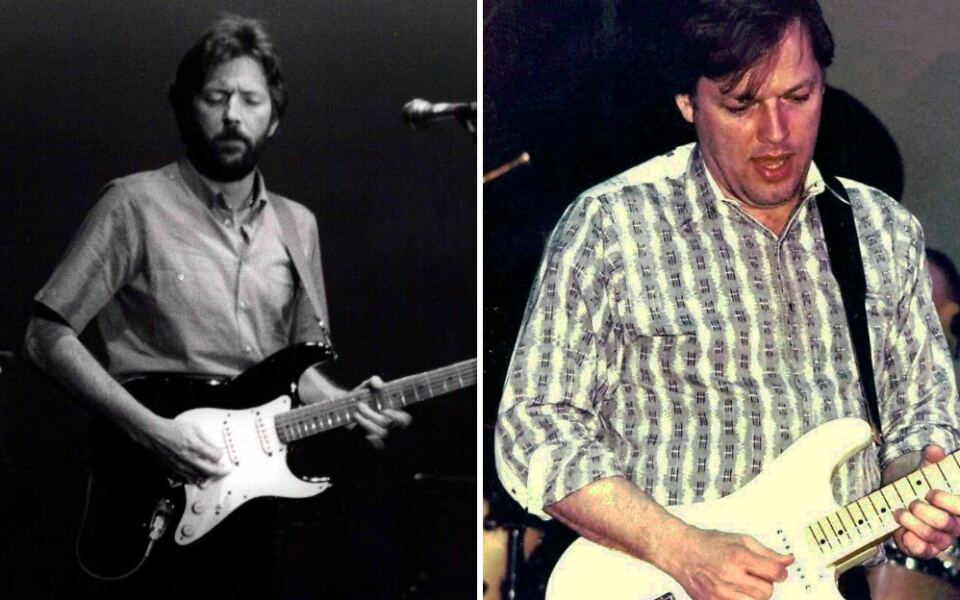
Long before online video lessons could show you exactly where to put your fingers, learning guitar usually meant a record player, a stack of 45s, and a lot of patience. Many of rock’s most famous guitarists came up exactly that way in the 1950s and 1960s.
They slowed down records, copied favorite licks, swapped chords with friends, and kept playing until something finally clicked. A few picked up tips from schoolmates or a cheap instruction book, but none of them came out of a music conservatory.
That is what makes their stories so surprising. Some of these players built their own instruments from scraps.
One rebuilt his whole technique after a factory accident. Another used a coin instead of a pick.
Even more remarkable, several of them invented sounds and techniques that trained musicians would later spend years trying to copy. Their path shows that curiosity and stubborn practice can matter as much as formal lessons.
It also shows how records became a kind of classroom, passing lessons from one generation of players to the next. Keep reading to meet the rock legends who found their own way around six strings, and to learn the habits that helped turn bedroom practice into music history.
1. Jimi Hendrix
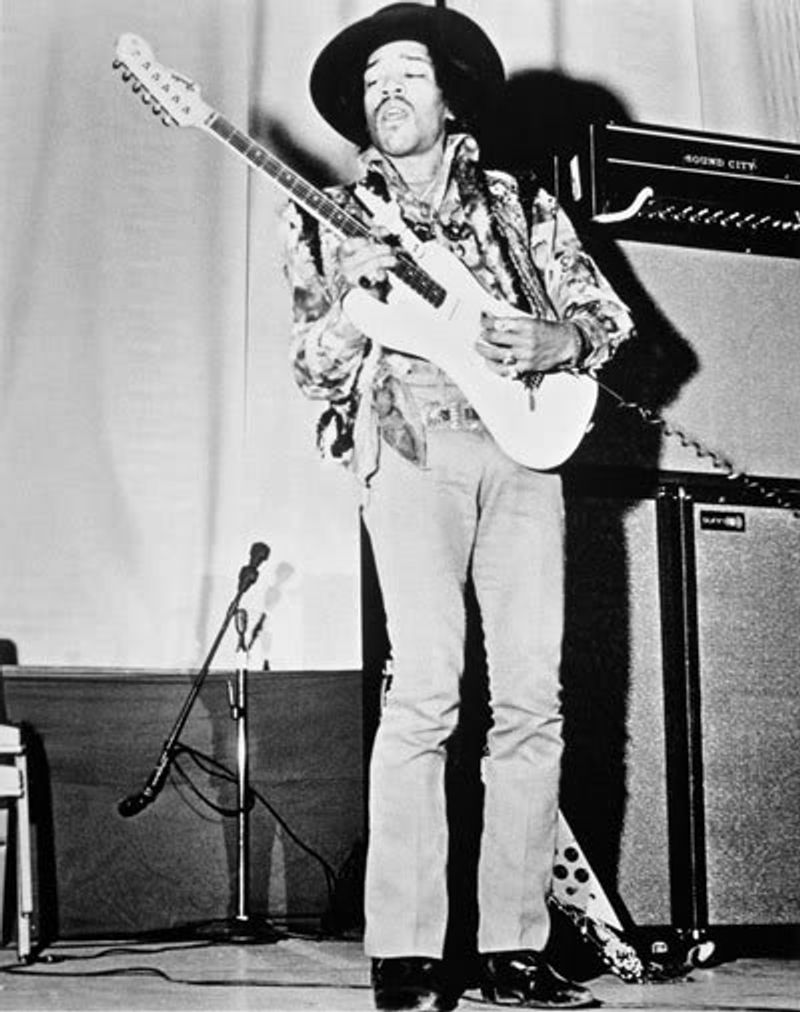
Nobody ever handed Jimi Hendrix a diploma, and he never learned to read music. He started around age 15 in Seattle with a one-string ukulele, then moved to an acoustic guitar and finally an electric.
His lessons came from records by Muddy Waters, Chuck Berry, and Buddy Guy. He copied what he heard, watched other players, and practiced constantly.
Here is a fun detail. Hendrix was naturally left-handed, so he flipped right-handed guitars over and restrung them, which changed how the controls and strings sat under his hands.
After the Army, he backed Little Richard and the Isley Brothers on the busy R&B circuit. Those nightly shows were his real school.
By the time he reached London in 1966, he had turned feedback and the whammy bar into musical tools that guitarists still study today.
2. Jimmy Page
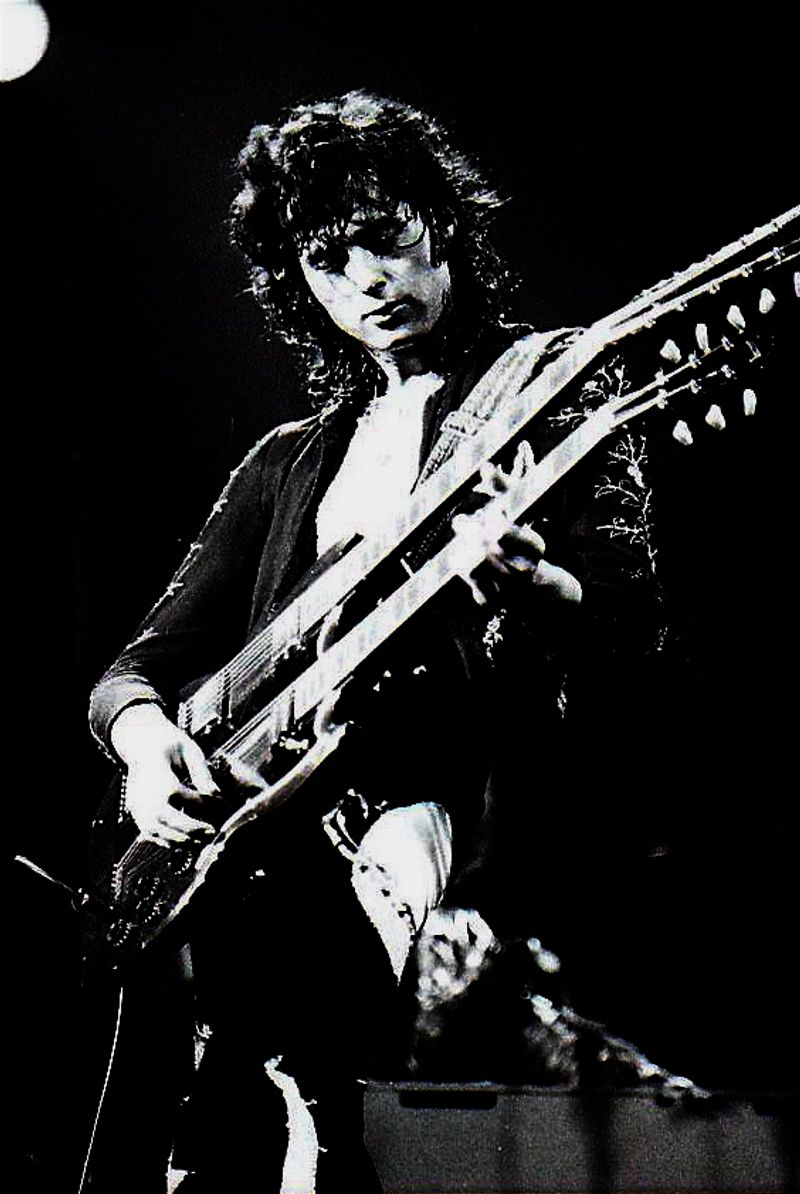
A guitar someone forgot to pack started it all. When young Jimmy Page moved into a new home in England, an old guitar had been left behind.
A schoolmate showed him a few chords. After that, Page has described himself plainly as self-taught.
He listened to American rock and roll and blues records over and over. He also used Bert Weedon’s famous book Play in a Day, a popular British guide of the late 1950s.
That homemade education took him a long way. Page became one of London’s busiest session guitarists in the early 1960s, playing on records in many styles.
Studio work taught him to improvise fast, understand recording, and finally read music better.
Then came Led Zeppelin, with Whole Lotta Love, Black Dog, Kashmir, and Stairway to Heaven. Not bad for a kid with a leftover guitar.
3. Eric Clapton
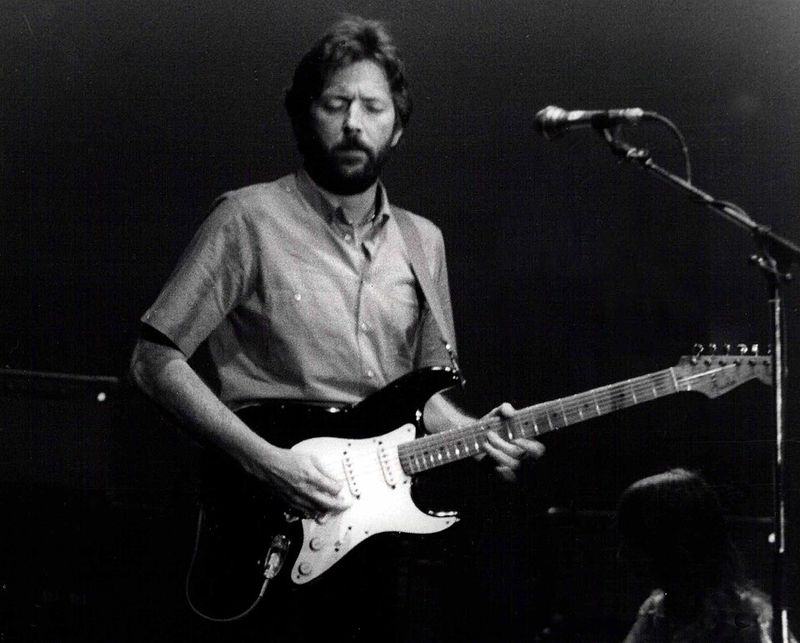
Some teenagers kept diaries. Eric Clapton kept tapes.
In early 1960s England, he practiced for hours with a portable Grundig reel-to-reel recorder. He would record himself, play it back, and check whether his blues riffs matched the records.
His teachers were on vinyl. B.B.
King, Freddie King, Muddy Waters, Robert Johnson, and Big Bill Broonzy all shaped his ear.
The hard work paid off fast. With John Mayall’s Bluesbreakers, Clapton created a thick, overdriven sound that British players rushed to copy.
In Cream, his long solos on songs like Crossroads pushed blues guitar toward hard rock. Later, Layla became another career highlight.
Here is a useful tip from his story. Recording your own practice is still one of the smartest ways to hear your mistakes.
Clapton figured that out with machines far bulkier than a phone.
4. Jeff Beck
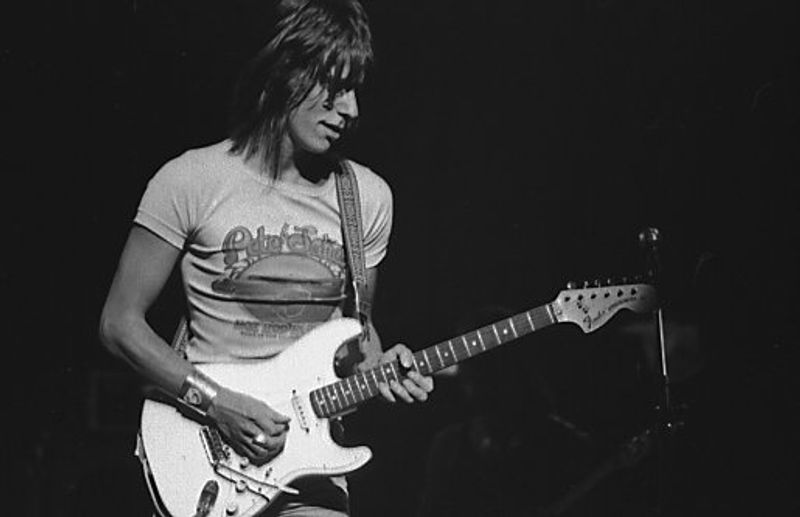
Rubber bands, tobacco tins, and wire from model airplanes made up Jeff Beck’s first instruments. As a boy in postwar England, he could not wait for a real guitar, so he built crude ones himself.
Records filled in the rest. Beck studied rockabilly players like Scotty Moore, Cliff Gallup of Gene Vincent’s Blue Caps, James Burton, and Les Paul.
He later found Chicago blues through Otis Rush and Buddy Guy.
As a teenager, Beck became friends with Jimmy Page. The two spent hours trading licks and figuring out how their heroes played.
With the Yardbirds in the mid-1960s, Beck brought distortion, feedback, and sustain into mainstream rock.
Later, he used the Stratocaster’s tremolo arm, volume knob, and harmonics so carefully that single notes almost sounded like singing. That tinkering kid never stopped tinkering.
5. Keith Richards
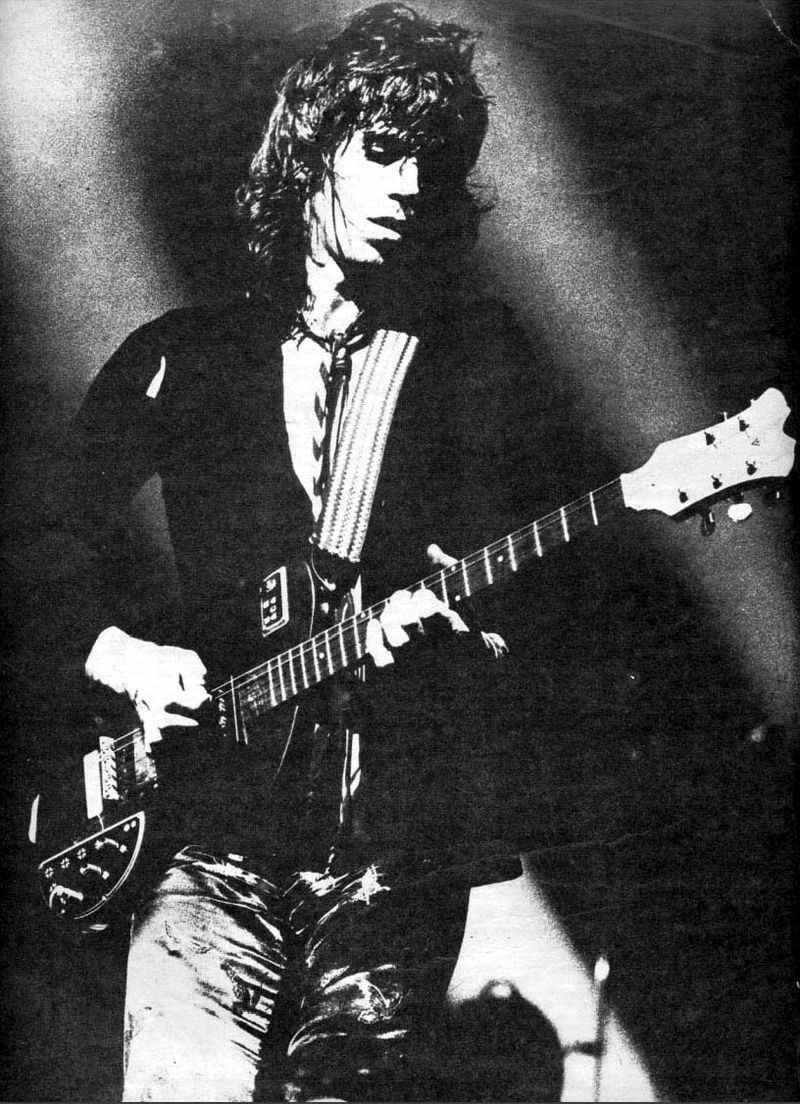
A train platform conversation helped launch the Rolling Stones. In 1961, Keith Richards ran into old schoolmate Mick Jagger, who was carrying American blues and R&B records.
Those records became Richards’ textbooks.
Chuck Berry mattered most. Richards studied how Berry mixed rhythm and lead playing, and you can hear it all over early Stones songs.
He did not stay a copycat, though. Around the late 1960s, Richards started using open-G tuning and removed the lowest string from some guitars.
That five-string setup gave the world Brown Sugar, Start Me Up, and Can’t You Hear Me Knocking. Earlier, Satisfaction had already proved he could write a riff that carried a whole song.
His lesson for beginners is simple. Great guitar does not require racing up and down the neck.
A strong rhythm part can be the hook everyone remembers.
6. B.B. King
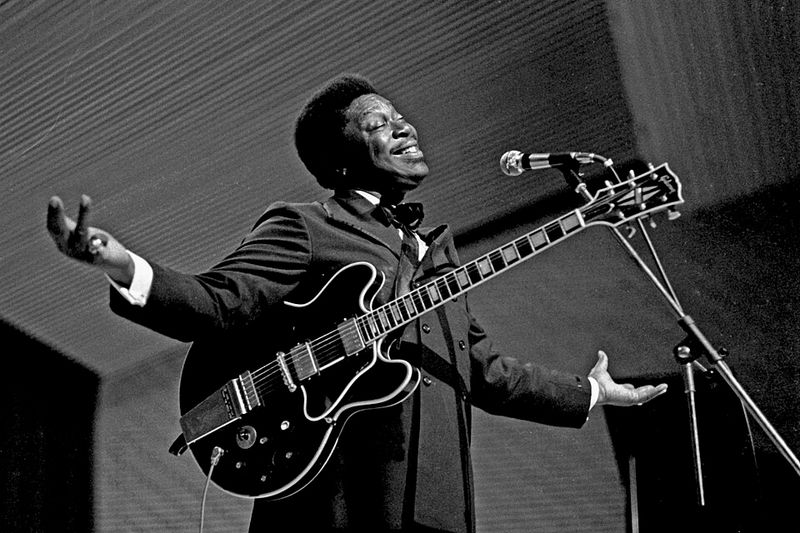
Rock guitar would sound very different without a Mississippi bluesman who named his guitar Lucille.
B.B. King grew up singing gospel.
He met the guitar through church, local players, radio, and records, not through formal training.
His style became famous for what he left out. Instead of piling on notes, King bent them, held them, and added his trademark shaking vibrato.
He also left space between phrases. Lucille often seemed to answer his voice, almost like a conversation.
Fun fact: he named the guitar after a woman two men had argued over at a 1949 dance, a reminder he told often to keep out of trouble.
Eric Clapton, Peter Green, Mike Bloomfield, and Gary Moore all learned from him. The takeaway for any player is useful.
Make each note count before trying to play more of them.
7. Chuck Berry
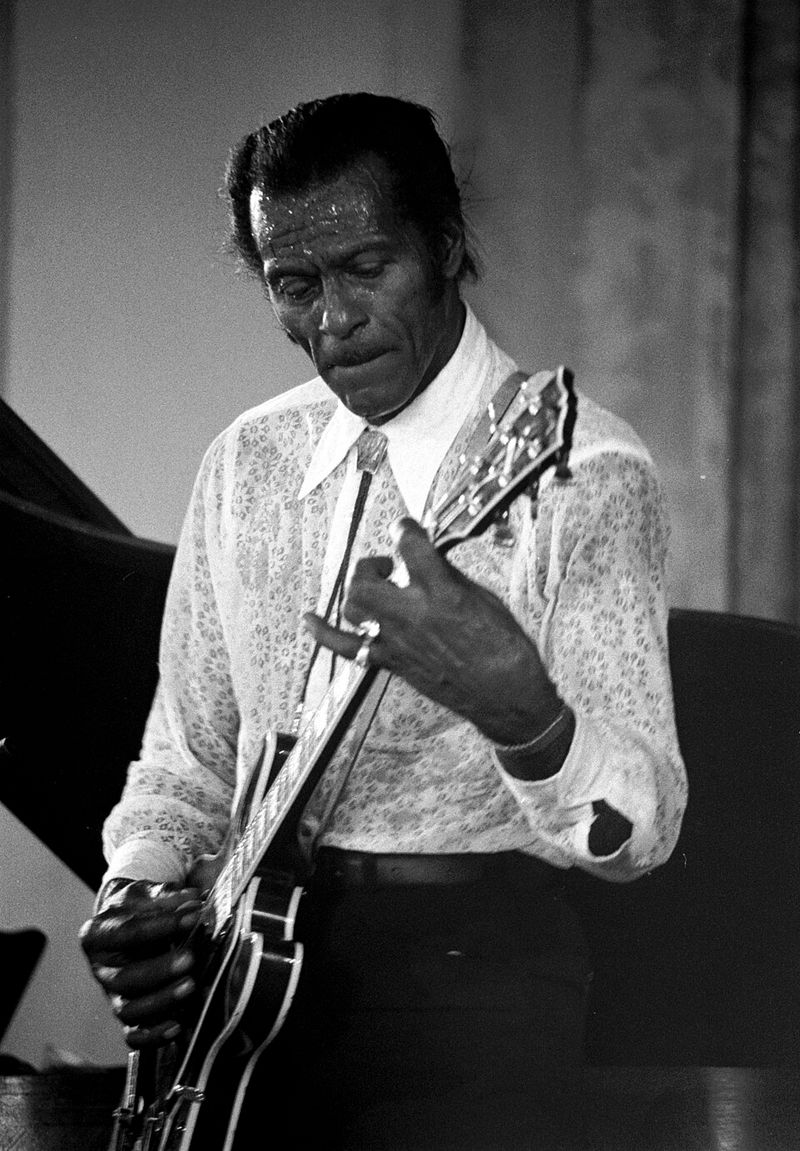
Before guitar heroes filled stadiums, Chuck Berry helped write the job description.
He mixed blues guitar with country flavor and a driving beat in the mid-1950s. His double-stop introductions, two strings played together, became a rite of passage for beginners everywhere.
Johnny B. Goode is basically a guitar lesson that happened to become a hit.
To be fair, Berry was not totally alone. His friend Ira Harris gave him guitar guidance early on.
Still, his real schooling came from performing, listening, and experimenting.
Here is a clever twist. Berry often toured without his own band, hiring local musicians in each town.
That meant players across the country had to learn his songs, turning his catalog into a shared textbook.
By the early 1960s, British teens like Keith Richards were copying his records note by note.
8. Stevie Ray Vaughan
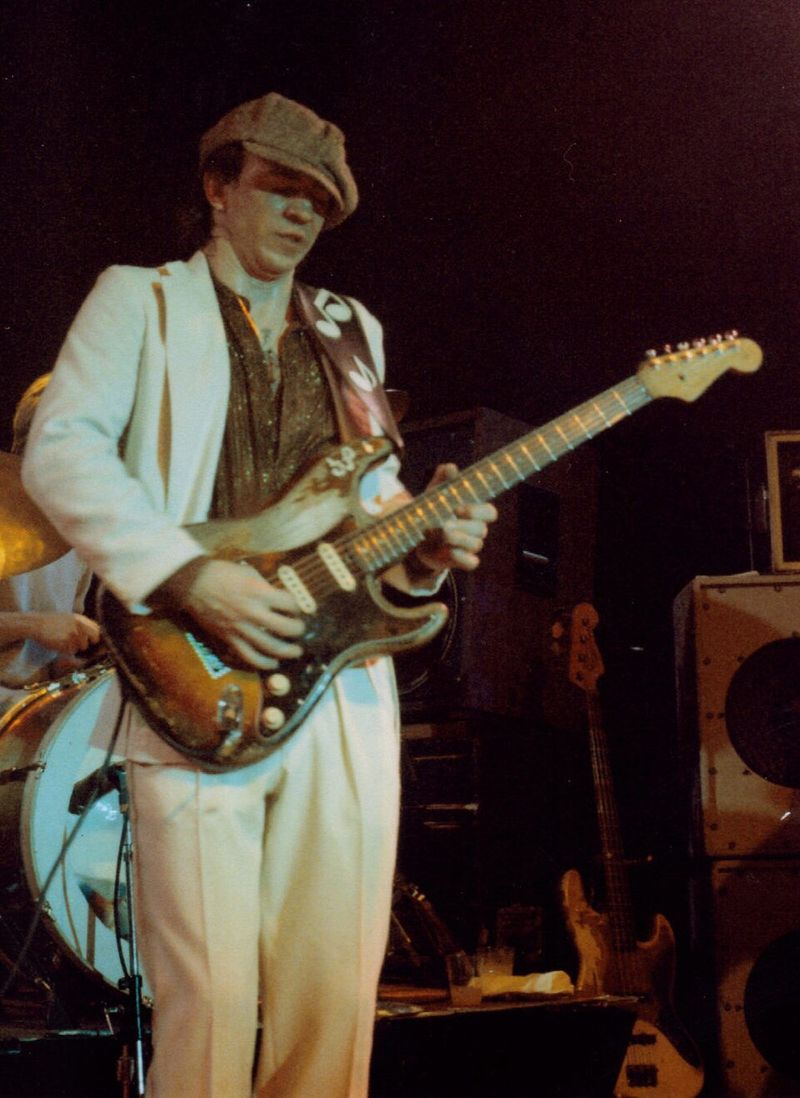
Having a cool older brother helps. For Stevie Ray Vaughan, that brother was Jimmie Vaughan, a talented Texas guitarist who became an early influence.
Stevie started young and learned mostly by copying records and practicing nonstop.
His listening list was a blues hall of fame. Albert King, B.B.
King, Freddie King, Buddy Guy, and Jimi Hendrix all went into the mix.
Out came a fierce, physical style. He used very heavy strings, big bends, and hard picking that gave him a huge tone.
His 1983 album Texas Flood brought that sound to a national audience. Pride and Joy made it easy to love.
His versions of Hendrix songs like Voodoo Child (Slight Return) showed he could honor a hero without becoming a copy.
He learned from giants by ear, and then millions of younger players learned from him.
9. Eddie Van Halen
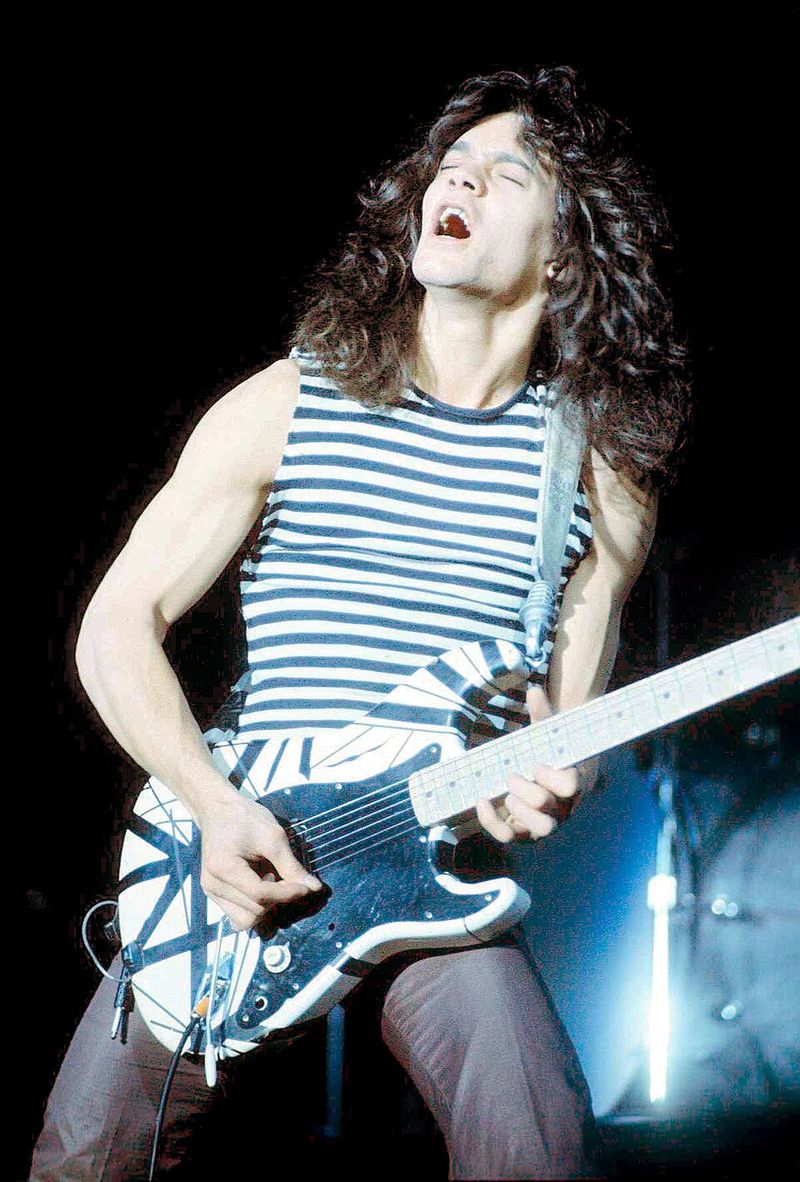
Piano trophies came before guitar fame. Eddie Van Halen and his brother Alex took piano lessons as kids, and Eddie won competitions.
So he was not musically untrained. His guitar style, however, grew almost entirely outside formal lessons.
Once guitar grabbed him, experimenting took over. He kept asking what else the instrument could do.
The answer stunned listeners in 1978. On Eruption, from Van Halen’s debut album, his two-handed tapping technique made many guitarists rethink everything.
Tapping was only part of it. His rhythm playing, harmonics, and tremolo tricks were just as inventive.
He even built his own guitar, nicknamed the Frankenstrat, from cheap parts and covered it with striped tape and paint.
His story offers a handy lesson. Knowing some music basics is great, but asking strange questions about your instrument can lead somewhere new.
10. David Gilmour
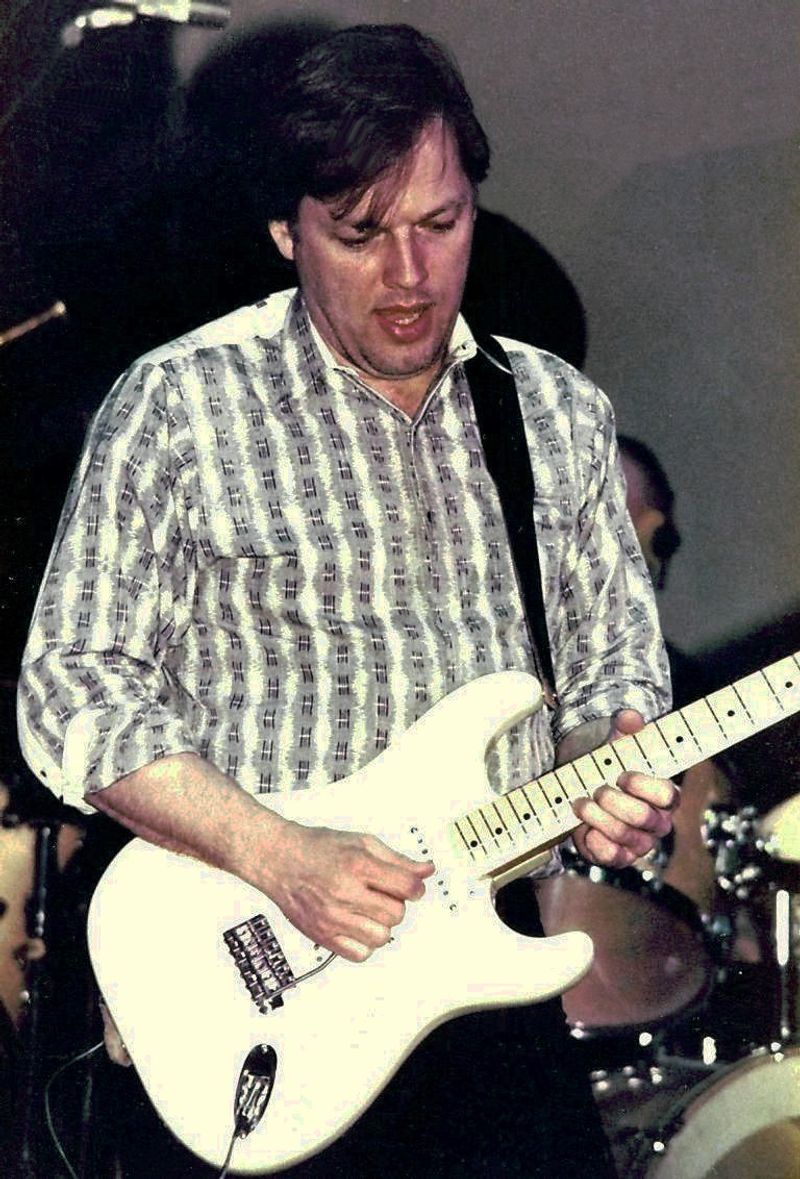
Speed has never been the point for David Gilmour. The Pink Floyd guitarist became famous for playing fewer notes and making them feel huge.
His skills grew from listening, practicing, and working things out himself rather than from a formal guitar program.
Blues gave him his starting vocabulary. Over time, he stretched it into the slow, spacious style that fit Pink Floyd’s 1970s albums.
Want to hear it for yourself? Try Time, then Comfortably Numb, then Shine On You Crazy Diamond.
Notice the careful bends and his recognizable vibrato. Notice the pauses too, because silence plays a big role.
Gilmour rarely showed off. Every phrase served the song’s mood.
That restraint is why so many players who discover classic rock today start by learning his solos. They are melodic, memorable, and great practice for controlling each bend.
11. Tony Iommi
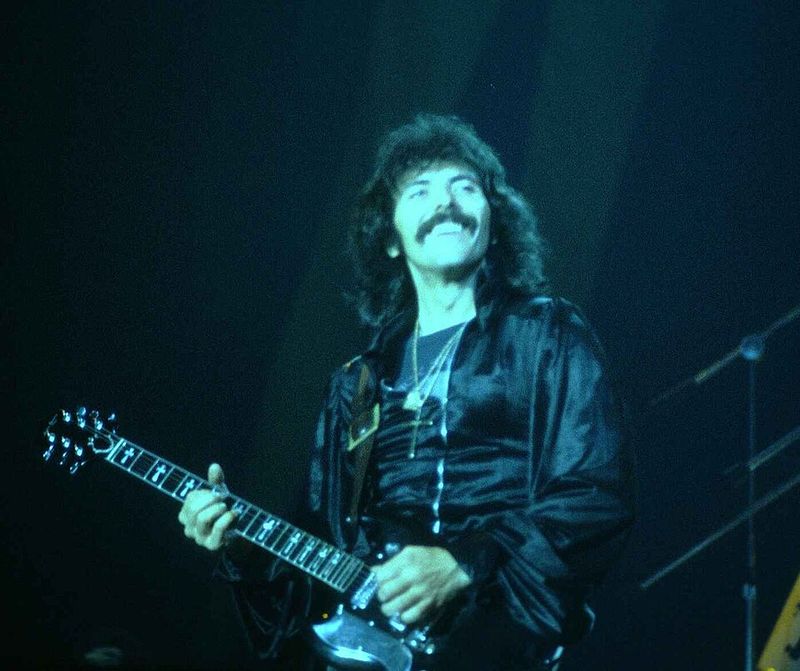
Most guitarists teach themselves once. Tony Iommi had to do it twice.
As a teenager in Birmingham, England, he worked in a sheet-metal factory. On his last day there, an accident took the tips of two fingers on his right hand.
Iommi played left-handed, so those were the fingers that pressed the strings. He first feared his playing days were over.
Instead, he made homemade plastic fingertips. He also switched to lighter strings and tuned his guitar lower so the strings were easier to press.
Those changes shaped a darker, heavier sound. It became the backbone of Black Sabbath, formed in 1968.
Riffs from Iron Man, War Pigs, and Paranoid built the foundation of heavy metal.
His story is a powerful reminder. Adjusting your gear or approach to fit your own hands can lead to something original.
12. Brian May
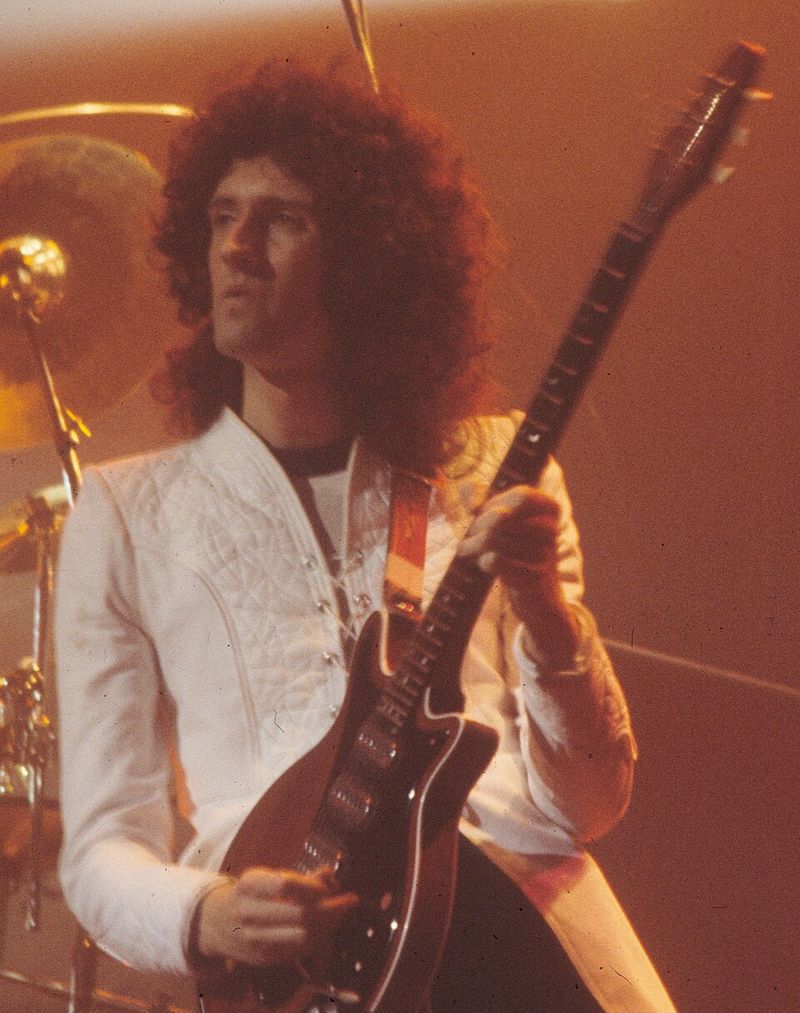
Shopping was not an option, so Brian May built his dream guitar. Starting in 1963 as a teenager, he and his father made the Red Special at home.
Part of it came from wood taken from an old fireplace mantel.
That do-it-yourself attitude shaped his playing too. May learned mostly through experimenting and listening.
Even his pick was odd. He used an old British sixpence coin, preferring older ones with softer metal and a serrated edge.
The coin gave his notes a crisp, slightly gritty attack.
With Queen, May stacked guitar parts into layered harmonies that sound almost like an orchestra. Listen to Bohemian Rhapsody or Killer Queen to hear it.
He later earned a doctorate in astrophysics in 2007. Still, the guitar style fans love came from a garage workbench, not a classroom.
13. Mark Knopfler
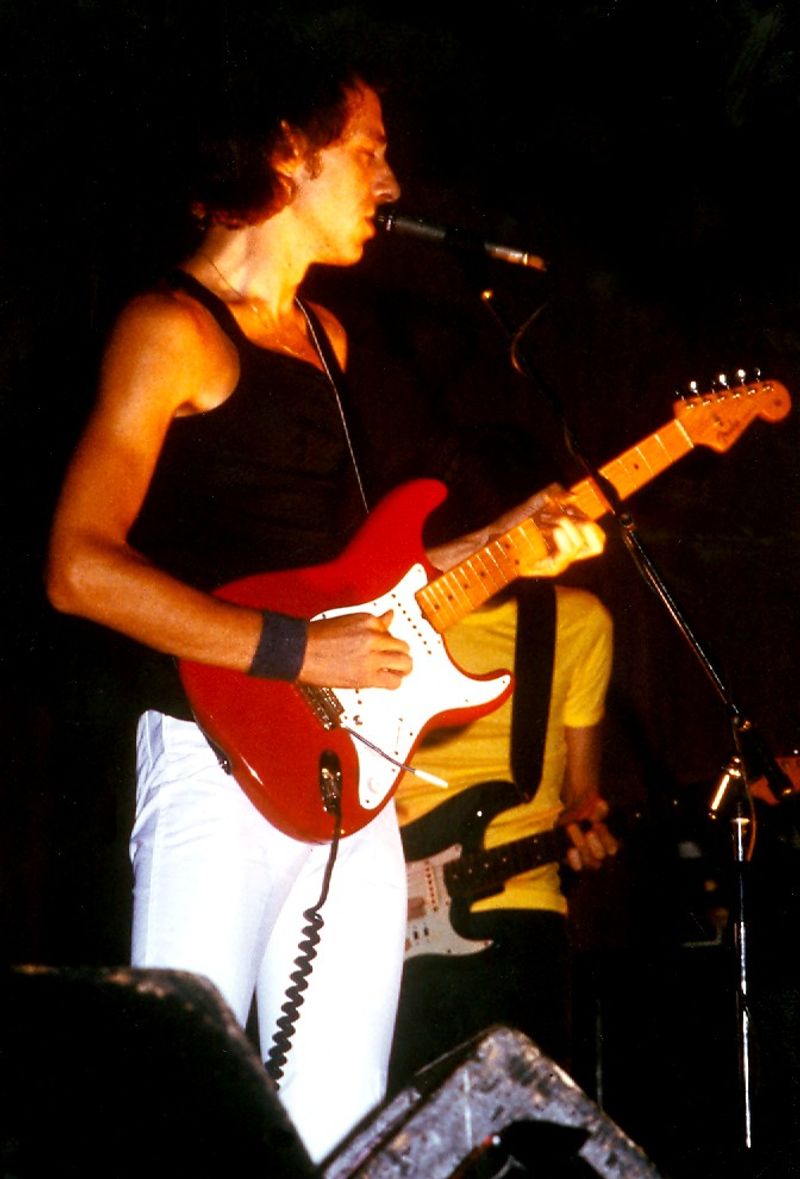
Being polite to sleeping friends may have shaped a famous guitar sound. Mark Knopfler has recalled picking up an acoustic at a friend’s house and playing with his fingers to stay quiet.
He liked the freedom it gave him. The pick never really came back.
That fingerstyle approach gave Dire Straits its clean, crisp sound.
Sultans of Swing introduced it in 1978, right in the punk era. Flashy guitar was out of fashion, yet his bright Stratocaster lines stood out immediately.
Knopfler learned through listening and experimenting. He drew from blues, folk, rock, and country players like Chet Atkins and Merle Travis.
Later songs such as Telegraph Road, Romeo and Juliet, and Brothers in Arms showed how flexible that style could be.
Sometimes an unusual habit, the kind a teacher might fix, turns into your signature.
14. Prince
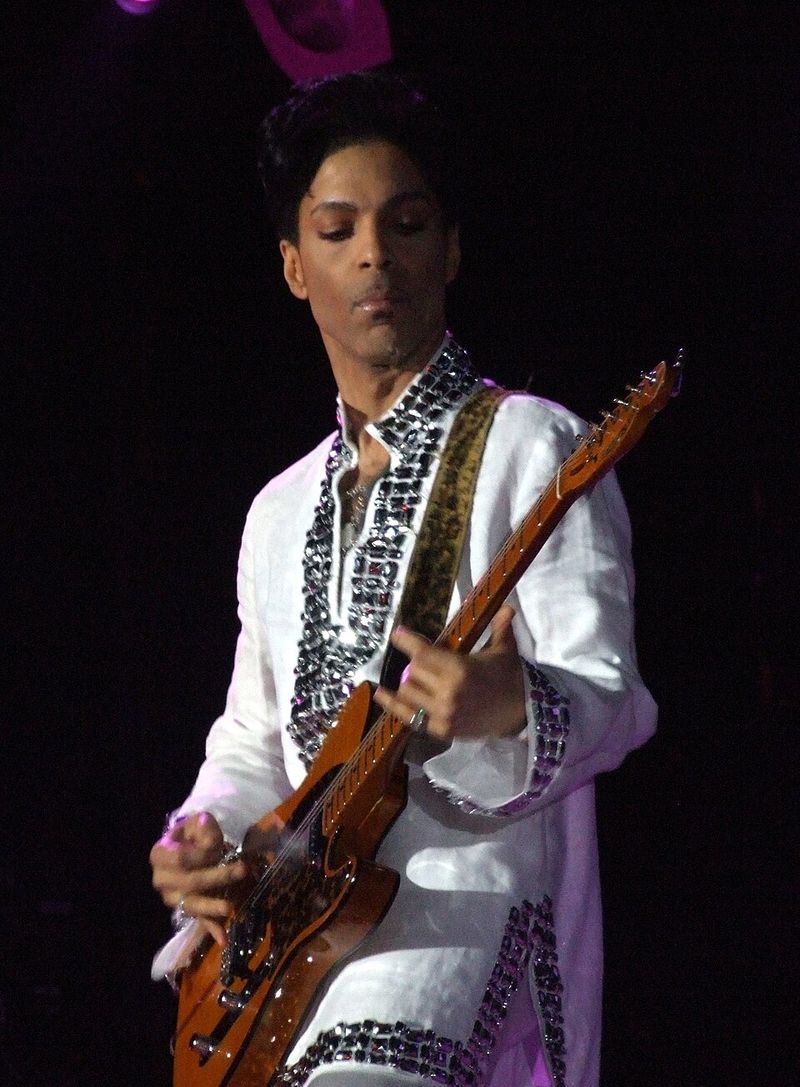
Calling Prince just a guitarist sells short his whole toolbox. He played keyboards, bass, drums, and more, and he often built entire songs by himself.
Guitar, though, was one of his showstoppers.
Growing up in Minneapolis, Prince developed his skills through obsessive listening and practice from a very young age.
His influences crossed funk, soul, rock, and blues. That mix let him jump from tight rhythm parts to blazing rock solos without missing a step.
The 1984 hit Purple Rain gave mainstream fans a clear taste of his guitar power.
Twenty years later, at the 2004 Rock and Roll Hall of Fame ceremony, he joined a tribute performance of While My Guitar Gently Weeps. His closing solo became one of the most talked-about guitar moments online.
Prince seemed to treat musical genre lines as suggestions.
15. Lindsey Buckingham
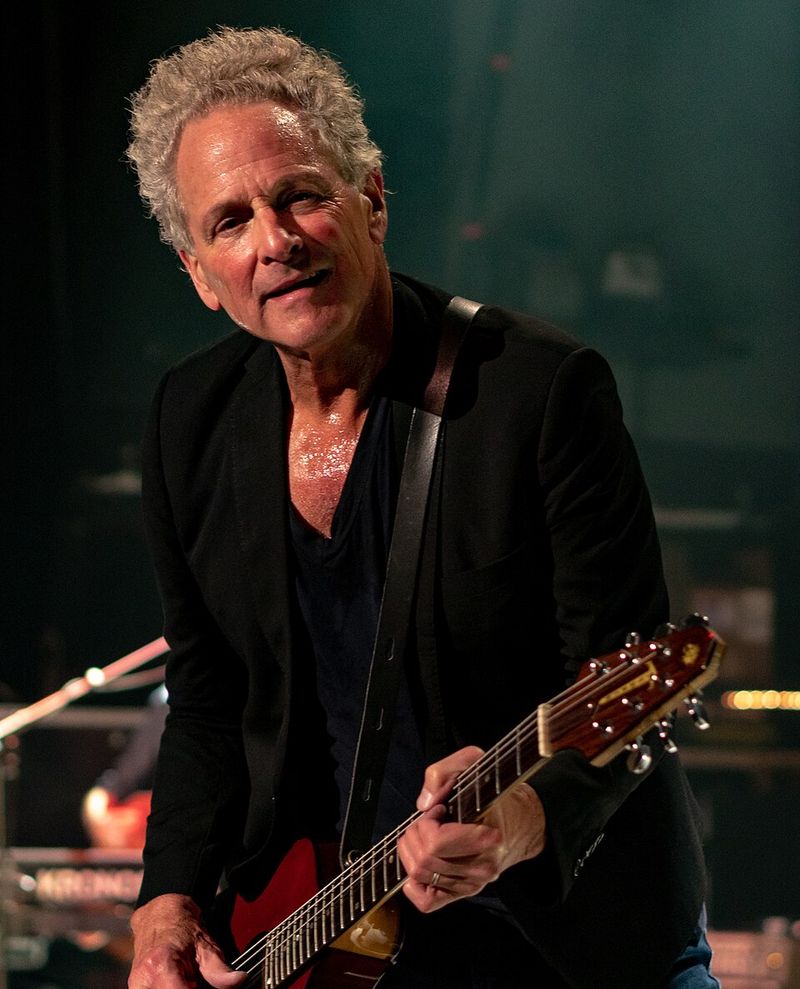
Around age six or seven, a California kid started copying his older brother’s records on a small guitar. That kid was Lindsey Buckingham, and he never took formal lessons.
He built a fingerpicking style shaped by folk, banjo patterns, and Travis picking, linked to players like Merle Travis and Scotty Moore.
By the time he joined Fleetwood Mac in 1975, at about 25, the habit was locked in. Reportedly, the band nudged him toward a pick, but his fingers won.
With them, he could play bass notes, rhythm, and melody all at once.
Never Going Back Again shows it best. It sounds easy until you try it.
Big Love, especially in his solo shows, makes one guitar sound like several.
His approach helped give late-1970s Fleetwood Mac albums like Rumours their own unmistakable identity.
Share this story