Imagine waking up every morning to comfortable temperatures, a gentle breeze, and skies that make you want to head outside. For most people, that kind of weather is a vacation luxury, not an everyday reality.
But for millions of people around the world, living in a place with reliably pleasant weather year-round is simply normal life. These 15 countries are home to some of the most consistently comfortable climates on the planet, and each one offers something a little different.
Portugal

Portugal punches well above its weight when it comes to comfortable weather. Sitting at the southwestern edge of Europe, it soaks up more sunshine than almost any other country on the continent, and the winters stay mild enough that locals rarely dig out a heavy coat.
The Algarve in the south is the crown jewel, but even Porto up north has a charm that keeps people outdoors most of the year.
Madeira is where things get truly special. Portugal’s tourism authority calls the archipelago’s climate “almost springlike throughout the year,” and that description holds up.
Sea temperatures around Porto Santo hover between roughly 17 and 22 degrees Celsius, making the water inviting well beyond the traditional summer window.
What makes Portugal stand out is how accessible it feels. Lisbon’s outdoor cafe culture thrives in January.
The Alentejo countryside looks golden for months at a stretch. Even during the brief rainy season up north, temperatures rarely become uncomfortable.
For anyone chasing reliable warmth without the extremes of a tropical climate, Portugal is a seriously strong contender.
Spain
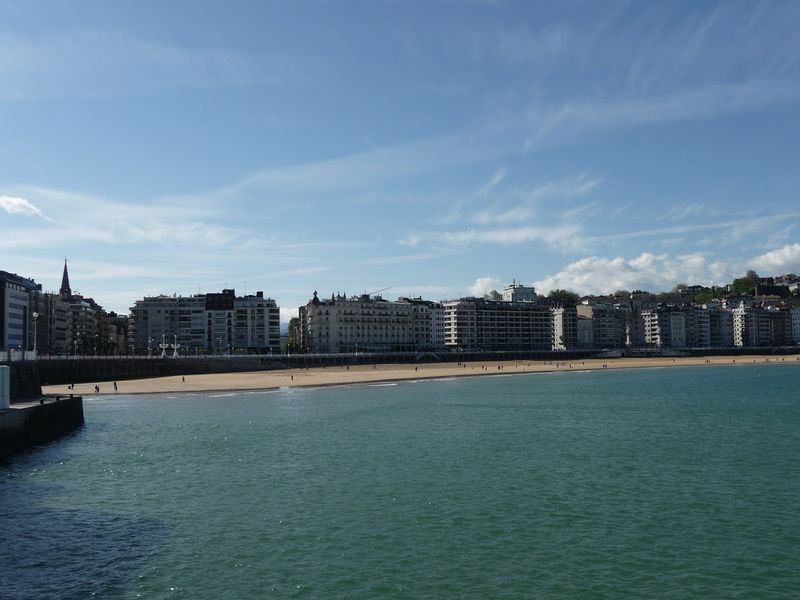
Spain’s Canary Islands sit just off the coast of northwest Africa, and that geography is everything. While the rest of Europe bundles up in January, Gran Canaria and Tenerife are serving 20-degree coastal afternoons and more than 3,000 hours of annual sunshine.
Spain’s official tourism portal puts it plainly: the islands enjoy mild winters and warm summers with a pleasant climate throughout the year.
The mainland has plenty going for it too. Andalusia in the south delivers long, sun-soaked seasons, and the Mediterranean coast rarely sees a truly bitter winter.
But if consistent, year-round comfort is the goal, the Canaries win every time. They are technically part of Spain but feel climatically closer to a Caribbean island than to Madrid.
Visitors who arrive expecting a typical European trip often leave planning a return stay. The combination of reliable warmth, dramatic volcanic landscapes, and world-class beaches creates something hard to replicate.
Surfers love the Atlantic swells. Hikers love the trails through Teide National Park.
Everyone else is usually happy just sitting in the sun with a coffee. Spain really did get lucky with those islands.
Costa Rica
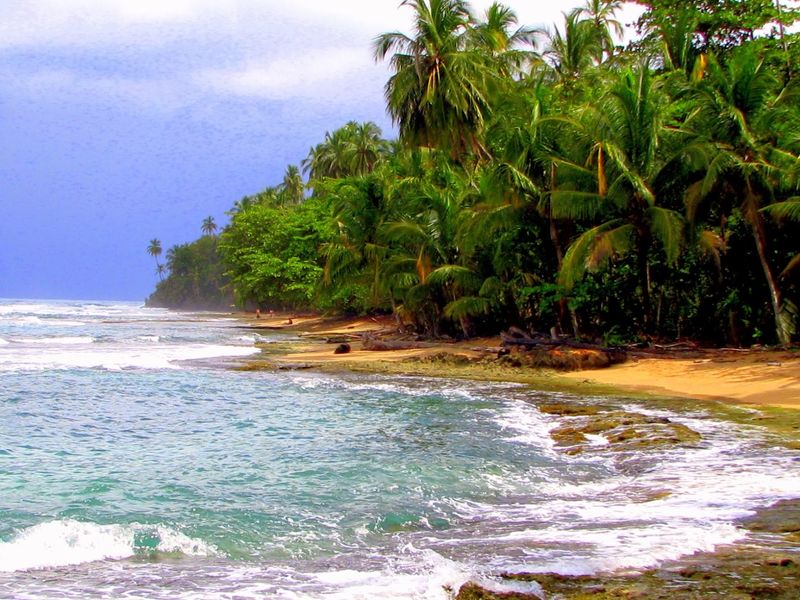
Costa Rica skips the whole four-seasons routine and runs on its own schedule. Most of the country alternates between a drier period and a wetter one, but temperatures stay relatively steady thanks to the tropical location.
The real secret weapon here is elevation. The Central Valley, which includes San Jose and the charming town of Atenas, sits high enough to dodge the sweltering heat of the lowlands.
Atenas has actually earned a reputation as one of the most pleasant climates in the world, a claim locals are happy to repeat. Afternoon temperatures hover around the mid-20s Celsius, mornings feel refreshingly cool, and even the rainy season tends to deliver sunshine in the morning before clouds roll in later in the day.
It is the kind of weather that makes outdoor living feel effortless.
The biodiversity adds another layer of appeal. Watching toucans from a porch while enjoying 24-degree weather in December is not a fantasy here, it is just a Tuesday.
Coastal areas like Guanacaste get drier and hotter, while the Caribbean side stays wetter year-round. Costa Rica rewards travelers who pick their region wisely, and almost every region has something genuinely impressive to offer.
Ecuador

Ecuador sits directly on the Equator, which sounds like a recipe for relentless tropical heat. But elevation rewrites the rules here.
Cities like Quito and Cuenca perch high in the Andes, and that altitude keeps daily temperatures pleasantly mild for most of the year. Quito, sitting at around 2,850 meters above sea level, rarely needs air conditioning and almost never needs a winter coat.
Cuenca is the quieter, arguably more livable option. Expats from North America and Europe have been relocating there for years, drawn by the colonial architecture, affordable cost of living, and weather that feels like a permanent springtime.
Temperatures typically range between about 7 and 19 degrees Celsius depending on the time of day, with the biggest temperature swings happening between morning and afternoon rather than between seasons.
The contrast within Ecuador is genuinely wild. The Amazon basin to the east is hot, humid, and dripping with jungle life.
The coast is warmer and more tropical. The Galapagos Islands have their own microclimate entirely.
But for year-round livability and comfortable outdoor conditions, the highland cities are where Ecuador really shines. The fact that you can get there from the coast in a few hours is just a bonus.
Colombia

Colombia has one of the most unfair reputations in travel. For decades, its name triggered hesitation.
Today, visitors who finally make the trip often describe the weather as one of the first things that surprises them. Medellin, nicknamed the City of Eternal Spring, sits at around 1,500 meters above sea level and maintains temperatures that hover between roughly 17 and 28 degrees Celsius year-round.
There are no real seasons, just variations of pleasant.
Bogota runs cooler because it sits considerably higher, around 2,600 meters. Mornings there can feel genuinely chilly, and a light jacket is useful year-round.
But the city rarely gets cold enough to be uncomfortable, and the dramatic cloud-draped mountains surrounding it add something almost cinematic to everyday life.
Cartagena on the Caribbean coast is a different story entirely. It is warm, colorful, and humid, with the kind of heat that makes the walled old city feel like a living postcard.
Colombia’s variety means you can hop between climate zones in a single weekend road trip. Prefer cool mountain air?
Head to Bogota. Want tropical warmth?
Cartagena is waiting. Colombia essentially offers a weather menu, and every option is worth trying.
Greece
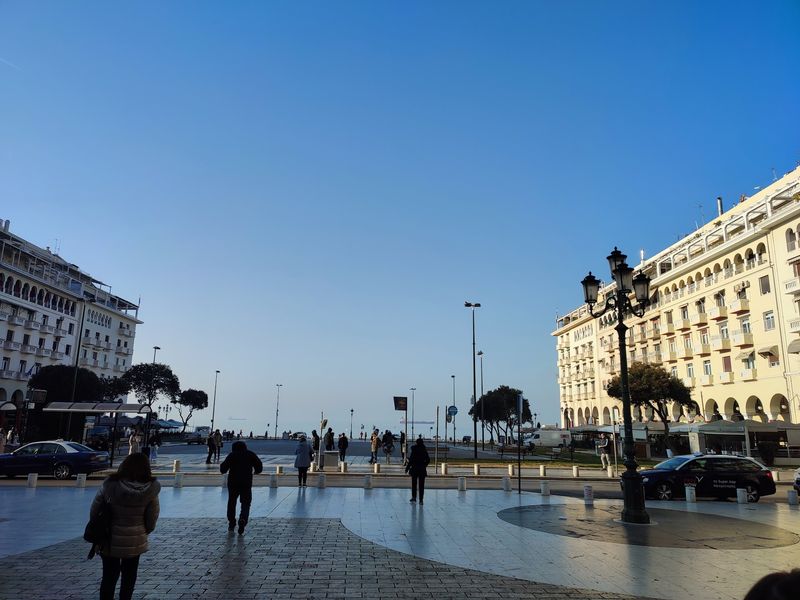
Greece has been pulling people in with its weather since ancient philosophers decided to hold their discussions outside. The Mediterranean climate delivers long, dry summers, and the shoulder seasons, spring and autumn in particular, are genuinely some of the most comfortable months anywhere in Europe.
Warm enough to sit outside, cool enough to actually enjoy walking around ancient ruins without melting.
Crete and Rhodes are the warm-weather champions of the country. Their southern positions in the Aegean mean longer swimming seasons and milder winters than you will find further north.
Crete in particular has a reputation for being warm enough for a beach day well into November, which is the kind of statistic that makes northern Europeans cry quietly into their wool sweaters.
Summer in the Greek islands is spectacular but genuinely hot. July and August push temperatures past 35 degrees in many areas, and the crowds arrive in force.
For comfortable year-round conditions, the best months are May, June, September, and October. Greece rewards those who avoid the peak rush.
The food is better, the ruins are quieter, and the light in autumn has a golden quality that photographers chase from around the world.
Malta
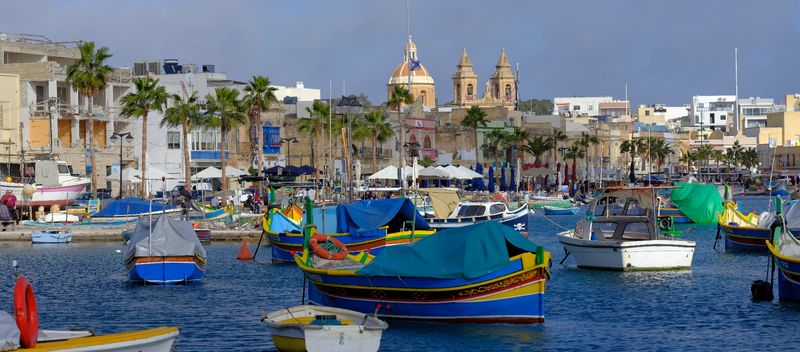
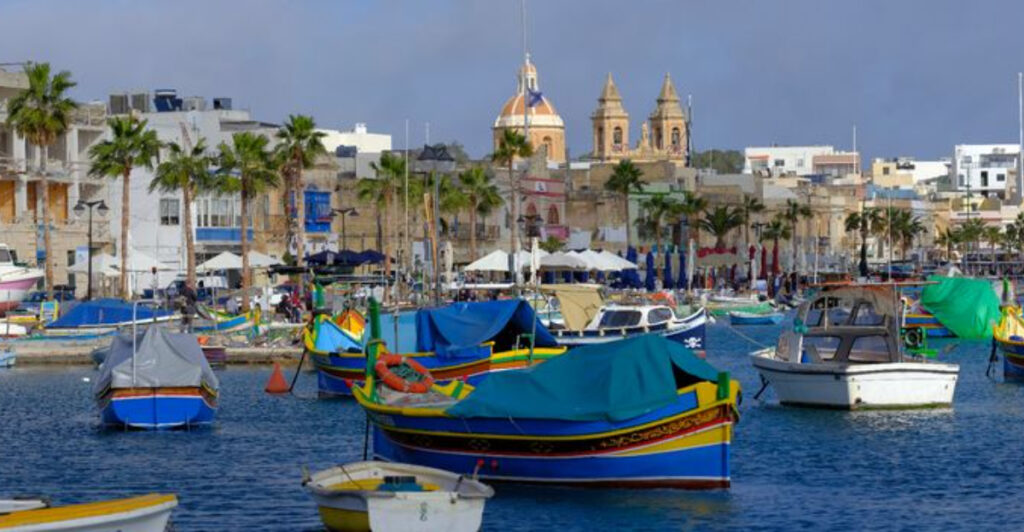
Malta is tiny, but its weather has big ambitions. Squeezed into the center of the Mediterranean between Sicily and North Africa, this small island nation racks up around 300 sunny days per year.
Frost is essentially a myth near the coast, and the warm sea surrounding the islands acts like a natural thermostat, keeping winters mild and summers from getting completely unbearable.
The shoulder seasons are where Malta truly earns its reputation. From October through May, temperatures are warm enough for outdoor dining, sightseeing, and even the occasional brave swim.
Locals barely notice the “winter” because it rarely demands more than a light jacket in the evenings. The sun still shows up most days, just with slightly shorter hours.
July and August are genuinely hot, often pushing into the mid-30s, and humidity can make the heat feel heavier than the thermometer suggests. But even then, sea breezes off the Mediterranean bring some relief, especially in coastal towns like Marsaxlokk and Valletta’s waterfront.
Malta is also a surprisingly good walking destination outside peak summer, with historic streets, clifftop views, and ancient temples that predate Stonehenge. The weather just makes exploring all of it considerably more enjoyable.
Cyprus
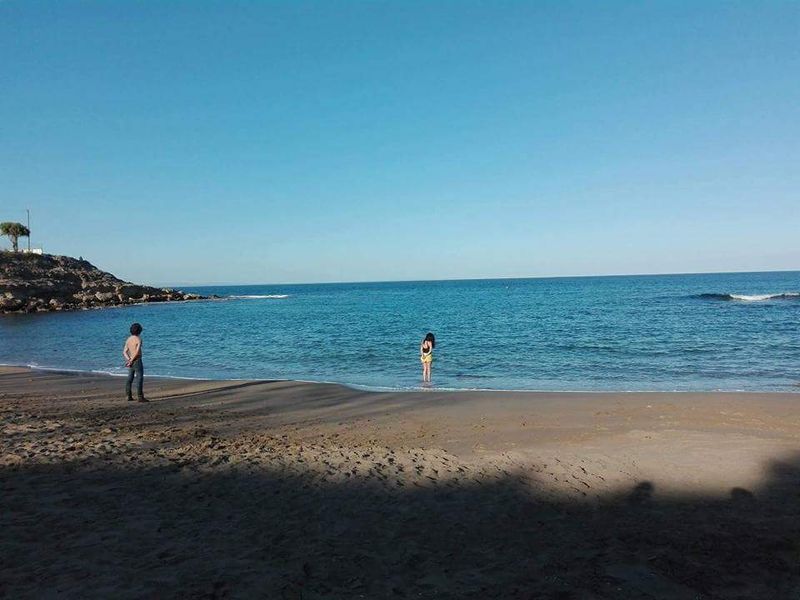
Cyprus holds the record as one of the warmest countries in the European Union, and it is not particularly close. The island sits in the far eastern corner of the Mediterranean, close enough to the Middle East that summer temperatures inland can feel genuinely intense.
But the coast tells a different story for much of the year, with maritime breezes making places like Paphos and Limassol considerably more livable than the interior.
Winter is where Cyprus really shows off. While most of Europe is dealing with grey skies and frozen pipes, Cypriots are enjoying sunny afternoons in the 17 to 20 degree range.
Outdoor restaurants stay open. Hiking trails through the Akamas Peninsula are at their most beautiful.
The sea cools down but rarely becomes uninviting for hardy swimmers.
The Troodos Mountains add an unexpected dimension to Cyprus’s climate story. High enough to receive real winter snow, they offer skiing in January while the coast enjoys mild sunshine just an hour’s drive away.
That kind of contrast in such a compact space is genuinely rare. Cyprus gets around 326 sunny days per year on average, which makes it one of the sunniest places in Europe by almost any measure.
Morocco

Morocco’s Atlantic coast is one of the continent’s best-kept climate secrets. While the Sahara dominates the country’s image in most people’s minds, the western coastline tells a completely different story.
Ocean currents from the North Atlantic keep places like Essaouira, Agadir, and parts of Casablanca refreshingly mild through summer and genuinely warm through winter. It is the kind of climate that makes a January beach walk feel perfectly reasonable.
Agadir in particular has built an entire tourism industry around its reliable sunshine. The city sees around 300 sunny days per year and rarely experiences the extreme heat that hits inland cities like Marrakech during summer.
Marrakech can push past 40 degrees in July, which is a very different experience from the breezy Atlantic coast just a few hours west.
Timing and location matter enormously in Morocco. The Atlas Mountains get cold and snowy in winter, the Saharan south bakes in summer, and the Atlantic coast stays moderate almost year-round.
Travelers who understand Morocco’s regional variety tend to have a much better time than those who assume the whole country shares one climate. Pick the coast in summer, the mountains in spring, and the desert in winter, and Morocco rewards you handsomely.
Cabo Verde
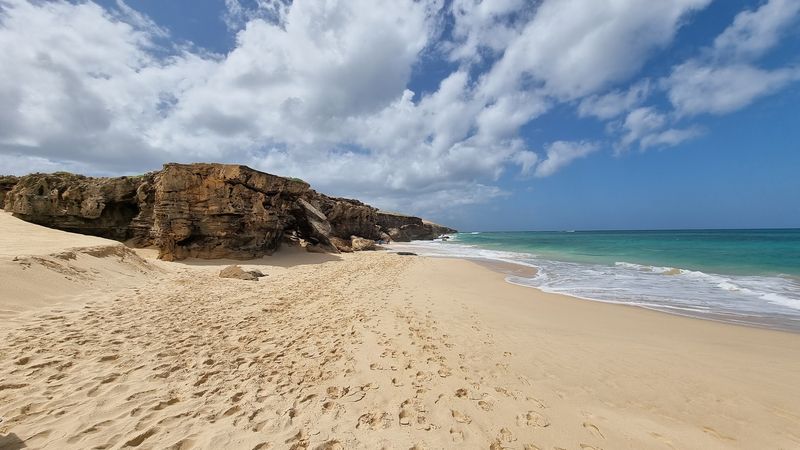
Cabo Verde is the kind of place that sounds almost too good to be true until you check the weather data. This Atlantic archipelago, sitting off the coast of Senegal, runs on trade winds and sunshine.
Temperatures stay within a comfortable range for most of the year, rarely dipping below 20 degrees Celsius or climbing past 30. For a tropical location, that level of moderation is genuinely impressive.
Sal and Boa Vista are the islands that get most of the beach attention, and for good reason. Both are flat, dry, and almost permanently sunny, with the kind of consistent conditions that make planning an outdoor trip feel stress-free.
The trade winds can be strong, especially between November and March, but that same wind is what keeps temperatures from getting oppressive and makes the islands a paradise for windsurfers and kitesurfers.
The mountainous islands like Santo Antao and Fogo have their own microclimates, with lush valleys and cooler highland temperatures that feel worlds apart from the beach islands. Cabo Verde’s variety within such a small total land area is one of its most underrated qualities.
Rain is rare across most of the archipelago, which means outdoor plans almost never need a backup option. That reliability is worth a lot.
South Africa
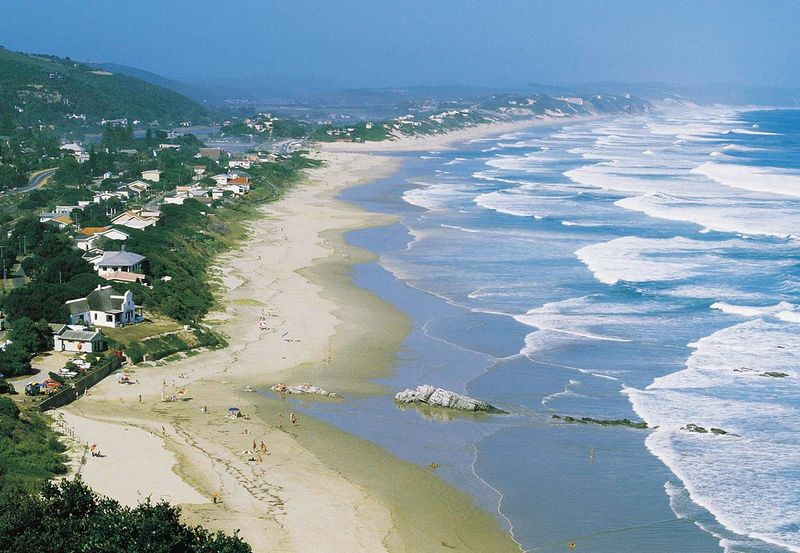
South Africa is so climatically diverse that calling it one destination almost feels misleading. The country stretches across subtropical, Mediterranean, semi-arid, and temperate zones, offering travelers a remarkable range of conditions depending on where they go and when.
Cape Town operates on a Mediterranean schedule, with dry, warm summers from November through February and mild, wetter winters that keep the landscape green and dramatic.
The Garden Route is where many visitors find South Africa’s most consistently comfortable conditions. Stretching along the southern coast between Mossel Bay and Storms River, this region avoids the harshest summer heat and the coldest winter temperatures.
It stays green year-round thanks to reliable rainfall, which sets it apart from the drier Western Cape interior.
Durban on the KwaZulu-Natal coast leans tropical, with warm temperatures and higher humidity throughout the year. Johannesburg, sitting at around 1,750 meters above sea level, gets warm summers with afternoon thunderstorms and dry, sunny winters with cool nights.
The variety means South Africa genuinely suits different types of travelers at different times of year. The challenge is not finding good weather here, it is choosing which version of good weather you want most.
New Zealand
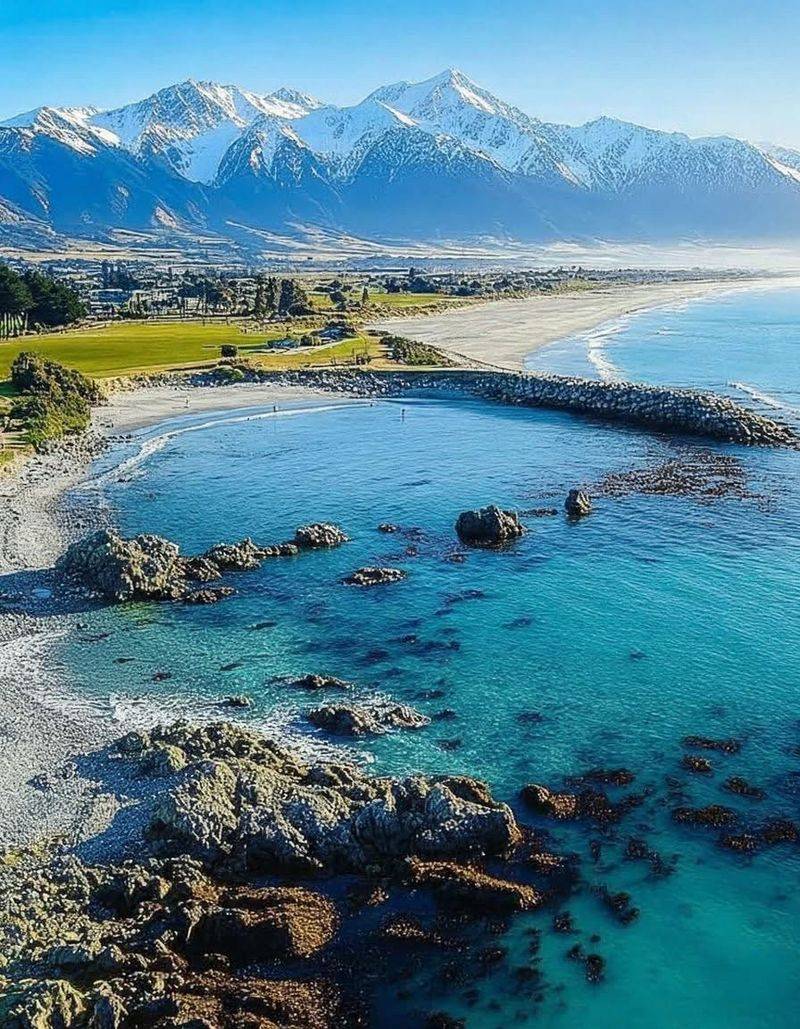
New Zealand has a maritime personality that keeps things pleasantly in check. Surrounded by ocean on all sides, the country avoids the temperature extremes that affect landlocked nations at similar latitudes.
Winters are generally moderate, especially in the north, and summers are warm without regularly tipping into the kind of heat that makes you want to stay indoors with the curtains shut.
The Northland region and the area around Auckland offer the mildest overall conditions in the country. Winter temperatures there rarely drop below 10 degrees Celsius, and summer days in the mid-20s are the norm rather than the exception.
The Bay of Plenty, true to its name, delivers plenty of sunshine and some of the country’s most agreeable coastal weather.
The South Island is a different character entirely. Cooler, more dramatic, and significantly wetter on the west coast, it attracts hikers and adventure travelers rather than those chasing consistent warmth.
The Marlborough region in the northeast of the South Island is a notable exception, with enough sunshine to support a world-famous wine industry. New Zealand’s weather, much like the country itself, rewards those who take the time to understand its regional personalities rather than treating it as one uniform destination.
Australia
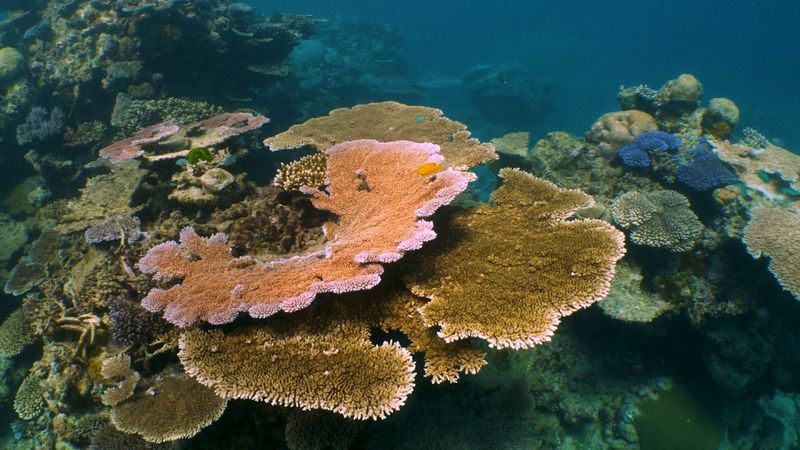
Australia is almost comically large, which means any single statement about its weather is immediately wrong somewhere. The tropical north bakes under monsoon rains for months.
The interior is a desert that can hit 50 degrees. But along selected coastal strips, Australia offers some of the most livable weather conditions anywhere in the Southern Hemisphere, and those are the places worth highlighting.
Perth is the standout for year-round sunshine. The Western Australian capital runs on a Mediterranean climate, with long, dry summers and mild winters that rarely require more than a light jacket.
It racks up more sunny days annually than almost any other major city in Australia, and the beaches are legitimately world-class. The Mediterranean climate also suits wine lovers, with the Swan Valley and Margaret River regions producing excellent drops under almost embarrassingly good skies.
Southeast Queensland around the Sunshine Coast and parts of coastal New South Wales offer subtropical conditions with warm temperatures most of the year and winters mild enough to swim through. The tropical north, including Darwin and Cairns, stays warm year-round but faces intense humidity, cyclone seasons, and monsoon rains from roughly November through April.
Australia’s best weather requires some navigation, but the reward for getting it right is significant.
Mexico
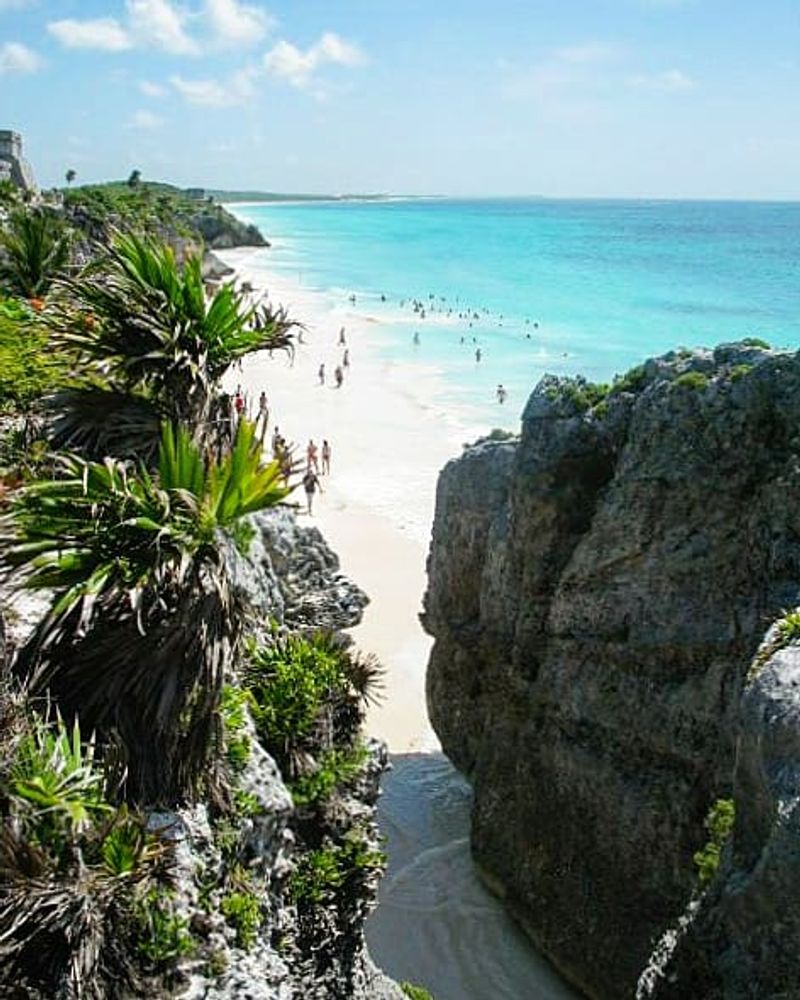
Mexico’s beach resorts get all the attention, but the real year-round weather story plays out in the highlands. Elevation transforms the climate across much of central Mexico, turning what could be tropical heat into something far more comfortable.
Cities and towns sitting above 1,500 meters enjoy warm days, cool evenings, and a dry season that stretches for months without becoming oppressively hot.
Cuernavaca has been called the City of Eternal Spring since the Aztec era, which is a long-standing endorsement. Lake Chapala near Guadalajara attracts thousands of North American expats who appreciate temperatures that stay in the 20s Celsius for much of the year.
San Miguel de Allende, at around 1,900 meters, delivers colonial beauty alongside genuinely pleasant weather that rarely demands extreme clothing adjustments.
The coasts offer a different trade-off. Cancun and Los Cabos are warm year-round but face hurricane season from June through November, and summer humidity along the Caribbean coast can be relentless.
The Pacific coast around Puerto Vallarta has its own rainy season from June through October. Mexico rewards those who match their destination to the season.
Get that combination right, and the weather here can feel almost unfairly good for the price.
Mauritius

Mauritius sits in the Indian Ocean about 2,000 kilometers off the southeast coast of Africa, and that isolation has given it something special. The island operates on a two-season rhythm: a warm, humid summer from roughly November through April, and a cooler, drier winter from May through October.
Neither season is unpleasant by global standards, but the cooler months have a particular magic that draws visitors from around the world.
During the cooler season, temperatures hover between about 17 and 25 degrees Celsius, the trade winds keep things comfortable, and rainfall drops significantly on the west and north coasts. Places like Grand Baie and Flic en Flac on the northwest coast are especially favored for their sheltered positions and reliable sunshine.
The lagoons stay warm enough to swim in comfortably, and the underwater visibility is often at its best during this period.
Summer brings heat, humidity, and the possibility of tropical cyclones, particularly between January and March. The elevated central plateau around Curepipe stays noticeably cooler and wetter than the coast, making it a useful escape during the hottest months.
Mauritius is not quite a year-round destination in the strictest sense, but the cooler dry season is so reliably excellent that it earns its place on this list without much argument.
Share this story