Traveling alone in Europe sounds thrilling until you start wondering where to even begin. The good news is that the continent is packed with cities that feel genuinely welcoming to solo visitors, with walkable streets, reliable public transport, and enough culture to keep you busy for days.
Whether you are chasing medieval architecture, fjord views, or a really good pastry eaten at a sidewalk cafe, these 15 destinations make going it alone feel like the smartest decision you ever made.
Reykjavik, Iceland
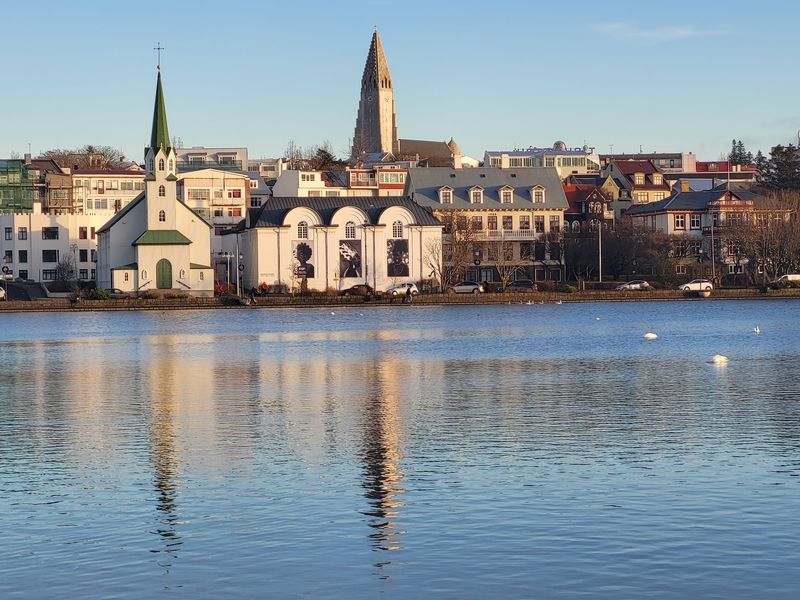
Reykjavik is the kind of place where getting lost is practically impossible, and that is honestly a relief when you are traveling solo for the first time. The entire city center can be crossed on foot in under 45 minutes, which means you spend more time actually enjoying things and less time staring at a map looking confused.
Geothermal pools, quirky cafes, street art, and waterfront paths fill up a day without requiring any group effort. The famous Laugardalslaug pool is a favorite local hangout where strangers become temporary friends over hot tubs and steam.
Iceland consistently ranks among the world’s most peaceful countries, making it a reassuring first solo destination. Just take weather and volcanic activity seriously.
Mountain roads and wilderness trails demand real preparation, but organized day trips from Reykjavik handle the logistics for you, leaving the dramatic landscapes to simply be enjoyed.
Ljubljana, Slovenia
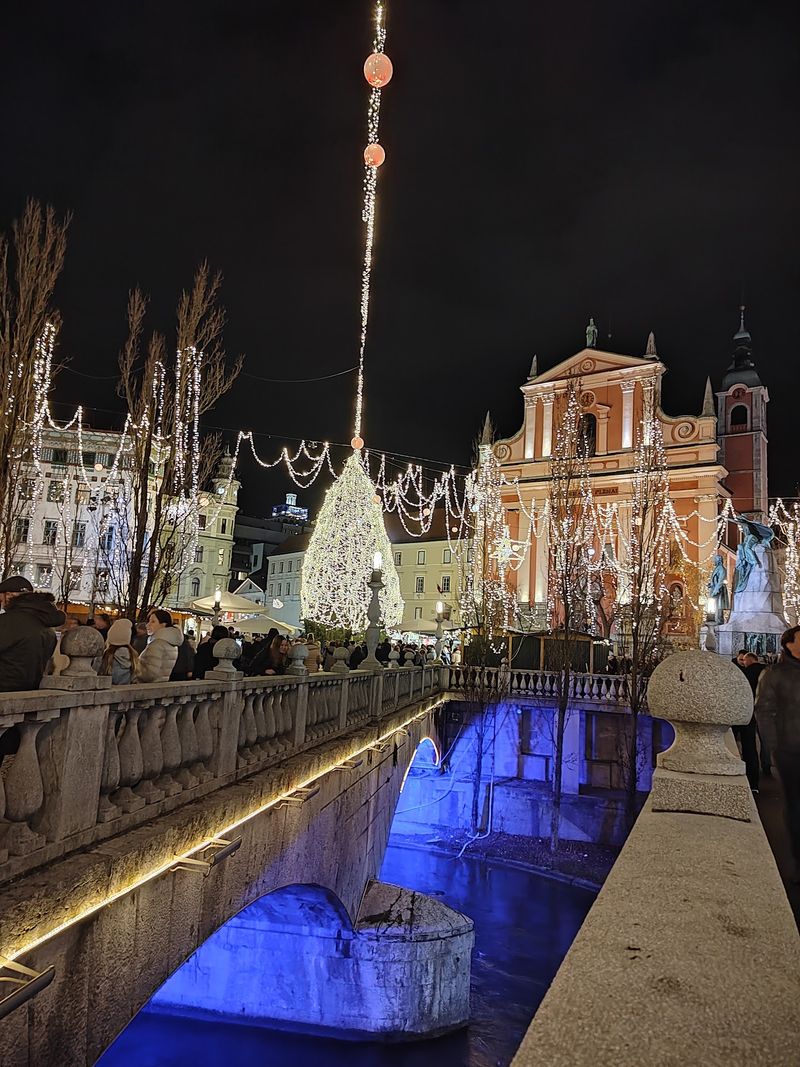
Ljubljana might just be the most underrated city in Europe, and solo travelers who discover it tend to become its loudest cheerleaders. The city center has been largely free of motor traffic since 2007, which creates an unusually calm and pleasant environment for wandering on foot or by bicycle.
Cafe tables spill out along the Ljubljanica River, market stalls fill the mornings with fresh produce and flowers, and the hilltop castle offers sweeping views that cost almost nothing to enjoy. There is a relaxed pace here that makes spending an afternoon alone feel genuinely luxurious rather than lonely.
Slovenia consistently ranks among Europe’s most peaceful countries, and Ljubljana reflects that stability in how organized and welcoming it feels to visitors. The city is compact enough to feel manageable but rich enough in architecture, food, and culture to fill several days.
First-time solo travelers in particular find it a wonderfully low-pressure starting point for European adventures.
Lucerne, Switzerland
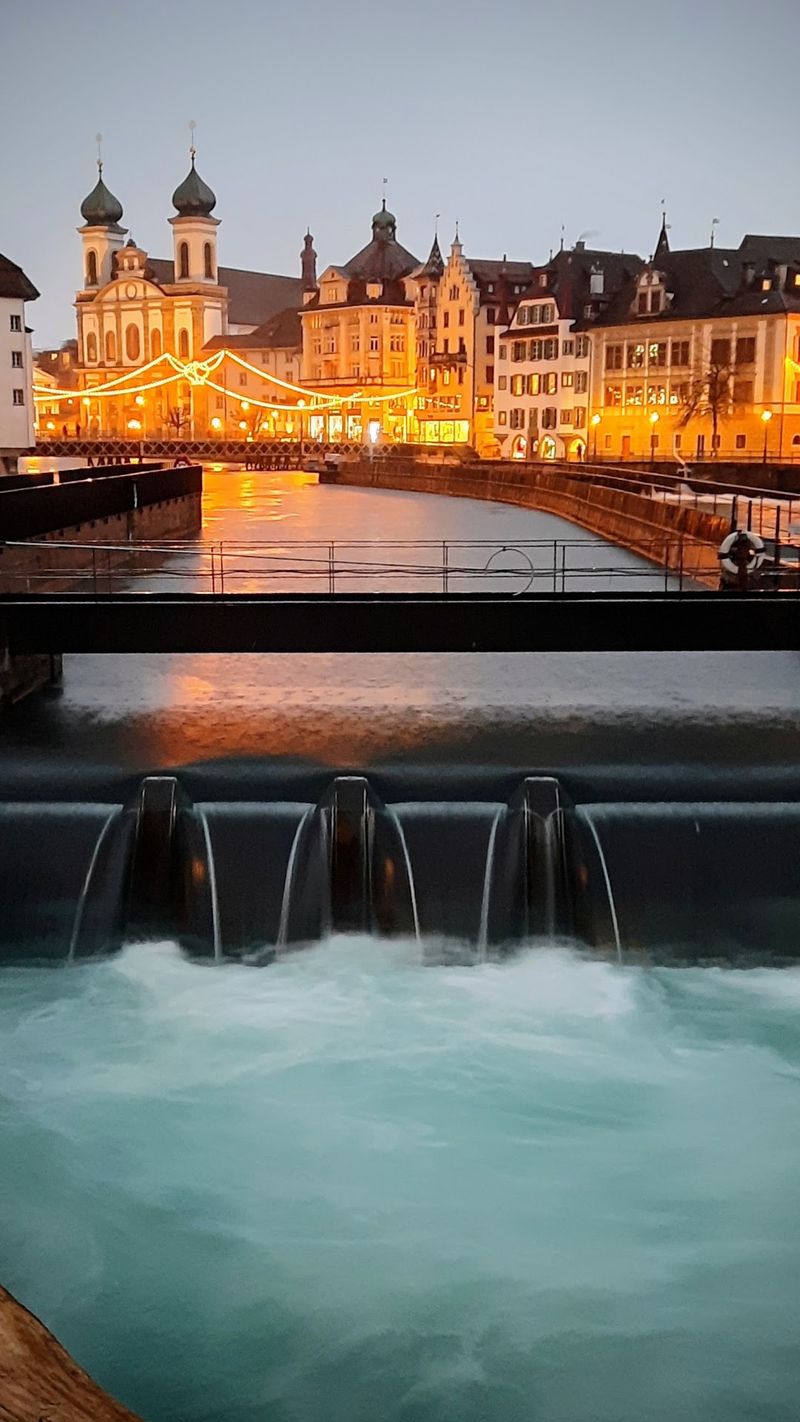
Few cities in Europe manage to pack a medieval old town, a shimmering lake, and mountain railways all within easy reach of each other, but Lucerne pulls it off with almost unfair elegance. The famous Chapel Bridge, one of Europe’s oldest covered wooden bridges, makes for a genuinely memorable solo morning stroll.
After crossing that bridge approximately four times for photos, you can hop on a boat across Lake Lucerne or take a mountain railway toward Rigi or Pilatus for views that make every effort worthwhile. Switzerland’s exceptional transportation network means these excursions require minimal planning and zero driving anxiety.
Switzerland performs strongly in international peace and safety comparisons, so the main challenge in Lucerne is not safety but rather the bill at the end of dinner. Budget carefully and the city rewards you generously.
The compact historic center keeps sightseeing efficient, and solo dining in the old town feels entirely comfortable with plenty of good restaurants used to welcoming individual guests.
Vienna, Austria
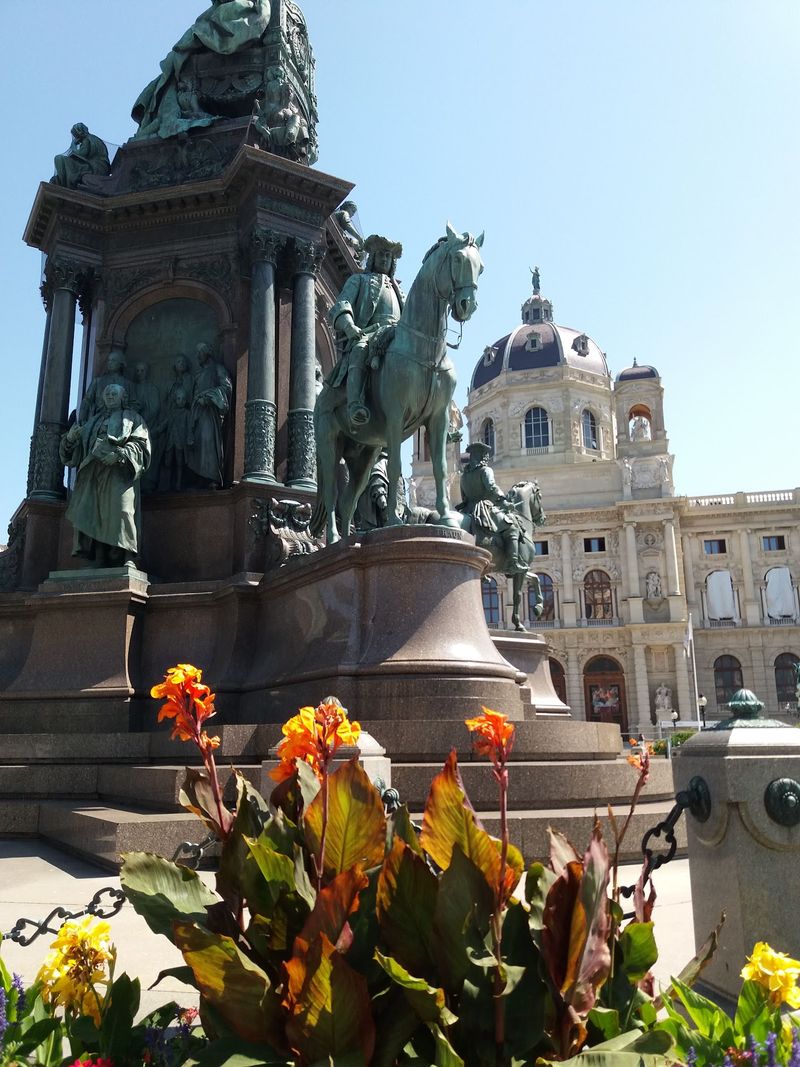
Vienna operates at a frequency that solo travelers find deeply satisfying. World-class museums, ornate coffee houses, classical music venues, and sprawling palace gardens are all connected by one of the most reliable public transport networks on the continent.
The Viennese coffee house culture is practically made for solo visitors. You can sit for hours with a melange and a newspaper, and nobody will rush you or give you a pitying look for dining alone.
These cafes have been UNESCO-recognized as part of Austria’s intangible cultural heritage, which tells you everything about how seriously locals take the ritual.
Austria ranks high in the Global Peace Index, and Vienna backs that up with streets that feel active and well-lit well into the evening. Trams, buses, and the U-Bahn metro reach every major neighborhood efficiently.
The historic center is walkable, and the city’s museum district can fill multiple days without repeating itself. Vienna is a destination that rewards slow, curious exploration, which is exactly the kind of travel that suits going solo.
Porto, Portugal
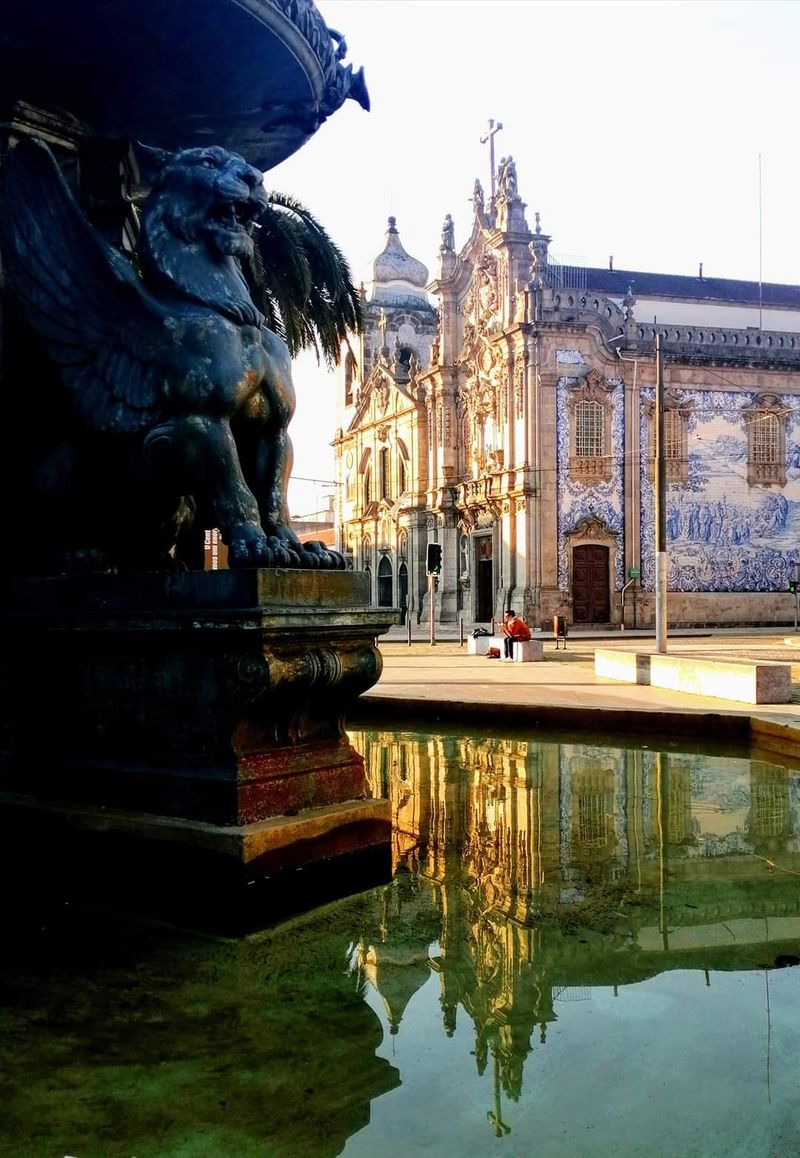
Porto greets you with the smell of freshly baked pastel de nata and the sight of buildings covered floor to ceiling in hand-painted blue and white tiles, and from that moment you are completely sold. The city’s historic center is UNESCO-listed, compact enough to explore on foot, and packed with viewpoints, riverfront walks, markets, and tiled churches around every corner.
The steep streets of the Ribeira district require a good pair of shoes, but trams, buses, and the metro handle longer distances without any fuss. Solo visitors will find the city’s food scene especially rewarding, with plenty of small tascas where eating at the counter or a single table feels perfectly natural.
Portugal ranks among Europe’s most peaceful countries and is frequently praised for its welcoming attitude toward tourists traveling independently. Porto’s scale keeps things manageable without feeling small.
Day trips to the Douro Valley wine region can be organized through local tour operators, offering a scenic escape and a built-in social opportunity for meeting fellow travelers over a glass of excellent port wine.
Copenhagen, Denmark
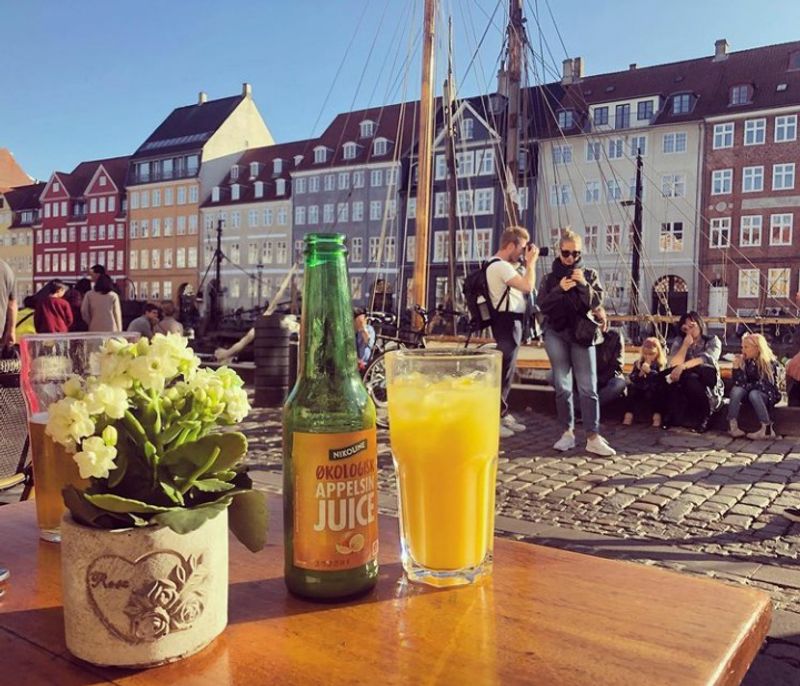
Nyhavn’s row of candy-colored 17th-century townhouses reflected in the canal water is the kind of sight that makes you feel genuinely glad you came alone, because you can stand there staring as long as you like without anyone complaining. Copenhagen rewards slow, unhurried attention.
The city runs on bicycles. Visitors can rent one easily and join the flow of locals pedaling along dedicated cycle lanes that cross the city efficiently and safely.
For non-cyclists, the public transport network covers buses, trains, and the Metro with impressive reliability and clear English signage throughout.
Copenhagen suits travelers who enjoy being active independently. Supervised harbor baths open in summer for swimming right in the city center, food halls serve outstanding smorrebrød and pastries, and design museums celebrate Danish creativity with real depth.
Denmark consistently ranks as one of the world’s more peaceful nations, and that calm extends to how the city feels at street level. Solo dining is completely unremarkable here, which is exactly the kind of social comfort a traveler eating alone genuinely appreciates after a long day of exploring.
Helsinki, Finland
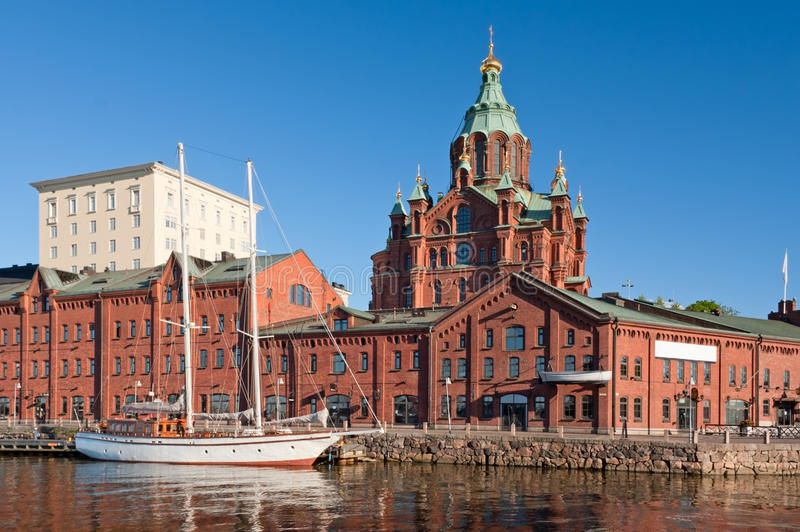
Helsinki has a secret that most visitors discover on their first morning: the city is surrounded by water and islands in a way that makes it feel completely unlike any other European capital. Over 300 islands form part of the Helsinki archipelago, and several can be reached by public ferry from the city center in under 20 minutes.
Beyond the islands, the city offers a thoughtful mix of design culture, public saunas, forested parks, and striking architecture ranging from neoclassical to contemporary. The public sauna culture is particularly worth experiencing solo, as it is genuinely social and welcoming to newcomers who approach it with curiosity and respect.
Finland performs exceptionally well in international peacefulness measures year after year, and Helsinki reflects that in its organized, low-stress atmosphere. Transportation is reliable, English is widely spoken, and the city’s layout is logical enough to navigate confidently within a day.
Winter visitors should pack seriously warm clothing and prepare for very short daylight hours, but the reward is a city glowing with Christmas lights and the occasional northern lights display.
Tallinn, Estonia
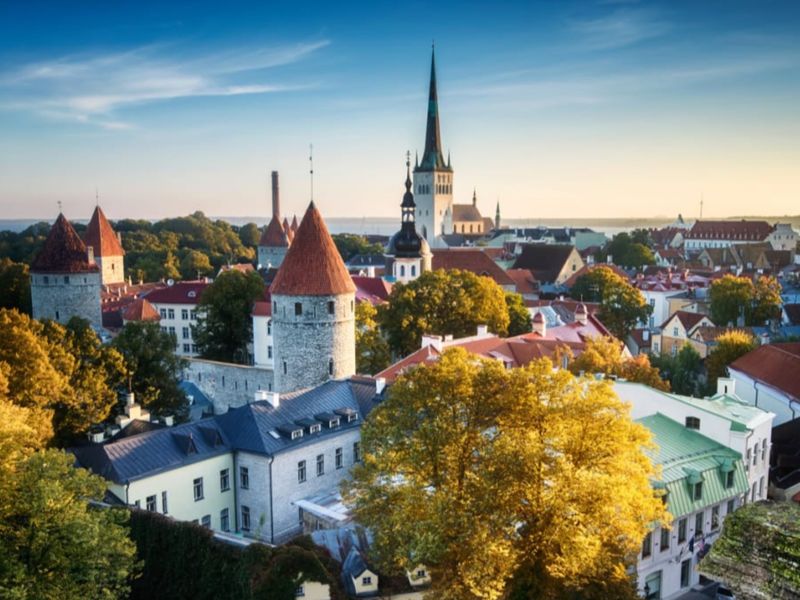
Walking into Tallinn’s Old Town feels like stepping directly into the set of a fairy tale, except the coffee is real and the wifi actually works. The medieval city walls, limestone towers, and cobbled lanes have been so well preserved that the UNESCO listing feels almost like an understatement.
Toompea Hill offers overlooks above the rooftops that are best appreciated early in the morning before tour groups arrive. Below the hill, the Lower Town fills with cafes, craft shops, and small restaurants tucked into centuries-old buildings that somehow manage to feel cozy rather than stuffy.
Beyond the historic core, Tallinn’s waterfront promenades and revitalized former industrial neighborhoods like Telliskivi provide a more contemporary and creative side of the city to explore. Estonia is generally peaceful and well organized, and the compact scale of the Old Town keeps solo navigation simple and enjoyable.
Standard precautions against opportunistic theft around busy tourist spots remain sensible, but nothing about Tallinn feels particularly tense or unwelcoming. It is a city that rewards curious, independent exploration at whatever pace suits you.
Prague, Czechia
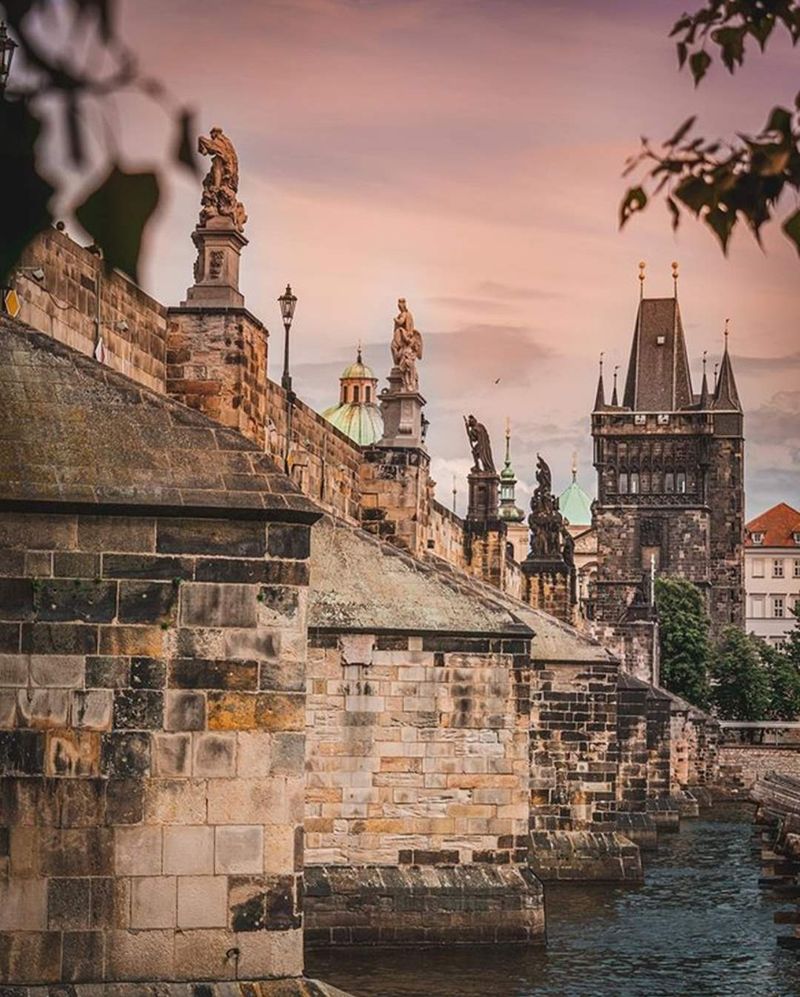
Charles Bridge at sunrise, with the city mist still clinging to the Vltava River and the castle rising behind you, is one of those travel moments that feels almost unfairly cinematic when you experience it alone. Getting there early means skipping the midday crowds entirely, which solo travelers can do without negotiating anyone else’s sleep schedule.
Prague’s historical center is genuinely compact, making it easy to move on foot between Old Town Square, the riverfront, Mala Strana, and the castle complex without ever feeling overwhelmed by distance. When your legs need a rest, the city’s trams and metro lines provide fast, affordable connections across the wider city.
Czechia ranks among the world’s more peaceful countries, and Prague’s well-established tourism infrastructure means English is spoken widely at hotels, restaurants, and attractions. The city’s popularity does bring crowded streets and occasional pickpocketing risks in the busiest tourist zones, so keeping your phone and wallet secure in busy areas is simply good practice.
For first-time solo travelers in Central Europe, Prague offers an ideal combination of walkable sightseeing, vibrant food scenes, and manageable logistics.
Salzburg, Austria
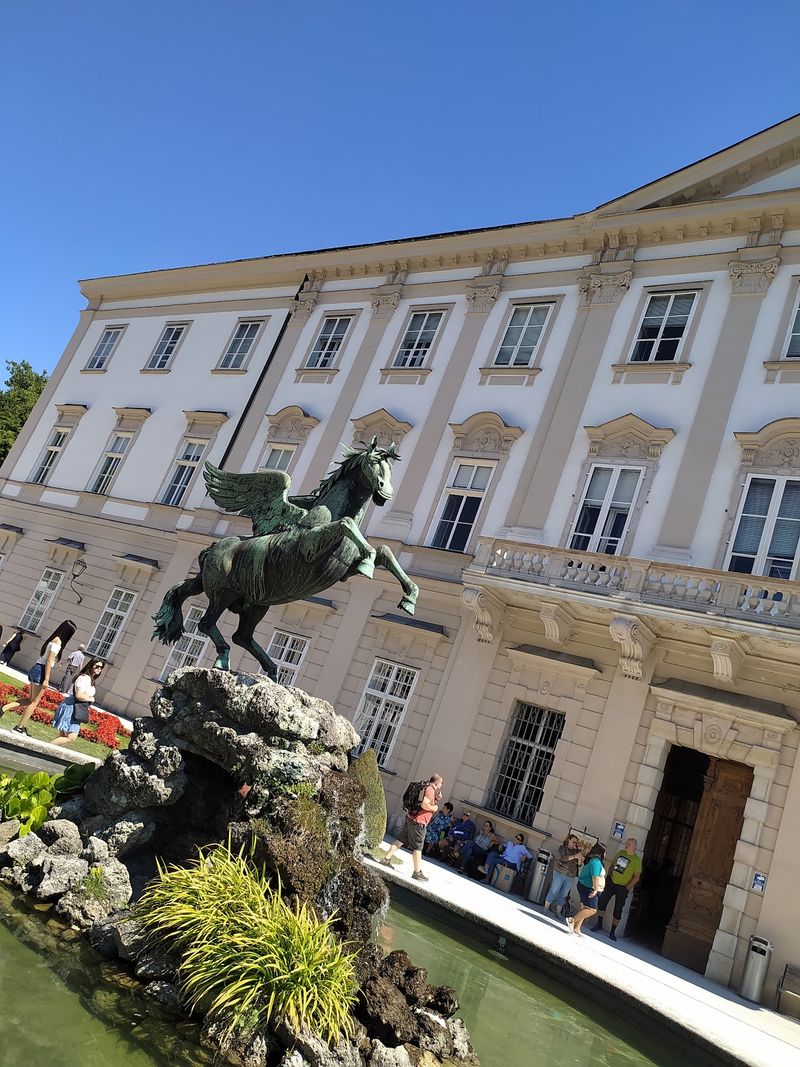
Salzburg is the kind of city that makes you want to hum something, possibly because the ghost of Mozart seems to lurk around every cobblestone corner. The UNESCO-listed old town is small enough to explore thoroughly in a day but layered enough in history, music, and architecture to reward several more.
Self-guided walking routes connect the baroque city center with hilltop viewpoints on Monchsberg and Kapuzinerberg, offering elevated perspectives over the rooftops and the Salzach River below. The fortress of Hohensalzburg looms above it all, reachable by funicular or a steep but satisfying walk for those who prefer the scenic route.
Austria’s high placement in the Global Peace Index makes Salzburg a reassuring solo destination, and the city’s manageable scale means you rarely spend time navigating rather than actually sightseeing. The surrounding Salzkammergut lakes and Alps offer spectacular day trips that can be organized through local tour operators, removing any need to rent a car.
Solo travelers who enjoy alternating cultural exploration with mountain scenery will find Salzburg an almost perfectly constructed destination for independent travel in central Europe.
Bergen, Norway
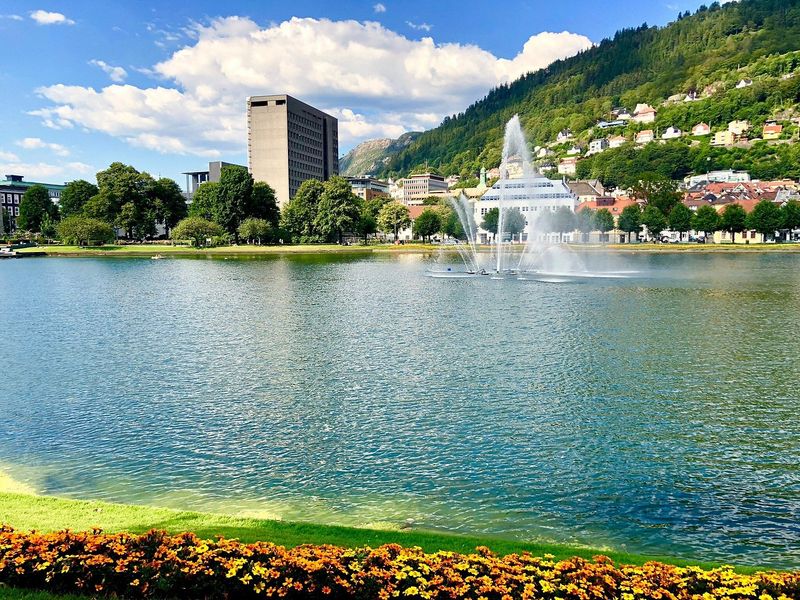
Bergen greets visitors with the smell of fresh fish from the harbor market and a backdrop of seven mountains that seem to rise straight out of the city like a very dramatic stage set. The historic Bryggen wharf, with its row of colorful wooden warehouses dating back to the Hanseatic League, is a UNESCO World Heritage Site that rewards slow, curious exploration.
Hillside neighborhoods above the city center are reached by funicular, offering quick access to walking trails with views over the rooftops and the fjord beyond. Urban hiking routes connect several of the seven mountains, making it possible to spend an entire active day outdoors without leaving the city limits.
Norway performs strongly in peacefulness rankings, and Bergen’s well-developed tourism infrastructure makes independent travel straightforward even for first-timers. Organized fjord cruises and the famous Flam Railway provide accessible ways to experience western Norway’s dramatic landscapes without needing a car or complicated logistics.
The one thing to genuinely prepare for is Bergen’s famously wet weather, which locals accept with impressive cheerfulness and visitors should approach with a good waterproof jacket and an equally good sense of humor.
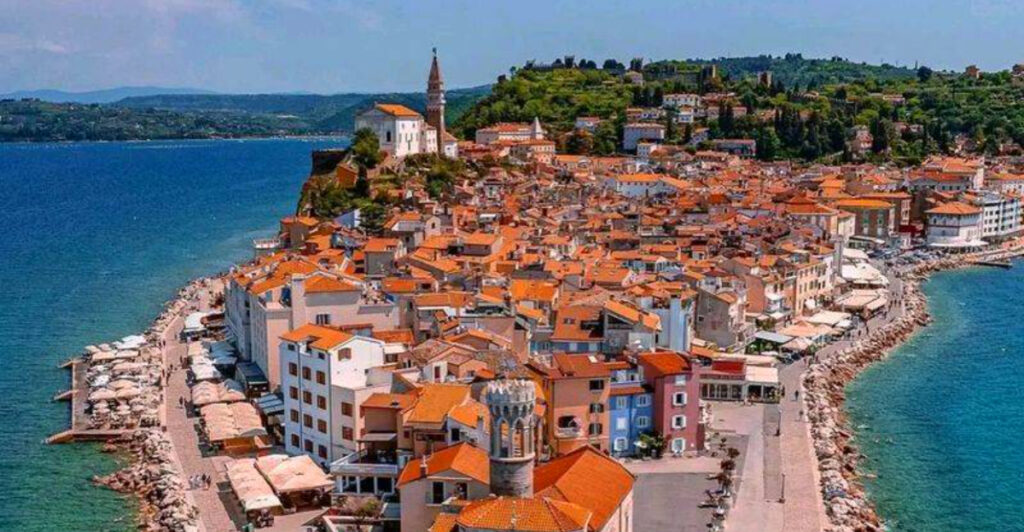
Piran, Slovenia
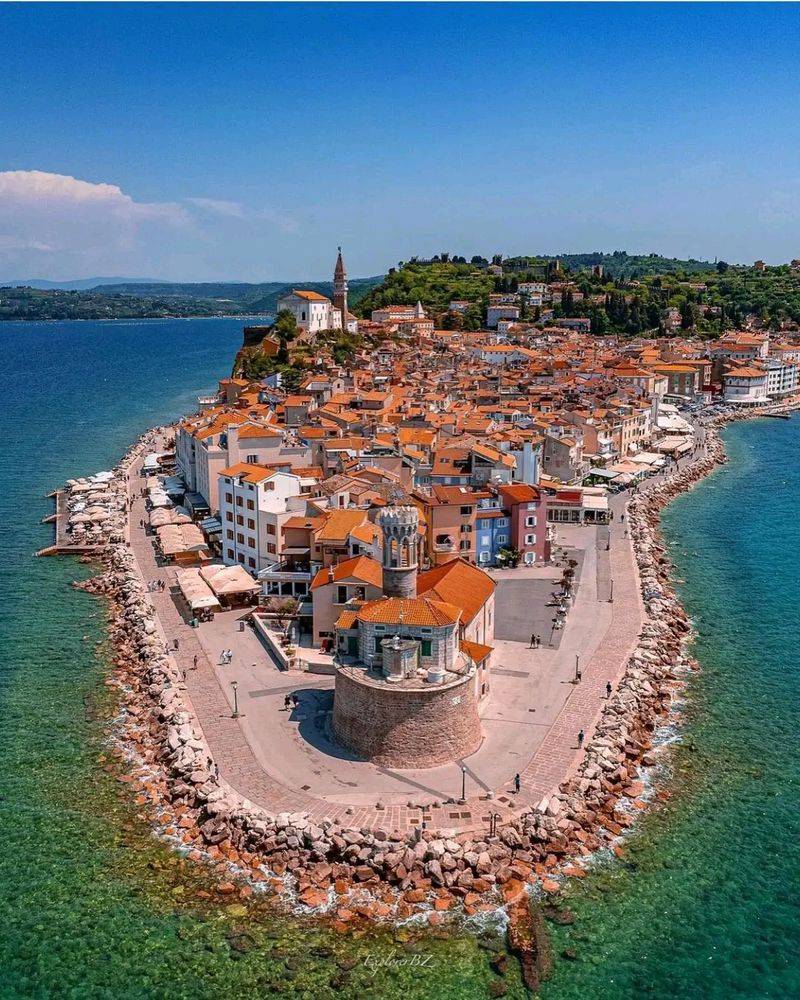
Piran sits on a narrow peninsula jutting into the Adriatic like a tiny, beautifully preserved secret that most tourists walk straight past on their way to more famous coastal destinations. That is entirely their loss and your gain.
The town’s Venetian-influenced architecture, narrow lanes, and waterfront piazzas create an atmosphere that feels more like a living museum than a tourist attraction. Tartinijev trg, the central square named after the composer Giuseppe Tartini who was born here, is surrounded by elegant buildings and makes a perfect spot for an unhurried morning coffee.
Medieval walls offer walkable viewpoints above the rooftops and sea, while coastal paths connect Piran with the saltpans of Secovlje and the neighboring resort town of Portoroz. The entire town is easily explored on foot, which suits solo travelers perfectly since there is no complicated transport to figure out.
Slovenia’s strong peace ranking adds a layer of reassurance for independent visitors. Piran works especially well as a quieter, more reflective alternative to the busier cities of the northern Adriatic coast, offering genuine charm without overwhelming crowds.
Galway, Ireland
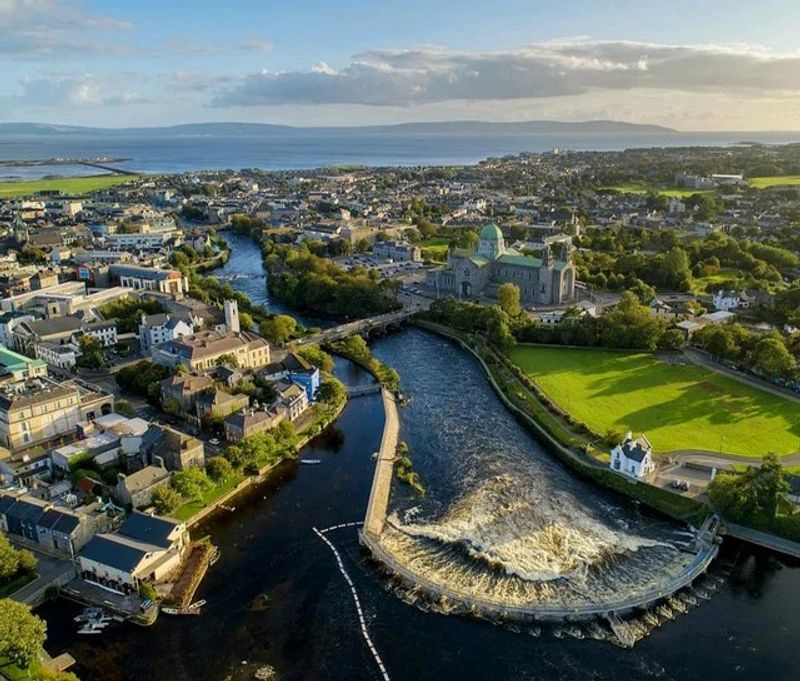
Galway has a soundtrack. Walk through the city center on almost any afternoon and you will hear live traditional music drifting out of pub doorways, street musicians on Shop Street, and the general cheerful noise of a city that seems genuinely pleased with itself.
That energy makes solo travel here feel instantly social.
The compact center is easy to navigate on foot, with colorful shop fronts, independent cafes, the Spanish Arch, and the Claddagh area all within comfortable walking distance of each other. When you are ready to venture further, organized day trips from Galway reach the Cliffs of Moher, the wild landscapes of Connemara, and the Aran Islands, providing natural opportunities to meet other travelers along the way.
Ireland placed near the top of the 2025 Global Peace Index, reinforcing its reputation as a comfortable and welcoming destination for independent visitors. Galway in particular has a warmth and informality that makes striking up a conversation with a stranger at a pub feel completely natural rather than awkward.
Greater awareness is sensible late at night around the busier nightlife areas, but the overall atmosphere here is genuinely friendly and relaxed.
Bern, Switzerland
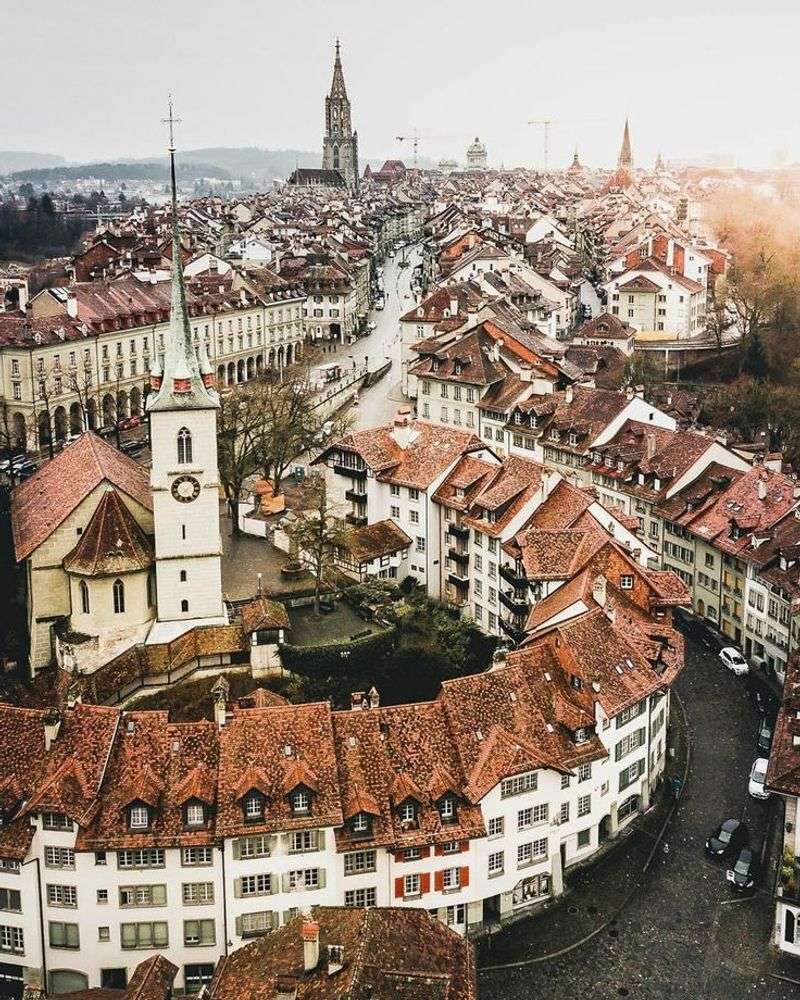
Bern has a trick up its sleeve that most European capitals cannot match: six kilometers of covered arcades running through the medieval city center, which means window shopping, cafe hopping, and sightseeing continue regardless of what the weather decides to do that day. For solo travelers who have experienced the misery of a rainy afternoon with nothing covered to walk under, this is genuinely life-changing information.
The UNESCO-listed old town sits on a peninsula formed by a dramatic bend in the turquoise Aare River, and viewpoints along the rose garden above the city offer one of the most quietly spectacular urban panoramas in Switzerland. The Zytglogge clock tower puts on an animated mechanical show at the top of each hour, which never stops being charming regardless of how many times you watch it.
Switzerland’s strong peace ranking makes Bern a reassuring destination, and the city’s calm pace means spending time alone in its markets, museums, and riverside parks feels genuinely pleasant rather than isolating. Swiss trains make spontaneous day trips to Lucerne, Zurich, or the Bernese Oberland mountains almost effortlessly simple, adding enormous range to what is already a rewarding base city.
Dublin, Ireland
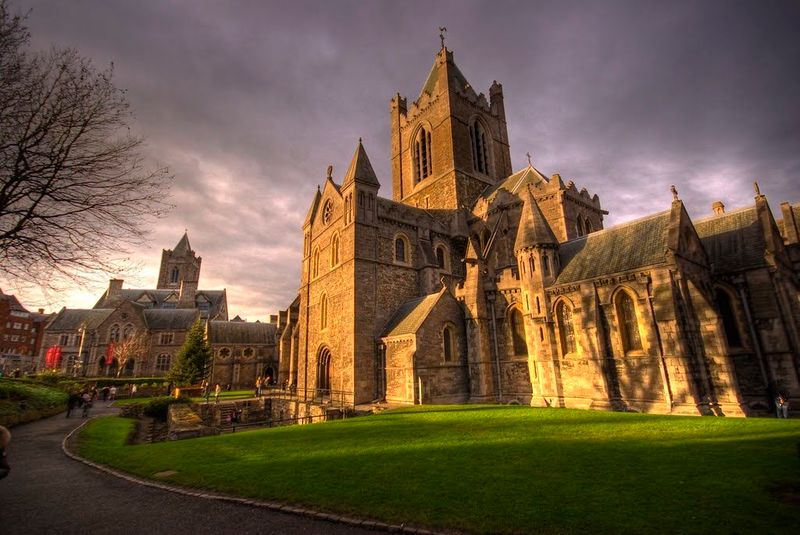
Dublin is the rare capital city where starting a conversation with a complete stranger at a pub feels not just acceptable but practically expected, which makes it one of the most naturally social destinations in Europe for people traveling on their own. The city’s famous friendliness is not a tourism slogan; it is just how things work here.
Trinity College, the Book of Kells, the Chester Beatty Library, St. Stephen’s Green, and the Guinness Storehouse are all concentrated within a manageable central area that rewards walking. Georgian streets lined with brightly painted doors give the city a photogenic charm that surprises visitors who arrive expecting something grayer.
Ireland’s high peacefulness ranking is genuinely reassuring, and Dublin’s well-developed tourism infrastructure means English-speaking solo travelers face almost no logistical friction. Walking tours depart regularly from the city center and provide both structure and easy company when you want it.
Day trips by bus or train reach Glendalough, the Wicklow Mountains, and the coastal towns of Howth and Dun Laoghaire with minimal planning. Staying aware around crowded nightlife areas and keeping your phone secure in busy streets remains sensible, but Dublin’s overall atmosphere is open, lively, and welcoming.
Share this story