There is a small town in southeastern Minnesota where the land literally rises up around you on both sides, and a river cuts right through the middle of it all. The bluffs here are not subtle.
They are tall, forested walls of limestone that make the town feel like it was dropped into a canyon by accident, in the best possible way. Fewer than 800 people call this place home, yet it draws visitors from across the Midwest who come for the trails, the theater, the scenery, and something harder to name.
That something is the feeling you get when a place is genuinely itself, not trying to be anything else. Once you learn what makes this town tick, it is hard to think about a road trip through Minnesota without putting it at the top of the list.
A Town Named After a Landowner, Built Between Bluffs
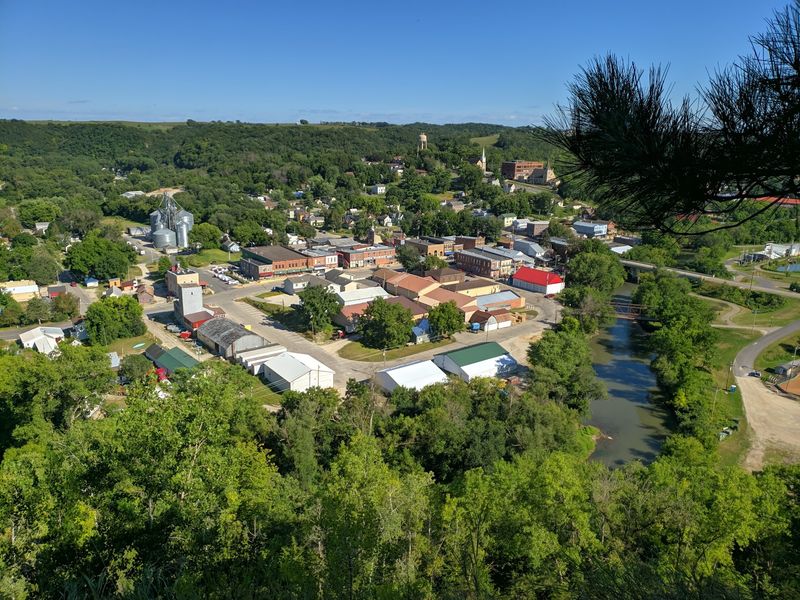
Lanesboro sits in Fillmore County, Minnesota, tucked into the Root River valley where the South Branch of the Root River flows directly through town. The city is located in Holt Township, MN 55949, and its name traces back to F.
A. Lane, an early landowner in the area.
That origin story is simple, but the geography is anything but.
The bluffs that frame Lanesboro rise sharply on both sides of the valley, creating a dramatic natural setting that feels almost theatrical. Most small Minnesota towns sit on flat prairie land, so this one genuinely surprises first-time visitors.
With a population of just 724 as recorded in the 2020 census, Lanesboro punches well above its weight in terms of what it offers. The town has managed to build a strong identity around its landscape, its arts culture, and its trails without losing its small-town character.
The Root River Trail and Why Cyclists Keep Coming Back

The Root River State Trail is one of the main reasons Lanesboro attracts visitors well beyond its county lines. The paved trail stretches for miles through the Root River valley, winding past bluffs, farmland, and wooded stretches that change dramatically with the seasons.
Lanesboro sits roughly in the middle of the trail system, making it a natural base camp for cyclists who want to ride in both directions. On summer weekends, the trail fills with families, serious cyclists, and casual riders who rent bikes in town and spend the day exploring the valley.
What makes the ride memorable is not just the pavement quality. The scenery shifts constantly.
One stretch feels wide open with views up to the bluff tops, and the next section tucks into a corridor of trees where the light filters through in long golden strips. It is the kind of trail that earns repeat visits.
The South Branch of the Root River Running Right Through Town
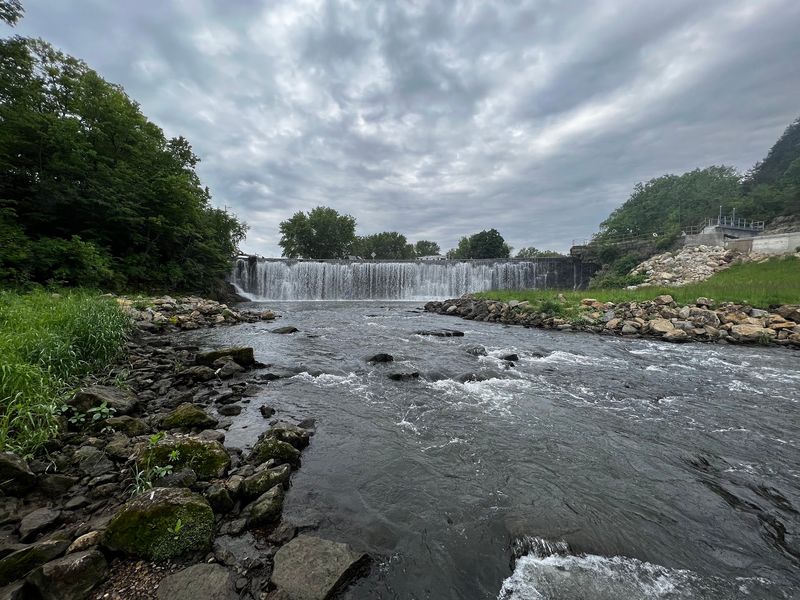
Most towns have a river nearby. Lanesboro has one running directly through it, and that distinction matters more than it might sound.
The South Branch of the Root River is not a distant backdrop. It is a constant presence, visible and audible from the center of town.
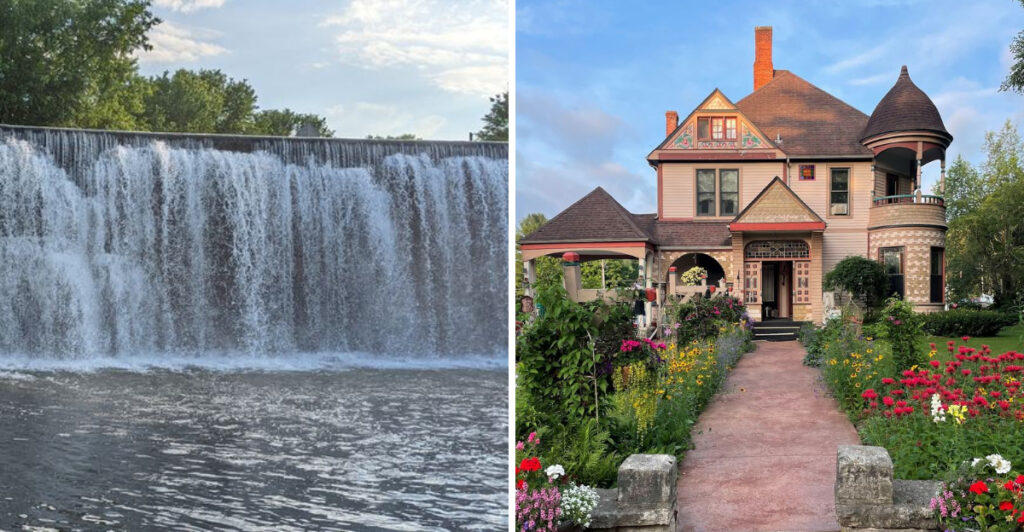
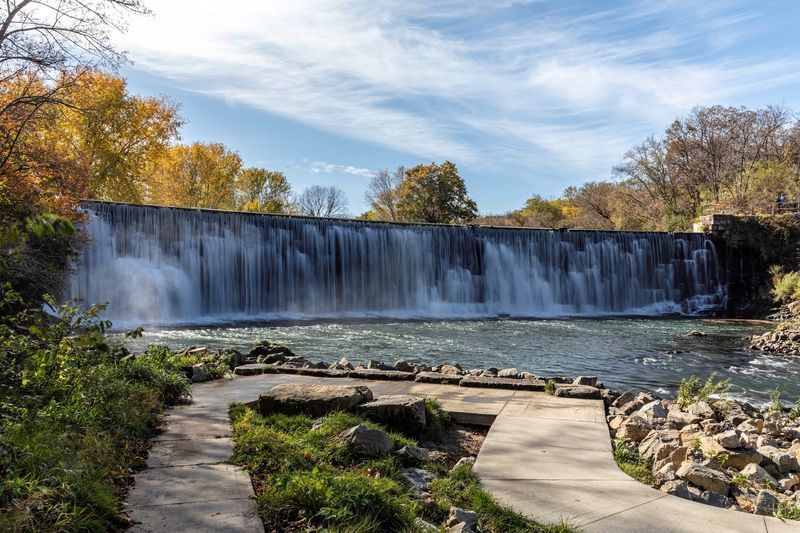
Across from Sylvan Park, a waterfall dam creates one of the most photographed spots in Fillmore County. The sound of water moving over the dam carries through the park on quiet mornings, and the view draws people who simply want to sit and watch the river move.
The river also supports fishing, kayaking, and canoeing, giving visitors an active way to experience the waterway up close. Trout fishing in particular has a strong following along this stretch of the Root River.
The combination of clear water, wooded banks, and accessible entry points makes it genuinely appealing for anglers of all skill levels.
Sylvan Park and the Quiet Heart of the Town
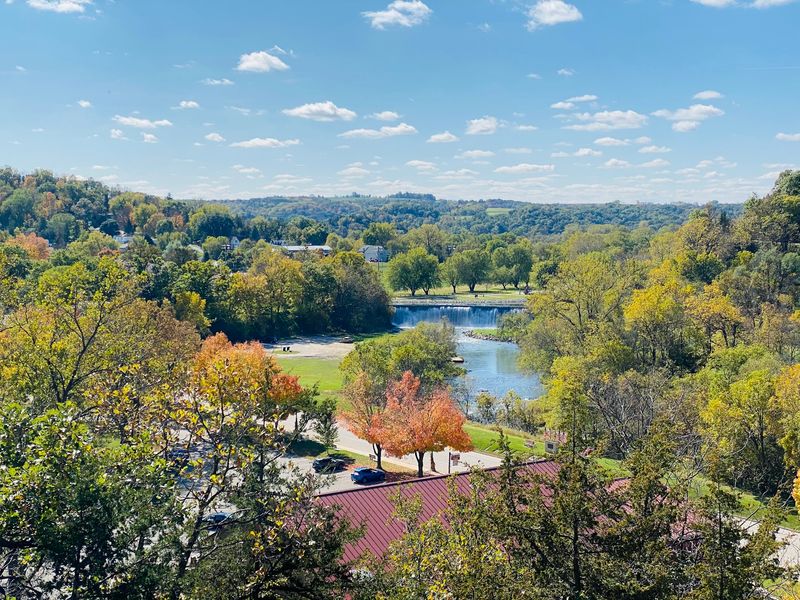
Sylvan Park occupies a central spot in Lanesboro’s layout, sitting right along the river and serving as the kind of public green space that holds a community together. It is the sort of park where locals bring lunch and visitors spread out a blanket after a long bike ride.
The park offers picnic shelters, open lawn areas, and easy river access, all within walking distance of the town’s main street. On summer evenings, it becomes a gathering point where the pace of the day slows down noticeably.
What sets Sylvan Park apart from a generic town square is its relationship with the water. The dam sits just across from the park, and the sound of moving water adds a layer of atmosphere that no amount of landscaping could replicate.
It is the kind of place that makes you stay longer than planned, and most visitors seem perfectly fine with that.
Limestone Bluffs That Reshape the Horizon
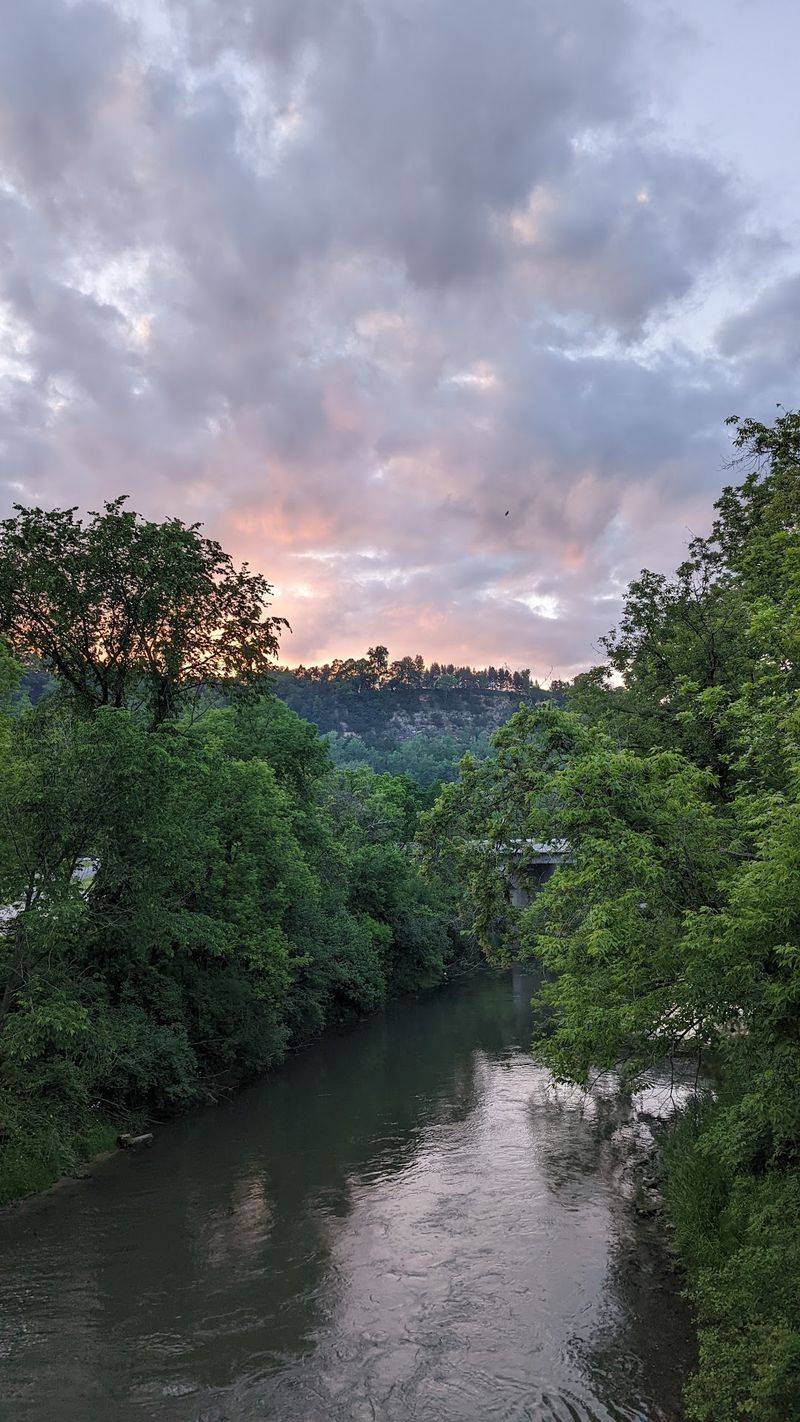
The bluffs around Lanesboro are the first thing that grabs your attention when you drive into the valley, and they hold that attention throughout the visit. These are not gentle rolling hills.
They are steep, forested walls of limestone that rise sharply from the valley floor and change color with every season.
In summer, the bluffs are dense with green. In fall, the same walls turn into a patchwork of orange, red, and gold that draws photographers and leaf-peepers from across the region.
Spring brings a softer green and the occasional waterfall running down the rock faces after snowmelt.
The geological history behind these formations goes back millions of years, with the Root River slowly carving the valley deeper over time. Standing at the base of a bluff and looking straight up gives you a real sense of that scale.
It is one of those views that reminds you how old the land actually is.
Commonweal Theatre and the Town’s Surprising Arts Identity
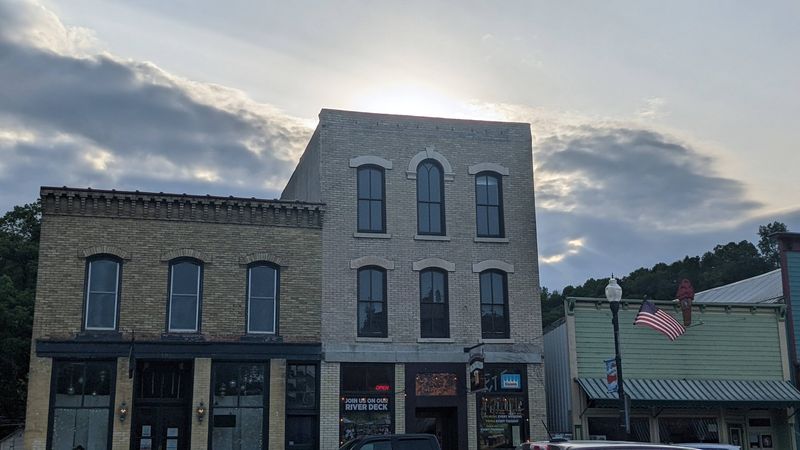
A professional theater company operating year-round in a town of fewer than 800 people is genuinely unusual, and Commonweal Theatre is exactly that. The company has been producing professional-caliber performances in Lanesboro for decades, drawing audiences from across the region who make the drive specifically for the shows.
The repertoire tends toward classic and contemporary plays, and the quality of production consistently surprises first-time visitors who do not expect this level of theater in a rural Minnesota setting. The intimate venue means there is not a bad seat in the house.
Commonweal has become so woven into Lanesboro’s identity that the town is often described as an arts destination, not just a trail town. That combination of outdoor recreation and live professional theater is genuinely rare.
Many visitors plan their trips around the performance schedule, turning a weekend bike ride into a fuller cultural experience.
The Historic Downtown and Its Preserved Architecture
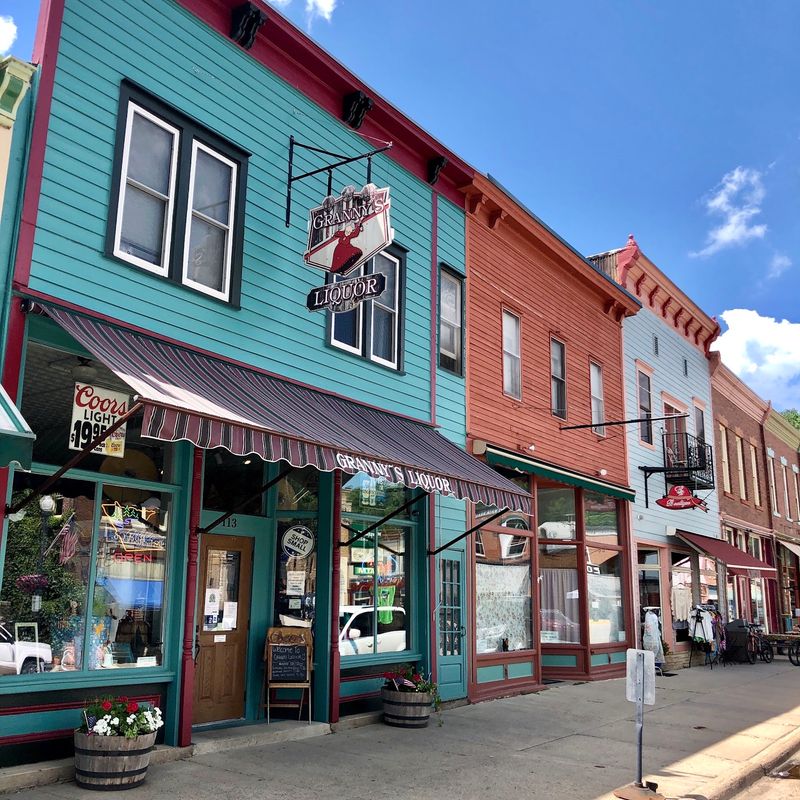
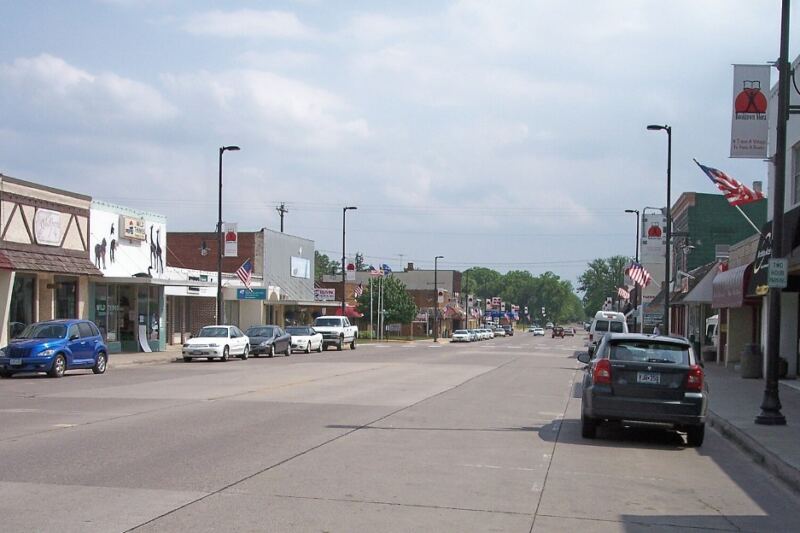
Lanesboro’s downtown has the kind of architectural consistency that is increasingly rare in small American towns. The brick storefronts along the main street date back to the late 1800s, and many of them have been carefully maintained rather than replaced with modern facades.
Walking the main street feels like moving through a preserved snapshot of a prosperous small-town past. The buildings are solid and well-proportioned, with details in the brickwork and window framing that reward a slow walk rather than a quick pass.
The shops and businesses operating inside these historic buildings range from galleries and studios to small restaurants and specialty retailers. The historic exterior and the contemporary interior create an interesting contrast that works surprisingly well.
Lanesboro has managed to keep its downtown alive without stripping away the character that makes it worth visiting in the first place. That balance is harder to achieve than it looks.
Trout Fishing in the Root River Valley
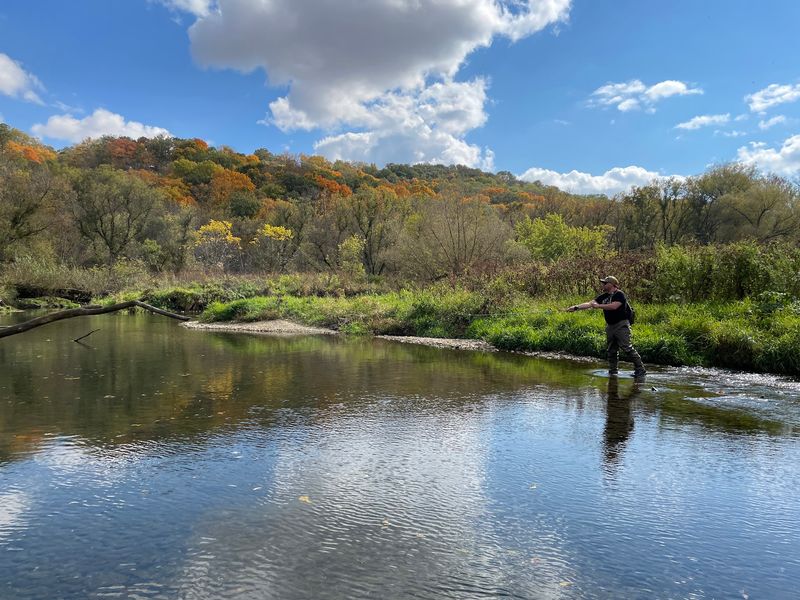
Southeastern Minnesota has a well-earned reputation among trout anglers, and the Root River corridor near Lanesboro is a significant part of that reputation. The cold, clear water of the South Branch supports healthy trout populations, and the stream access points near town make it easy to get on the water quickly.
Fly fishing is especially popular here, and the sight of a wader-clad angler working a riffle near the park is a common one on spring and summer mornings. The combination of accessible water and genuine fish density keeps anglers returning season after season.
What makes fishing near Lanesboro particularly enjoyable is the setting. You are never just staring at water.
The bluffs frame every view, and the valley is quiet enough that you can hear the current clearly. For anglers who care as much about where they fish as what they catch, this stretch of the Root River is worth the trip on its own.
Fall Foliage Season and Why the Valley Turns Extraordinary
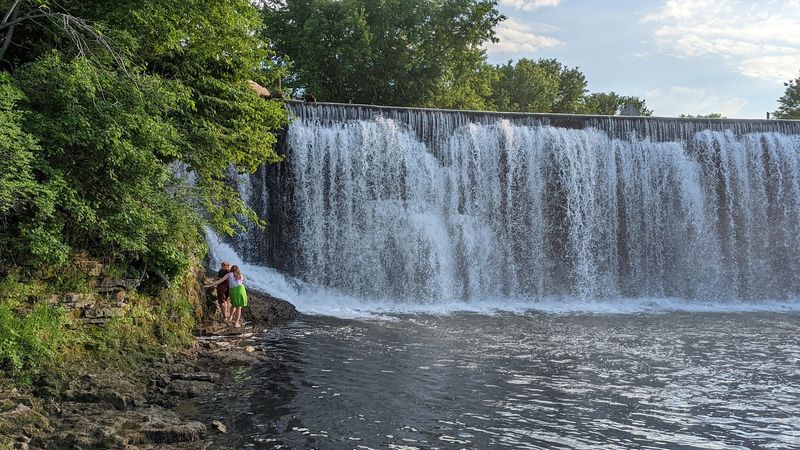
Fall in the Root River valley is not a quiet affair. When the trees on the bluffs turn in October, the effect is amplified by the steep terrain in a way that flat Minnesota landscapes simply cannot match.
The colors come at you from above, from the sides, and from the water’s reflection all at once.
Lanesboro becomes noticeably busier during peak fall weekends, and for good reason. The combination of the trail, the river, and the bluffs creates a viewing corridor that feels almost designed for the season.
Cyclists on the Root River Trail in October are essentially riding through a tunnel of color.
The timing of peak color varies by year, but mid to late October generally delivers the most dramatic display. Visitors who time their trip well are rewarded with scenery that is hard to find in the upper Midwest without traveling much farther.
Lanesboro in fall is genuinely worth planning around.
Bed and Breakfasts and the Town’s Lodging Character
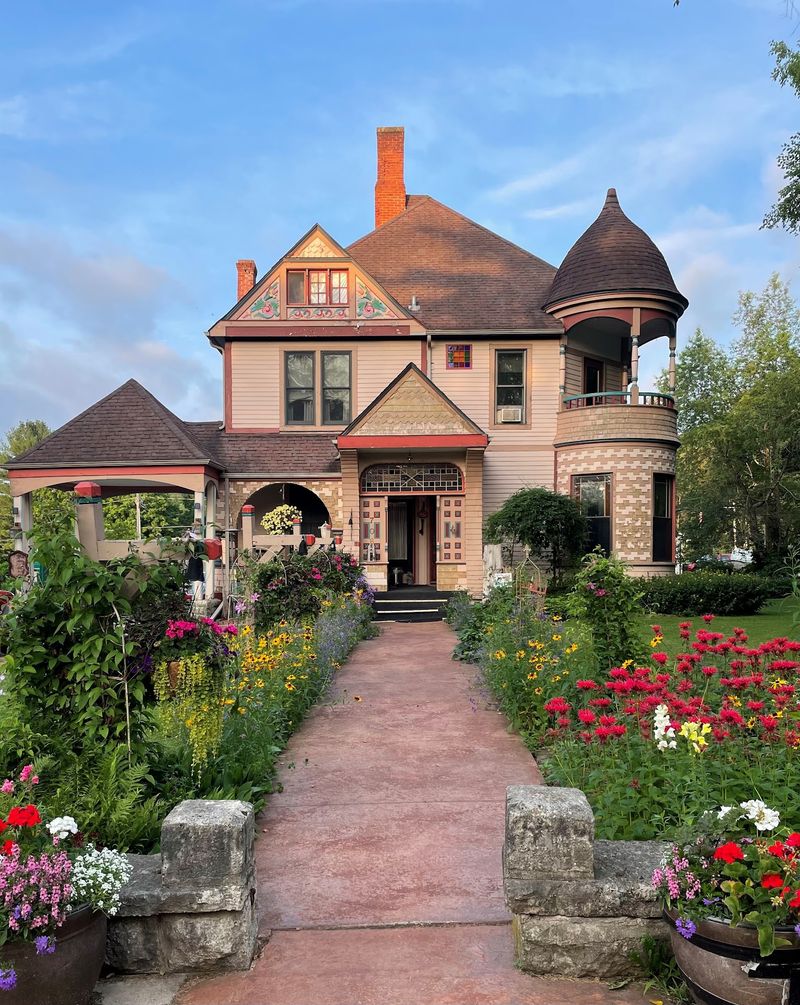
Lanesboro has developed a lodging culture built around bed and breakfasts rather than chain hotels, and that choice shapes the entire visitor experience. Staying in town means waking up in a historic home, often with a porch view of the valley, rather than a parking lot.
The B&Bs in Lanesboro tend to occupy older homes that have been thoughtfully converted, preserving period details while adding modern comfort. It is the kind of accommodation that feels like a destination on its own rather than just a place to sleep.
For visitors used to highway-exit hotel chains, the shift to a small inn in a river valley town takes about five minutes to appreciate fully. Breakfast is often made in-house, the hosts tend to know the area well, and the general pace of a Lanesboro morning is slower and quieter than most travelers are used to.
That slowness turns out to be the point.
Canoeing and Kayaking the Root River
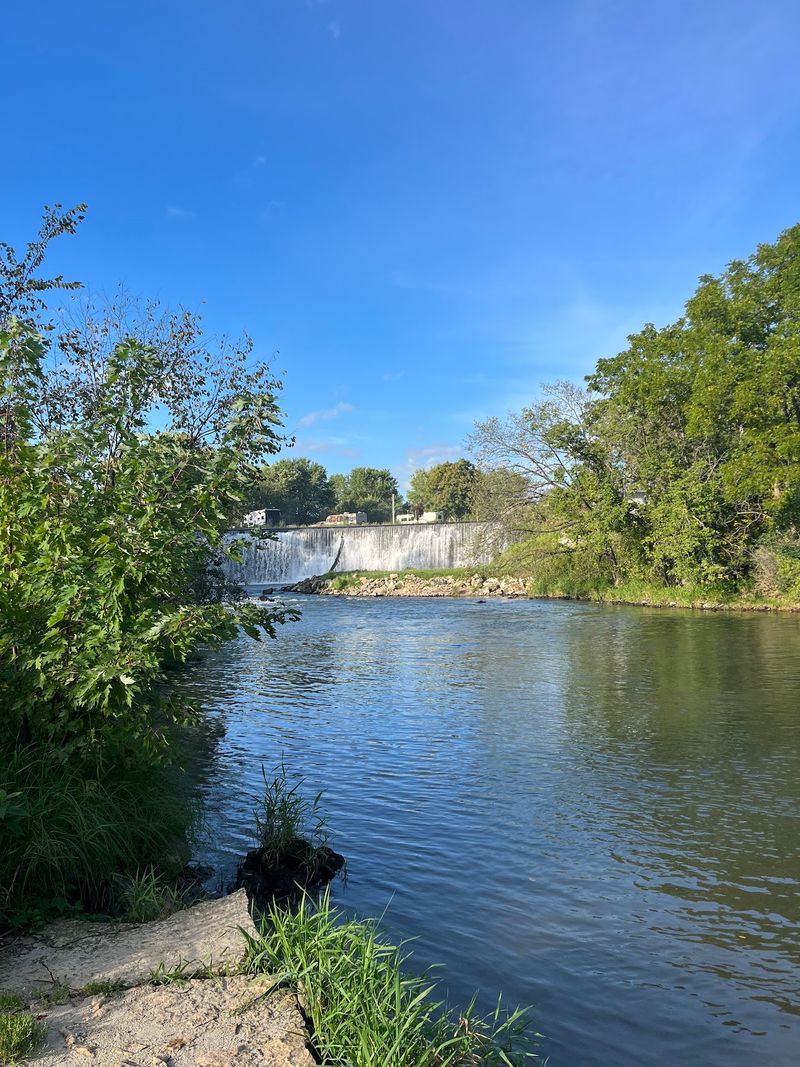
Paddling the Root River near Lanesboro gives you a perspective on the valley that no trail or overlook can replicate. From water level, the bluffs feel even taller, and the wooded banks close in around you in a way that makes the outside world feel very far away.
The South Branch through this stretch is generally calm enough for beginners while still offering enough current to keep the paddle interesting. Canoes and kayaks can be rented locally, and shuttle services make it practical to do a one-way float without needing to double back.
Wildlife sightings along the river are common. Great blue herons are almost a given, and deer frequently appear on the banks in the early morning.
The river corridor acts as a natural wildlife channel through the valley, and time on the water tends to deliver quiet encounters that stick in your memory long after the trip ends.
Local Dining and the Rhythm of a Small-Town Meal

Eating in Lanesboro follows the rhythm of the town itself, which is to say it is unhurried and grounded in local character. The dining options are small in number but consistent in quality, leaning toward comfort food and regional ingredients rather than trend-chasing menus.
After a long ride on the Root River Trail, a sit-down meal in a Lanesboro restaurant hits differently than a fast-food stop on the highway. The portions tend to be generous, the atmosphere is casual, and the conversations around neighboring tables are usually about the trail or the river or how long the drive in was worth it.
The town is small enough that most restaurants know their regulars, and visitors quickly get folded into that warmth. There is nothing performative about dining here.
It is simply good food in a good setting, and on a warm afternoon with the windows open and the sound of the river nearby, that is more than enough.
Hiking Trails Above the Valley Floor
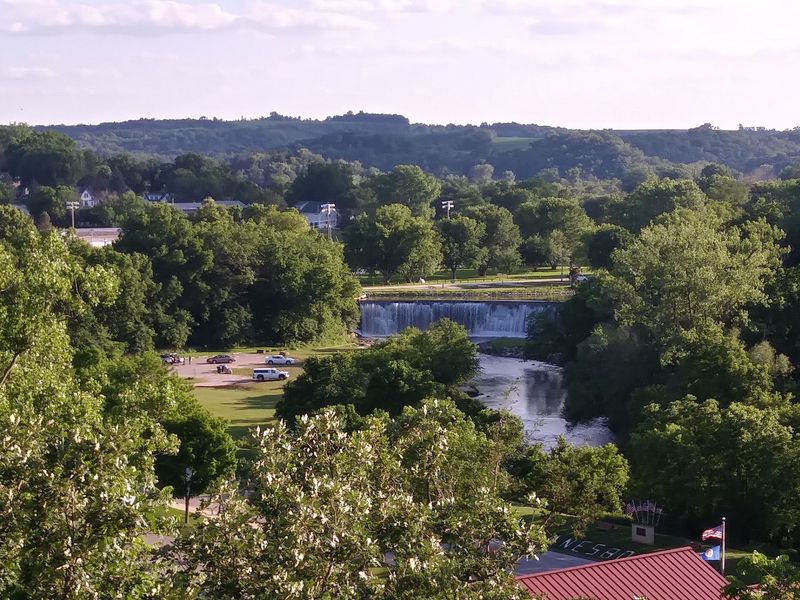
The trails above Lanesboro reward the climb with views that are genuinely hard to come by in Minnesota. Getting up to the bluff tops means trading the valley floor for a broad panorama of the Root River corridor, the farmland beyond, and the patchwork of forest that covers the hillsides in every direction.
The hikes are not always easy. The terrain is steep in places, and the trails can be rooty and uneven, especially after rain.
But that roughness keeps the experience honest and the crowds manageable. These are not groomed resort trails.
They feel like real land.
The payoff at the top is a view that reframes the entire visit. Looking down into the valley where Lanesboro sits, you understand the geography in a way that ground-level exploration cannot fully communicate.
The town looks small from up here, which somehow makes it feel more significant rather than less.
Fillmore County and the Driftless Area Connection
Lanesboro sits within Fillmore County, which is part of the larger Driftless Area, a region of the upper Midwest that was bypassed by glaciers during the last ice age. That geological exception is the reason the landscape here looks so dramatically different from the flat, glacier-smoothed terrain that covers most of Minnesota.
Without glacial smoothing, the land retained its ancient river-carved topography. The result is a region of deep valleys, sharp ridges, and exposed bedrock that gives the Driftless Area a rugged character found nowhere else in the state.
Lanesboro sits squarely in that landscape.
Understanding the Driftless Area context adds a layer to the visit. The bluffs and valleys are not just scenic.
They are the product of a specific geological story that unfolded over millions of years. That backstory makes the landscape feel less like a backdrop and more like a place with genuine depth, literally and otherwise.
Planning Your Visit to Lanesboro
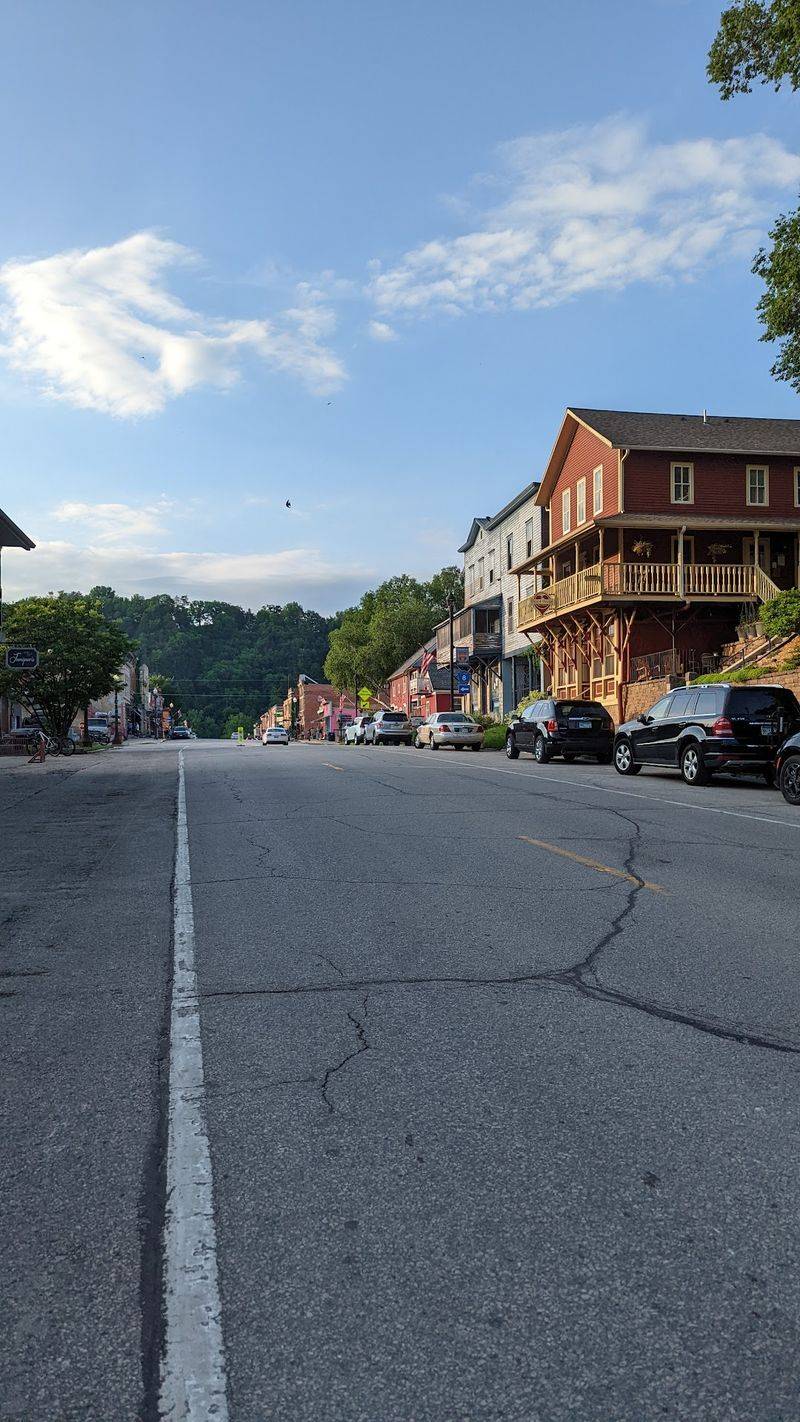
Lanesboro works best as a slow trip rather than a quick stop. A weekend stay gives you enough time to ride a meaningful stretch of the Root River Trail, spend an evening at Commonweal Theatre, get out on the water, and still have a morning left to walk the main street without rushing.
Summer and fall are the most popular seasons, with fall drawing particularly strong interest from visitors chasing the bluff foliage. Spring is quieter and often rewarding, especially for anglers and birders who prefer fewer crowds and cooler temperatures along the river.
Lanesboro is roughly two and a half hours southeast of the Twin Cities, making it a practical weekend drive rather than a major expedition. The surrounding Fillmore County area has additional small towns and natural areas worth exploring if you have extra days.
Once the valley gets its hooks in you, one visit rarely feels like enough.
Share this story