Europe is famous for its history, food, and beautiful cities. Yet some neighborhoods have struggled with crime, drug trafficking, and gang activity for years.
Knowing which areas have faced these problems helps travelers plan smarter and helps readers understand the challenges many communities face. Here is a look at twelve neighborhoods, along with the steps local leaders and residents have taken to improve them.
1. La Castellane, Marseille, France
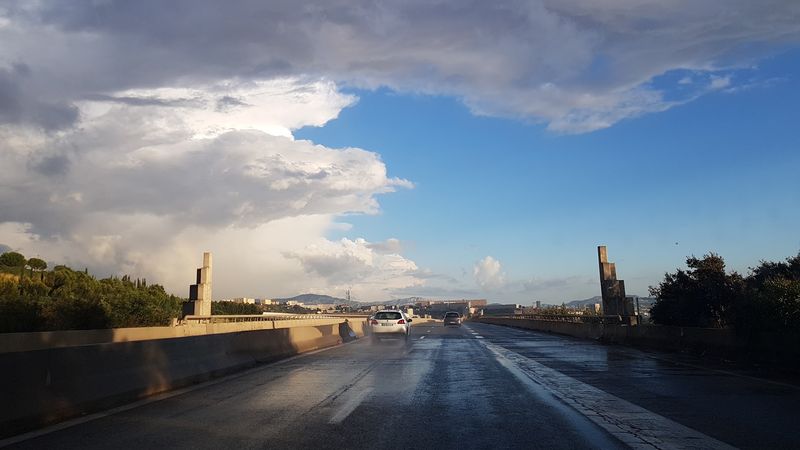
Perched on a hill in northern Marseille, La Castellane looks quiet from a distance. Rows of apartment blocks overlook the sea, and many families have lived here for generations.
Over the years, the area has become linked with drug trafficking and organized crime. Reports of shootings and street-level dealing have drawn attention from police and national news outlets.
Most residents have nothing to do with these activities. They simply want safe streets, good schools, and steady jobs.
Community groups and local programs have tried to offer young people alternatives through sports, tutoring, and job training.
Visitors to Marseille usually stay in the Old Port, the Panier district, or the beaches, which are far more tourist friendly. If you plan a trip, check local news and ask your hotel staff which areas are best avoided, especially after dark.
2. Scampia, Naples, Italy
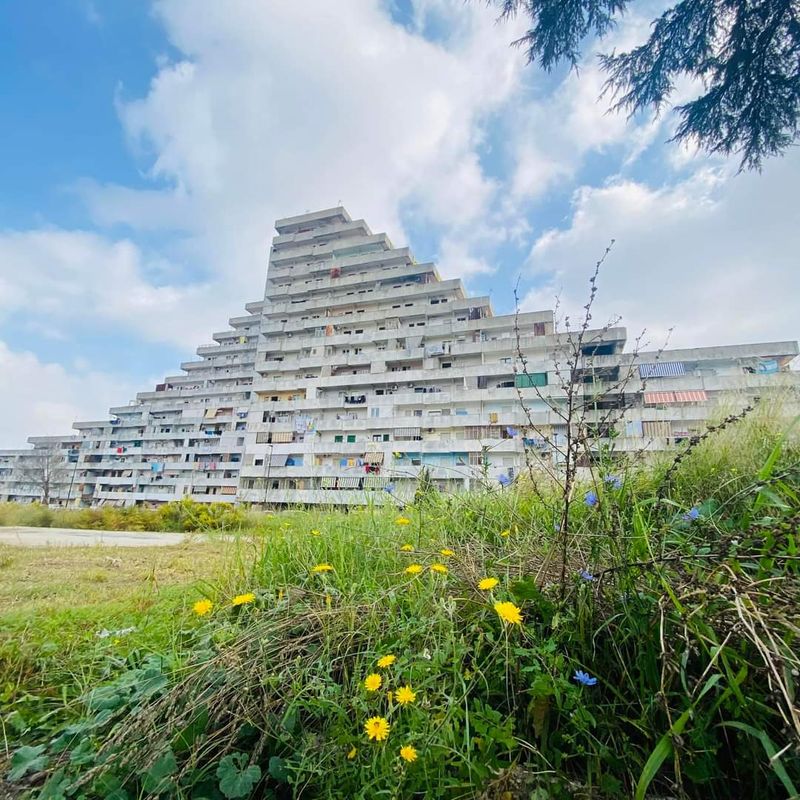
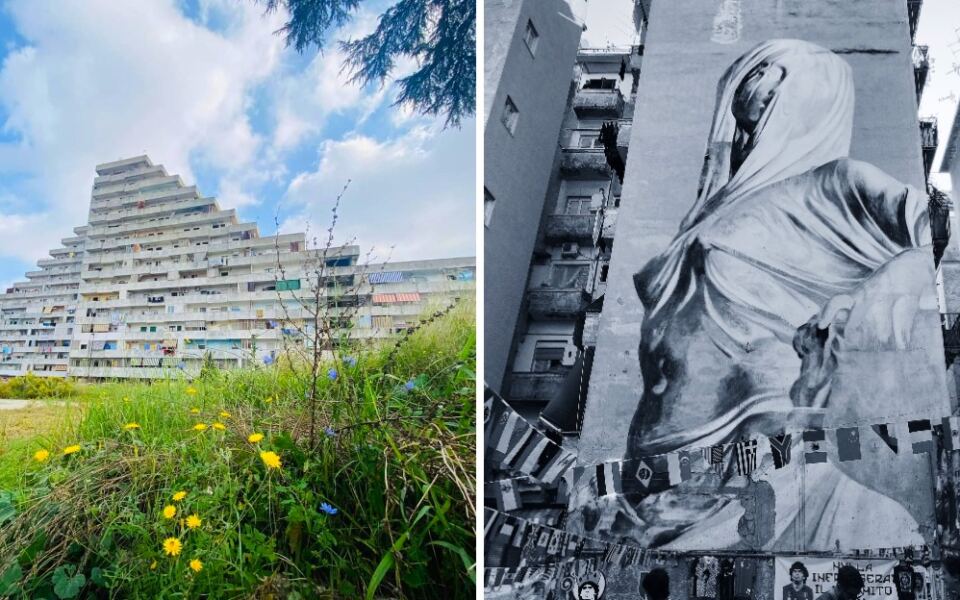
Few buildings in Europe are as recognizable as the Vele di Scampia, the huge sail-shaped apartment blocks on the edge of Naples. They were built in the 1960s and 1970s as a bold plan for modern living.
Sadly, the area later became tied to the Camorra, a powerful crime network that ran drug markets there for decades. Books and television shows have made the neighborhood known around the world.
Things have been changing, though. Several of the old towers have been torn down, and new housing, parks, and community centers have opened.
Local groups run theater, music, and sports programs for young people.
Scampia shows that a place with a hard reputation can still work toward a better future. Travelers are usually better off visiting central Naples, but the neighborhood’s story is a useful lesson in urban renewal.
3. Molenbeek-Saint-Jean, Brussels, Belgium
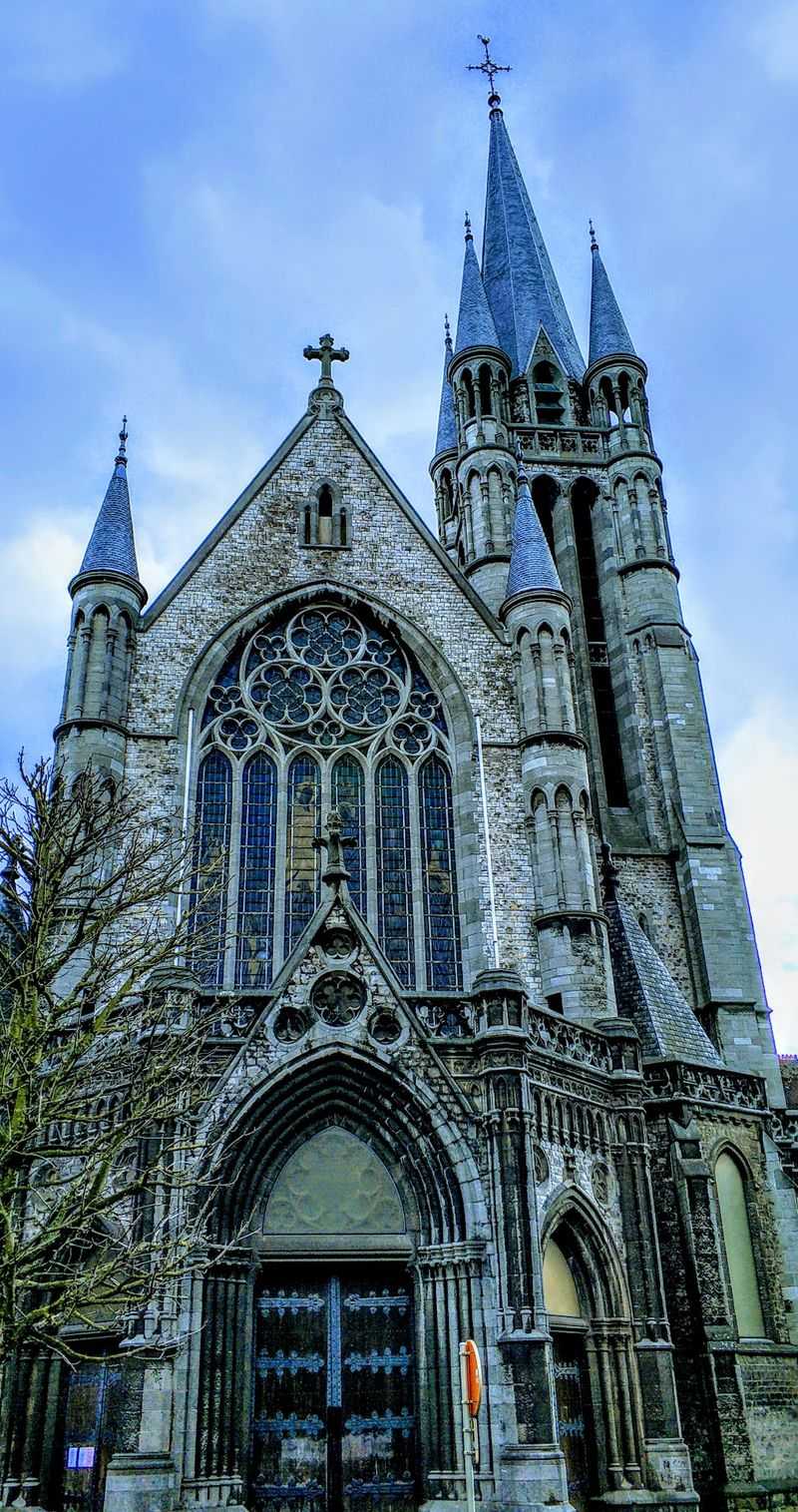
Just across the canal from central Brussels sits Molenbeek, a busy district full of bakeries, markets, and brick row houses. It once powered Belgium’s industry, and many families from Morocco and other countries settled here.
In recent years, parts of the area have seen drug-related violence and shootings, which have put the neighborhood in the headlines. Officials have responded with more police patrols and new social programs.
Residents often say the neighborhood is judged unfairly. Many local artists, shop owners, and volunteers work hard to show a more complete picture of daily life.
If you visit Brussels, stick to well-lit, busy streets at night and keep valuables out of sight. As in any large city, a little awareness goes a long way, and most trips pass without trouble.
4. Anderlecht, Brussels, Belgium
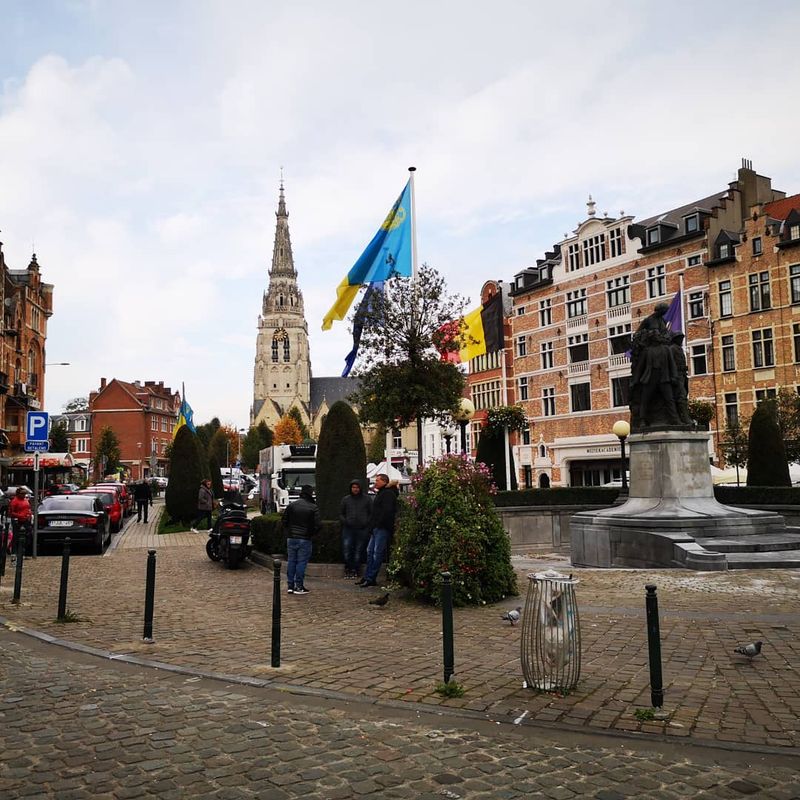
Home to a famous football club and a lively market, Anderlecht has plenty of character. Thousands of people shop, eat, and work here every week.
Yet certain areas, especially near some metro stations and housing estates, have dealt with serious drug-related gun violence. Brussels authorities have talked openly about the problem and have added police resources and community outreach.
The situation is not the same on every street. Some parts of the district feel calm and family friendly, while a few hot spots draw most of the concern.
Local leaders are trying to tackle the roots of the problem, including youth unemployment and school dropout rates. For visitors, a good rule is to plan routes ahead of time, travel in groups after dark, and follow updates from city officials about any areas under extra watch.
5. El Raval, Barcelona, Spain
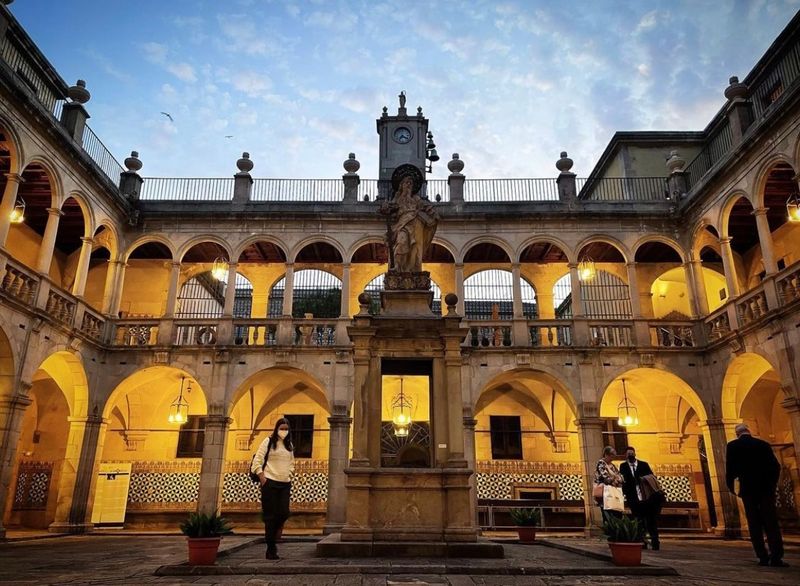
Step off La Rambla and you will find yourself in El Raval, a maze of narrow streets packed with art galleries, record shops, and tiny cafes. It is one of the most diverse parts of Barcelona.
It is also an area where theft, robbery, and street drug dealing have been regularly reported. Pickpockets often target tourists, especially near busy squares and late at night.
Many visitors enjoy the neighborhood without any problems. Simple habits help a lot, such as keeping your phone in a front pocket, wearing your bag across your body, and skipping dark side streets.
The city has invested in new public spaces, cultural centers, and extra patrols. Today El Raval blends old and new, offering a real slice of Barcelona life for those who stay alert.
6. La Mina, Sant Adrià de Besòs, Spain
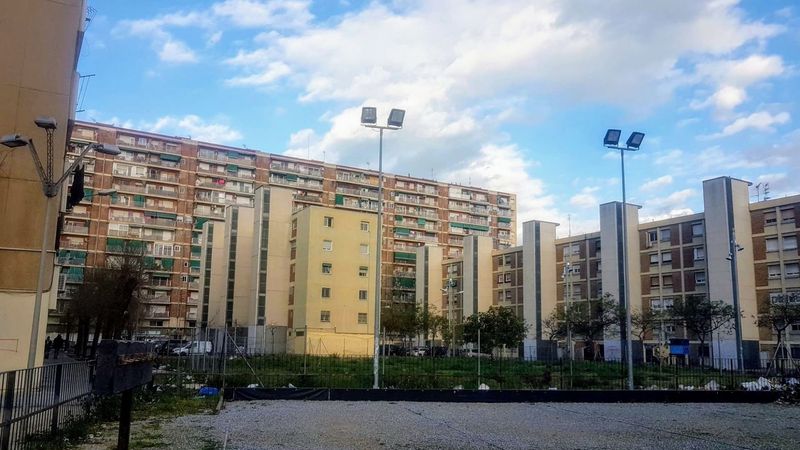
Not far from Barcelona’s seaside, La Mina grew in the 1970s as a place to house families from crowded shantytowns. Large concrete blocks rose quickly, but jobs and services did not always follow.
Over time, the neighborhood struggled with drug trafficking and wider public-safety problems. Poverty and limited opportunities made things harder for many households.
Since then, officials have launched long-term plans to improve the area. New streets, a modern rambla, community buildings, and education programs have changed the look of the neighborhood.
Change has been slow, and challenges remain, but many residents are proud of the progress. The area is not a typical tourist stop, so most visitors will never need to go there.
Still, its story shows how steady investment in people and places can make a difference over many years.
7. Sant Roc, Badalona, Spain
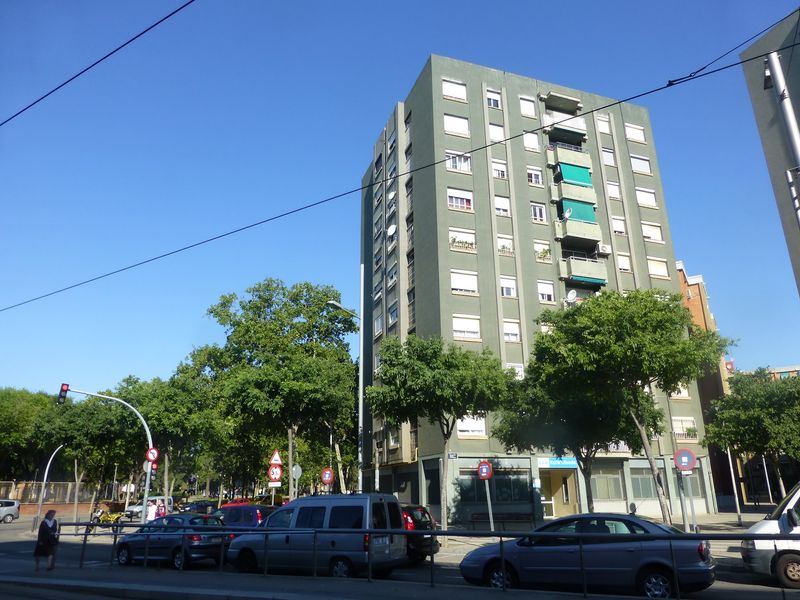
Badalona sits right next to Barcelona, and within it lies Sant Roc, a densely built neighborhood of tall apartment blocks. Many families here have modest incomes and close ties to one another.
The area has experienced crime and social challenges, including drug-related activity and tensions between neighbors. Local news has covered police operations and community meetings aimed at calming the situation.
Plenty of residents work together to make things better. Neighborhood associations, schools, and social workers offer help with jobs, language classes, and youth activities.
For travelers, Badalona’s beaches and seafront promenade are the main attractions, and they are generally pleasant. Anyone curious about city life beyond the postcards can learn a lot by reading about how places like Sant Roc try to balance safety, housing, and opportunity.
8. Rinkeby, Stockholm, Sweden
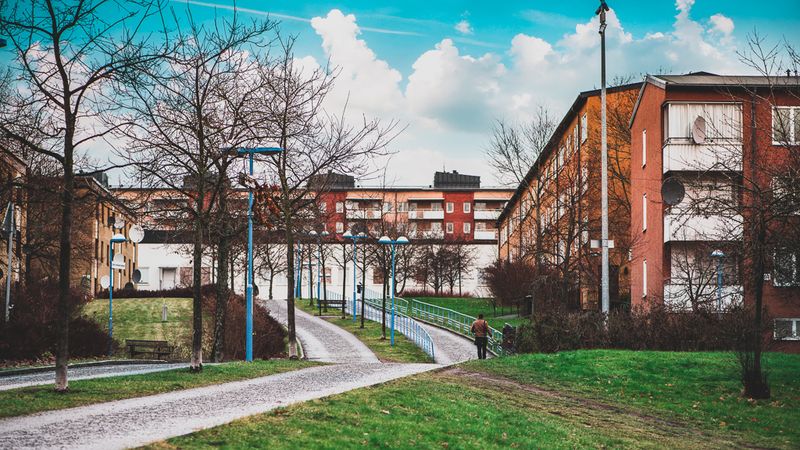
Swedish politicians have debated Rinkeby’s future for years. This suburb northwest of central Stockholm is home to people from dozens of countries, and you can hear many languages on its streets.
Gang-related violence and shootings have hit the area, drawing national attention. Police have set up extra patrols and investigations, and at times have labeled the area as vulnerable.
Behind the headlines, there are teachers, shop owners, and youth workers trying to build trust. Sports clubs and neighborhood groups offer safe places for teens to spend time.
Sweden has also invested in schools, housing upgrades, and job programs for the area. Progress takes patience, but many locals believe that consistent support can lead to lasting change.
Tourists rarely visit Rinkeby, as Stockholm’s main sights are located elsewhere.
9. Tensta, Stockholm, Sweden
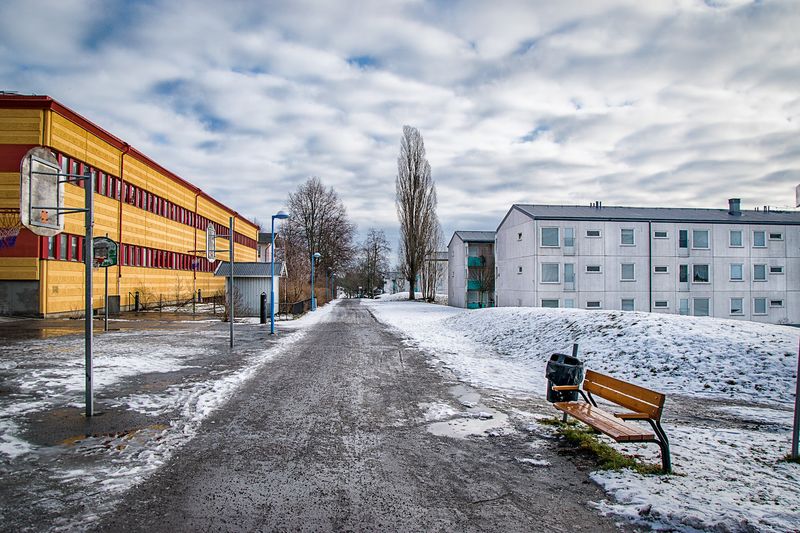
Art lovers may know Tensta for its respected contemporary art center, Tensta Konsthall. Yet the suburb is better known in the news for security worries.
Organized crime and gang-related problems have affected parts of Tensta, leading to police actions and public debates about how to protect residents. Many people who live there say a small group causes most of the trouble.
Like other suburbs built in the 1960s and 1970s, Tensta faces issues such as unemployment and crowded schools. Community leaders push for better services, language support, and stronger links to the rest of Stockholm.
Local festivals, cooking events, and youth projects show the lively side of the neighborhood. Anyone wanting to understand modern Sweden should know that it is a place of both challenges and creativity, with many hardworking families.
10. Rosengård, Malmö, Sweden
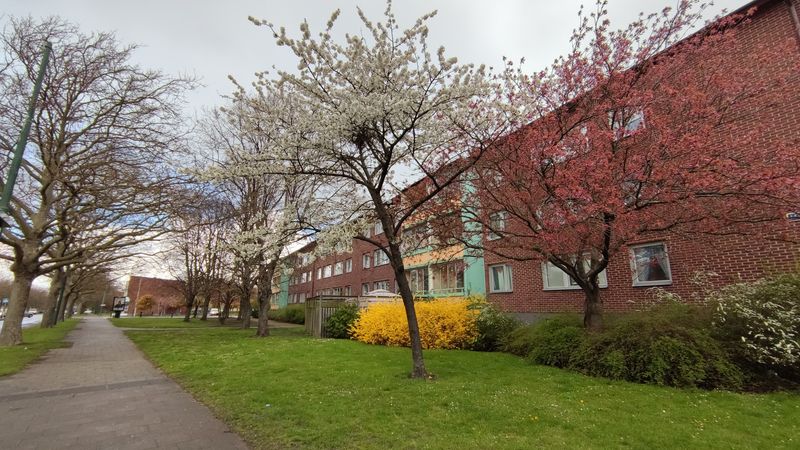
Football fans might know Rosengård as the childhood home of Zlatan Ibrahimović. The district in Malmö has produced sports stars, musicians, and entrepreneurs.
It has also been tied to gang violence in past years, which cast a shadow over daily life. Police and city officials have worked to cut crime while listening to residents’ concerns.
Community development is a big part of the story. Projects have brought new housing, greener courtyards, schools, and cultural venues.
Local groups run mentoring programs and youth clubs that give teens something positive to aim for.
Malmö as a whole is a popular city with an old town, parks, and a lively waterfront. Most visitors never feel unsafe, but it is wise to follow local advice and check news updates, as with any big city.
11. Saint-Denis, Near Paris, France
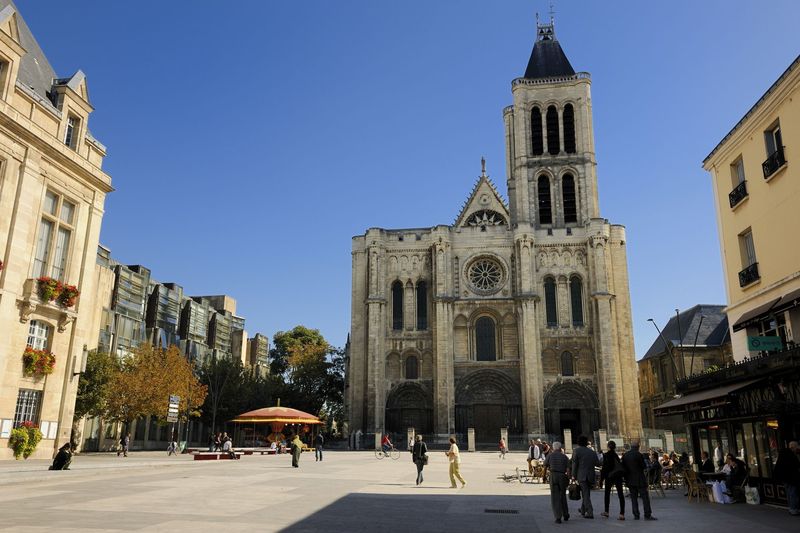
Kings of France were buried in Saint-Denis, and its grand basilica still draws history fans. Just north of Paris, the town is also home to the Stade de France and a lively, multicultural population.
Some areas have faced drug trafficking and concerns about violent crime. Authorities have stepped up policing and invested in public spaces, especially as the area prepared for major sporting events.
Travelers often pass through on their way to concerts or matches. Staying on main routes, watching your belongings, and leaving the area before late night are sensible habits.
The town is also changing fast, with new housing, transport lines, and business districts. Many residents are proud of their city’s history and energy.
Looking at both the sights and the safety questions gives a fuller picture of life around Paris.
12. Quartieri Spagnoli, Naples, Italy
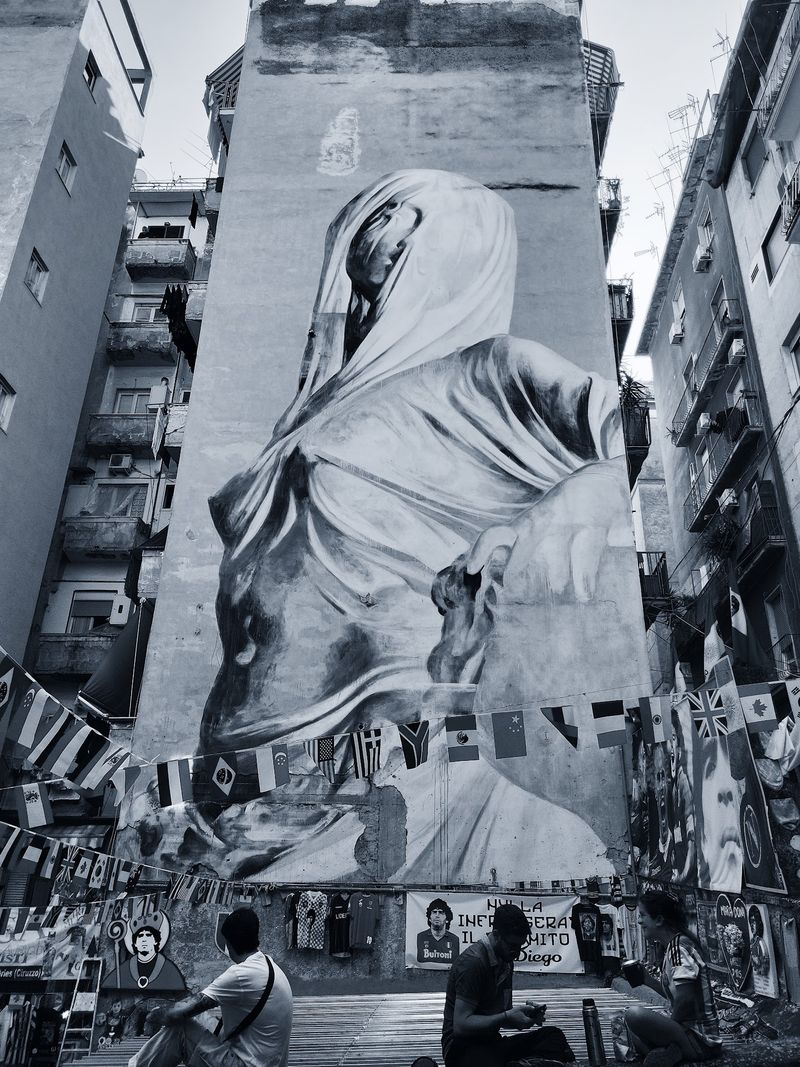
Walk into the Quartieri Spagnoli and you will smell fresh pizza, hear scooters buzzing, and spot laundry swaying above tight alleys. Giant murals, including one of football legend Diego Maradona, brighten the walls.
The district was built in the 1500s for Spanish soldiers, and it later became associated with organized crime. That reputation lingers, even though the area is now a popular tourist stop.
Petty theft and scooter snatching can happen, so keep your phone and bag close. Daytime visits are usually easier, and guided walks can offer helpful local insight.
Many families here run small shops, trattorias, and workshops, and they welcome respectful guests. With a little care, visitors can enjoy street food, lively shrines, and some of the most authentic scenes in Naples.
Share this story