New Mexico is one of those states that keeps surprising you the more you explore it. From ancient pueblos and Spanish colonial plazas to Route 66 neon and world-class art galleries, the Land of Enchantment packs centuries of culture into its high-desert landscape.
Whether you are planning a road trip or just looking for your next weekend getaway, this list covers towns that offer real history, genuine creative energy, and scenery that is hard to forget. Each stop has its own personality, its own story, and its own reasons to visit.
Santa Fe
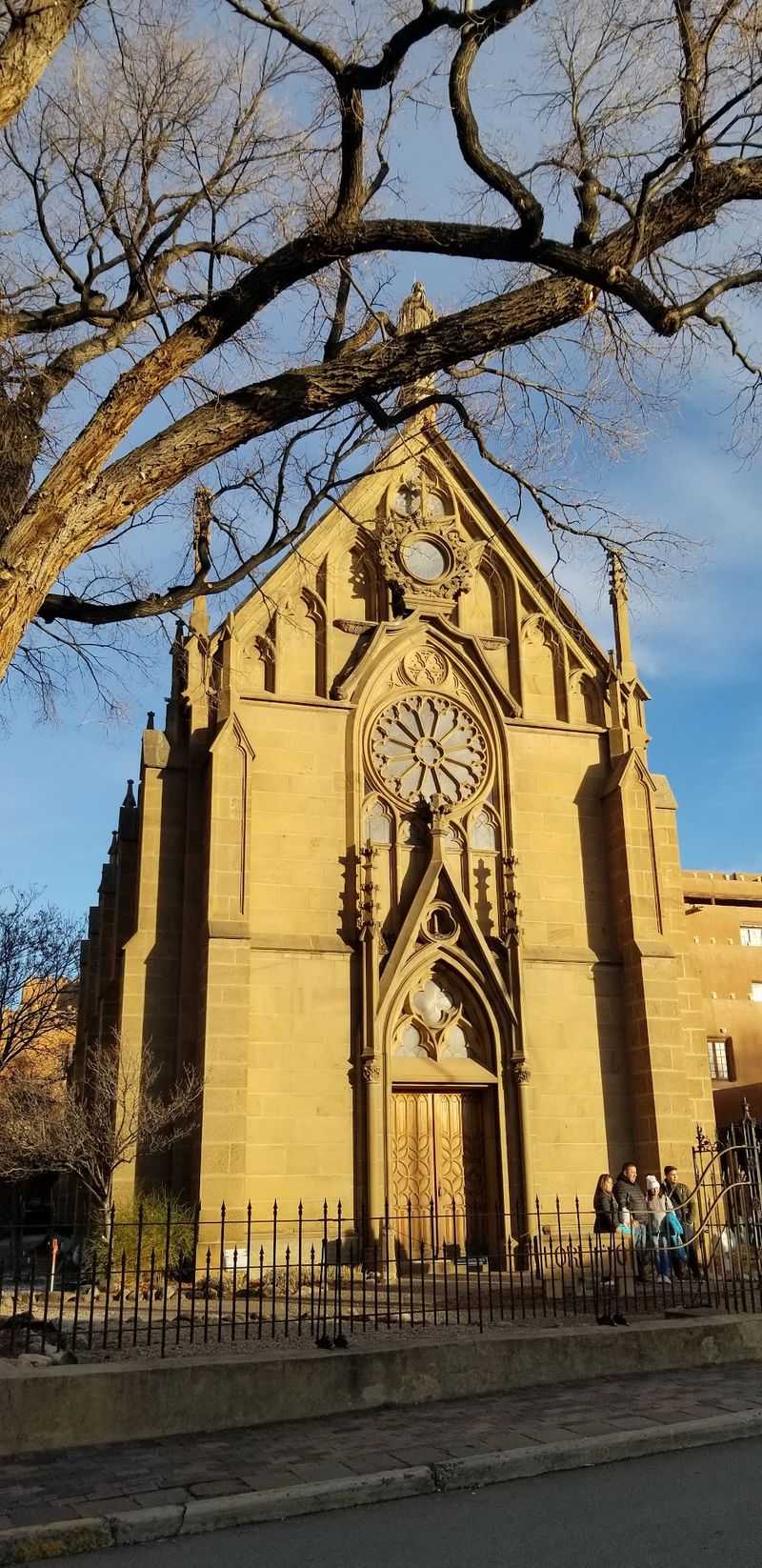
Few state capitals feel as walkable and historically layered as Santa Fe. The city sits at over 7,000 feet elevation, and its low adobe skyline, shaped by centuries of Pueblo, Spanish, and American history, makes it unlike any other capital in the country.
More than 250 galleries and a dozen museums give Santa Fe serious credentials as an art destination. Canyon Road is the most concentrated stretch, with galleries showing paintings, sculpture, pottery, photography, and contemporary Southwestern work.
The Georgia O’Keeffe Museum, the Museum of International Folk Art, and the Museum of Indian Arts and Culture each offer a completely different perspective.
The Sangre de Cristo Mountains rise just east of town, and the Jemez Mountains frame the horizon to the west. That combination of deep cultural roots, active creative life, and dramatic high-desert scenery makes Santa Fe the kind of place that rewards multiple visits rather than a single afternoon.
Taos
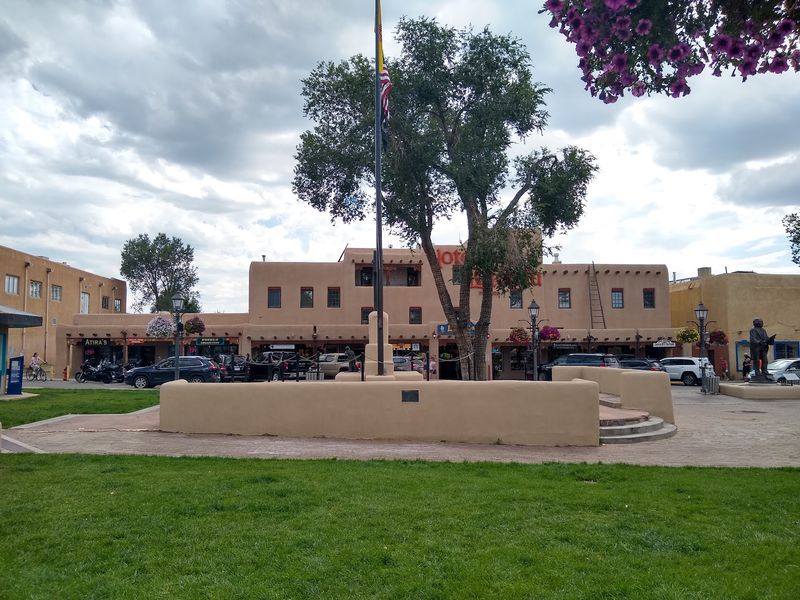
Taos Pueblo alone would make this town worth the trip. The multistory adobe complex has been continuously inhabited for more than 1,000 years, earning recognition as both a UNESCO World Heritage Site and a National Historic Landmark.
Visitors are welcome during open hours, but Pueblo rules, ceremony closures, and photography restrictions should always be respected.
Back in the center of town, the arts scene built by the Taos Society of Artists still shapes the character of the place. The Harwood Museum of Art, the Taos Art Museum at Fechin House, and galleries along Kit Carson Road show why generations of painters and sculptors made this their home.
The surrounding landscape adds another layer to the experience. Sagebrush plains stretch toward the Sangre de Cristo Mountains, and the Rio Grande Gorge cuts dramatically through the plateau just west of town.
Taos rewards visitors who take time to look beyond the plaza.
Abiquiu
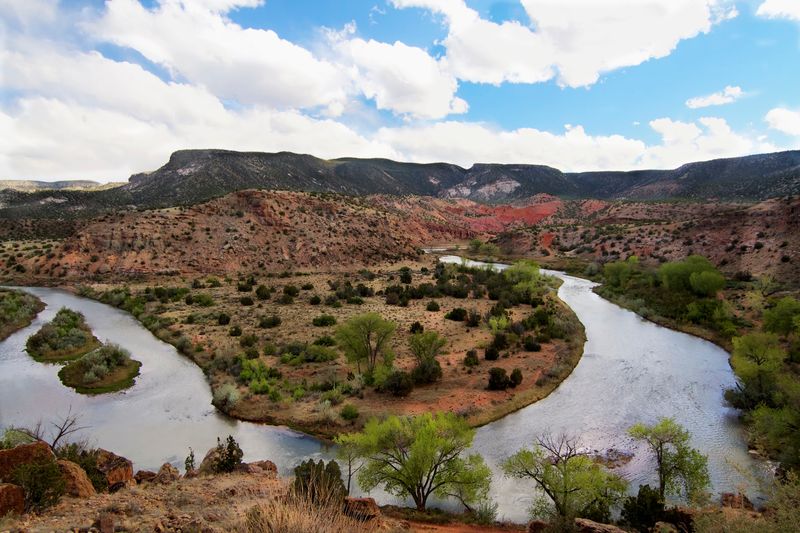
The landscape around Abiquiu looks like a painting because it essentially became one. Georgia O’Keeffe spent decades here, and the pale cliffs, rust-colored mesas, and wide desert skies that appear in her work are still very much present in the real world around the village.
O’Keeffe’s Abiquiú Home and Studio is preserved by the Georgia O’Keeffe Museum and available through advance-booked tours that begin at the museum’s Abiquiqu Welcome Center. Nearby Ghost Ranch operates as an education and retreat center with activities, accommodations, and access to the same dramatic terrain that appeared repeatedly in her paintings.
Abiquiu is not a town built around a checklist of attractions. The real draw is the quality of the light, the silence, and the way the landscape changes across the day.
Travelers who slow down and pay attention to the surroundings tend to leave with a much better understanding of why O’Keeffe never wanted to be anywhere else.
Chimayo
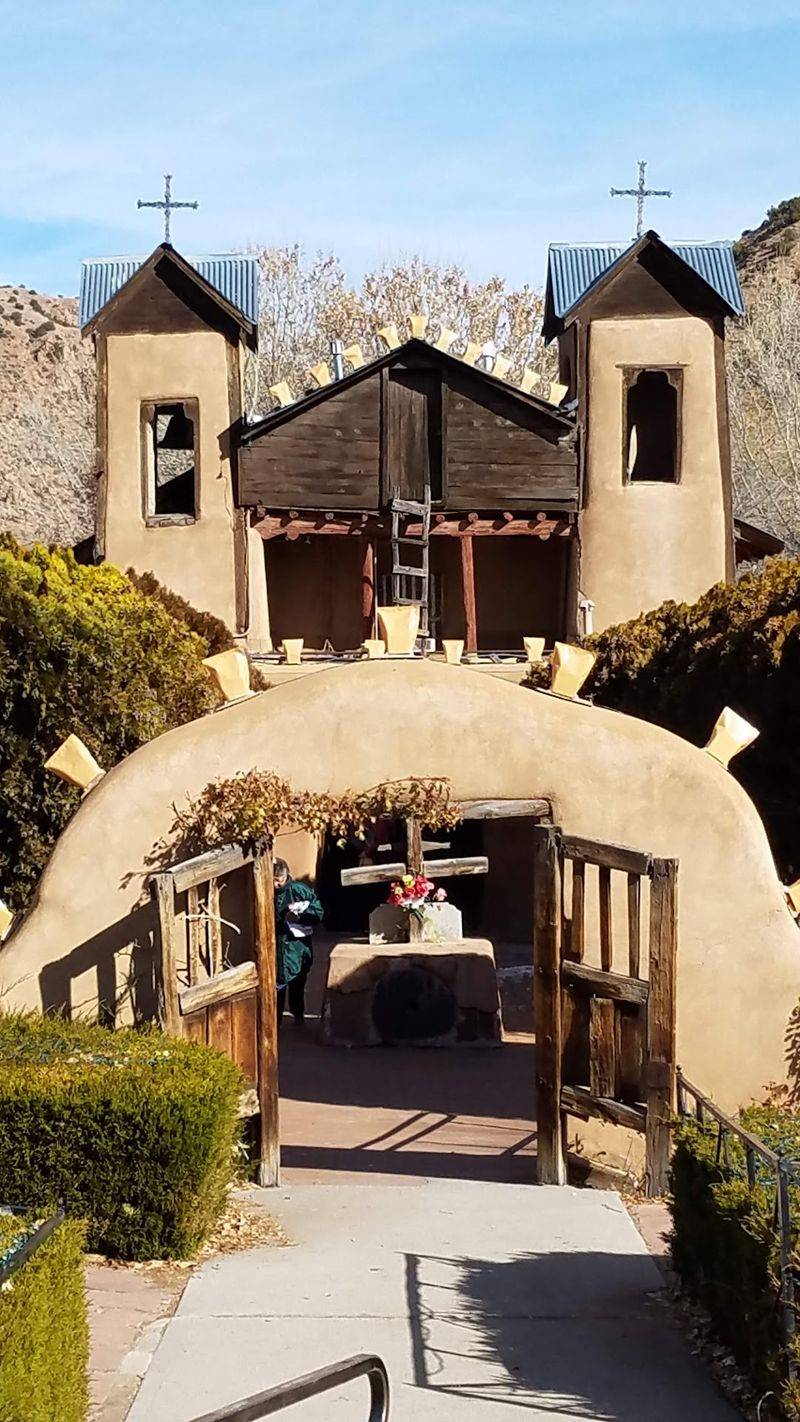
Chimayo is one of those northern New Mexico communities where faith, craft, and family history are so deeply woven together that separating them feels impossible. The village has been shaped by generations of weavers, farmers, woodcarvers, and religious folk artists who passed their skills from parent to child.
El Santuario de Chimayo is the most recognized landmark. The early 19th-century adobe shrine has long served as a place of pilgrimage and thanksgiving, drawing visitors from across the country.
It remains an active religious site, and the atmosphere inside reflects that ongoing spiritual use rather than a museum setting.
Beyond the sanctuary, local studios and family-run shops give visitors a chance to see Chimayo-style weaving as a living practice. The textiles produced here follow patterns and techniques handed down through specific weaving families.
The surrounding valley, backed by the foothills of the Sangre de Cristo Mountains, gives the whole experience a quiet, grounded quality that is genuinely hard to replicate elsewhere.
Madrid
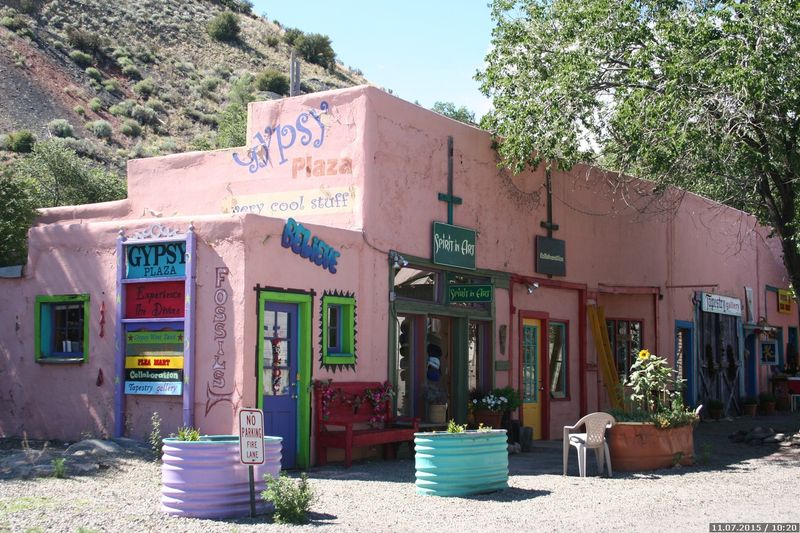
Madrid started as a coal-mining settlement and spent decades nearly empty before artists and independent business owners gradually brought it back to life. Today the main road along the Turquoise Trail National Scenic Byway is lined with colorful galleries, studios, shops, and restaurants that occupy buildings still marked by their industrial past.
The town sometimes gets labeled a ghost town, but that description misses the point. Madrid has working businesses, resident artists, and a creative energy that makes a slow walk down the main street genuinely interesting.
Old mining structures and weathered storefronts stand against open desert hills, and the contrast between history and creative reuse gives the place a character all its own.
Madrid also benefits from its location. Sitting between Albuquerque and Santa Fe along the Turquoise Trail, it makes a natural and rewarding stop on any drive between the two cities.
The scenery around town, high-desert hills under wide skies, adds to the appeal without requiring any extra effort.
Las Vegas, New Mexico
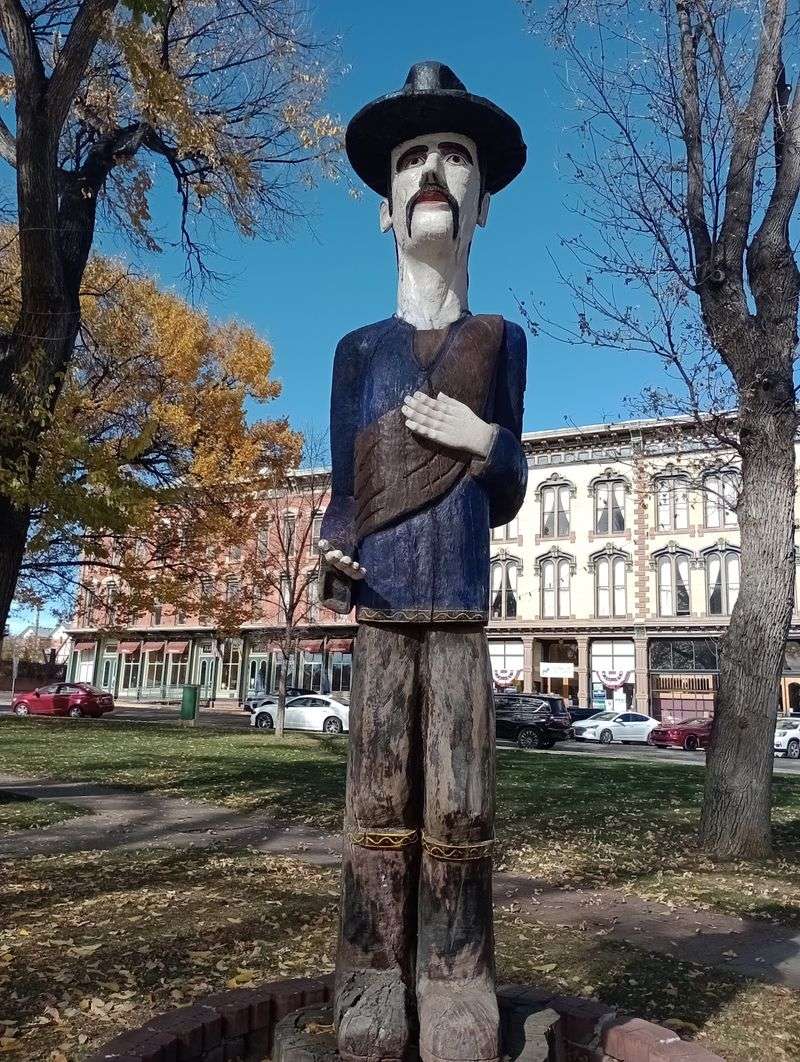
Las Vegas, New Mexico, is one of the most architecturally rich small cities in the entire Southwest, and it remains genuinely undervisited. With more than 900 buildings listed on the National Register of Historic Places, the community contains a rare mix of Spanish colonial adobes, Victorian homes, railroad-era commercial blocks, and California Mission-style structures all within walking distance of each other.
The Old Town Plaza anchors the historic center, and the surrounding neighborhoods reveal how the community grew through several distinct eras, from its original Spanish settlement to the arrival of the Santa Fe Railway to the boom years of late 19th-century commerce.
Las Vegas also has an active arts and cultural presence. Public murals, independent galleries, and restored theaters give the historic streetscapes a contemporary layer of creativity.
Outside town, open grasslands, mountain views, and nearby lakes reveal a greener, quieter side of New Mexico that many visitors never expect to find here.
Silver City
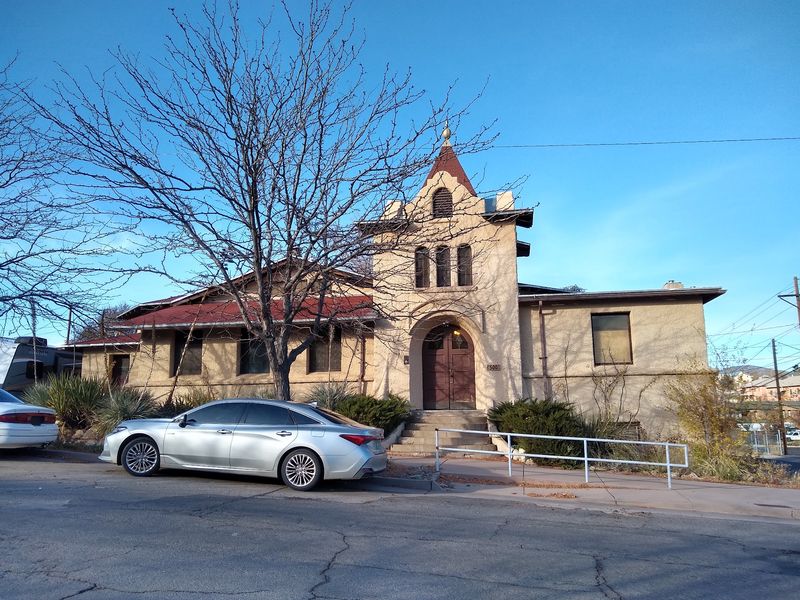
Silver City’s downtown has the kind of energy that comes from a community that genuinely believes in its own creative identity. Galleries, studios, ceramics shops, and restored entertainment venues line streets that also carry real Old West history, including connections to Billy the Kid’s early years in the area.
The Silver City Museum occupies a historic Victorian home and presents the history and culture of Silver City and Grant County. Admission was free when checked, which makes it an easy stop for travelers who want context before exploring the rest of downtown.
Local festivals and cultural events bring the community together throughout the year.
What sets Silver City apart from New Mexico’s northern art towns is its access to genuinely wild country. The Gila region, with its forested mountains, desert valleys, and archaeological sites, begins just outside town.
That combination of a walkable creative downtown and immediate access to remote wilderness gives Silver City a dual character that is difficult to find anywhere else in the state.
Mesilla
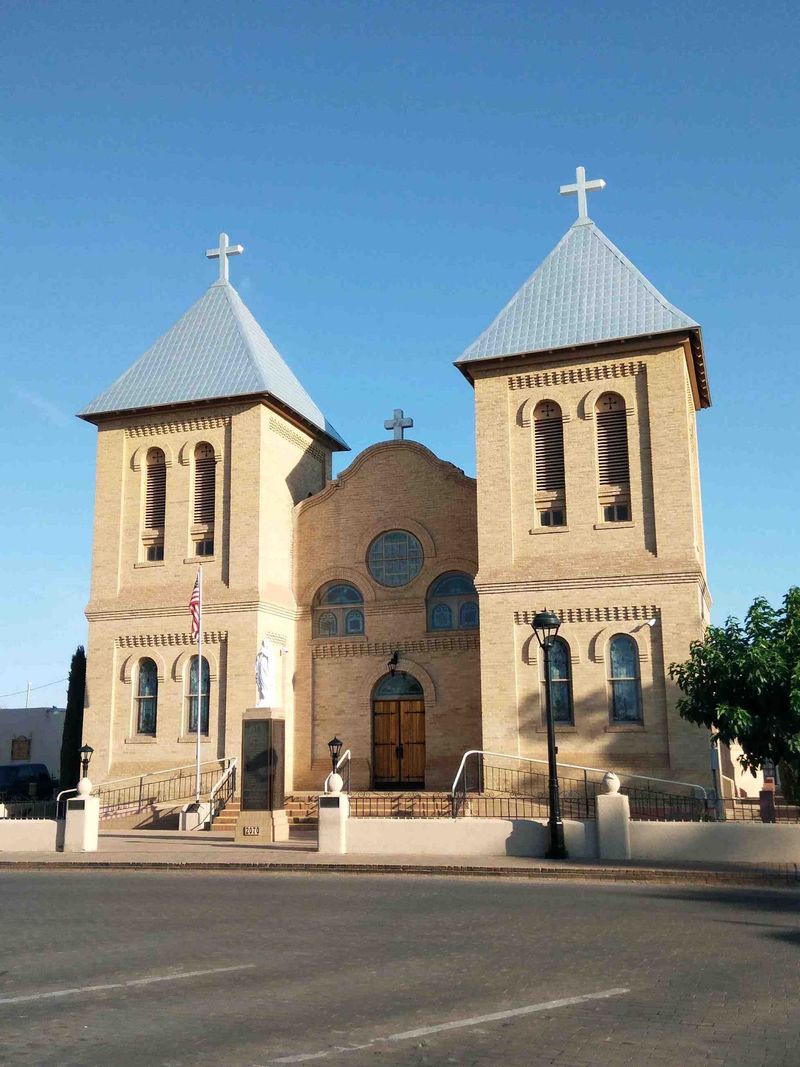
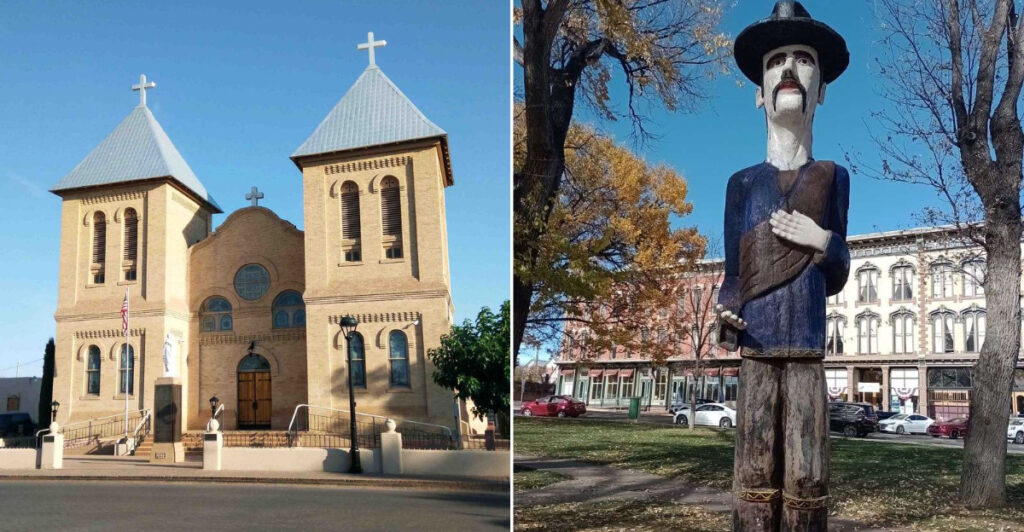
The plaza at the heart of Mesilla is one of the most atmospheric public spaces in New Mexico. Adobe buildings, shaded walkways, small shops, and the twin towers of the Basilica of San Albino surround a central square that has been in continuous use since the mid-19th century.
The Mesilla Historic District preserves structures connected to a remarkable period in regional history, roughly 1849 to 1885, when the town sat at the center of shifting borders, overland trade routes, agricultural life, and stories tied to Billy the Kid. Walking the plaza and nearby streets gives visitors a real sense of that layered past.
Regional art, handmade goods, and local restaurants are easy to find around the plaza, and historical walking tours are available for those who want guided context. A practical note for visitors: the Taylor-Mesilla Historic Site has been under development and is not yet fully open to the public.
The plaza, church, and established shops remain the reliable core of any visit here.
Gallup
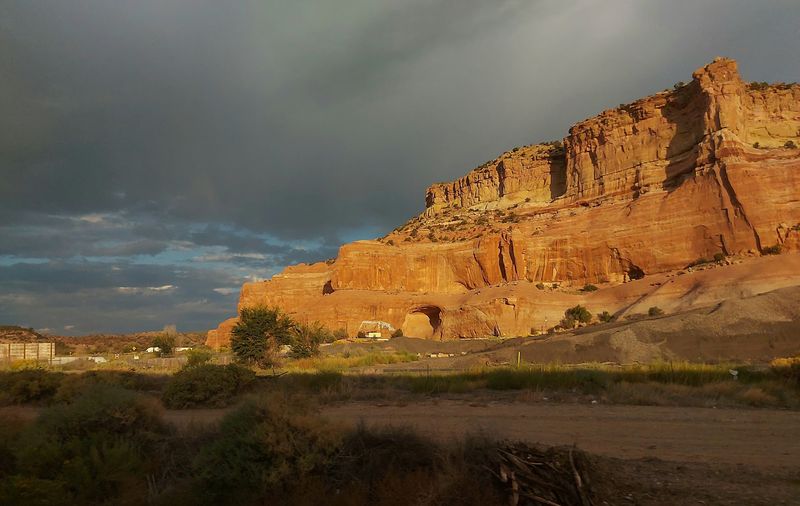
Gallup sits where historic Route 66 meets some of western New Mexico’s most dramatic red-rock scenery, and that combination gives the town a visual identity that is hard to miss. The city developed as a railroad center and later became one of the most important regional marketplaces for Native American art in the entire country.
Downtown contains murals, galleries, trading posts, and Route 66 landmarks that reflect both eras. The Gallup Cultural Center, housed in the historic Santa Fe Railway depot, includes exhibits covering regional railroads, the Navajo Code Talkers, Route 66 history, weaving, and silversmithing.
The city’s ArtsCrawl events bring open galleries, demonstrations, and hands-on activities to the streets on a regular schedule.
Red Rock Park, just outside town, adds towering sandstone formations and trails to the itinerary. Travelers purchasing Native American art in Gallup should seek reputable sellers and ask directly about the artist and origin of each piece before buying.
Truth or Consequences
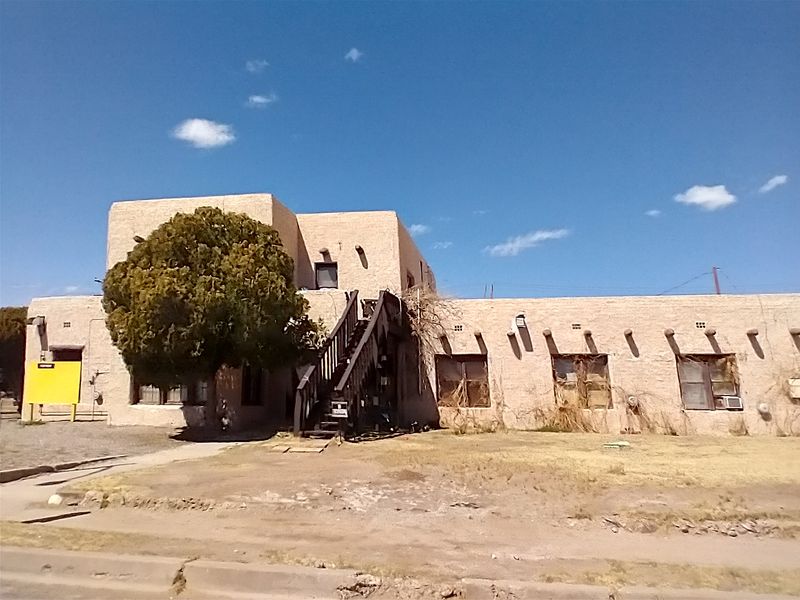
The name alone tends to stop people mid-scroll, but Truth or Consequences has a lot more going for it than an unusual rebranding story from 1950. The downtown arts scene here is compact, walkable, and genuinely active, with murals, independent galleries, studios, and restored spa properties filling a historic district that sits right along the Rio Grande.
According to the local tourism organization, downtown contains more than a dozen art galleries and over 40 outdoor works of art. The regular Second Saturday Art Hop gives visitors a structured way to explore galleries, meet working artists, and get a feel for the town’s creative personality without needing a tour guide.
After the galleries, the natural setting takes over. Elephant Butte Lake and Caballo Lake are both nearby, and the geothermal hot springs that gave the original town its pre-1950 name are still operating at several downtown bathhouses.
Reservations and age policies vary by property, so checking ahead before arrival is worth the effort.
Tucumcari
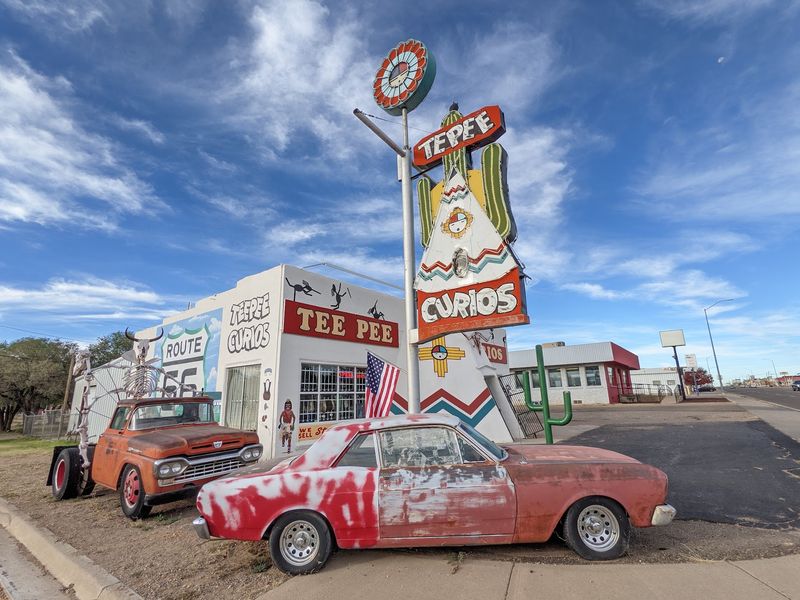
Tucumcari is where Route 66 nostalgia becomes genuinely visual. Vintage neon motel signs, restored motor courts, classic roadside architecture, and large public murals turn stretches of the town into an outdoor record of American highway culture at its most colorful.
The town’s official mural map guides visitors through works depicting local history, Western scenes, wildlife, and Route 66 imagery. After dark, the restored signs and lit-up motor courts recall an era when this stretch of highway was one of the busiest cross-country routes in the country, and Tucumcari was a well-known overnight stop.
There is more to the town beyond the neon. Mesalands Community College’s Dinosaur Museum and Natural Sciences Laboratory offers fossils and hands-on exhibits that appeal to both kids and adults.
The museum had reopened following a brief June 2026 closure when this article was researched, but current hours should be confirmed directly before visiting. Tucumcari rewards a slower pace than most Route 66 travelers typically allow themselves.
Jemez Springs
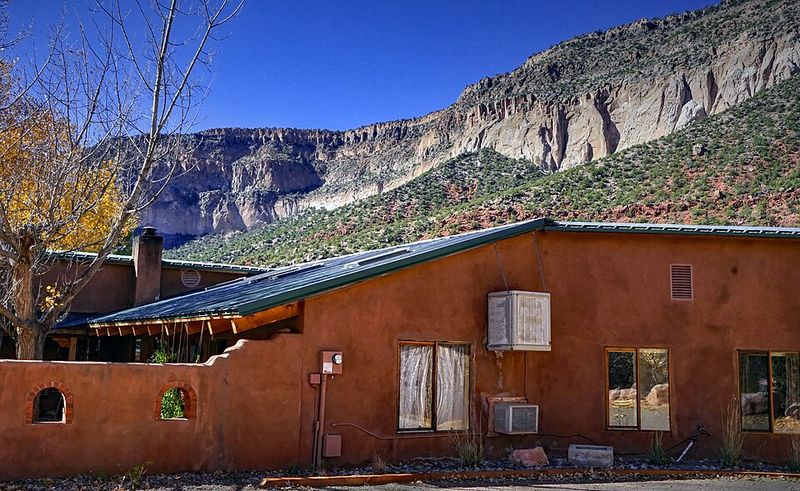
Jemez Springs occupies one of the most visually striking settings of any small community in New Mexico. Red cliffs rise on both sides of the narrow canyon, forested slopes cover the higher elevations, and the Jemez River runs through the village below.
Painters, photographers, and musicians have been drawn here for exactly those reasons.
The Jemez Historic Site preserves the ruins of Gisewa Pueblo and the 17th-century San Jose de los Jemez mission church. Self-guided interpretation helps visitors understand the long Indigenous history of the canyon and the effects of Spanish colonization on the communities that lived here.
The site was open Wednesday through Sunday from 10 a.m. to 4 p.m. when checked.
The village also sits along one of New Mexico’s most spectacular drives, connecting red-rock canyons with Valles Caldera and the broader Jemez Mountains. Visitors should stay on designated paths at all archaeological and cultural sites and remember that nearby Pueblo communities are living homelands, not historical exhibits.
Share this story