Some places on Earth feel closer to the sky than others, and mountains have always been at the top of that list. For thousands of years, people from all walks of life have climbed, circled, and prayed at peaks they believe connect the human world to something greater.
These sacred mountains have drawn pilgrims through snow, heat, and steep rocky trails, all in search of meaning, healing, or a moment of pure devotion. From Japan to Ireland, Tibet to Spain, these ten holy mountains still call to believers today just as powerfully as they did centuries ago.
Mount Kailash, Tibet
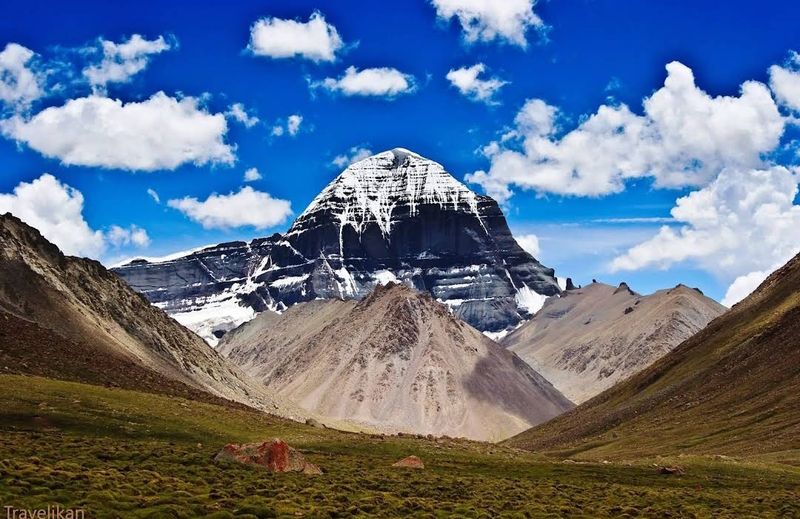
Standing at 6,638 meters and never once summited by any climber, Mount Kailash earns its sacred status by simply existing in a way that feels untouchable. Four of Asia’s greatest rivers begin their journeys near this peak, which followers of Hinduism, Tibetan Buddhism, Jainism, and Bon all consider deeply holy.
No mountain on Earth is revered by quite so many different faiths at once.
Pilgrims complete a kora, a ritual walk around the base of the mountain, covering roughly 52 kilometers of high-altitude terrain. The circuit crosses the Dolma La pass at over 5,600 meters, which is no small feat for anyone.
Many believers say completing the kora wipes away the sins of a lifetime.
The landscape surrounding Kailash is stark and breathtaking, dotted with prayer flags, wind-worn rocks, and small monasteries clinging to cliffsides. Indian pilgrims resumed organized visits in 2025 after a five-year gap.
The mountain itself has never been climbed, and that restraint is the point, because some summits are meant to be approached with humility rather than ambition.
Mount Fuji, Japan
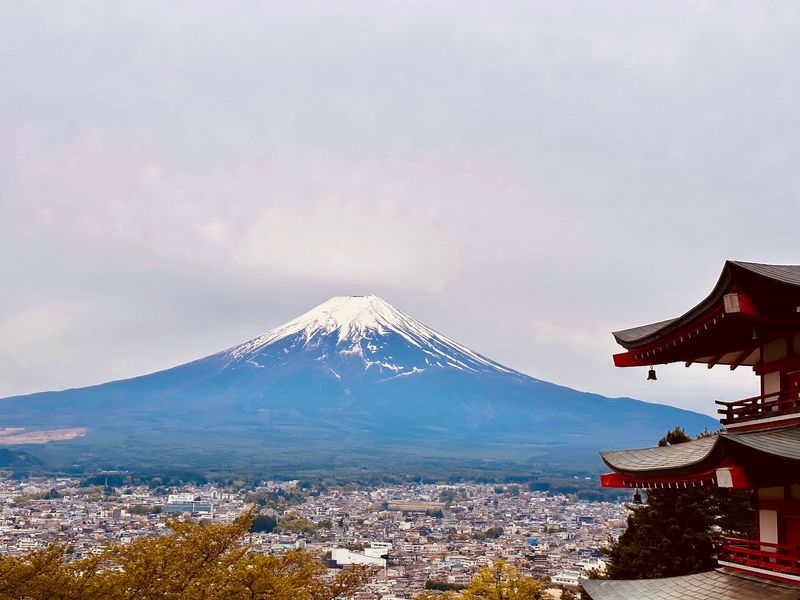
On a clear morning, the perfectly symmetrical cone of Mount Fuji floats above the clouds like something out of a dream, and for millions of Japanese people, it genuinely is a sacred vision. Rising to 3,776 meters, Fuji has been a pilgrimage destination for centuries, drawing worshippers who climbed its slopes to visit shrines, pray at springs, and feel closer to the divine.
Shinto and Buddhist traditions both have deep roots here.
Historical pilgrimage confraternities called Fujiko organized group climbs for ordinary people who could not afford long journeys to distant temples. For them, Fuji was the pilgrimage.
UNESCO recognized Fujisan not just for its stunning scenery but for its role in shaping Japanese religious culture, art, and national identity.
Today, hundreds of thousands of visitors hike the mountain each summer along well-marked trails. Shrines sit at the summit crater, and the famous Sengen Grand Shrine at the base still holds religious ceremonies tied to the mountain.
The iconic profile of Fuji, familiar from countless woodblock prints, remains one of the most recognized shapes in the entire world.
Mount Sinai, Egypt
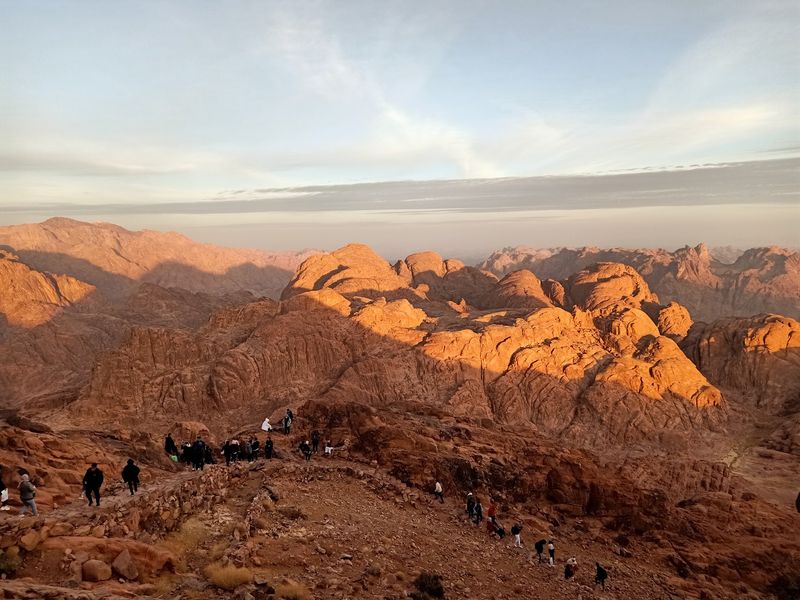
Long before alarm clocks existed, pilgrims were already setting off in darkness to climb Mount Sinai and reach the summit in time to watch the sun rise over the Sinai desert. The experience has barely changed in centuries.
Known also as Jebel Musa, meaning Mountain of Moses, this peak is sacred to Judaism, Christianity, and Islam alike.
Biblical tradition holds that Moses received the Ten Commandments here, making it one of the most consequential mountain summits in all of human religious history. At the base of the mountain, Saint Catherine’s Monastery has stood since the sixth century, making it one of the oldest continuously operating Christian monasteries on the planet.
Its library holds ancient manuscripts of extraordinary value.
Two routes lead to the summit. The Camel Path winds gradually upward, while the Steps of Repentance cuts more directly through the rock, with around 3,750 stone steps carved by monks long ago.
UNESCO recognizes the broader Saint Catherine area for the powerful relationship between its stark desert setting and centuries of unbroken religious devotion. Reaching the top just as the first light breaks across the horizon remains one of travel’s most genuinely moving experiences.
Mount Athos, Greece
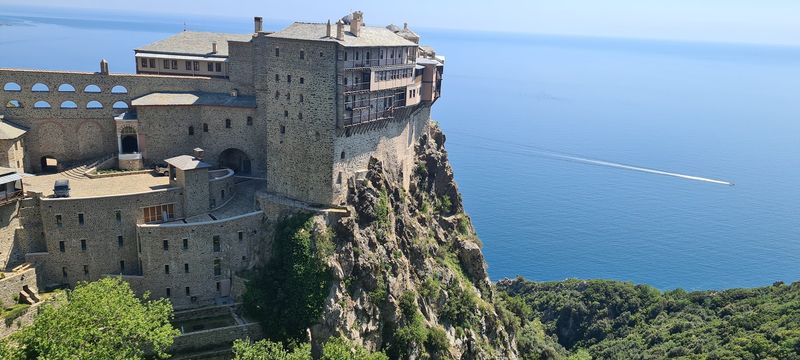
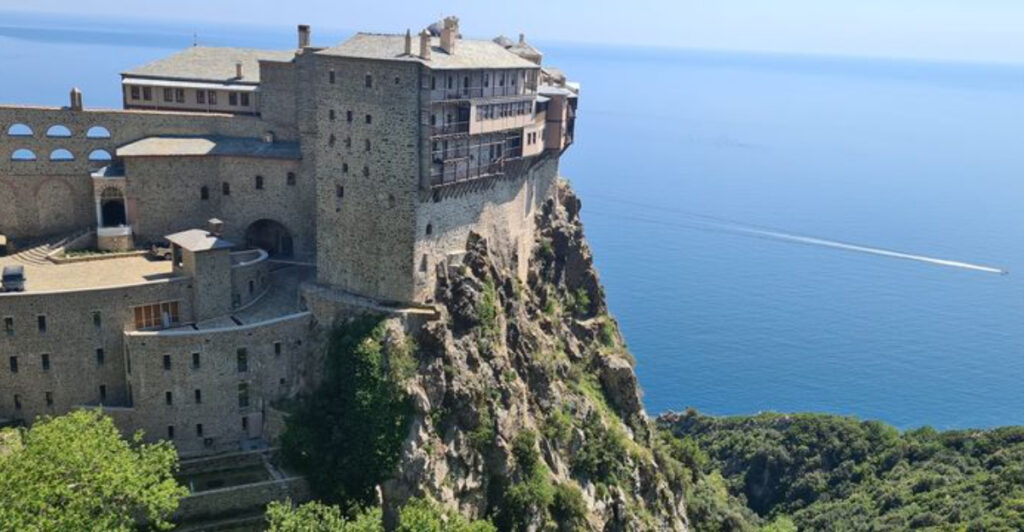
Picture a peninsula where time seems to have stopped sometime around the Byzantine era, where monks follow schedules based on the Julian calendar and women have been formally excluded since the year 1060. That is Mount Athos, and it is unlike any other sacred place on Earth.
The Holy Mountain, as it is simply known, stretches into the Aegean Sea from northern Greece.
Twenty historic Orthodox Christian monasteries occupy the slopes and shoreline of the peninsula, each one a self-contained world of prayer, craftsmanship, and ancient ritual. Hermits also live in caves and remote huts scattered across the forested landscape.
UNESCO describes the transformation of Athos into a sacred monastic landscape as a unique achievement combining natural beauty with remarkable religious architecture.
Male pilgrims from Orthodox Christian countries can apply for a special permit called a diamonitirion to visit. Numbers are strictly limited each day, which keeps the atmosphere contemplative rather than touristy.
Visitors walk ancient paths between monasteries, attend candlelit vigil services that begin after midnight, and eat simple meals with monks who have dedicated their entire lives to this mountain. Few places anywhere deliver a more complete sense of stepping outside ordinary time.
Sri Pada / Adam’s Peak, Sri Lanka
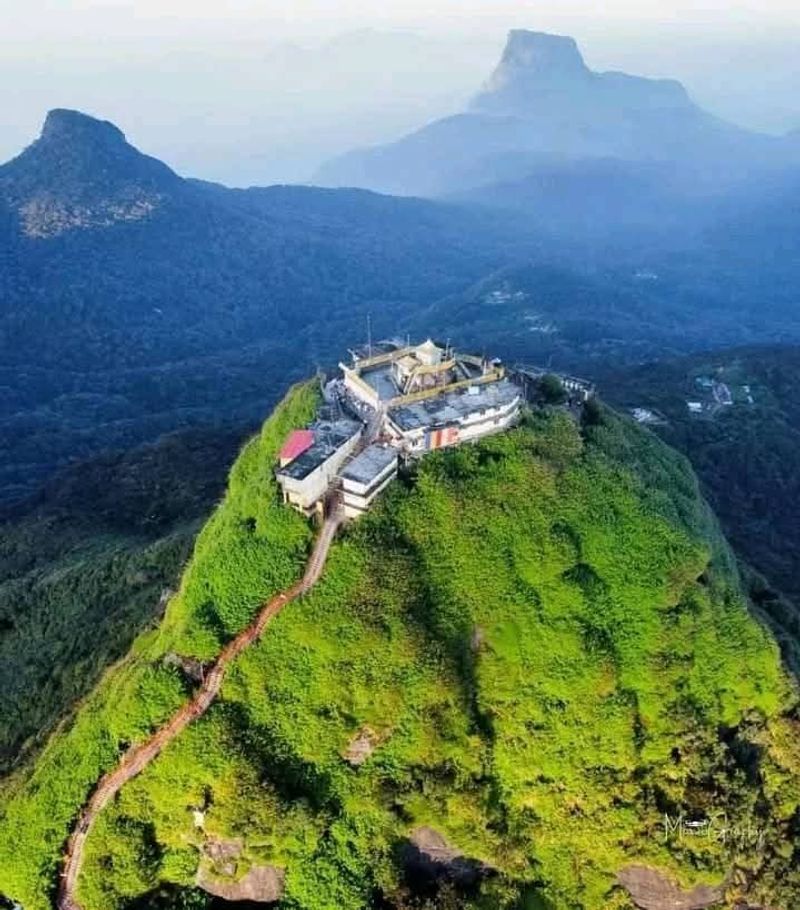
Somewhere near the summit of a steep, forested mountain in central Sri Lanka, a footprint-shaped hollow in the rock has been drawing pilgrims from four different religions for well over a thousand years. Buddhists believe it belongs to the Buddha, Hindus associate it with Shiva, Muslims and some Christians link it with Adam.
That one impression in stone has managed to unite more faiths than almost any other single feature on Earth.
The pilgrimage season runs from December to May, when thousands of devotees climb more than 5,500 steps through the night, guided by strings of lights that make the mountain look like a glowing staircase from a distance. Reaching the summit before sunrise is the goal, and the reward is a shadow of the peak projected perfectly onto the clouds below as the sun crests the horizon.
Pilgrims of all ages make the climb, from young children to elderly grandparents, many carrying offerings and chanting prayers along the way. The mountain is known locally as Sri Pada, meaning Sacred Footprint, and also as Samanalakanda, the Butterfly Mountain, because butterflies reportedly migrate there to die.
Every detail about this place has a story attached to it.
Mount Tai, China
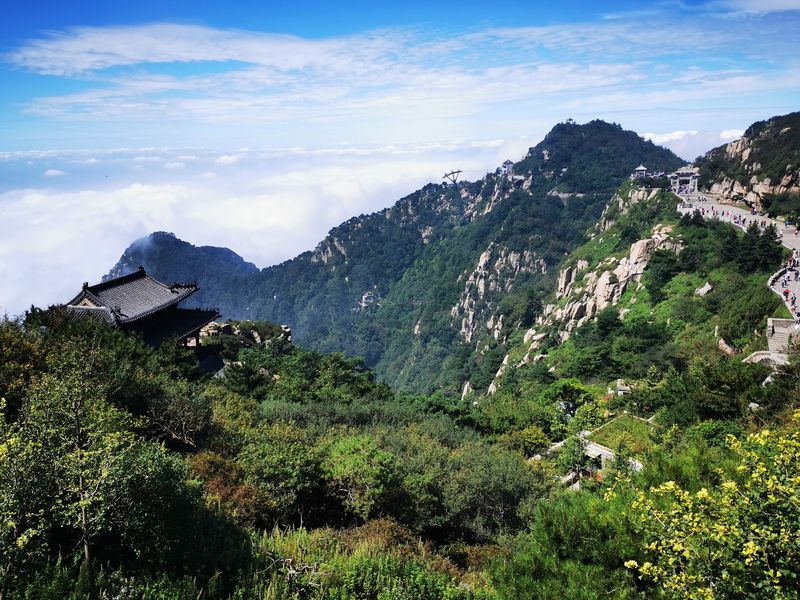
For roughly two thousand years, emperors of China climbed Mount Tai to perform the Feng and Shan sacrifices, rituals meant to announce their reign to Heaven and Earth and confirm the legitimacy of their rule. No other mountain in China carries quite the same political and spiritual weight.
Taishan, as it is known in Chinese, is considered the most important of China’s Five Sacred Mountains.
The mountain is covered in temples, memorial archways, carved inscriptions, and stone staircases, some of which have been worn smooth by millions of feet over centuries. The most famous route to the summit, the Central Route, climbs roughly 7,200 stone steps.
Along the way, pilgrims pass the Dai Temple at the base, the Midway Gate to Heaven, and finally the South Gate to Heaven near the top.
UNESCO recognized Mount Tai for its exceptional combination of natural scenery and cultural monuments. Confucius is said to have climbed it, and a famous quote attributed to him describes the world looking small from its summit.
Today, visitors can also take a cable car, though plenty of pilgrims still prefer the long climb on foot, arriving at dawn to see the famous sunrise that has inspired Chinese poets for generations.
Mount Koya, Japan
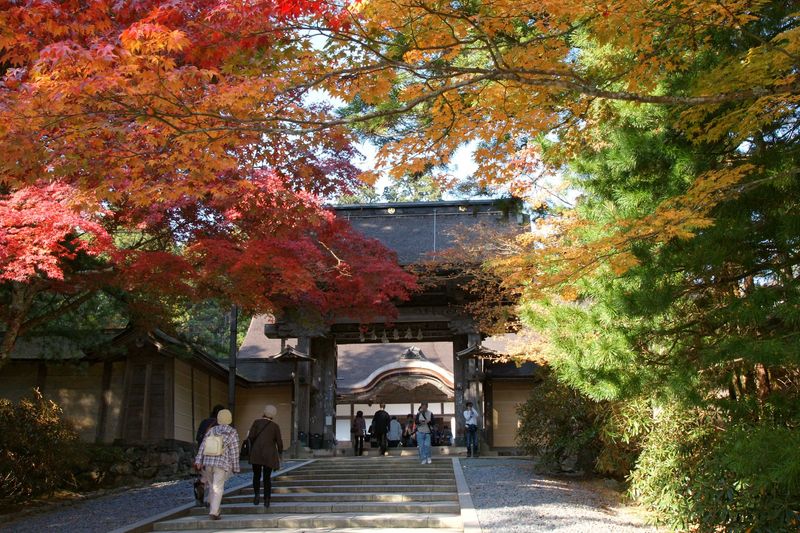
Tucked deep in the forested Kii Mountains of Wakayama Prefecture, Koyasan feels like a world that exists slightly apart from everyday Japan. The mountain settlement was founded in 816 by the Buddhist monk Kukai, also known as Kobo Daishi, who established it as the headquarters of Shingon Buddhism.
Over twelve hundred years later, pilgrims are still arriving by cable car and mountain train to walk paths that Kukai himself once walked.
The spiritual heart of Koyasan is Okunoin, a vast cemetery where over 200,000 memorial stones and monuments stand beneath towering cedar trees. A stone-lantern-lined path leads to the mausoleum of Kukai, where believers say he rests in eternal meditation rather than having truly died.
Monks bring him ritual meals twice daily, a practice that has continued without interruption since the ninth century.
Pilgrims staying overnight in temple lodgings called shukubo wake before dawn to attend morning prayers and eat a traditional vegetarian breakfast. The combination of cedar forest air, incense smoke, ancient stone, and the soft sound of temple bells creates an atmosphere that is difficult to describe and almost impossible to forget.
UNESCO includes Koyasan as part of the Sacred Sites and Pilgrimage Routes in the Kii Mountain Range.
Croagh Patrick, Ireland
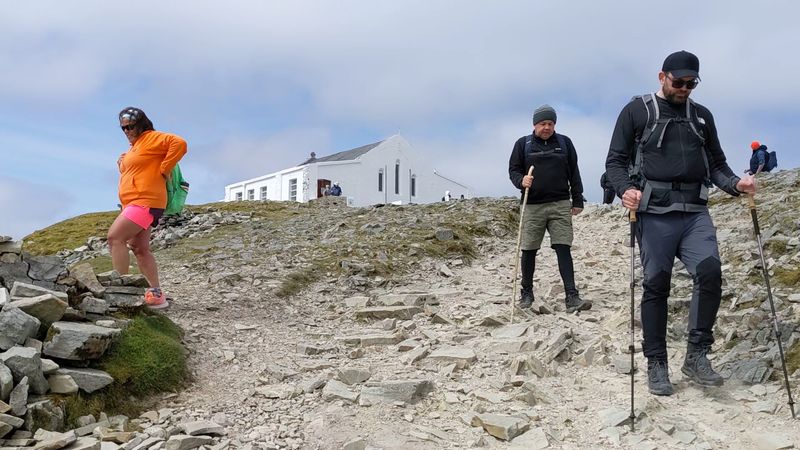
Every year on the last Sunday of July, tens of thousands of people drag themselves up a steep, loose-quartzite slope in County Mayo at first light, some of them barefoot, all of them determined. Reek Sunday, the annual pilgrimage to the summit of Croagh Patrick, is one of the most physically demanding acts of devotion in all of Europe.
The mountain does not make it easy, which seems to be entirely the point.
Saint Patrick reportedly spent 40 days fasting on the 764-meter summit in the year 441, and Irish tradition holds that he banished snakes from Ireland during that retreat. Long before Patrick arrived, though, the mountain was already sacred, used for pre-Christian seasonal rituals tied to the harvest festival of Lughnasa.
The peak has been drawing people for at least 5,000 years.
A small white oratory chapel sits at the rocky summit, offering Mass on pilgrimage day to those who make it to the top. The views across Clew Bay and its hundreds of small islands are genuinely spectacular on a clear day, though the weather in Mayo rarely cooperates for long.
Part of the magic of Croagh Patrick is that the struggle and the beauty arrive together as a package deal.
Montserrat, Spain
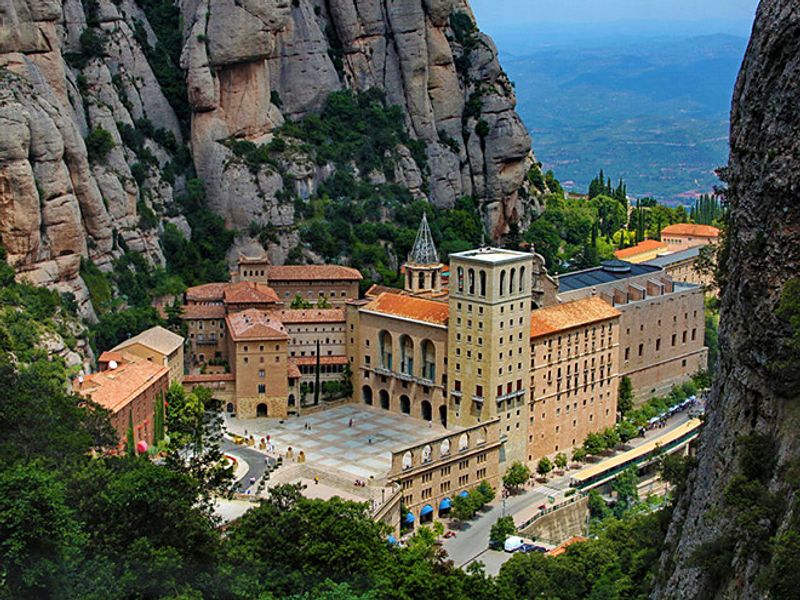
The name Montserrat literally means serrated mountain in Catalan, and one look at its jagged, finger-like rock formations explains why perfectly. These bizarre geological shapes rise nearly 1,200 meters from the Catalan plain northwest of Barcelona and have been stopping travelers in their tracks for centuries.
Something about the silhouette seems almost deliberately theatrical, as if the mountain arranged itself to be noticed.
Nestled into the cliffs about halfway up the mountain, the Santa Maria de Montserrat Abbey has been a center of Benedictine monastic life and pilgrimage since the eleventh century. Pilgrims come primarily to venerate La Moreneta, the Black Madonna, a twelfth-century wooden statue of the Virgin Mary holding the Christ child.
She is the patron saint of Catalonia, and her chapel draws over three million visitors annually.
Ancient pilgrimage paths still wind up the mountain through pine and oak forest, including sections that once formed part of broader medieval pilgrimage routes. The Escolania de Montserrat, one of Europe’s oldest boys’ choirs, has sung in the basilica since the fourteenth century, and catching a performance during a visit adds a layer of beauty that is hard to anticipate.
Montserrat manages to be a geological wonder, a spiritual landmark, and a living cultural institution all at once.
Sulaiman-Too, Kyrgyzstan
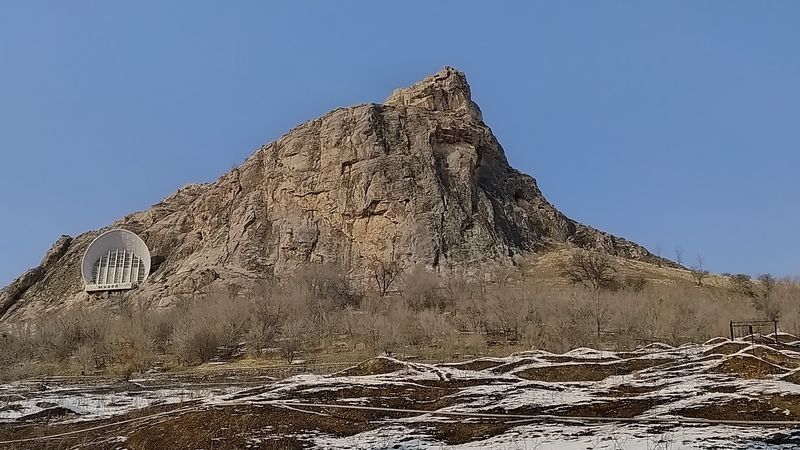
Right in the middle of Osh, Kyrgyzstan’s second-largest city, a sacred mountain rises so abruptly from the urban landscape that it feels almost surreal. Sulaiman-Too, meaning Solomon’s Throne, has been a place of pilgrimage and spiritual significance for at least 1,500 years, long predating Islam’s arrival in Central Asia.
Its five peaks contain caves, ancient petroglyphs, mosques, and shrines layered on top of each other across many centuries.
UNESCO calls it the most complete surviving example of a sacred mountain in Central Asia, which is a striking claim in a region with no shortage of meaningful landscapes. Pilgrims visit specific rocks and caves believed to bring healing, fertility, longevity, or protection.
One particular smooth-surfaced rock is traditionally used for a ritual sliding descent thought to cure back pain, and the worn groove in the stone proves just how many people have given it a try.
A small museum built into the rock itself displays artifacts related to the mountain’s long history of worship. The mountain sits along the ancient Silk Road, meaning travelers and traders have been stopping here to pray for as long as trade routes have existed.
Sulaiman-Too is a reminder that sacred places do not always sit in remote wilderness. Sometimes they rise straight out of the city street.
Share this story