Religion shapes far more than what happens inside a place of worship. In some countries, faith influences morning routines, school lessons, courtroom decisions, and even who gets elected to lead the nation.
Understanding where religion holds this kind of power helps us see how deeply belief systems are woven into everyday life around the world. From Southeast Asia to West Africa, these ten nations show just how central religion can be to culture, identity, and government.
Bangladesh
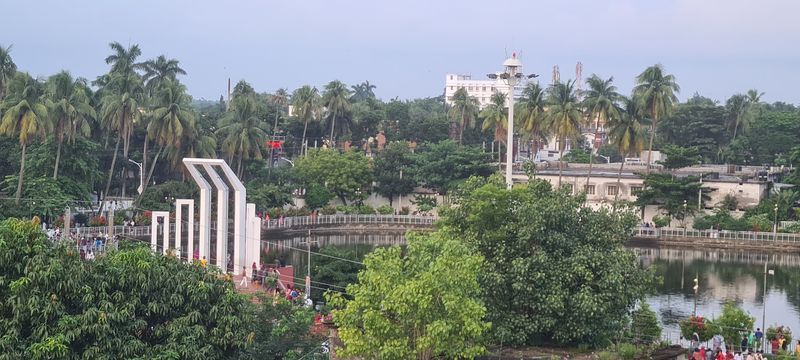
Imagine a country where nearly every single adult you meet considers religion the most important thing in their life. That is Bangladesh.
An astonishing 97% of adults told Pew Research Center that religion was very important to them, one of the highest figures recorded anywhere on Earth.
Islam is the state religion under Bangladesh’s constitution, yet the same document also guarantees equal rights to Hindus, Buddhists, Christians, and followers of other faiths. Secularism even appears among the country’s founding principles.
That combination sounds like a contradiction, but it actually reflects how layered and complex religion’s role really is here.
Faith shapes daily schedules, family customs, and political expectations. Bangladeshis consistently rank among populations most likely to want national leaders who actively defend the religious beliefs of ordinary citizens.
Prayer times influence business hours, and religious holidays are major national events. Whether in a rural village or the crowded capital of Dhaka, religion is not a background detail in Bangladesh.
It is front and center, every single day.
Indonesia
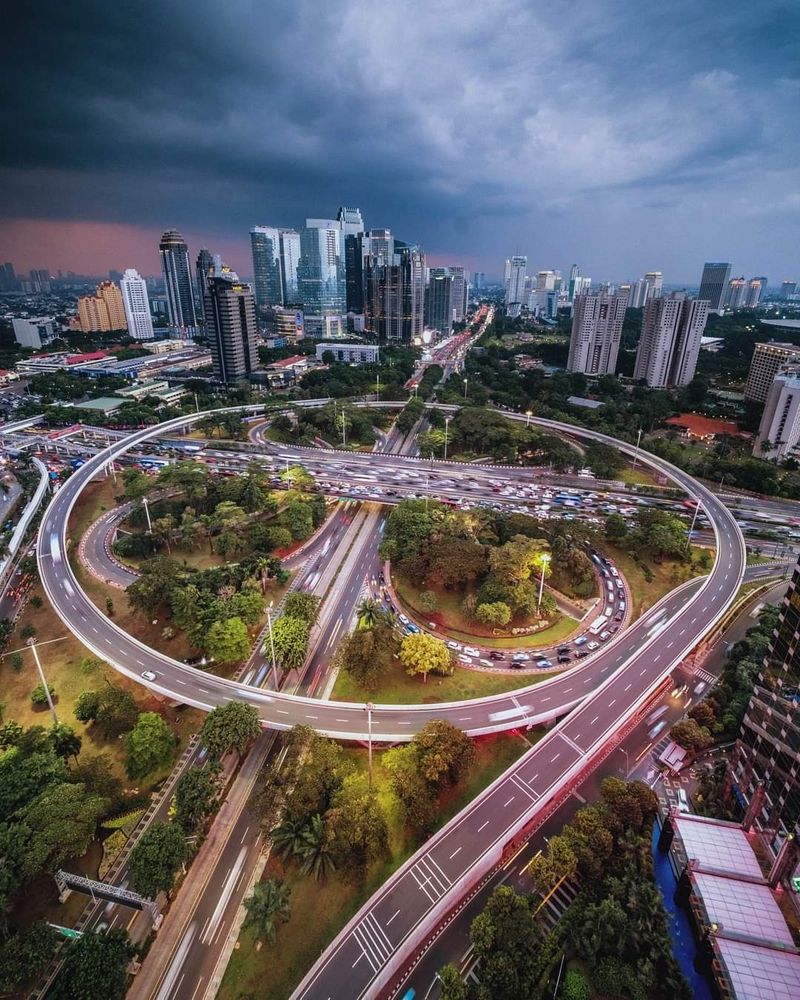
With over 270 million people spread across thousands of islands, Indonesia is the world’s largest Muslim-majority nation, and faith runs through nearly every part of public and private life. Pew surveys found that Indonesians were among the most likely people anywhere to view religion as a key part of national identity.
About 86% of Indonesian Muslims said being Muslim was very important to being truly Indonesian.
Religion also carries serious political weight. Around nine in ten Indonesians said it mattered that their president shared their religious beliefs.
Interestingly, 56% said strong religious belief in a leader was important even when that leader’s faith differed from their own. That shows a deep respect for personal devotion, regardless of which religion it comes from.
Indonesia officially recognizes six religions: Islam, Protestantism, Catholicism, Hinduism, Buddhism, and Confucianism. This diversity is reflected in the national motto, “Bhinneka Tunggal Ika,” which means “Unity in Diversity.” Yet even within that pluralism, Islam sets the cultural rhythm for most of the country, from the call to prayer echoing across city streets to the national calendar built around Islamic holidays.
Kenya
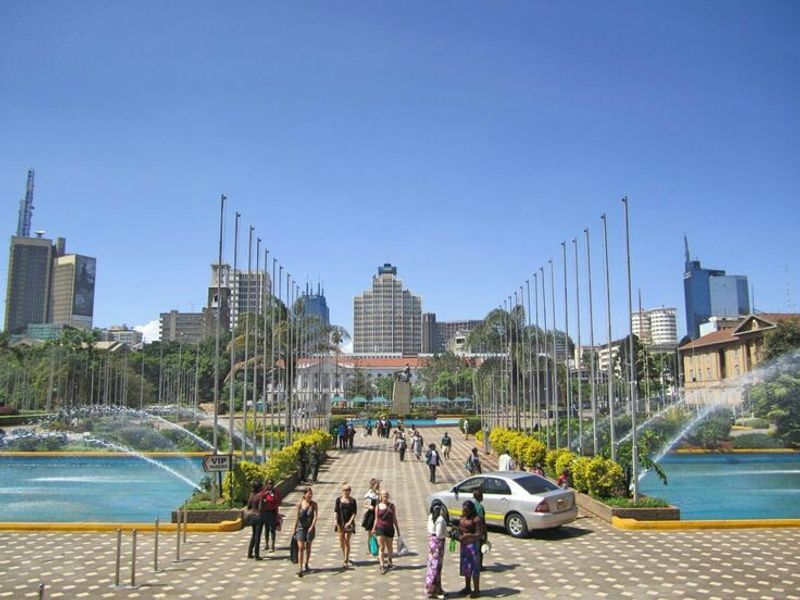
Sunday mornings in Kenya carry a particular energy. Churches fill up fast, choirs sing with full-throated enthusiasm, and communities gather not just to worship but to connect, celebrate, and support one another.
Pew found that 92% of Kenyan Christians described religion as very important in their lives, placing Kenya among the highest-ranking Christian populations in the entire international study.
Faith and national identity are closely linked here. Around three-quarters of Kenyans have said Christianity is very important to what it means to be truly Kenyan.
That is a remarkable statement in a country that also has a significant Muslim population, particularly along the coast and in the northeast.
Political leadership is also filtered through a religious lens. About 54% of Kenyans said it was very important for the president to hold strong religious beliefs.
Religious leaders often speak publicly on social issues, and their voices carry real influence in communities across the country. Kenya’s faith landscape is not just about personal belief; it actively shapes education, healthcare delivery through church-run institutions, and community organizing at the grassroots level.
Nigeria
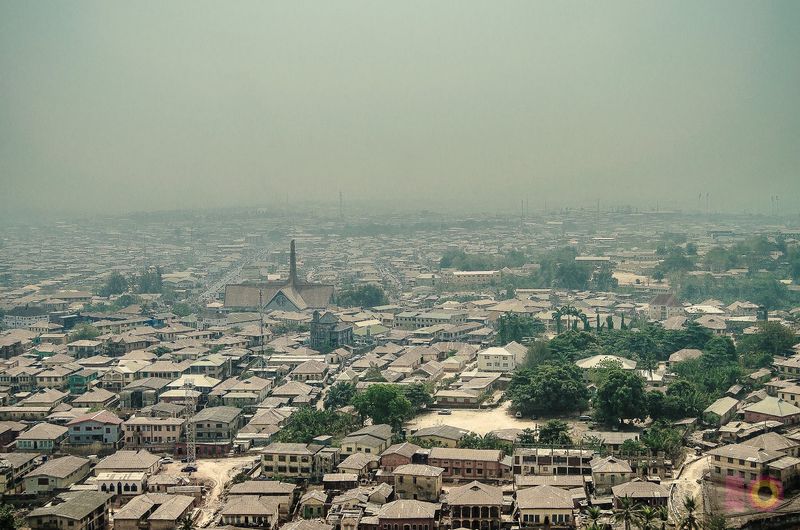
Nigeria is home to one of the most remarkable religious balancing acts on the planet. With Muslims representing roughly 56% of the population and Christians around 43%, both traditions operate on a truly massive scale, shaping everything from family life to national politics.
About eight in ten Nigerians have said that belonging to one of the country’s two main religions is very important to being truly Nigerian. Religion here is not just personal conviction; it is a social credential, a community anchor, and a political signal all at once.
Presidential candidates are keenly aware of this, and religious affiliation often plays a quiet but powerful role in coalition building.
Nigeria also ranks high on measures of social hostility involving religion, which shows that faith can be both a source of deep community belonging and a flashpoint for tension. Northern states operate under sharia law for Muslim residents in family and civil matters, while the south is predominantly Christian with its own strong denominational culture.
Despite the complexities, Nigerians across faiths tend to share an intense personal devotion that makes religion one of the defining features of national life.
Philippines
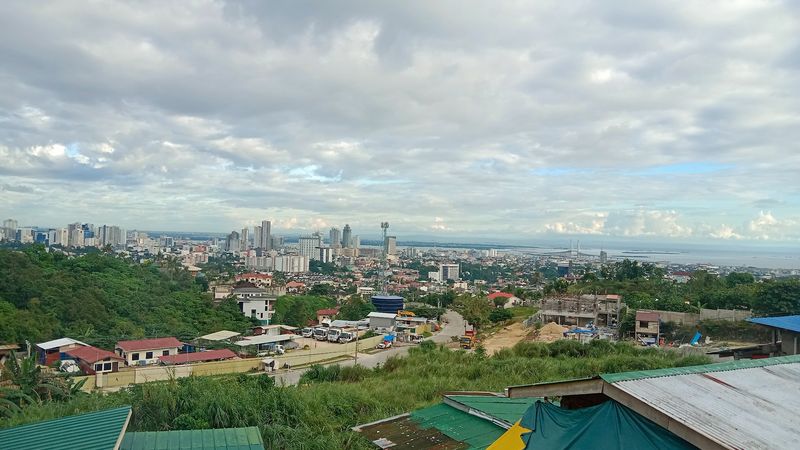
Walk through almost any Filipino town and you will find a Catholic church at its center, often centuries old and still packed every Sunday. The Philippines is one of the few Asian nations with a Catholic majority, and that heritage goes back over 500 years to Spanish colonial rule.
Pew’s research found that 88% of Filipino Christians described religion as very important in their lives.
Religious festivals here are legendary. The Sinulog in Cebu, the Ati-Atihan in Aklan, and the Black Nazarene procession in Manila draw millions of devotees each year.
These are not just tourist attractions; they are expressions of living, breathing faith that communities organize around for months.
Political expectations are shaped by religion too. Roughly nine in ten Filipinos said it mattered that national leaders defend the beliefs of people who share their religion, and 86% said strong religious belief in a leader was important even when the leader’s faith differed from their own.
The Catholic Church has historically played a significant role in political turning points, including the 1986 People Power Revolution. In the Philippines, church and civic life are rarely far apart.
India
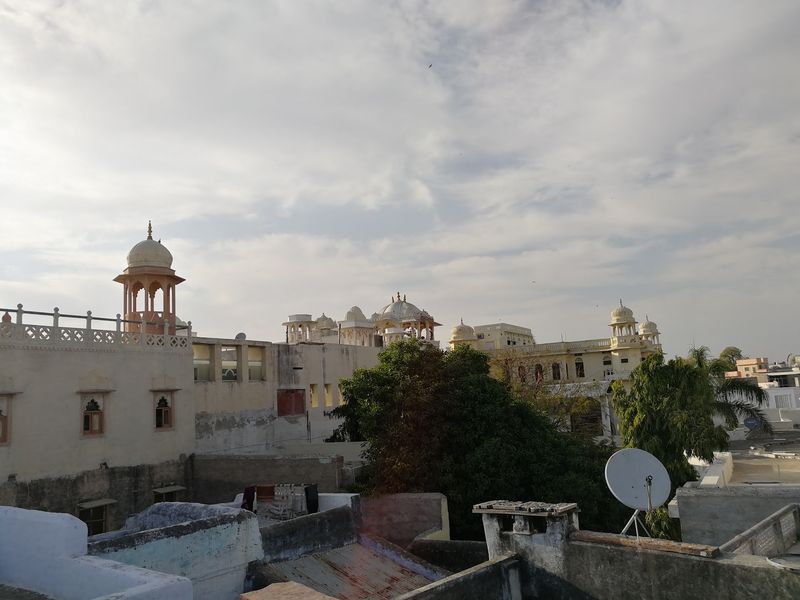
Every morning across India, temple bells ring, mosque speakers broadcast the call to prayer, gurdwara hymns drift through neighborhoods, and church congregations gather for early services. Religion is not a once-a-week event here; for most people, it is woven into the rhythm of daily life.
Pew found that 84% of Indian adults considered religion very important, with 60% praying daily and 71% visiting a place of worship at least monthly.
India is constitutionally a secular republic, yet religious identity intersects deeply with politics, community belonging, and national debate. The country is home to the overwhelming majority of the world’s Hindus, Jains, and Sikhs, along with one of the largest Muslim populations anywhere on Earth.
An eye-opening 81% of Indians told Pew it was important for the prime minister to share their own religious beliefs. That figure reveals how thoroughly faith filters political expectations, even in a democracy built on secular principles.
Religious pilgrimage sites like Varanasi, Tirupati, and the Golden Temple attract tens of millions of visitors annually. In India, religion is simultaneously personal devotion, cultural tradition, and political identity all layered together.
Sri Lanka
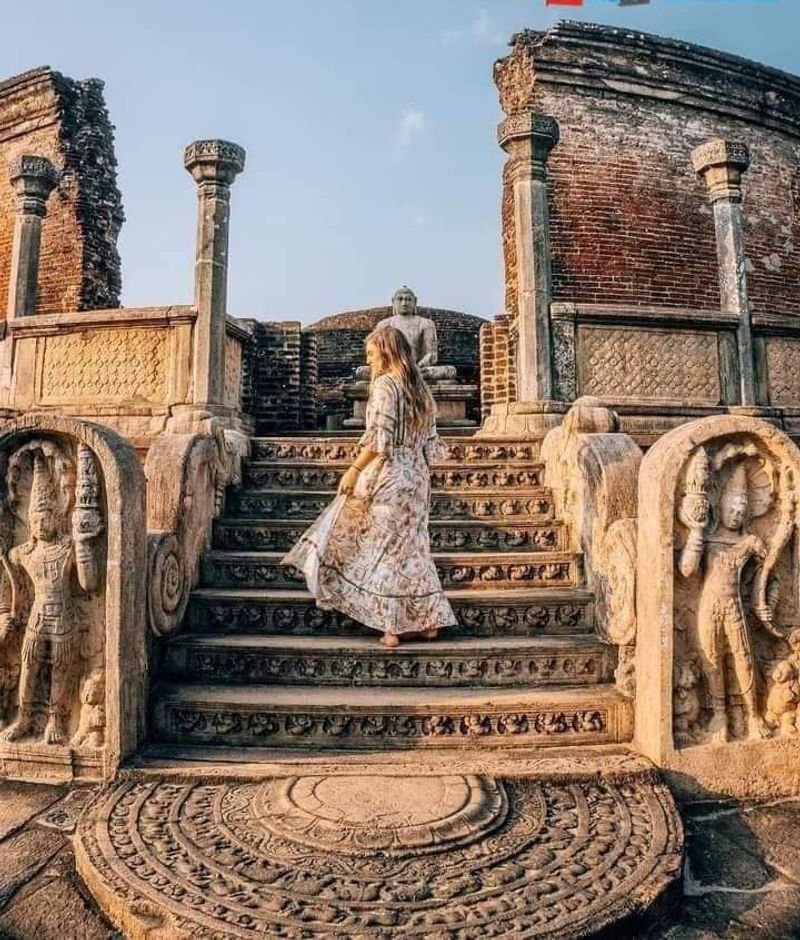
Saffron-robed monks are as common a sight on Sri Lankan streets as schoolchildren or market vendors. Buddhism arrived on this island nation over 2,300 years ago, and its presence is felt in ancient stupas, temple festivals, monastic schools, and daily rituals that have barely changed across generations.
Pew’s 2024 survey found that 90% of Sri Lankan adults considered religion very important in their lives, with women reporting slightly higher rates than men.
The sacred city of Anuradhapura, the Temple of the Tooth Relic in Kandy, and the Esala Perahera festival draw pilgrims from across the Buddhist world. These are not simply historical sites; they are active centers of worship visited by millions each year.
Religion also enters political conversation in Sri Lanka with notable regularity. Buddhist monks have formed political parties, spoken out on national policy, and influenced debates over the country’s identity and legal framework.
A significant Tamil Hindu minority and Muslim and Christian communities also contribute to Sri Lanka’s religious landscape. The relationship between Buddhism and the state remains a lively and sometimes contentious topic, ensuring that religion stays firmly in the center of national life rather than quietly at the edges.
Malaysia
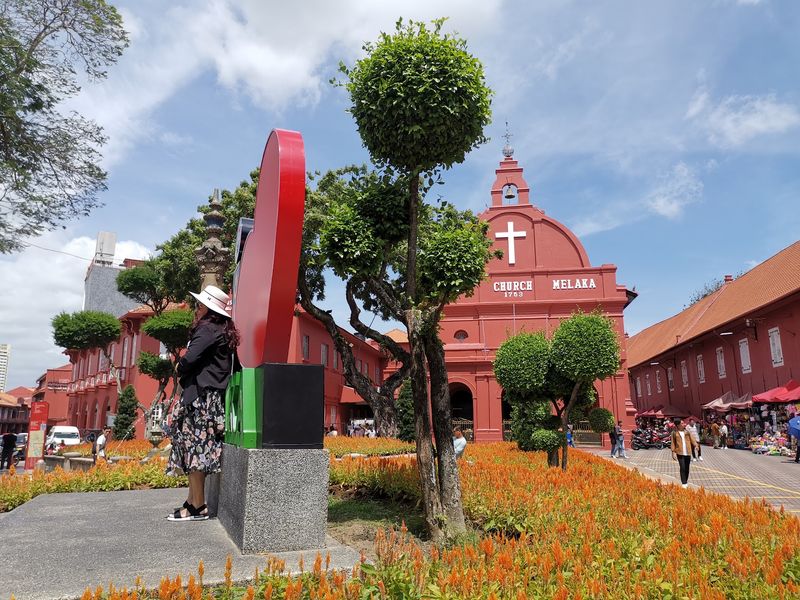
Malaysia pulls off something genuinely unusual: a multicultural society where Islam holds a strong institutional role while temples, churches, and shrines from multiple traditions dot the same neighborhoods. Mosques broadcast the call to prayer five times daily, Chinese Buddhist temples burn incense on festival days, and colorful Hindu shrines appear at roadsides across the peninsula.
At least 90% of Malaysians surveyed said religion mostly helps society rather than harms it.
Among Malaysian Muslims, support for Islamic law runs very high. About nine in ten favored making sharia the official law governing Muslims in the country.
Sharia courts operate alongside civil courts, handling family and personal matters for Muslim citizens.
Religion here is also closely tied to ethnicity in a way that shapes politics directly. The Malay ethnic group is constitutionally defined as Muslim, which means religious identity carries legal and political weight that goes well beyond personal belief.
Non-Muslim communities, including large Chinese Buddhist, Tamil Hindu, and Christian populations, navigate a society where their faiths are respected but Islam occupies a privileged position in law and public life. Malaysia shows how religion can simultaneously unite and create distinct lines within a diverse society.
Pakistan
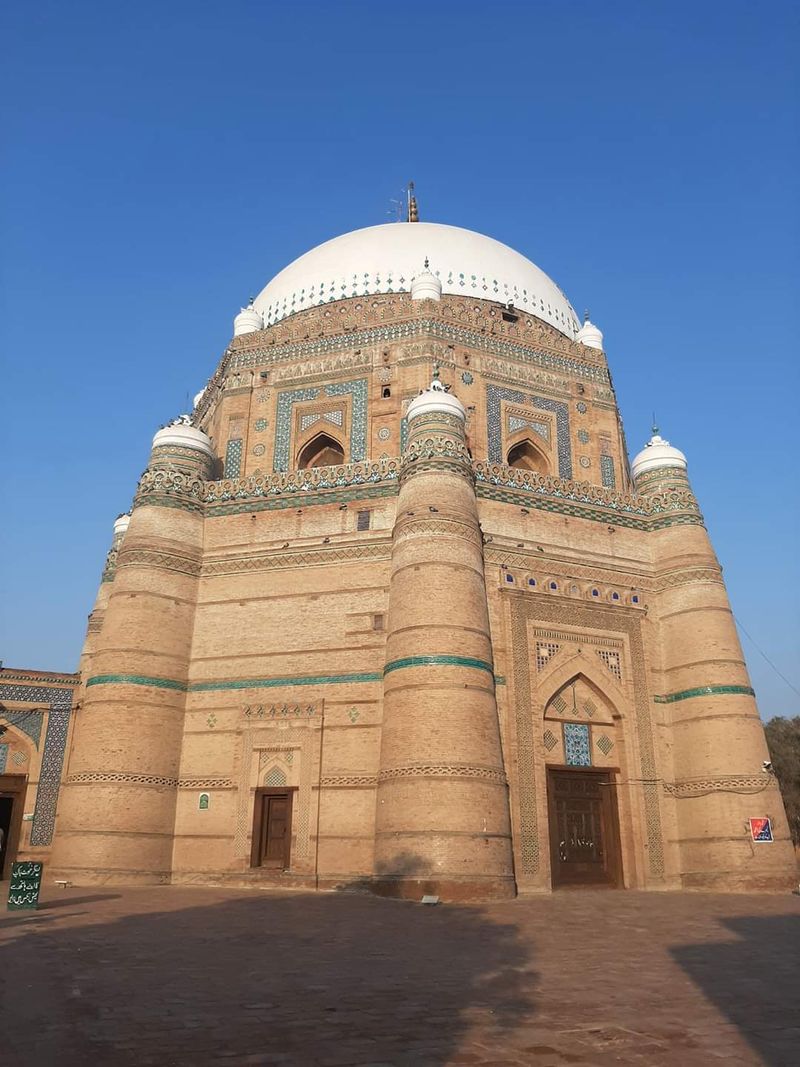
The full official name says it plainly: the Islamic Republic of Pakistan. Religion is not just culturally important here; it is written into the constitutional foundation of the state.
The constitution defines Pakistan around Islamic principles and encourages Muslims to organize their lives according to Islamic teachings, while also providing protections for religious minorities including Christians, Hindus, and others.
Faith shapes family law, the school curriculum, public holidays, and the language of political debate. Religious scholars hold significant social authority, and mosques serve as community centers that extend far beyond prayer.
The call to prayer structures daily time in cities and villages alike.
Pakistan also ranks among countries with very high levels of social hostility involving religion, according to Pew’s global assessments. This means religious identity can be a source of community pride and belonging but also a point of serious tension.
Blasphemy laws are among the most discussed legal provisions in the country, generating both domestic debate and international attention. Despite ongoing challenges, personal religious devotion remains extraordinarily strong across Pakistani society, with religious practice deeply embedded in family traditions, social expectations, and national celebrations like Eid ul-Fitr and Eid ul-Adha.
Saudi Arabia
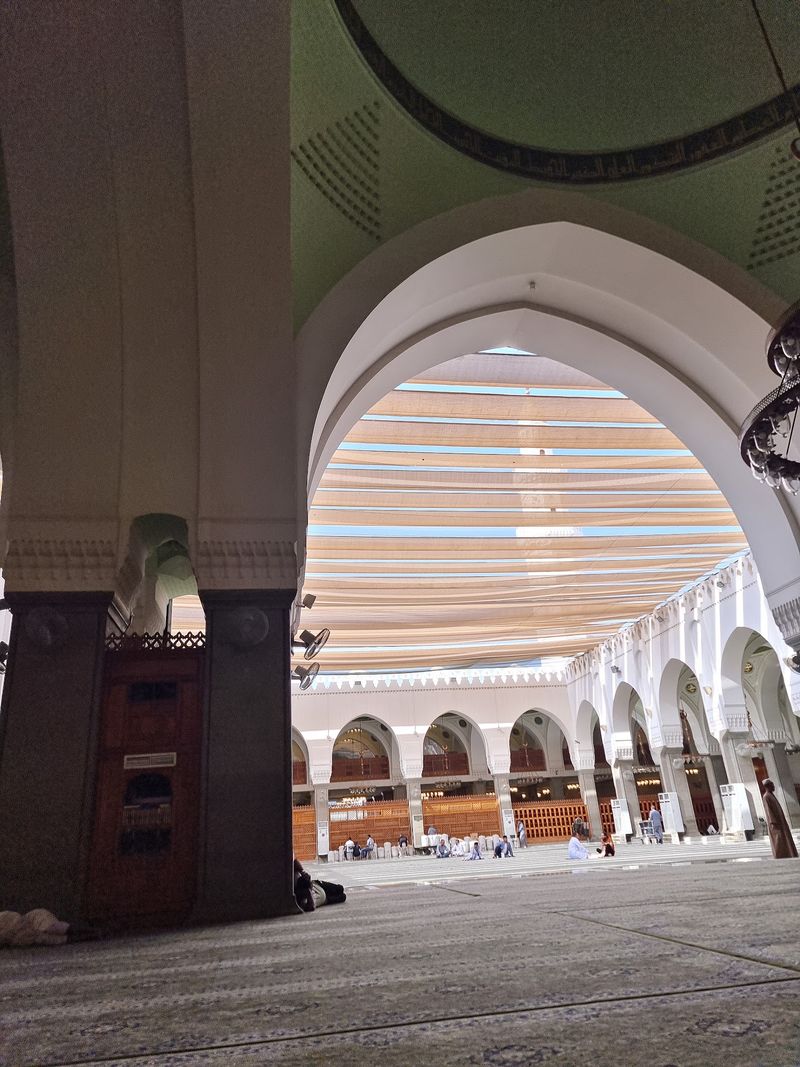
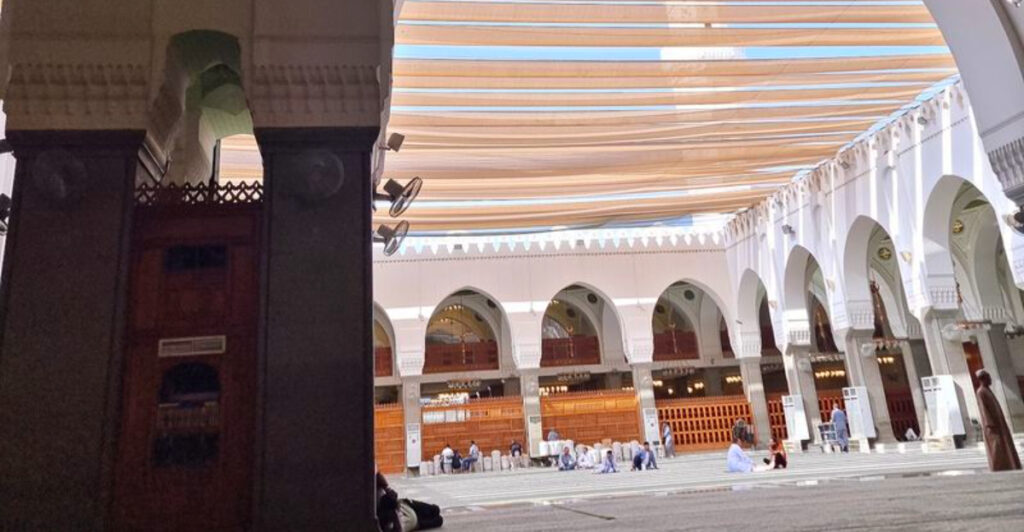
No other country on Earth hosts what Saudi Arabia hosts every year: millions of Muslim pilgrims streaming toward Mecca from every corner of the globe, performing rituals that have been observed for over 1,400 years. As the custodian of Islam’s two holiest sites, the Grand Mosque in Mecca and the Prophet’s Mosque in Medina, Saudi Arabia occupies a unique position in the religious imagination of roughly 1.8 billion Muslims worldwide.
Article 1 of Saudi Arabia’s Basic Law leaves no ambiguity. The kingdom is an Islamic state, Islam is its religion, and the Quran and Sunnah serve as its foundational constitutional authority.
Religion is not one factor among many in Saudi governance; it is the governing framework itself.
Recent years have brought significant social and economic changes under Vision 2030, including new entertainment options, expanded roles for women in public life, and a more outward-looking economy. Yet Islam continues to provide the central structure for law, public institutions, national identity, and the monarchy’s claim to legitimacy.
The five daily prayers still shape the rhythm of business hours, and religious observance remains a defining feature of Saudi public culture from the grandest royal occasion to the quietest neighborhood street.
Share this story