August in Europe is something special. Long days, warm water, open mountain trails, and buzzing local festivals make it one of the most rewarding months to explore the continent.
Whether you crave dramatic fjords, volcanic islands, or sun-soaked Aegean beaches, there is a corner of Europe perfectly suited to your August mood. Pack your bags and get ready, because these 15 destinations are calling your name.
Bohinj, Slovenia
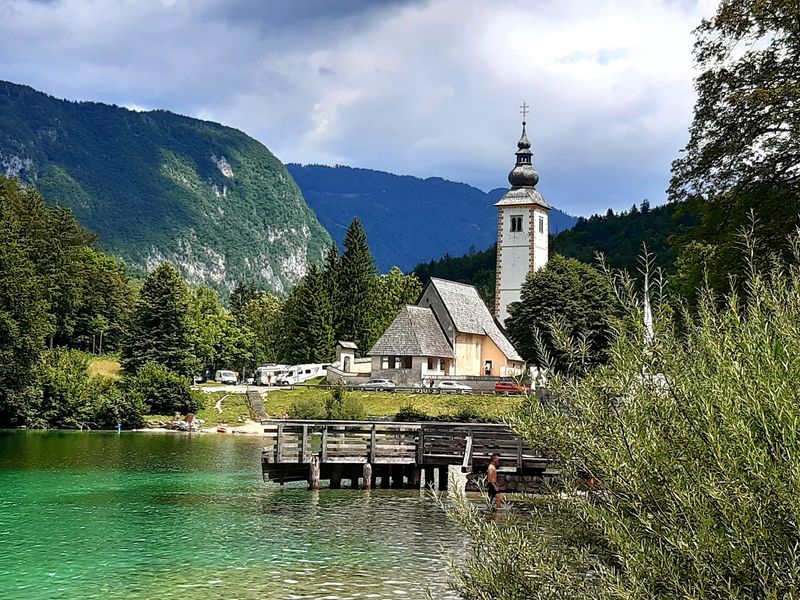
Forget the overcrowded Mediterranean resorts. Lake Bohinj quietly sits in the Julian Alps and offers everything you could possibly want from a summer escape, without the chaos.
The water is clear enough to see the bottom, the mountains are dramatic enough to keep hikers busy for weeks, and the villages surrounding the lake feel genuinely lived-in rather than touristy.
More than 400 kilometers of hiking and mountain routes run through the surrounding Triglav National Park, giving active travelers an almost embarrassing amount of choice. A dedicated cycling route crosses the Bohinj valleys away from road traffic, making two-wheeled exploration both safe and scenic.
August is the best time to reach higher altitude trails that remain closed or snowbound for much of the year.
Kayaking, paddleboarding, and swimming in the lake are all popular warm-weather activities that feel completely refreshing after a long trail walk. Accommodation fills up, so early reservations are wise.
Bohinj rewards travelers who take their time and resist the urge to rush through it.
Naxos, Greece
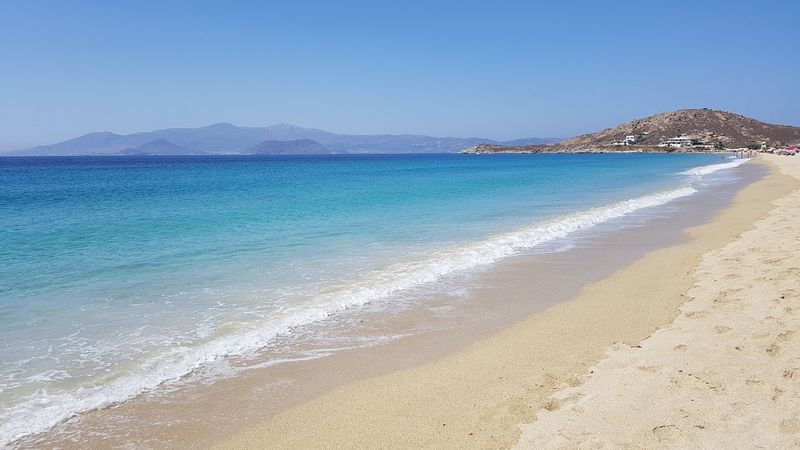
Greece’s largest Cycladic island has a secret weapon: space. While Santorini and Mykonos feel like rush-hour subway stations in August, Naxos spreads its visitors across long sandy beaches, mountain villages, ancient ruins, and fertile farmland that produces some of the best local cheese and potatoes in the country.
Yes, potatoes. Naxos is proud of them.
Beaches like Agios Prokopios, Agia Anna, and Plaka offer classic Aegean swimming conditions with softer crowds than the headline islands. Inland roads wind toward traditional hamlets and up to Mount Zas, the highest peak in the Cyclades, offering a completely different side of Greek island life.
Ancient marble quarries and a giant unfinished statue called the Kouros of Apollonas add historical depth to any visit.
Naxos Town, known locally as Chora, has a Venetian castle, narrow alleys, and waterfront tavernas that stay lively well into the evening. August is still peak season, but the island’s generous size means it never feels overwhelmed.
For a Greek island holiday with genuine variety, Naxos consistently delivers.
Sao Miguel, Azores, Portugal
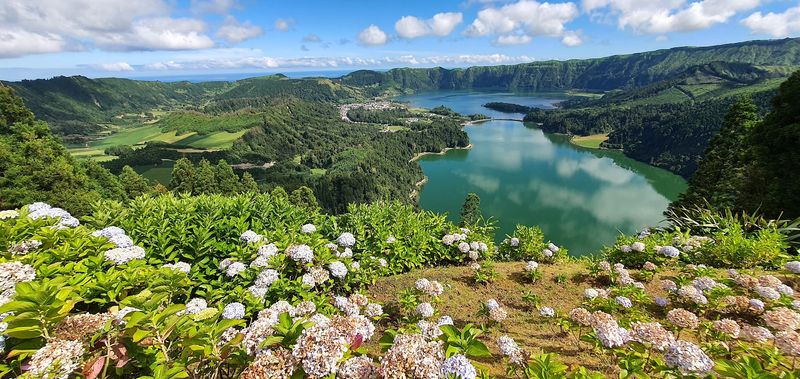
Somewhere in the middle of the Atlantic Ocean, a volcanic island covered in hydrangeas and crater lakes is waiting for you to show up. Sao Miguel, the largest island in the Azores archipelago, is the kind of place that makes people question why they ever bothered with a beach resort.
The scenery is genuinely otherworldly, combining emerald lakes, steaming hot springs, tea plantations, and dramatic sea cliffs in a surprisingly compact area.
August suits Sao Miguel particularly well because warmer Atlantic conditions make outdoor activities more enjoyable across the board. Hiking around Sete Cidades, swimming in the natural pools at Ferraria, and taking boat trips to spot dolphins and whales are all at their most accessible during summer.
The island’s roads are lined with blue hydrangeas that peak beautifully throughout the summer months.
Ponta Delgada, the island’s main town, offers a relaxed base with good restaurants and easy access to most attractions. The Azores sit outside the usual Mediterranean tourist trail, which means prices tend to be more reasonable and the atmosphere more local.
Sao Miguel is a genuinely rewarding Atlantic escape that suits curious travelers.
The Dolomites, Italy
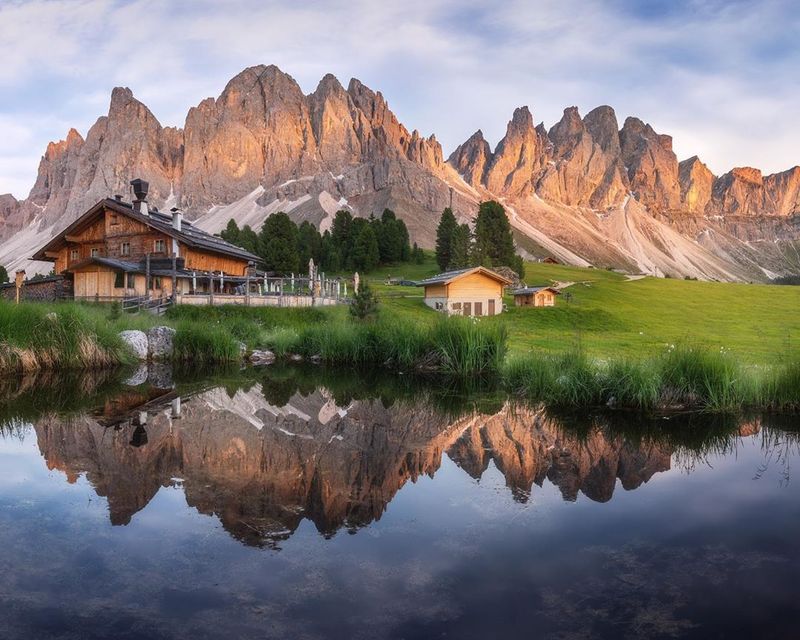
The Dolomites look like they were designed by someone who had never seen a mountain before and simply imagined the most dramatic version possible. These pale limestone towers in northern Italy are genuinely jaw-dropping, and August is the month when the full experience becomes available.
Cable cars are running, mountain huts are serving hot meals, and hiking routes lead through some of the most spectacular terrain in all of Europe.
Val Gardena, Alta Badia, Cortina d’Ampezzo, and several quieter valleys can all serve as comfortable bases for exploring the wider area. The famous Tre Cime di Lavaredo circuit is one of the most rewarding day hikes on the continent, offering close-up views of the three distinctive rock towers that appear on what feels like every Dolomites postcard ever printed.
Mountain lakes like Lago di Braies add a softer, quieter beauty to the dramatic rocky scenery.
Italian summer holidays bring crowds, particularly in August, so starting hikes early in the morning makes a real difference. Staying in smaller villages rather than major resort centers also helps.
The Dolomites reward those willing to put in a little extra effort to find quieter corners.
Lofoten Islands, Norway
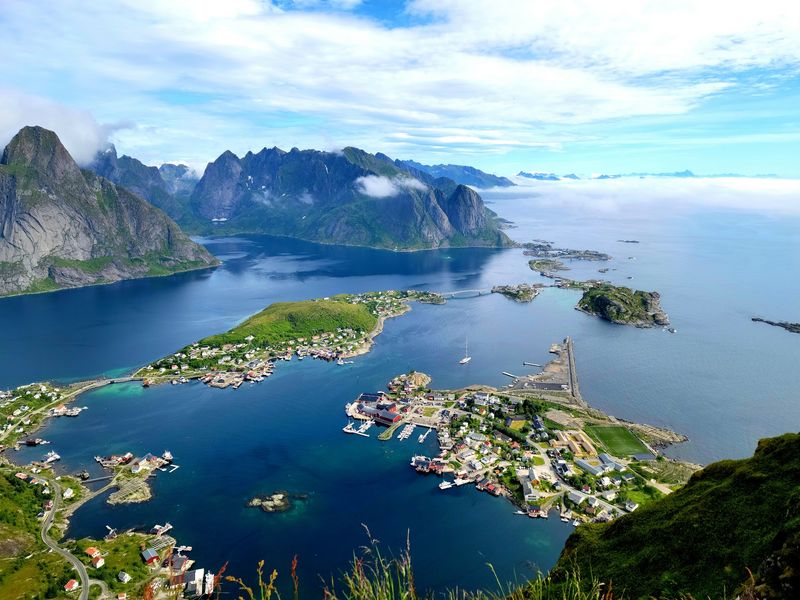
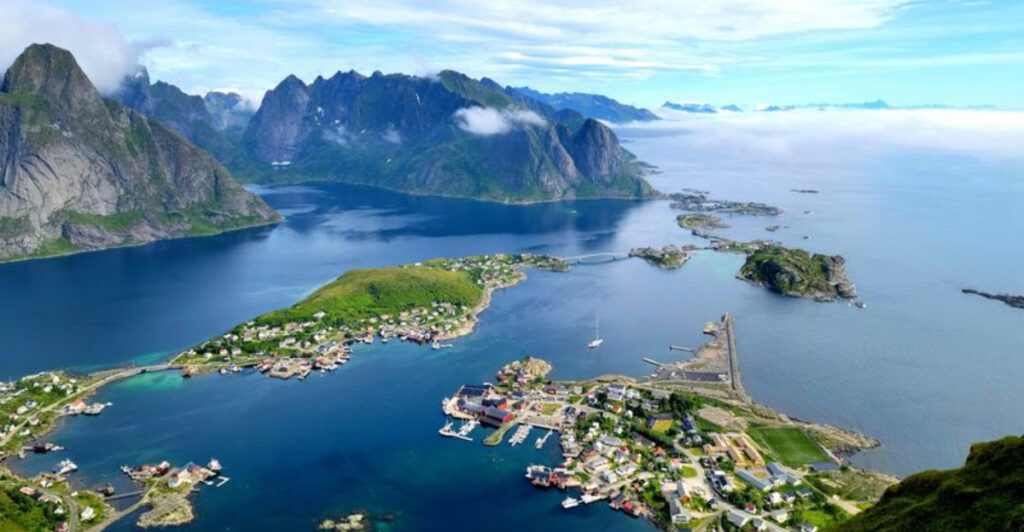
Imagine hiking to a mountain summit at 11 PM with the sun still hanging above the horizon. That is the Lofoten Islands in August, where daylight feels almost magical and the landscape looks like it belongs in a fantasy novel.
The archipelago sits above the Arctic Circle, yet summer temperatures are surprisingly mild and the outdoor opportunities are endless.
Villages like Reine, Henningsvær, and Nusfjord deliver postcard scenery straight to your eyeballs, with classic red fishing cabins perched above glassy water. Kayaking between islands, fishing with locals, and hiking steep ridges are all part of a typical August itinerary here.
Ferries and summer transport links make island-hopping straightforward even for first-time visitors.
August is undeniably busy, so booking accommodation several months ahead is genuinely important. Travelers who plan ahead are rewarded with one of Europe’s most breathtaking combinations of scenery, wildlife, and adventure.
The Lofoten Islands are worth every bit of effort it takes to get there.
Isle of Skye, Scotland
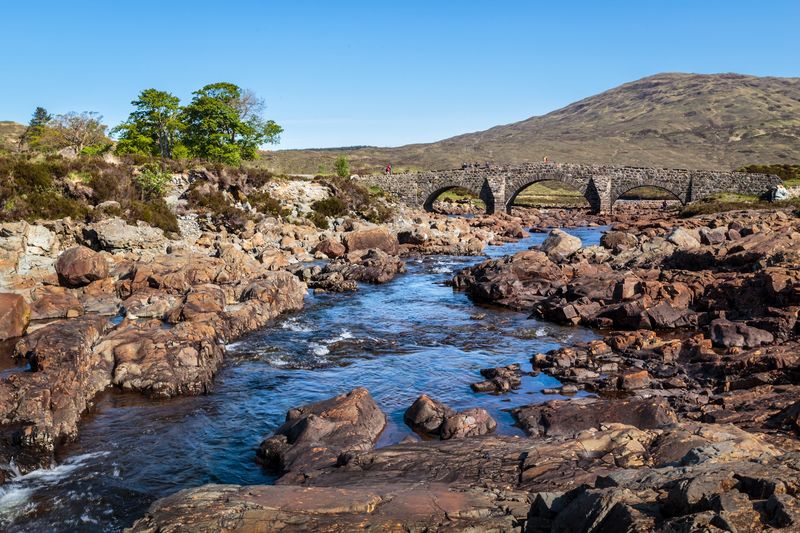
Scotland gets a reputation for rain, but August on the Isle of Skye is a different story. Long summer days stretch past 10 PM, the light turns golden in ways that make even amateur photographers look talented, and the island’s dramatic landscape feels almost aggressively beautiful.
Jagged mountain ridges, sea stacks, fairy pools, and ancient castles are all within reach of a single well-planned week.
The Cuillin mountain range draws serious walkers and climbers, while easier routes around the Quiraing, Neist Point lighthouse, and Staffin Beach reward visitors of most fitness levels. Dunvegan Castle, the oldest continuously inhabited castle in Scotland, adds a layer of history to the natural drama.
Skye also has a growing food and drink scene, with local seafood and whisky distilleries worth seeking out.
The island has become genuinely popular, which means accommodation and car hire must be booked well in advance for August visits. Roads can be narrow and slow-moving during peak season, so patience is useful.
Those who plan carefully and allow flexibility in their itinerary will find Skye is every bit as spectacular as its reputation suggests.
Saaremaa, Estonia
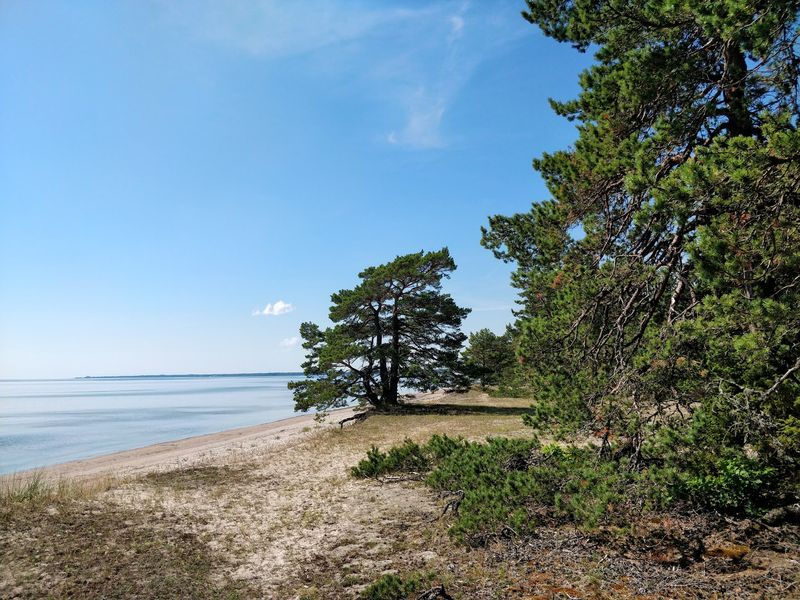
Most August travelers head south, which makes Saaremaa one of the smartest moves in this entire list. Estonia’s largest island sits in the Baltic Sea and offers a version of summer that feels completely different from the packed beaches of southern Europe.
Think juniper forests, windswept coastlines, medieval castles, and a pace of life so relaxed it feels almost rebellious.
Kuressaare Castle is one of the best-preserved medieval fortresses in the Baltic region and makes for a genuinely impressive afternoon stop. The island also has traditional spa culture, local farm stays, and a coastline dotted with small beaches that never feel overcrowded.
Visit Estonia highlights Saaremaa as the sunniest spot in the entire country, which adds a welcome bonus for those worried about northern European weather.
Getting to Saaremaa involves a short ferry crossing from the mainland, which itself becomes part of the experience. The island’s food scene leans heavily on local produce, smoked fish, and craft beer, giving every meal a distinctly regional character.
Saaremaa suits travelers who want genuine calm without sacrificing culture, history, or good food.
Asturias, Spain
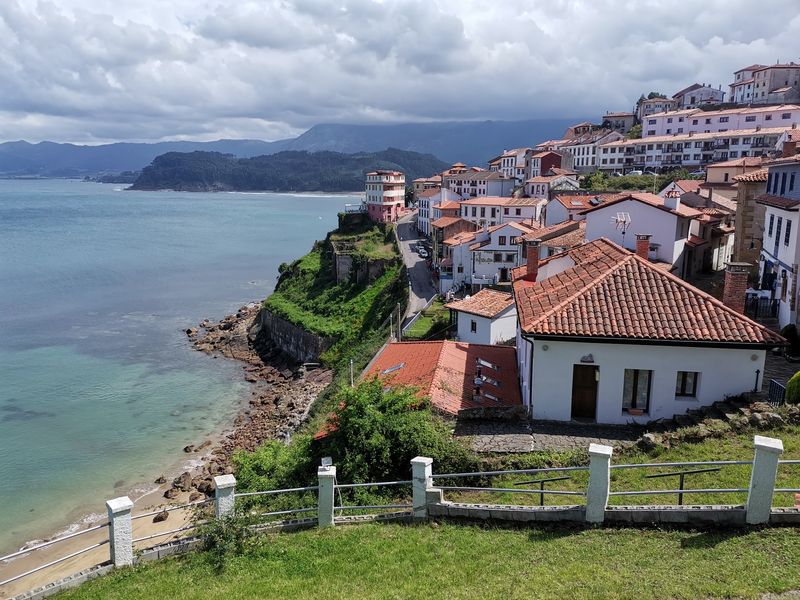
While the rest of Spain is essentially a giant frying pan in August, Asturias keeps its cool. Literally.
The Cantabrian coast runs along the north of Spain, catching Atlantic breezes and staying noticeably greener and milder than the parched south. It is the kind of region that makes you wonder why everyone else is baking in Seville when this exists.
Around 400 kilometers of coastline include wild beaches, dramatic cliffs, fishing villages, and surf spots that attract a loyal crowd of wave-chasers. Inland, the Picos de Europa mountain range offers serious hiking terrain with valleys, gorges, and viewpoints that rival anything in more famous Alpine destinations.
The city of Oviedo has a charming old quarter and a lively bar scene built around sidra, the local sparkling cider poured from dramatic heights.
Cudillero is one of the most photogenic fishing villages in Spain, built into a hillside above a small harbor in a way that seems architecturally impossible. Llanes offers beaches, sea caves, and excellent seafood restaurants along a pretty harbor promenade.
Asturias rewards slow travel and curious appetites, making it one of August’s most underrated European choices.
Norwegian Fjords
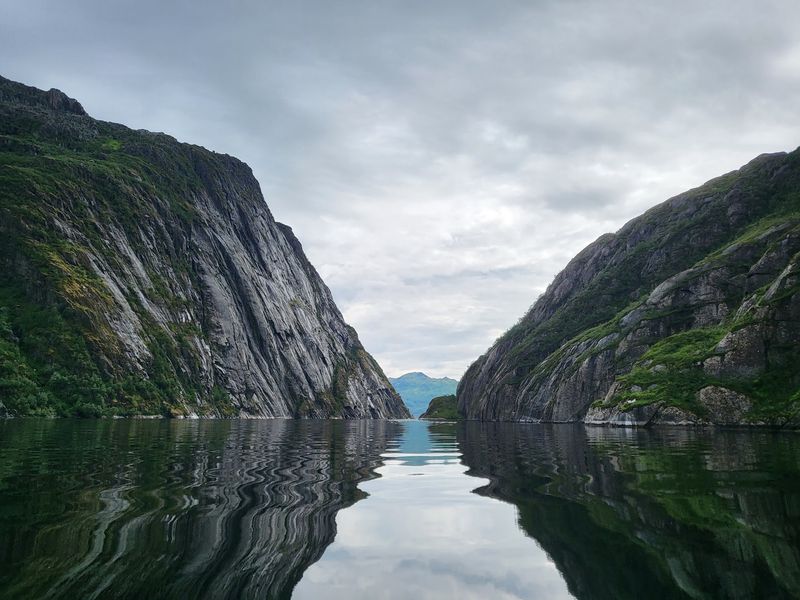
There is a reason the Norwegian fjords appear on so many bucket lists: they are simply extraordinary. Deep blue water flanked by sheer cliffs, waterfalls tumbling hundreds of meters, and mountain farms perched in positions that seem to defy gravity.
August is one of the best months to experience all of it because roads, hiking trails, ferries, and mountain viewpoints are fully open and operating.
Geirangerfjord and Sognefjord are the most famous, and both absolutely earn their reputations. Hardangerfjord adds orchards and fruit farms to the dramatic scenery, creating a softer, almost pastoral version of fjord country.
Less famous neighboring valleys often deliver equally stunning landscapes with a fraction of the visitor numbers, rewarding travelers willing to stray slightly from the main tourist routes.
Combining a scenic boat journey with a mountain hike is entirely possible in August, turning a single day into multiple distinct experiences. Norway’s tourism authority actively promotes August for outdoor exploration, and the country’s infrastructure for visitors is excellent.
Renting a car gives the most flexibility, though bus and ferry networks cover most of the key routes for those traveling without one.
Folegandros, Greece
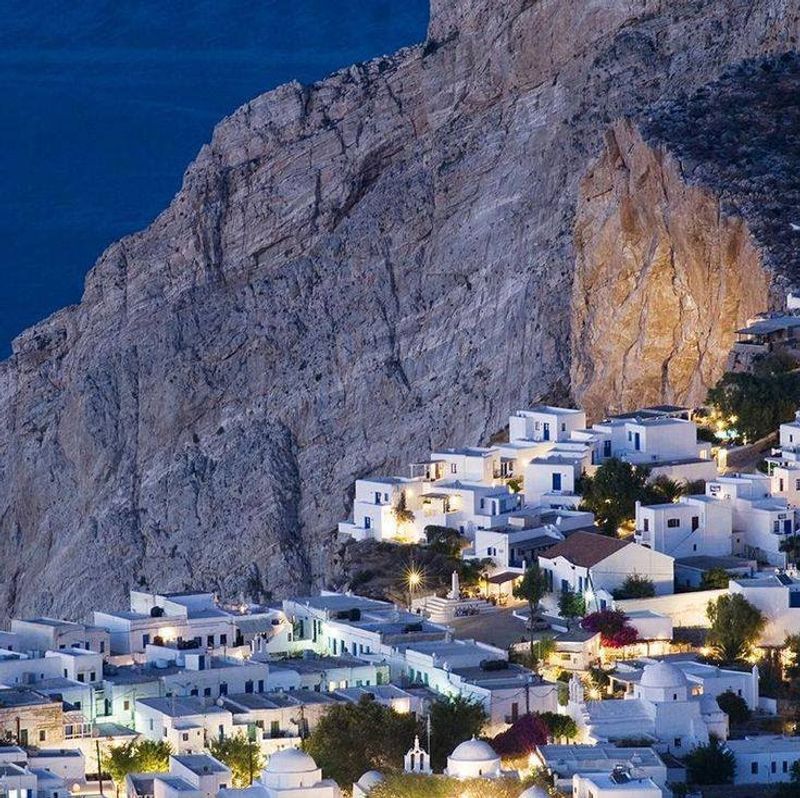
Folegandros is the Cyclades’ best-kept secret, and regular visitors would prefer it stayed that way. This small island sits southwest of Santorini but operates at a completely different frequency, one that prioritizes terraced hillsides, dry-stone walls, and evening meals that stretch for hours rather than Instagram queues and cocktail menus.
Chora, the island’s main village, sits dramatically above the sea on a clifftop that makes every sunset feel personal.
The beach situation on Folegandros requires a bit of effort, since most require a boat ride or a walking trail to reach. That small inconvenience is actually the island’s best quality filter.
The beaches that do require effort to reach tend to be calm, beautiful, and shared with far fewer people than anywhere on a larger Greek island in August.
Visit Greece groups Folegandros alongside neighboring Sikinos as ideal destinations for travelers seeking relaxed, authentic Cycladic life. Staying for several nights rather than a day trip makes a significant difference, because the island reveals its quieter, more genuine character once the day visitors head back to their ferries.
Folegandros is not for everyone, and that is precisely what makes it wonderful.
The Scottish Highlands
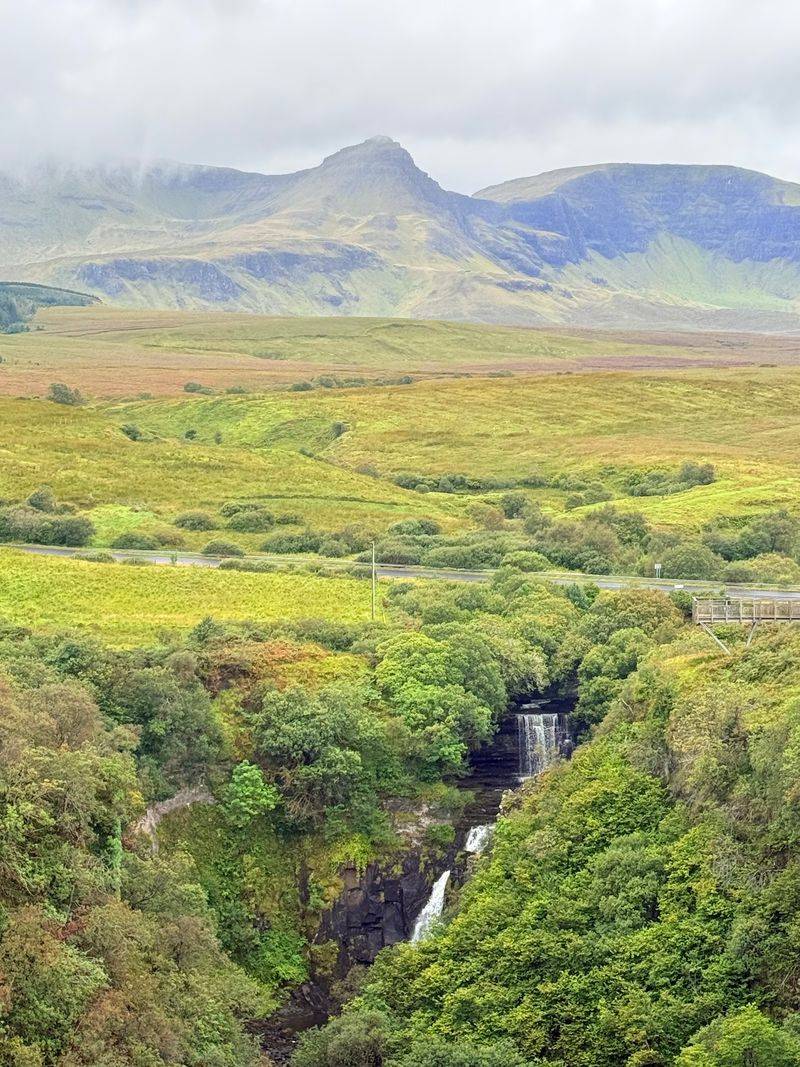
Purple heather covers the Scottish Highlands in August, and if that single image does not make you want to book a flight immediately, nothing will. The landscape shifts constantly as you drive through it, from brooding moorland to sparkling lochs to pine forests to mountain summits that seem to appear from nowhere.
August also brings Highland Games to several communities, offering visitors a genuinely local cultural experience that goes well beyond tartan souvenirs.
Loch Ness, Glencoe, the Cairngorms National Park, and the area around Inverness all offer distinct flavors of Highland scenery and history. Castle ruins appear with almost suspicious regularity, each one seemingly positioned for maximum dramatic effect above a loch or at the end of a single-track road.
The region around Lochaber contains some of Scotland’s most rewarding long-distance walking routes.
August demand is high and accommodation in popular areas fills quickly, which makes advance planning genuinely important rather than just advisable. Smaller glens and less-traveled roads often deliver the most memorable moments of a Highlands trip.
Travelers who slow down and resist the urge to tick off famous spots tend to leave with the best stories.
Santa Maria, Azores
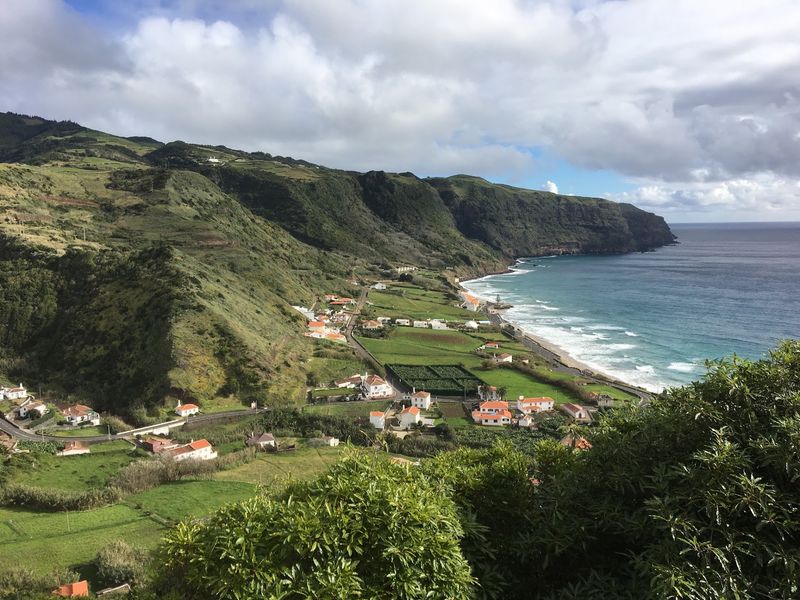
Santa Maria is the odd one out in the Azores, and that is meant as a compliment. While most of the archipelago leans toward lush green volcanic drama, Santa Maria is sunnier, drier, and home to the only pale-sand beaches in the entire island group.
It feels like someone accidentally dropped a piece of the Algarve into the middle of the Atlantic and decided to keep it there.
Praia Formosa is the island’s most famous beach and the setting for the Maré de Agosto festival, one of the Azores’ most celebrated summer events. The festival brings music, dancing, and a lively community atmosphere to a beach that is already one of the region’s most beautiful spots.
Vineyard-covered slopes add a productive and photogenic contrast to the coastal scenery.
Santa Maria suits travelers who want a genuinely relaxed Atlantic island holiday without the volume of visitors that Madeira or the Canary Islands attract in August. The island is compact enough to explore thoroughly in a few days, making it an ideal combination with a longer stay on Sao Miguel.
Santa Maria is small, sunny, and surprisingly satisfying.
Triglav National Park, Slovenia
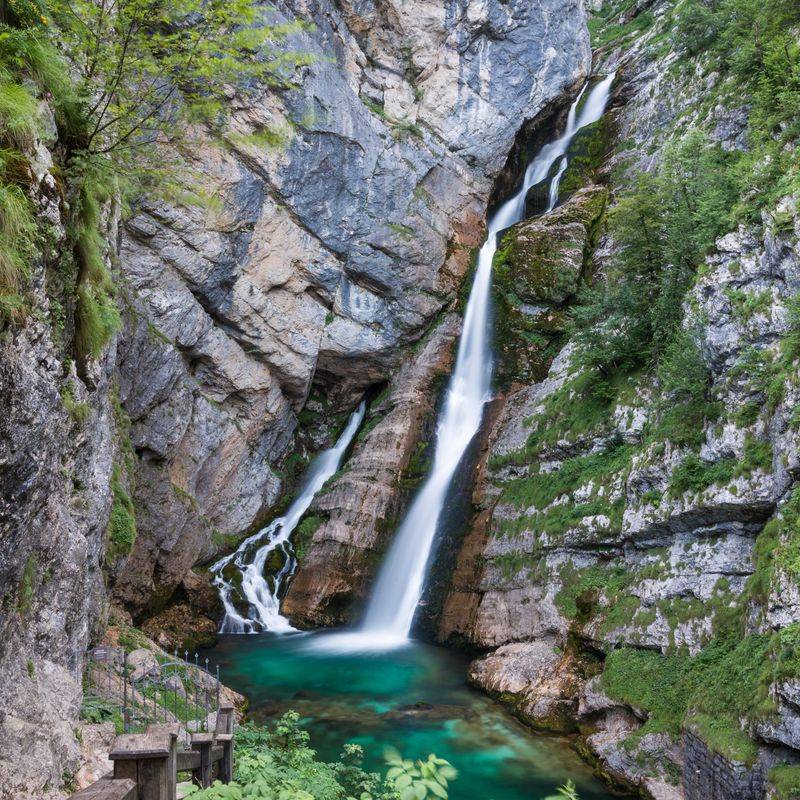
Slovenia punches well above its weight in the European nature stakes, and Triglav National Park is the heavyweight champion of the whole country. Named after the country’s highest peak, the park covers a huge chunk of the Julian Alps and contains glacial valleys, mountain rivers, waterfalls, gorges, and more hiking trails than any single visitor could complete in a lifetime.
August is the month when most of those routes are fully accessible.
Lake Bohinj serves as one of the main gateways into the park’s deeper terrain, providing a beautiful base that combines lakeside relaxation with genuine mountain adventure. The Savica Waterfall is a popular starting point for longer hikes, dropping dramatically into a canyon before the trail climbs toward higher alpine territory.
Mountain huts scattered throughout the park allow multi-day routes for those who want to go further.
Weather at altitude can change with surprising speed, so proper hiking gear and current mountain forecasts are essential rather than optional. The park’s rivers and streams are cold and extraordinarily clear, making a quick dip after a long trail walk one of the most refreshing experiences imaginable.
Triglav rewards preparation and rewards curiosity even more.
Pico Island, Azores
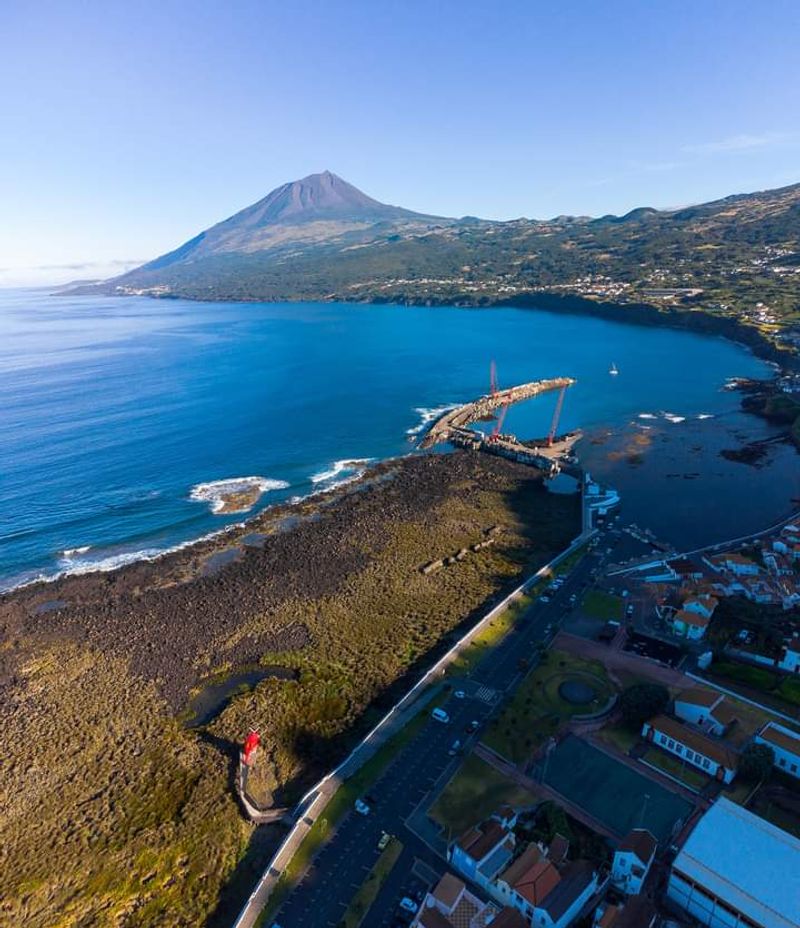
Pico Island does not ease you in gently. Portugal’s highest mountain rises almost 2,350 meters straight out of the Atlantic Ocean, visible from neighboring islands and impossible to ignore once you arrive.
The island’s entire personality is shaped by this volcanic character, from the black lava stone vineyards that earned UNESCO World Heritage status to the whale-watching waters that once made Pico one of the world’s most active whaling communities.
August suits outdoor exploration on Pico particularly well. Boat trips to spot sperm whales, dolphins, and loggerhead turtles operate regularly during summer, and conditions are generally calm enough for comfortable excursions.
Guided ascents of Mount Pico are available for fit and properly equipped travelers, offering views across the entire archipelago on clear days.
The vineyard landscape is unlike anything else in Portugal, with low stone walls called currais protecting vines from Atlantic winds in a pattern that covers much of the island’s coastal lowlands. Local wines made from the Verdelho grape variety are genuinely worth seeking out in the island’s small restaurants and wine bars.
Pico is rugged, dramatic, and deeply rewarding for travelers who appreciate landscapes shaped by geological force.
North Coast of Spain
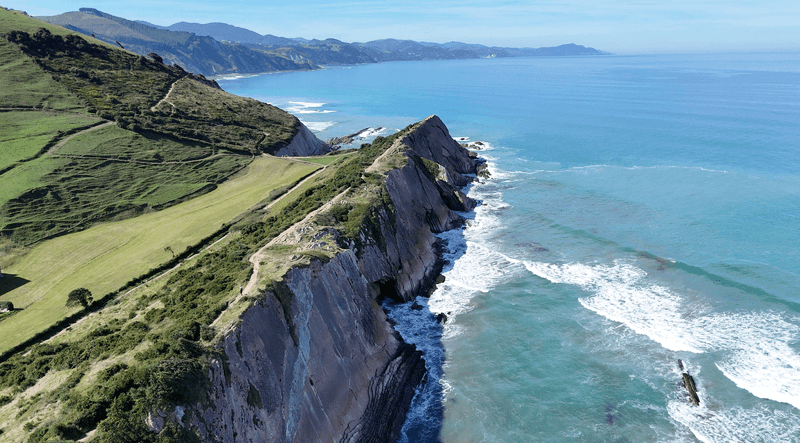
Spain’s northern coastline is one of Europe’s great road trip routes and nowhere near as famous as it deserves to be. Stretching from the Basque Country through Cantabria and into Asturias, this Atlantic edge of Spain combines extraordinary food culture, medieval pilgrimage routes, wild beaches, and mountain scenery in a single coastal drive that can fill two weeks without ever feeling repetitive.
The Camino del Norte pilgrim route runs right through it.
San Sebastian alone could justify the entire journey, with its pintxos bars, world-class restaurants, and beautiful La Concha beach making it one of the most satisfying food destinations in Europe. Moving west, the coastline opens into wilder territory with fewer visitors and more dramatic cliff scenery.
Santander, Comillas, and Llanes each offer distinct personalities worth at least a day of exploration.
August temperatures along the north coast stay moderate compared to southern Spain, making outdoor activity comfortable throughout the day. The food traditions of the Basque Country and Asturias mean that eating well is practically unavoidable.
Spain’s official tourism authority consistently promotes this coastal corridor for its rare combination of nature, gastronomy, culture, and history all within easy driving distance of each other.
Share this story