Planning a family trip to Europe sounds exciting until you realize not every city is built with kids in mind. The best destinations for families go beyond pretty skylines and old churches.
They offer hands-on museums, outdoor adventures, easy transportation, and enough variety to keep both a restless six-year-old and a bored teenager genuinely happy. These 15 cities have earned their spots by putting children at the center of the experience, not as an afterthought.
Copenhagen, Denmark
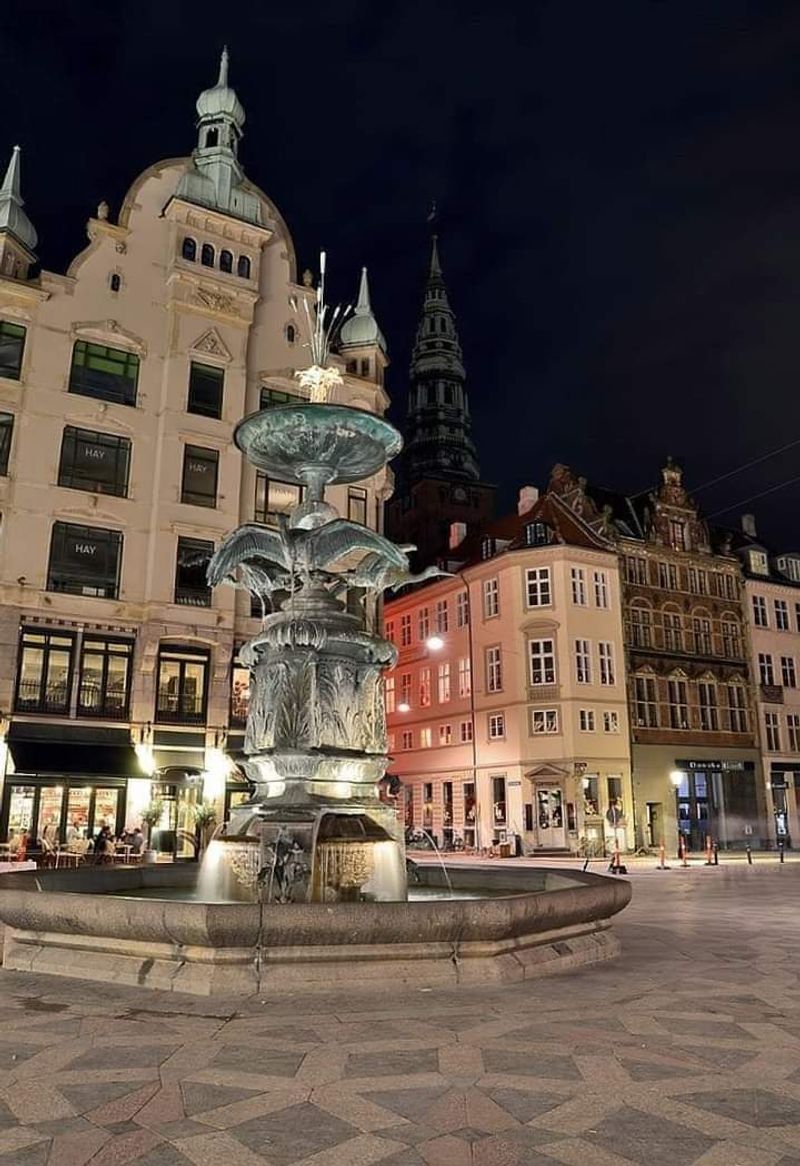
Copenhagen might just be the city that spoils kids so thoroughly, they refuse to go home. With 125 public playgrounds scattered across the city, children never have to wait long before finding somewhere to burn off energy.
The compact layout means families spend less time commuting and more time actually doing things.
Tivoli Gardens is the crown jewel, blending old-fashioned charm with rides, live performances, and beautiful gardens. Beyond that, Copenhagen Zoo, science museums, harbor boat rides, and castles fill out a packed family itinerary.
The Copenhagen Card bundles public transit with entry to over 80 attractions, making trip planning much simpler.
Cycling is a genuine option here, as the city is flat and bike-friendly. Families with older kids can rent bikes and join the locals on well-marked cycling paths.
Copenhagen rarely feels rushed or overwhelming, which is exactly what exhausted parents need after a long travel day.
London, England
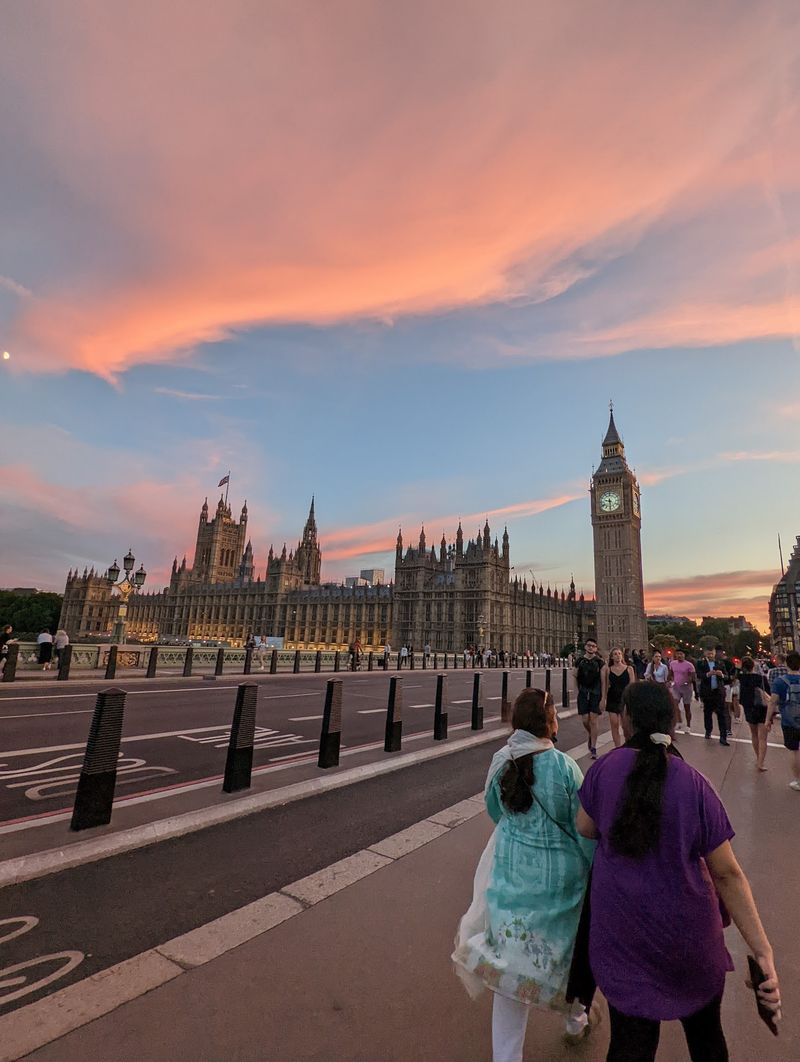
Few cities on earth can match London when it comes to keeping children genuinely entertained for days without repeating a single activity. The Tower of London, the London Eye, river cruises, royal parks, and immersive theater experiences all compete for space on the itinerary.
Teenagers and toddlers somehow both find things to love here.
What makes London especially smart for budget-conscious families is the sheer number of free experiences. Visit London highlights nearly 30 no-cost activities for children, including the Natural History Museum, the Science Museum, and sprawling green parks like Hyde Park.
Saving on entry fees gives families more room to splurge on a Thames boat ride or West End show.
The underground train network, known as the Tube, can feel like an adventure in itself for younger kids. Double-decker buses add another layer of excitement.
London is expensive overall, but careful planning lets families experience one of the world’s greatest cities without completely emptying their wallets. Start with the free museums and build outward from there.
Vienna, Austria
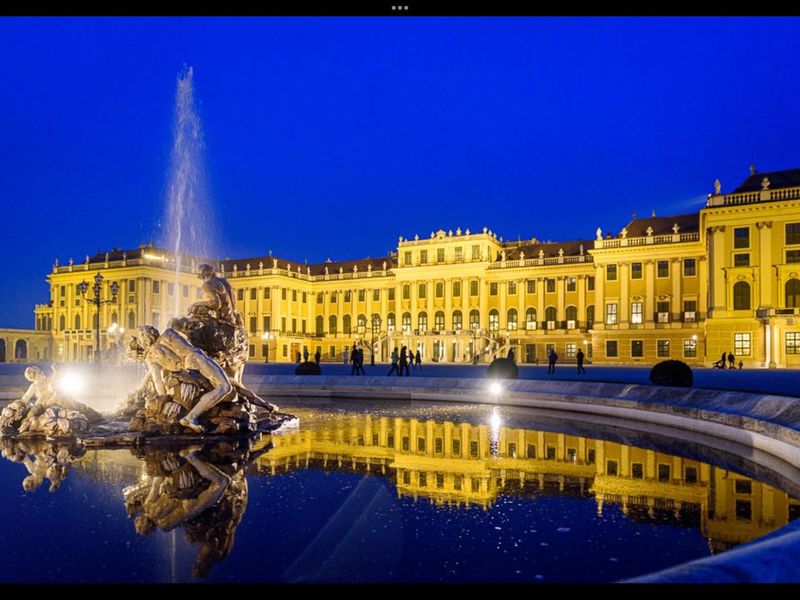
Vienna has a reputation for being elegant and serious, but children tend to see it very differently. Schonbrunn Palace alone offers a zoo, a maze, a playground, and imperial rooms that feel like walking into a fairy tale.
The city’s tourism authority even publishes dedicated family itineraries for visitors with children of different ages.
The Prater amusement park has been making kids happy since 1766, and its iconic giant Ferris wheel gives families a sweeping view of the city. Interactive science museums, natural history collections full of dinosaur bones, and hands-on children’s exhibitions round out a well-balanced itinerary.
Vienna rarely forces families to choose between fun and culture.
Getting around is refreshingly easy thanks to an excellent tram and metro system. Parents who dread hauling strollers across cobblestones will appreciate how accessible most major sights are.
Vienna also tends to be slightly more affordable than London or Paris, giving families better value without sacrificing the quality of the experience. A family day pass for public transit covers a lot of ground.
Amsterdam, Netherlands
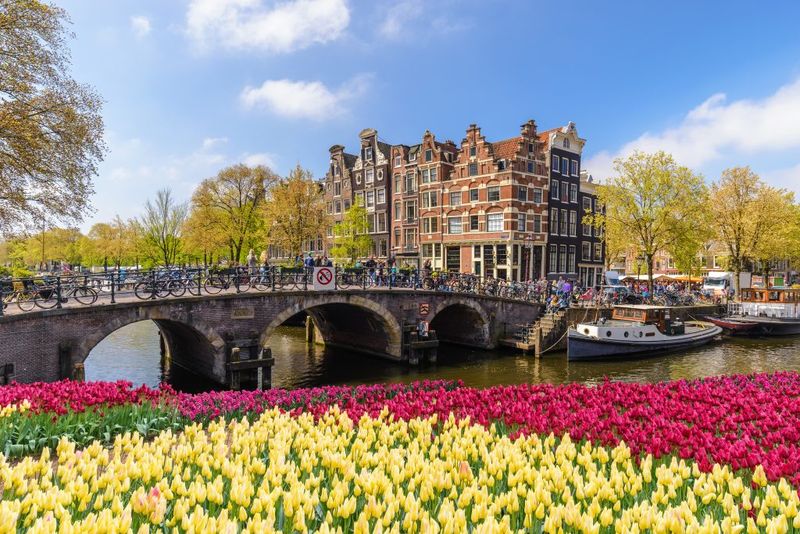
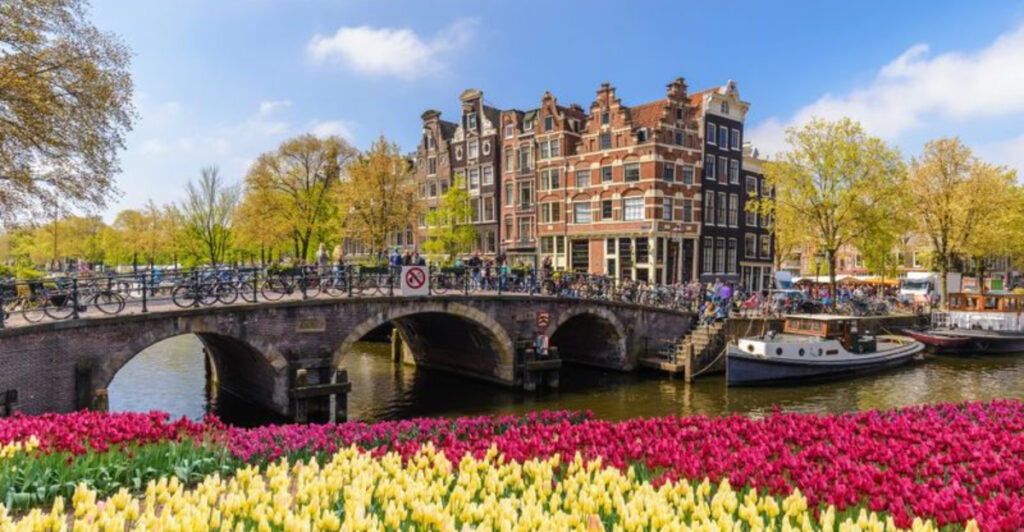
Riding a canal boat through Amsterdam is the kind of experience kids talk about for years afterward. The city floats on more than 100 canals, and seeing the historic gabled houses from the water gives children a completely different perspective on European history.
Canal tours are relaxed, scenic, and genuinely fun for all ages.
Amsterdam’s official tourism resources highlight interactive science centers, working windmills, city farms, climbing parks, and museums built specifically around younger visitors. NEMO Science Museum alone could occupy a curious child for an entire afternoon with its hands-on experiments and rooftop terrace.
The concentration of attractions near the historic center keeps travel time between stops short.
Older children and teenagers often enjoy trying to cycle like locals, though families new to Amsterdam’s busy bike lanes should spend a few minutes learning the unwritten rules before jumping in. Many families find a mix of walking, boats, and trams the easiest approach.
The city is compact enough that getting lost rarely feels stressful, and stumbling across a surprise market or street performer is half the fun.
Paris, France
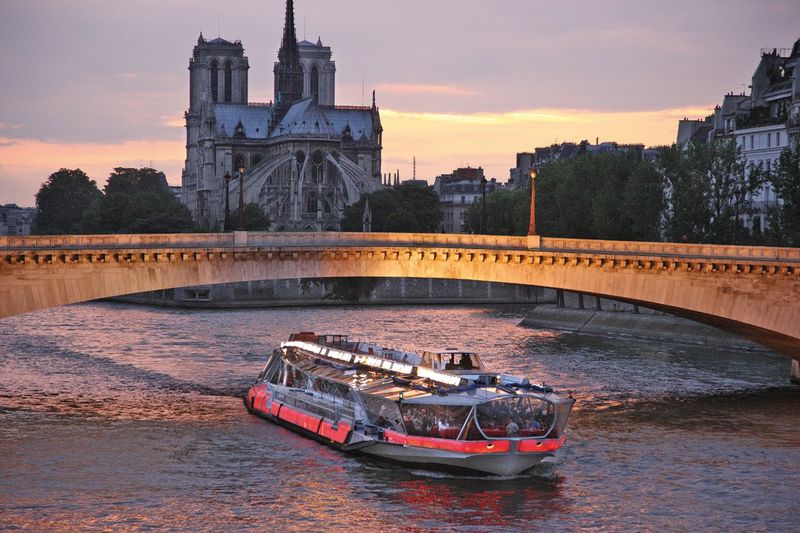
Paris has a well-known reputation for sophistication, but it secretly does an excellent job of entertaining children. Treasure hunts through the Louvre, puppet shows in the Tuileries Garden, carousels near the Eiffel Tower, and dedicated family workshops at major museums transform the city into something far more interactive than a typical art-and-architecture tour.
A Seine river cruise is one of the easiest ways to introduce young visitors to Parisian landmarks without wearing out their legs. Children tend to love spotting bridges, boats, and famous monuments from the water.
The Eiffel Tower visit itself, while always crowded, creates a genuine sense of wonder that even the most reluctant sightseers find hard to resist.
Outside the city center, Disneyland Paris sits just 35 minutes away by train and makes for an obvious crowd-pleaser. Parc Asterix is another strong option for families looking for thrills without Mickey Mouse prices.
Paris also has enormous parks like the Bois de Boulogne where children can rent boats, ride ponies, or simply run wild. The city rewards families who plan ahead and mix iconic sights with lower-key local experiences.
Stockholm, Sweden
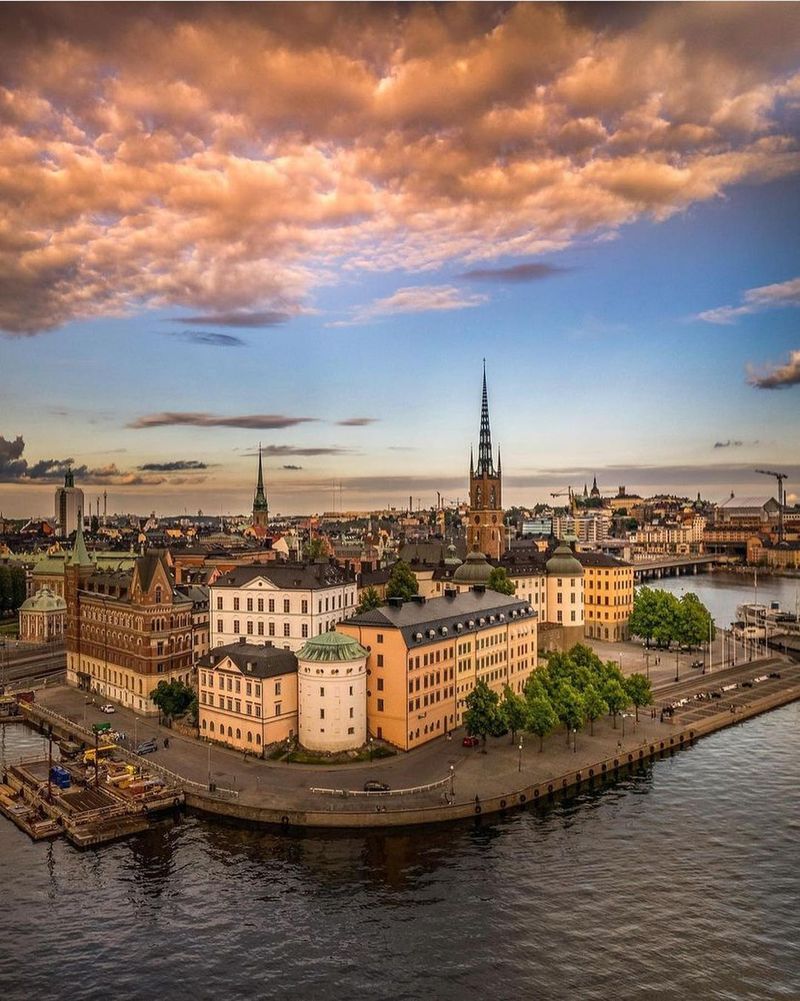
Stockholm is built across 14 islands, which means ferries and boats are not just tourist extras but actual parts of everyday life. For children, that transforms a simple commute into a mini adventure.
Hopping between islands by boat gives families a sense of exploration without needing to travel far from the city center.
Junibacken, a storybook museum celebrating beloved Swedish children’s author Astrid Lindgren, is a genuine highlight for younger visitors. Skansen, the world’s oldest open-air museum, combines a zoo with historical Swedish buildings and seasonal events.
The city’s official family guide also points out numerous playgrounds positioned conveniently between major attractions, which is a lifesaver for parents managing tired toddlers.
Summer in Stockholm is extraordinary for families. Long daylight hours mean children can swim, kayak, and explore outdoor spaces well into the evening.
Even in cooler months, the indoor museum scene is strong enough to keep families busy through rainy afternoons. Stockholm is not the cheapest destination in Europe, but its combination of natural beauty, cultural richness, and child-specific attractions makes the investment feel worthwhile for most families.
Barcelona, Spain
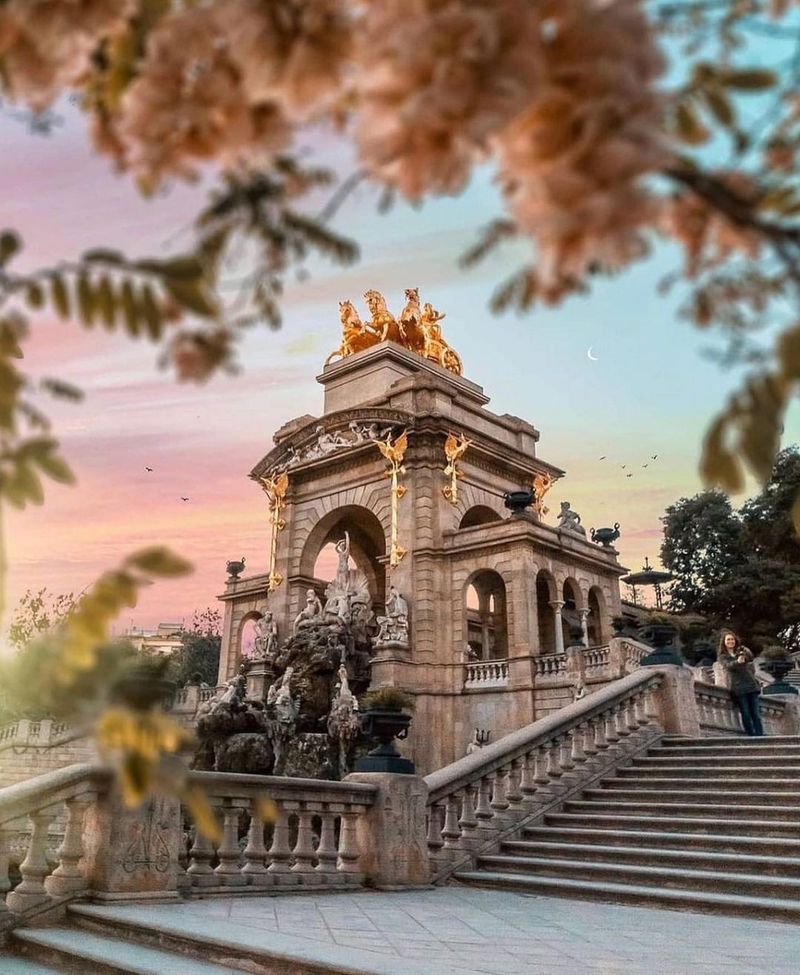
Barcelona hands children something most European cities cannot: a beach within easy reach of a city full of extraordinary things to see. After a morning exploring Gaudi’s fantastical architecture, families can spend the afternoon with their feet in the Mediterranean.
That combination of culture and coastline is genuinely rare in a major European capital.
Park Guell feels like someone built a playground out of a fairy tale, with winding mosaic paths, strange sculptures, and hilltop views over the city. Kids who normally resist sightseeing tend to forget their complaints once they start climbing around Gaudi’s colorful creations.
The city’s cable cars add another layer of excitement for children who love a good view from high up.
Turisme de Barcelona offers a Family Card that covers entry discounts at cultural and leisure sites, helping families manage costs across a busy itinerary. The city’s beaches are well organized, the metro is easy to navigate, and the food scene makes even picky eaters reasonably happy with fresh pizza, pasta, and seafood options everywhere.
Barcelona balances big-city energy with enough breathing room that families never feel overwhelmed.
Prague, Czechia
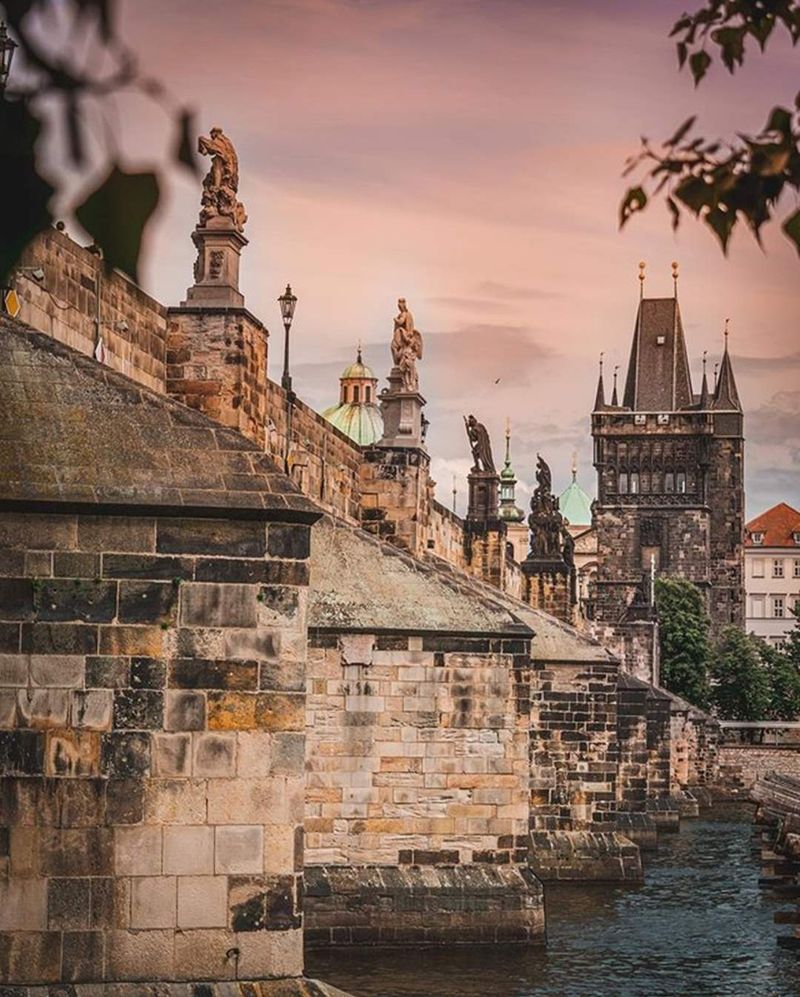
Prague looks like it was designed specifically to make children believe in fairy tales. Towers rise out of the mist, a medieval castle watches over the city from a hilltop, and the Charles Bridge is lined with stone statues that beg for closer inspection.
Simply walking through the old town feels like stepping inside a storybook.
Prague City Tourism actively recommends family-specific attractions including boat rides on the Vltava River, vintage tram tours, miniature railways, and the Petrin Mirror Maze, which reliably produces squeals of confused delight from children of every age. Interactive museums and galleries add educational value without the dry, stand-and-stare format that bores younger visitors.
The city center is compact and easy to navigate on foot, tram, or metro. Families with strollers will find some of the cobblestone streets challenging, but the tram network provides a comfortable alternative to walking everywhere.
Prague is also one of the more affordable major European cities, which means families can stretch their budget further. Eating out, paying for attractions, and getting around all cost noticeably less here than in Western European capitals.
Helsinki, Finland
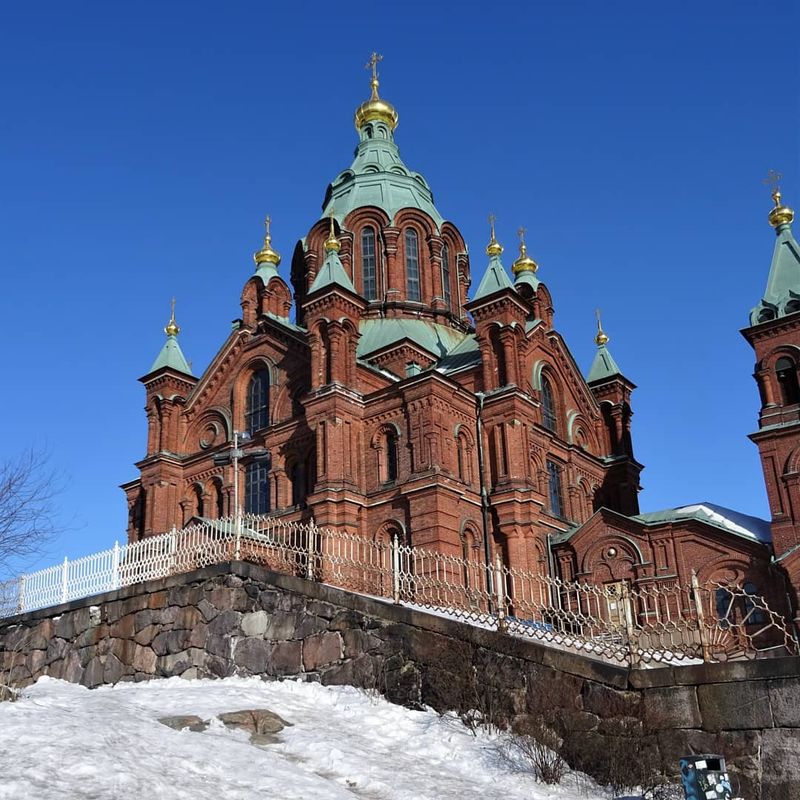
Helsinki is the kind of city that rewards curious families. It sits at the edge of the Baltic Sea, surrounded by islands, forests, and a landscape that shifts dramatically between seasons.
Children who enjoy both museums and outdoor exploration find that Helsinki delivers both without asking them to travel far between the two.
The ferry ride to Suomenlinna, a historic sea fortress spread across several islands, is a highlight that combines transportation, history, and outdoor adventure in one trip. Children can explore ancient tunnels, walk along old cannon placements, and picnic on the grassy slopes above the sea.
Back in the city, hands-on science and nature museums provide rainy-day alternatives that keep younger visitors genuinely engaged.
Helsinki’s public tram network is straightforward and fun to use, with tram number 2 offering an informal sightseeing loop around the city center. In winter, families can experience snow activities, ice skating, and the magical quiet of a Finnish city under fresh snowfall.
In summer, the endless daylight creates a relaxed, unhurried pace that suits family travel perfectly. Helsinki rarely tops the tourist lists, which means shorter queues and a more local feel throughout.
Lisbon, Portugal
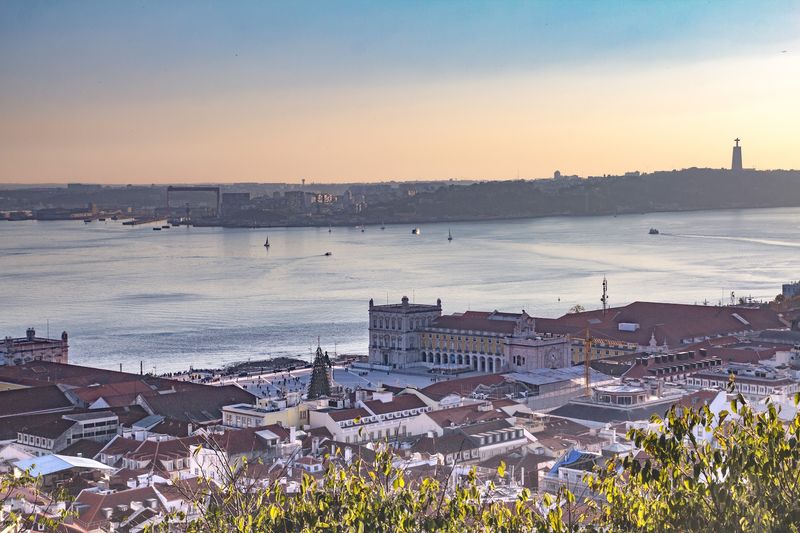
Lisbon turns the act of getting around into part of the entertainment. Bright yellow trams clatter up steep hills, funiculars offer a gentler climb, and ferries cross the wide Tagus River with views of the city spreading up behind them.
Children who might otherwise complain about sightseeing tend to stay engaged simply because the journey itself is interesting.
Visit Lisboa provides dedicated family resources covering cultural experiences, children’s museums, and interactive activities designed specifically for younger visitors. The wider Lisbon region also puts Atlantic beaches within easy reach, giving families a natural escape from the city’s hills on warmer days.
The contrast between historic neighborhoods and open coastal scenery is one of Lisbon’s strongest selling points for families.
A word of honest advice: Lisbon’s hills are steep, and pushing a stroller uphill in summer heat is genuinely exhausting. Mixing walking with trams, funiculars, and the metro makes the city far more manageable.
The historic neighborhoods of Alfama and Belem both offer rewarding family experiences with castles, monuments, and waterfront spaces. Lisbon is also more affordable than many Western European capitals, which gives families flexibility to try more activities without budget stress.
Edinburgh, Scotland
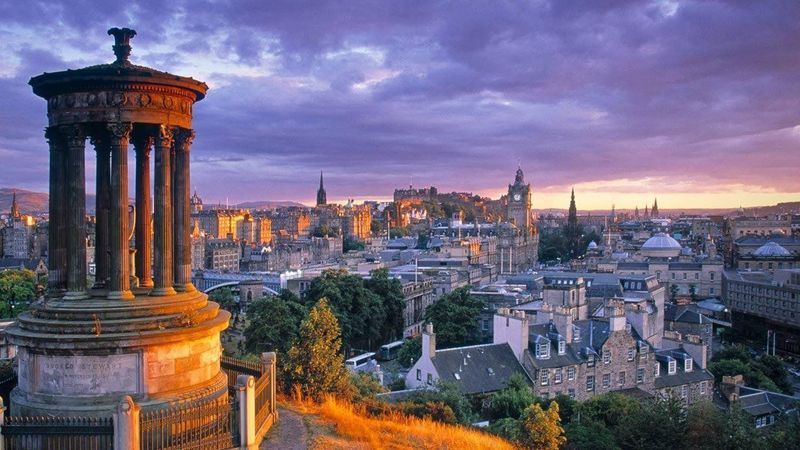
Edinburgh is practically designed for children who love drama, mystery, and stories. The city sits on ancient volcanic rock, its castle looms over everything from a clifftop, and local guides have been terrifying delighted tourists with ghost stories for generations.
Few European capitals offer this level of built-in storytelling atmosphere.
The city’s official tourism organization highlights Dynamic Earth, a science center that walks visitors through the history of the planet with spectacular visuals and hands-on displays. Family bus tours, underground vault explorations, and a dedicated Local Kids’ Guide created with recommendations from Edinburgh children themselves round out a genuinely thoughtful family offering.
Older kids especially love the darker historical elements of the city’s past.
Arthur’s Seat, an ancient volcano in the middle of the city, offers a rewarding hike for families with older children and teenagers. Younger visitors have plenty of indoor attractions for rainy days, which are not uncommon in Scotland.
The Royal Mile connects the castle to the Palace of Holyroodhouse and passes enough interesting shops, closes, and courtyards to keep curious children occupied for hours. Edinburgh’s compact size also makes it easy to cover a lot of ground without relying heavily on public transport.
Berlin, Germany
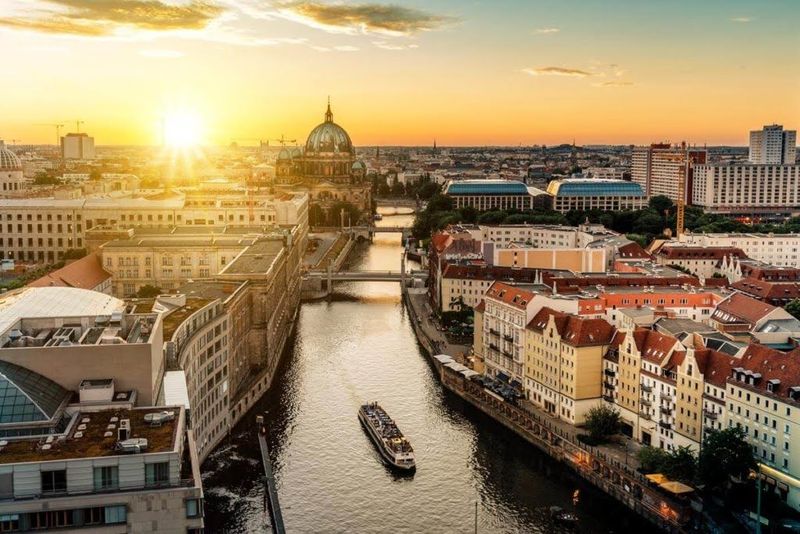
Berlin is enormous, but its family infrastructure is so well developed that size rarely becomes a problem. VisitBerlin describes the German capital as one of the most family-friendly metropolitan cities in the world, and the numbers back that up.
More than 1,850 playgrounds are spread across the city, meaning children almost never have to go long without somewhere to play.
The zoo is one of the most species-diverse in the world, and the adjacent aquarium adds even more to a single visit. Children’s farms, interactive history museums, science centers, and immersive art experiences give families an almost overwhelming range of choices.
Parents can alternate heavy cultural visits with lighter, purely fun activities without running short of options.
Berlin’s public transport network is one of Europe’s most extensive, connecting neighborhoods and major attractions efficiently. Families with teenagers will find the city particularly rewarding, as Berlin’s street art, music venues, food markets, and edgy creative culture give older kids something genuinely cool to engage with beyond the usual museum circuit.
The city’s history is heavy but presented in ways that make it accessible and thought-provoking for children old enough to start asking bigger questions about the world.
Valencia, Spain
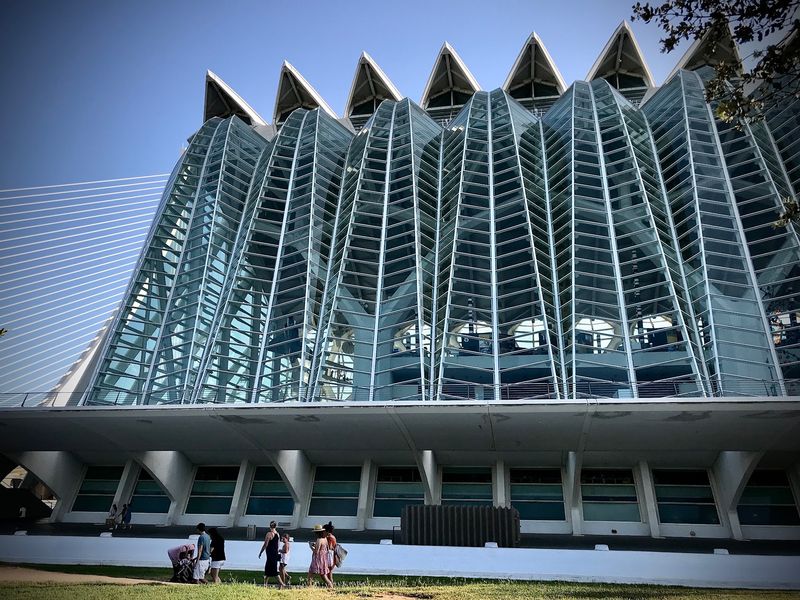
Valencia is the city that quietly does everything right for families while louder destinations grab all the headlines. Its flat terrain and expanding cycling network make getting around significantly easier than in most historic European cities.
Children on bikes alongside their parents is a completely normal sight here, and the infrastructure genuinely supports it.
The City of Arts and Sciences is the headline attraction, a cluster of futuristic white buildings housing a science museum, planetarium, and the Oceanografic, which is Europe’s largest aquarium. Watching sharks glide overhead through a glass tunnel tends to produce an awed silence from children who have been chattering nonstop all day.
The surrounding gardens and reflecting pools add to the sense of arriving somewhere genuinely extraordinary.
Valencia’s former Turia riverbed has been transformed into a 9-kilometer green corridor running through the city, packed with playgrounds, cycling paths, and open space. Seven kilometers of city beach sit within easy reach, offering families a natural end to a day of sightseeing.
Valencia is also more affordable than Madrid or Barcelona, which stretches the family budget further. The combination of beach, parks, cycling, science, and culture makes it one of the most complete family destinations on this entire list.
Zurich, Switzerland
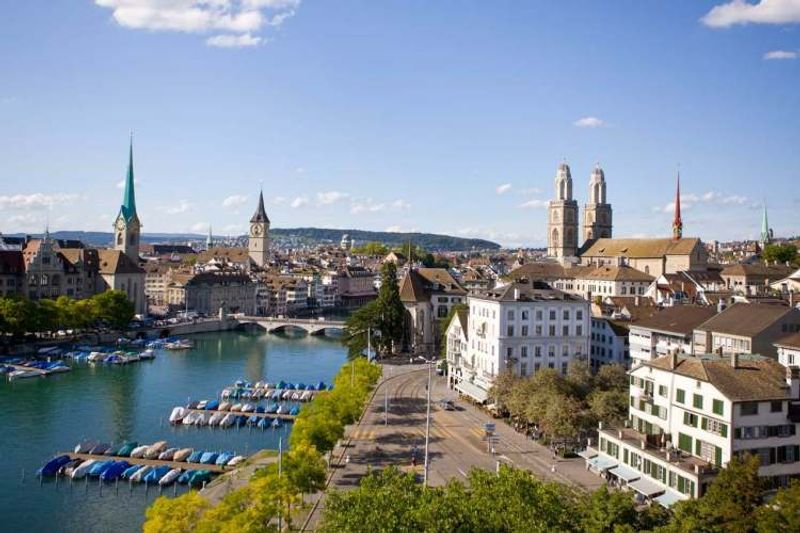
Zurich is the kind of city that feels almost suspiciously pleasant. The lake is clean enough to swim in during summer, the old town is charming without being chaotic, and the Swiss rail system opens up extraordinary day trips to mountain villages and alpine scenery that children find genuinely jaw-dropping.
It is a city that earns its reputation for quality.
The official Zurich tourism organization maintains dedicated family resources covering children’s museums, family-friendly hotels, guided family tours, and curated excursions into the surrounding region. The Swiss Children’s Museum and the Zurich Zoo are perennial favorites, while lake boat tours give families a relaxed way to see the city from the water.
Even a simple picnic by the lake tends to feel like a highlight when the Alpine backdrop is involved.
Switzerland’s main challenge for families is cost. Zurich is one of Europe’s most expensive cities, and accommodation, meals, and attractions reflect that.
Careful budgeting and strategic use of the Swiss Travel Pass can help manage expenses, particularly for families planning multiple day trips. The payoff is a level of cleanliness, safety, and reliability that takes a lot of logistical stress out of family travel.
Sometimes paying a little more for smooth, predictable experiences is genuinely worth it.
Salzburg, Austria
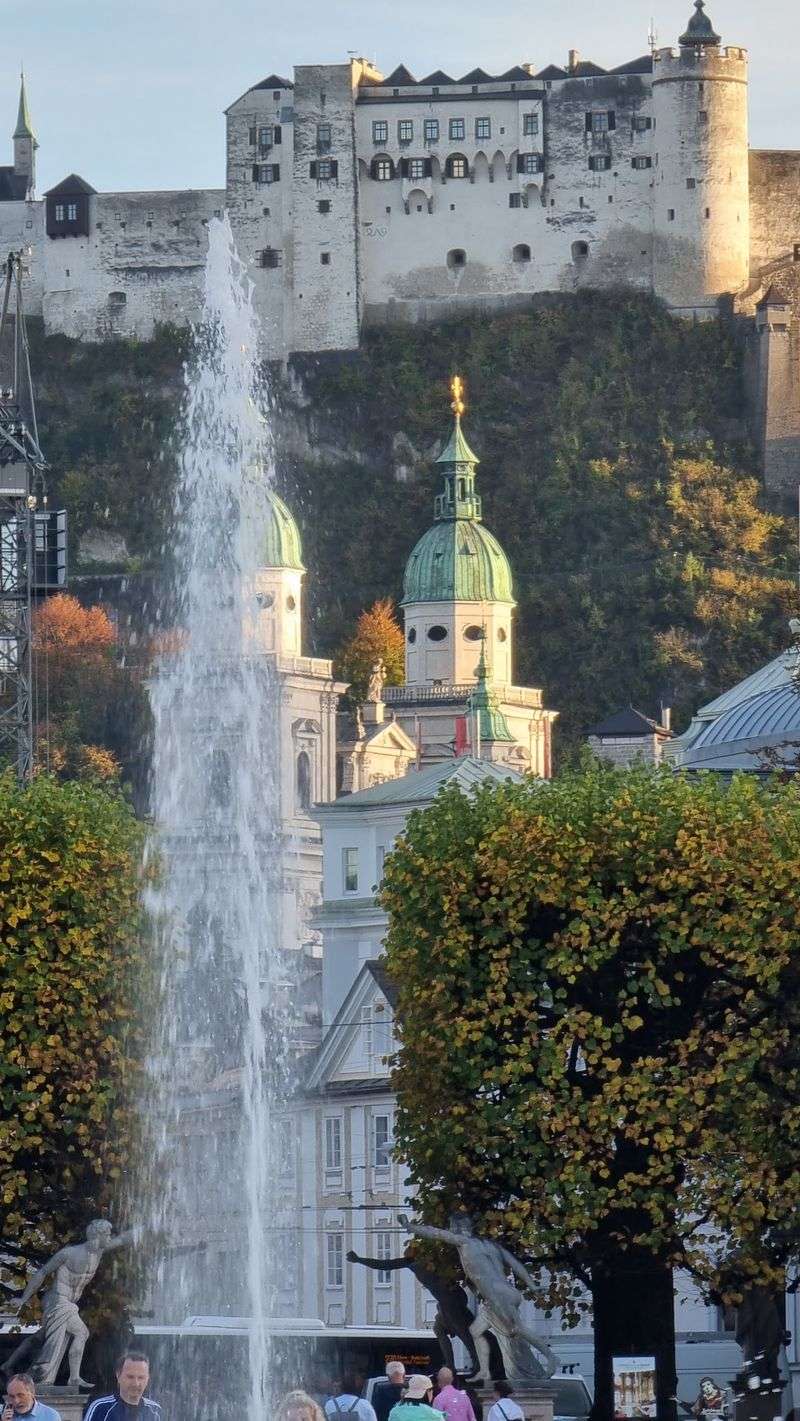
Salzburg punches well above its weight for a city of its size. Perched between the Alps and a winding river, it combines a fairy-tale fortress, Mozart’s birthplace, and enough surrounding mountain scenery to keep adventurous families very happily occupied.
Children who have watched The Sound of Music will recognize landmarks almost immediately, which creates an instant connection to the place.
Hohensalzburg Fortress is one of the best-preserved medieval castles in Europe and sits high above the city on a rocky hill. A funicular ride up to the fortress is exciting in itself, and the views from the top are genuinely spectacular.
Inside, children can explore towers, courtyards, and museum rooms without the experience feeling like a dry history lesson. The fortress manages to feel like a real adventure rather than an organized tour.
The surrounding Salzkammergut lake district offers easy day trips involving boat rides, swimming, and mountain cable cars that give families a natural break from cobblestone streets. Salzburg’s compact old town is manageable on foot, and the local bus network covers the wider region efficiently.
Compared to Zurich or London, Salzburg is reasonably priced, making it an attractive option for families who want Alpine beauty and Central European charm without the heaviest price tags.
Share this story