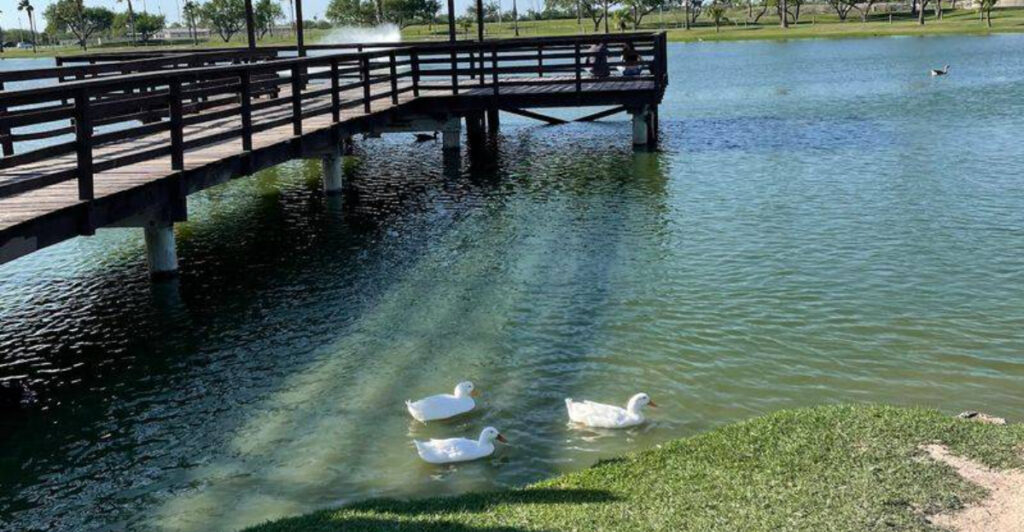
For just three dollars, you can spend hours walking through one of the most surprisingly rich wildlife spots in all of South Texas. The Rio Grande Valley sits along one of North America’s most active bird migration corridors, and this 40-acre wetland reserve puts you right in the middle of it.
Chachalacas call from the treetops, Black-bellied Whistling Ducks glide across open water, and ribbon snakes slip quietly through the grass while butterflies drift between native plants. Most people drive past without ever knowing this place exists, and that might be exactly what keeps it so peaceful.
A 40-Acre Wetland That Costs Less Than a Cup of Coffee
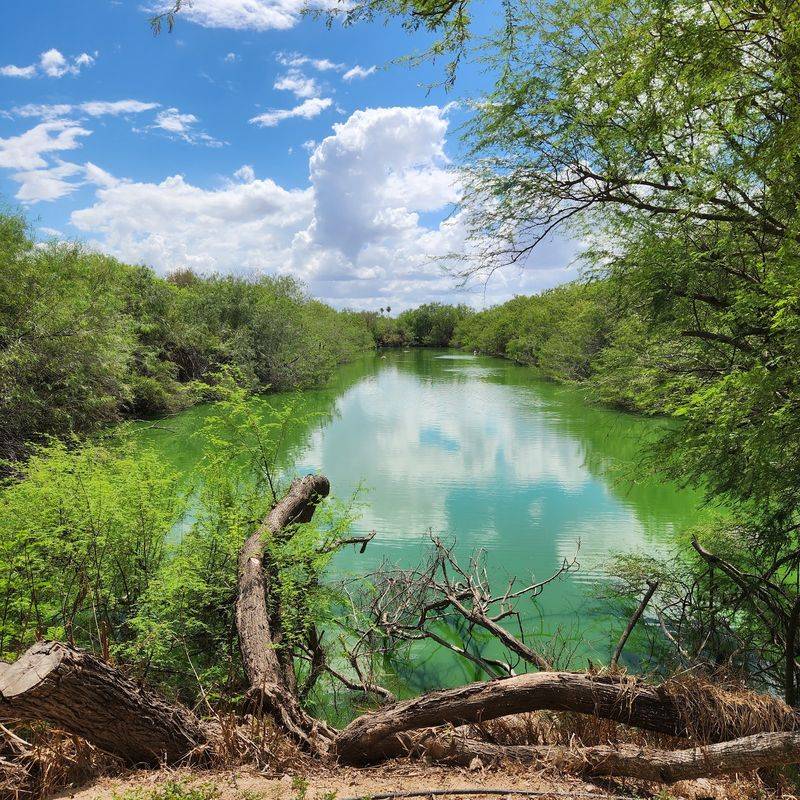
Three dollars gets you full access to one of the most quietly impressive nature reserves in the Rio Grande Valley. The Edinburg Scenic Wetlands and World Birding Center, located at 714 S Raul Longoria Rd, Edinburg, TX 78542, is a 40-acre property managed by the City of Edinburg Parks and Recreation Department.
The entrance fee is almost laughably low for what you get. Wide, well-maintained trails loop around resacas, smaller ponds, and dense native plantings that attract an astonishing variety of wildlife throughout the year.
A yearly family membership is also available for those who want to visit regularly without paying per trip. The center opens at 8 AM Monday through Saturday and at noon on Sundays, giving morning visitors the best chance to catch peak bird activity before the South Texas heat settles in.
The Bird Diversity That Puts This Valley on the Map
The Rio Grande Valley is one of the top birding destinations in the entire country, and the Edinburg Scenic Wetlands sits at the heart of that reputation. The property draws species that are rarely seen anywhere else in the United States, making it a genuine draw for serious birders traveling from across the country.
On a single walk, visitors regularly spot Great Kiskadees, Black-bellied Whistling Ducks, various heron species, Stilts, Flycatchers, Woodpeckers, and the notoriously loud Chachalaca. Buff-bellied Hummingbirds also appear, along with Cardinals and the occasional kingfisher along the water’s edge.
The variety shifts by season, which is part of what keeps regular visitors coming back. A walk in January feels completely different from one in October, and both will turn up something worth stopping for.
Binoculars are available to rent at the center starting at 8 AM.
Chachalacas at the Entrance and What That Tells You
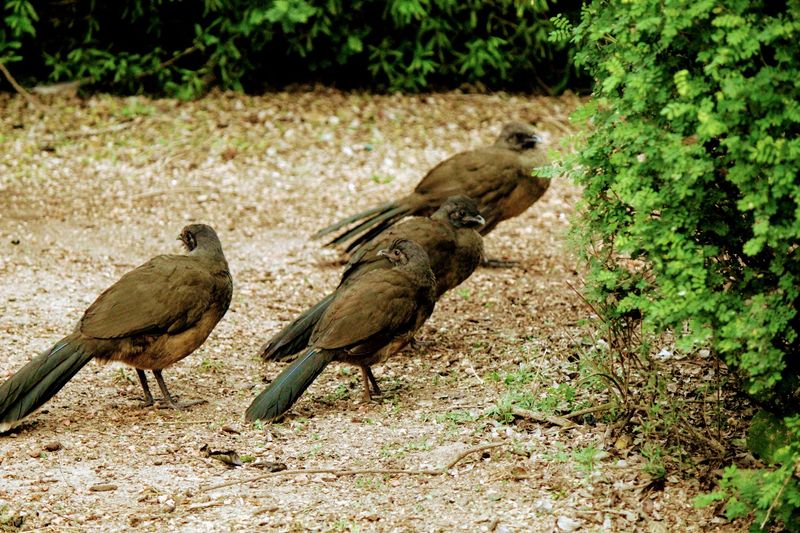
The moment you step through the entrance, the Chachalacas let you know you have arrived somewhere special. These loud, prehistoric-looking birds cluster near fruiting trees just inside the gate, completely unbothered by visitors walking past them.
Chachalacas are native to the brushlands of South Texas and northeastern Mexico, and the Rio Grande Valley is one of the few places in the United States where you can reliably find them. Seeing a group of them perched a few feet away, picking at small berries, is the kind of wildlife encounter that does not require hiking miles into the backcountry.
For first-time visitors, this tends to be the moment when the place clicks. You realize you are not just walking through a pretty park.
You are inside a functioning wildlife habitat where the animals go about their routines without treating humans as an intrusion.
Trails Designed for Everyone, Not Just Serious Hikers
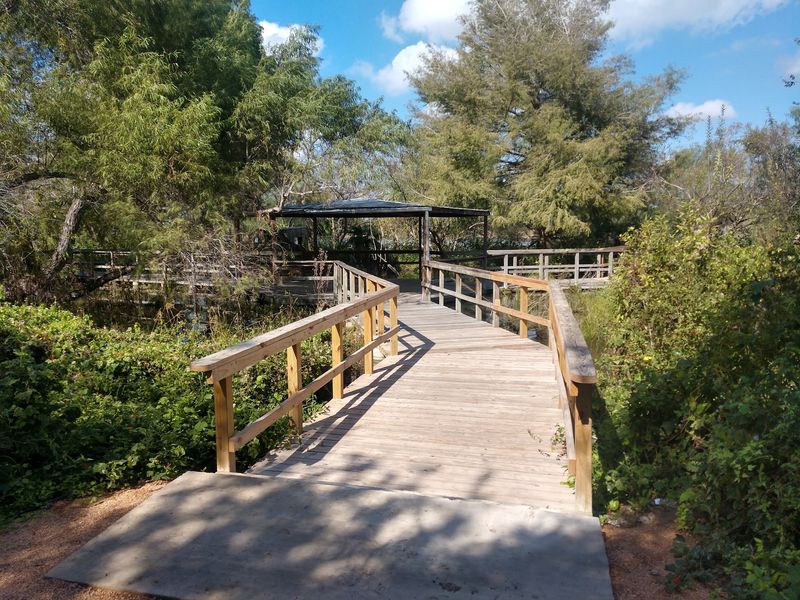
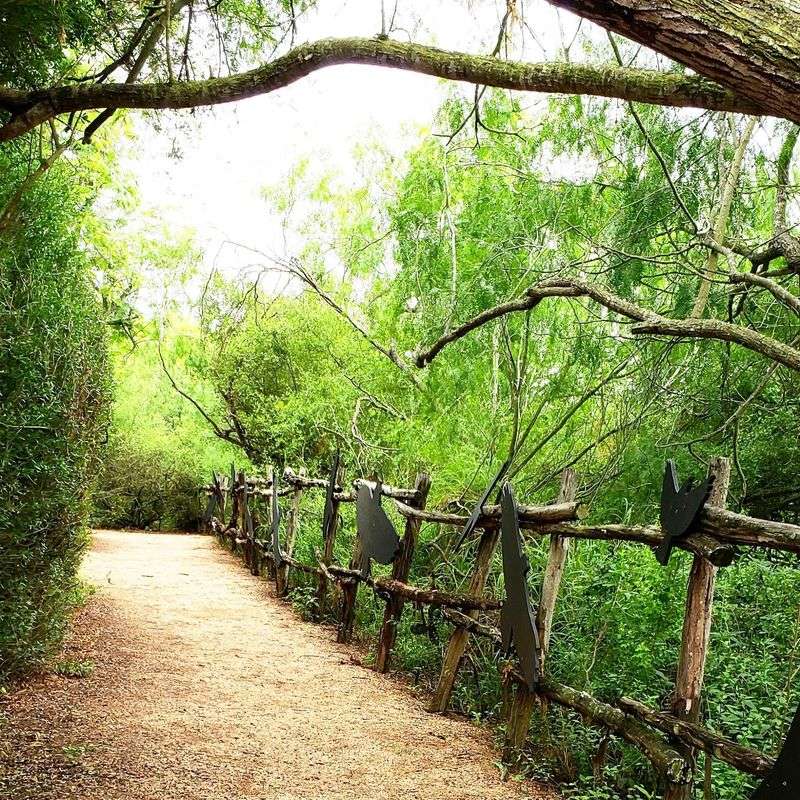
The trail system here is accessible and well-suited for families, older visitors, and anyone who wants a relaxed outdoor walk rather than a strenuous workout. Paths are wide, clearly marked, and regularly maintained by city parks staff who keep them free of overgrowth and litter.
Shade is a significant feature throughout much of the property. Dense tree canopy covers large sections of the trail, which matters enormously during South Texas summers when midday temperatures climb fast.
Covered picnic areas with fans are scattered throughout the grounds, giving visitors a comfortable place to rest between sections.
Multiple benches and observation stations are positioned along the route, allowing you to sit quietly and let the wildlife come to you rather than chasing it. The layout makes it easy to spend two or three hours without ever feeling rushed or like you have run out of things to see.
Resacas and Ponds That Attract Waterfowl Year-Round
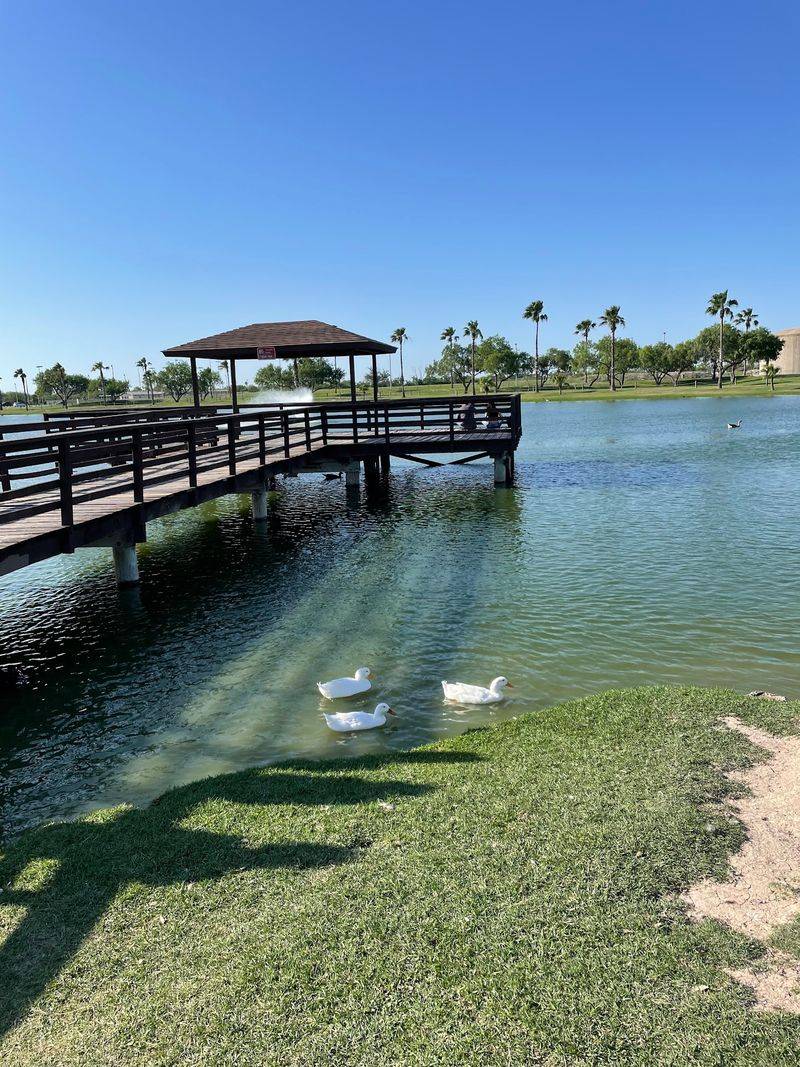
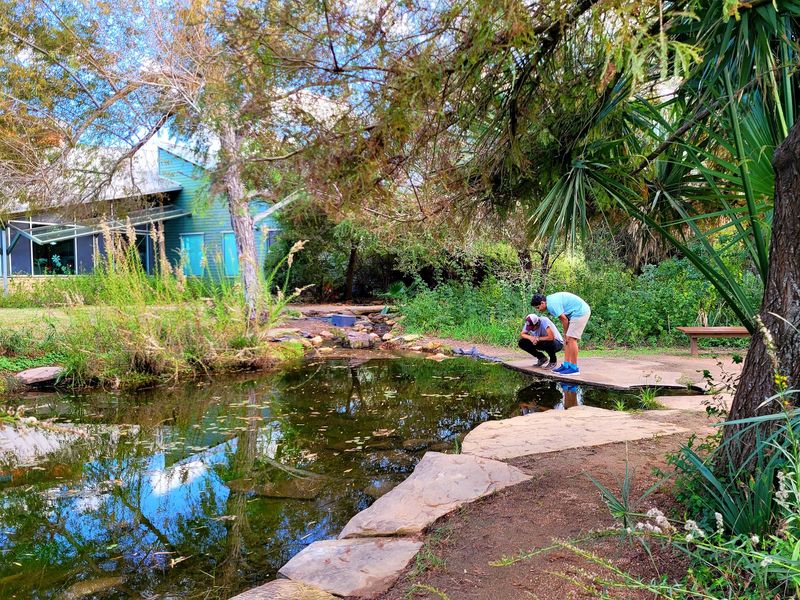
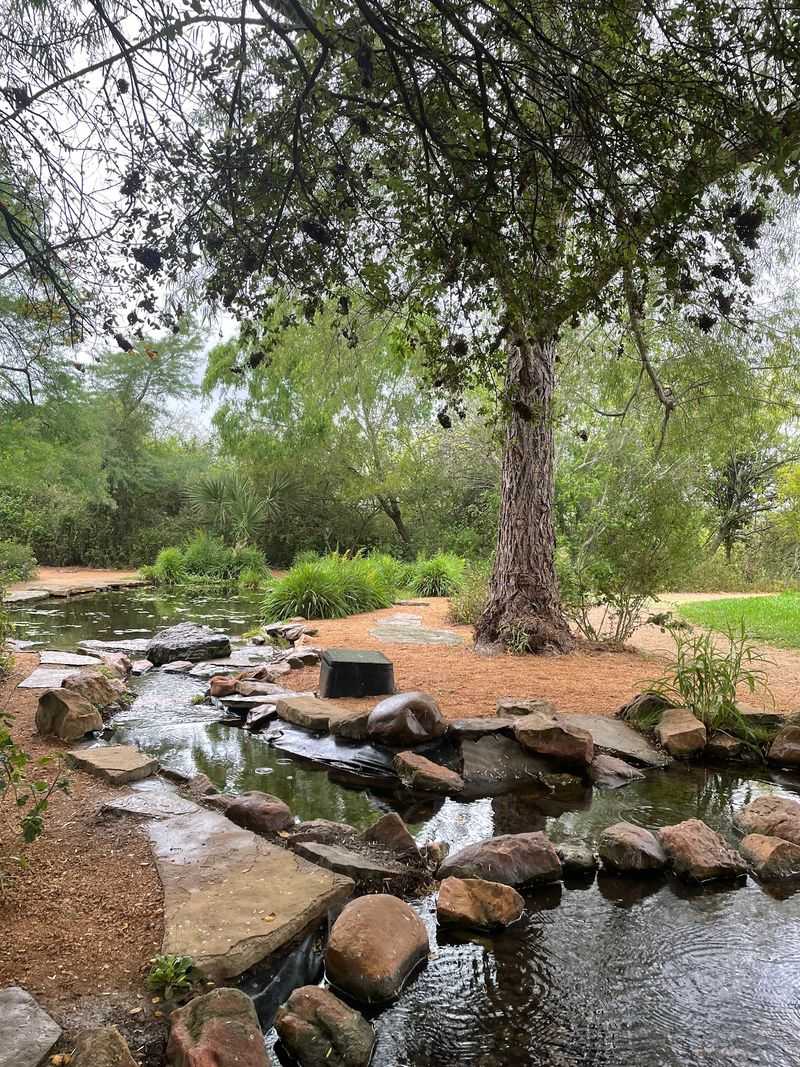
The water features at the Edinburg Scenic Wetlands are what anchor the entire ecosystem. The property includes a large resaca, which is a type of oxbow lake common to the Rio Grande Valley, along with several smaller ponds that support a surprisingly dense concentration of aquatic life.
Pelicans, ducks, egrets, and herons are regular visitors to the open water. Turtles sun themselves on logs near the edges, and water snakes occasionally surface along the banks.
The ponds also contain tadpoles in season, which tend to fascinate younger visitors who may be encountering that kind of wildlife up close for the first time.
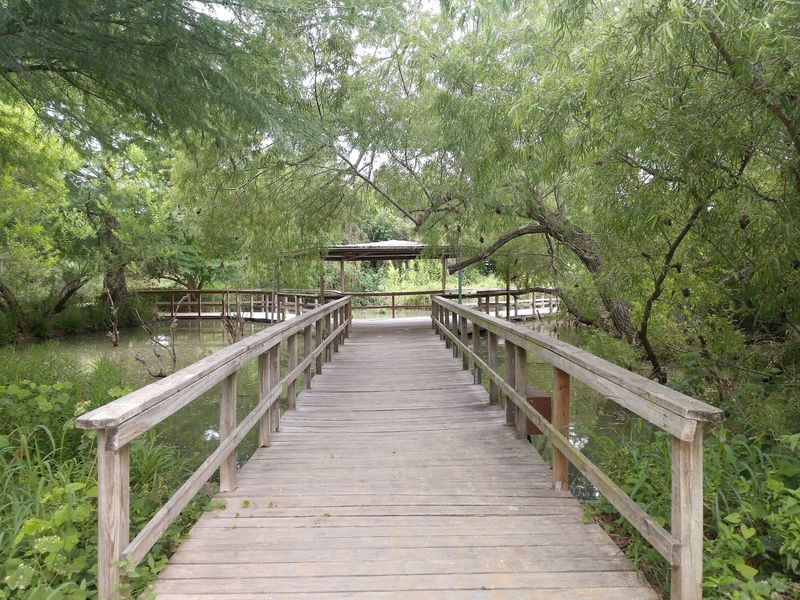
Wooden observation decks positioned around the larger water body give visitors elevated views across the surface without disturbing the birds. Early morning visits are especially rewarding when the light is low and the waterfowl activity tends to be at its highest before midday heat sets in.
Butterflies and Small Wildlife That Most People Miss
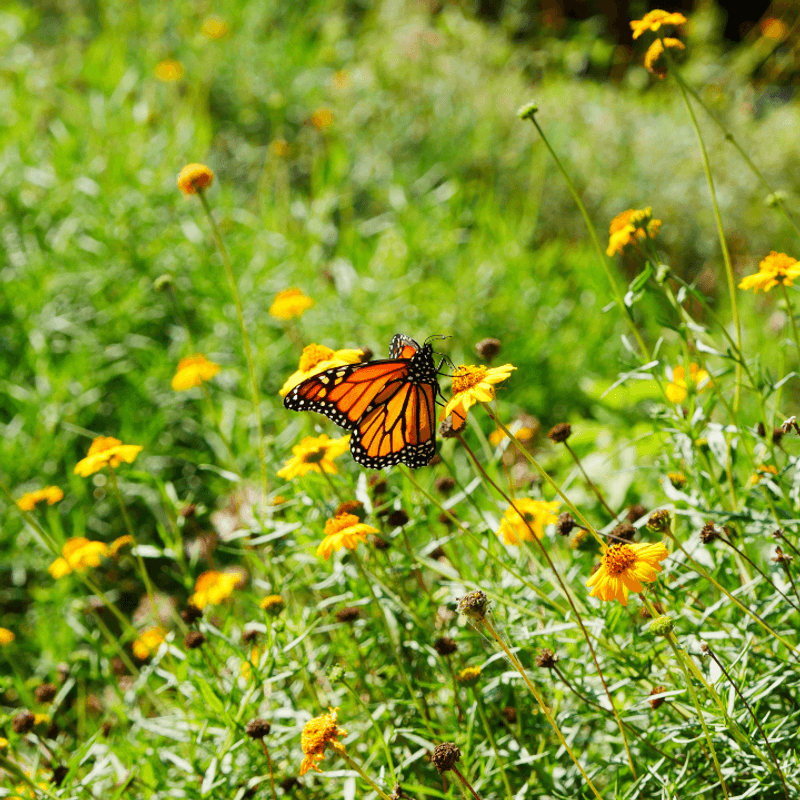
Birding gets most of the attention here, but the butterfly activity is equally remarkable. Native plantings throughout the property attract dozens of species, and on warm mornings the air along certain trail sections is practically filled with them drifting between flowers.
Lizards dart across sun-warmed patches of trail, squirrels move through the canopy overhead, and rabbits occasionally appear in the brush along quieter sections of the path. Ribbon snakes have been spotted by visitors who move slowly and pay attention to the grass along the water’s edge.
The variety of small wildlife makes this an excellent place to introduce children to observational nature skills. There is always something moving, always something worth pausing for, and the scale of the property is manageable enough that younger kids can handle the full trail without getting worn out.
Bring water regardless of the season.
The Educational Center and What You Learn Before You Walk
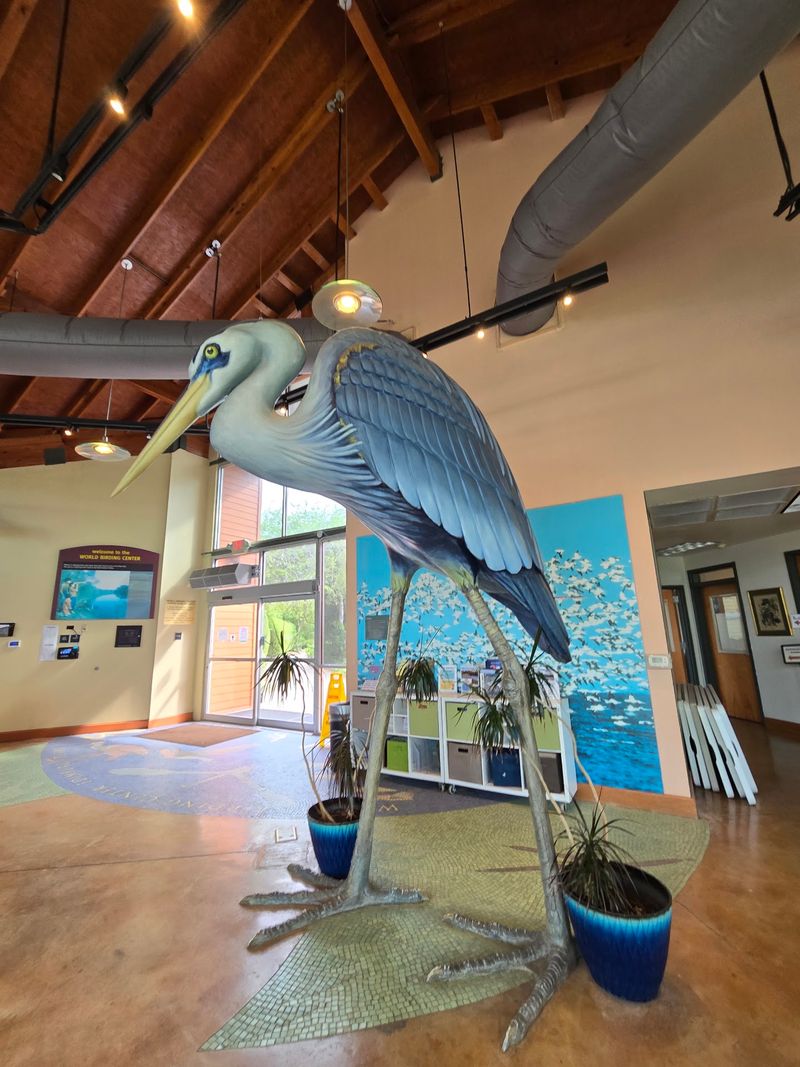
Before heading out on the trails, the on-site educational center gives visitors useful context about what they are likely to encounter. Displays cover the native bird species of the Rio Grande Valley, the ecology of the wetland habitat, and the importance of resacas to the regional environment.
The learning center is particularly valuable for families visiting with children who may not yet have much background in wildlife or birding. Understanding a little about what you are looking for makes the walk significantly more engaging, even for kids who might otherwise lose interest quickly.
Staff at the center can answer questions and offer tips about where specific birds have been seen recently on the property. The gift shop also carries field guides, binoculars, and nature-themed items worth browsing before or after your walk.
Rentable binoculars are a practical option for visitors who did not bring their own.
Picnic Areas That Invite You to Stay Longer
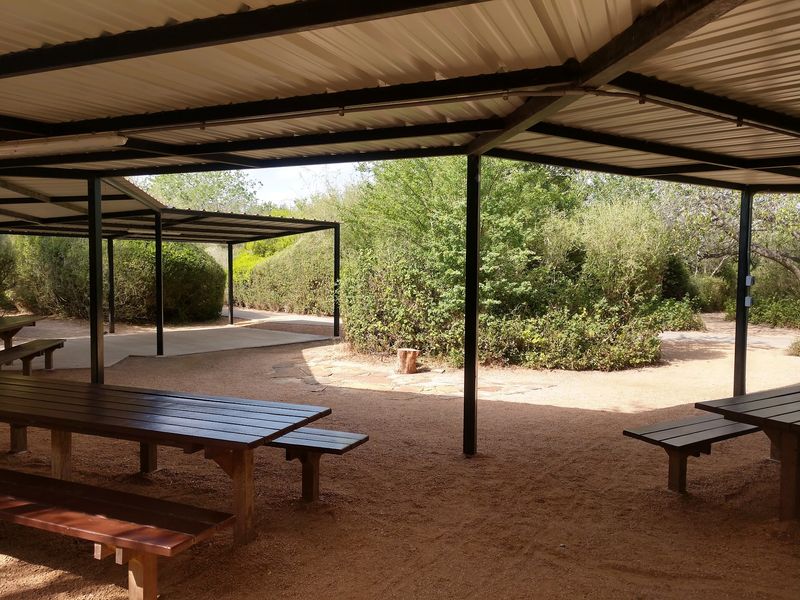
Plenty of nature spots ask you to look and keep moving. This one actively encourages you to slow down and stay.
Covered picnic sites with fans are distributed throughout the property, and many visitors bring their own food and spend the better part of a morning or afternoon there without feeling like they need to rush.
The picnic areas are positioned thoughtfully, often near water or dense vegetation where birds tend to congregate. Sitting quietly at a picnic table for twenty minutes can produce more wildlife sightings than moving constantly along the trail.
That stillness is part of what makes the experience feel genuinely restorative rather than just recreational.
Snacks and drinks are available for purchase at the center if you forget to pack something. The grounds are kept clean, and visitors are expected to carry out their trash, which helps maintain the quality of the experience for everyone who comes after them.
Membership Options for Frequent Visitors
A yearly family membership is available for those who plan to return more than a couple of times. At twenty-five dollars per year for a family, it represents one of the better deals in South Texas outdoor recreation and effectively eliminates the per-visit admission cost for regular visitors.
Members also get the added benefit of supporting the ongoing maintenance and programming that keeps the property running. Events and special activities for children are scheduled throughout the year and listed on the center’s website at edinburgwbc.org, making it worth checking ahead of your visit to see what might be happening during your trip.
For locals, the membership turns the wetlands into a regular morning routine rather than an occasional outing. Several visitors mention returning weekly or even more frequently, particularly birders who are tracking specific species across seasons and want to build a complete picture of what the property holds.
Seasonal Highlights That Change With Every Visit
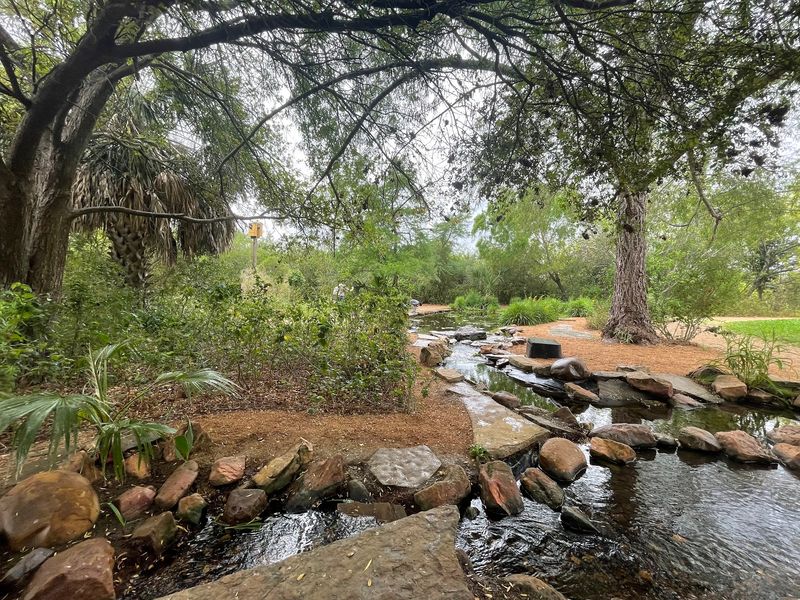
One of the most compelling reasons to visit more than once is that the property genuinely transforms across seasons. Spring migration brings an influx of species passing through the Valley on their way north, while fall migration reverses the flow and introduces a fresh set of visitors to the trails and ponds.
Winter is especially productive for waterfowl, with larger concentrations of ducks and herons using the resaca during cooler months. Summer, while hot, rewards early morning visitors with hummingbird activity and the full chorus of resident species that stay through the warmer season.
Butterflies tend to peak in late summer and early fall, adding another layer of visual interest when some of the migratory bird traffic has slowed. The shifting cast of wildlife means no two visits feel identical, which is a rare quality for a property of this size and explains why so many regulars keep coming back.
Practical Tips for Getting the Most Out of Your Visit
Arriving early is the single most effective way to improve your experience here. The gates open at 8 AM on weekdays and Saturdays, and the first two hours of daylight bring the most bird activity and the most comfortable temperatures.
South Texas heat builds quickly, especially from late spring through early fall.
Bring more water than you think you need. The center sells drinks and snacks, but having your own supply means you can stay longer without needing to cut the walk short.
Sunscreen and insect repellent are both worth packing, particularly during summer months when mosquitoes can be active near the water.
Wear comfortable walking shoes rather than sandals. The trails are well-maintained but include sections near water where the ground can be uneven.
Soft-soled shoes also reduce noise, which matters when you are trying to get close to wildlife without startling them off their perches.
Why This Place Matters to the Rio Grande Valley
The Rio Grande Valley holds a genuinely unique ecological position in North America. It sits at the convergence of several climate zones and serves as a critical corridor for migratory birds traveling between North and South America.
Urban development has steadily reduced the native habitat that once supported this movement, making preserved spaces like this one increasingly important.
The Edinburg Scenic Wetlands functions as a refuge within a developed landscape, maintaining a pocket of native vegetation, open water, and wildlife habitat that benefits both resident and migratory species. The fact that it is publicly accessible and affordable keeps it connected to the local community rather than existing purely as a conservation site.
For visitors from outside the Valley, it offers a window into an ecosystem that does not exist anywhere else in the country at quite this scale or with this particular mix of species. That specificity is worth the three-dollar admission many times over.
Share this story