I almost drove right past it, a field of tall metal towers spinning beside a quiet highway in western Oklahoma. Curiosity won, and I pulled over expecting a quick photo and nothing more.
Instead, I found a free outdoor museum full of stories about how pioneers pulled water from dry ground. It turned out to be one of the most surprising stops I have ever made in this state.
A Windmill Park Hiding in Plain Sight
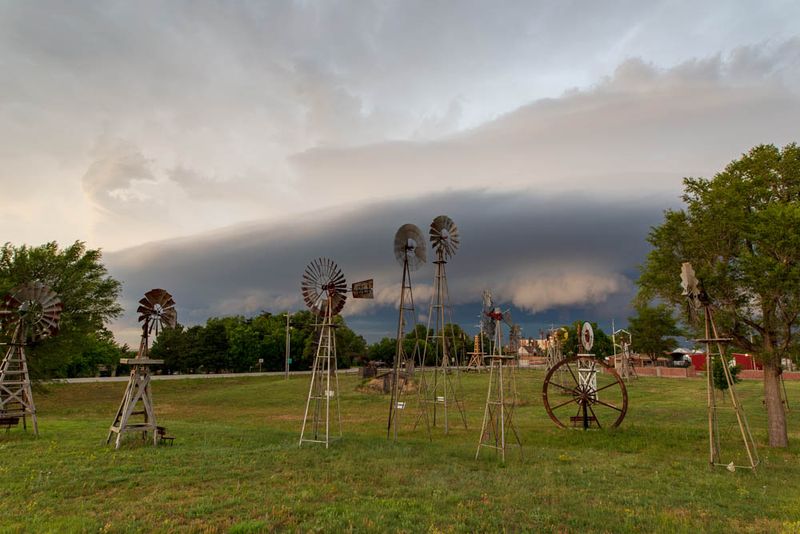
Picture a small town in far western Oklahoma, close to the Texas line, where the wind rarely takes a day off. Right along South Main Street in Shattuck sits a park packed with old windmills, their blades turning against the open sky.
Travelers often say the place practically jumps onto the highway in front of them.
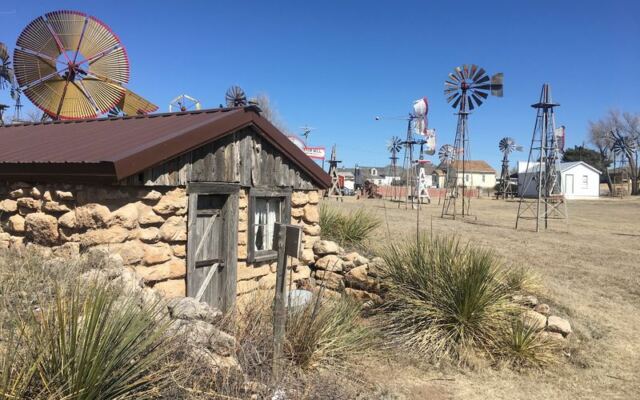
The Shattuck Windmill Museum is an outdoor museum first and foremost. Rows of restored windmills stand on a park-like stretch of grass, each one a piece of farm and ranch history.
A front building holds a gift shop and a restroom, and a large shed nearby shelters even more pumps and windmills.
Shattuck is not exactly on the way to anywhere, and plenty of visitors admit they found it by accident. Some were wandering the back roads on purpose, skipping the interstates to see the country up close.
Others were simply passing through town and could not resist the sight.
Either way, people keep using the same kind of word to describe it afterward. They call it a gem, a true find, and a stop well worth the detour.
For a town this small, that is quite a reputation to carry.
Water, Wind, and Pioneer Grit
Long before electric pumps, the plains had a simple problem. Water sat deep underground, and cattle, sheep, and families all needed it every single day.
The answer came spinning on top of a tall tower.
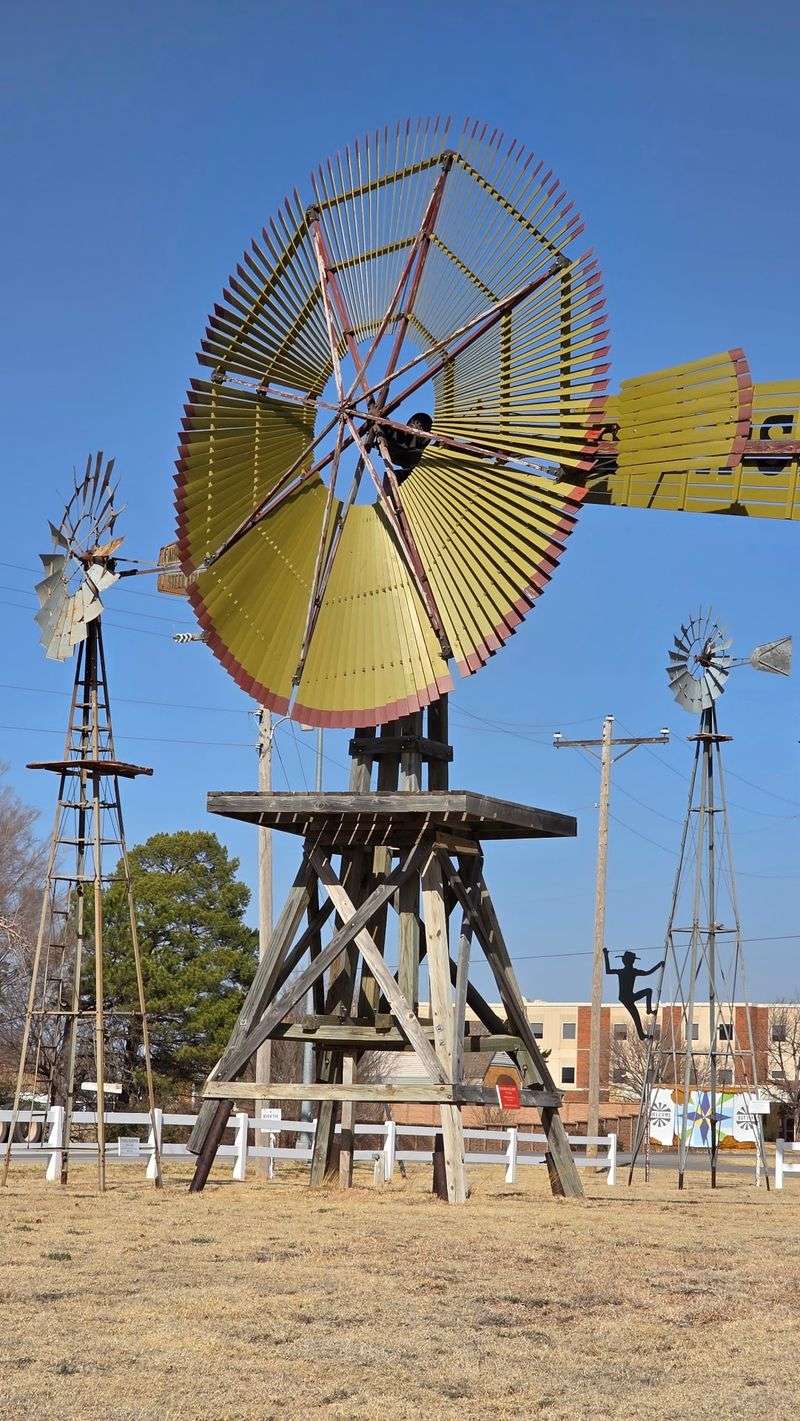
Most of the windmills at the museum were built for pumping water. Each gust of wind turned the blades, which worked a pump that lifted water up to tanks and troughs.
One visitor described the windmill as a device that belongs on any list of how the West was won, and it is hard to argue with that.
The collection celebrates the ingenuity and determination of the people who settled this land, both pioneers and Native peoples. Many exhibits are one of a kind, and caretakers can explain how different designs solved different challenges.
Seeing them side by side shows how much creativity went into a machine that looks simple from far away.
Here is a cute detail visitors love. Small signs along the highway side of the park tell a little rhyme about thirsty cows and sheep getting their water when the wind blew.
It sums up the whole history lesson in one smile.
Rows of Restored Towers From Across America
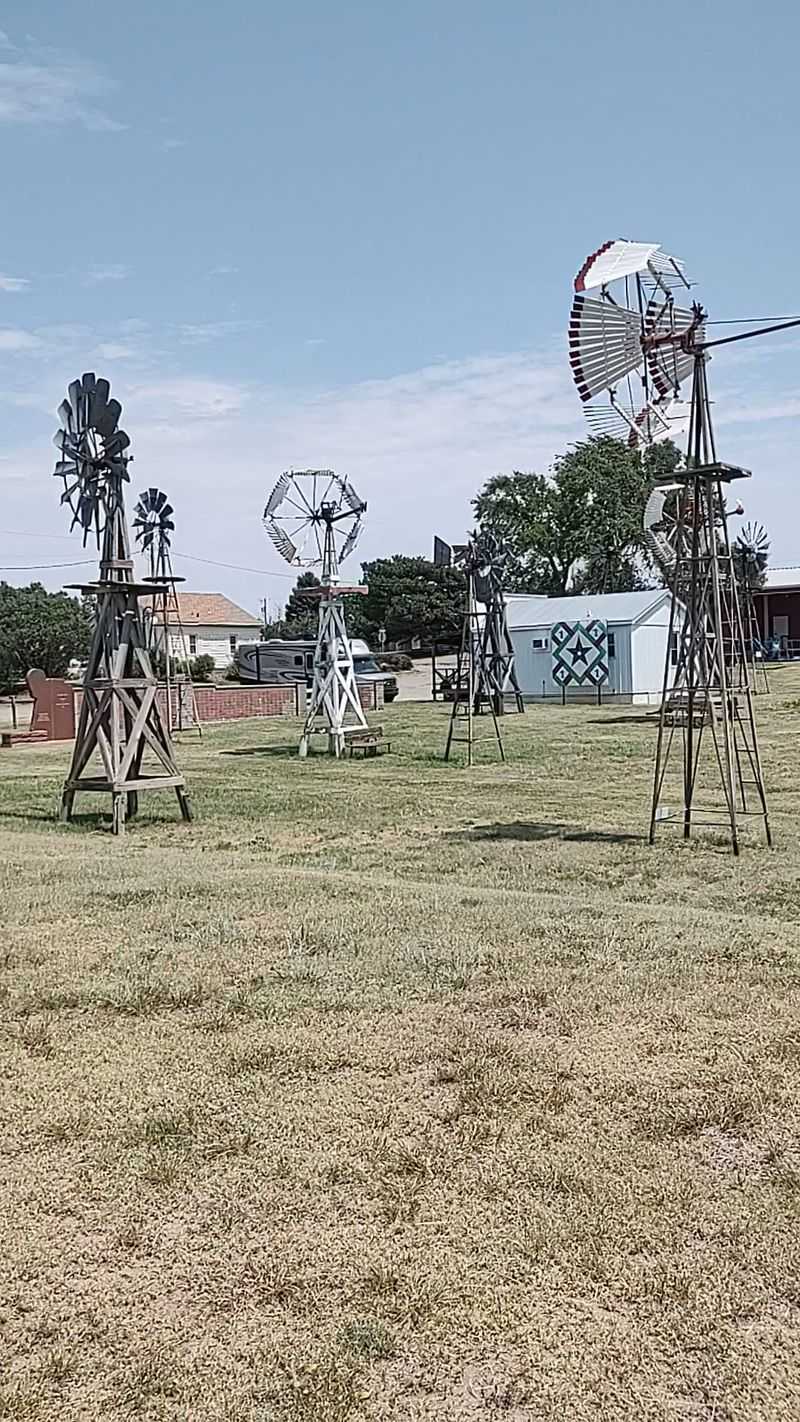
Count them if you want, but you might lose track. Visitors have tossed out guesses of thirty, fifty, even sixty windmills, and the towers seem to keep going the farther you walk.
They come from all over the United States and from several different sources.
Variety is the real fun here. Some windmills have wooden blades, others shine with metal, and each tower has its own shape and size.
Guests often say they enjoyed spotting the different types and comparing how they were built.
What surprises many people is how well the collection is kept. Visitors describe the windmills as beautifully maintained, and some note that many are fully working.
When the wind picks up, you are not looking at frozen relics but at machines doing exactly what they were made to do.
Do not skip the big shed beside the gift shop, either. Inside, additional water pumps and windmills are on display, giving you a closer look at parts that are hard to see up on a tall tower.
It adds a nice layer to the outdoor walk.
Even folks who never cared about windmills say the collection sparked real curiosity in them.
The Dugout, the Soddy, and the Little Farmhouse
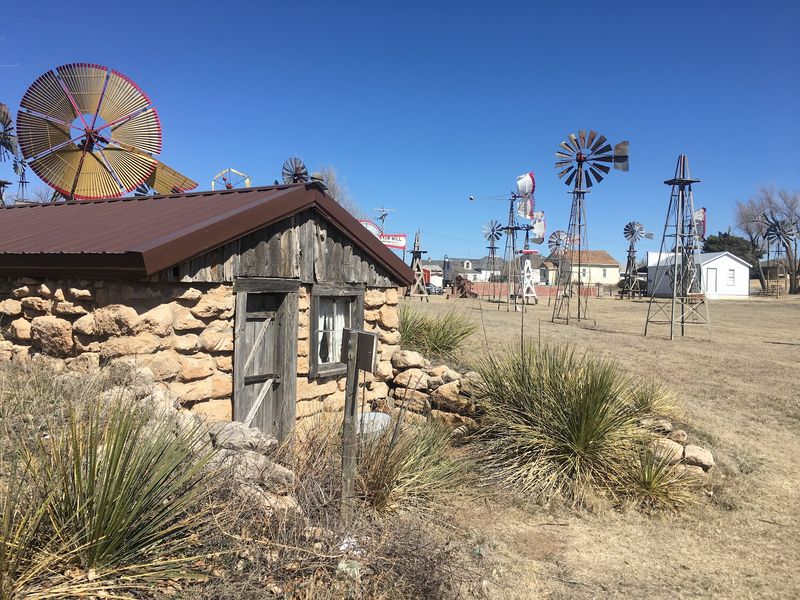
Windmills steal the spotlight, yet some of the best surprises sit lower to the ground. Scattered around the grounds are restored buildings that show how early settlers actually lived on these plains.
One visitor put it well, saying that calling this only a windmill museum does not tell the full story.
A soddy house, built in the style of homes made from blocks of prairie sod, gives a feel for how families made shelter where trees were scarce. There is also a small farmhouse you can step inside.
A restored dugout, a home partly dug into the earth, rounds out the pioneer scene.
One thing to know before you go is that these buildings are often kept locked. Staff do this to protect the artifacts after past thefts.
That might sound disappointing, but there is good news.
Visitors report that asking at the museum office can make all the difference. One guest found the dugout locked on a scorching summer day, and a staff member walked out with a ring of keys.
The result was a personal history lesson about the windmills and other local artifacts. It does not hurt to ask politely.
Tune In to 90.3 for the Story
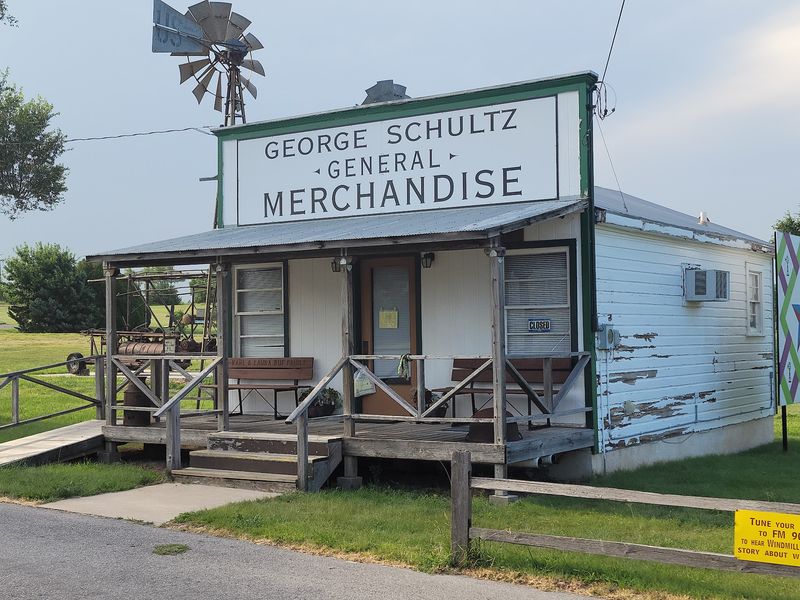
Grab your car keys, but leave the engine idle for a few minutes. One of the cleverest features at the museum comes right through your radio.
Tune to 90.3 while you are parked nearby, and a recorded program shares the history of the windmills.
Visitors say the broadcast runs around five minutes and packs in plenty of useful information. It is a perfect way to get your bearings before walking the grounds.
You learn what you are looking at, then you go see it for yourself.
The radio program is especially handy if you arrive when the front building is closed. Several travelers mention showing up after hours and still getting a solid history lesson from the broadcast.
One group even listened from their RV before stepping outside.
It also suits road-trippers who want something quick. Maybe you have only a short break in your drive, or maybe the weather is not cooperating.
Either way, the radio turns a roadside pull-off into a mini tour.
Fans of old-time broadcasting tend to enjoy the idea too. There is something charming about learning frontier history through a radio dial while the blades spin right outside your window.
Caretakers With Stories to Share
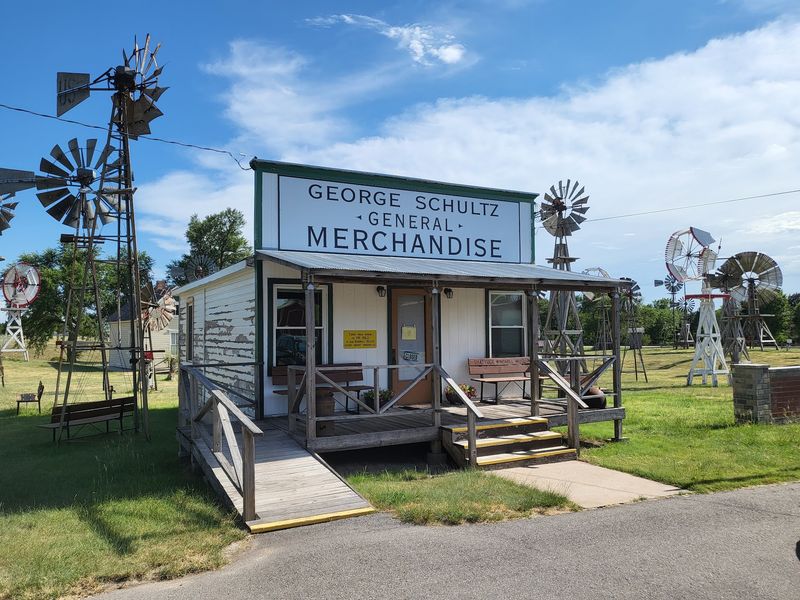
Ask almost anyone who has visited, and the people come up just as often as the windmills. Kind staff is one of the most talked about parts of the experience.
Travelers describe the curators and caretakers as gracious, charming, and generous with their time.
Several guests received personal tours they never expected. A curator walked one group through the collection, sharing insights about the history and uses of each windmill.
Another visitor remembers a caretaker named Doug giving them a tour full of great memories.
The women working the front building get plenty of praise, too. Guests mention being told the story of the museum itself, and one returning visitor said the woman there gives great tours of the whole place.
A family who has come back again and again even picked up souvenirs and a T-shirt for the ride home.
That warmth has a way of turning a quick stop into a highlight of a trip. One couple was greeted by a gentleman who showed up simply to share information while they listened from their RV.
Staff availability can vary, so your visit may look different. Still, a friendly hello at the office is always worth trying.
Practical Notes for Your Stop
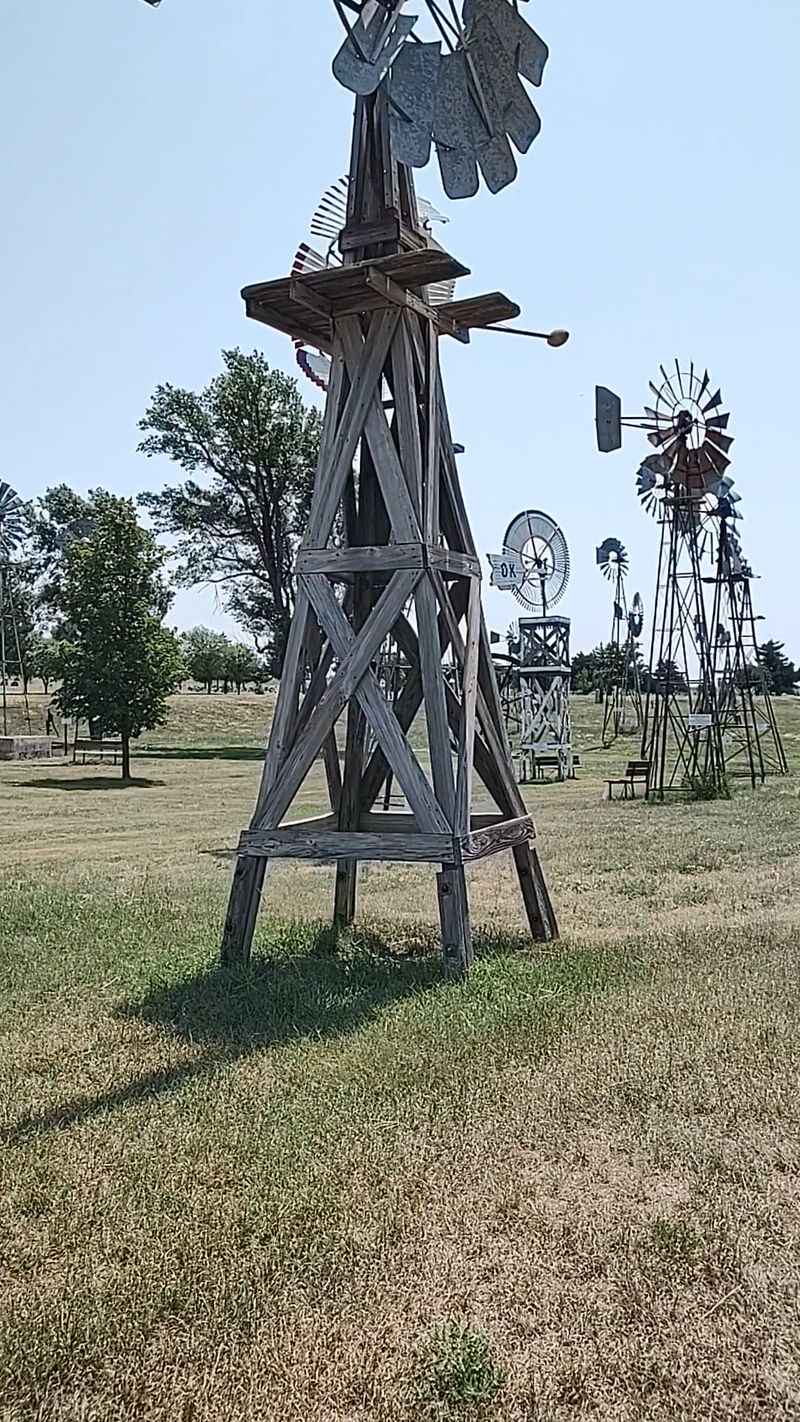
Good news for budget travelers: the park and museum are free. Visitors are encouraged to leave a donation, and there is a guest book where you can write down where you are from.
Flipping through it shows just how far people travel to see these towers.
The grounds are listed as open 24 hours, every day of the week. The front building with the gift shop and restroom keeps its own schedule, though, and some visitors found it closed.
For questions, you can call the museum at 580-938-5291 before you head out.
Getting there is fairly simple. The museum sits at 1201-1299 South Main Street in Shattuck.
One visitor suggests leaving Interstate 40 and heading north on Highway 283, and US 412 also runs nearby.
Dress for a prairie field. Like many open grassy areas in Oklahoma, the park can have stickers, so wear closed-toe shoes and brush them off before climbing back in your car.
One recent visitor also mentioned tall weeds and bugs during a summer stop.
Summer heat can be intense out here, too. Bring water, a hat, and some patience for the wind.
Worth the Detour, Wind or Shine
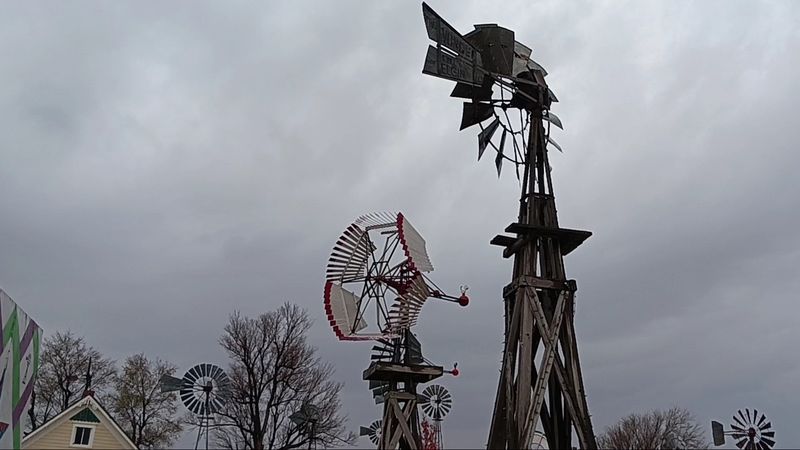
Imagine standing in a field as the breeze builds and dozens of blades start whirring together. One visitor described it as a united chorus, almost magical, rolling through the old structures.
On a windy day, that sound alone makes the trip.
Benches and picnic tables invite you to slow down and stay a while. Families with kids, history fans, photographers, and road-weary drivers needing to stretch their legs all seem to find something here.
Even a traveler who passed by at night in the rain stopped to take photos and hoped to return in daylight.
Pairing the visit with other stops makes for a fuller day. One guest recommends adding the Washita Battlefield National Historic Site along the way.
Western Oklahoma rewards people who take their time on the side roads.
So is it worth going? For anyone who loves quirky roadside finds, the answer leans toward a happy yes.
Visitors call it Americana at its finest and a genuine historic treasure.
Come for the windmills, stay for the stories, and leave a little something in the donation box. Few free stops in Oklahoma leave such a lasting breeze in your memory.
Share this story